




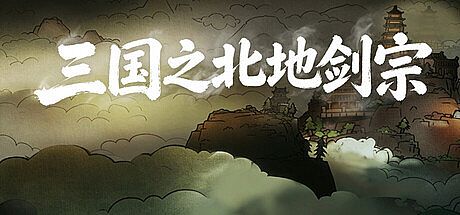


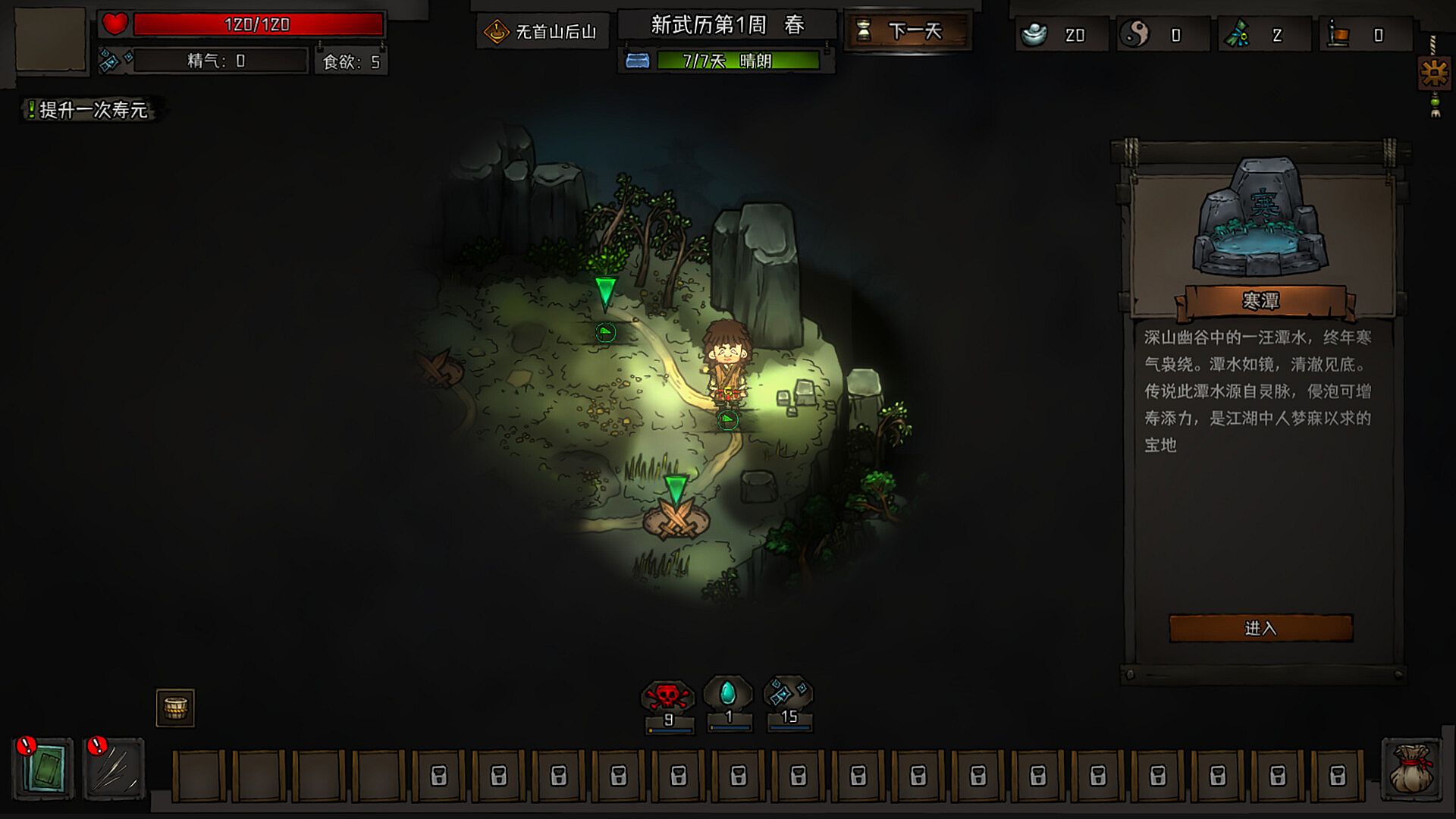
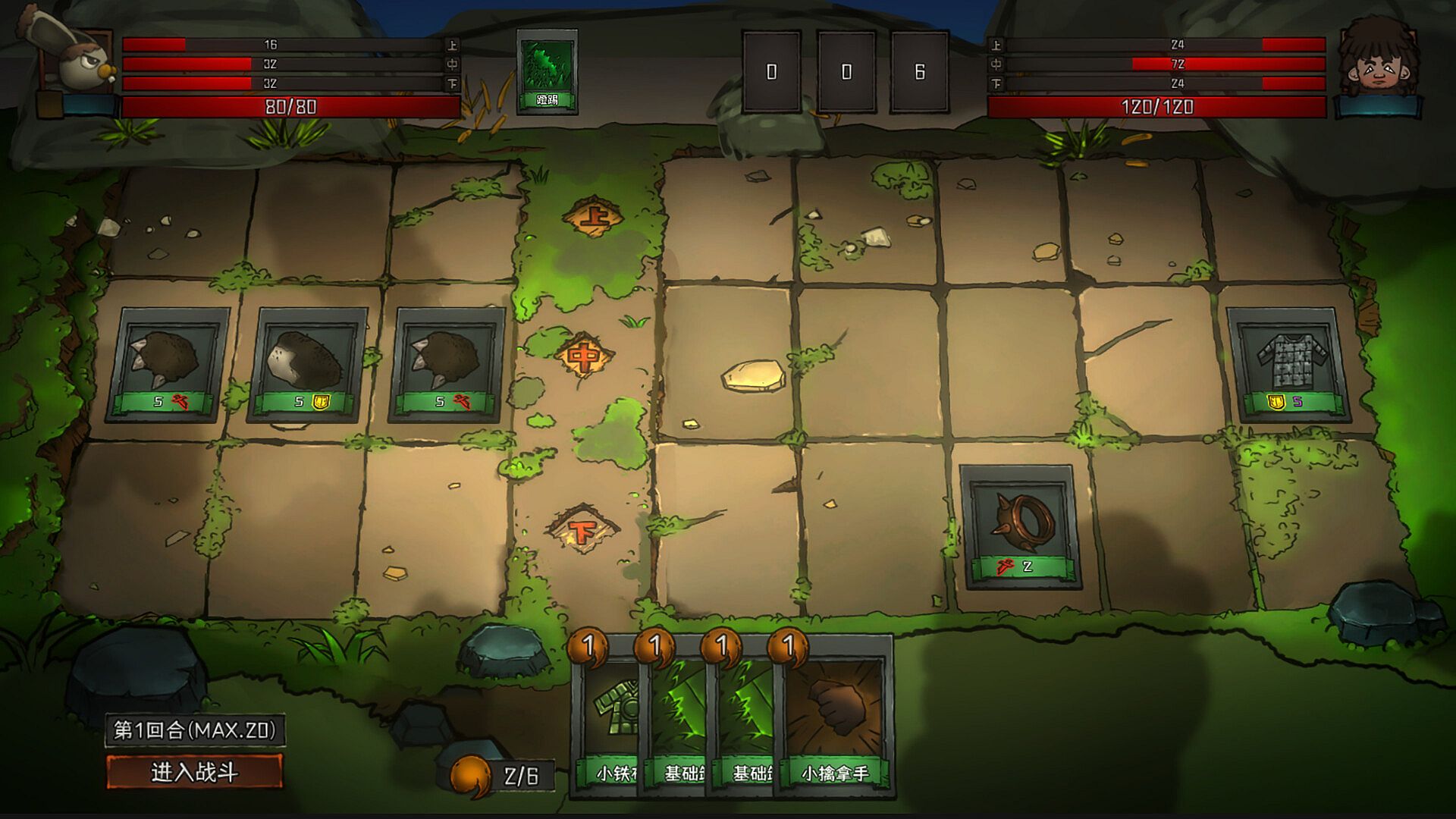
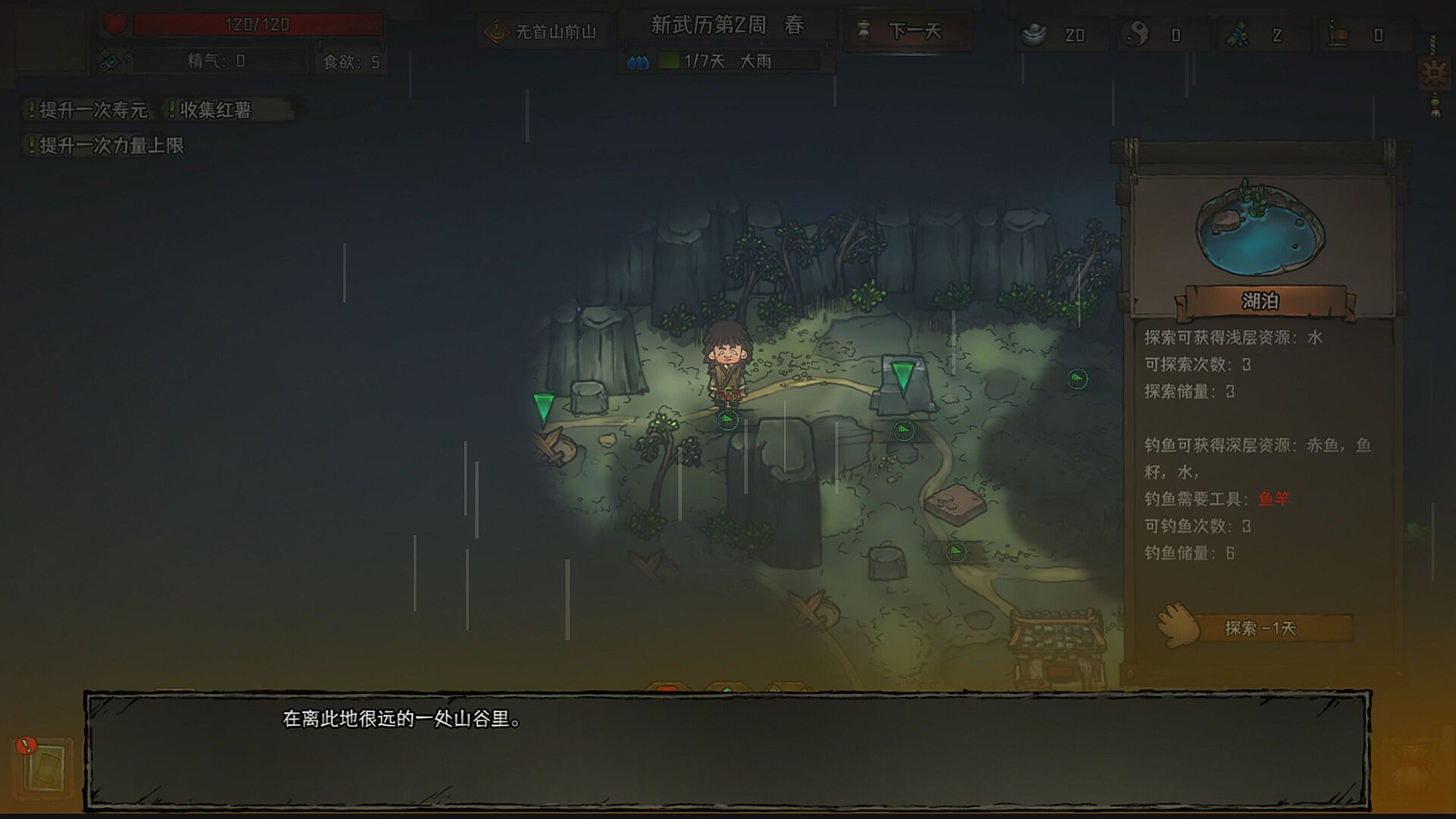
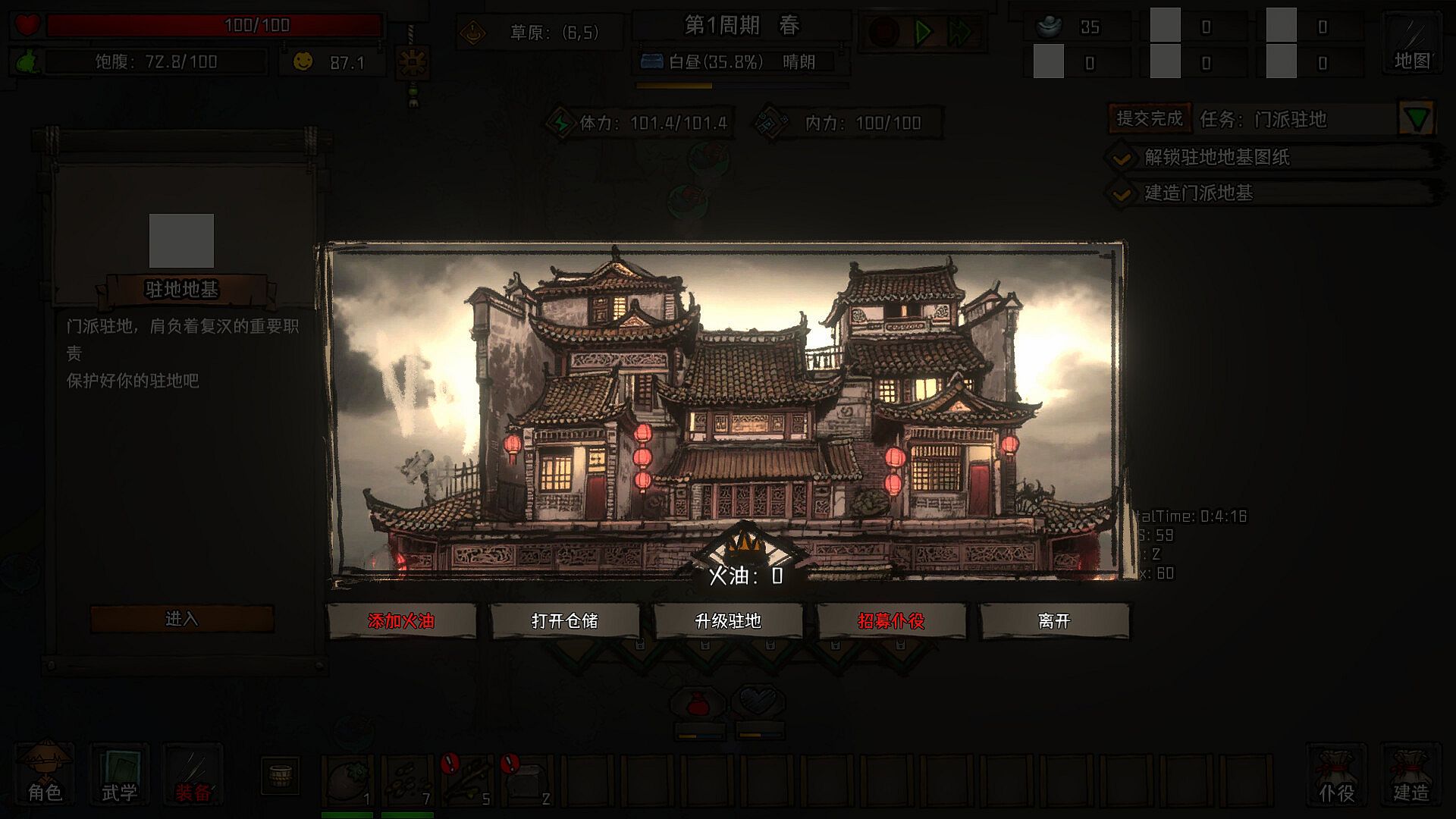
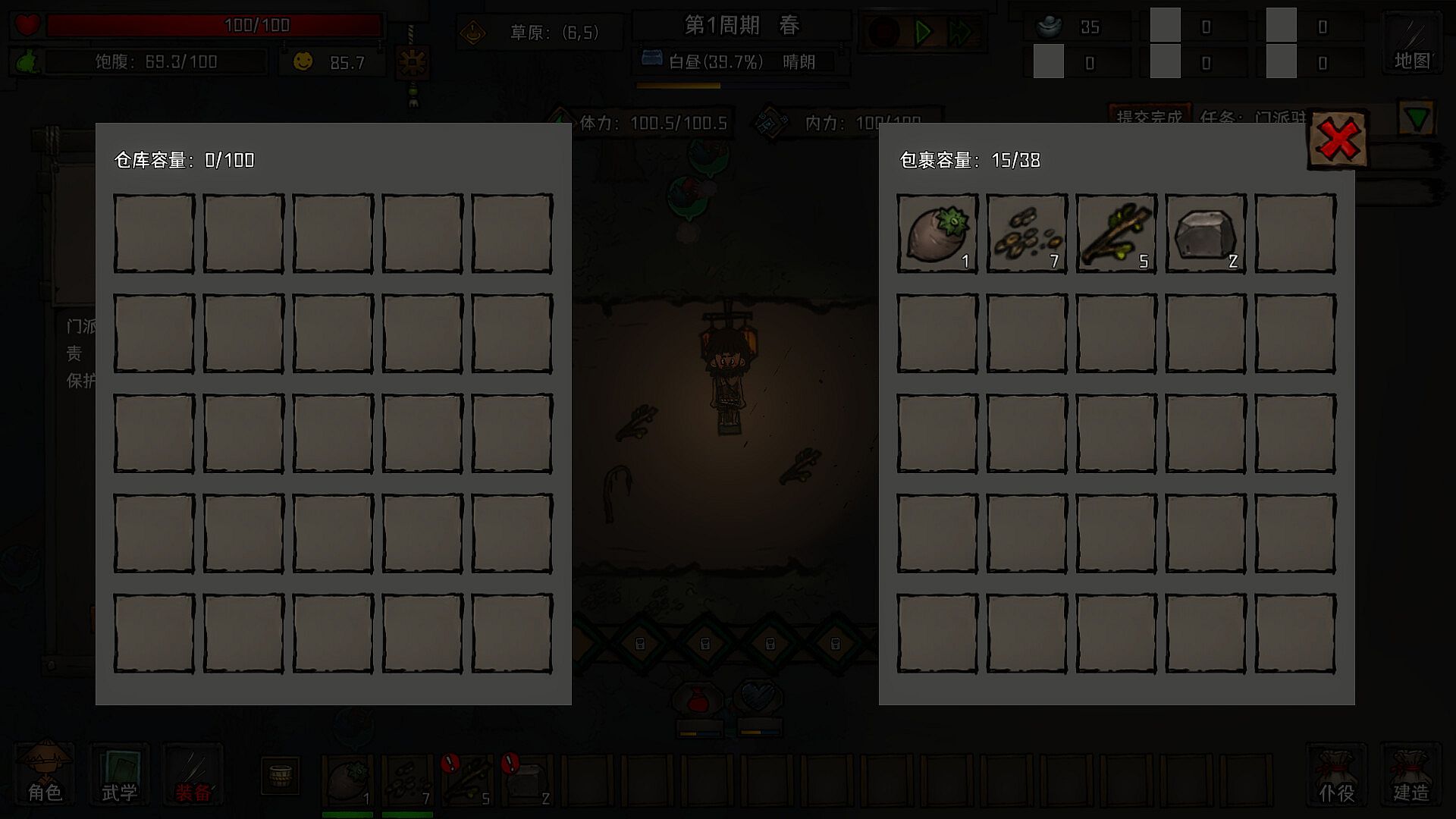
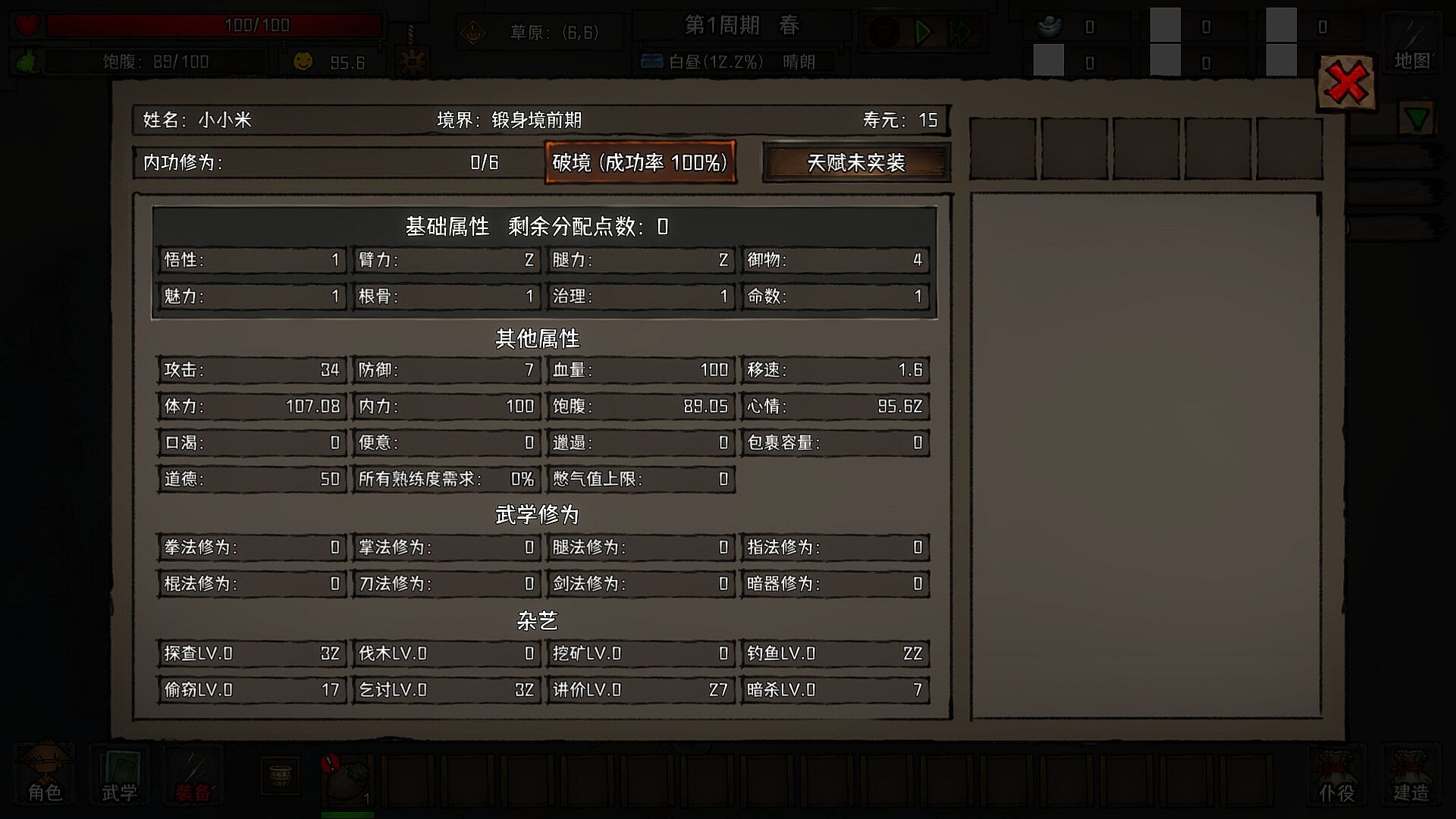
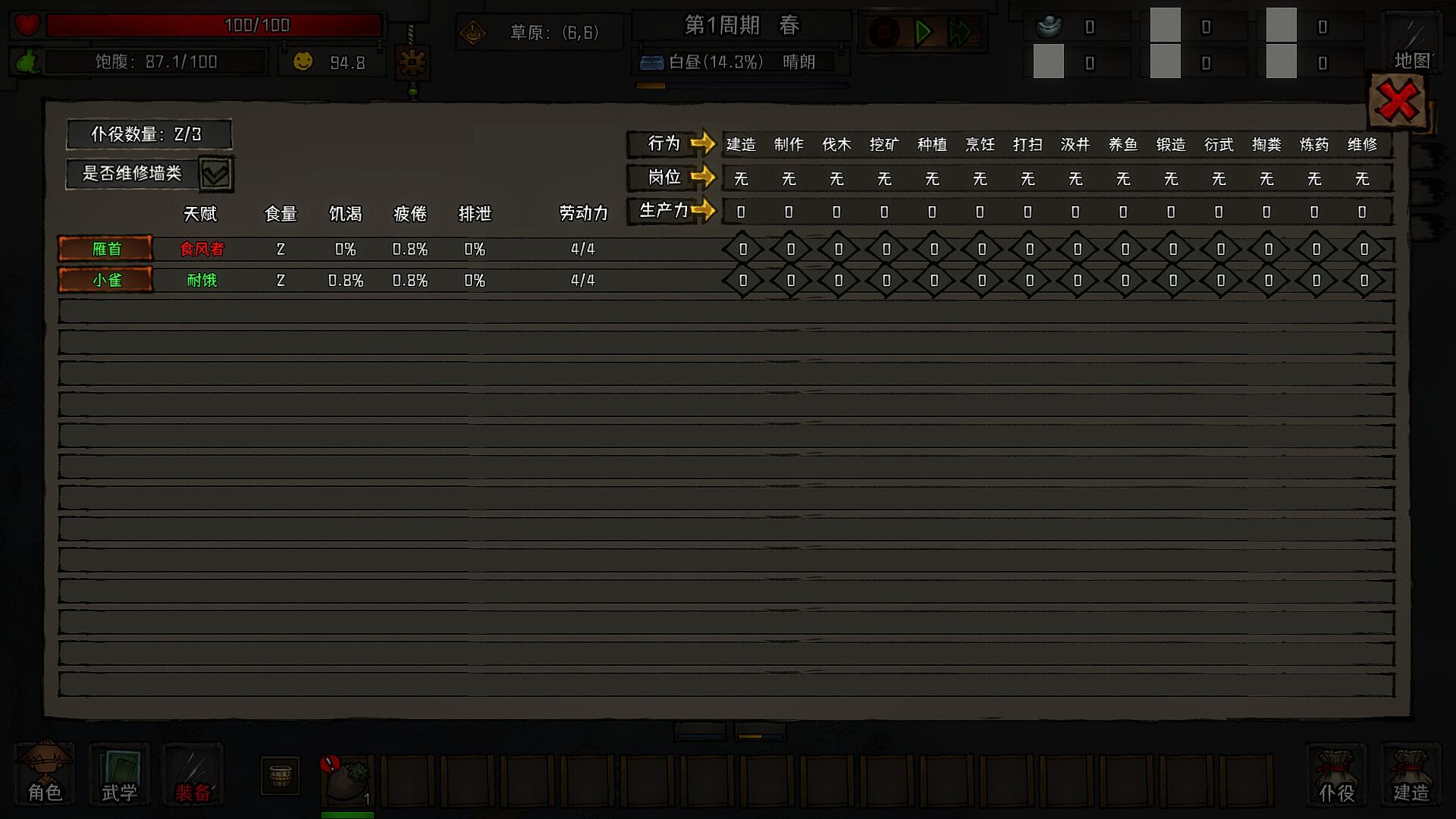
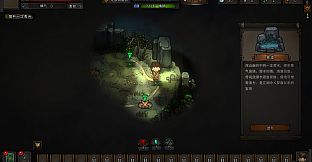
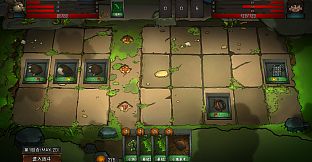
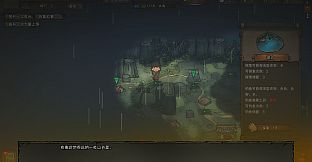
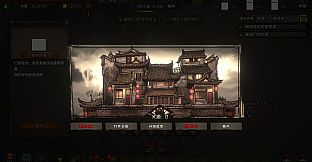
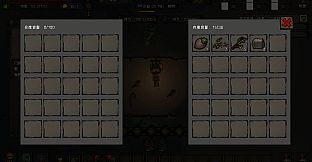
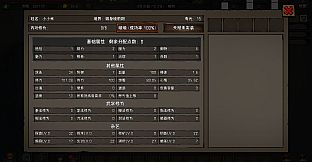
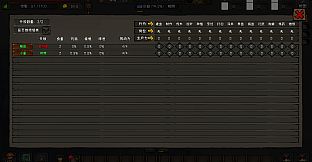
Three Kingdoms: Northern Sword Sect is a single-player strategy RPG simulation game set during the chaotic final years of the Eastern Han Dynasty. Players take on the role of a refugee who founds and develops a sword sect in the northern borderlands of You and Bing Provinces, managing resources, training followers, and navigating alliances amid the conflicts involving figures like Dong Zhuo, Gongsun Zan, Yuan Shao, and Cao Cao.
Gameplay
The core loop centers on building and sustaining a sect from humble beginnings. Players start with an abandoned mountain stronghold and a small group of refugees, then expand by seizing fortresses, renovating buildings, reclaiming farmland, and constructing defenses. Resource management plays a central role, as shortages of food, weapons, and supplies must be addressed while fending off raids from Wuhuan tribes and bandits.
Combat experience drives martial arts development. The system compiles insights gained in battle into sword manuals and techniques that can be taught to disciples. Sword forms emphasize counters to the spear styles prevalent in the north, creating a distinct fighting identity for the sect. Disciples are recruited from refugees and wanderers, with training tailored to individual strengths and internal affairs handled through oversight and decisions.
Historical encounters add depth to progression. Players interact with characters such as Xu Shu and Deng Zhan, while references to legendary swordsmen like Wang Yue and Shi A provide context. Rivalry with spear traditions, including that of Zhang Xiu, shapes tactical choices in combat and diplomacy.
Game Modes
The game operates entirely as a single-player experience focused on sect management intertwined with narrative progression. Critical choices throughout the campaign lead to four distinct endings, each reflecting different paths for the Northern Sword Sect. These paths range from maintaining seclusion as a haven for displaced people, serving under warlords on distant battlefields, or attempting to establish an independent northern domain.
Decisions carry lasting consequences, including the risk of stronghold collapse if alliances or defenses fail. The structure emphasizes strategic planning in resource allocation and disciple development alongside reactive combat and diplomacy, all within one continuous campaign shaped by player actions in the late Han setting.
Sect Development and Historical Context
Expansion involves transforming the initial ragtag group into a respected force across the provinces. Farmland cultivation and weapon forging support growth, while defensive structures help repel threats. The unique sword techniques developed through combat allow the sect to stand apart from dominant spear traditions in the region.
Interactions with warlords introduce branching opportunities. Offers of alliance from major powers force evaluations of isolation versus involvement, with each route influencing the sect's legacy. The setting draws from documented Three Kingdoms events without placing the player as a central historical figure, instead focusing on survival and growth as an independent martial institution.
Is It Worth Playing?
This title suits players interested in management simulations combined with RPG progression and strategic decision-making in a historical Three Kingdoms framework. The emphasis on forging techniques through actual combat rather than instant unlocks, alongside resource challenges and branching narrative outcomes, provides a focused experience for those drawn to sect-building mechanics and era-specific conflicts. With the game still approaching release and no player reviews available yet, prospective buyers should assess based on their preference for deliberate single-player campaigns centered on long-term development and choice-driven results rather than fast-paced action or multiplayer elements. The verified systems around disciple training, defensive management, and historical interactions form a coherent package for the right audience.