


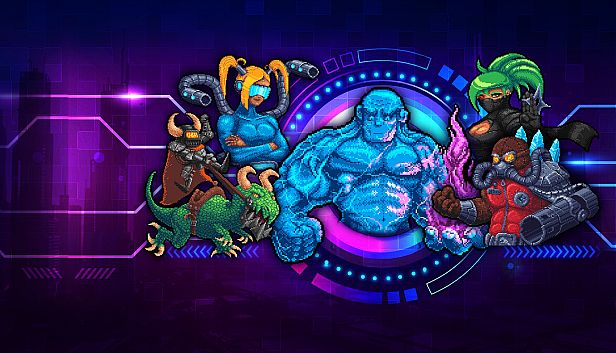


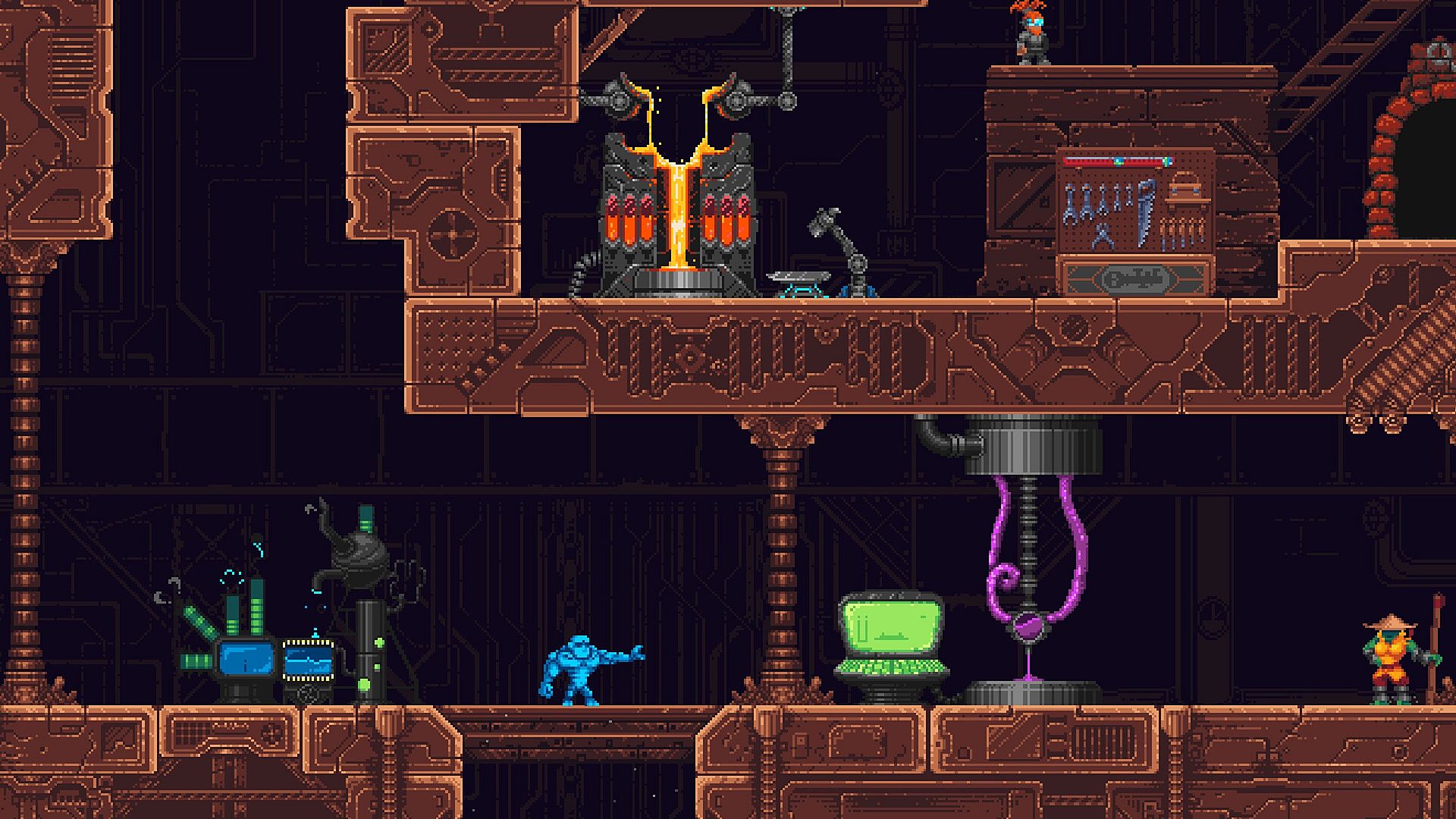
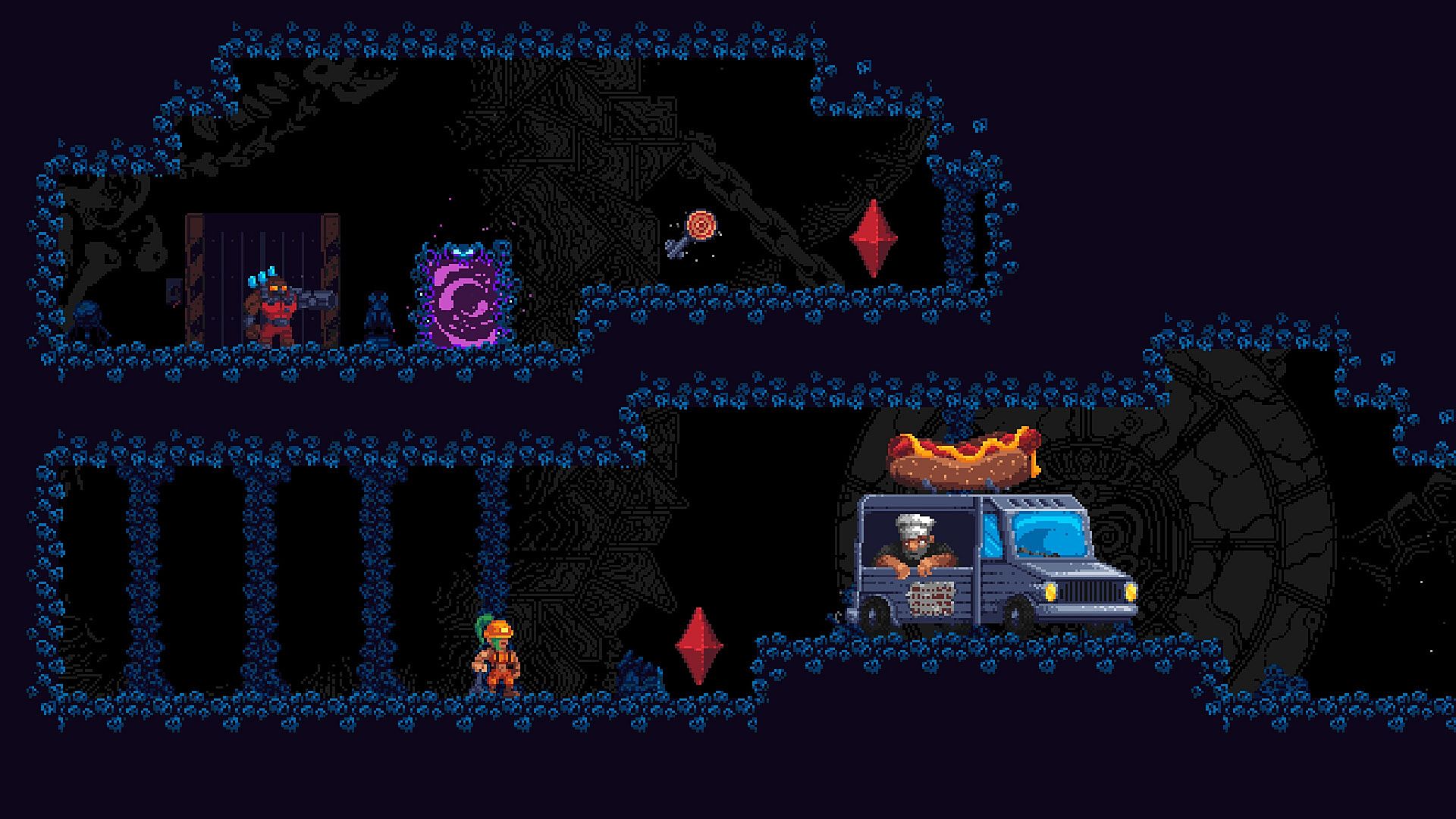
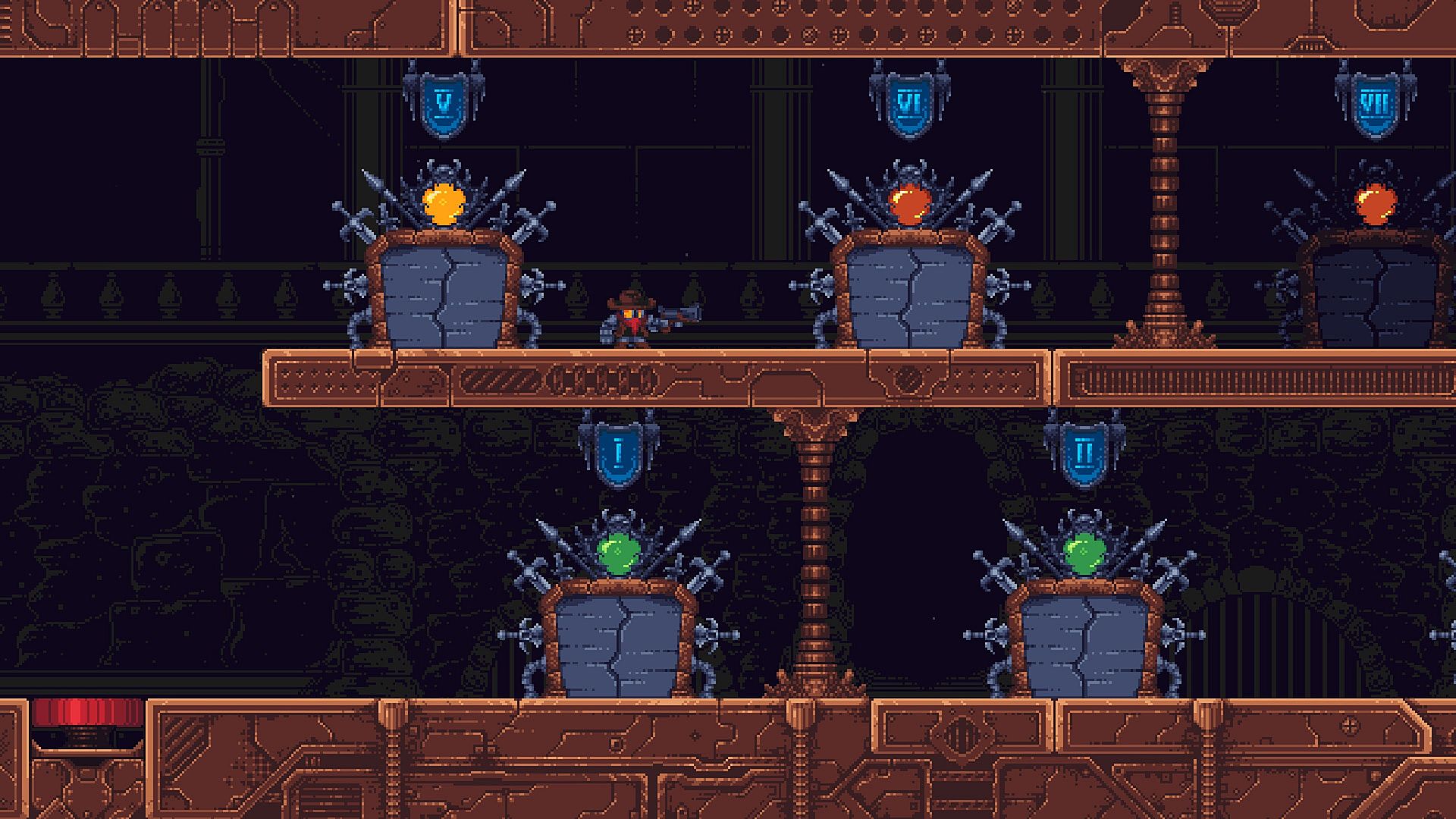
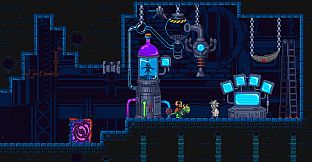
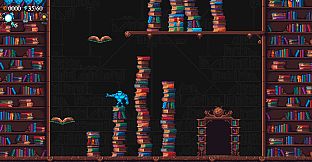
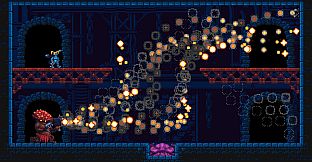
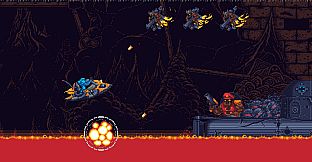
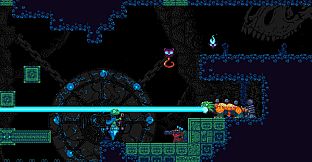
Rusty Rangers is a single-player action platformer with roguelike and Metroidvania elements, available on PlayStation 4 and PlayStation 5. Players control one of several distinct rangers in a pixel-art world where familiar environments shift unpredictably from one attempt to the next. The core experience centers on running, jumping, shooting, and navigating procedurally generated dungeons filled with enemies, traps, and bosses while collecting items that stack and combine for varied builds.
Gameplay
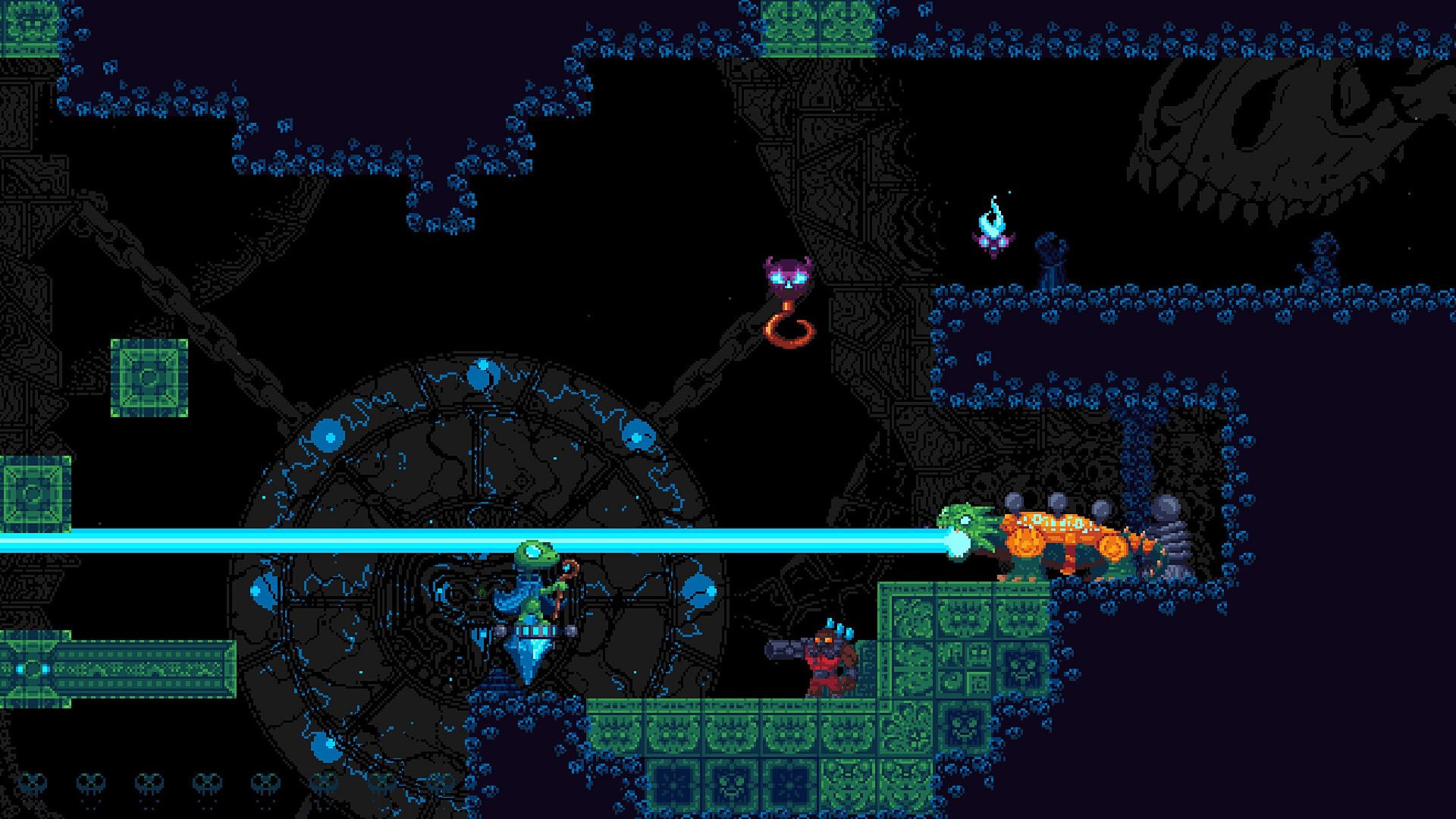
The gameplay loop revolves around short, repeatable runs through randomized levels. Each run begins with the selection of a ranger, of which there are six available once unlocked. These characters differ in combat style, starting equipment, health, and shield values, which alters movement feel and damage output from the outset. Basic controls include directional movement, variable-height jumps, a dash for evasion or traversal, a primary gun with different firing patterns per ranger, and a special ability. Additional mechanics such as hook swinging and air current navigation appear in later areas to expand platforming options.
Over 150 items drop during runs, and many feature stacking effects that create synergies across multiple playthroughs. Destructible environments and a mix of enemy types encourage experimentation with positioning and loadouts. Between runs, resources gathered feed into meta-progression systems that unlock new rangers, permanent upgrades like improved projectile speed or collection radius, and additional content. The world itself resets with each attempt, removing any sense of permanent map familiarity and forcing adaptation to new layouts, enemy placements, and item combinations.
Game Modes
Rusty Rangers operates entirely in single-player. The primary activity consists of roguelite runs through procedurally generated dungeons across multiple biomes, with the goal of defeating bosses and progressing as far as possible before a run ends. Story elements integrate through quests and character interactions that advance across successful or failed attempts, revealing more about the world's history and inhabitants. Meta-progression occurs in a central hub where collected resources purchase upgrades and unlock extras such as new starting options or challenge variants. These challenges focus on specific objectives like surviving arenas or completing timed sections rather than full story campaigns.
No cooperative or competitive multiplayer options exist. All progression and exploration remain tied to individual sessions that emphasize mastery of movement, item synergies, and ranger-specific abilities over repeated attempts.
Story and Characters
The narrative follows a team of rangers who alone retain memories of the world before widespread chaos took hold. Harmless creatures from the past now pose threats, and the environment constantly reshapes itself. Players advance the plot by completing runs, conversing with non-player characters, and fulfilling side tasks that provide temporary assistance or new insights. Each ranger brings a unique backstory and skill set that ties into both combat and story delivery, with new heroes becoming available through exploration and hub activities. The focus stays on incremental revelations rather than lengthy cutscenes, keeping momentum on the action.
Visuals and Presentation
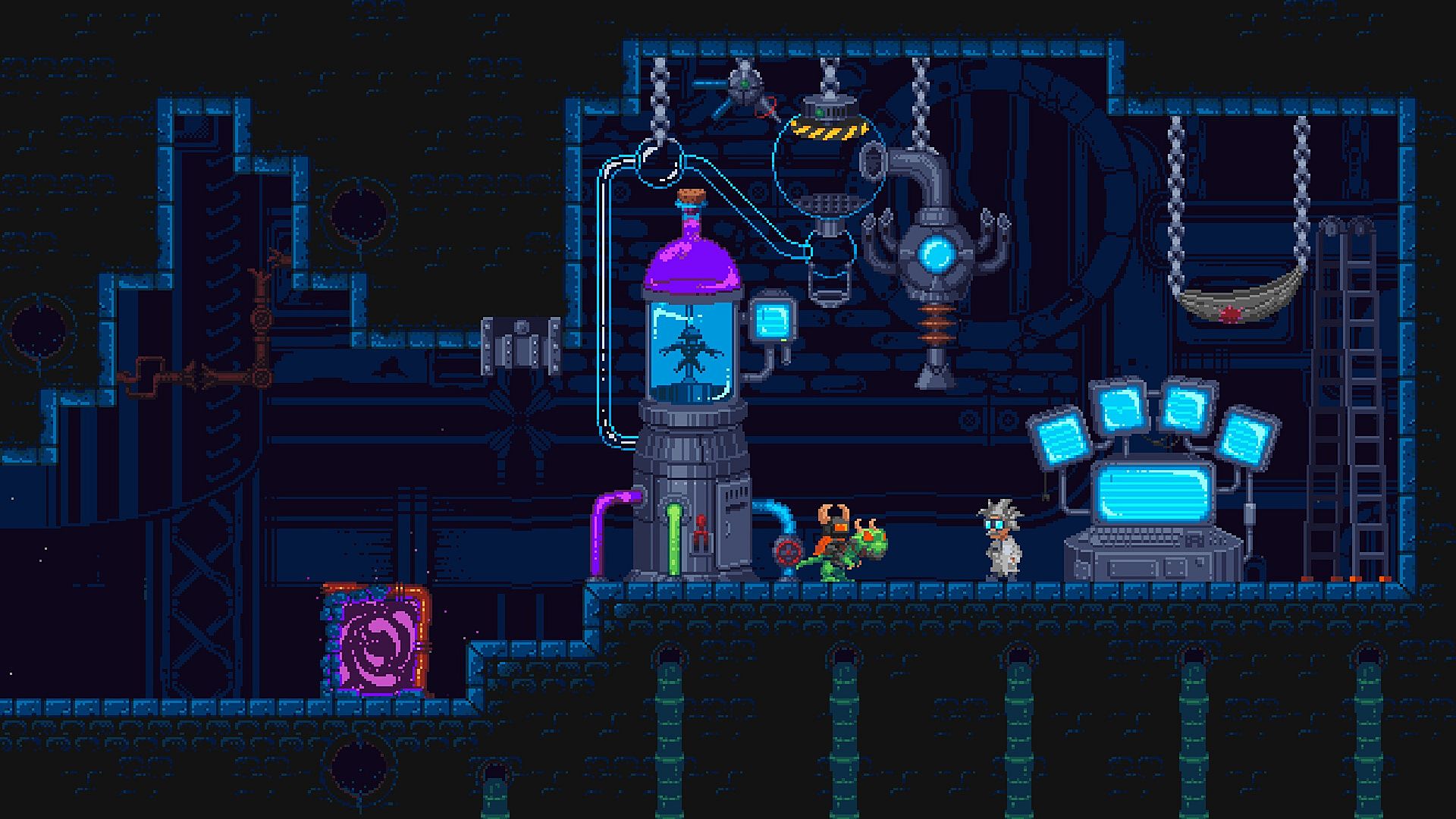
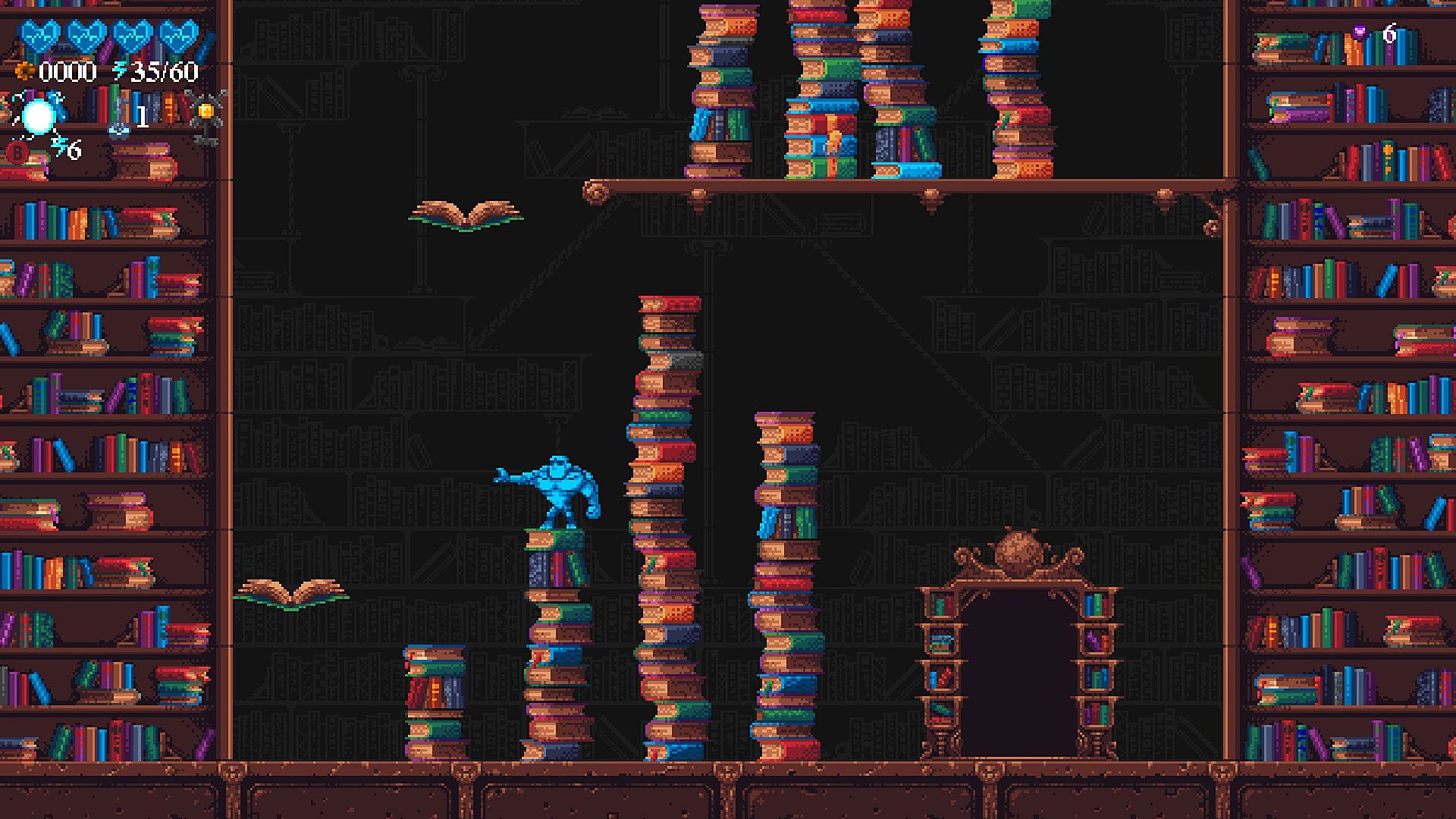
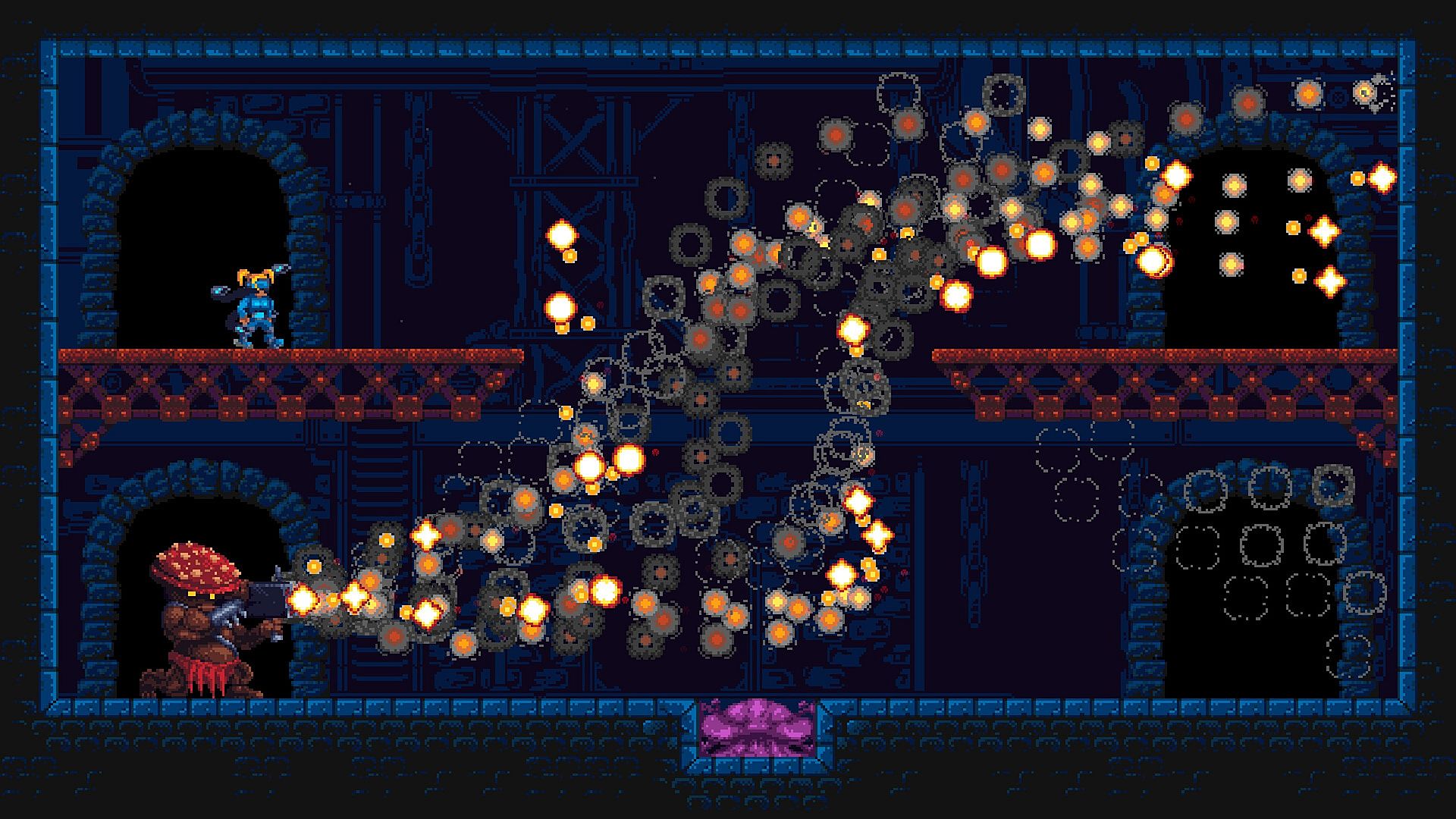
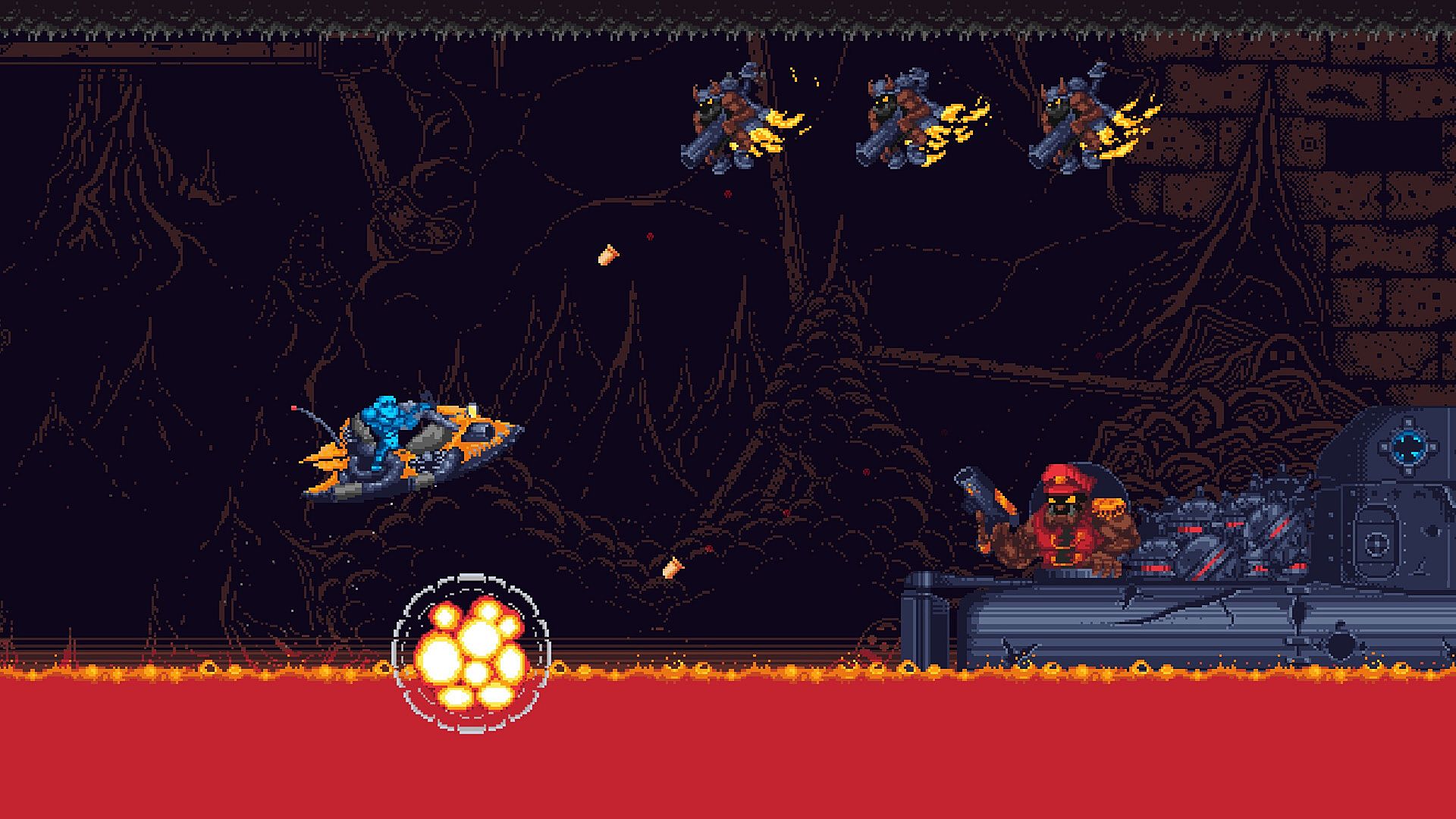
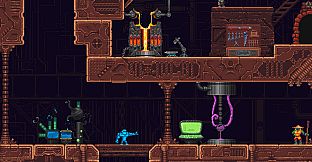
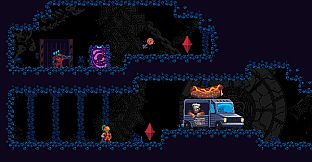
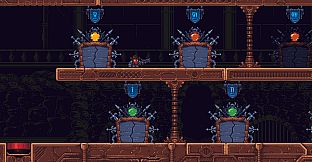
Detailed pixel art defines every screen, with careful attention to character animations, environmental variety, and item sprites. Colorful biomes contrast with bizarre creatures and useful objects scattered throughout the dungeons. The art style supports clear readability during fast movement and combat while maintaining a cohesive, hand-crafted appearance across the shifting levels. Sound design complements the visuals with responsive effects for jumps, shots, and enemy encounters, though the emphasis remains on the visual feedback of pixel-perfect platforming.
Is It Worth Playing?
Rusty Rangers suits players who enjoy tight 2D platforming combined with roguelite repetition and build crafting. The six rangers and extensive item system provide meaningful variety across runs, while meta-progression rewards persistence without removing the core challenge of adapting to new layouts each time. Reviews from players and critics highlight the responsive controls and satisfying progression loop, with Steam user feedback showing strong approval among those who have tried it. The game launched in mid-2025 and remains available at a standard indie price point with no additional seasons or live-service elements required. Those seeking a focused single-player experience with high replayability through character choice and item experimentation will find the most value, particularly if they appreciate pixel-art action platformers that blend classic mechanics with modern randomization and upgrades. Difficulty spikes appear in later bosses and poorly synergized runs, so tolerance for trial-and-error helps. Overall, the title delivers a complete, self-contained adventure that stands on its own merits for the target audience.
