




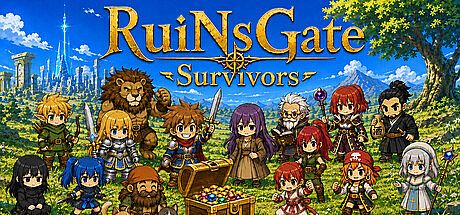


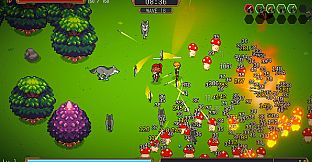
RuinsGate Survivors is a single-player survivors-like action game set in procedurally challenging ruins. Players control a character who moves through waves of monsters while weapons fire automatically, focusing attention on positioning, dodging hazards, and deciding when to push deeper or retreat. The core loop centers on extracting unidentified weapons and loot that carry over between runs after guild appraisal, allowing permanent progression outside individual expeditions.
Gameplay
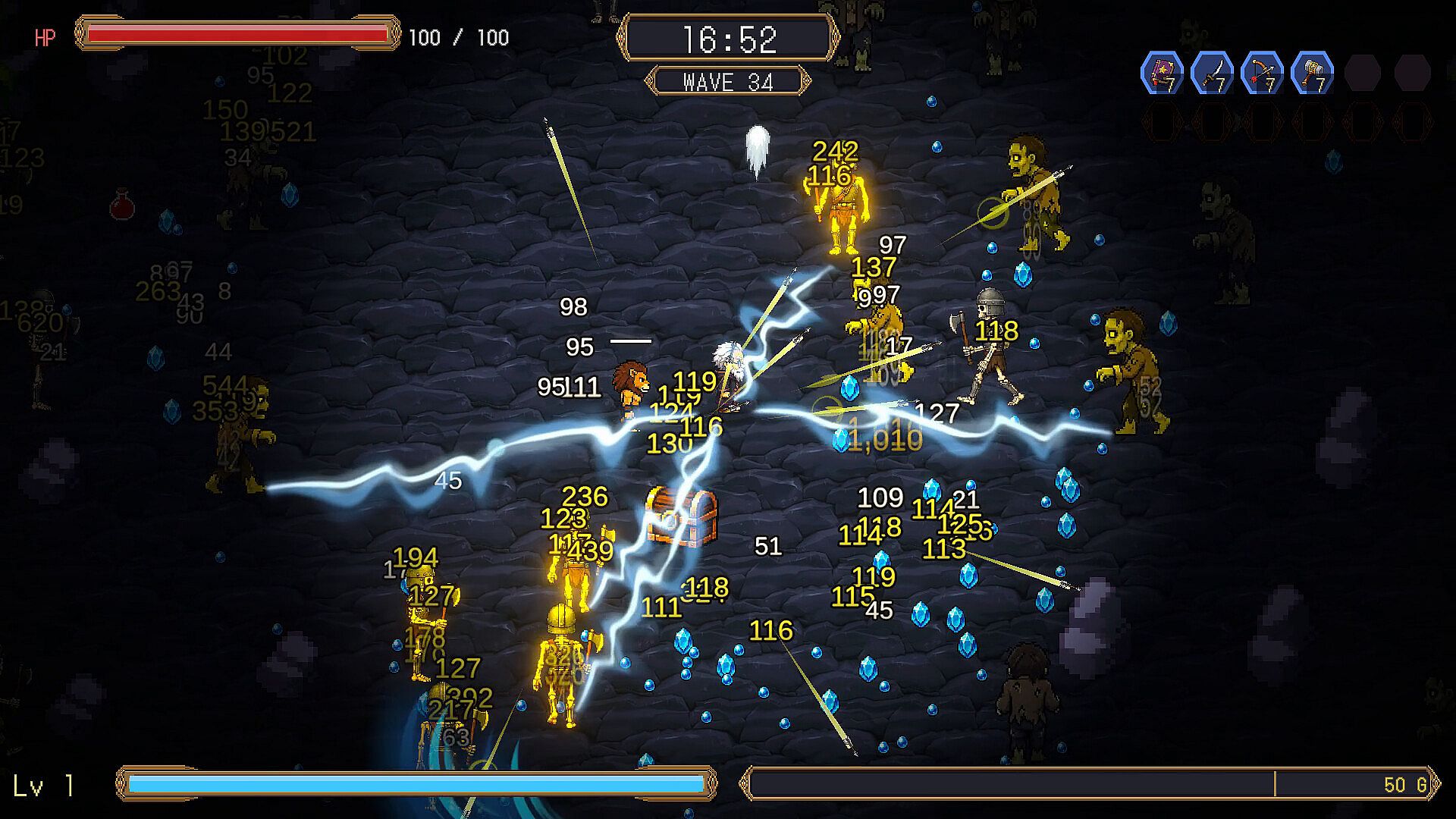
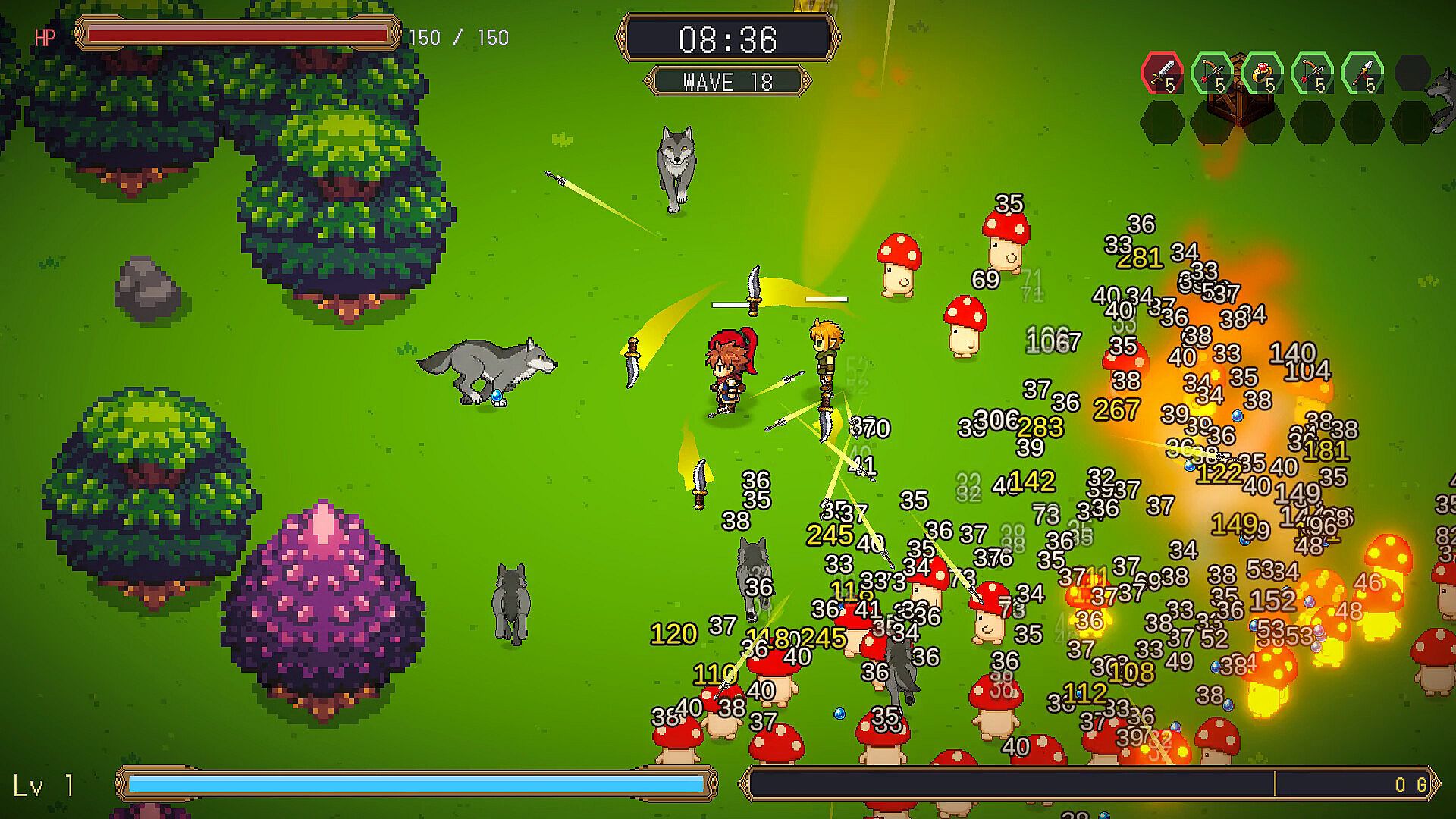
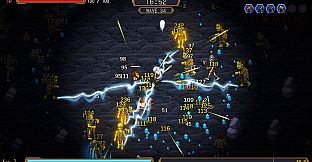
The gameplay revolves around auto-firing weapons that evolve as they level up during a run. Fifteen distinct weapons each follow their own growth path, expanding in power and coverage until they dominate the screen. Players combine these with passive skills to create varied loadouts suited to different stages and personal preferences. Positioning matters because the character must navigate terrain hazards such as blinding darkness, moving machinery, and closing walls while the horde intensifies over time.
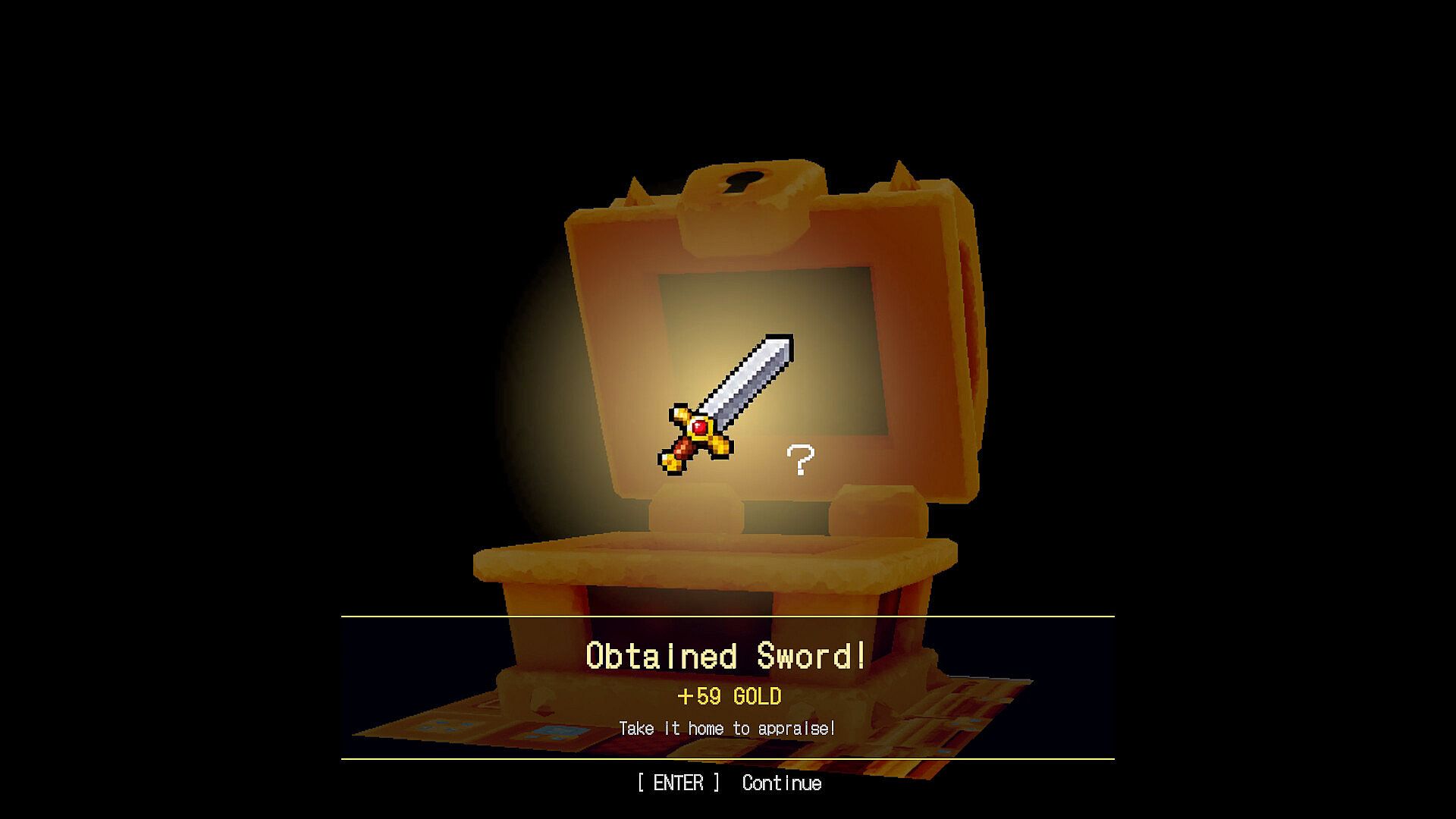
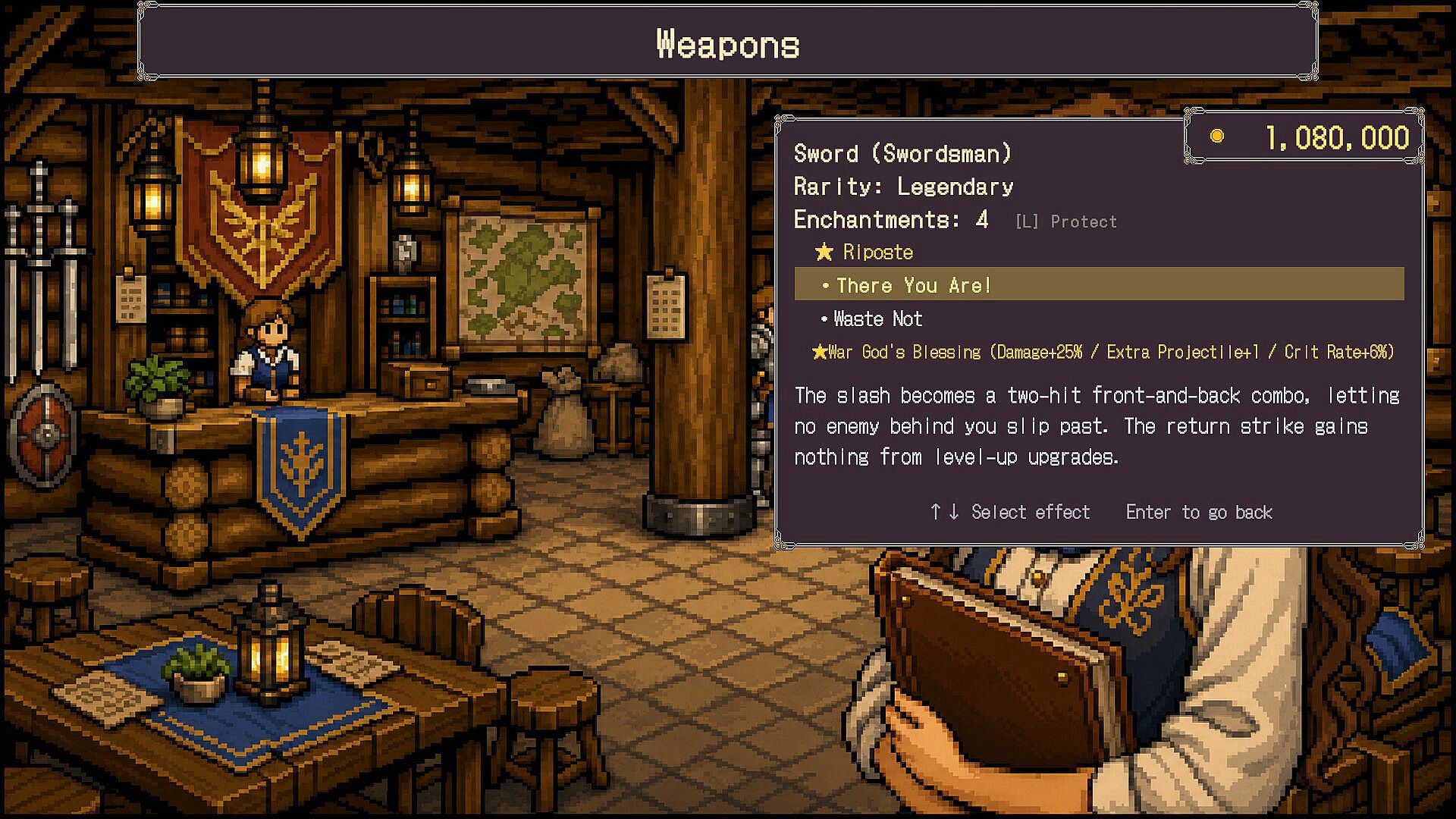
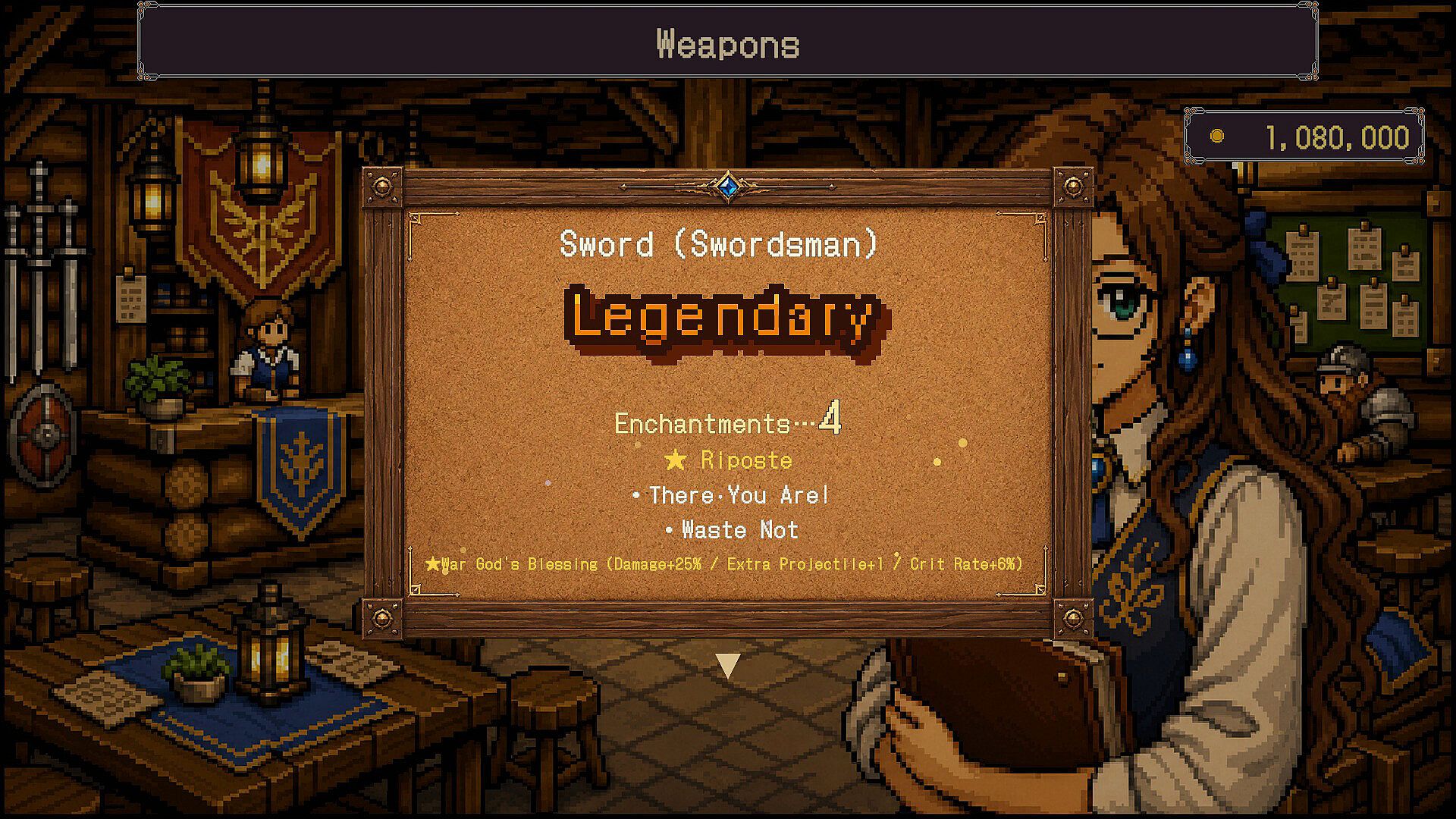
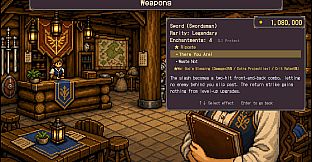
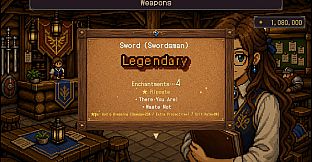
Loot forms the long-term hook. Chests yield unidentified weapons whose rarity and enchantments remain hidden until players pay the guild for appraisal. Seven rarity tiers determine growth potential, and forty-five weapon-specific enchantments create meaningful differences in how the same base weapon performs across runs. Successful extraction to the escape gate preserves the full haul, while falling midway results in losing half the collected items. Companions drawn from a growing roster of fifteen characters join expeditions to provide support, though their equipped enchantments benefit only themselves.
Guild contracts serve as a progression system that unlocks new classes, additional passives, and altered drop tables. Each of the three stages available in the early access build features unique weather and terrain effects that alter movement and visibility, forcing adaptation. The run ends either by reaching the gate or by the arrival of the stage master, with deeper stages promising stronger rewards for those who survive longer.
Game Modes
The game centers on expedition runs through staged ruins. Each run begins with selection of one of fifteen characters, each offering different weapon affinities. Players then navigate increasing enemy density while managing positioning around environmental hazards. The goal remains consistent across attempts: survive long enough to extract valuable unidentified loot for permanent upgrades.
Progression between runs happens through guild activities. Appraising carried weapons reveals their potential, after which they can be equipped for future expeditions. Contracts provide structured goals that expand the roster and alter available rewards. No separate competitive or cooperative modes exist; the experience stays focused on solo runs that build an ever-stronger personal arsenal over multiple attempts.
Progression and Systems
Character and weapon development split between temporary run power and permanent collection growth. During an expedition, weapons level and combine with passives for immediate strength. After returning, appraised items join the arsenal for future use, creating a meta-layer where each successful extraction improves options for the next descent. Companions reinforce this by adding mid-run assistance without sharing their own enchantments.
Stage variety comes from distinct hazards rather than entirely new maps. Darkness reduces visibility, machinery creates moving obstacles, and closing walls restrict space as the horde grows. These elements combine with escalating enemy numbers until the stage master appears, testing whether the current build can hold or if retreat is wiser to preserve partial loot.
Is It Worth Playing?
RuinsGate Survivors enters early access on November 1, 2026, with three stages, fifteen characters, fifteen weapons, and the full appraisal and companion systems already implemented. Balance adjustments for high-rarity gear and later-stage difficulty remain ongoing based on player feedback. The single-player focus suits those who enjoy survivors-like runs where loot retention and loadout experimentation drive repeated attempts.
Players interested in methodical positioning combined with automatic combat and a persistent collection loop will find the core systems complete enough to test in early access. Those seeking immediate multiplayer features or fully polished balance may prefer to wait for updates after launch. The game supports English and Japanese interfaces with family sharing enabled on PC.