






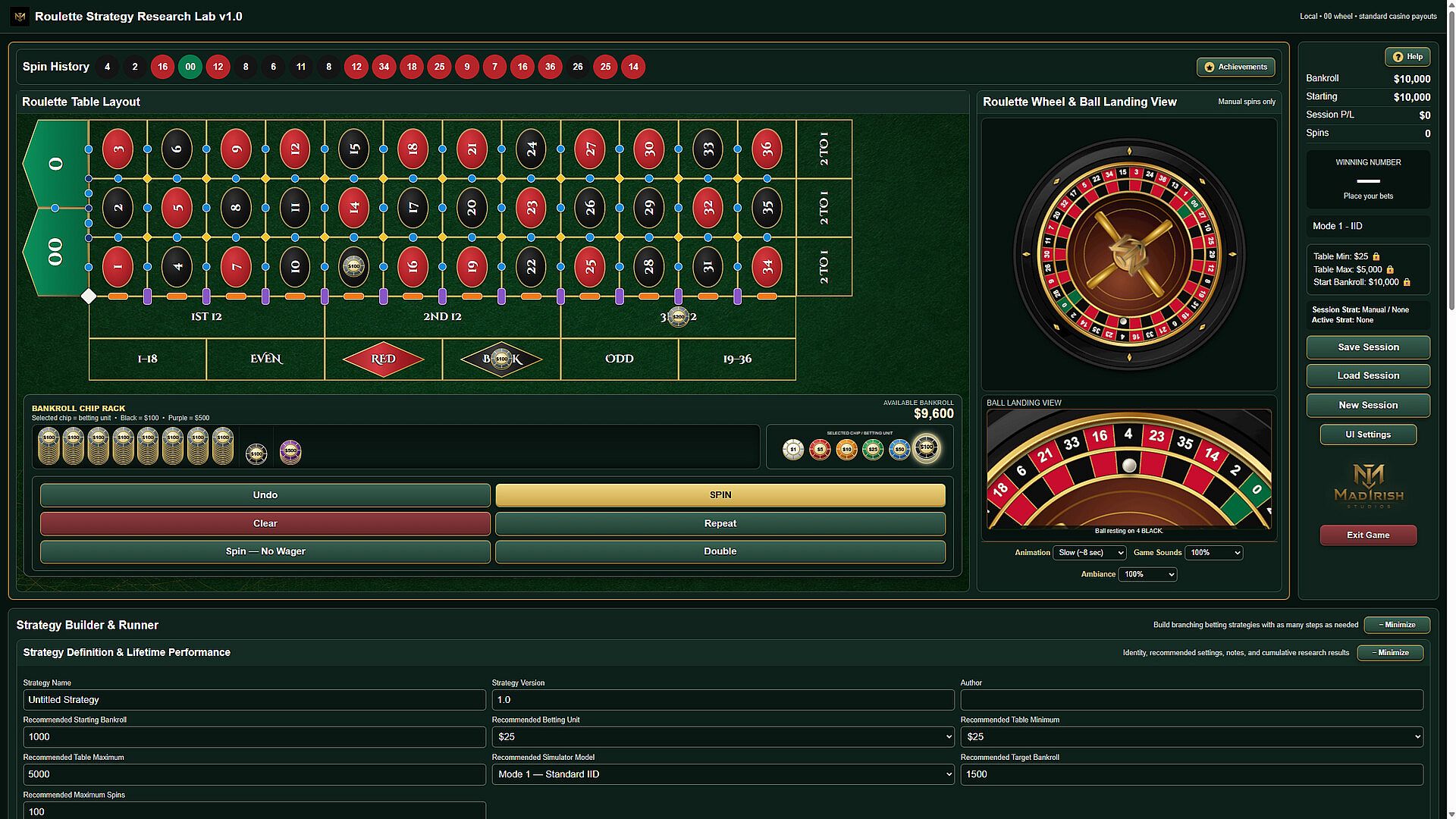
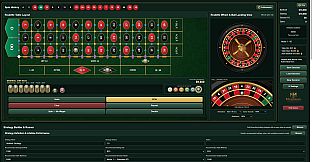
Roulette Strategy Research Lab is a single-player strategy, indie, casual, and simulation game on PC that functions as a dedicated roulette strategy simulator. Players experiment with American double-zero roulette tables through manual spins, custom strategy building, and extended testing sessions. The experience centers on moving past random guesses to observe how betting approaches hold up across varied conditions and repeated runs.
Gameplay
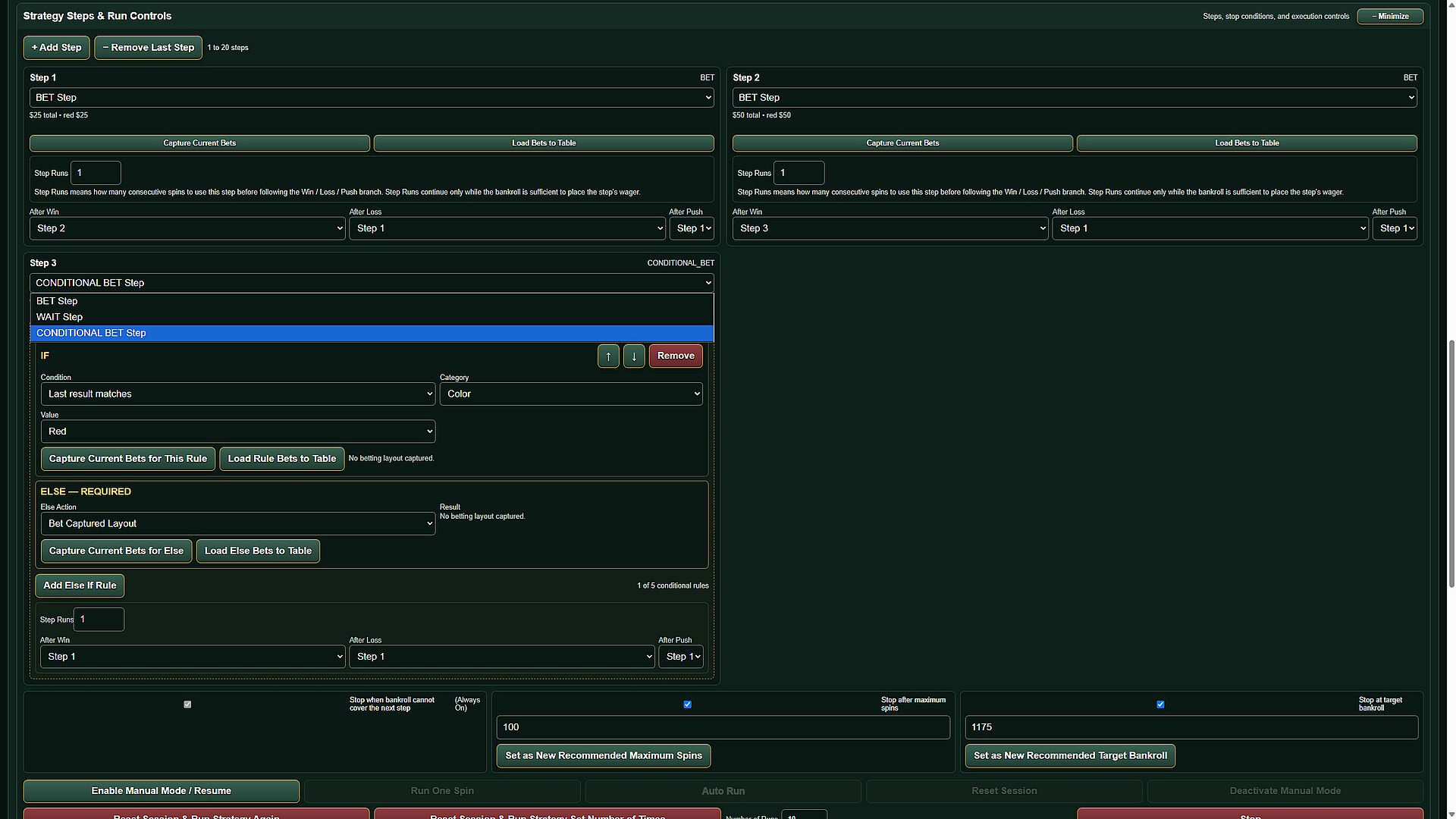
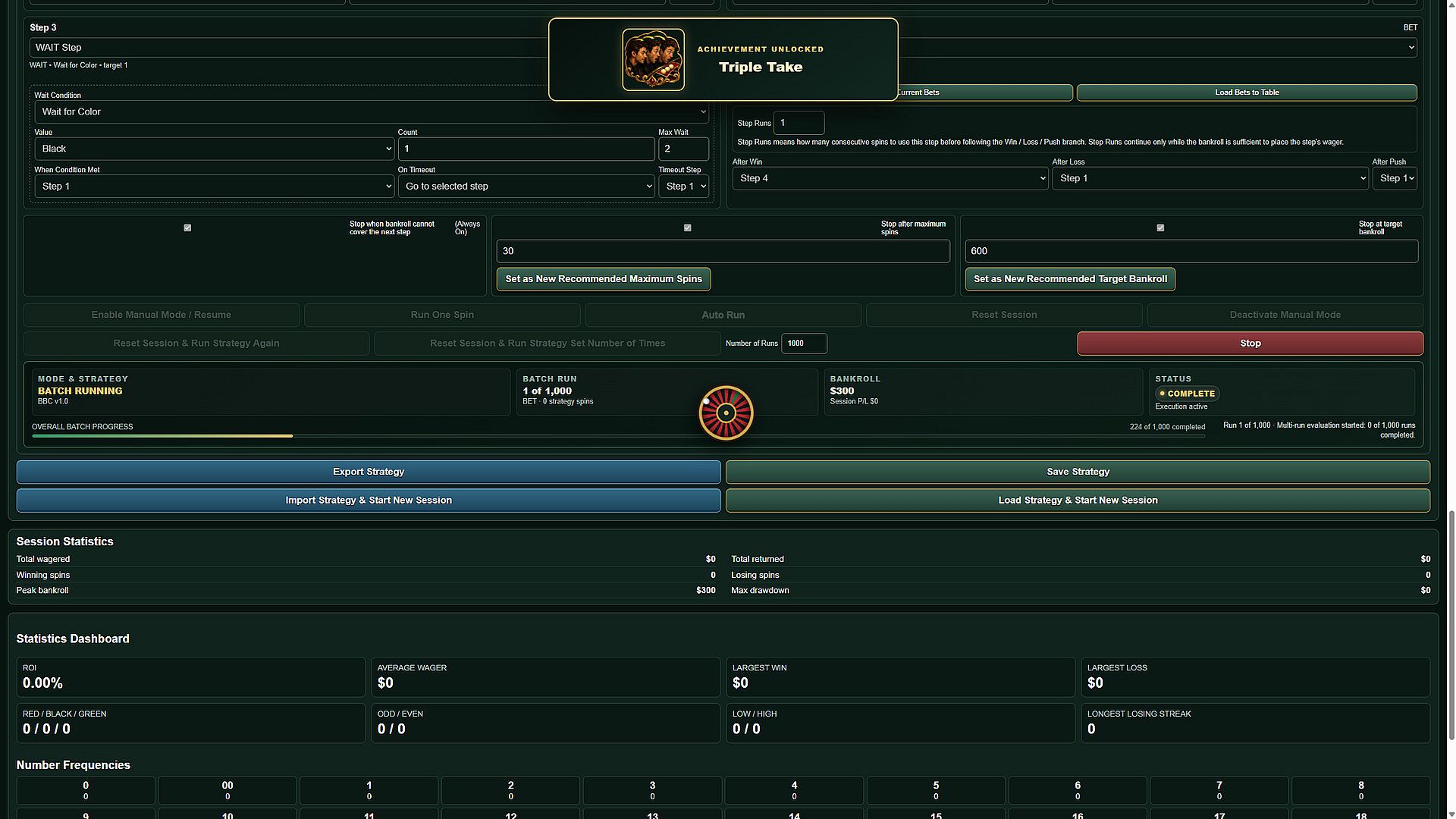
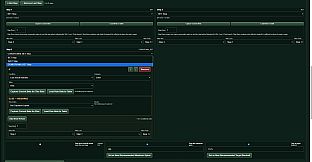
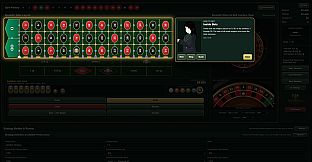
Core play revolves around an animated roulette wheel where users place wagers manually or follow predefined steps. Strategies are assembled from reusable components that include BET actions to set wager amounts, WAIT commands to pause for specific conditions, and conditional IF/ELSE logic that adjusts behavior based on wins, losses, pushes, or particular wheel outcomes. This modular system supports detailed customization without requiring external programming knowledge.
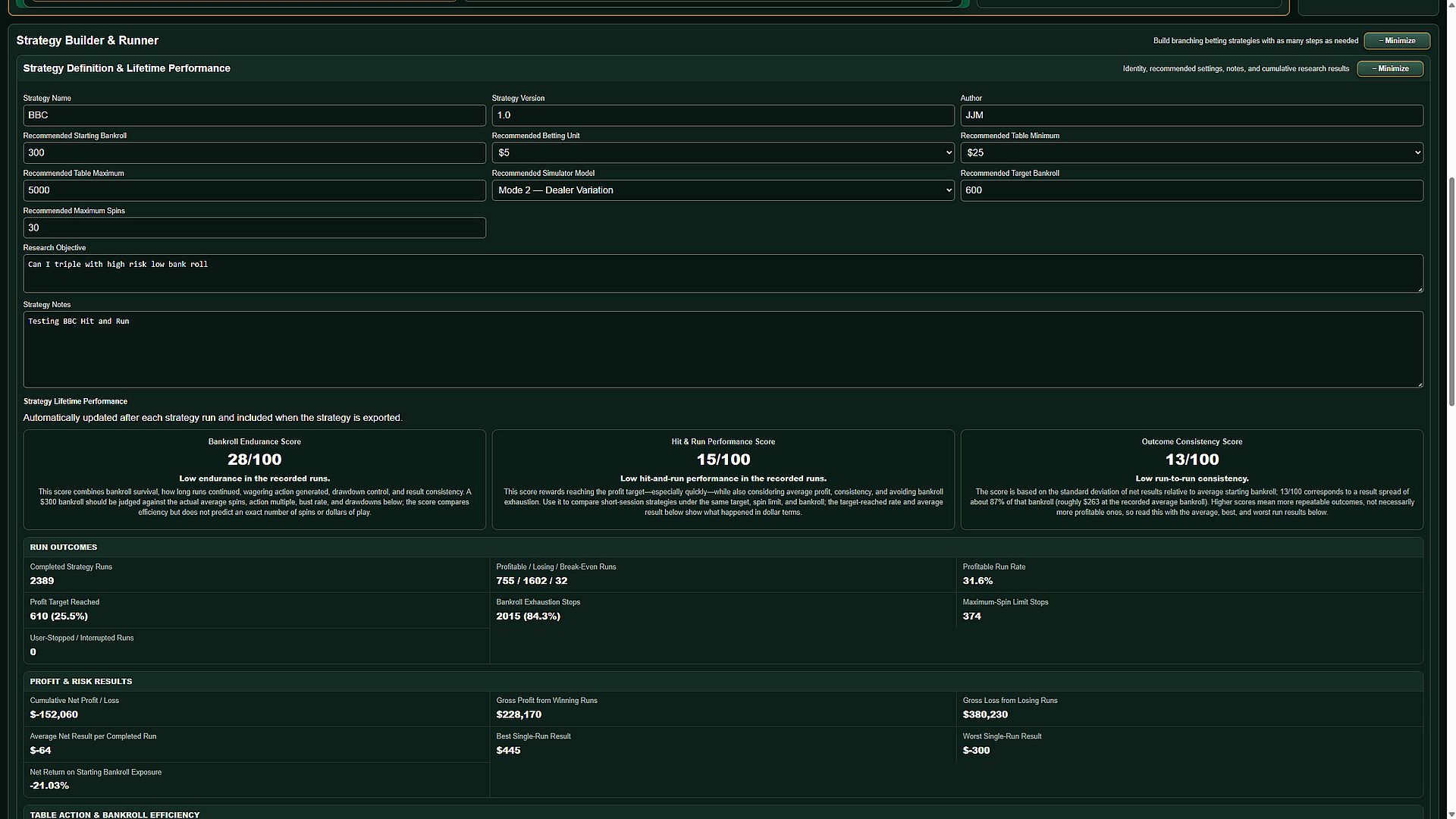
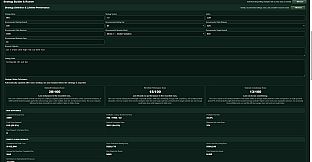
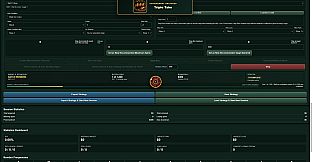
Progression through a session can occur one decision at a time for close examination or shift to automated execution for faster evaluation of multiple spins. Bankroll tracking captures changes in real time, along with wins and losses, total amounts wagered and returned, drawdowns, outcome frequencies, and overall performance trends. These metrics update continuously, allowing direct comparison between individual sessions and longer automated sequences to reveal patterns that short tests might miss.
Game Modes
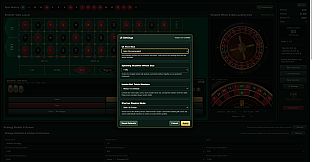
Two distinct simulation modes shape how outcomes are generated during testing. Mode 1 produces independent, identically distributed results consistent with standard roulette probability. Mode 2 applies an experimental sensitivity model that adds small, temporary, and unpredictable variations to the results. The second mode serves to examine strategy responses when conditions deviate from ideal assumptions, without representing any particular physical wheel or dealer behavior.
Both modes integrate with the same strategy tools and analysis features, so users can run identical strategies under each setting to contrast performance. Automated testing accelerates evaluation across hundreds or thousands of spins while preserving the ability to review detailed logs afterward.
Analysis and Testing Tools
Performance data extends beyond basic win-loss counts to include cumulative strategy behavior over time. Drawdown measurements highlight periods of bankroll decline, while outcome frequency reports show how often specific results appear under a given approach. Repeated test runs generate side-by-side comparisons that illustrate consistency or variability across sessions.
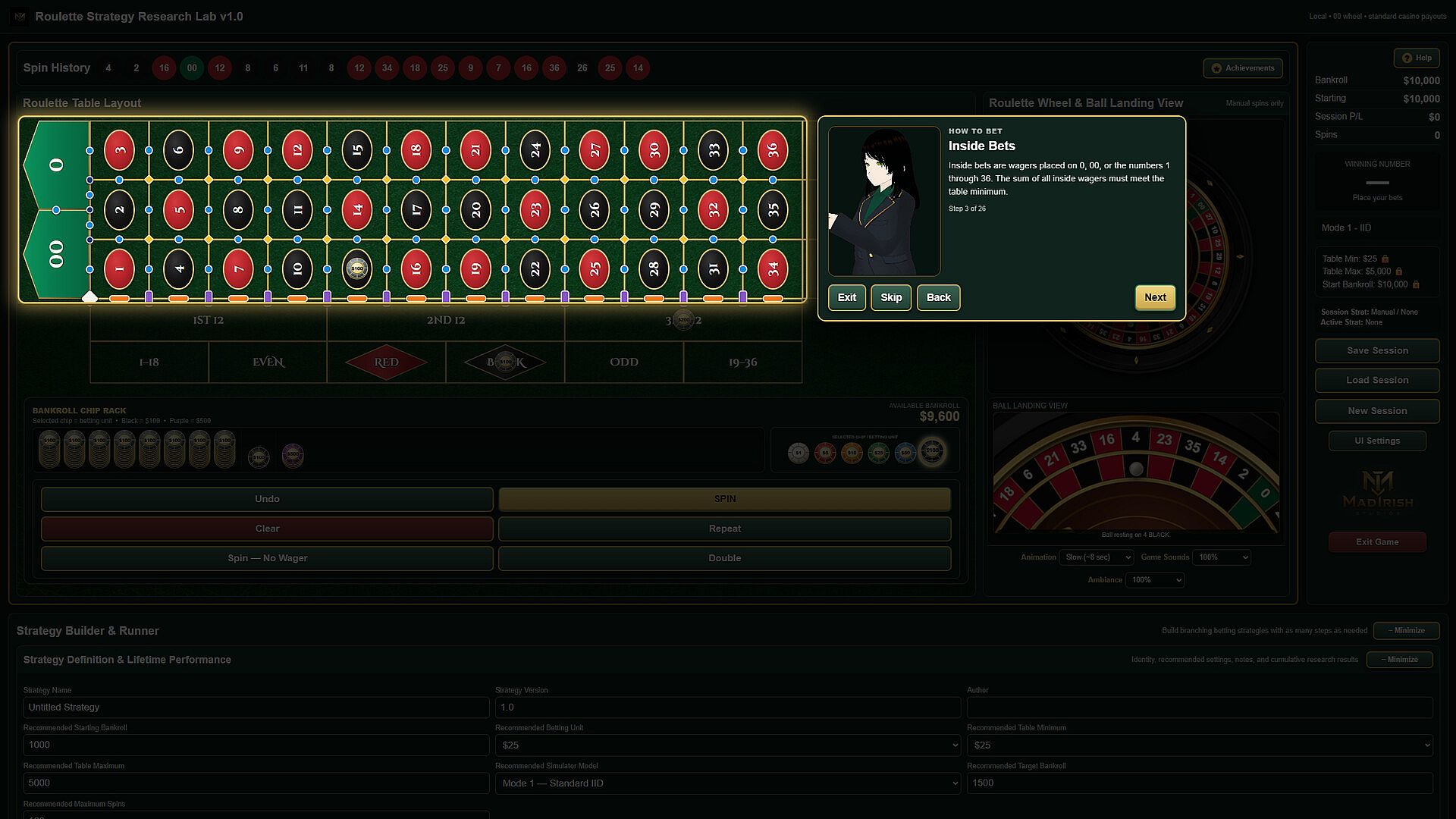
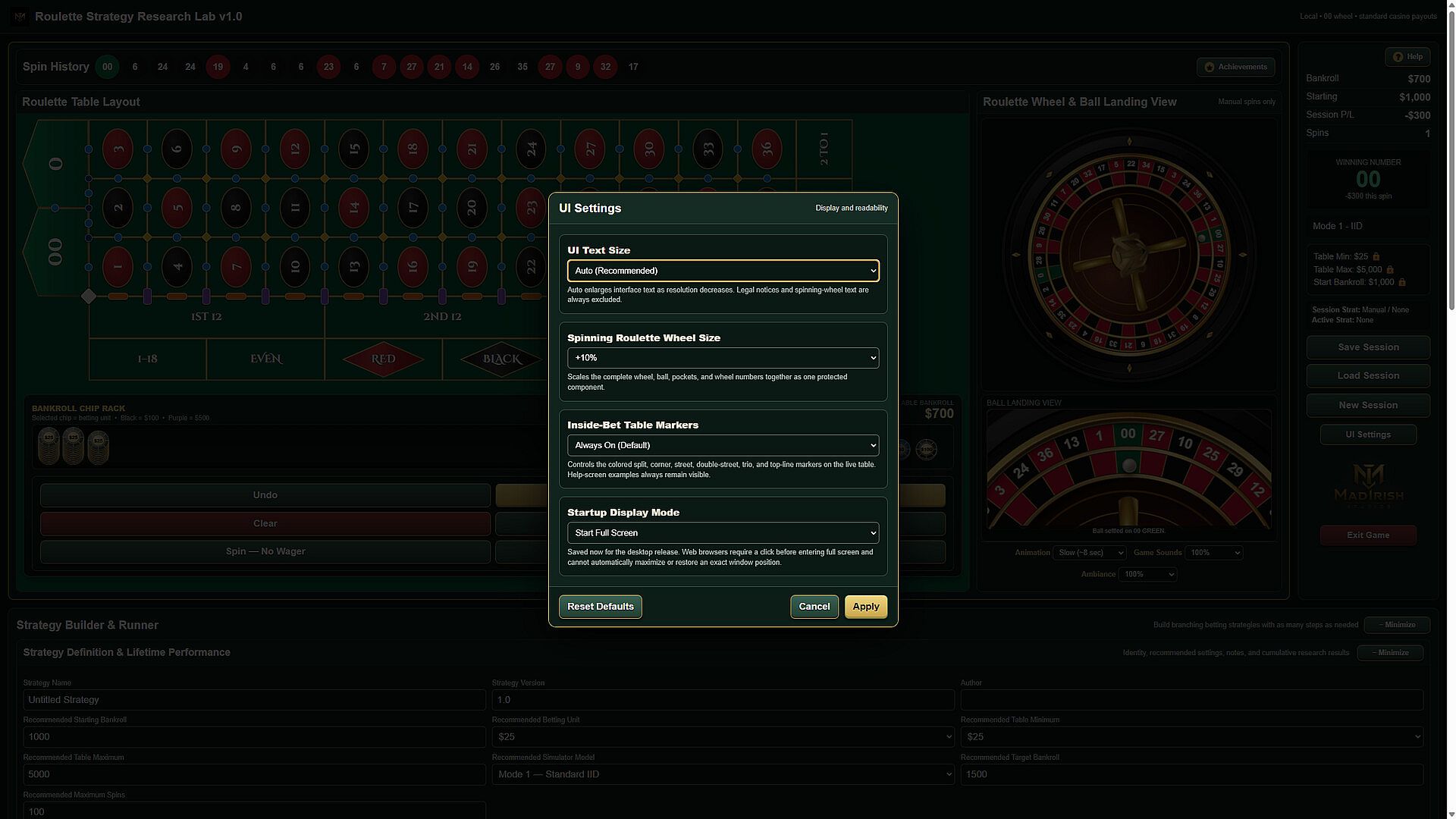
Interface options support different play styles through adjustable text sizes, mouse controls, and touchscreen compatibility. Guided tutorials walk through every major element, from initial table layout to strategy construction and result interpretation, making the simulator accessible for users new to detailed betting analysis.
Save, Reuse, and Share Features
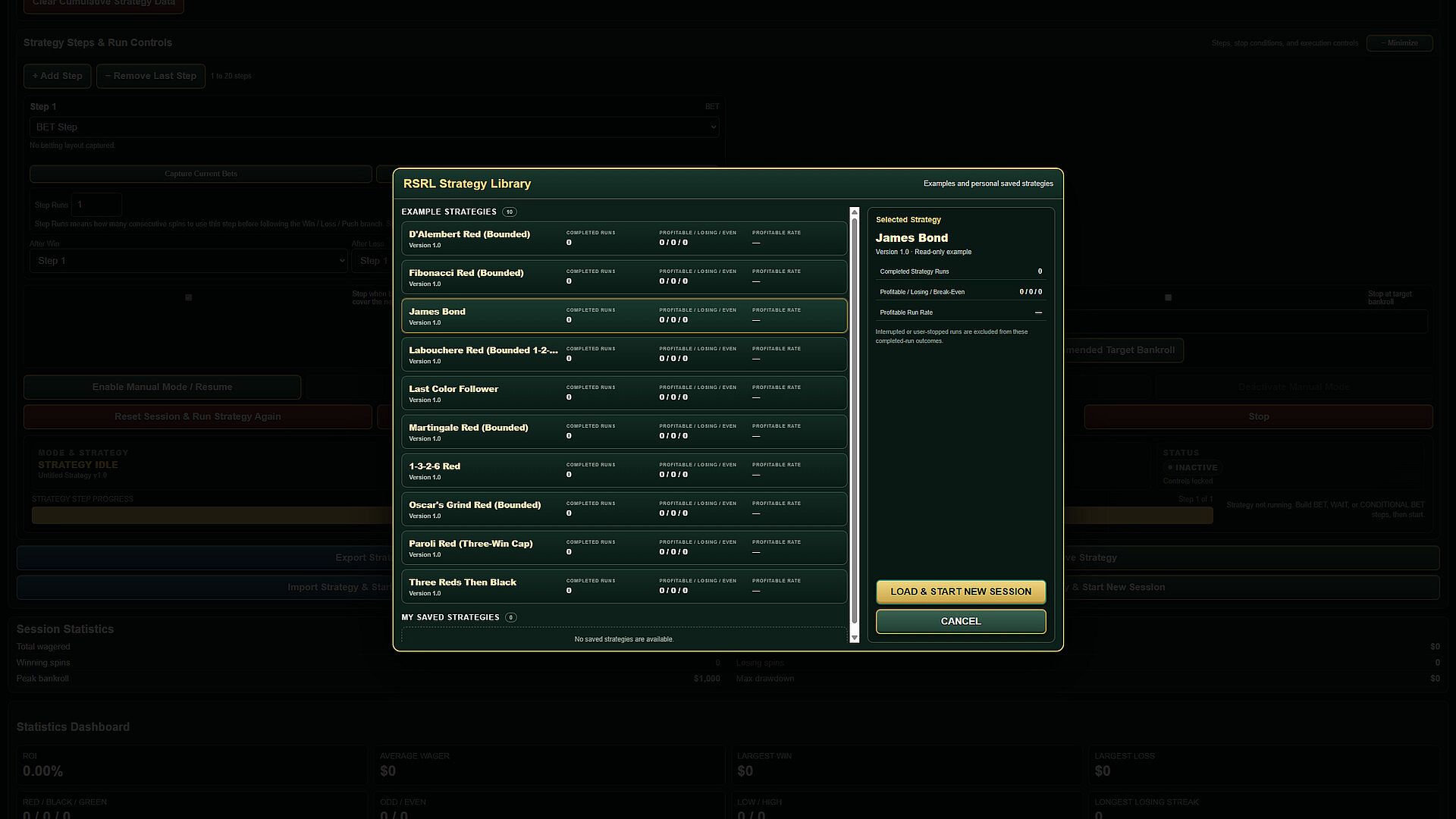
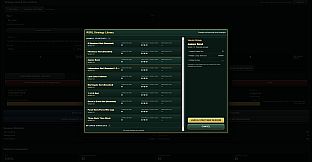
Strategies and session snapshots store locally for quick retrieval and further refinement. Export options create portable files that preserve custom logic for backup or transfer to other installations. Import functions restore these files exactly, supporting iterative development of approaches across multiple testing cycles.
Is It Worth Playing?
Roulette Strategy Research Lab suits players interested in methodical examination of betting systems rather than quick entertainment or real-money outcomes. Its focus on reusable strategy construction, paced manual play, and detailed performance metrics provides a structured environment for education and experimentation. The built-in responsible-use notice reinforces that the title remains a simulation tool only, with no connection to actual wagering or prize systems. Those who value data-driven observation of random processes and the ability to test custom logic over extended periods will find the available tools directly aligned with that interest. The single-player format and emphasis on analysis over competition make it a specialized option within the strategy and simulation genres.