






Rome Invictus is a strategy game set in the ancient Mediterranean world. Players take command of Roman legions and navigate the challenges of leading the Republic through expansion and internal strife on PC.
Gameplay
The core loop centers on managing a vast turn-based campaign across a detailed map that reaches from the successor kingdoms of Alexander the Great to the forests of Germania and the shores of Britannia. Each turn involves directing legions, expanding influence, and responding to shifting conditions in provinces and rival territories.
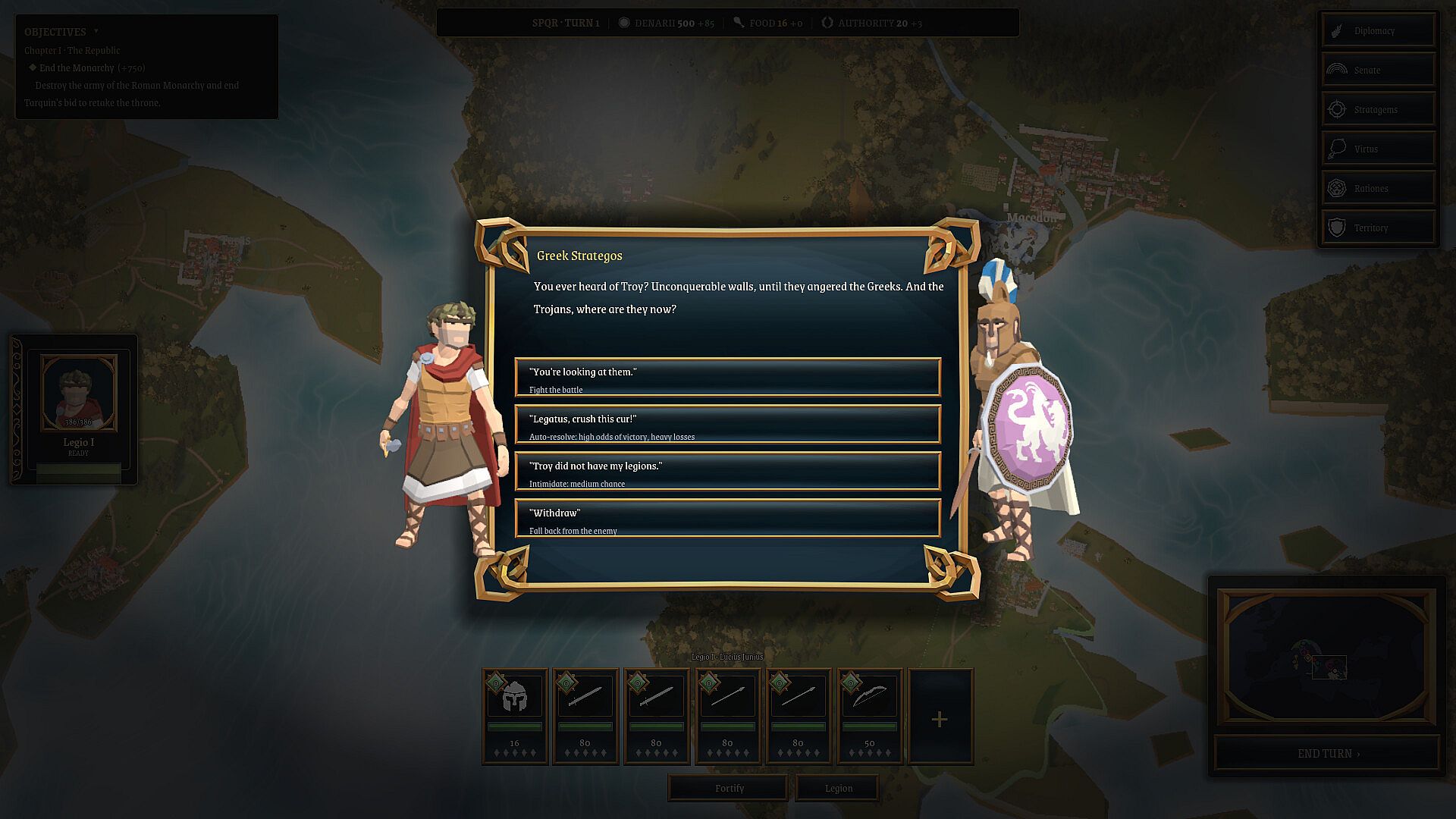
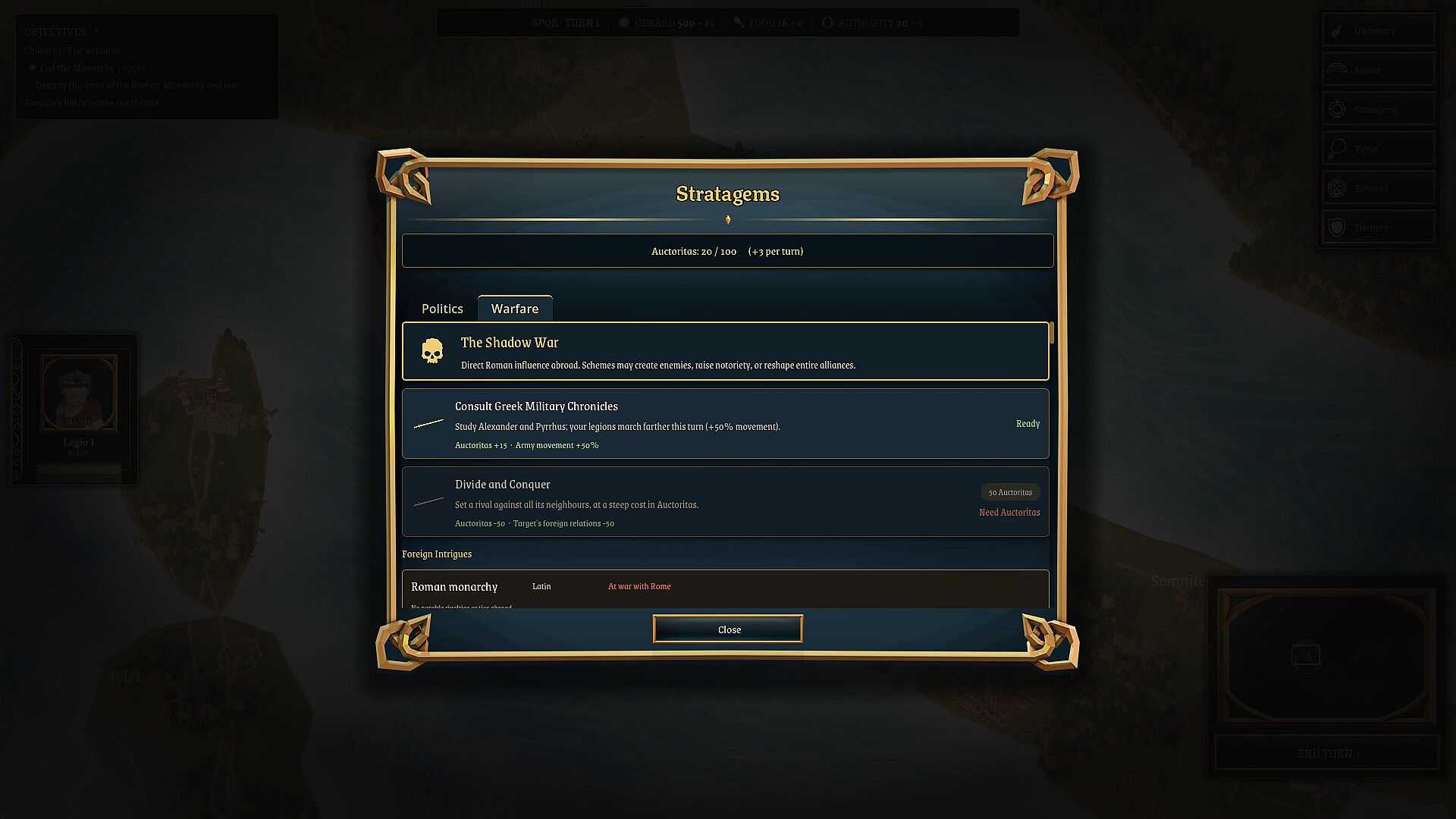
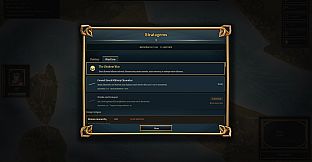
Diplomacy and stratagems form a key layer of decision making. Actions such as placing rivals in debt, encouraging internal discord, or supporting proxy conflicts allow indirect pressure on opponents without immediate direct confrontation. These tools integrate with the broader effort to maintain stability within the Republic itself.
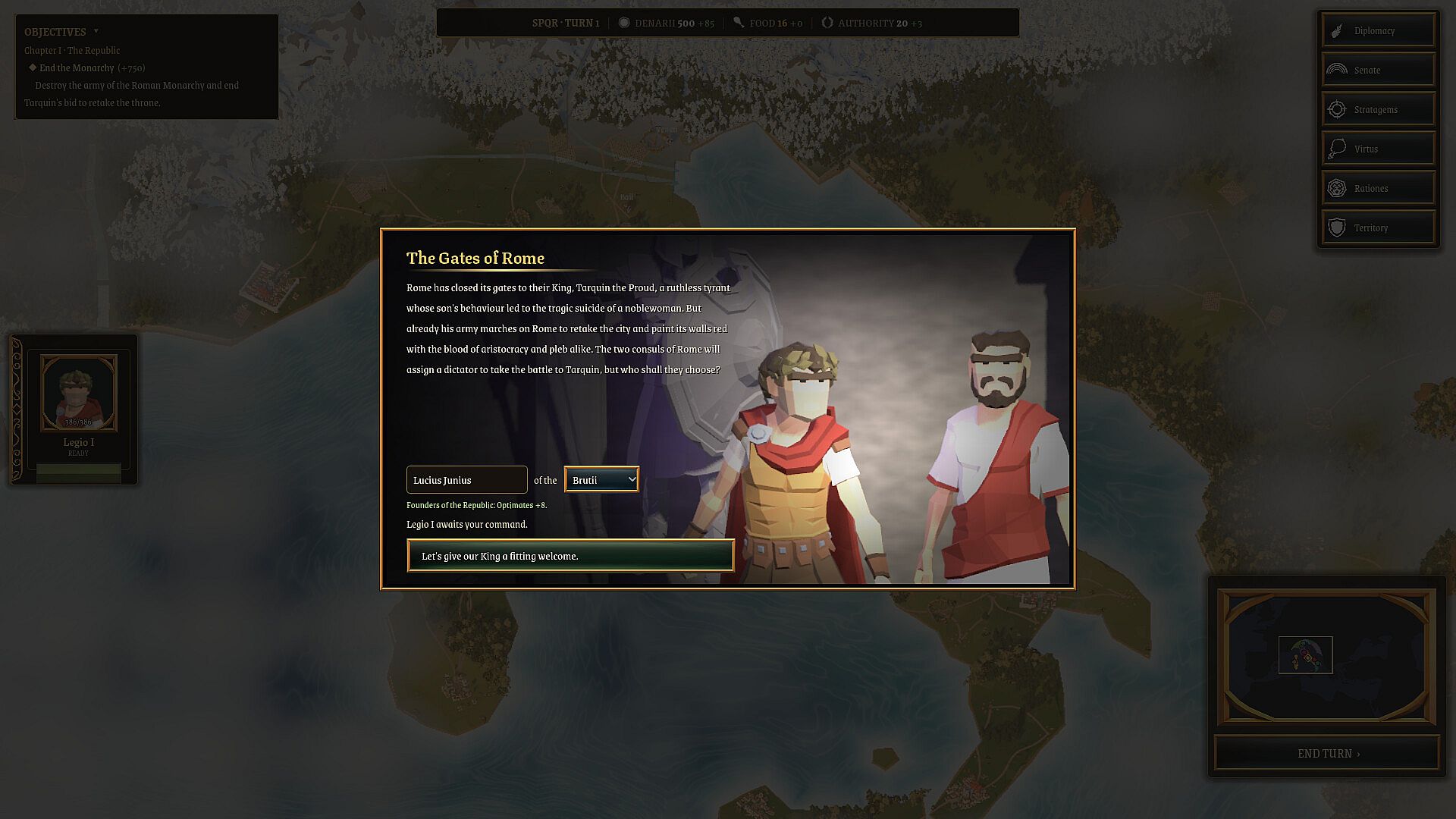
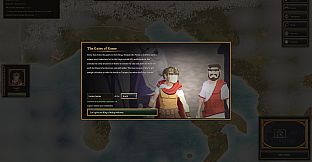
Internal politics require constant attention. Building support among factions, addressing events that arise in the Senate, and balancing competing interests determine long-term control. Success depends on keeping the Republic intact while pursuing external goals.
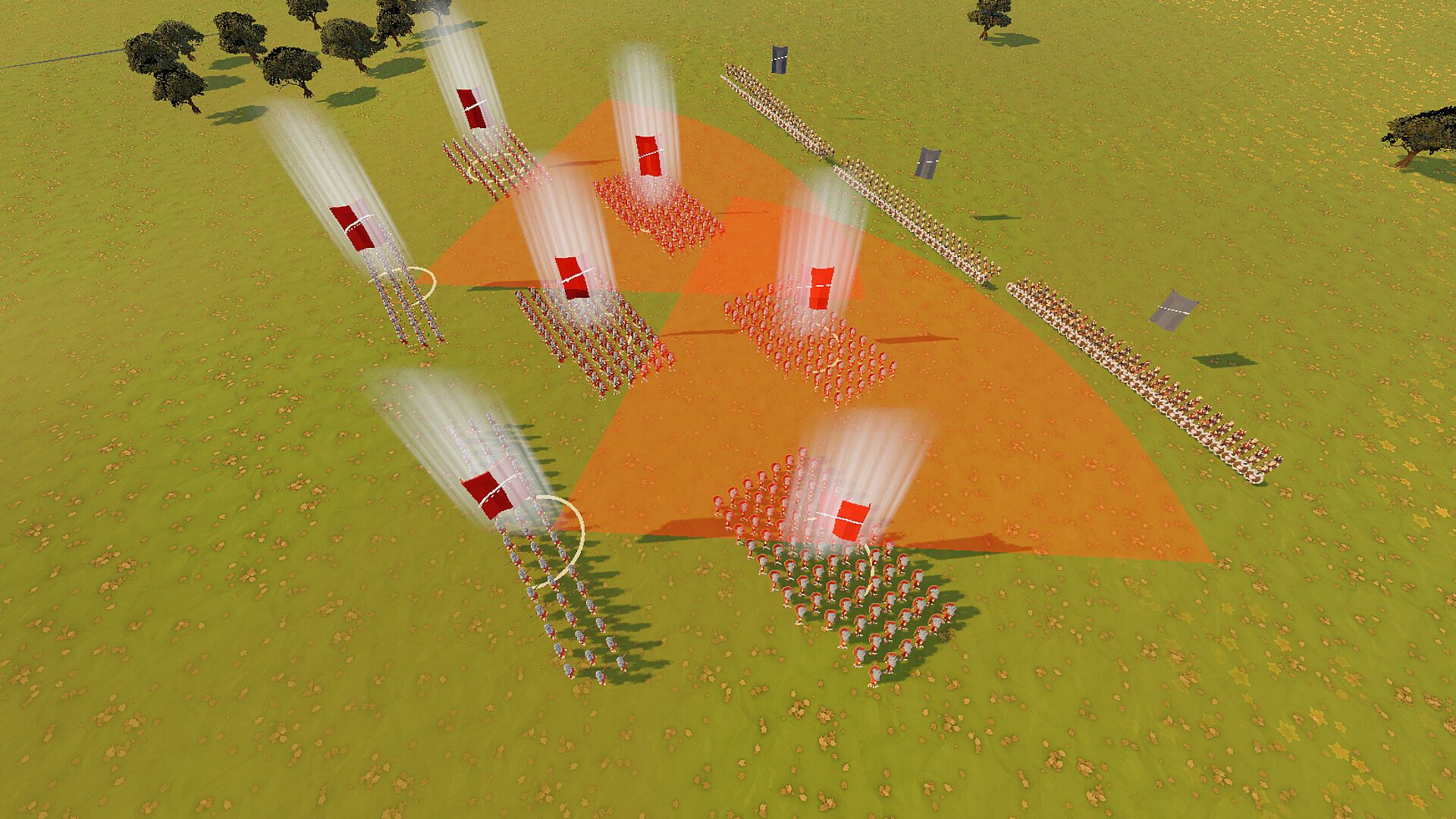
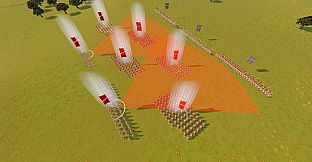
Real-time battles punctuate the campaign. Armies deploy in the field where formations and tactical choices determine outcomes. Superior positioning and coordinated maneuvers often outweigh raw numbers when facing enemy forces.
Game Modes
The primary experience unfolds through a single-player sandbox campaign. This mode places the full weight of conquest, diplomacy, and political management on the player across the expansive map.
Within the campaign, players alternate between strategic oversight on the turn-based map and direct command during real-time engagements. The structure encourages repeated playthroughs as different approaches to alliances, debt strategies, and internal balancing produce varied results.
Strategic Depth and Map Scale
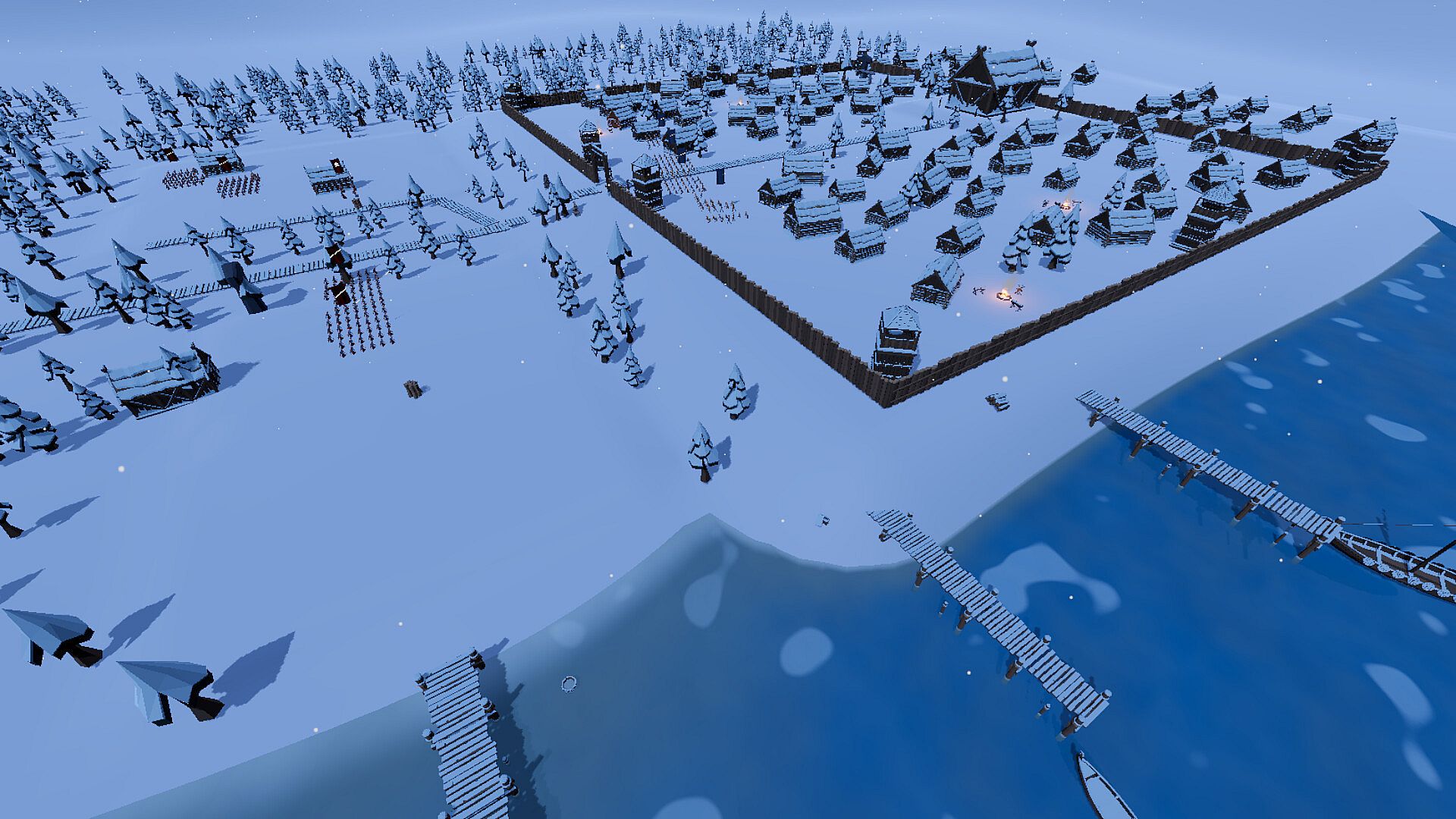
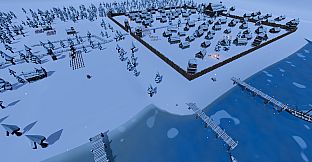
The campaign map stretches across diverse regions, each presenting unique terrain and faction dynamics. Snowy northern forests contrast with the drier southern and eastern territories, influencing movement and supply considerations during legion operations.
Conquest involves more than simple territorial gains. Maintaining control requires ongoing management of local conditions and relationships with neighboring powers. The scale supports extended campaigns where early decisions echo through later stages of the Republic's development.
Is It Worth Playing?
Rome Invictus suits players who enjoy grand strategy titles that combine map-based planning with occasional real-time tactical battles. The emphasis on internal Republic management alongside external conquest creates a focused experience centered on political maneuvering and military command.
Those drawn to indie strategy games with historical settings will find the blend of diplomacy, stratagems, and legion combat engaging. The sandbox nature allows for experimentation with different paths to power without rigid mission structures.
Availability on PC makes it accessible for those with an interest in turn-based campaigns that transition into hands-on battles. The mechanics reward careful planning and adaptation to both rival actions and domestic events.