




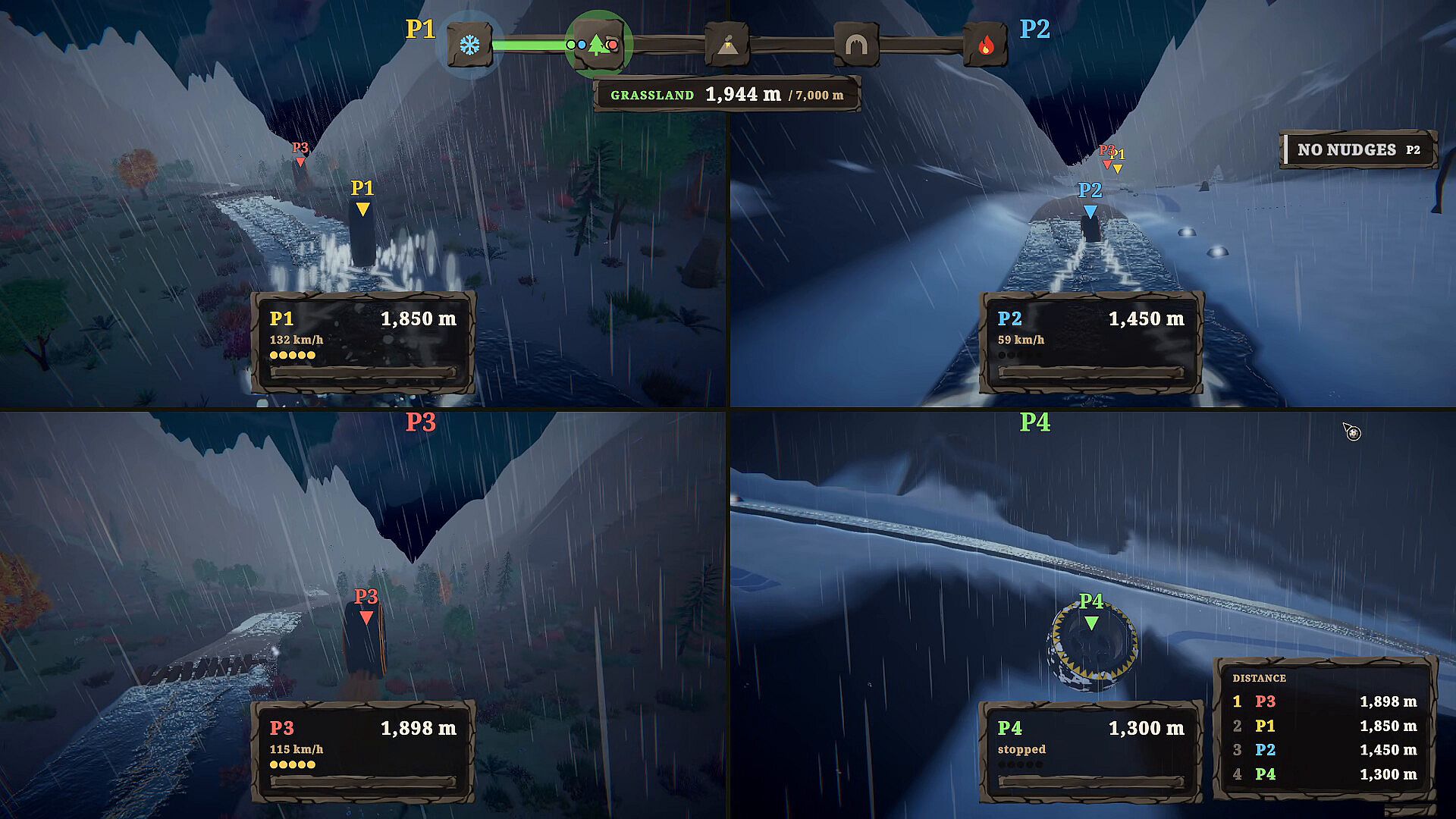
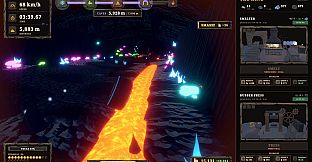
Roll to Hell is an indie physics-based incremental adventure and simulation game for PC. Players launch a tire down a single continuous 7,000-metre track that drops toward the Earth's core, collecting resources and unlocking permanent upgrades along the way.
Gameplay
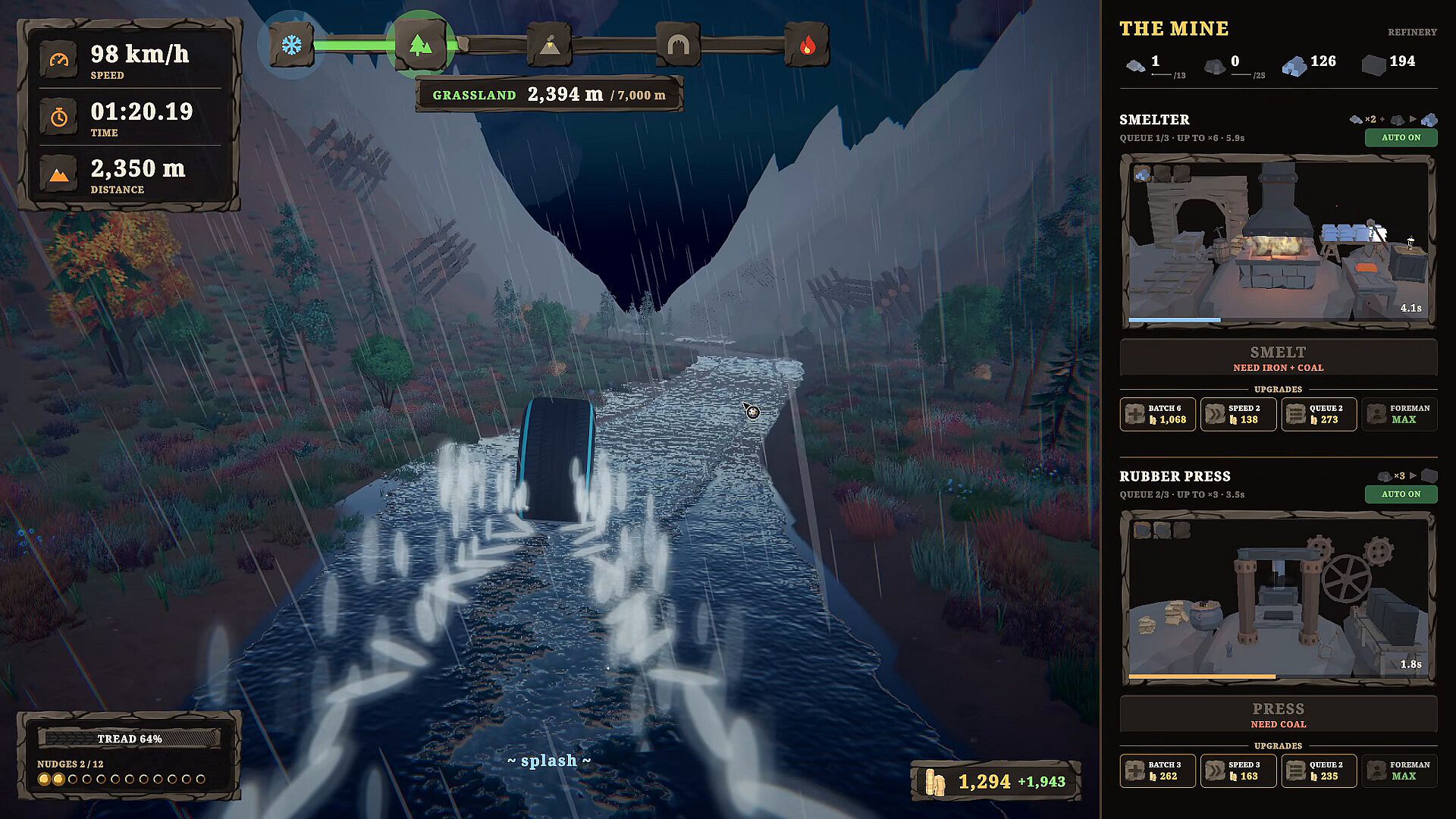
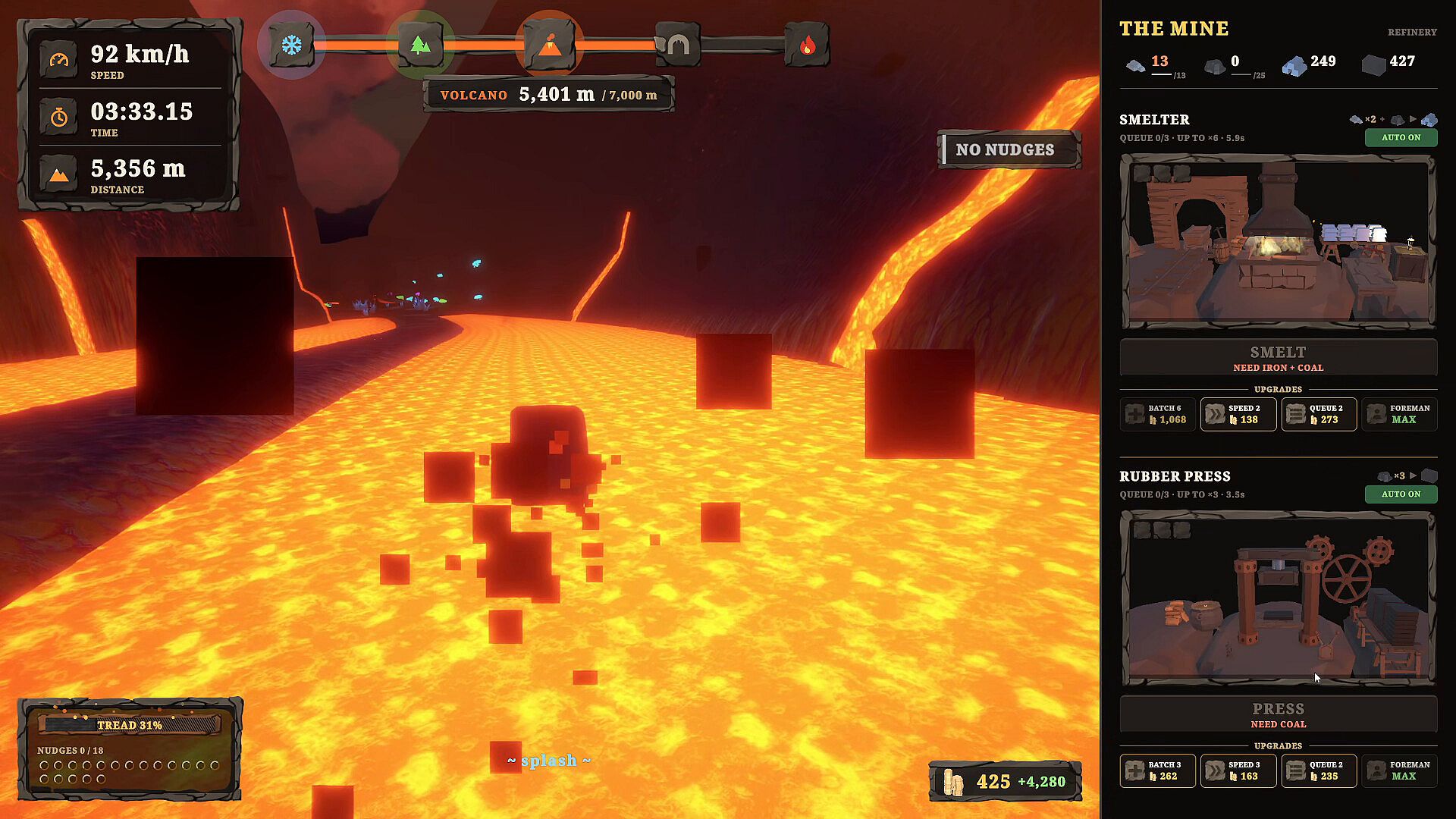
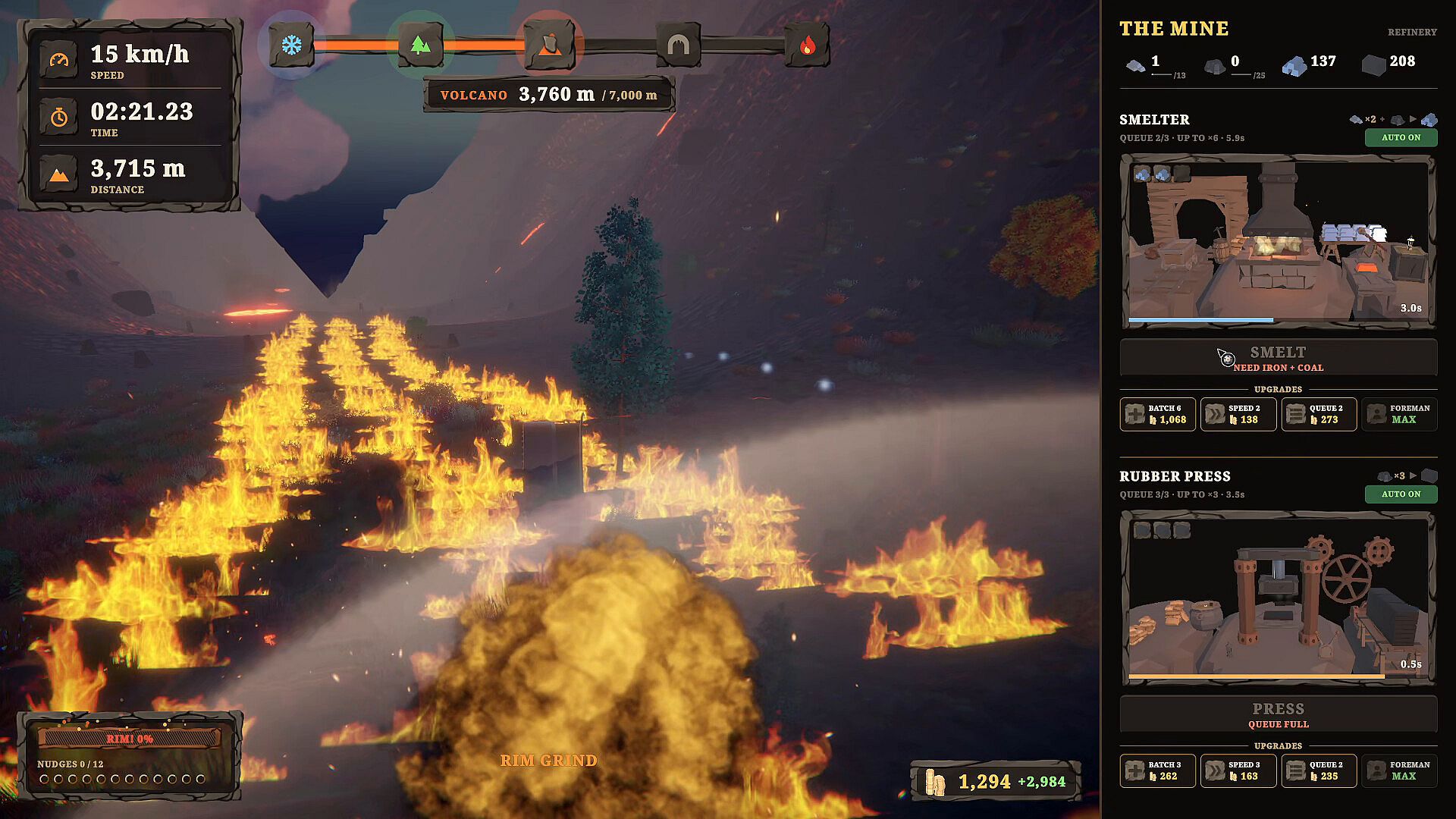
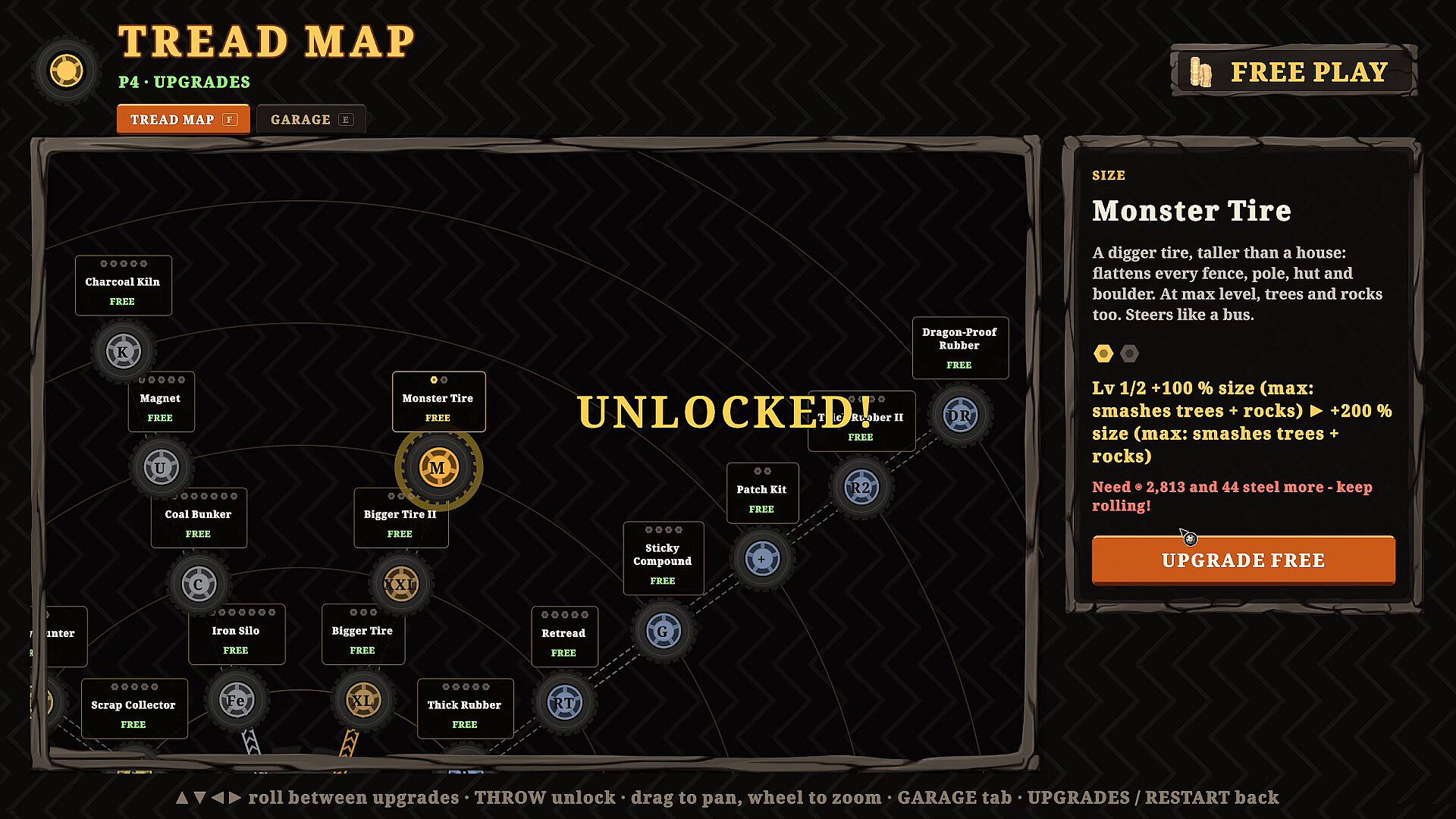
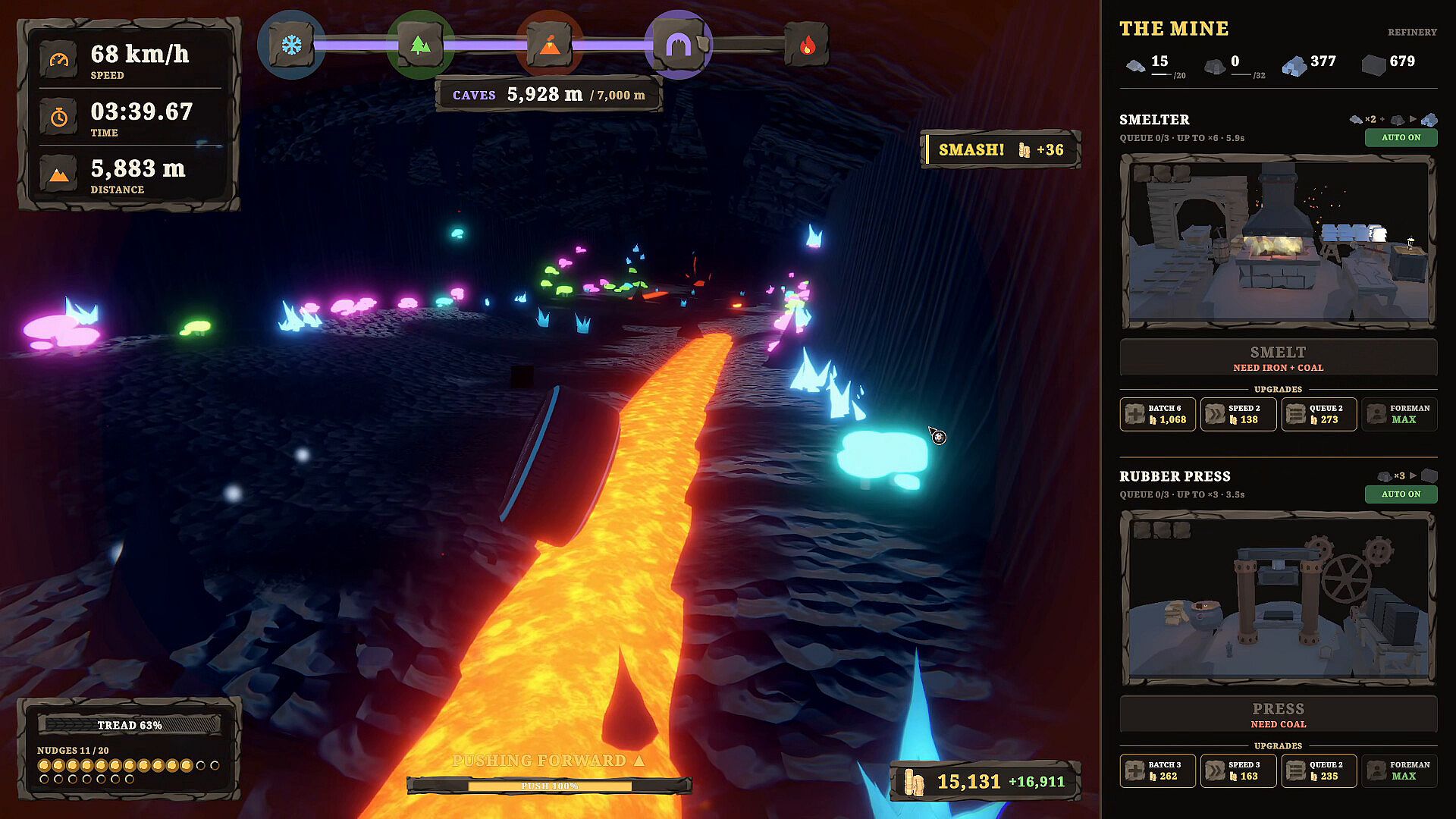
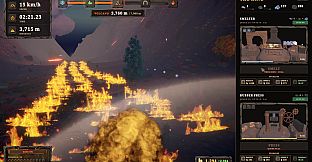
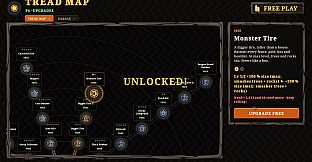
The core loop centers on charging a launch and then managing limited control as gravity pulls the tire downward. Nudges and hops help steer around boulders and crevasses while the tire bounces, skids, and gradually wears down. Destruction of obstacles such as fences and houses yields scrap that players smelt into usable materials. These resources fund upgrades across a 36-node skill tree that improves tire durability, adds crushing power, and provides heat protection for deeper sections of the descent.
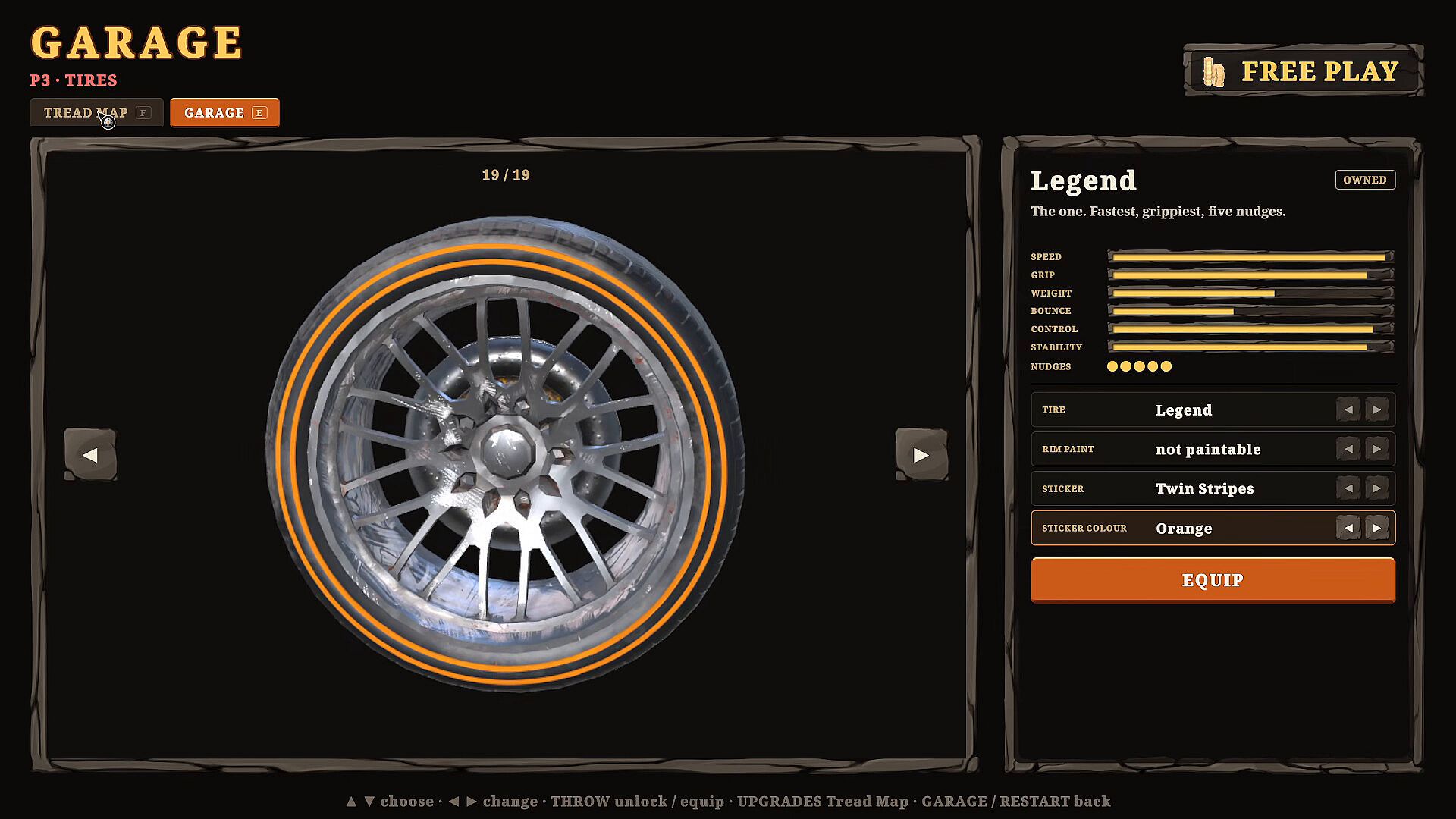
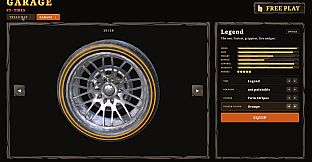
Five distinct biomes mark the journey from snowy peaks through rivers and into lava-filled depths. Each biome introduces new terrain hazards that test balance and timing. Smelting happens manually at first, but players can expand processing capacity and unlock automation to maintain resource flow even while the tire continues rolling. Nineteen unique tires, thirteen rim paints, and eight sticker designs serve as visible rewards for progression.
Game Modes
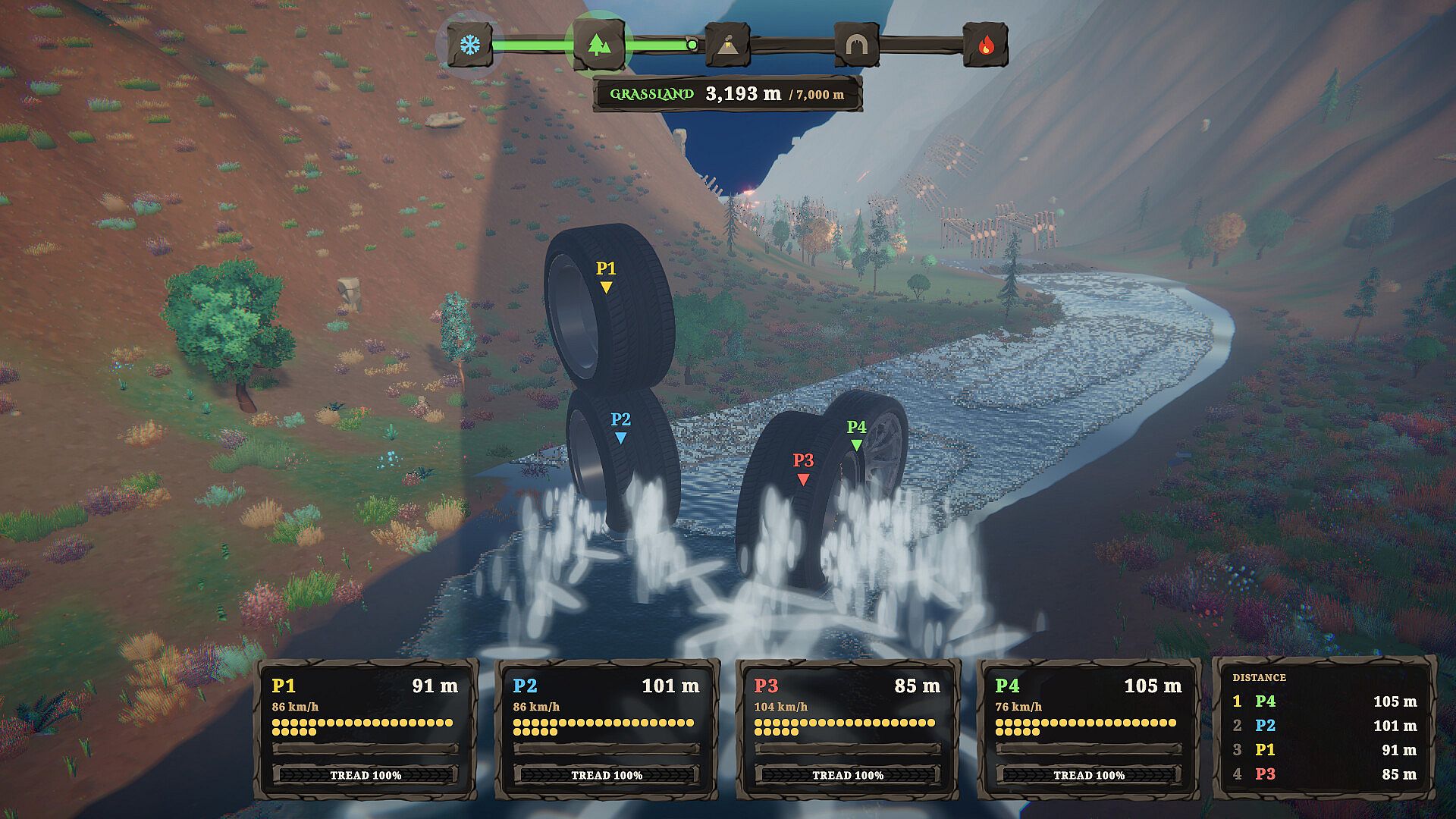
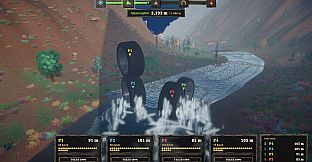
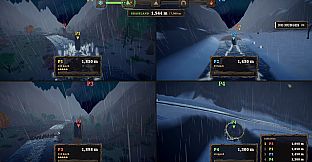
Single-player runs focus on reaching the bottom with an upgraded tire. Party Mode lets up to four players launch simultaneously on the same track and compete to knock rivals aside. Turn-Based Mode leaves a crashed tire in place as a static obstacle for subsequent players. Both multiplayer options support local split-screen play and full gamepad input.
Progression and Systems
Permanent upgrades carry over between attempts, encouraging repeated descents to refine builds. Resource management extends beyond the slope through smelting and automation layers that reward planning and capacity expansion. The skill tree offers clear paths toward specialized tires suited for different biomes and hazards.
Is It Worth Playing?
Roll to Hell suits players who enjoy physics-driven incremental games with a strong sense of progression and light local multiplayer competition. The seamless track, resource economy, and skill tree provide consistent goals across multiple runs. Those who prefer precise platforming or heavy narrative elements may find the limited direct control less appealing. The combination of single-player depth and four-player party options makes it a solid choice for casual sessions with friends or solo experimentation with builds.