


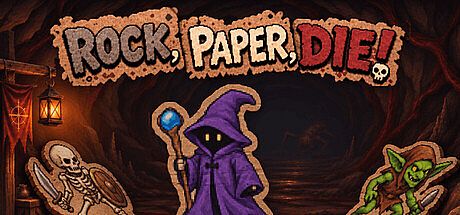


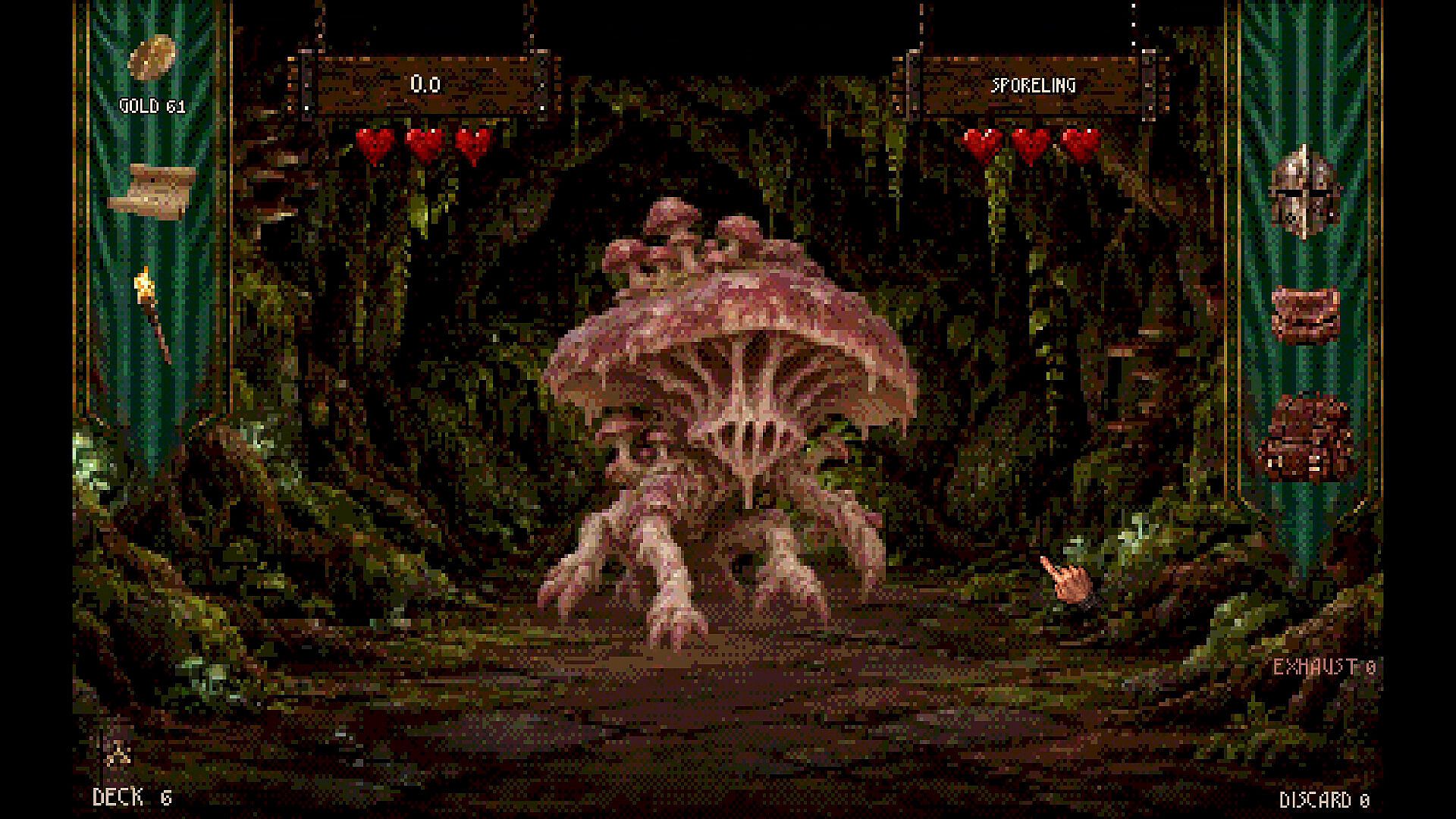

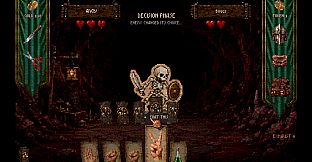
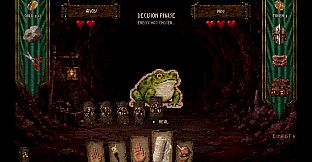
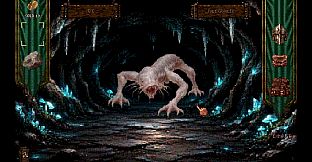
Rock, Paper, Die! is a single-player roguelike deckbuilder that reimagines the classic hand game as a tense battle of wits against intelligent foes. Players build and refine a deck starting from the core trio of Rock, Paper, and Scissors, then layer in upgrades, equipment, and tactical tools while navigating a shifting underground labyrinth. The experience blends strategy and adventure elements with RPG progression, all set on PC.
Gameplay
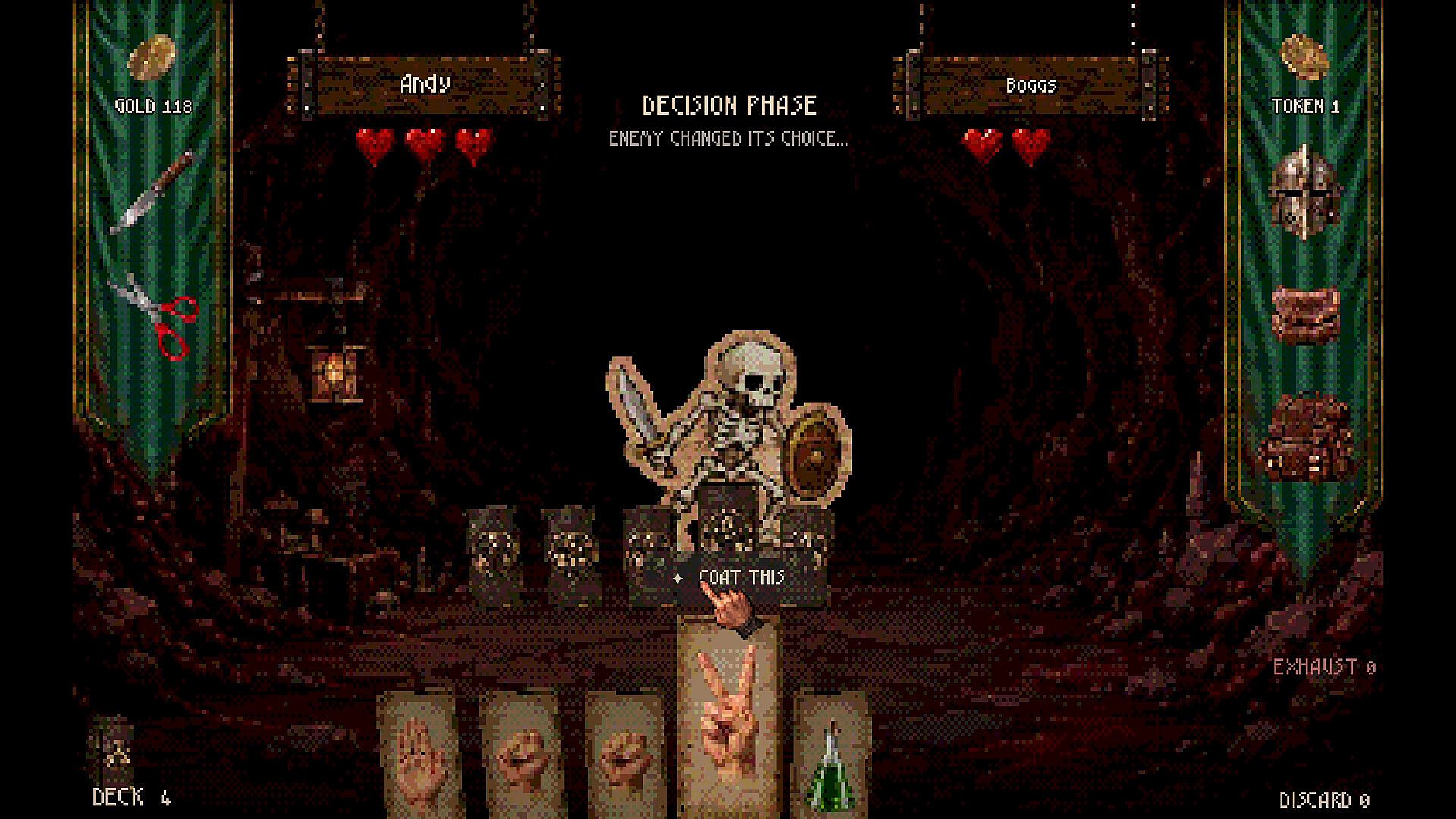
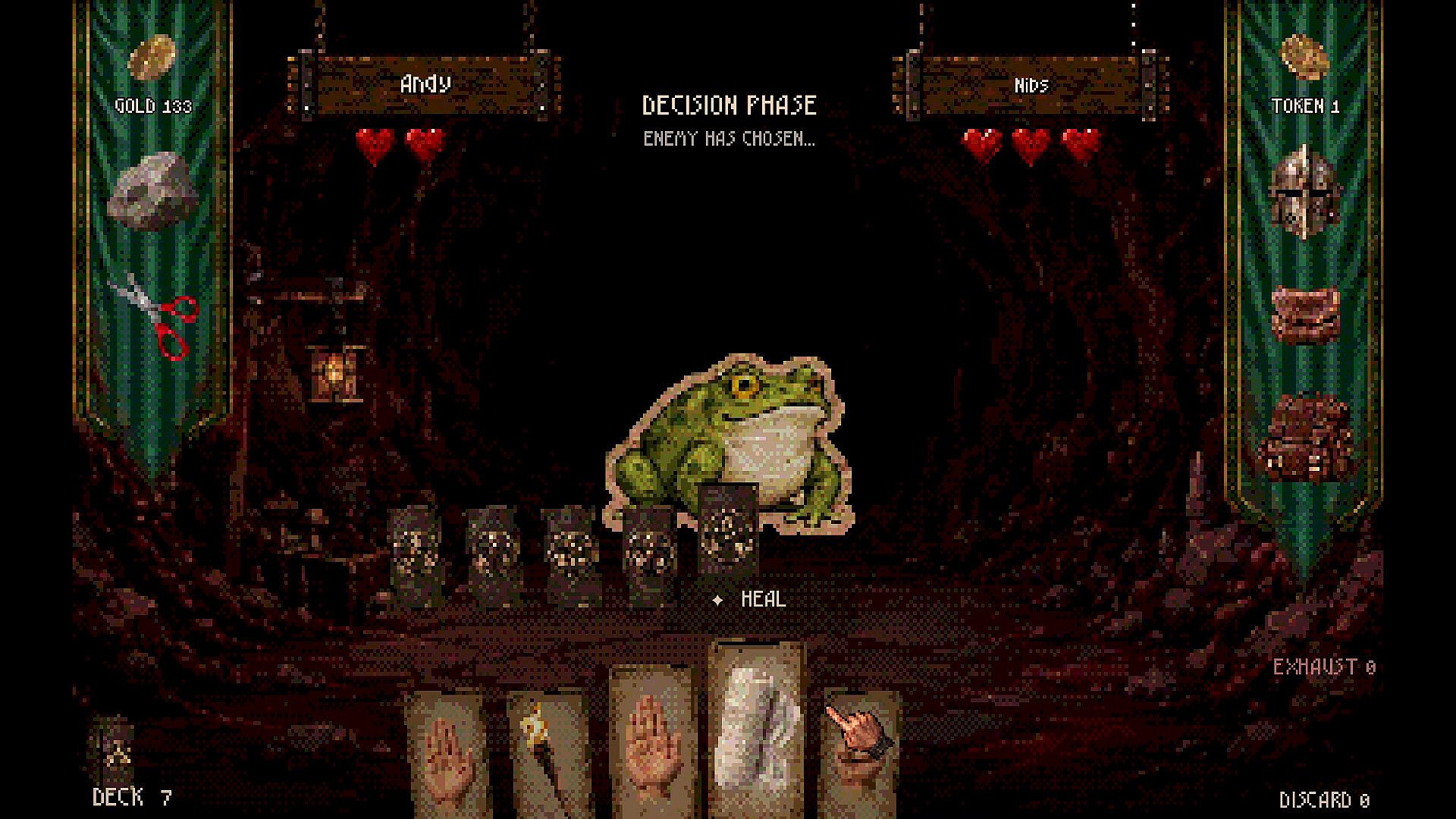
Combat revolves around studying enemy patterns rather than relying on chance. Opponents hold their own cards and exhibit consistent behaviors, so success depends on observing tendencies, anticipating moves, and choosing the right response at the right moment. Basic rules expand through new cards that introduce effects like poison or fire, along with items such as armour, weapons, rings, and charms that alter combat flow.
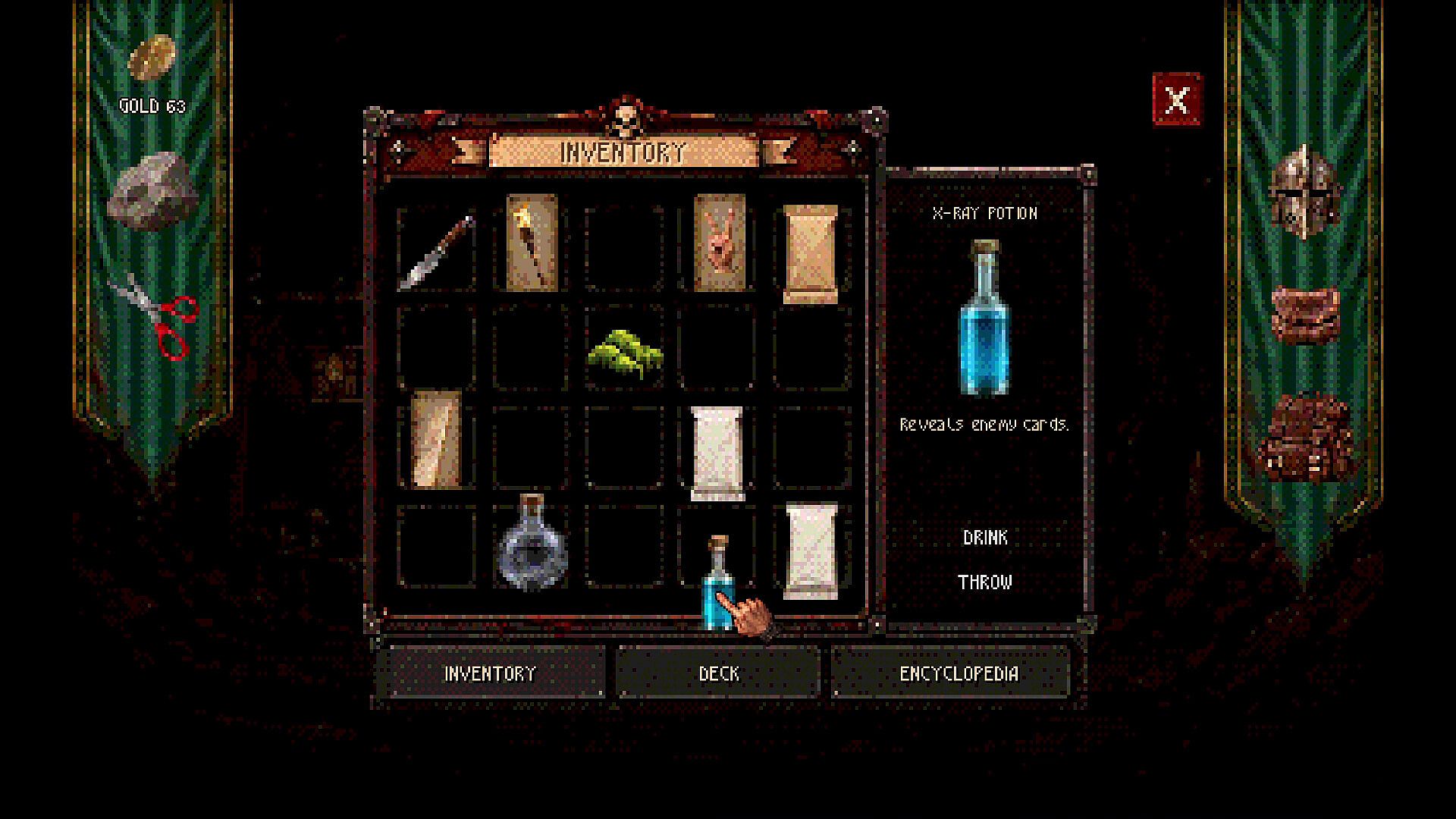
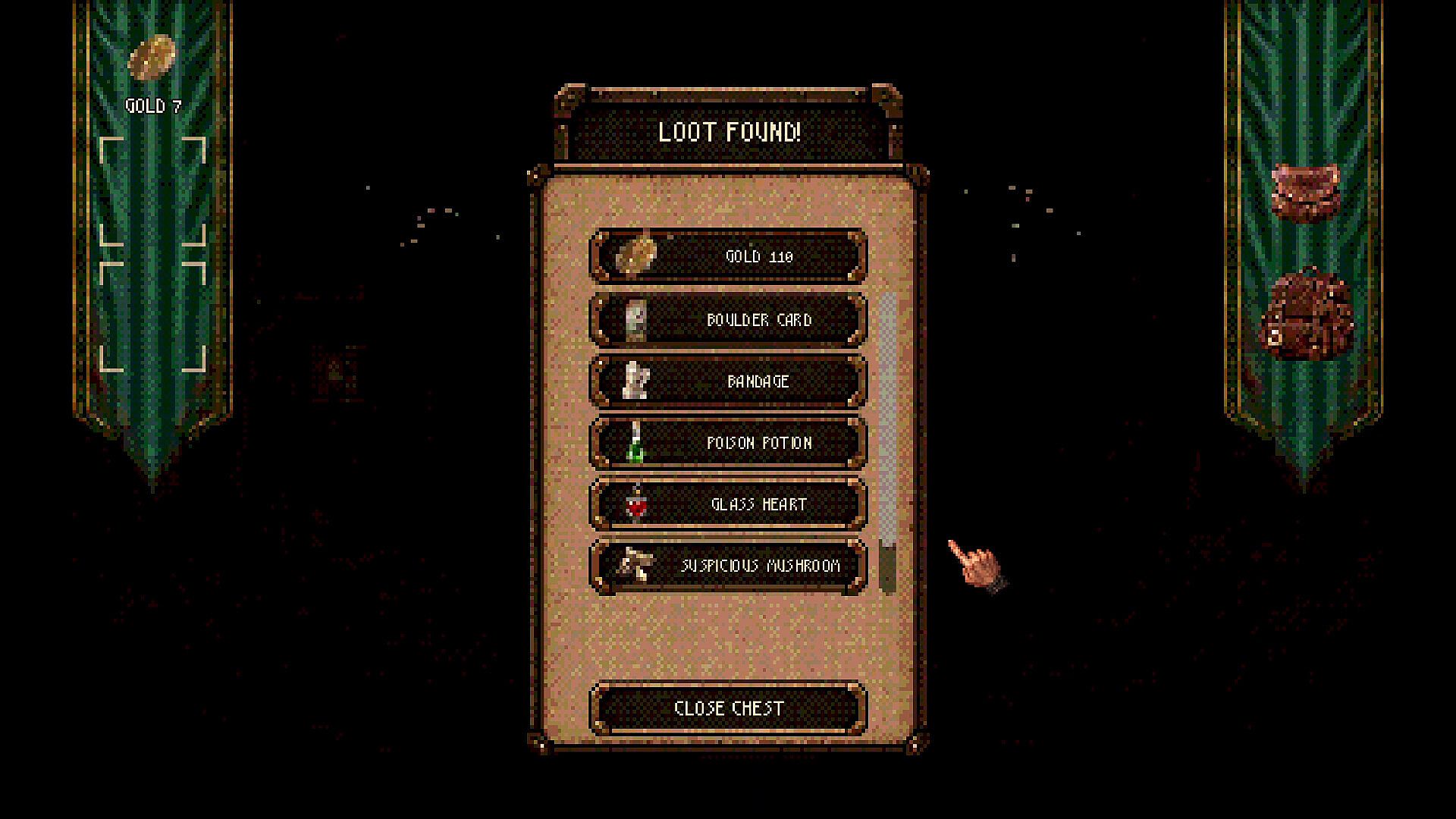
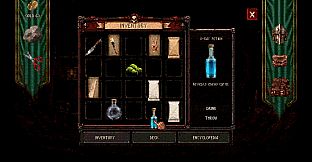
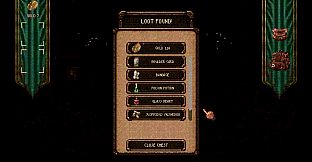
Deck construction forms the heart of each attempt. Players discover fresh cards, apply upgrades to existing ones, and test combinations of consumables and equipment. No build dominates every encounter, which forces adaptation across different creatures and situations. Resource decisions add weight: spending a powerful item early might secure a win but leave the player exposed later, while hoarding it risks unnecessary damage.
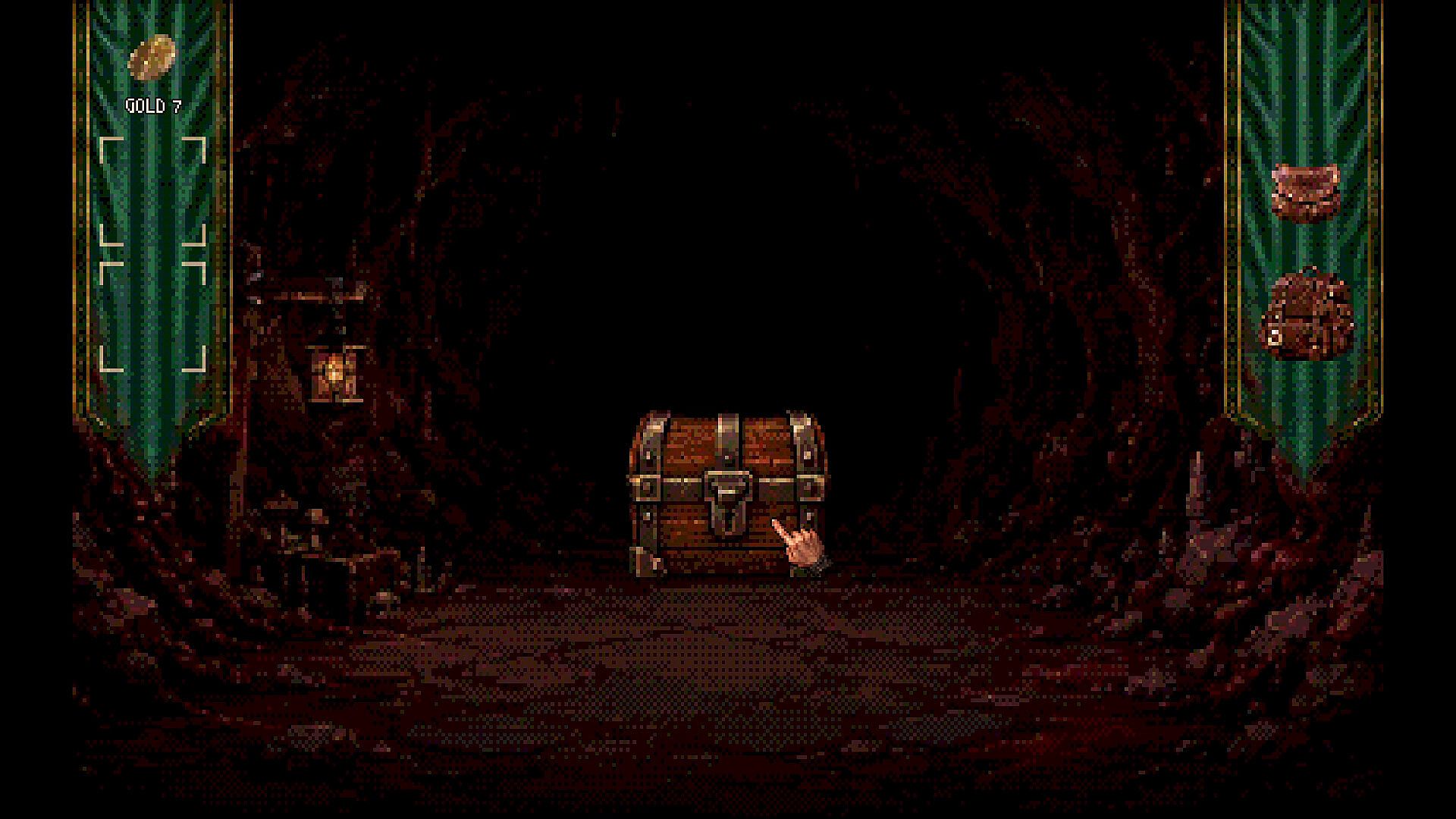
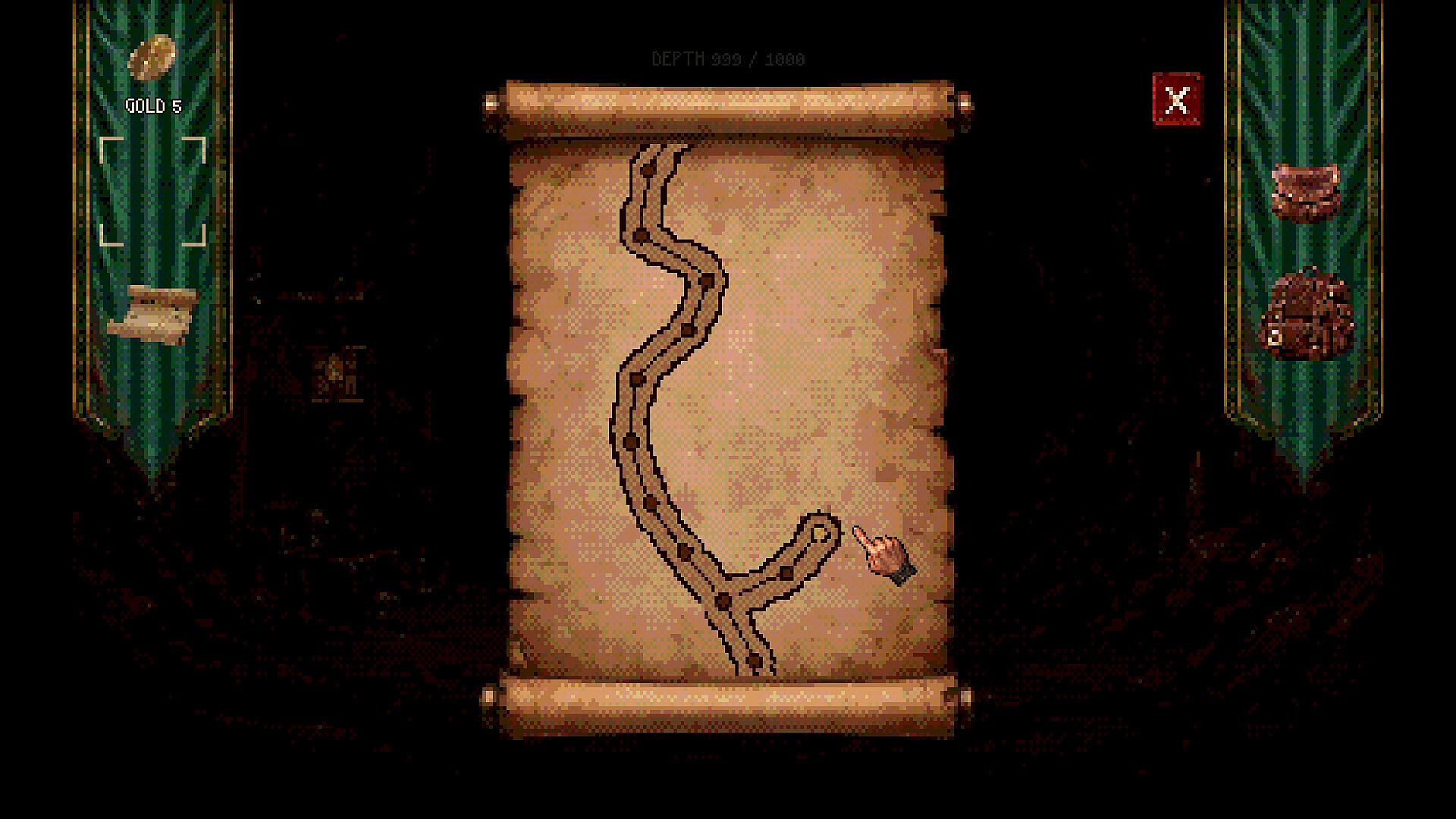
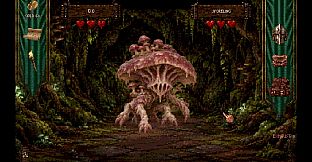
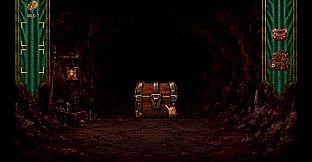
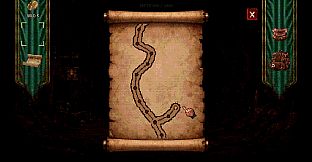
Exploration takes place in a branching cave system beneath a mountain. Routes change between runs, offering chances to backtrack for gear or push forward with current resources. The environment includes merchants, hidden items, and unexpected events that influence the next series of fights.
Game Modes
The game centers on a single-player roguelike structure where each run represents a fresh attempt to escape the mountain. Runs feature procedural elements in layout and encounters, encouraging repeated play to uncover new paths and refine strategies. Progression carries over through knowledge gained rather than permanent unlocks, as death resets the deck and position but rewards observation of enemy behaviors and effective card synergies.
Within runs, players manage exploration choices alongside combat preparation. Branching passages create opportunities to seek stronger equipment or retreat to safer ground, shaping the difficulty of upcoming battles. The structure emphasizes survival across multiple encounters over any single decisive clash.
Core Mechanics and Progression
Deck evolution happens through discovery and experimentation. New cards expand options beyond the initial three, while upgrades strengthen specific plays. Equipment slots allow customization that complements card effects, such as adding shields or traps to counter particular enemy types. Consumables provide temporary edges that must be timed carefully.
Enemy interaction rewards attention to detail. Each foe presents distinct strengths and weaknesses that become apparent over multiple encounters. Learning these patterns lets players disrupt enemy plans instead of reacting blindly. The mountain itself occasionally intervenes with offers that carry their own risks, adding another layer to decision-making.
Is It Worth Playing?
Rock, Paper, Die! appeals to players who enjoy deliberate strategy in a roguelike format, where observation and adaptation matter more than reflexes. The single-player focus and emphasis on learning from failures suit those comfortable with repeated attempts and incremental improvement. Because the title remains in development with a coming-soon release date and no user reviews available yet, interested players can follow updates through official channels or try any available demo to assess the core loop firsthand. The described systems suggest strong potential for fans of deckbuilders that reward pattern recognition and flexible builds over straightforward power creep.