






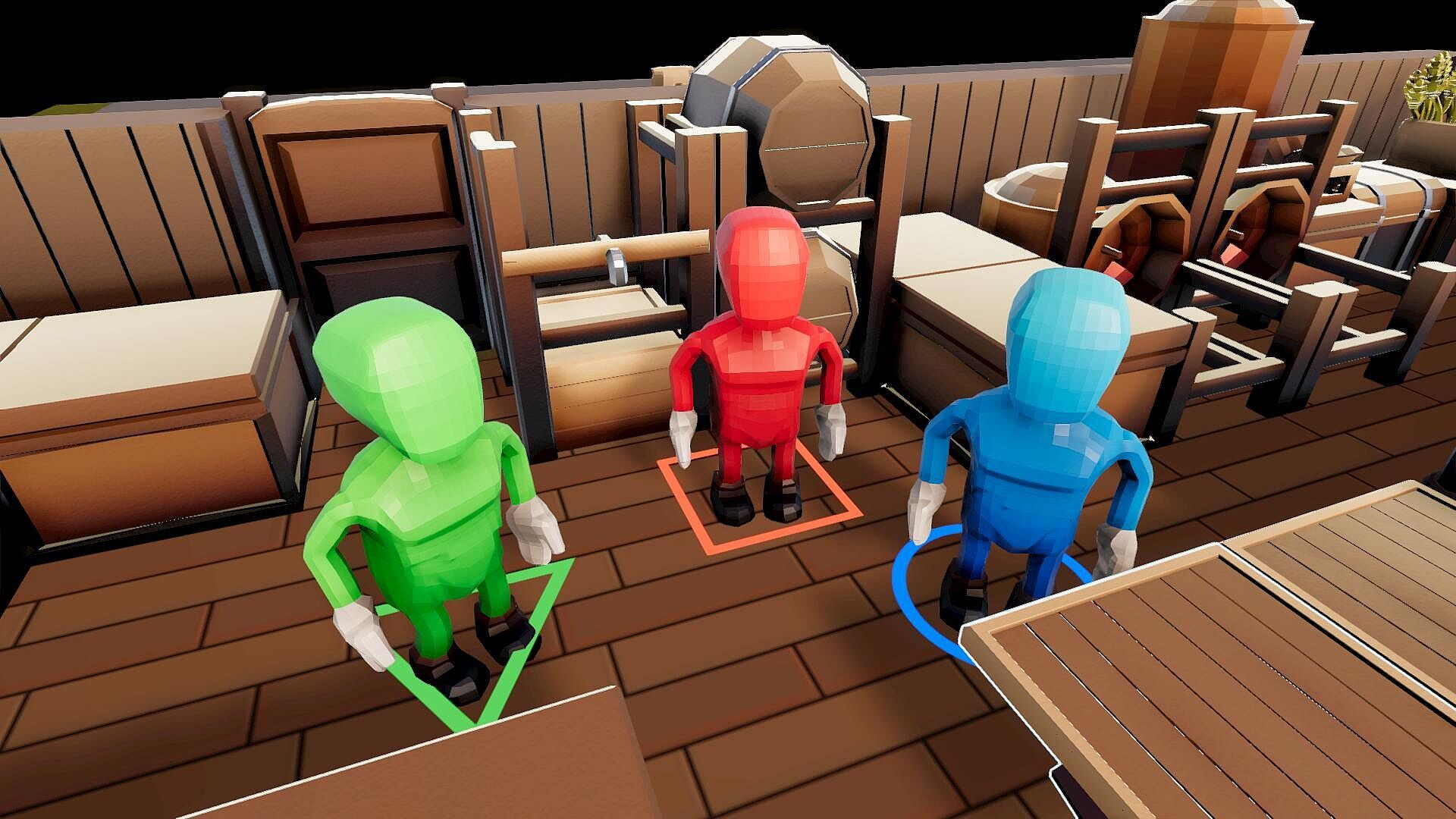
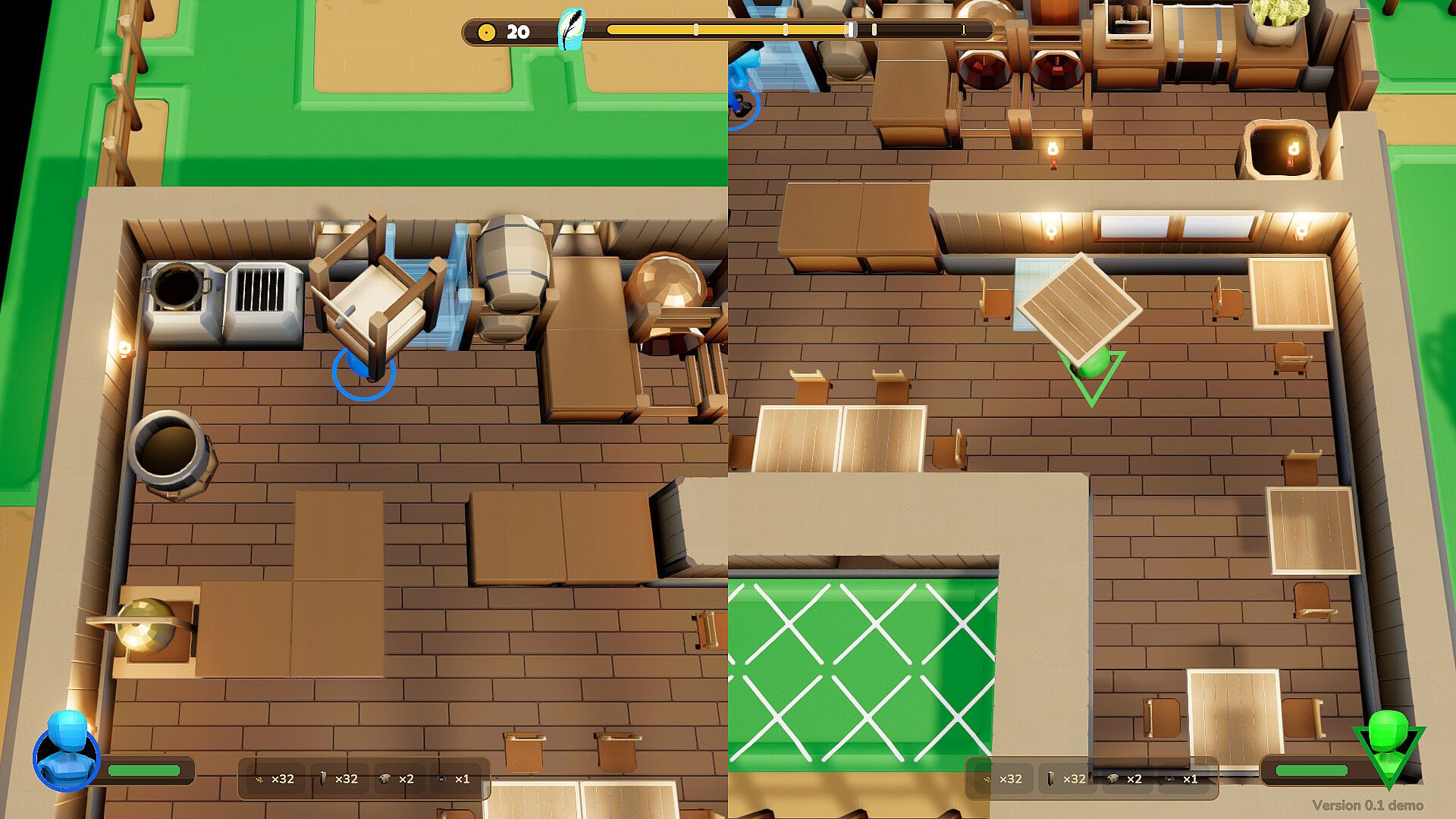
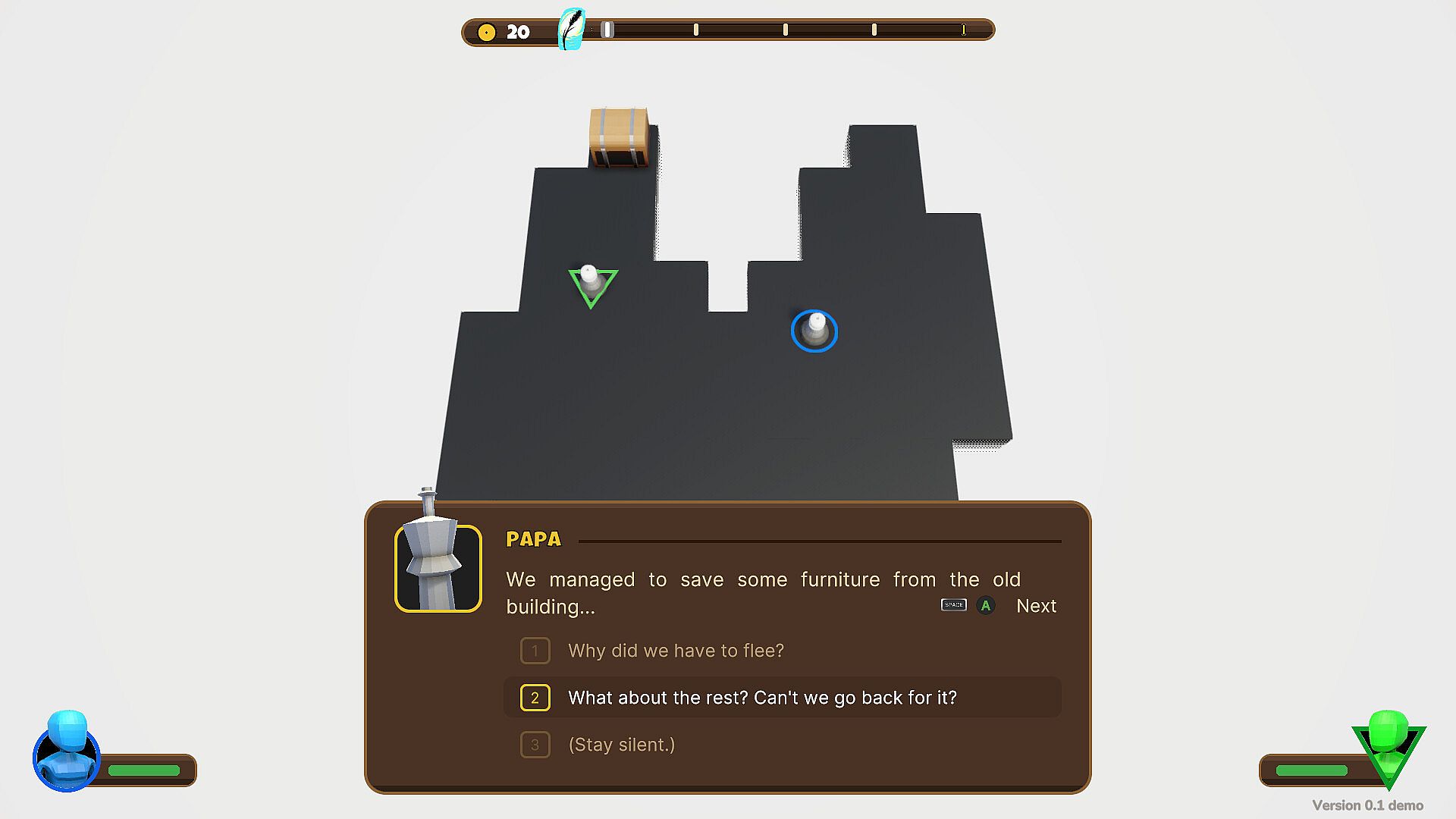
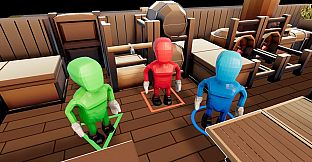
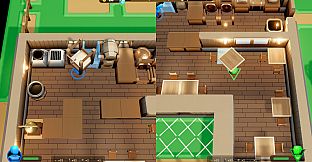
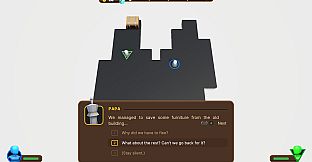
Roast and Toast is an action, indie, casual, and adventure tavern management simulator set on PC. Players run a cozy yet unpredictable tavern where every day begins with planting seeds and ends in the rush of serving guests amid potential kitchen disasters like burning bread. The experience blends relaxed preparation with lively service, supporting up to four players with a recommendation for two player local co op.
Gameplay
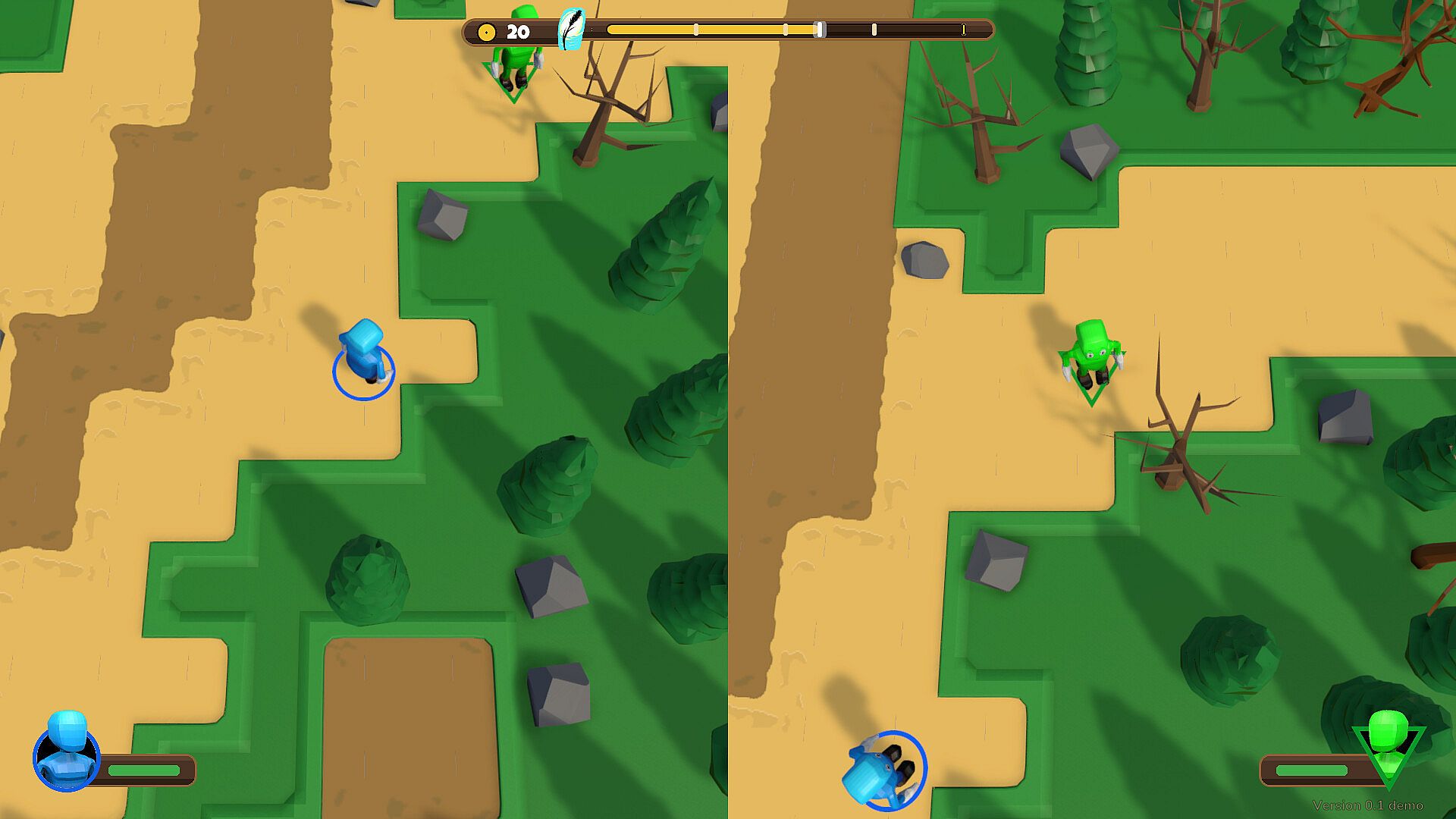
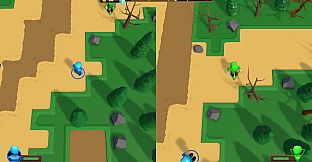
The core loop splits into distinct phases that keep the tavern running smoothly. During the preparation phase, attention turns to the garden for growing ingredients, trips into town for shopping, and cautious exploration of surrounding forests and streets. The town has faced recent hardships, and the forests carry their own risks, so the tavern itself becomes a reliable spot of safety and comfort for locals. Gathering wheat, brewing supplies, and other basics ensures the menu stays stocked before doors open.
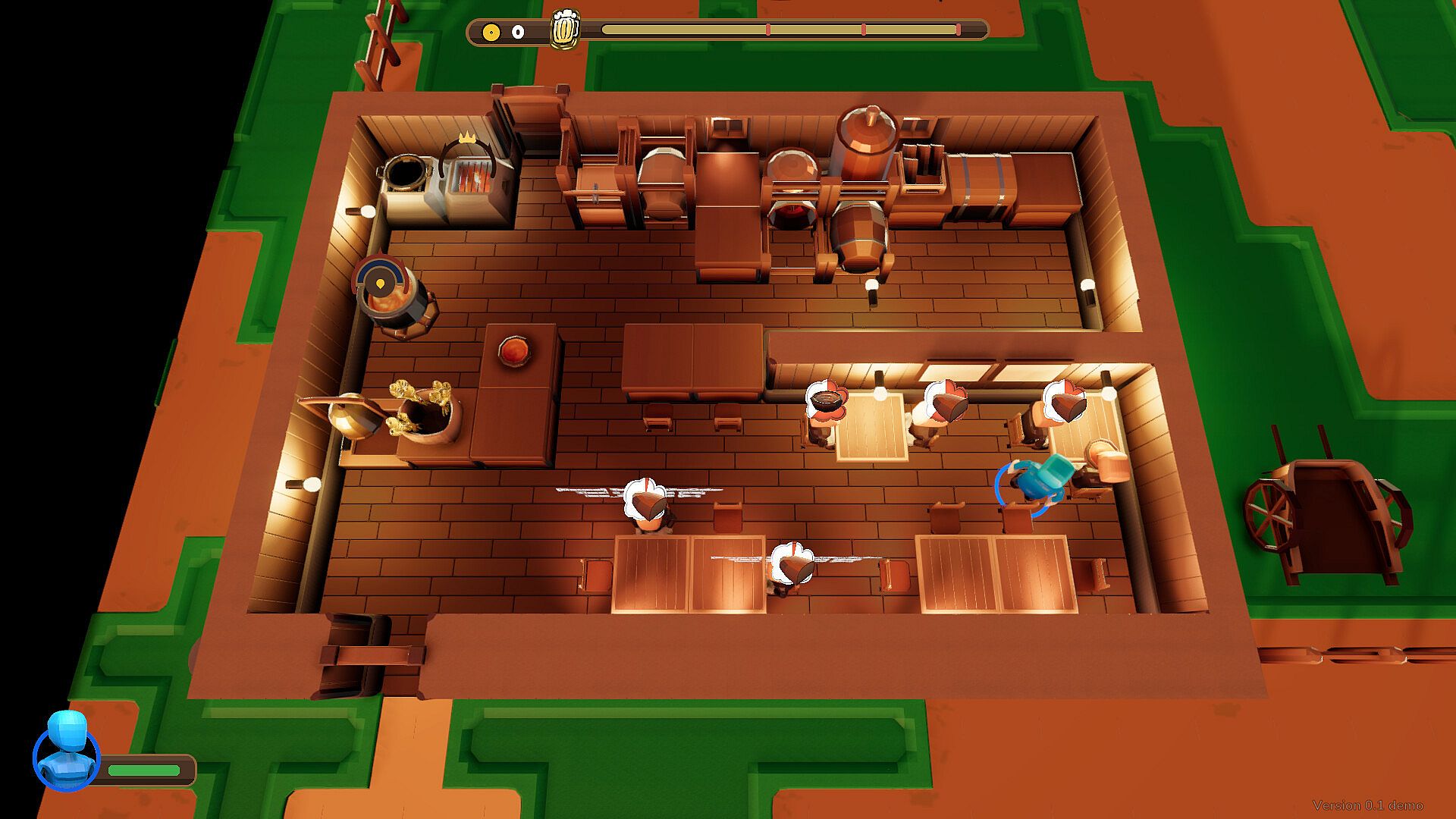
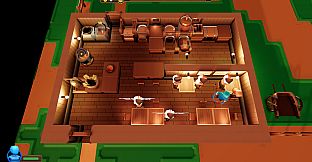
Once service begins, guests arrive with orders that often stray from what is ready. Barrels might hold only juice when ale is requested, or the kitchen could face sudden demands for multiple dishes. Players handle these moments by improvising from available ingredients while keeping the atmosphere welcoming. The physical nature of the simulation shines through in how items are handled, from baking bread to pouring drinks, with room for things to go awry in entertaining ways. Customization runs deep here, allowing everything from scratch made recipes to automated processes or purchases from town vendors. The menu itself is fully flexible, supporting exclusive high end dishes, simple hearty fare, or even a drinks only focus. If customers grow restless, a simple suggestion to step outside for a walk helps restore calm without further trouble.
Game Modes
Roast and Toast emphasizes flexible play styles rather than rigid named modes. Solo runs let one person handle the full cycle of preparation and service at their own pace. Multiplayer sessions expand the chaos and cooperation, with up to four participants dividing tasks across the garden, shopping trips, and busy tavern floor. Local co op works especially well for two players who can share the physical demands of cooking and hosting in real time. The game supports creative approaches within these setups, such as focusing on full automation, sourcing everything externally, or building elaborate custom recipes. Mod support built into the foundation opens further variety by letting players add new recipes, items, furniture, and other elements to reshape the tavern experience.
Customization and Progression
Progress comes from steady daily cycles that reward thoughtful preparation and quick thinking during service. Players decide how much to invest in the garden versus town purchases, how to balance the menu, and whether to expand automation tools for efficiency. The tavern grows as a beacon in the community, with each successful day unlocking more options for what to serve and how to arrange the space. Exploration outside the doors adds layers of risk and reward, as safer paths yield reliable supplies while riskier ones might bring rarer finds. This freedom extends to the end product itself, where the same base ingredients can lead to vastly different offerings depending on player choices.
Is It Worth Playing?
Roast and Toast suits players who enjoy management sims with a mix of calm planning and sudden bursts of activity. Those drawn to cozy setups that include light chaos, local co op teamwork, and extensive customization will find plenty to explore through repeated days and varied approaches. The emphasis on physical interactions during service and the ability to shape the menu and tavern layout from the ground up gives it strong replay value for creative minds. Mod support further extends longevity for anyone interested in community created content. If the idea of tending a garden one moment and juggling unexpected orders the next appeals, the game delivers a distinctive take on tavern life that rewards both careful preparation and adaptable hosting. Single player offers a steady personal challenge, while multiplayer sessions highlight the fun of shared responsibility in a lively setting.