







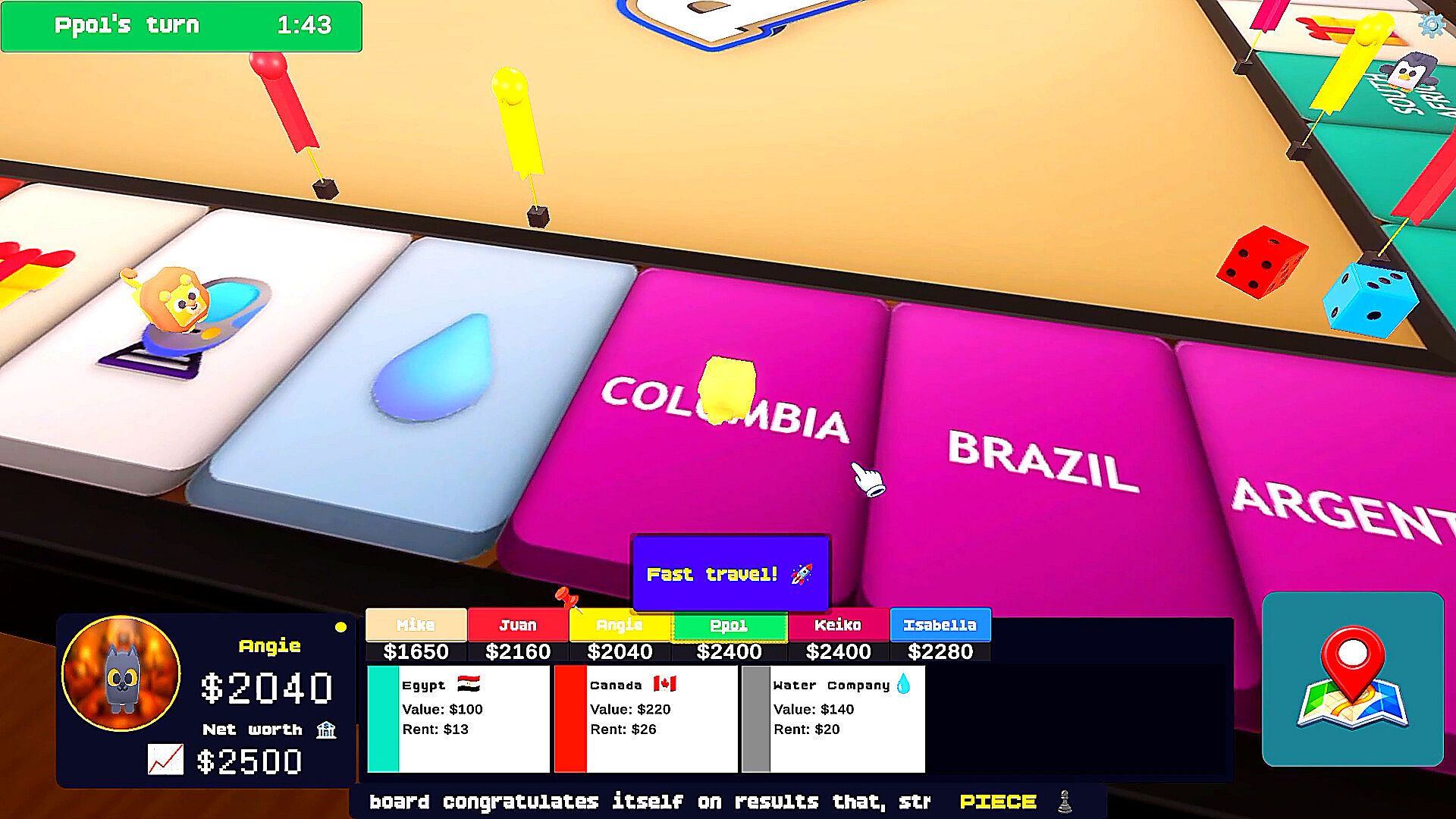
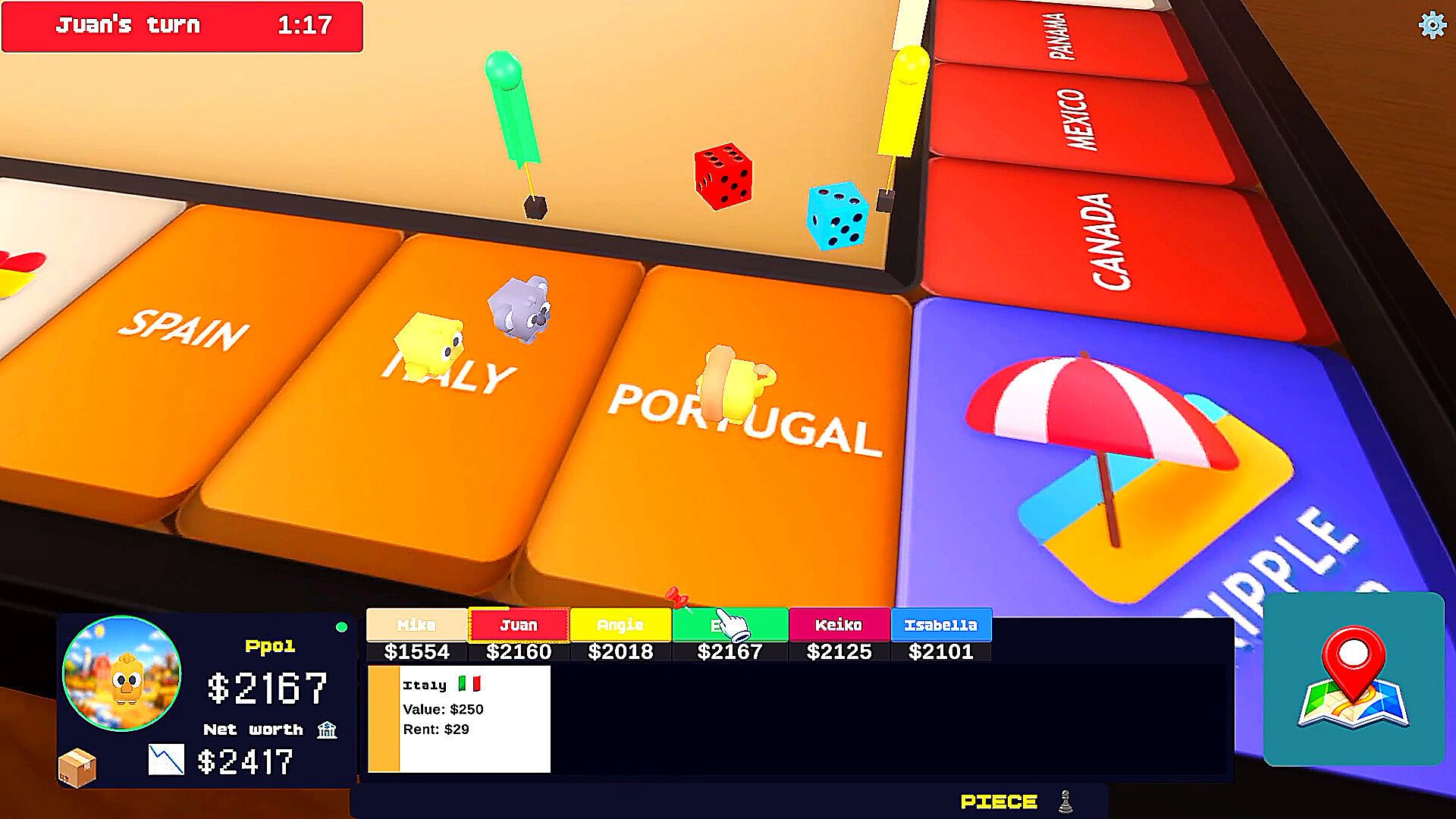
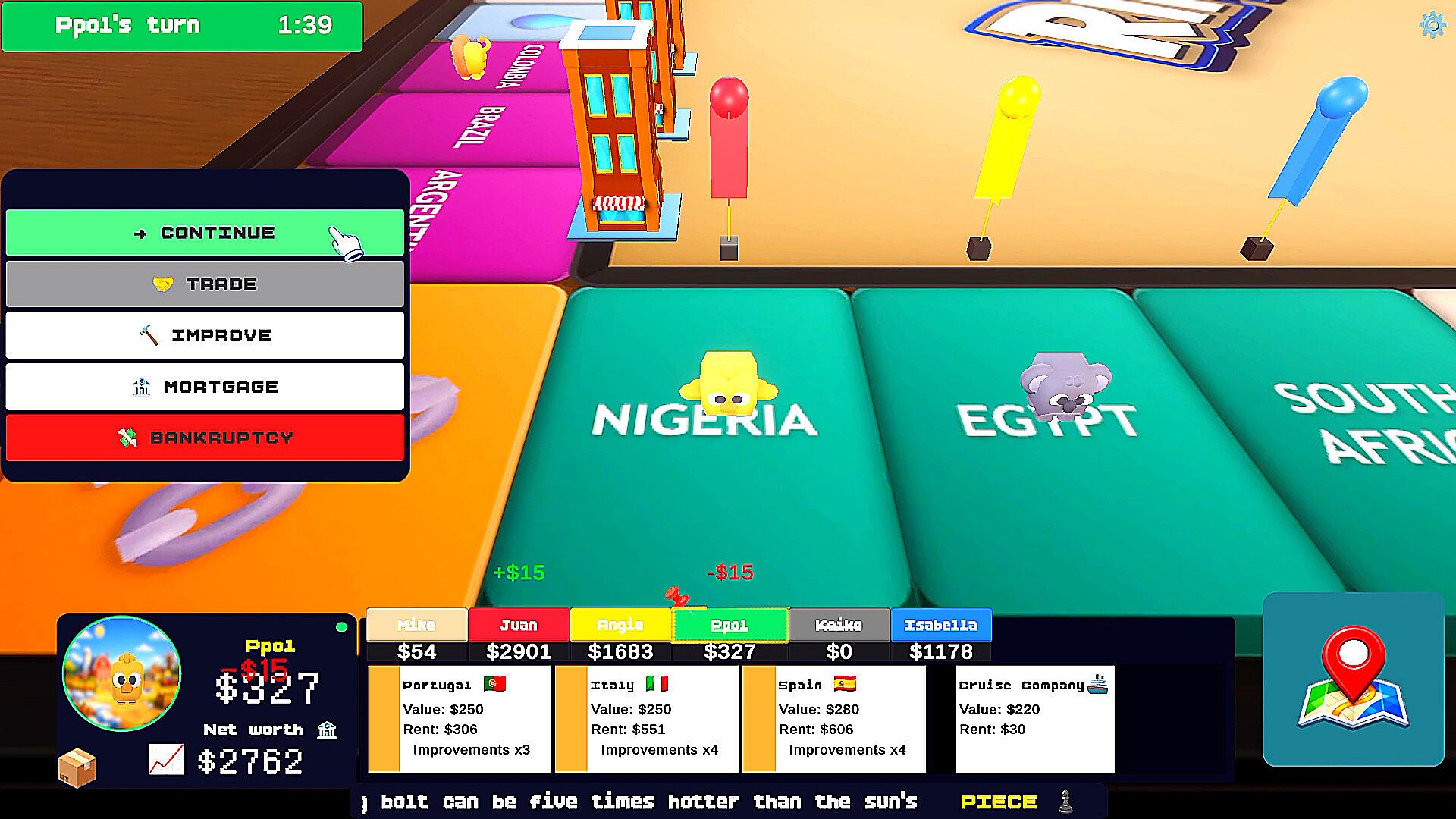


RIPPLES is a strategy board game for PC that blends property acquisition, negotiation, and unpredictable events in matches supporting up to six participants. Players compete to build wealth through color groups and franchises while managing risks that can shift fortunes rapidly. The experience emphasizes careful planning alongside opportunistic trades and event responses, making it suitable for those who enjoy competitive board games with social elements.
Gameplay
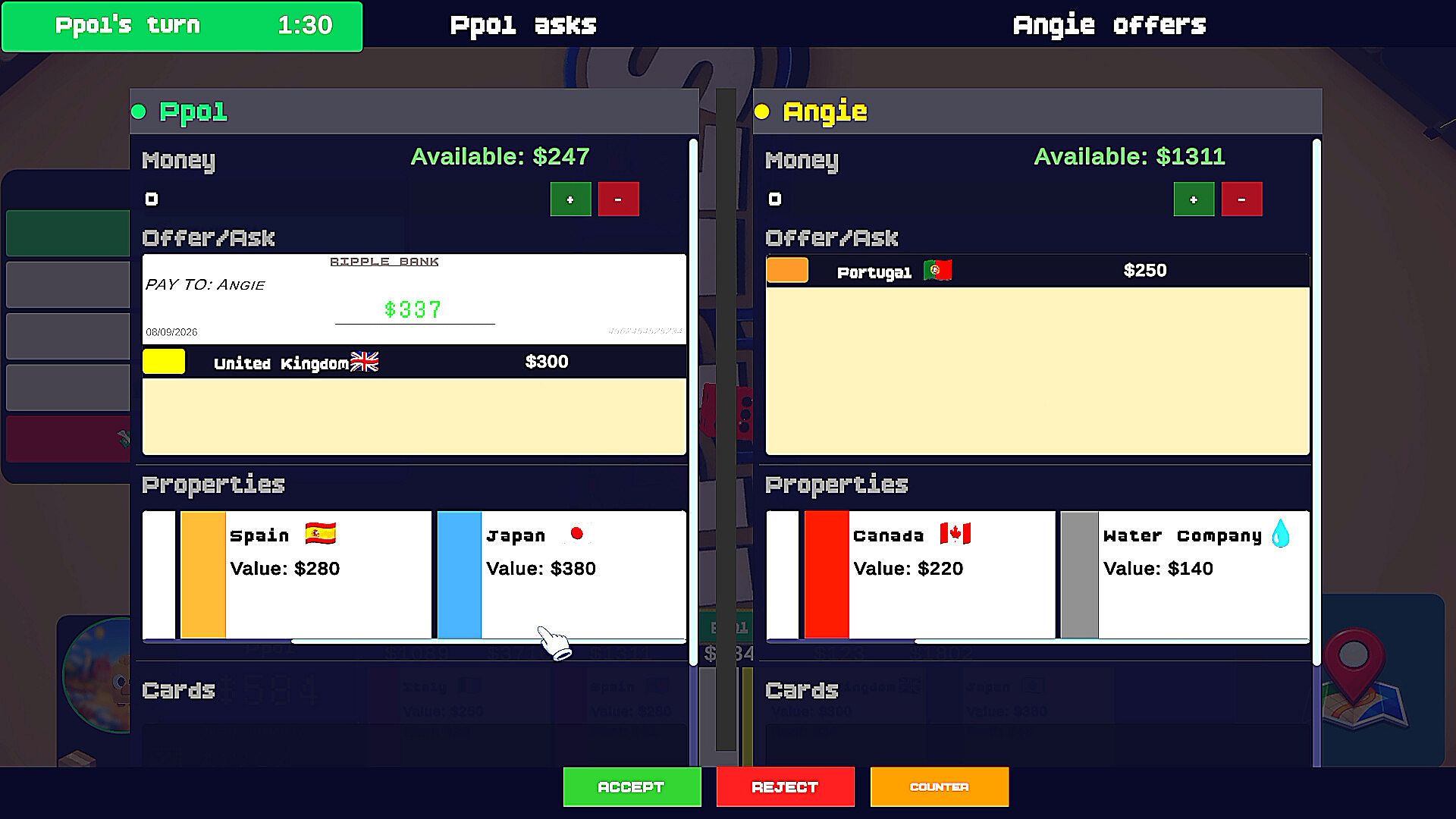
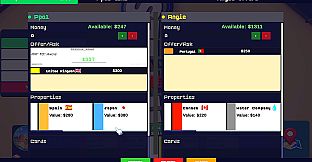
Matches revolve around acquiring properties and developing them into color groups that generate steady income. Completing these groups allows further upgrades to franchises, which increase earnings and strengthen a player's position. Negotiation forms a core part of every session, as participants trade properties, cash, and special cards to improve their holdings or disrupt opponents.
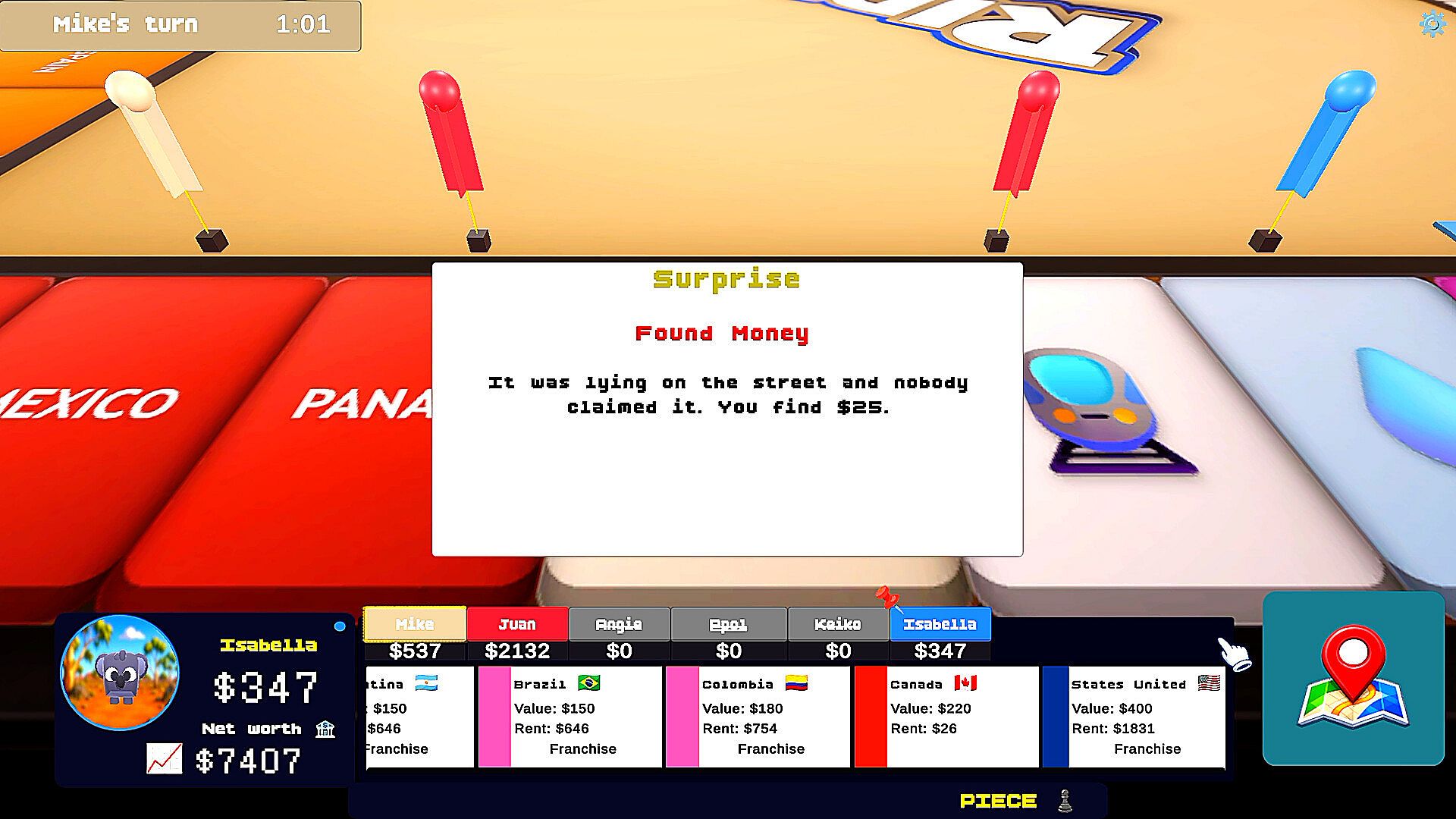
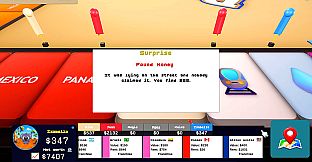
Each turn introduces potential disruption through Surprise and Audit events. These can deliver advantages to one player, impose setbacks on individuals, or impact the entire table simultaneously. When resources run low, the mortgage system provides a way to generate cash by pledging properties, though this carries long-term consequences for income streams.
The Ripple Shop offers access to powerful cards that alter board states, protect assets, reposition players, or hinder rivals. Timing their use proves critical, as a well-placed card can reverse momentum. Additional systems include investments that trade risk for potential gains, encounters with Court that lead to jail time, and opportunities that appear unexpectedly to reshape standings.
Bankruptcy looms as a constant threat. Poor money management or overextension can eliminate a player, while strong oversight of properties and cash reserves often determines the survivor. Match statistics track performance across categories such as total money accumulated, properties owned, doubles rolled, cards played, and jail visits, providing post-game insights into individual contributions.
Game Modes
Online sessions accommodate up to six players, with the option to fill empty seats using bots. This setup supports groups of varying sizes without requiring a full roster of human opponents. Solo play serves as a dedicated mode for practicing rules, experimenting with different approaches, and refining tactics ahead of competitive matches.
The 3D board features selectable pieces and multiple scenarios that vary the layout and visual presentation across sessions. All modes share the same core ruleset focused on property development, trades, and event resolution, ensuring consistency whether competing against others or testing strategies alone.
Key Mechanics and Features
Development progresses from basic property purchases to full color groups and then to franchise improvements that amplify revenue. Player-to-player negotiation extends beyond simple exchanges, allowing creative deals involving multiple asset types to secure advantages. The mortgage option adds depth to financial decisions during lean periods.
Special cards from the Ripple Shop introduce tactical layers, enabling defensive plays, aggressive maneuvers, or positional swaps at critical moments. Events ensure no match follows a predictable path, as random outcomes can benefit or challenge any participant equally. The investment mechanic rewards calculated risks with higher returns, while jail and Court systems add consequences for certain actions or landings.
These elements combine to create a loop of acquisition, interaction, and adaptation. Success depends on balancing aggressive expansion with defensive preparations and timely use of available tools.
Is It Worth Playing?
RIPPLES appeals to fans of strategy board games that incorporate negotiation and chance-based twists. The combination of property management, trading, and event-driven changes delivers sessions where plans can unravel or succeed based on quick thinking and interpersonal deals. Solo mode provides a low-pressure entry point for learning, while bot-supported online play extends accessibility for smaller groups.
Those who enjoy games requiring resource oversight alongside social bargaining will find the mechanics engaging. The bankruptcy elimination system adds tension, rewarding prudent decisions over reckless plays. Availability on PC supports convenient online matches without additional hardware requirements.
Players seeking a modern take on classic board game structures with added layers of cards, events, and development options should consider trying it. The emphasis on adaptability across turns makes repeated sessions feel distinct, particularly when different scenarios or piece selections alter the board experience.