







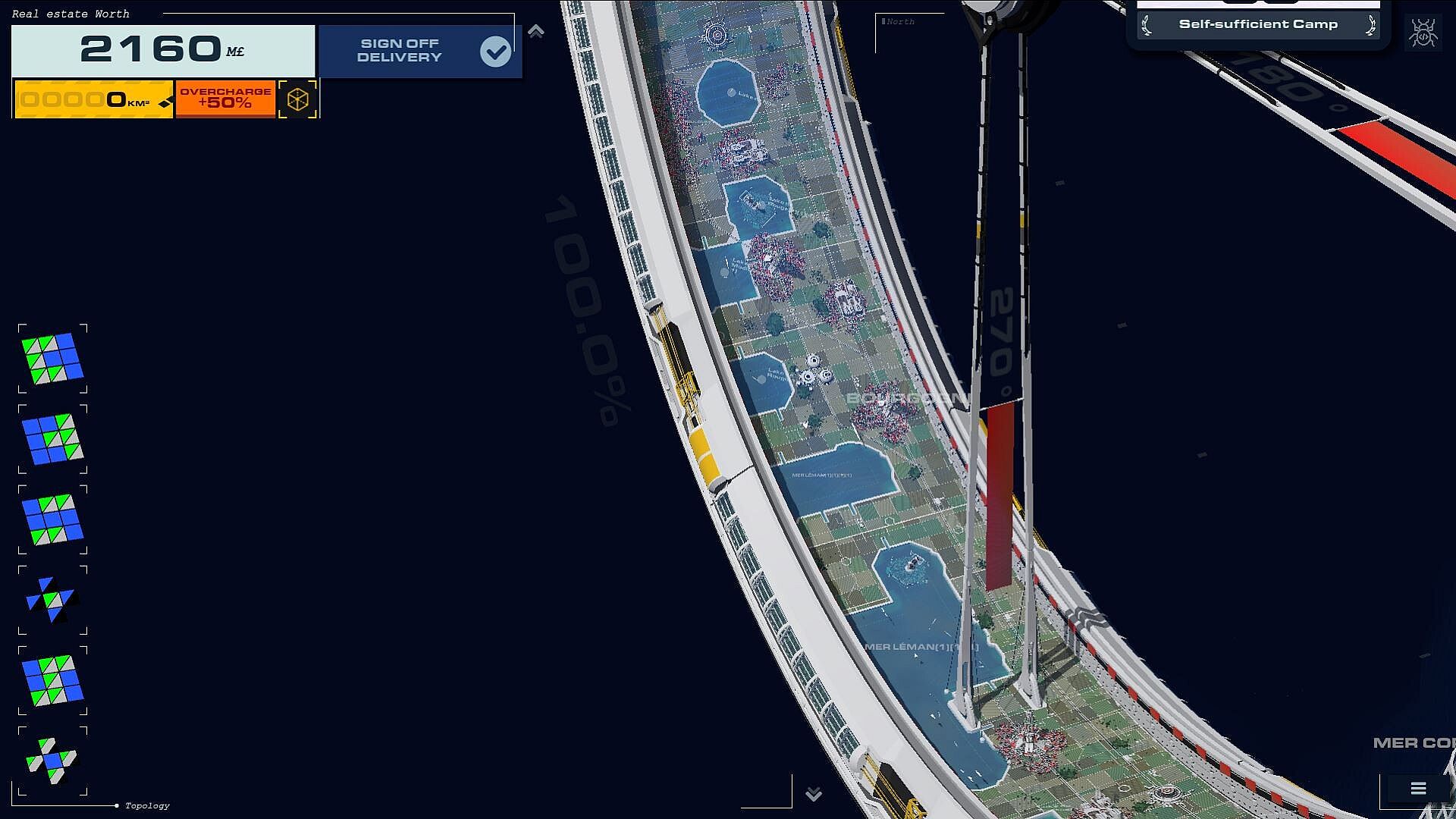
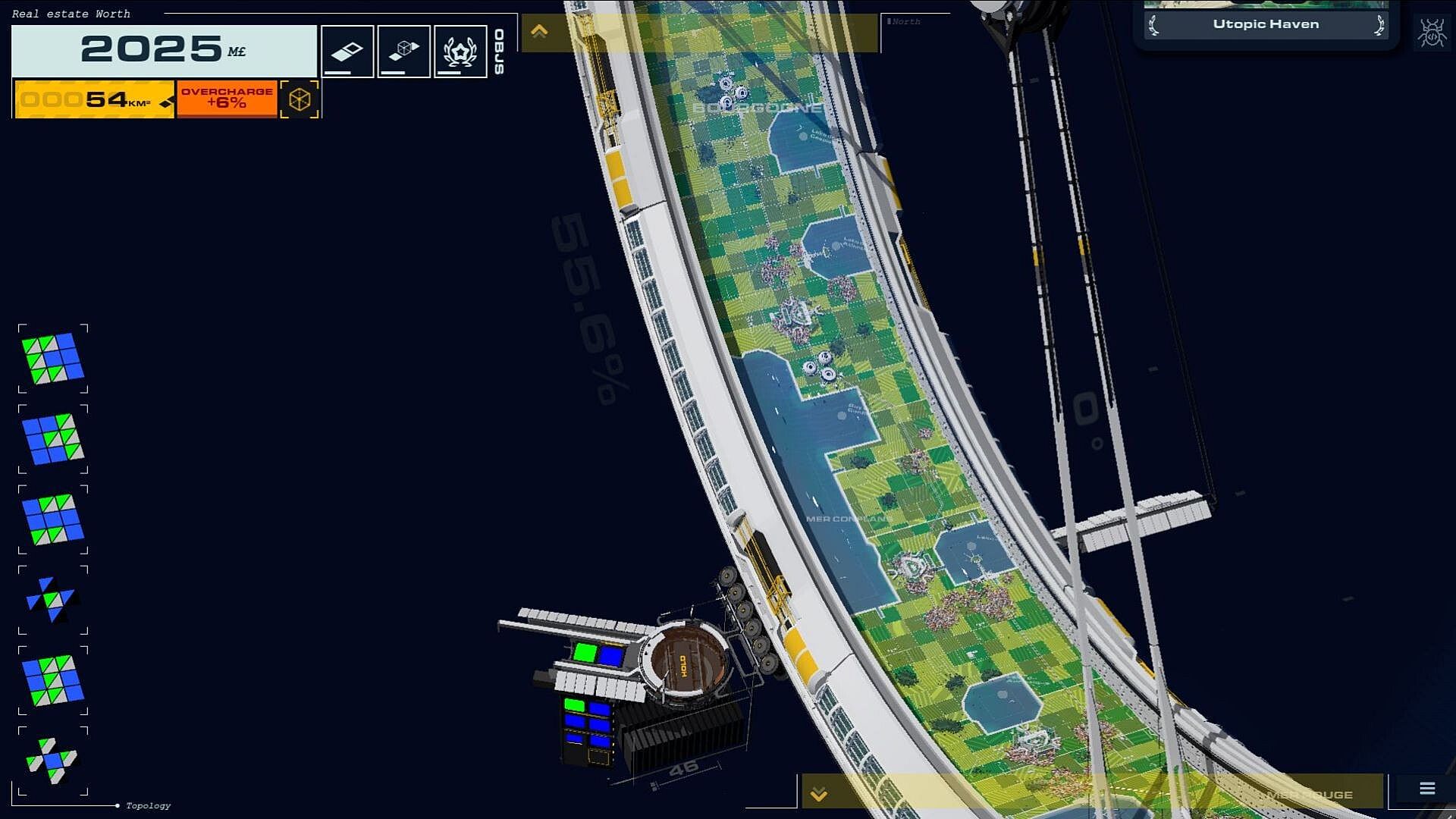
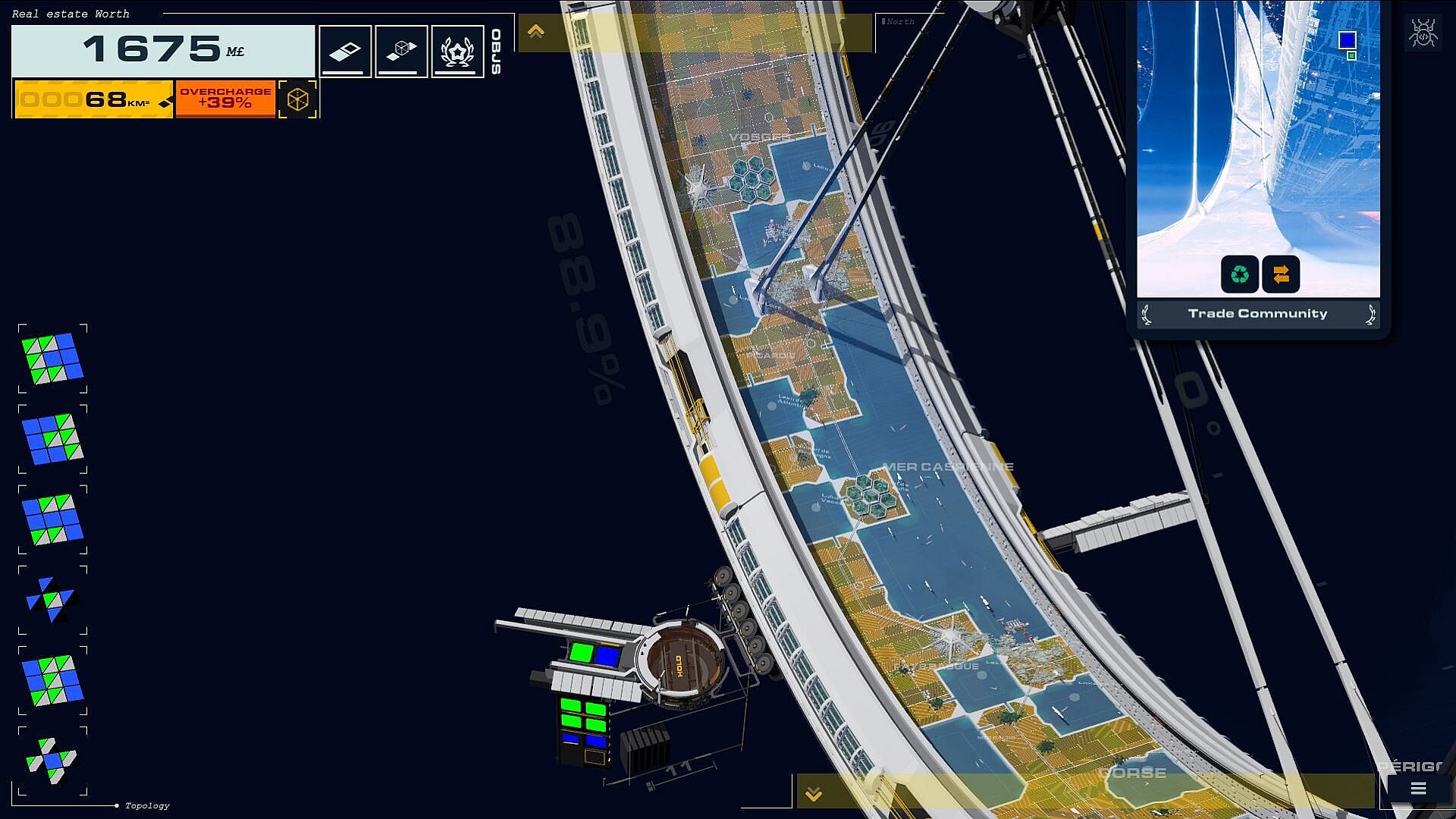
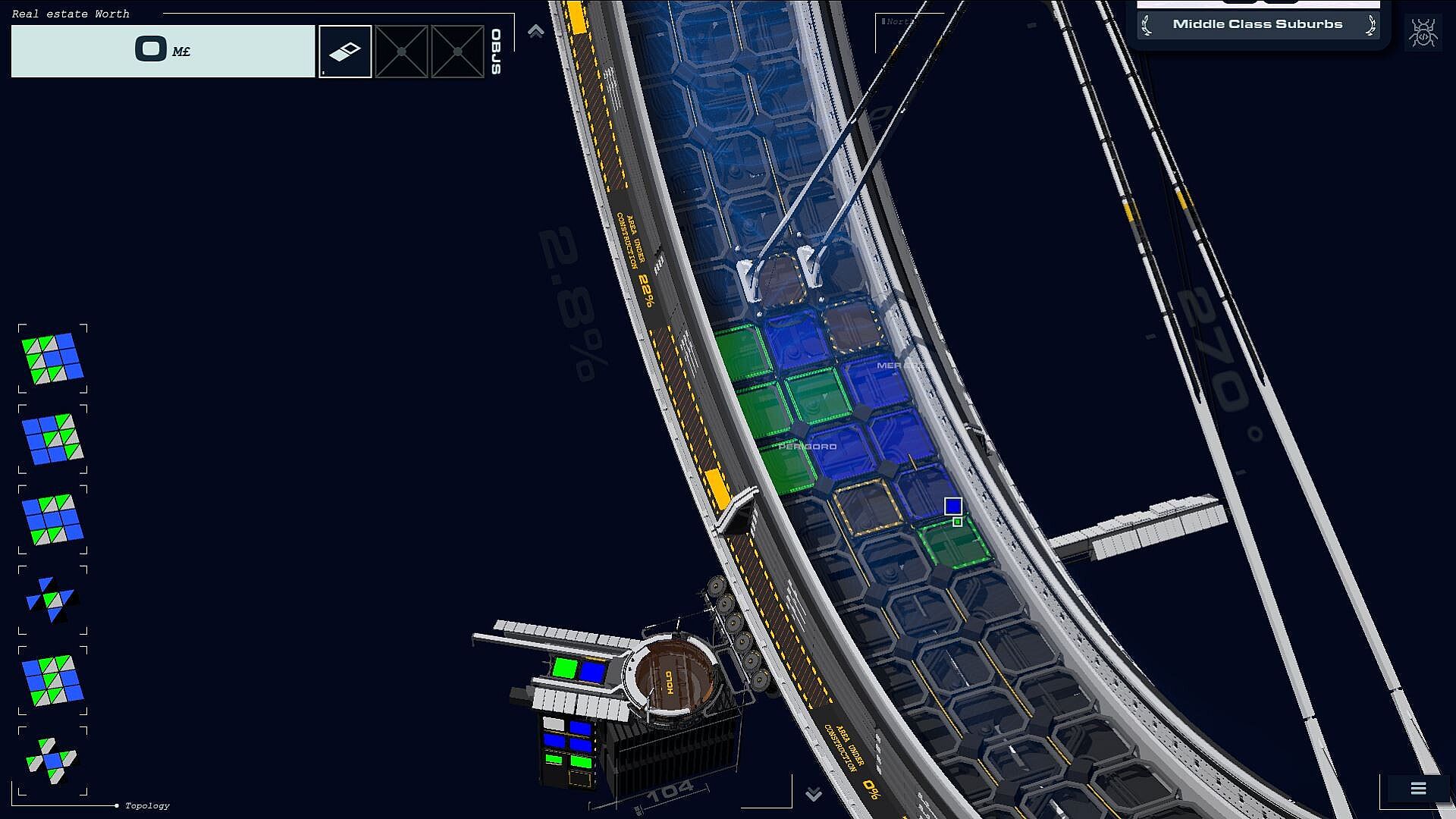
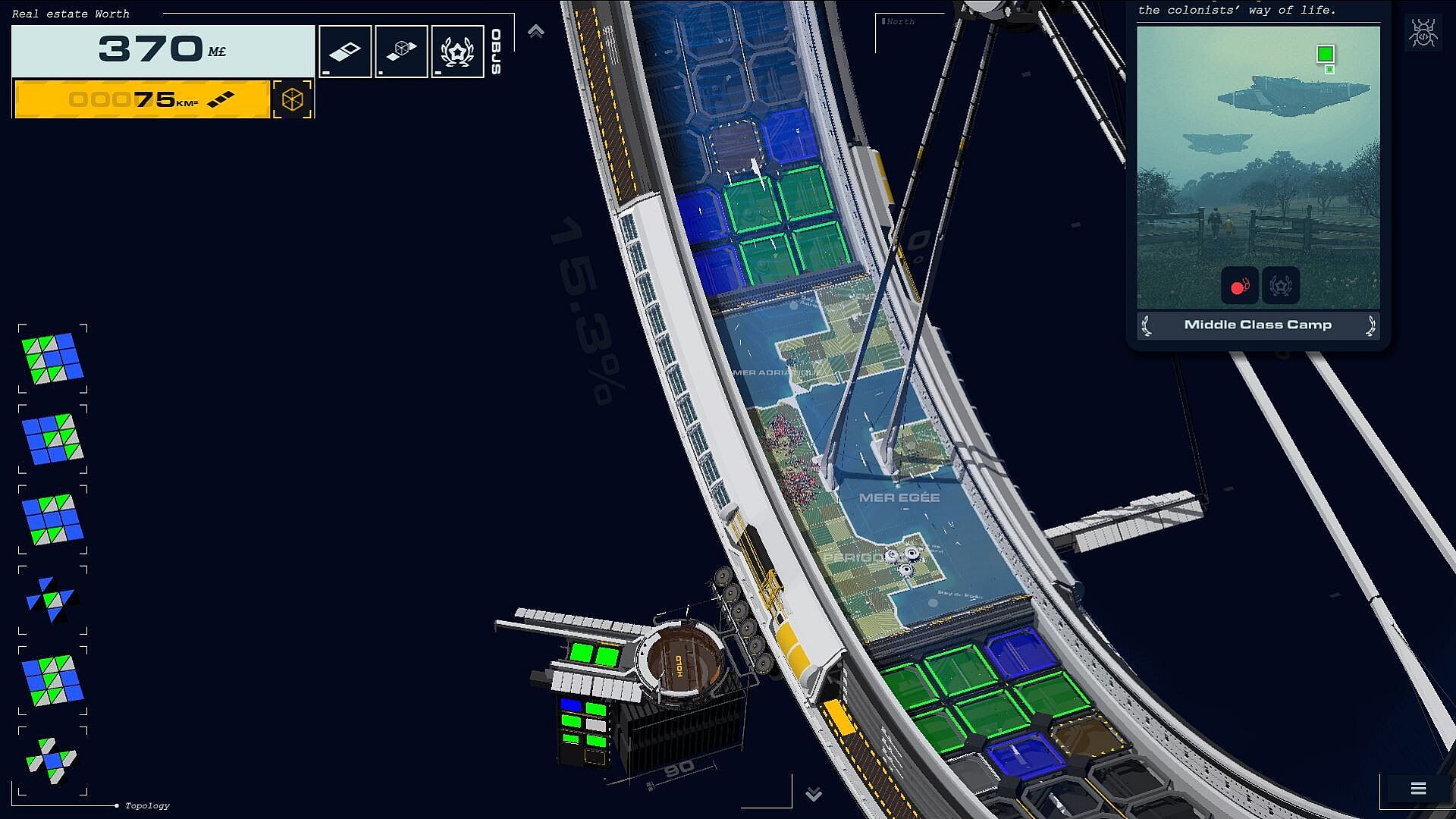


Ringworld Architect é um jogo casual de estratégia e simulação para PC em que o jogador assume o papel de engenheiro responsável pela construção de habitats artificiais em escala colossal. A premissa central gira em torno da criação de ringworlds para viabilizar a expansão humana pela galáxia, transformando planetas inóspitos em ambientes controlados destinados à exploração e, futuramente, à colonização de sistemas próximos.
Gameplay
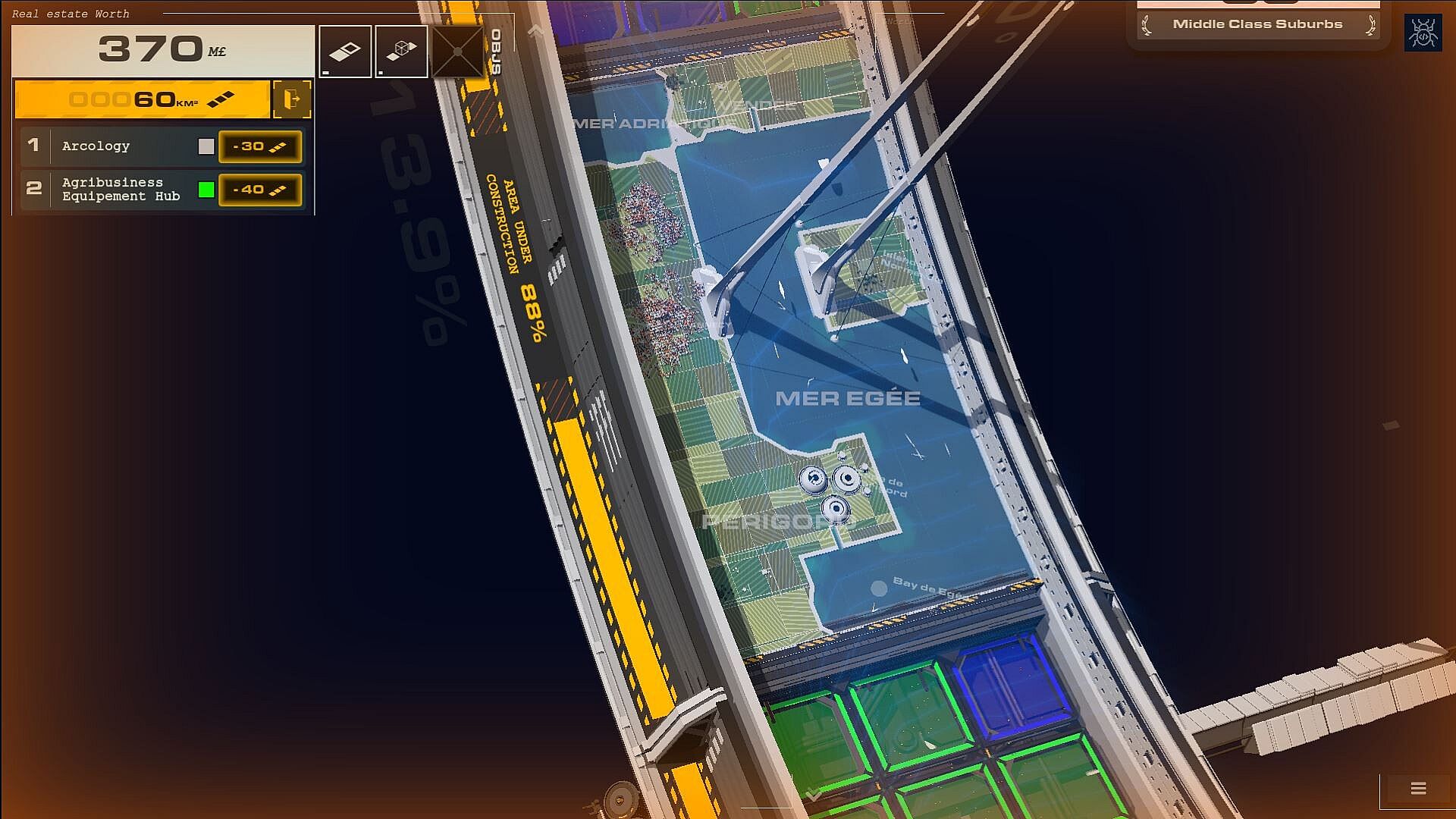
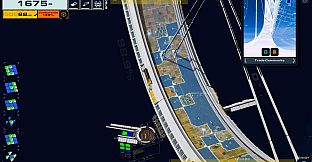
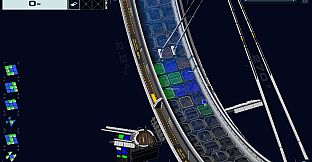
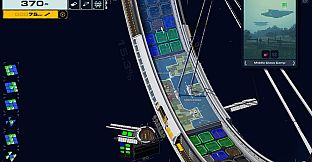
O jogador começa posicionando módulos pré-fabricados sobre a estrutura do ringworld. Esses módulos seguem regras rígidas de adjacência, semelhantes a dominós, exigindo encaixes precisos entre peças vizinhas para evitar desperdício de recursos. O sistema de posicionamento influencia diretamente a forma final da estrutura, permitindo a criação de baías, ilhas e lagos por meio de arranjos estratégicos nas seções suburbanas do anel.
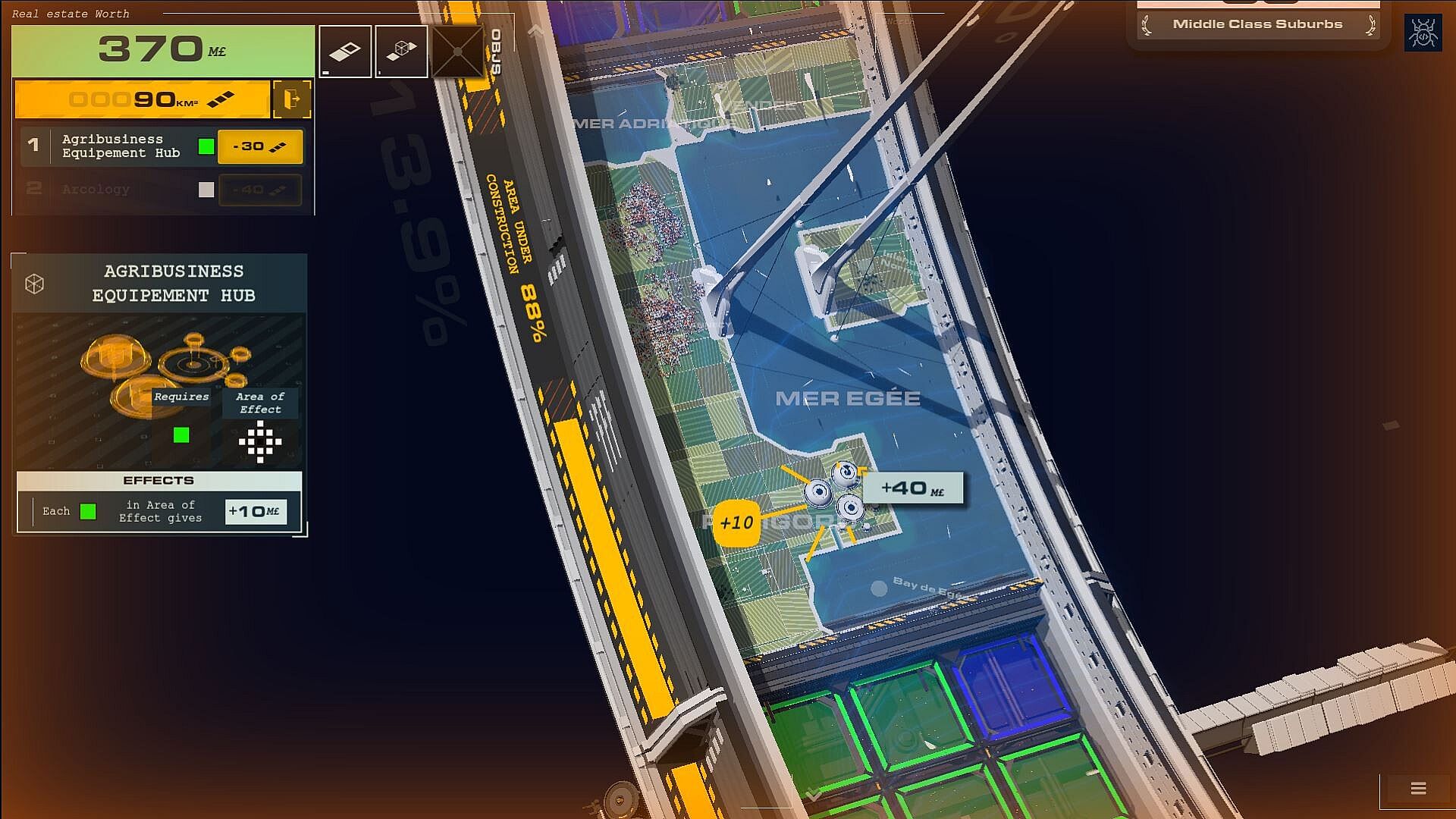
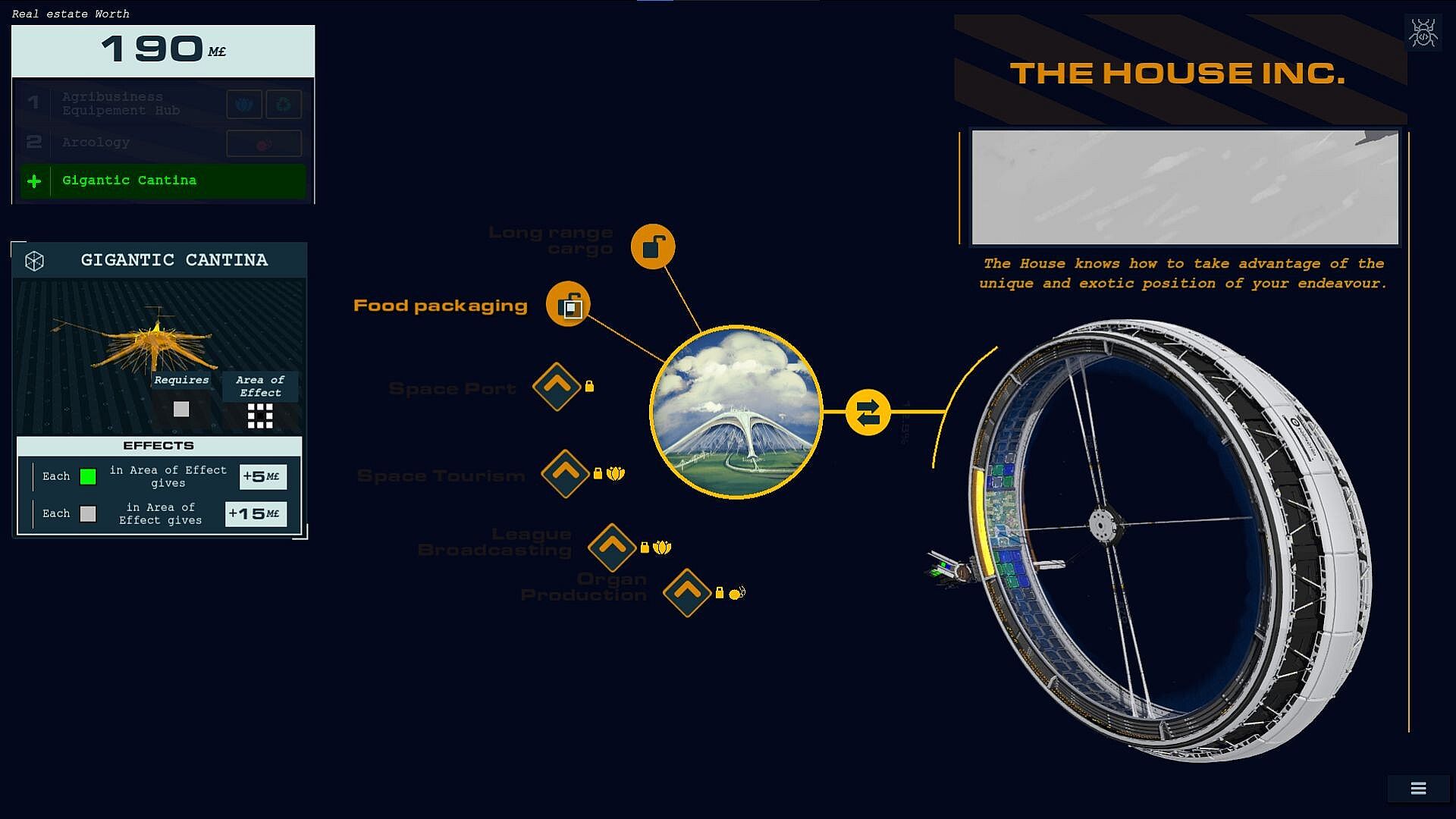
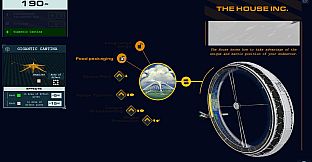
A colocação de infraestrutura adiciona outra camada de planejamento. Diversas instalações de grande porte precisam ser posicionadas de forma estratégica para valorizar os terrenos. O espaço limitado no mundo artificial exige visão de longo prazo para evitar aglomerações e, ao mesmo tempo, maximizar o retorno. As decisões de terreno estão diretamente ligadas aos resultados econômicos.
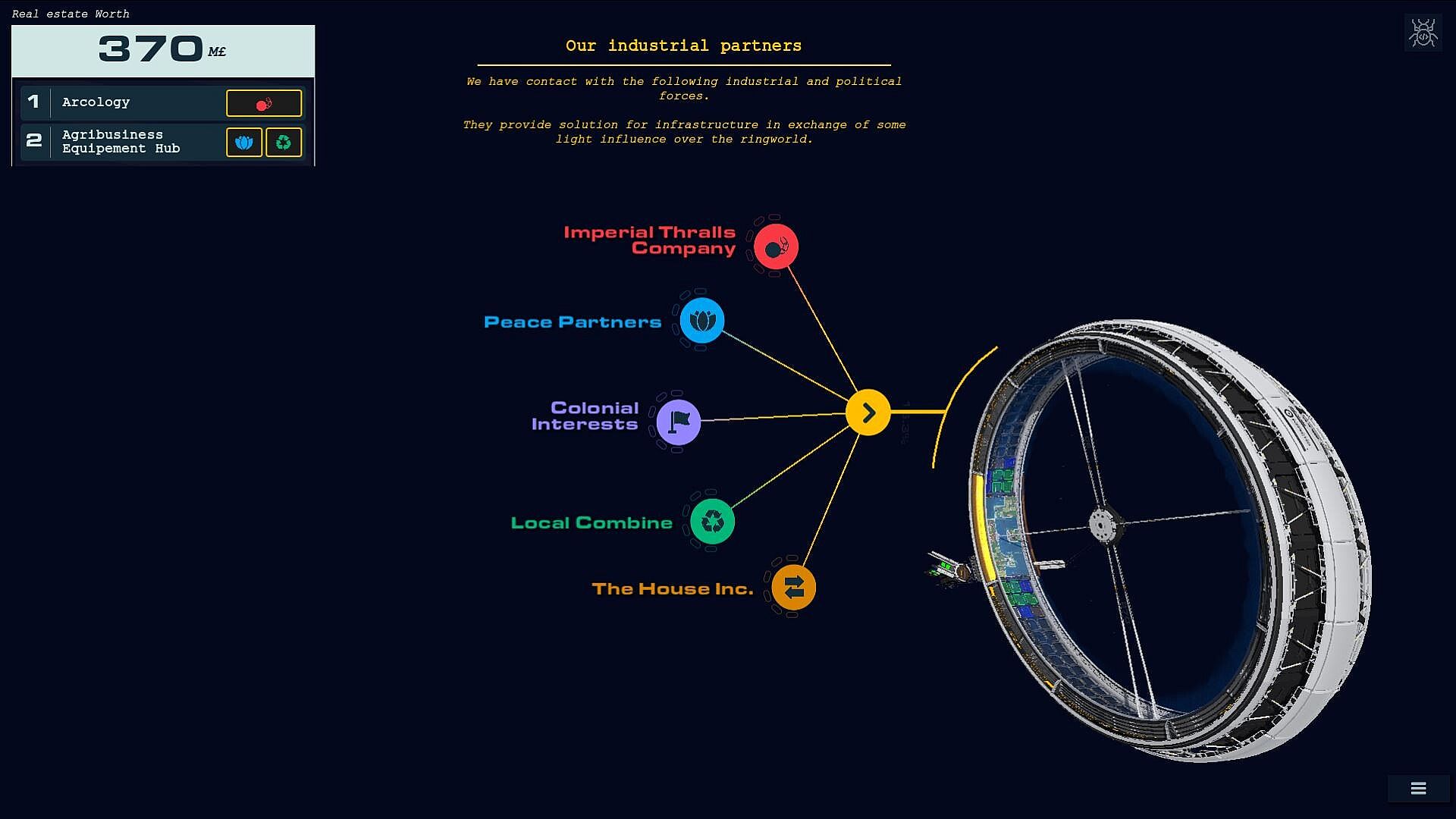
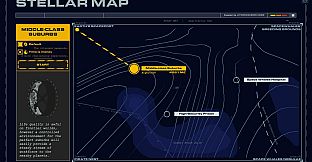
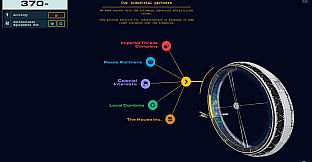
O desenvolvimento da sociedade acontece por meio de contratos com parceiros industriais. Cada acordo libera novas opções de infraestrutura ou melhorias, ao mesmo tempo em que concede ao parceiro influência sobre a população em crescimento. Combinações diferentes geram resultados culturais distintos, incentivando múltiplas partidas para explorar variações no desenvolvimento dos colonos e na lucratividade.
Modos de Jogo
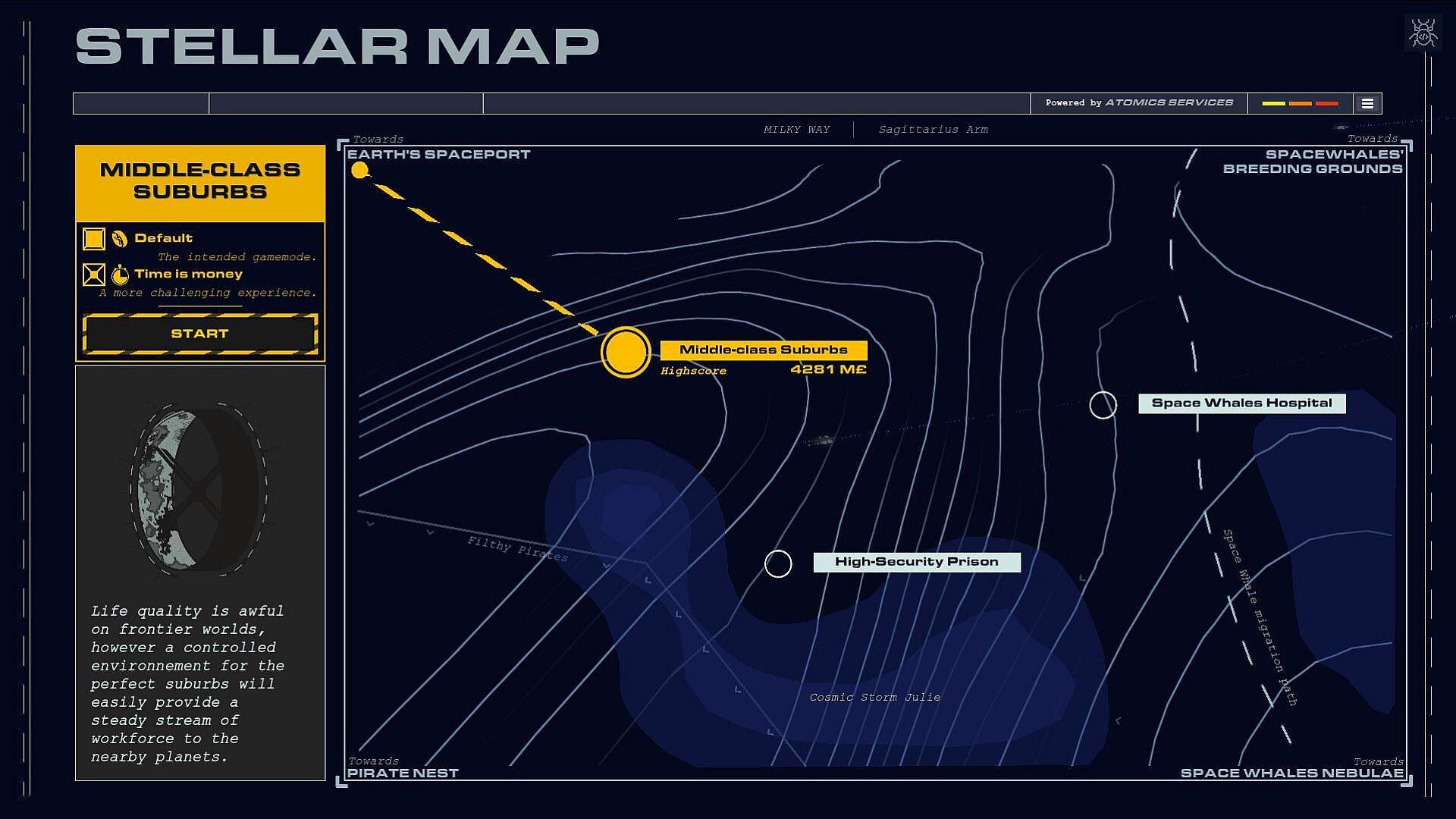
A experiência principal é composta por sessões single-player de construção em ringworlds individuais. Cada sessão envolve o planejamento do layout baseado em dominós, o posicionamento de infraestrutura e a escolha de parceiros para moldar tanto o ambiente físico quanto a sociedade que surge. Leaderboards permitem comparar pontuações finais com outros jogadores e visualizar construções concluídas para referência ou inspiração.
A funcionalidade de replay permite testar diferentes escolhas de parceiros e variações de layout. O foco está em otimizar o lucro ou desbloquear diferentes arquétipos culturais, sem introduzir formatos competitivos ou cooperativos além do sistema compartilhado de pontuação.
Mecânicas Principais e Progressão
O gerenciamento de recursos gira em torno da colocação eficiente de dominós para reduzir desperdícios e alcançar as topologias desejadas. As decisões de infraestrutura afetam diretamente o valor do terreno, criando dilemas entre ganhos imediatos e espaço para expansões futuras. Os contratos com parceiros introduzem caminhos ramificados, nos quais a influência sobre os colonos determina traços culturais e melhorias disponíveis.
A progressão ocorre por meio de refinamentos iterativos em múltiplas tentativas de construção. As melhores pontuações nos leaderboards recompensam combinações eficientes de modelagem do terreno, disposição de infraestrutura e escolhas de parceiros. O sistema prioriza planejamento e adaptação em vez de ação em tempo real.
Vale a Pena Jogar?
Ringworld Architect atrai jogadores que apreciam estratégia deliberada e títulos de simulação voltados à construção e ao gerenciamento indireto. As regras de adjacência dos dominós e os mecanismos de influência dos parceiros criam um ciclo distinto centrado em topologia e resultados sociais, em vez de combate ou exploração.
Como um lançamento futuro com data ainda a ser anunciada, o jogo não possui, no momento, avaliações de jogadores ou histórico de atualizações confirmados. Aqueles que se interessam por experiências casuais de estratégia envolvendo megaconstruções e otimização por meio de repetição podem considerar o conceito promissor após o lançamento. A presença de leaderboards adiciona um toque competitivo leve para quem gosta de comparar resultados com outros jogadores.