





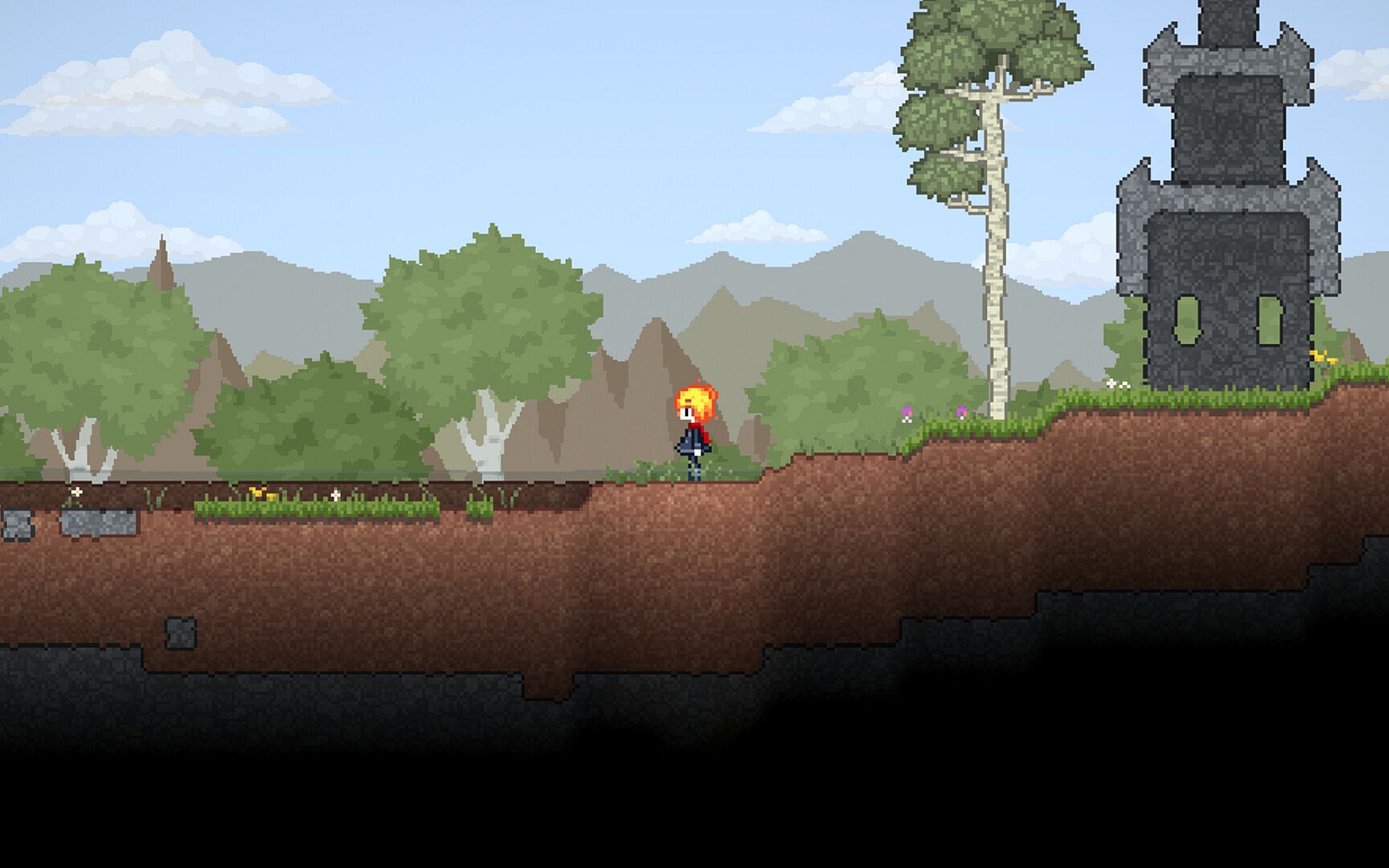
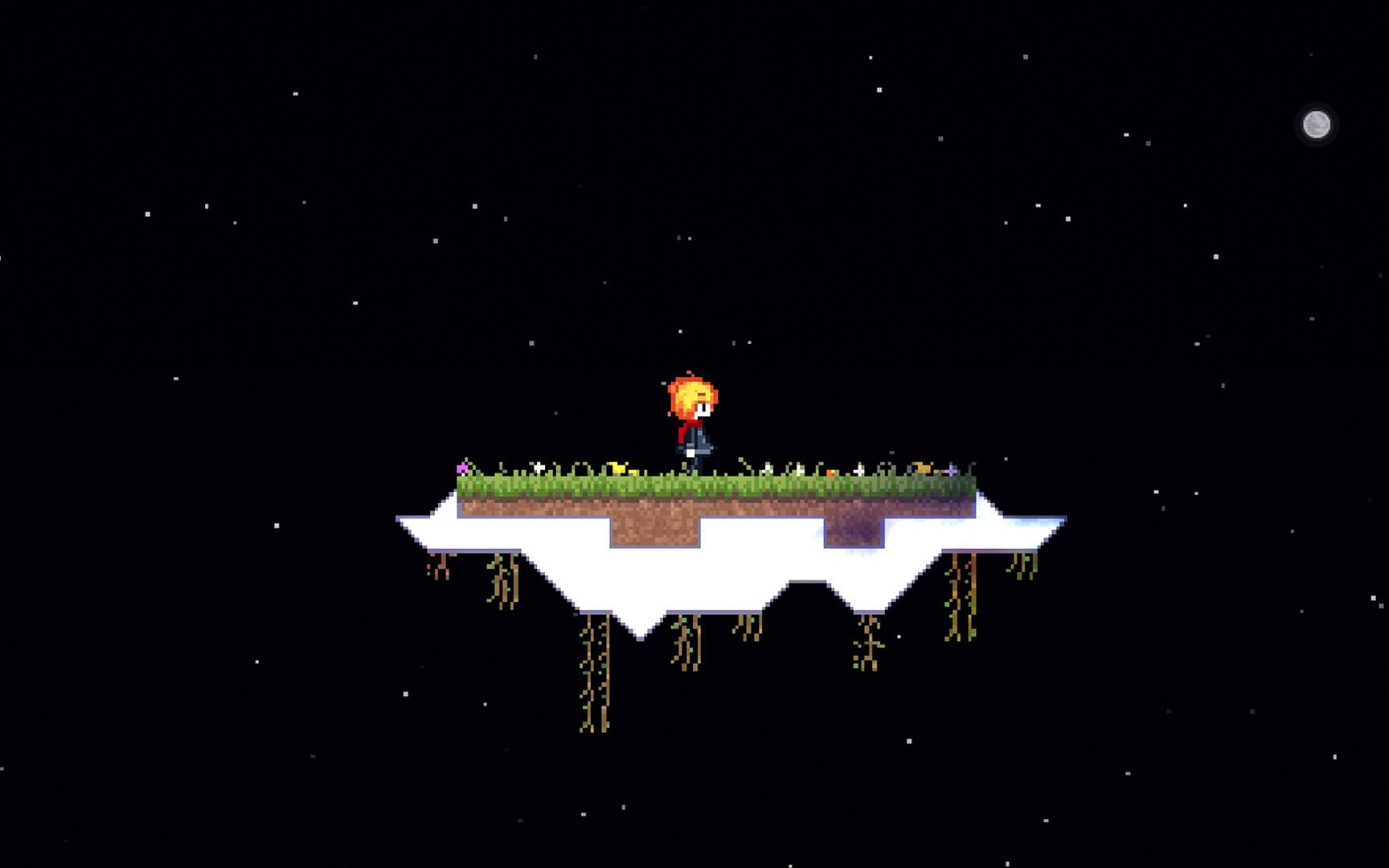
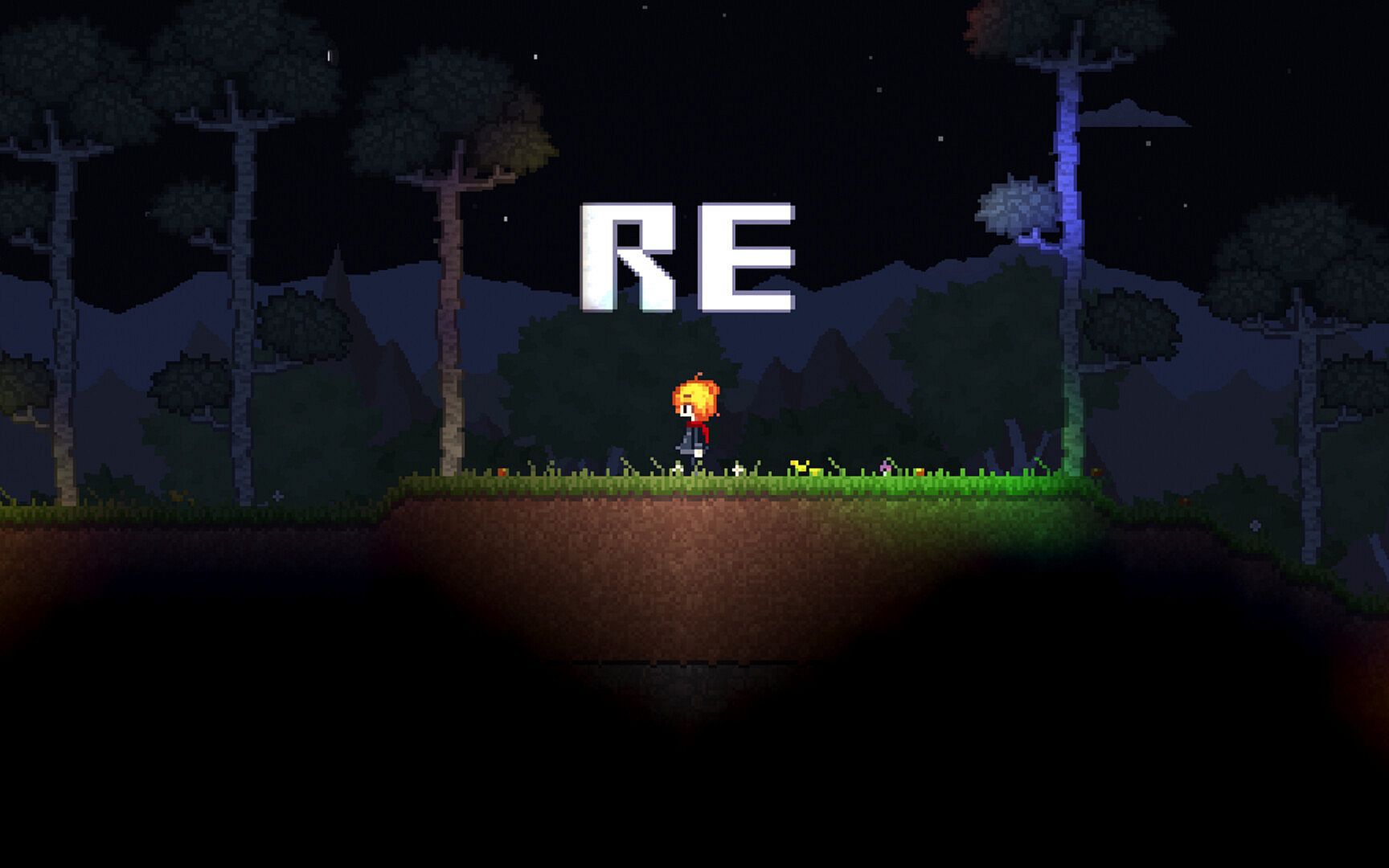
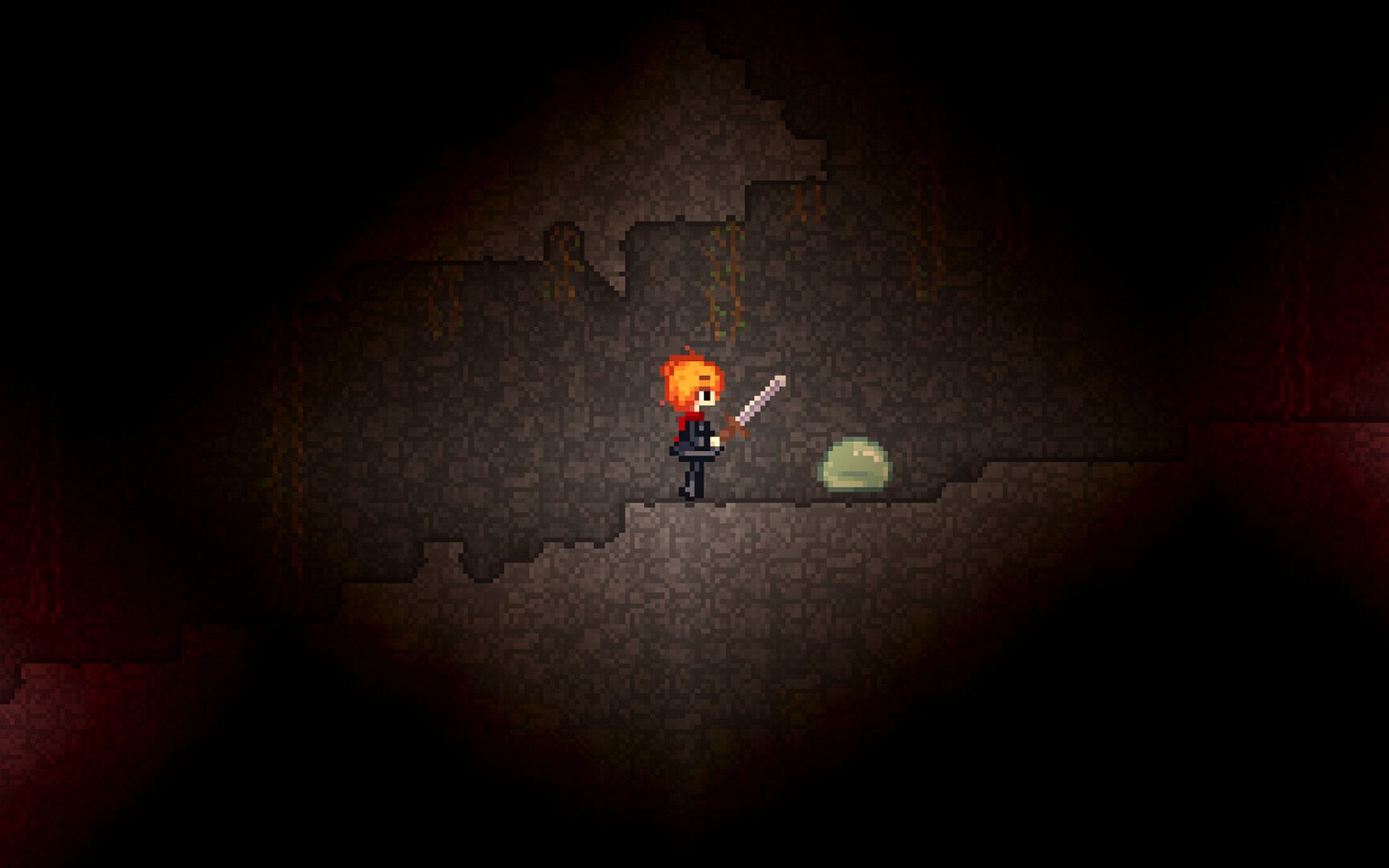
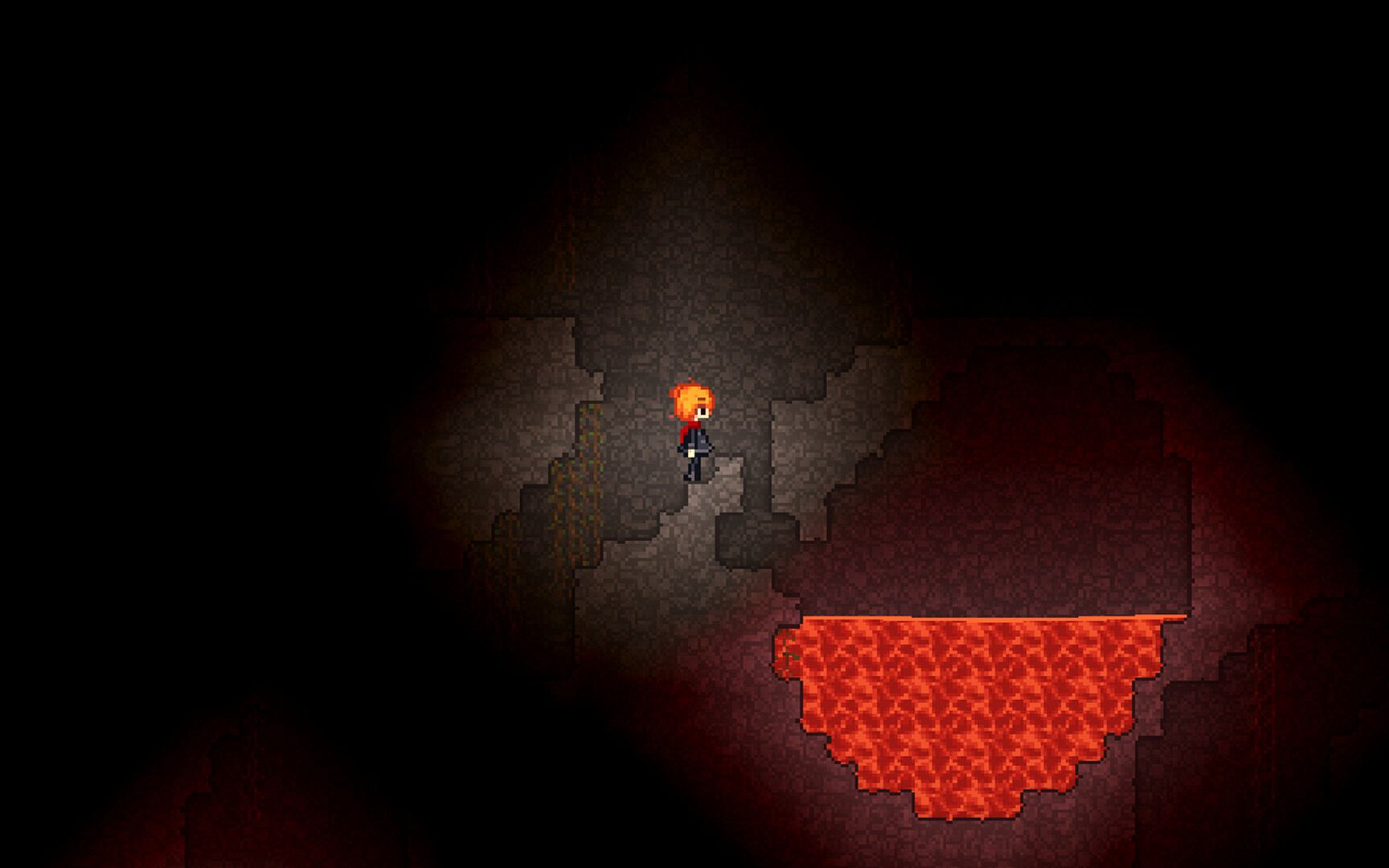
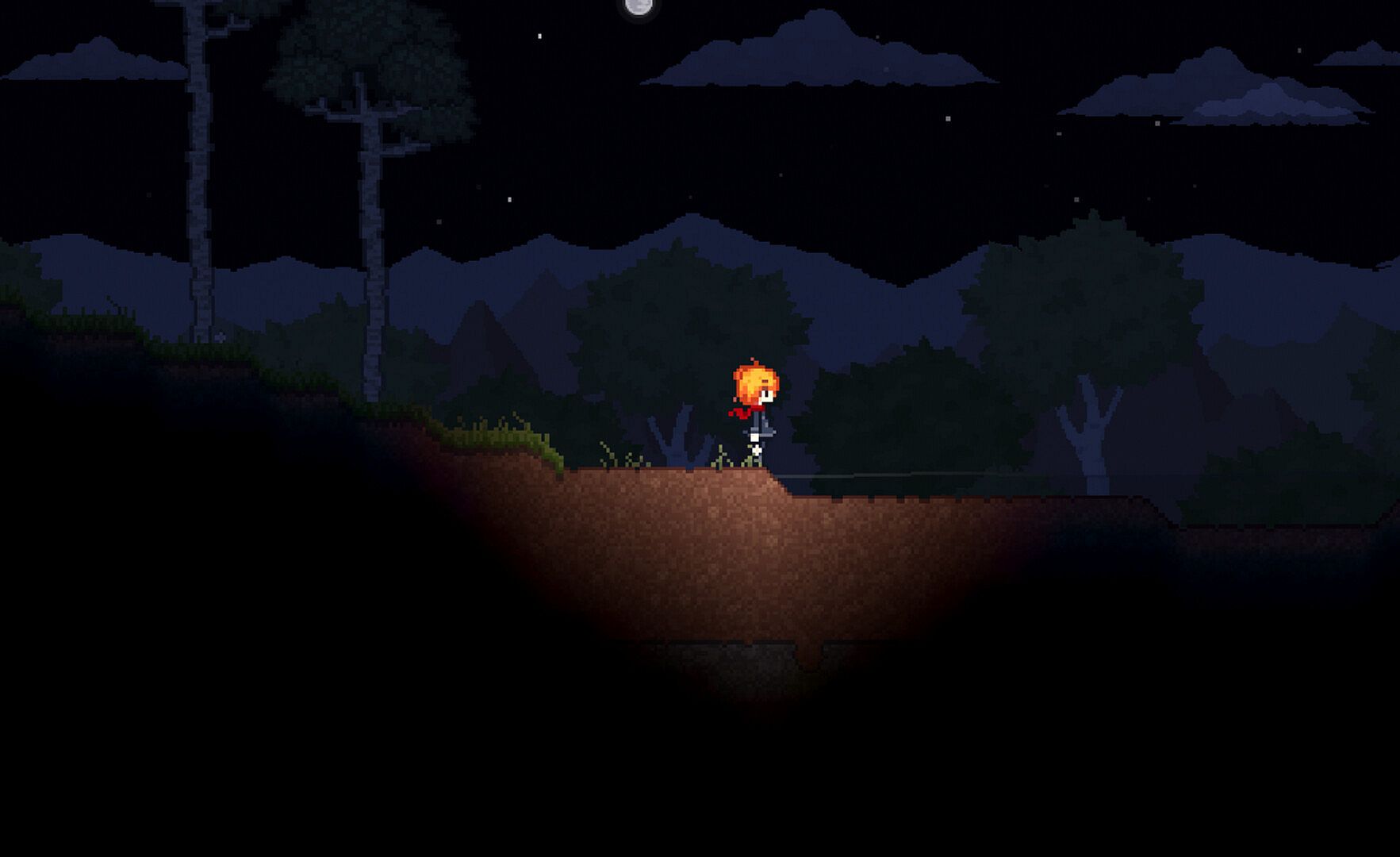
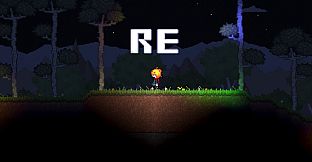
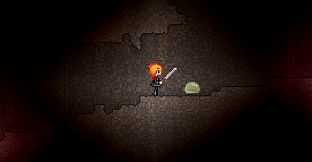
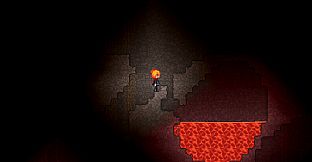
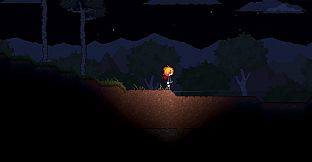
Revery Effect is a 2D sandbox adventure game that blends action, indie, RPG, casual, and adventure elements on PC. Players enter an endlessly generated world that expands outward, filled with varied biomes, underground caves, unusual creatures, and scattered structures that include ruins and hidden details.
Gameplay
The core loop centers on exploration and world alteration. Movement takes players across surface terrain and into deeper cave systems where resources appear. Digging tools allow removal of blocks to reshape the landscape, while gathered materials support construction at any chosen location. Building extends beyond basic shelters to include functional setups such as automated production lines that process resources and logic systems that control machinery behavior through defined rules.
Progression involves establishing outposts at greater distances and linking them with connecting infrastructure like roads or transport mechanisms. This setup supports longer journeys into less charted areas. Encounters with creatures occur naturally during travel, and investigation of ruins reveals fragments of the planet's earlier history along with remnants of prior technologies. These elements tie into an unfolding narrative about past civilizations without requiring a fixed path.
Resource management and system design add layers beyond simple collection. Players decide how to organize production chains and how to expand their presence across the generated terrain, creating personal approaches to survival and growth in the open environment.
Game Modes
Revery Effect supports solo play focused on individual discovery and construction. The same world and mechanics remain available when joining others through LAN connections or online sessions. Multiplayer allows shared exploration, joint building projects, and coordinated travel across the generated landscape without altering the fundamental sandbox rules.
No separate competitive or story-specific modes appear in the available details. The emphasis stays on flexible single or group sessions within the same persistent-style world generation.
World and Exploration
Generation creates varied surface regions that transition into cave networks below. Biomes differ in appearance and contents, while structures and ruins provide points of interest that hold clues to the setting's background. Secrets scattered throughout encourage thorough searching during travel.
Underground areas offer distinct challenges and resource types compared to the surface. Creature encounters vary by location, contributing to the sense of an active environment that reacts to player presence through presence rather than scripted events.
Modding and Community
The game releases as fully open-source software with mod support built in from the start. Mod creators work in Java to introduce new items, mechanics, creatures, or world features. This design allows the base experience to expand over time through community contributions that integrate directly with the existing systems for building, automation, and exploration.
Modding extends the longevity of individual worlds by adding content that fits the sandbox framework without requiring external tools or patches beyond standard Java development practices.
Is It Worth Playing?
Revery Effect suits players who enjoy open-ended 2D sandbox experiences centered on terrain modification, automated systems, and gradual world discovery. The combination of procedural generation with building depth and multiplayer options creates opportunities for both solitary long-term projects and collaborative sessions.
Its open-source nature and Java-based modding lower barriers for customization, appealing to those who value ongoing evolution through community input. Availability on PC with LAN and online support makes it accessible for groups seeking shared sandbox play without additional setup hurdles.
Those drawn to procedural worlds, resource automation, and uncovering environmental lore will find consistent engagement through the core loop of exploration, gathering, and construction. The absence of restrictive modes keeps focus on player-driven choices across single and multiplayer contexts.