




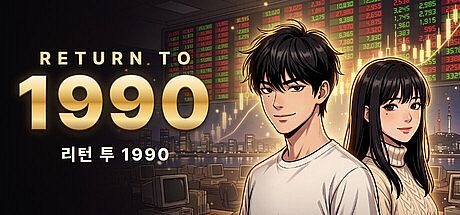


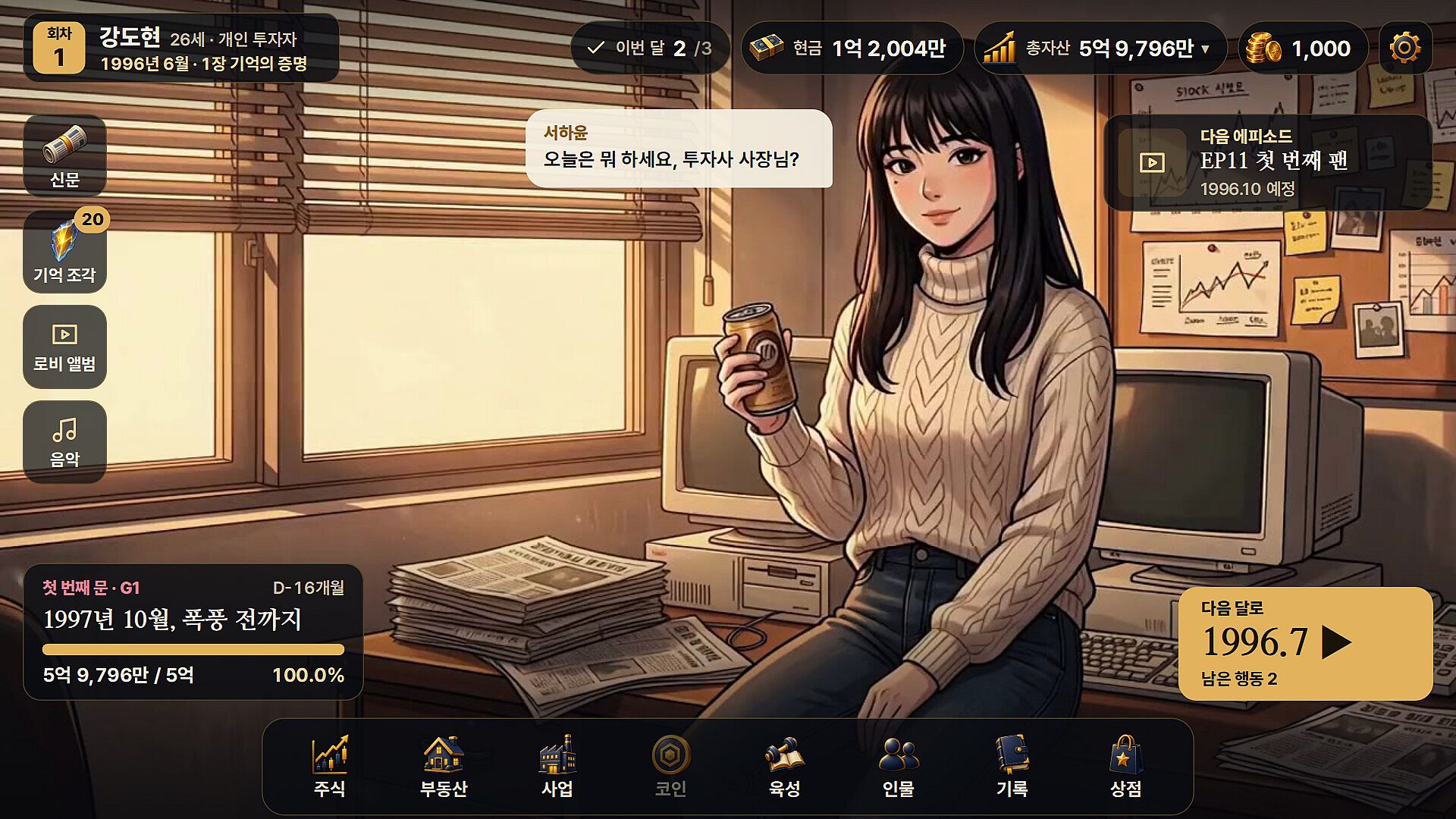
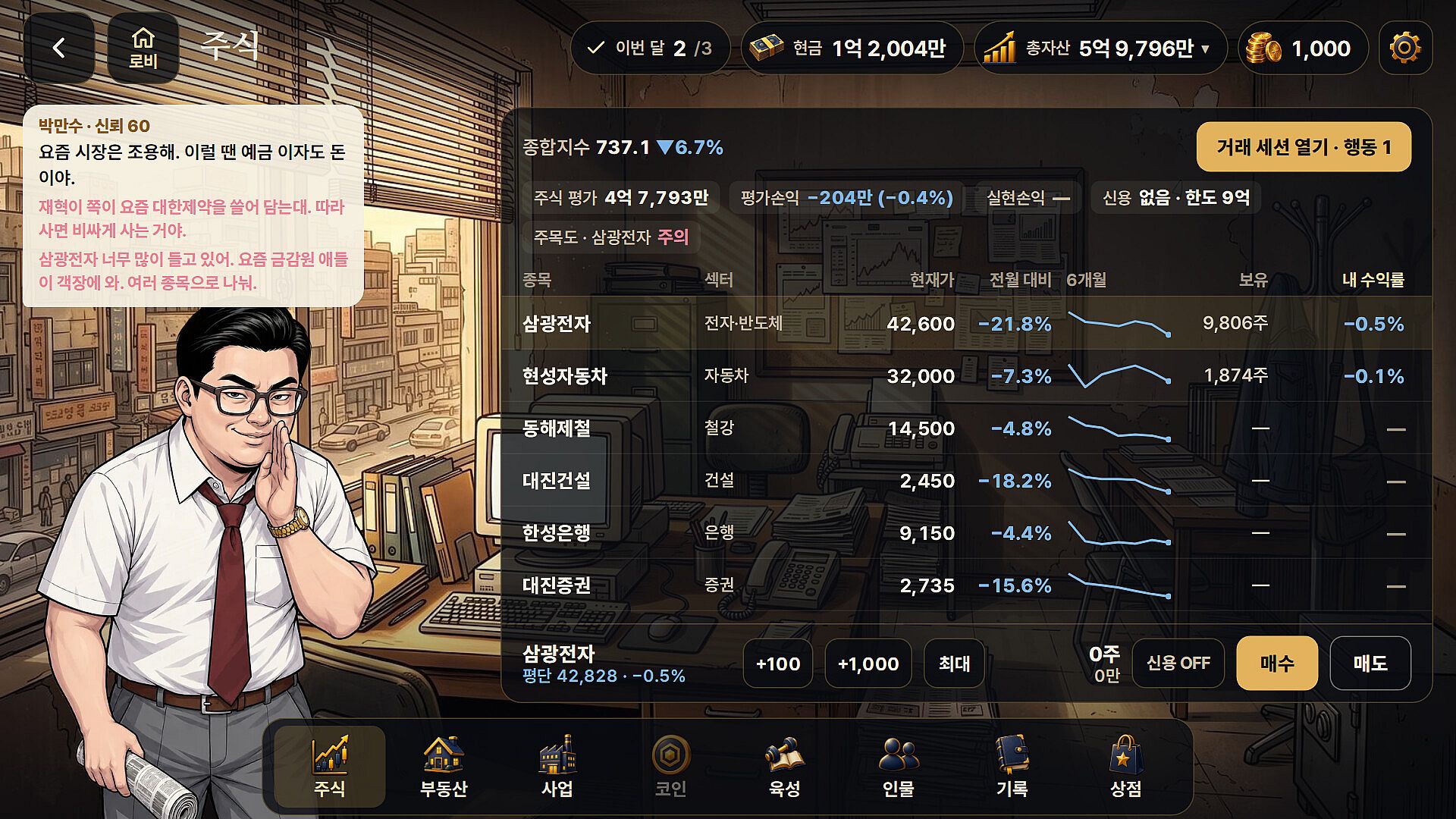

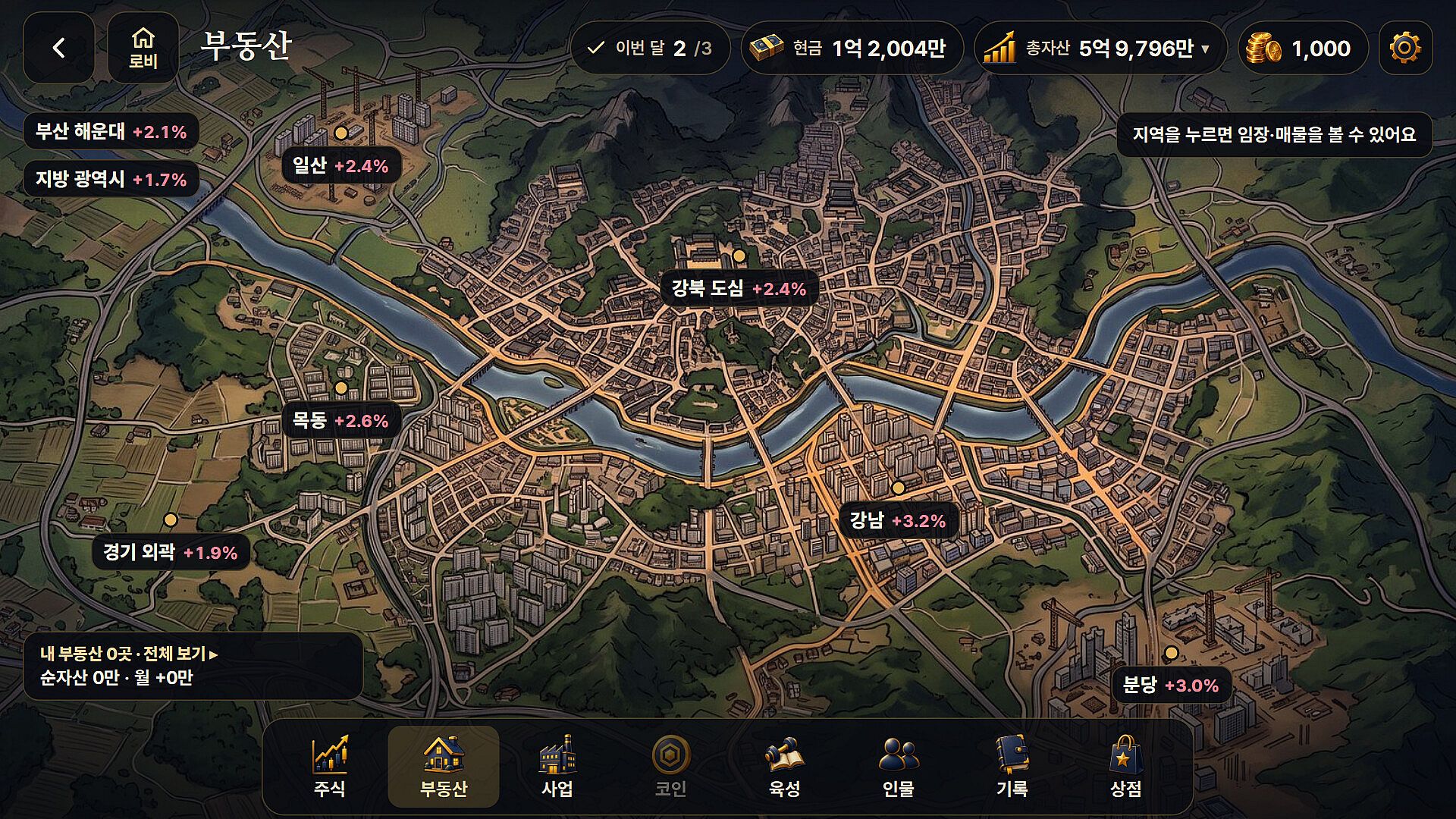
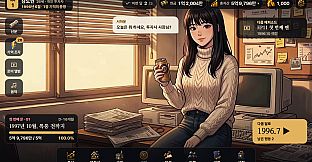

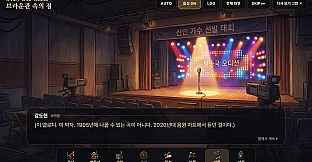
Return to 1990 is an indie simulation title that combines visual novel storytelling with business and investment systems. Players experience a single-player narrative set in 1990s Seoul, where foreknowledge of future events shapes decisions around stocks, property, and company building.
Gameplay
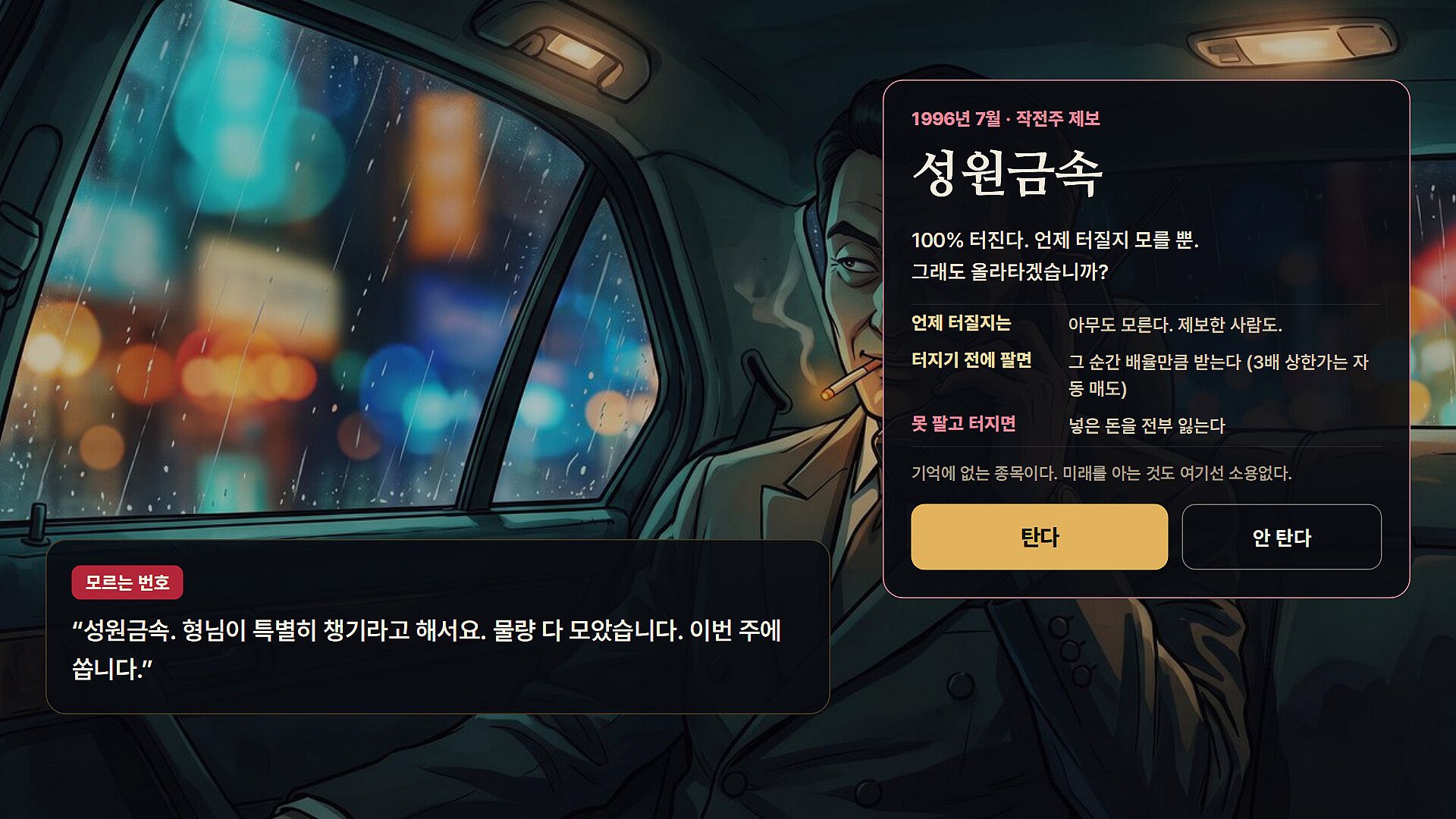
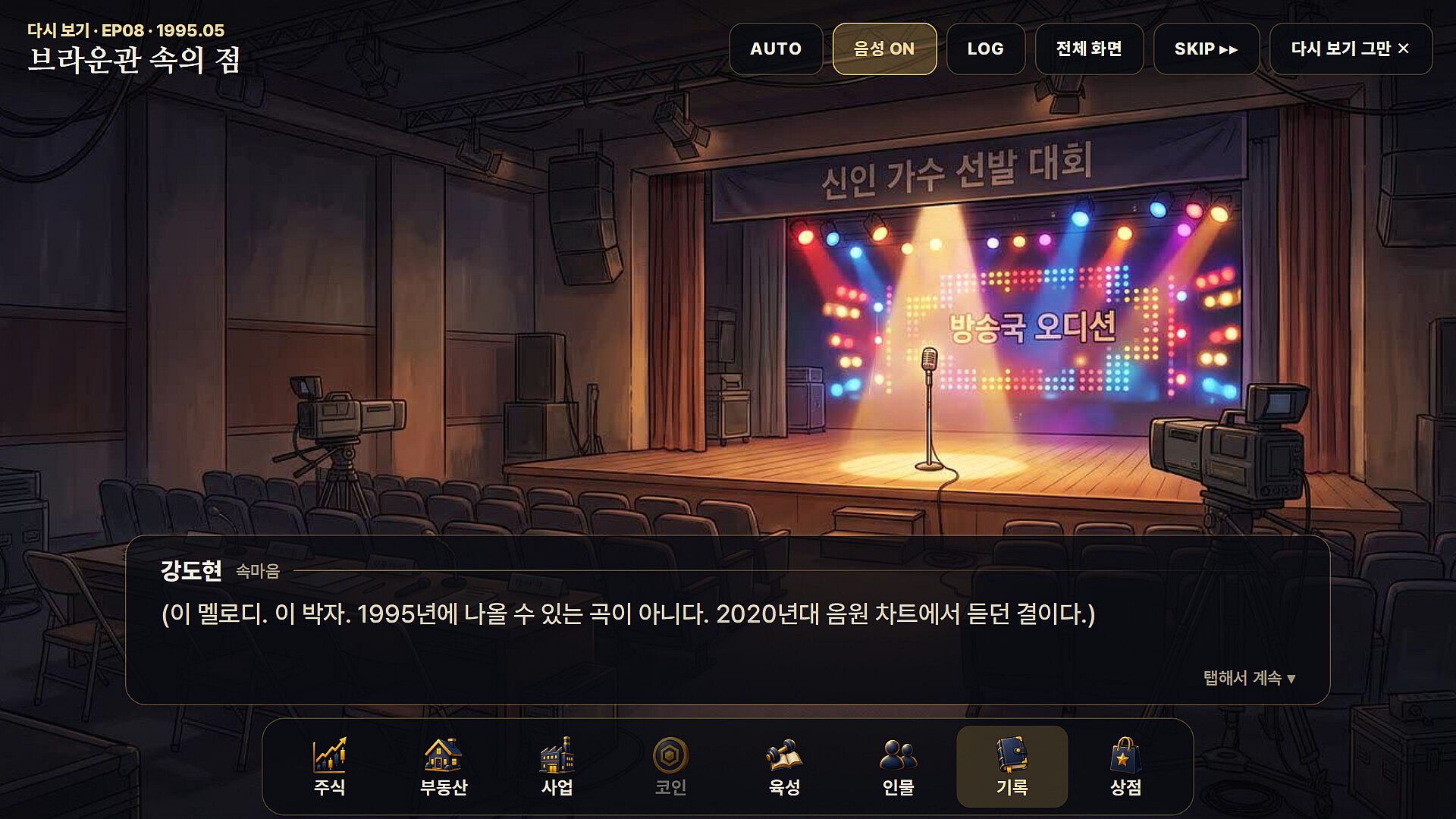
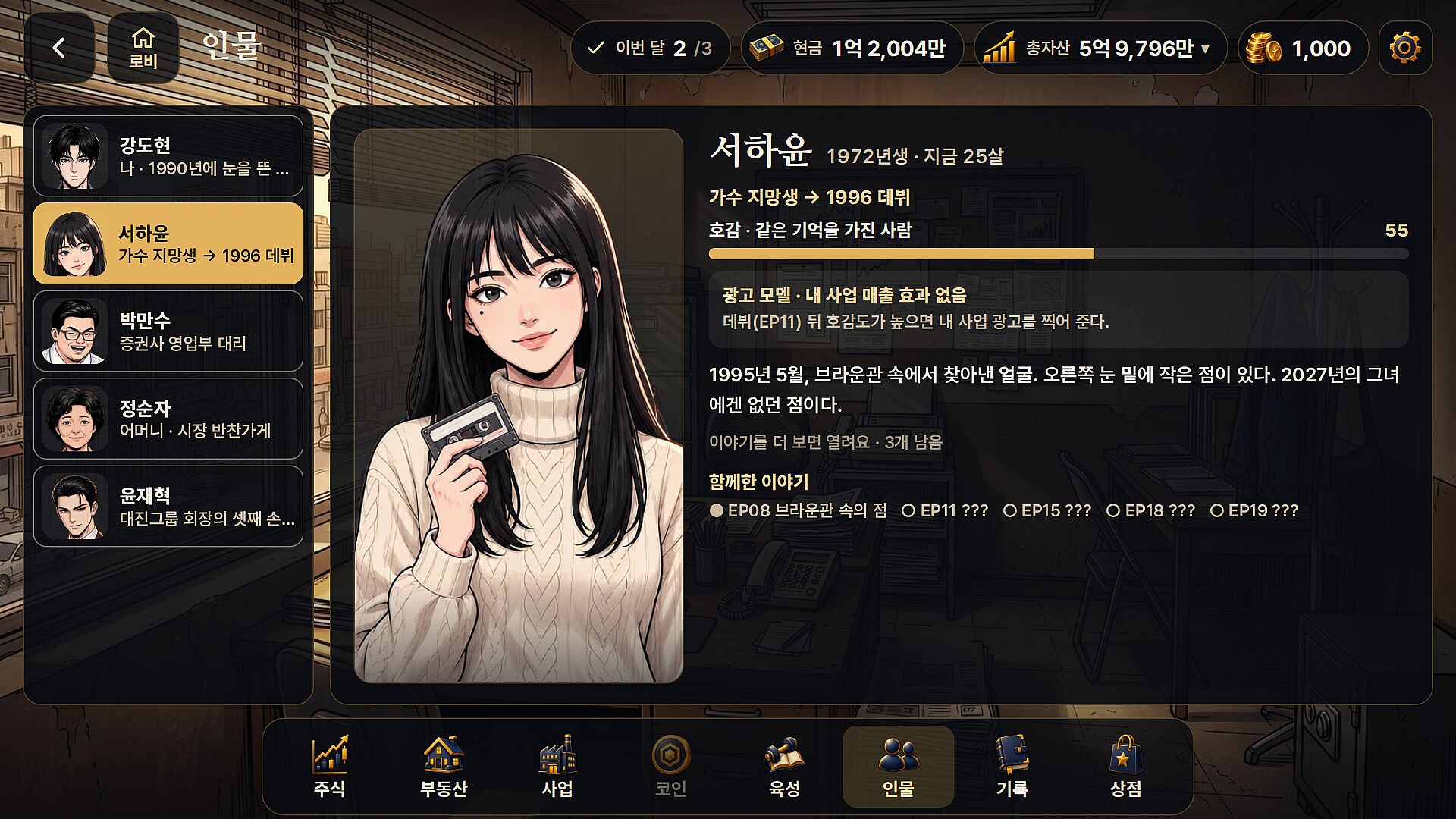
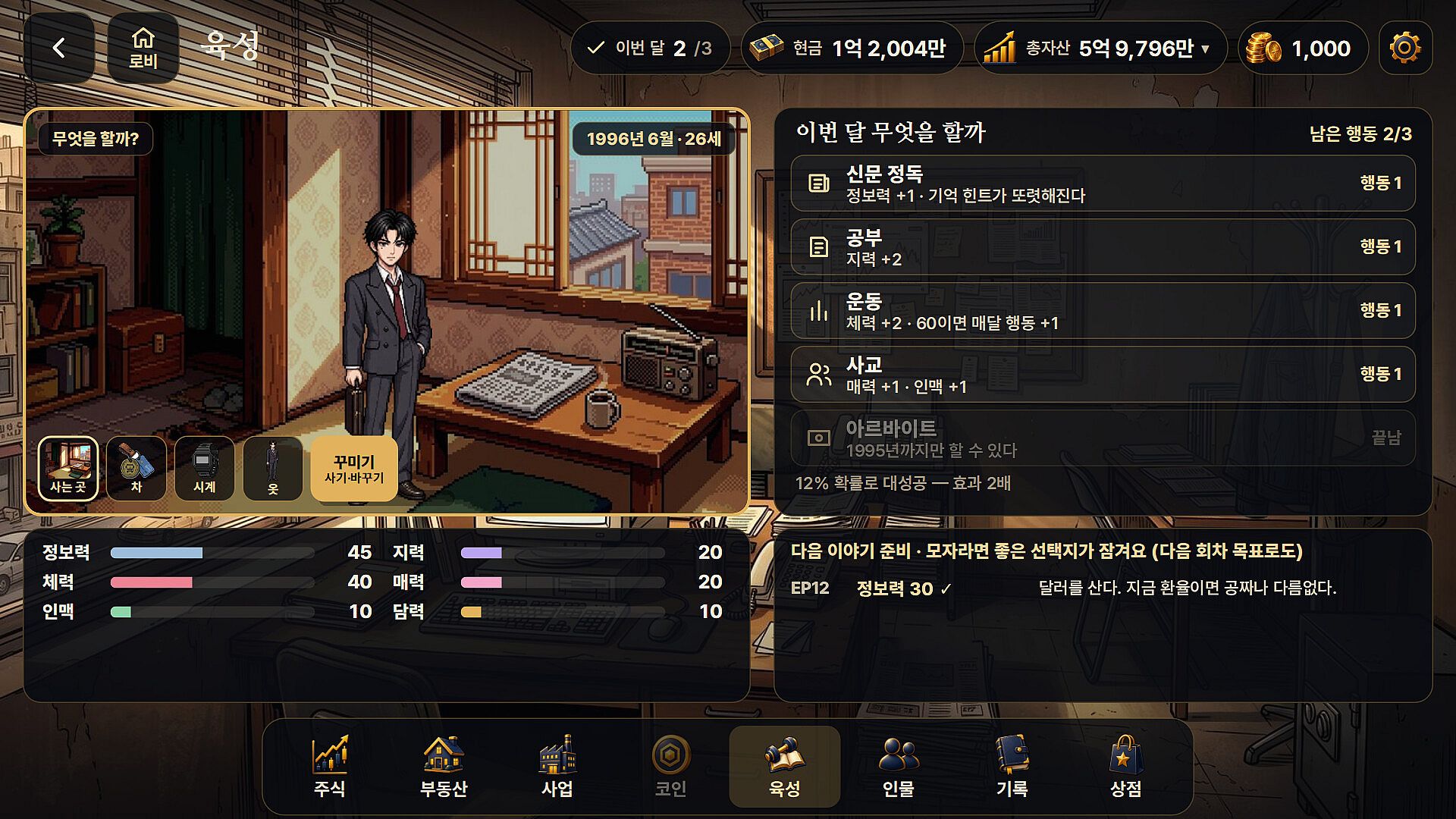
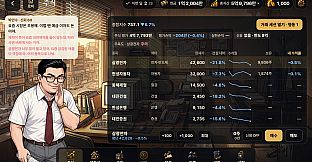
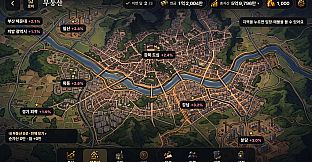
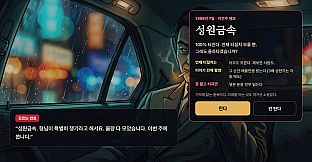
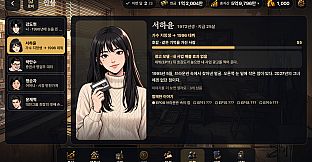
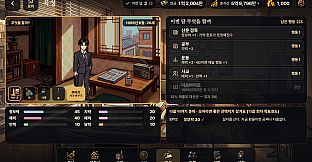
The core loop centers on monthly progression through events and choices. Each month presents new developments tied to Korean economic history, including stock market movements, real estate opportunities in Seoul and Gyeonggi, and emerging business sectors such as PC networks and web portals. Players use recalled future information to time investments and launches, though actions can alter the expected timeline. Management extends to supply chains, personnel decisions, and corporate growth, with options to recruit executives and pursue mergers. Illustrations and Korean voice acting support the period atmosphere, while relationships with recurring characters influence available paths and conclusions.
Game Modes
The experience unfolds as a single-player visual novel structured around sequential chapters. Progression follows a month-by-month format that integrates simulation elements with branching narrative outcomes. Multiple endings arise from accumulated wealth and interpersonal connections, encouraging repeated playthroughs to explore different financial and relational results. No separate competitive or cooperative modes exist.
Story and Setting
The narrative begins with the protagonist reborn in 1990 after events in 2027. Starting above a family side-dish shop in a Seoul market, the story tracks efforts to reshape personal and economic outcomes across two decades. Key figures include a woman connected to the initial incident, a chaebol heir, and the protagonist's mother. Settings reflect 1990s Korea, from early market conditions to later crises, with all companies and individuals presented as fictional.
Is It Worth Playing?
This title suits players who enjoy narrative-driven simulations focused on long-term planning and consequence-based choices. The single-player structure offers a complete experience without energy systems or additional purchases beyond the base game. Those drawn to Korean cultural details from the 1990s, time-loop style business mechanics, and multiple endings will find the month-by-month format engaging. As an upcoming release with no player reviews available yet, interest depends on preference for text-heavy, choice-oriented gameplay over action or multiplayer elements.