









Reapers and Their Bard is a role-playing game with casual elements set on PC. The story centers on a wandering bard driven by vengeance who arrives at a mysterious castle straddling the boundary between life and death. There he strikes a bargain with the castle's master to gain access to powerful magic in exchange for serving as the exclusive court musician, performing melodies and devoting himself day and night to the role.
Gameplay
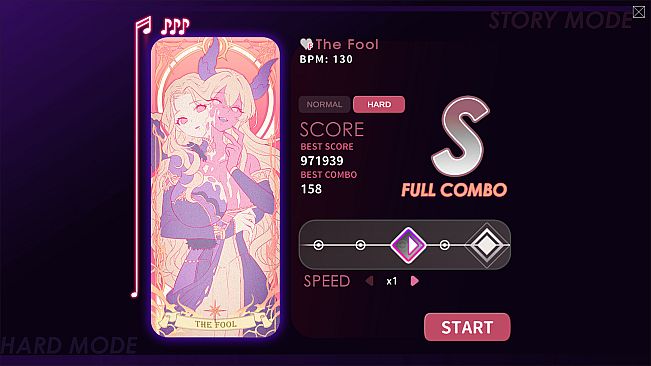
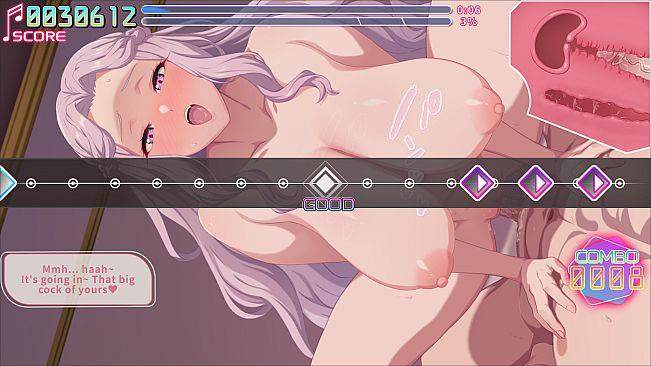
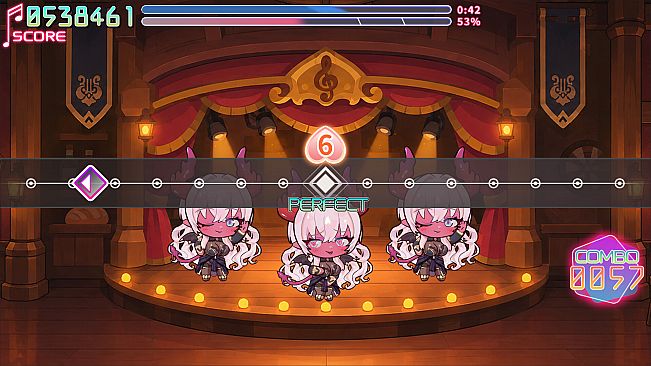
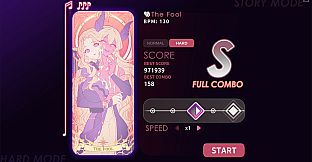
The core loop revolves around music rhythm sequences that advance the narrative and allow the protagonist to confront the castle's reapers. Daily performances form the backbone of progression, with the bard trading his music for the chance to study and wield the castle's magic. These rhythm sections integrate directly into the story, requiring precise play to overcome obstacles and deepen relationships with the castle's inhabitants.
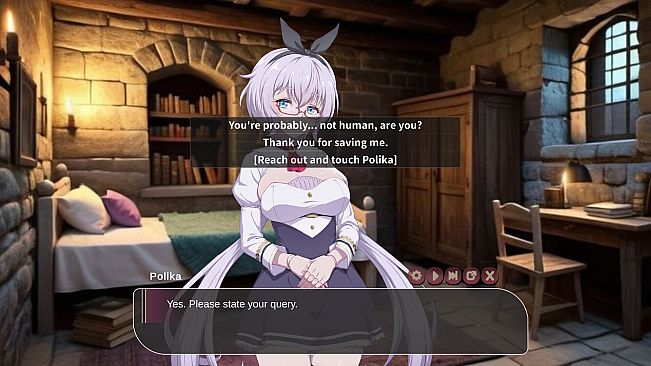
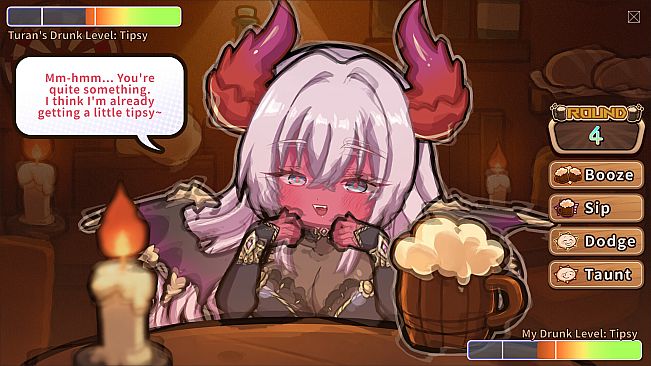
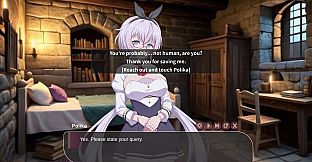
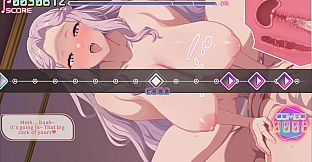
Alongside the rhythm mechanics, the game emphasizes intimate encounters and ongoing companionship. The protagonist interacts with several key figures, including the powerful succubus ruler Turan the Healer, whose bold and affectionate nature shapes many of the daily routines. A clockwork maid automaton handles chores and monitors the bard's condition, delivering clinical reports even during close contact. A fox-eared apprentice with strong magical talent starts guarded but gradually opens up through repeated shared moments. These interactions build bonds that influence the overall path and lead to numerous event scenes rendered in detailed CG artwork and animated sequences.
Progression mixes the demands of court service with opportunities for personal growth and revenge. The absurd and sensual elements of castle life contrast with the underlying goal of acquiring mighty magic, creating a rhythm of performance, conversation, and closer encounters that steadily unlocks new developments.
Game Modes
The experience unfolds as a single continuous narrative driven by the bard's service in the castle. Rhythm gameplay serves as the primary interactive system, tied directly to story advancement and confrontations with the reapers. There are no separate competitive or multiplayer structures; instead, the focus remains on sequential daily cycles of music, maintenance tasks, and personal connections that shape the protagonist's fate.
Exploration within the castle setting occurs through these structured routines rather than open-world travel. The rhythm sections provide the main challenge, while character interactions and scene progression fill out the remainder of the playtime. This structure keeps the emphasis on the fantastical blend of vengeance, music, and the evolving relationships inside the castle walls.
Story and Characters
The narrative follows the bard's arrival and his gradual integration into castle life under the succubus Turan. What begins as a desperate bid for power shifts into a routine filled with unexpected levity and closeness. Turan's dominant yet indulgent presence sets the tone for many encounters, while the automaton maid offers a contrasting mechanical perspective on the same events. The fox-eared apprentice provides another layer, her initial resistance giving way to trust built through consistent companionship.
These relationships develop across repeated performances and private moments, moving beyond simple master-servant dynamics. The story explores how music and shared experiences can alter alliances inside a domain ruled by death and magic. Multiple endings arise from the choices made during these interactions, reflecting the tension between the bard's original quest for revenge and the new life he finds within the castle.
Is It Worth Playing?
Reapers and Their Bard suits players who prefer narrative-driven RPGs that combine rhythm gameplay with character-focused storytelling and mature themes. The rhythm sections deliver the main mechanical engagement, while the detailed event scenes and branching relationships provide the emotional and visual payoff. Those drawn to tales of a protagonist balancing personal ambition against unexpected bonds will find the structure rewarding.
The game presents a self-contained experience centered on one location and its inhabitants, making it accessible for short or extended sessions. Its casual genre tag aligns with the approachable rhythm mechanics and the emphasis on daily routines over complex systems. Players interested in visual storytelling with animated sequences and multiple outcomes tied to companionship will likely appreciate the overall presentation.