


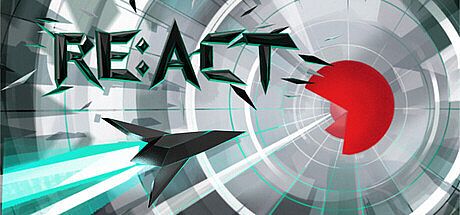


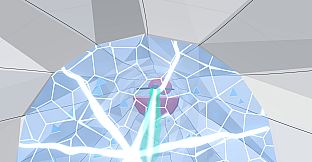






Re:act is an action rhythm game for PC in which players pilot a crystal ship through environments that move in perfect sync with original tracks. Levels are built around their music rather than the other way around, so every obstacle, turn, and opening arrives exactly on the beat. The result is a focused single-player experience that rewards listening as much as quick reflexes.
Gameplay
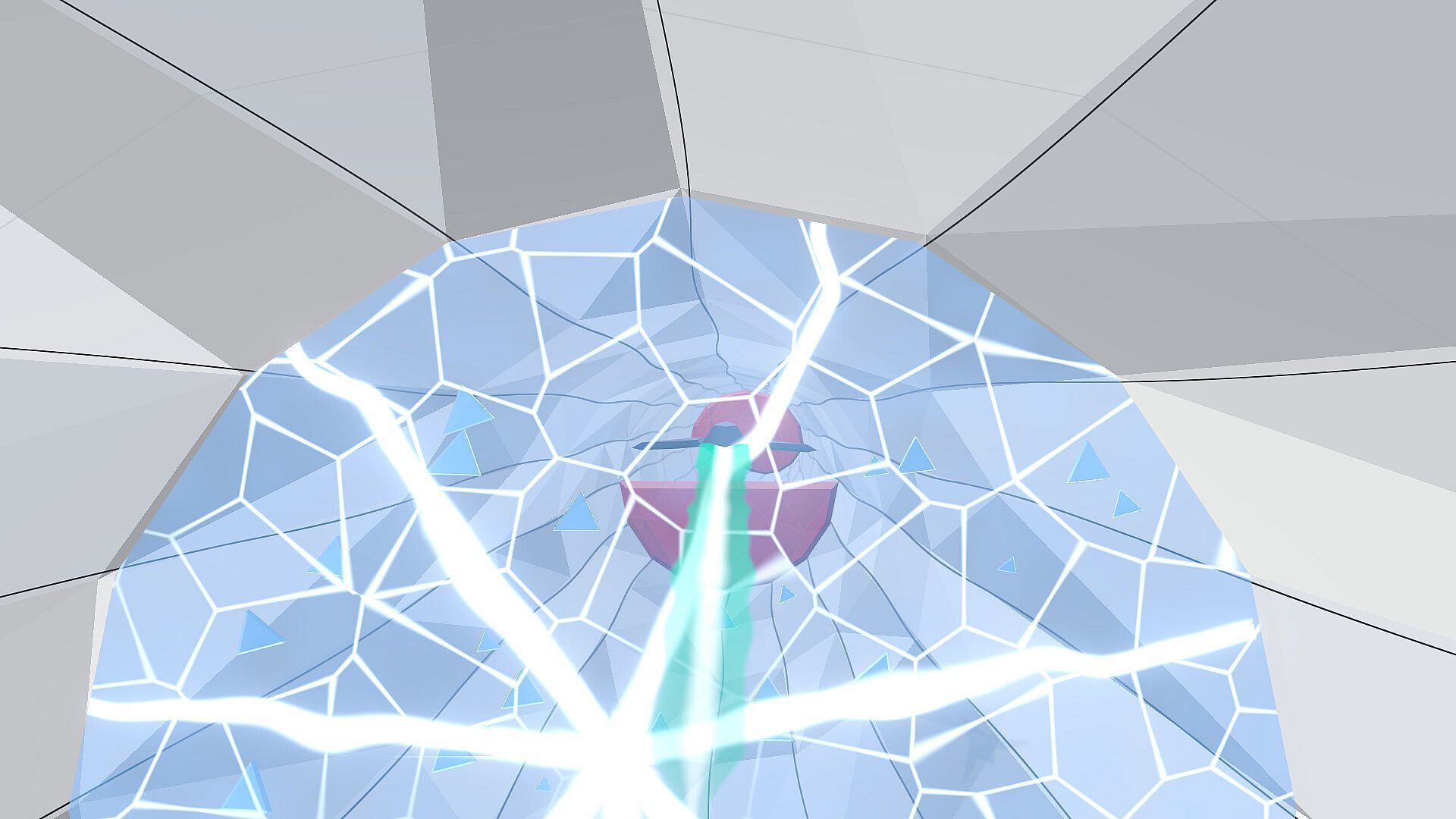
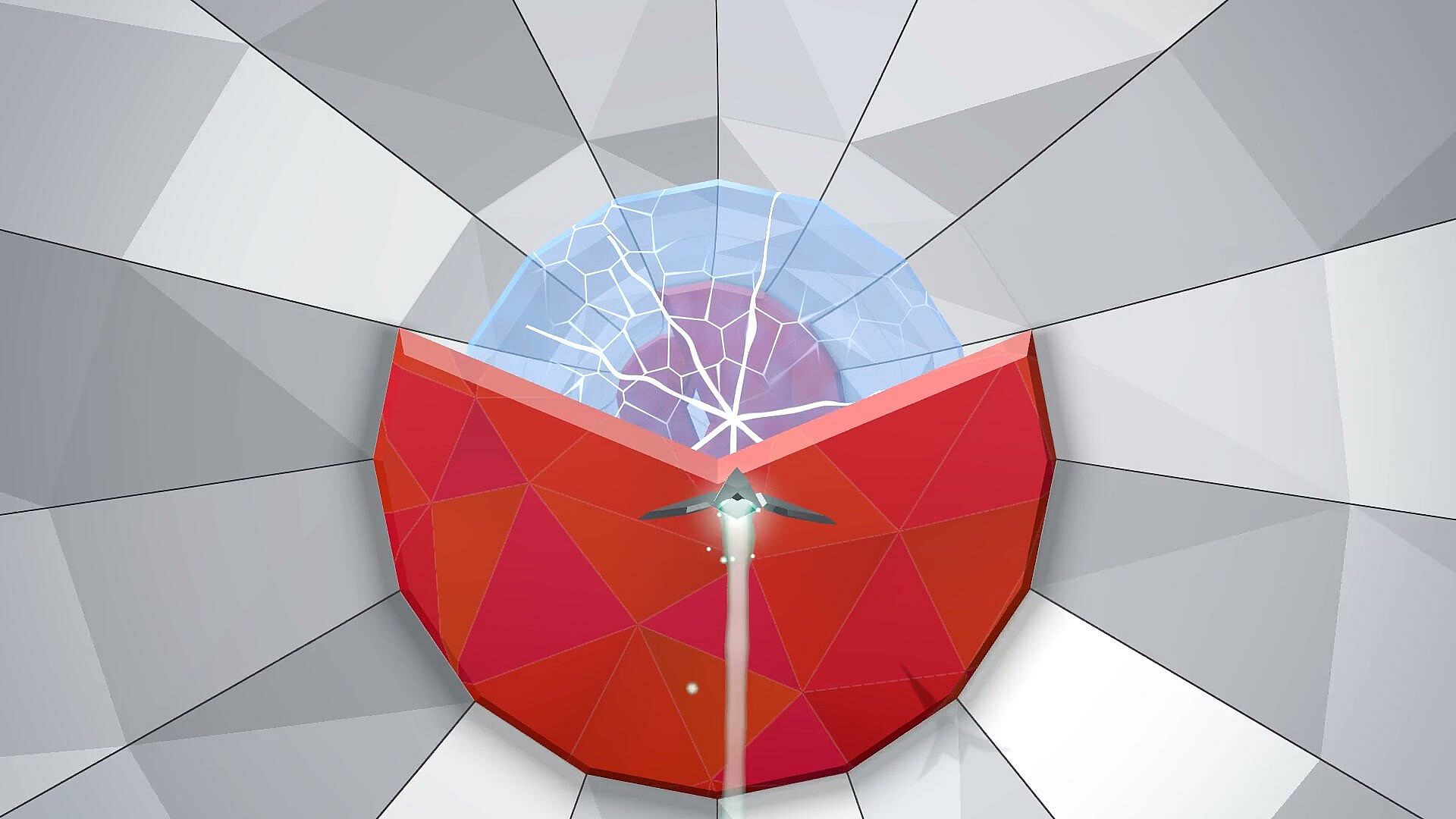
The core loop centers on navigation and timing. The ship travels forward through tunnels and open spaces where walls pulse, stones swing, and ice forms in time with the soundtrack. Players dash, thread gaps, and smash barriers by matching inputs to the rhythm. Controls remain tight on both keyboard and controller, allowing precise adjustments without menus or complex setups.
Early runs feel chaotic as the player learns the track. Repeated attempts build familiarity until movement becomes instinctive. The crystal world starts in stark white before color floods in during successful sections, reinforcing the sense of progress through each composed level.
A key system lets players rewind time after a crash. Instead of restarting from the beginning, the player scrubs back a short distance, chooses a new moment, and continues. This keeps momentum high and turns mistakes into learning opportunities without long loading screens or lost progress.
Game Modes
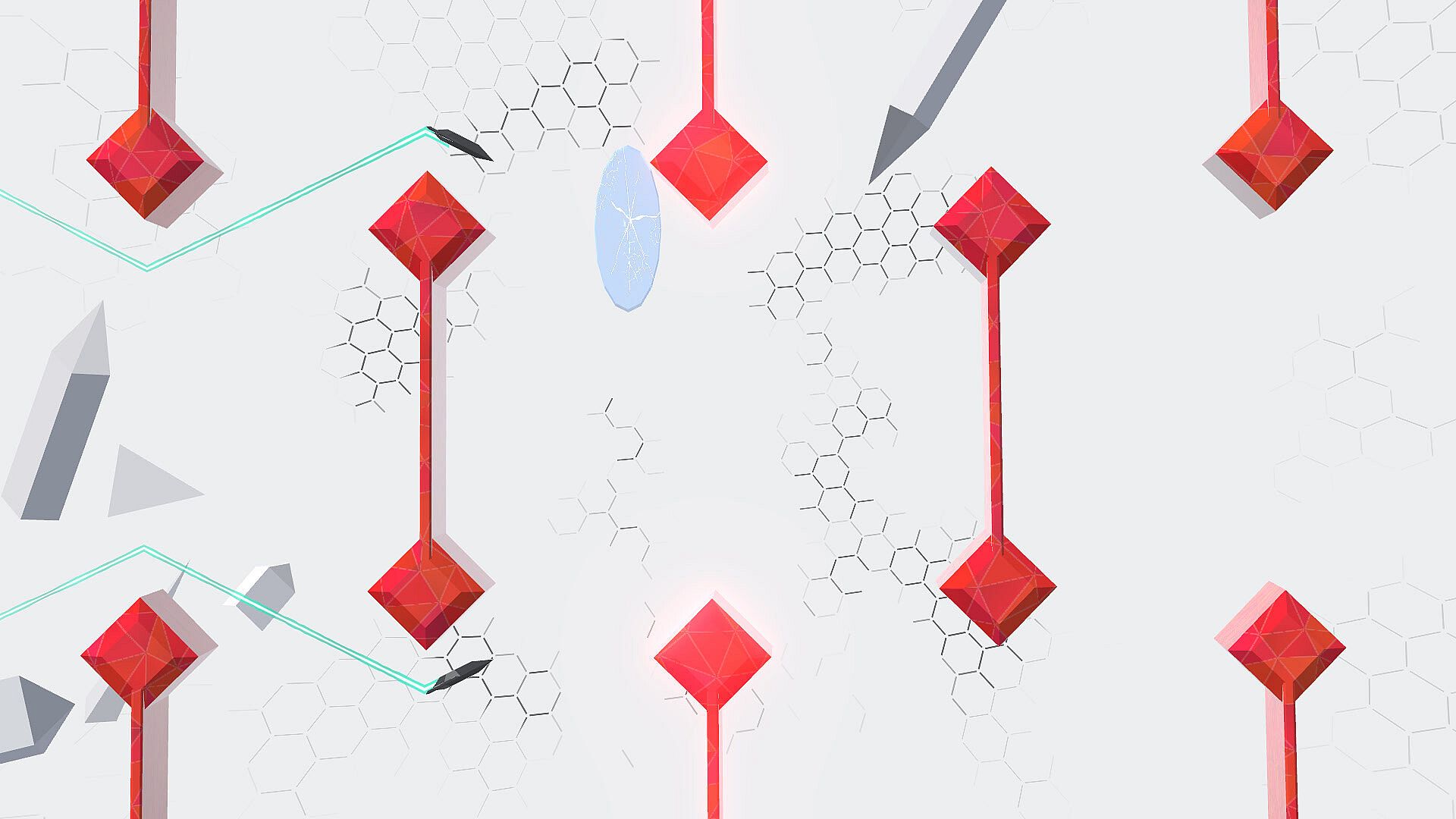
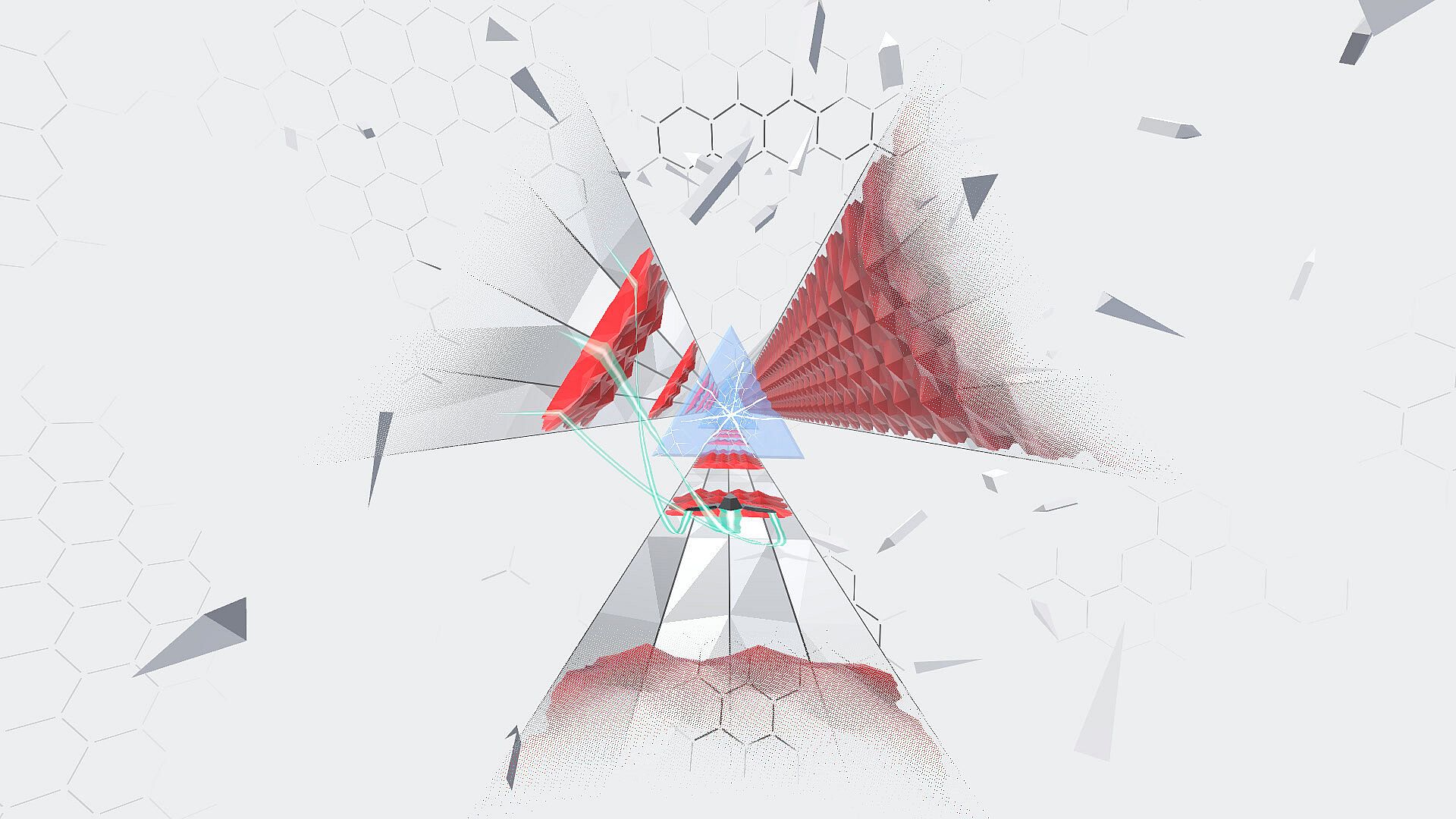
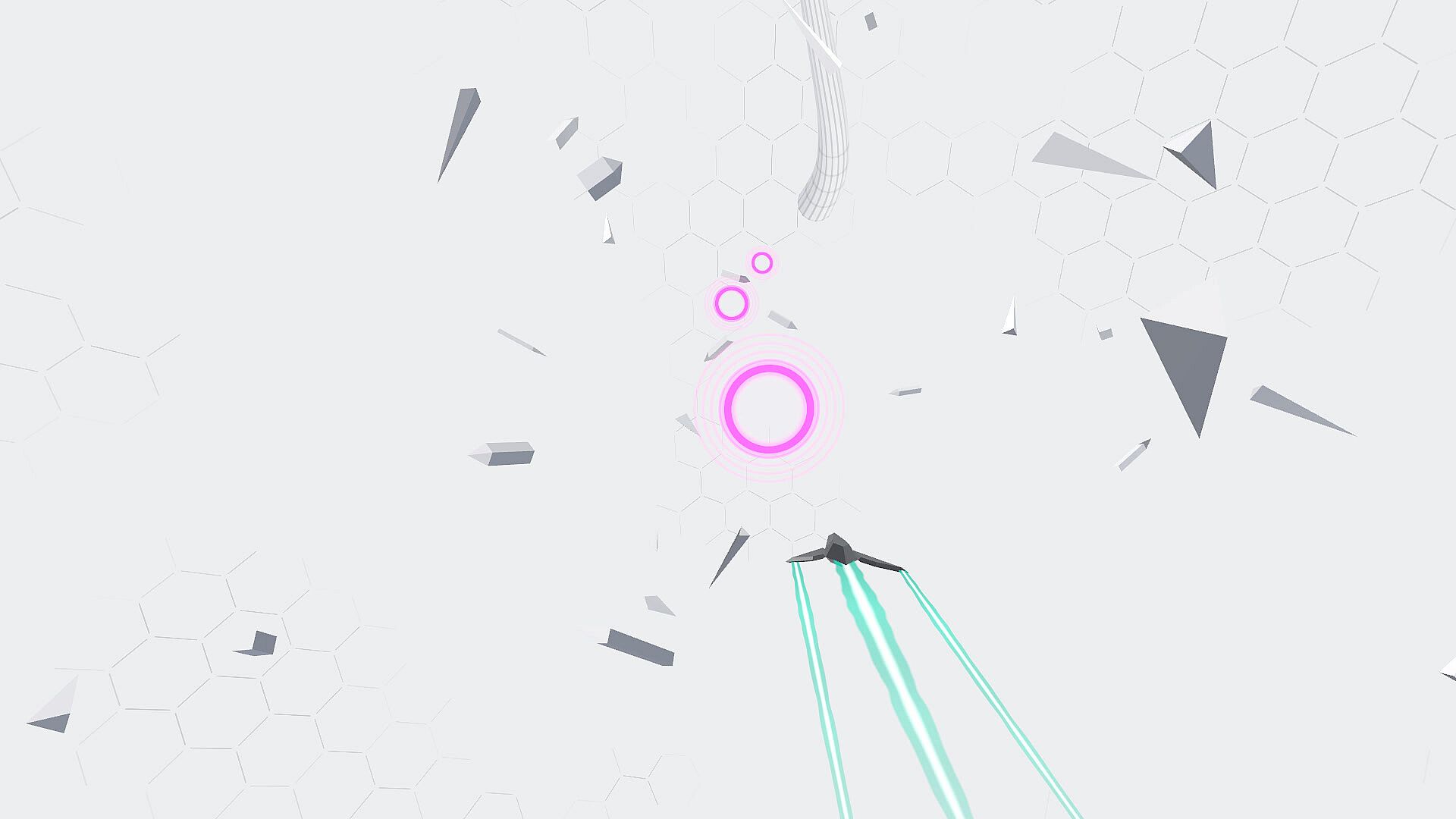
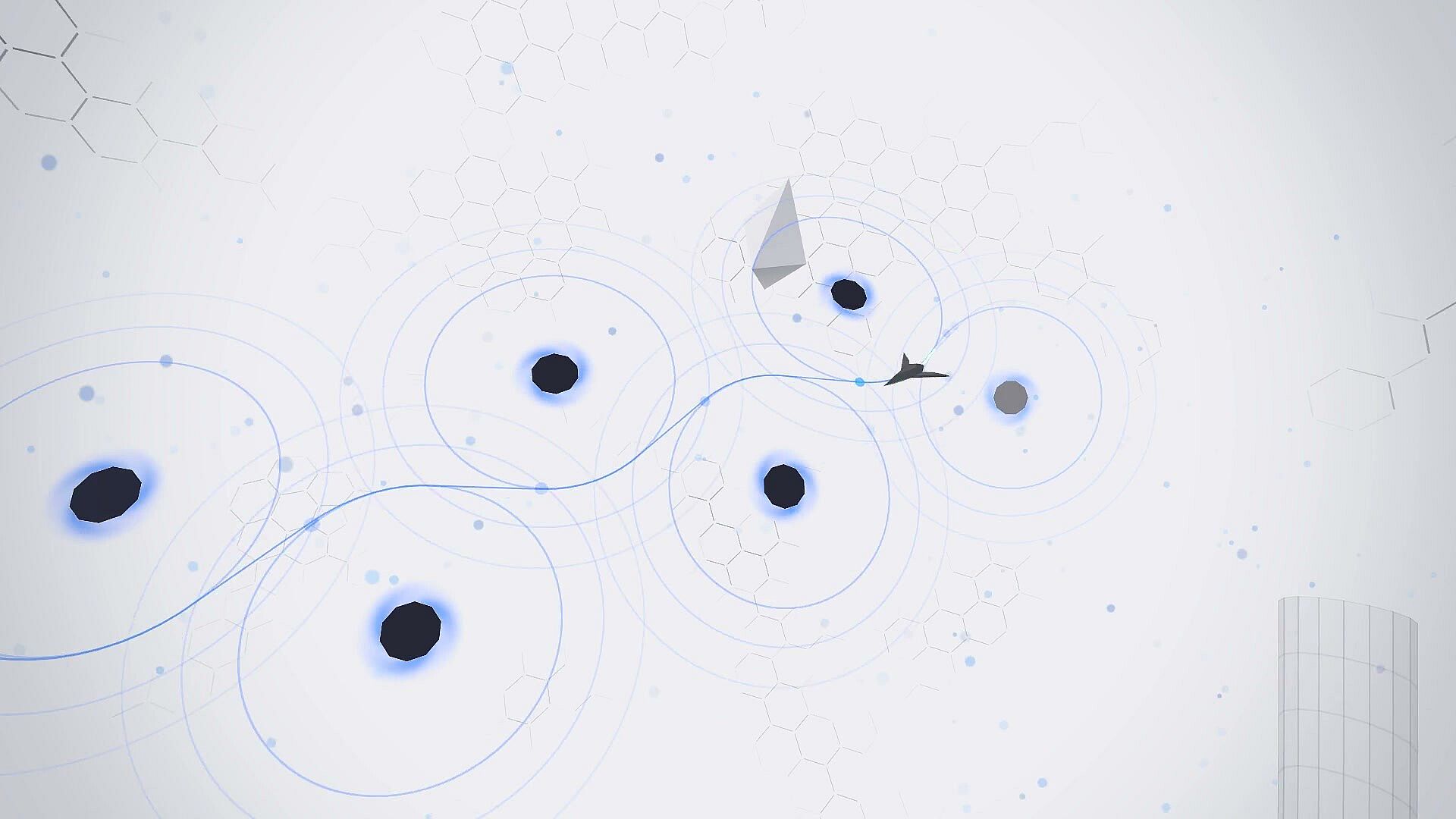
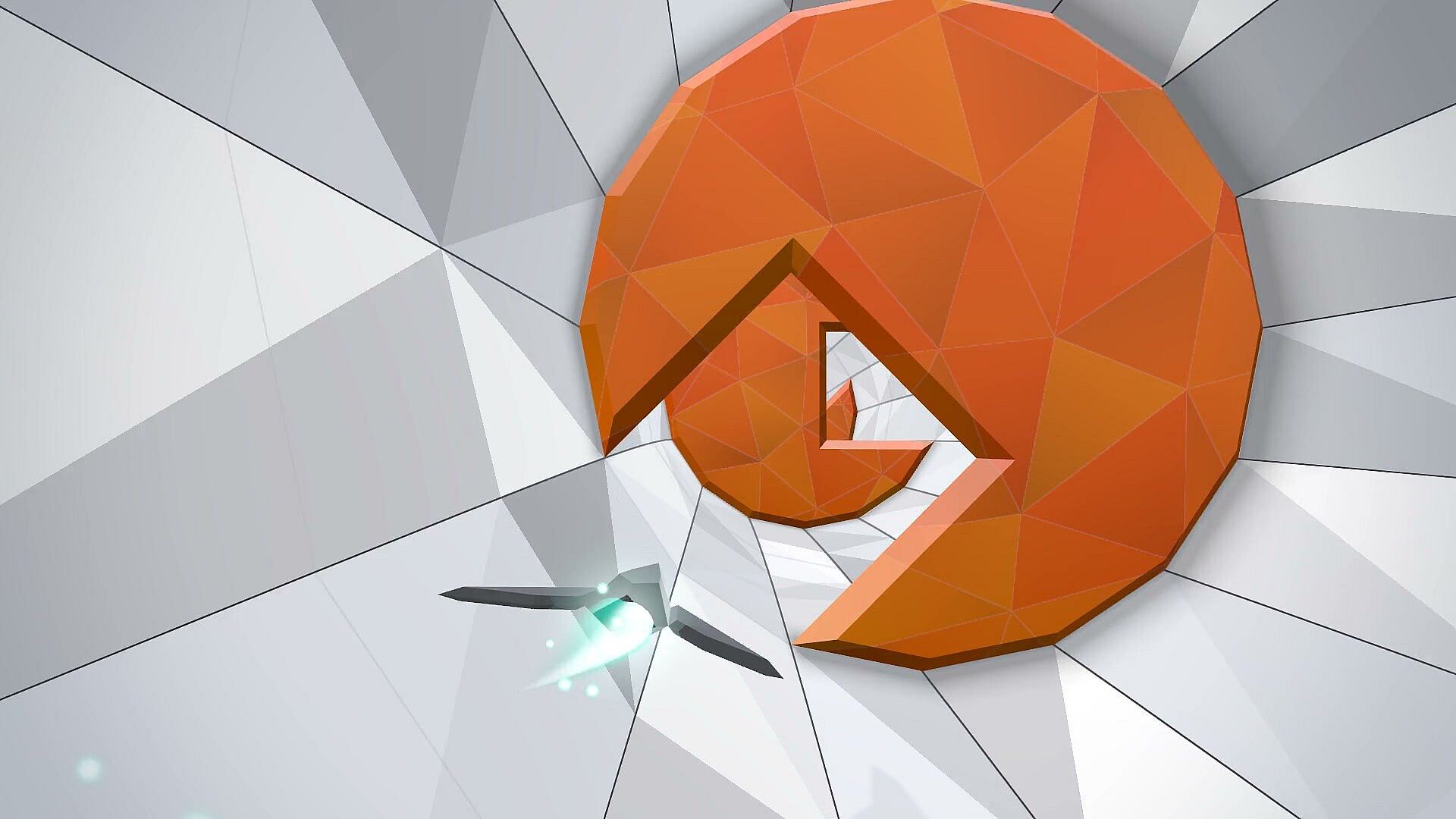
Re:act presents its challenges through shifting environmental structures rather than traditional named modes. The base experience involves racing down enclosed tunnels where obstacles align with the music. From there the space opens into side paths that require sharp turns on each beat, mirrored sections that split the path, gravitational pulls around black holes for slingshot maneuvers, spinning triangular chambers that demand wall-to-wall hops, and wide open areas where players thread rings without fixed guides.
Additional variations include timed dashes to break ice walls and free-flight segments that test spatial awareness. Each structure integrates directly with its track, so the same level never feels random. The variety keeps runs fresh while the rewind mechanic supports experimentation across all of them.
Visuals and Presentation
The game uses a minimalist crystal aesthetic that emphasizes clarity during fast movement. The ship and surroundings remain readable even when color bursts appear on strong musical moments. Hand-crafted levels pair each unique track with specific geometry, ensuring nothing feels procedural or repetitive across play sessions.
Sound design drives everything. Tracks are composed alongside the level layouts, so audio cues directly signal upcoming obstacles. This tight integration makes the music an active gameplay element instead of background accompaniment.
Is It Worth Playing?
Re:act targets players who enjoy rhythm games that prioritize flow and musical intuition over lane-based note hitting. The rewind system reduces frustration compared with traditional restart mechanics, while the environmental shifts provide constant novelty within a consistent control scheme. As an upcoming single-player title with Steam achievements and family sharing support, it suits focused sessions on PC.
Those drawn to hand-crafted rhythm experiences with responsive controls and a clean visual style will find the described mechanics appealing. The game remains in development with a planned December 2026 release, so final reception will depend on how the full track list and polish hold up at launch.