


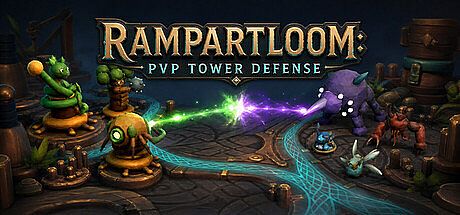



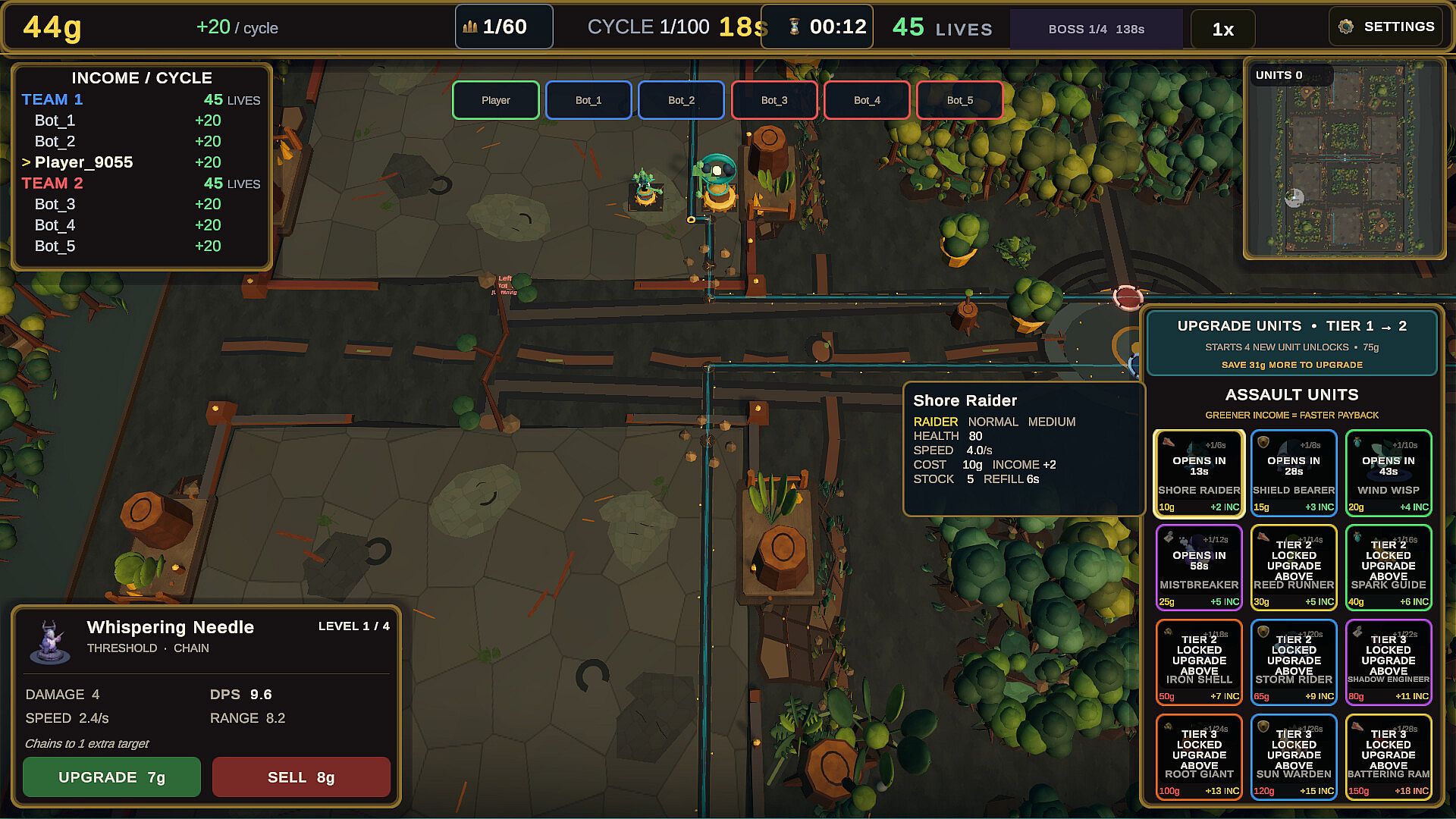
Rampartloom: PvP Tower Defense is a free-to-play 3v3 strategy game that blends tower defense building with competitive lane pressure and shared team objectives. Players construct defensive layouts on PC while managing an economy that supports both protection and offense against an opposing team.
Gameplay
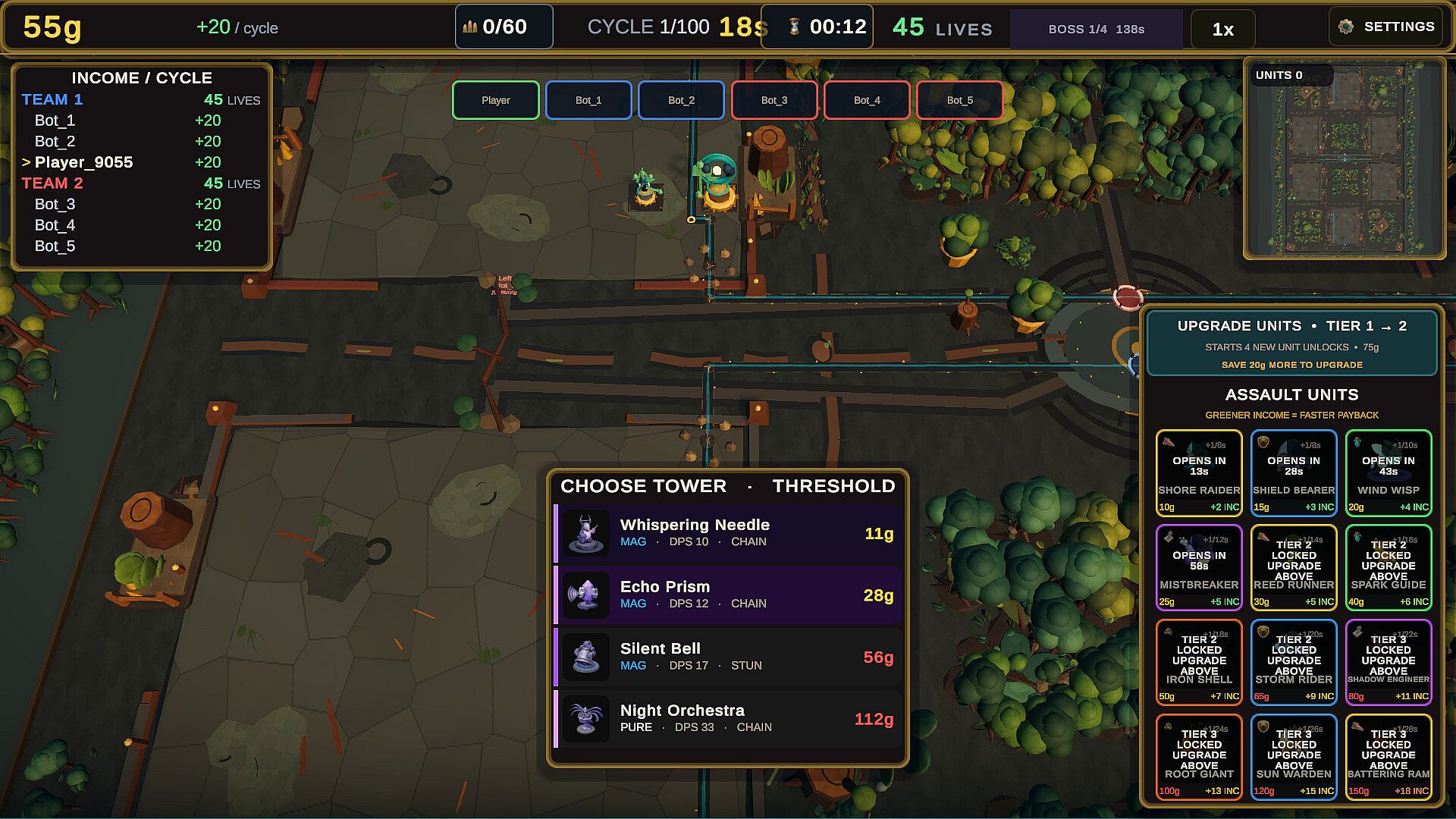
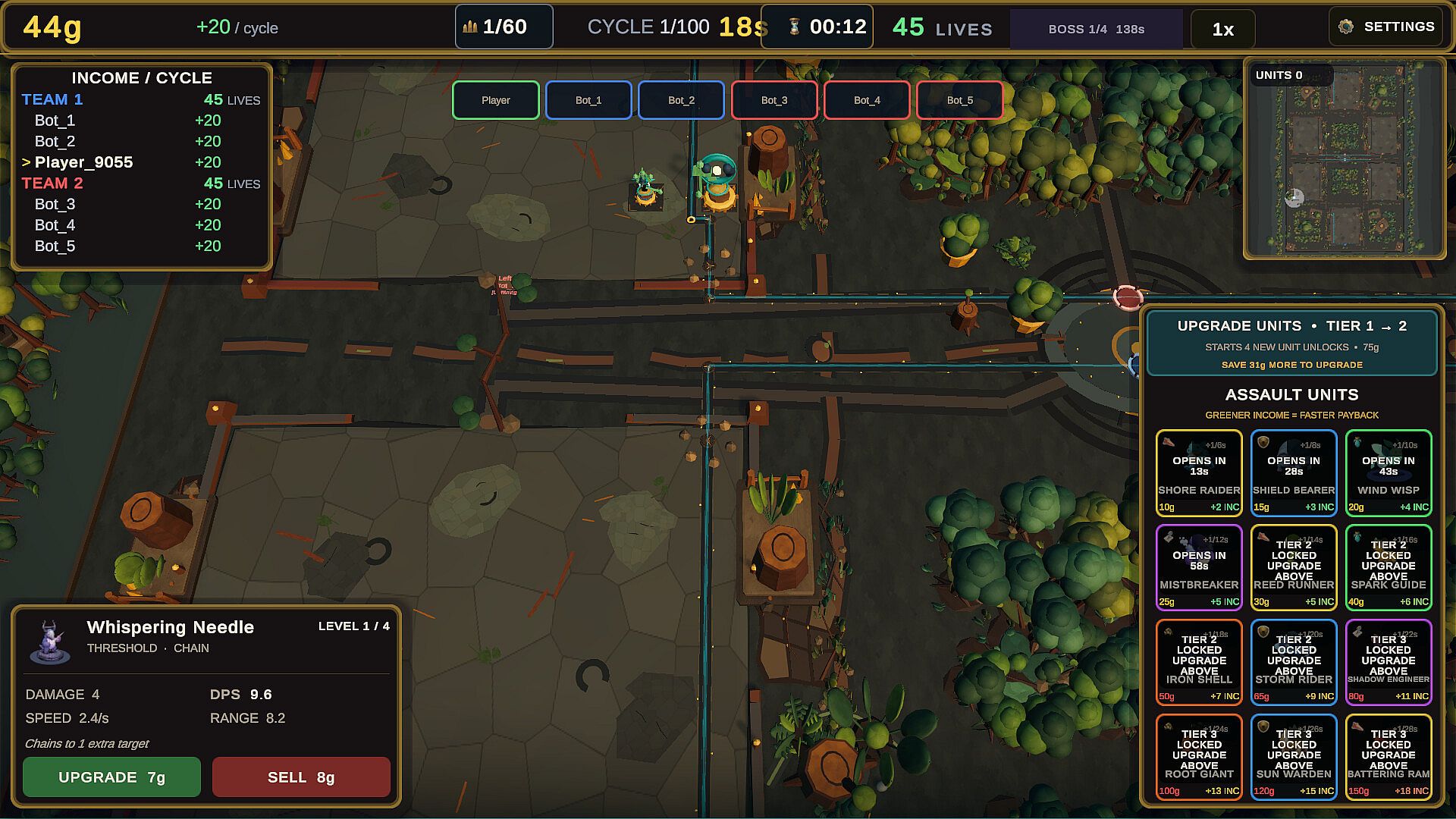
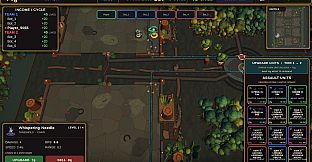
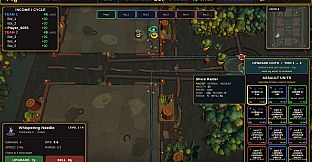
Core play centers on shaping enemy paths through careful placement of defenders. Each participant positions units to form winding routes that force opponents into firing lanes while leaving controlled openings for their own forces to advance. Upgrade branches and support structures add layers to these layouts, allowing defenders to specialize in damage output, slowing effects, or area coverage.
Economy ties directly into both sides of the match. Gold spent on towers or upgrades comes from the same pool used to send assault units toward the enemy. Dispatching these units raises permanent income over time, so timing investments between reinforcement and pressure becomes a key decision point. Twenty distinct assault unit types offer variety in how teams apply that pressure, from basic rushes to specialized threats that demand specific counters.
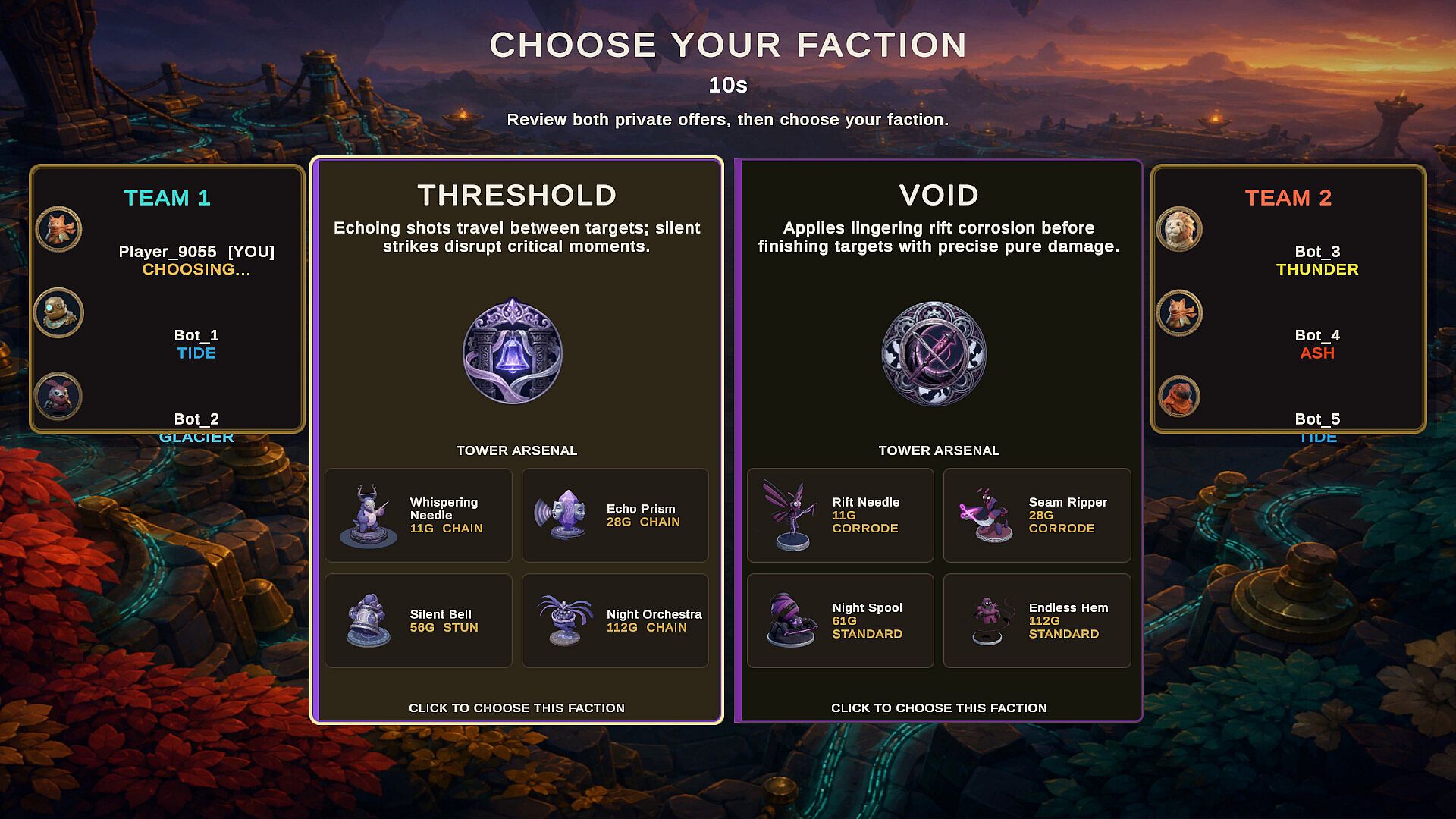
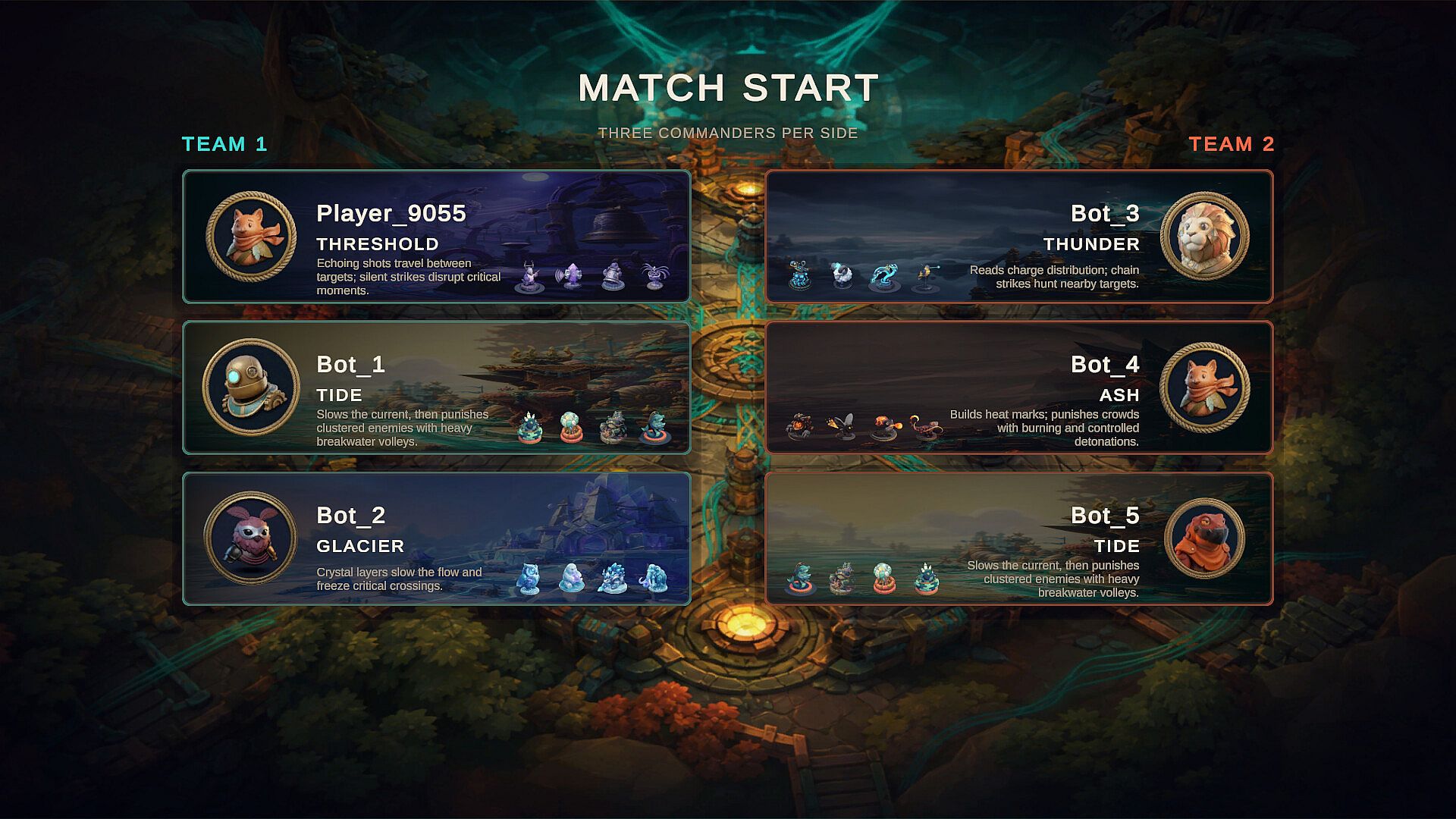
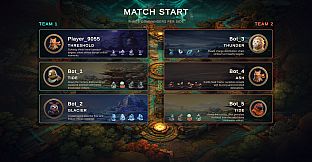
Team composition adds another strategic dimension. Twelve factions provide different defender and unit options. Before matches begin, players draft from randomly offered choices and can swap selections on a shared team bench. Roles split into WING or MIDDLE positions, with each player responsible for their lane yet contributing to the overall team result measured by shared lives.
Game Modes
Online play uses a find match system that queues players into 3v3 matches. When human participants fall short, bots fill remaining slots to keep games moving. This setup supports consistent sessions even during lower population periods.
Single-player options include local matches against five bots, allowing practice of full team dynamics without waiting for others. A dedicated tutorial match walks through camera controls, building fundamentals, sending mechanics, and economy management in a controlled environment.
Weekend playtests provide the main access point for new players. Sessions run from Saturday 00:00 to Monday 00:00 Turkey time, covering Friday 21:00 through Sunday 21:00 UTC. Access requires a request through the join playtest section, and the mode remains unavailable on weekdays. The playtest environment reflects ongoing development, with interface and voice lines in English.
Key Mechanics and Strategy
Defense and offense operate from one shared resource pool, forcing constant trade-offs. Investing heavily in maze complexity and upgrades can buy time, yet neglecting unit sends leaves the opposing team with unchecked income growth. Replenishing stocks of assault units requires planning around cooldowns and timing windows.
Faction drafting rewards flexibility. Random offers mean teams adapt on the fly, while the shared bench encourages coordination so no single player hogs strong options. Lane roles further differentiate responsibilities, with wing positions often handling flanking pressure and middle focusing on central control.
Support structures extend beyond basic towers. These additions reinforce layouts, create chokepoints, or provide utility that complements the main defenders. Success depends on reading the enemy route in real time and adjusting placements before waves fully commit.
Is It Worth Playing?
Rampartloom suits players who enjoy deliberate strategy sessions where building decisions directly influence both survival and aggression. The free-to-play model removes entry barriers, and bot support ensures matches remain available regardless of player count. Practice tools like the tutorial and local bot games lower the barrier for learning the intertwined economy and pathing systems.
Those drawn to 3v3 coordination, faction drafting, and the tension between defensive mazes and offensive sends will find the most engagement. Weekend playtests offer regular opportunities to experience the current state, though the title remains in active development with potential shifts in balance and features. The combination of shared team results and individual lane responsibility creates a distinct multiplayer rhythm within the tower defense genre.
