


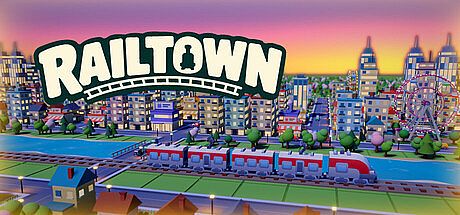


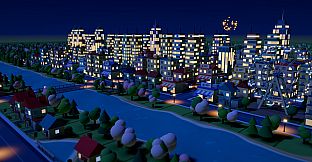
Railtown is a strategy simulation game focused on building and expanding a town that develops alongside a railway line. Players begin with a small village and gradually shape it into a larger urban area by placing roads, constructing residential and commercial structures, and managing the flow of trains that deliver visitors and revenue. The core appeal lies in its relaxed pace combined with systems that reward thoughtful placement of buildings and infrastructure to support growth over time.
Gameplay
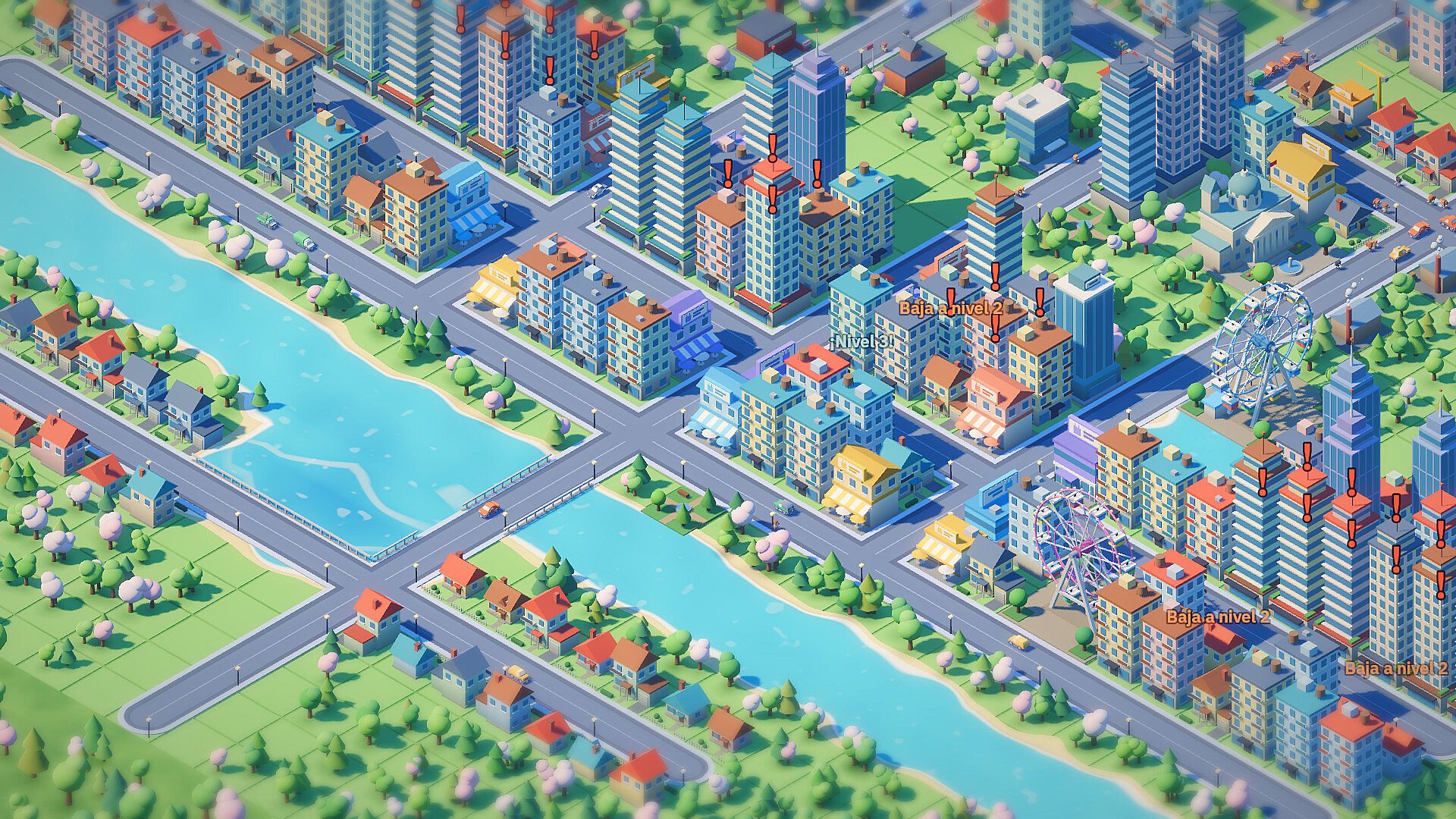
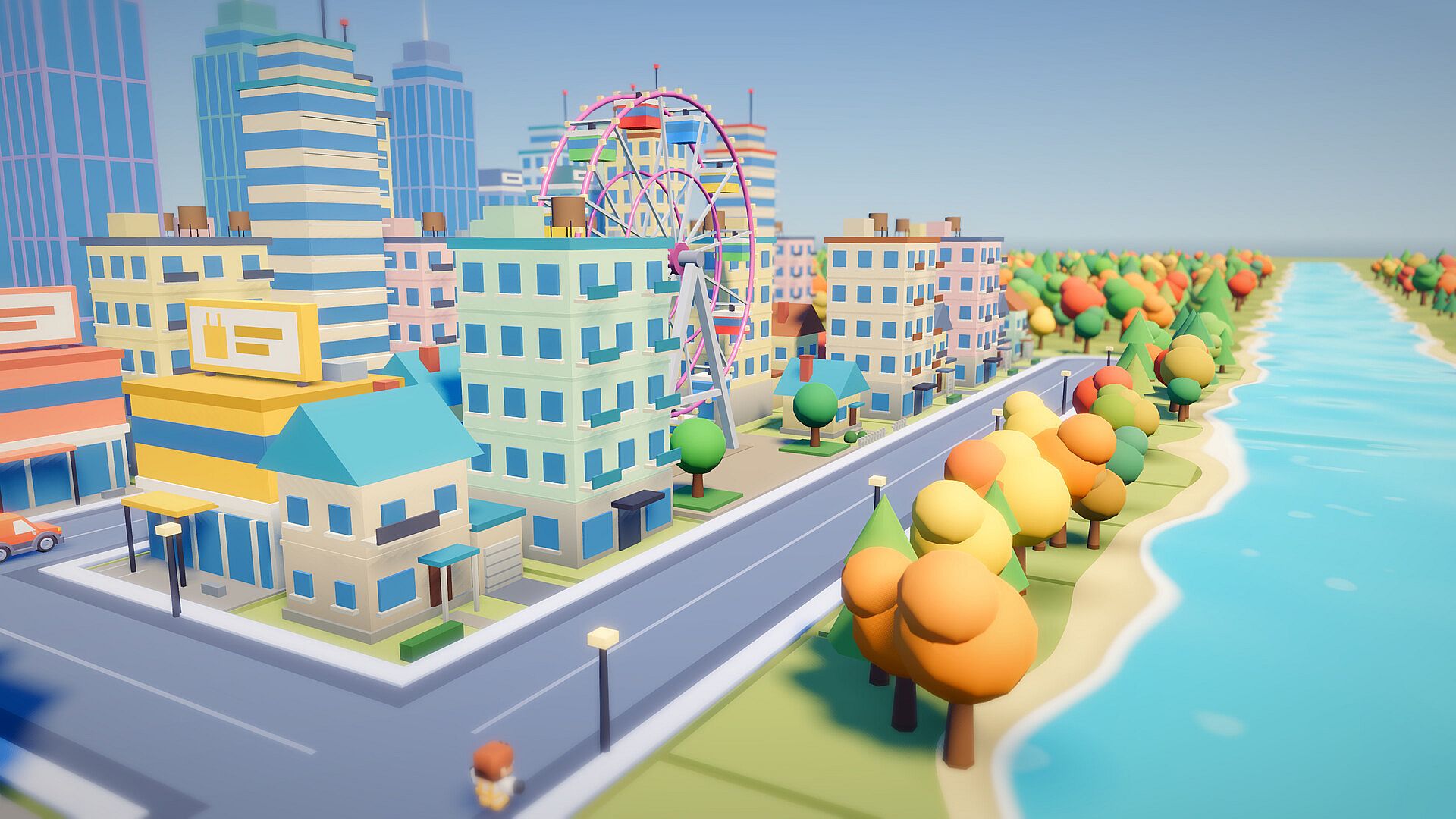
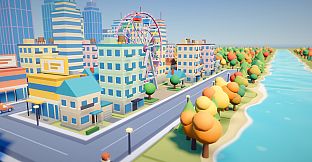
The central loop involves laying out roads and zoning areas for homes, shops, and other facilities while ensuring residents remain content through access to amenities like parks and offices. Houses progress to higher levels when these conditions are met, allowing the settlement to scale from basic structures to tall buildings, attractions such as a Ferris wheel, and dedicated tram networks. The Town Hall serves as a key progression point; upgrading it opens additional construction options, expands available land, and supports larger-scale development. Special landmarks including a windmill, lighthouse, Japanese garden, and castle provide variety in the skyline and contribute to the overall atmosphere.
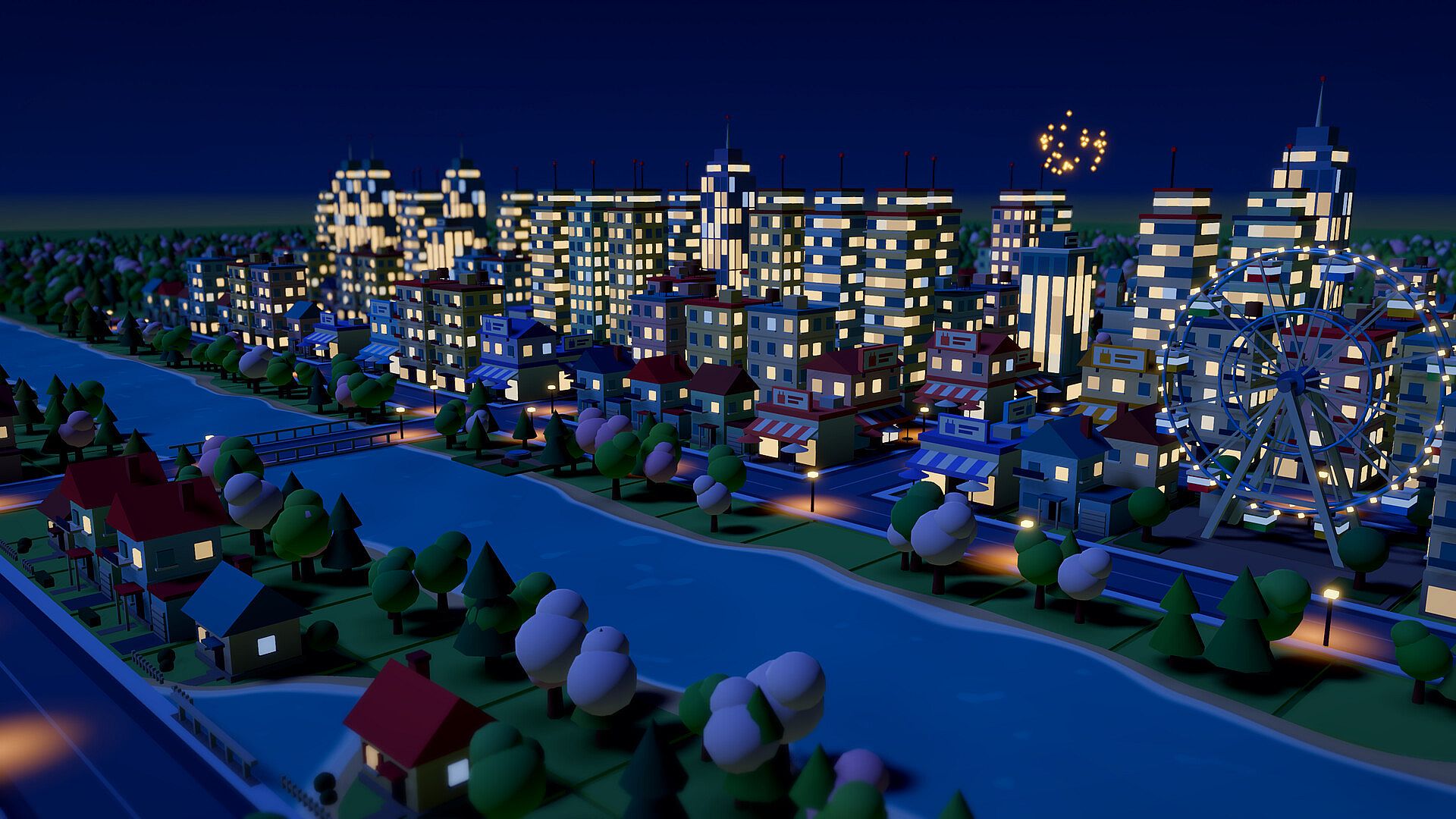
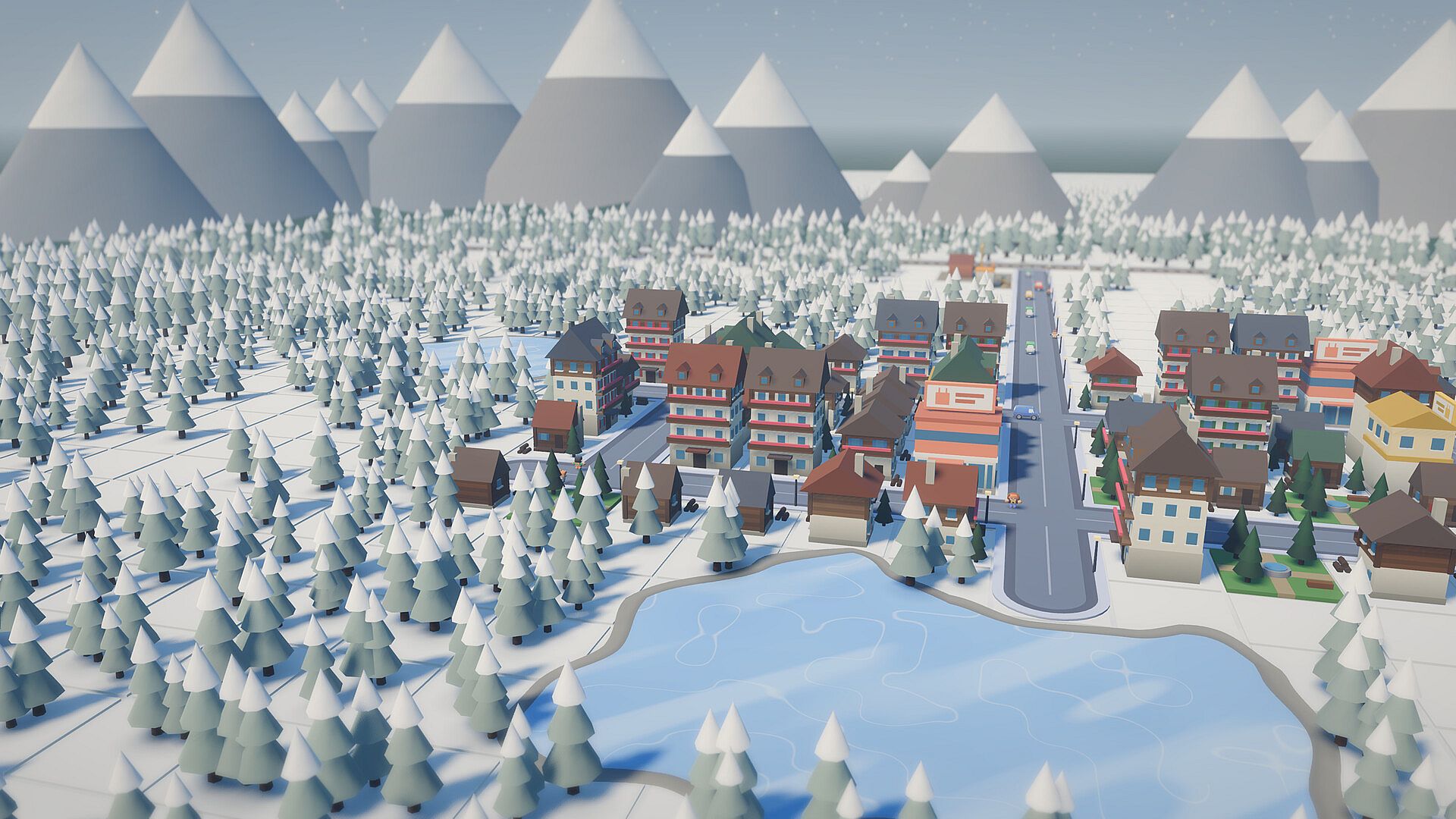
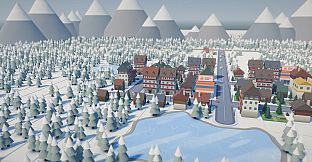
Trains form a vital part of the experience. Players start with a basic steam locomotive and can advance through diesel, electric, double-decker, and high-speed models as the station expands to accommodate them. Trams operate on separate tracks with configurable stops and signage, transporting passengers within the city and easing congestion on the main rail lines. Environmental details enhance immersion through a day-night cycle where lights activate after dark, along with four distinct seasons that alter visuals and add seasonal events such as spring blossoms or winter snow cover on rivers and lakes.
Dynamic events introduce occasional challenges. These include fires, spreading blackouts that require prompt repairs, floods, heat waves, and even a pandemic scenario. Responding effectively prevents wider disruption, while positive community satisfaction triggers festivals and fireworks displays. Weather effects like rain, storms, and snow feature authentic recorded audio to reinforce the changing conditions.
Game Modes
The primary structure revolves around a series of 41 guided missions that introduce mechanics progressively and direct players toward specific objectives. These missions help establish core systems before shifting toward more open-ended expansion. Beyond the mission sequence, the game supports freeform building where players manage multiple saved cities across different starting locations, each with its own environmental theme and unique building styles.
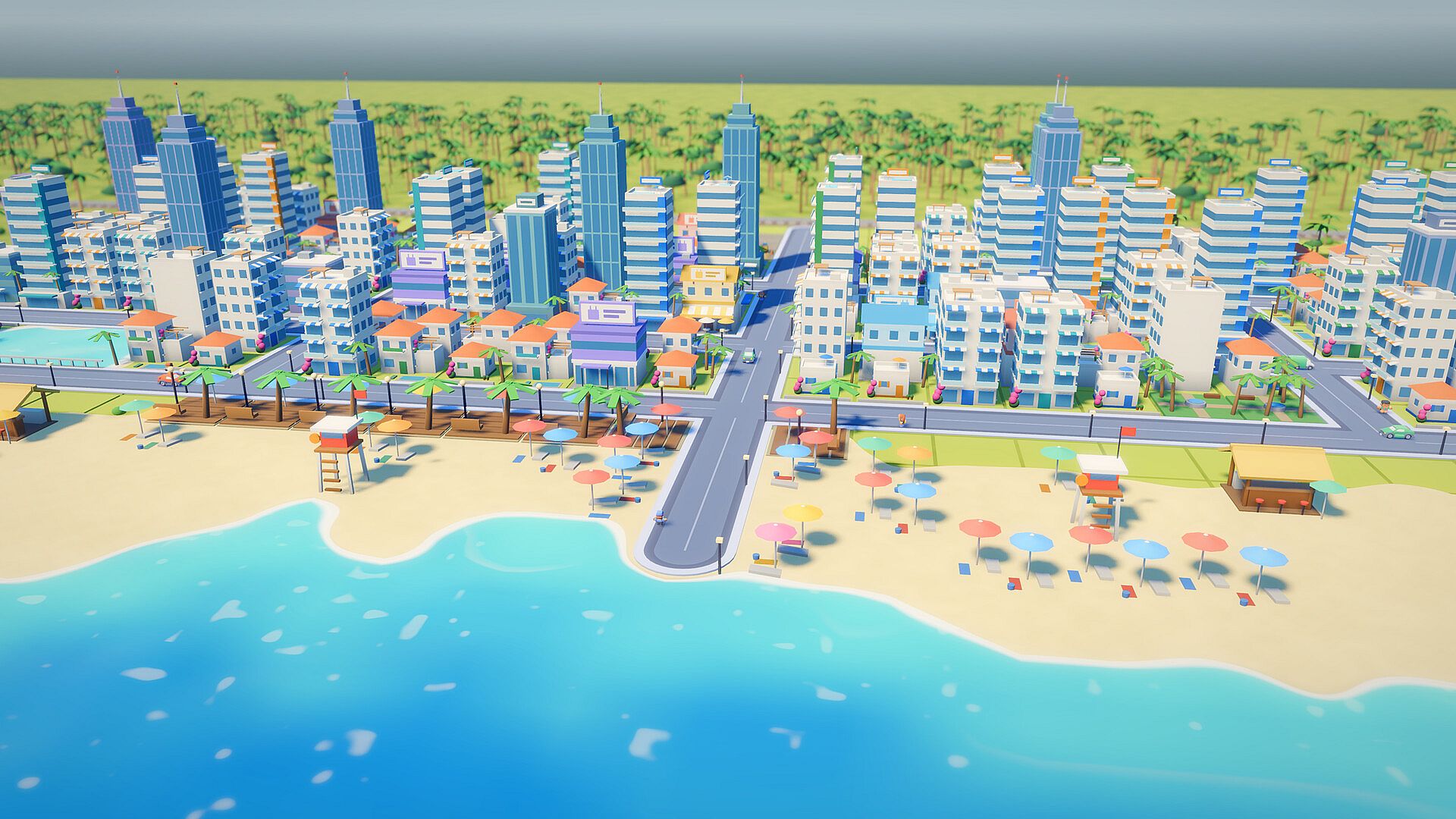
Three distinct regions are available for new settlements. The river area features bridges, lakes, and surrounding hills. Coastal sites include beaches, beachside bars, a working port with tourist boats, and a marina. Mountain locations offer snowy valleys, wooden architecture, pine forests, and frozen lakes. Previously built cities remain accessible in their last saved state, and each new location begins with an initial bonus to accelerate early progress.
Building and Progression Systems
Expansion relies on balancing residential happiness with commercial and service buildings. Proximity to shops, parks, and offices drives house upgrades, while the railway and tram systems generate ongoing income from tourism and local travel. Upgrading the central station alongside train improvements creates a feedback loop that supports further city growth. The inclusion of real-world inspired climate variations and events encourages players to maintain infrastructure resilience rather than focusing solely on aesthetics.
Seasonal changes and day-night lighting add visual variety without altering core mechanics, allowing sessions to feel fresh across multiple playthroughs. The ability to maintain several independent cities encourages experimentation with different layouts and priorities in each region.
Is It Worth Playing?
Railtown suits players who enjoy methodical city-building simulations with a focus on transportation networks and gradual, satisfying expansion. Its casual tone and lack of strict time pressure make it approachable for those new to the genre, while the mission guidance and upgrade paths provide enough structure to maintain direction. The combination of train customization, tram management, seasonal visuals, and occasional event responses creates a self-contained experience centered on organic town development. Those seeking a relaxed strategy simulation on PC will find consistent depth in the building and management loops without overwhelming complexity.