






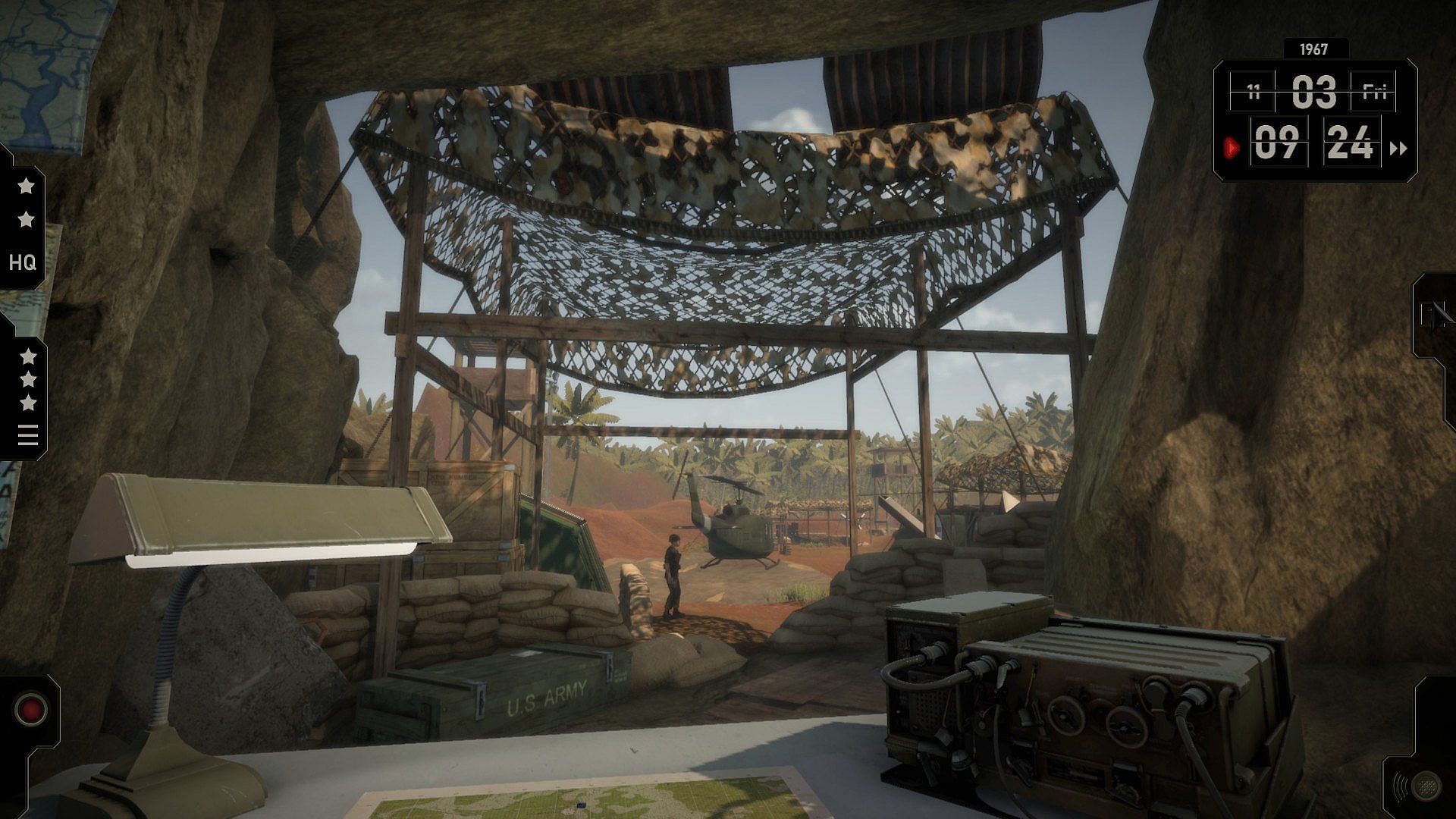
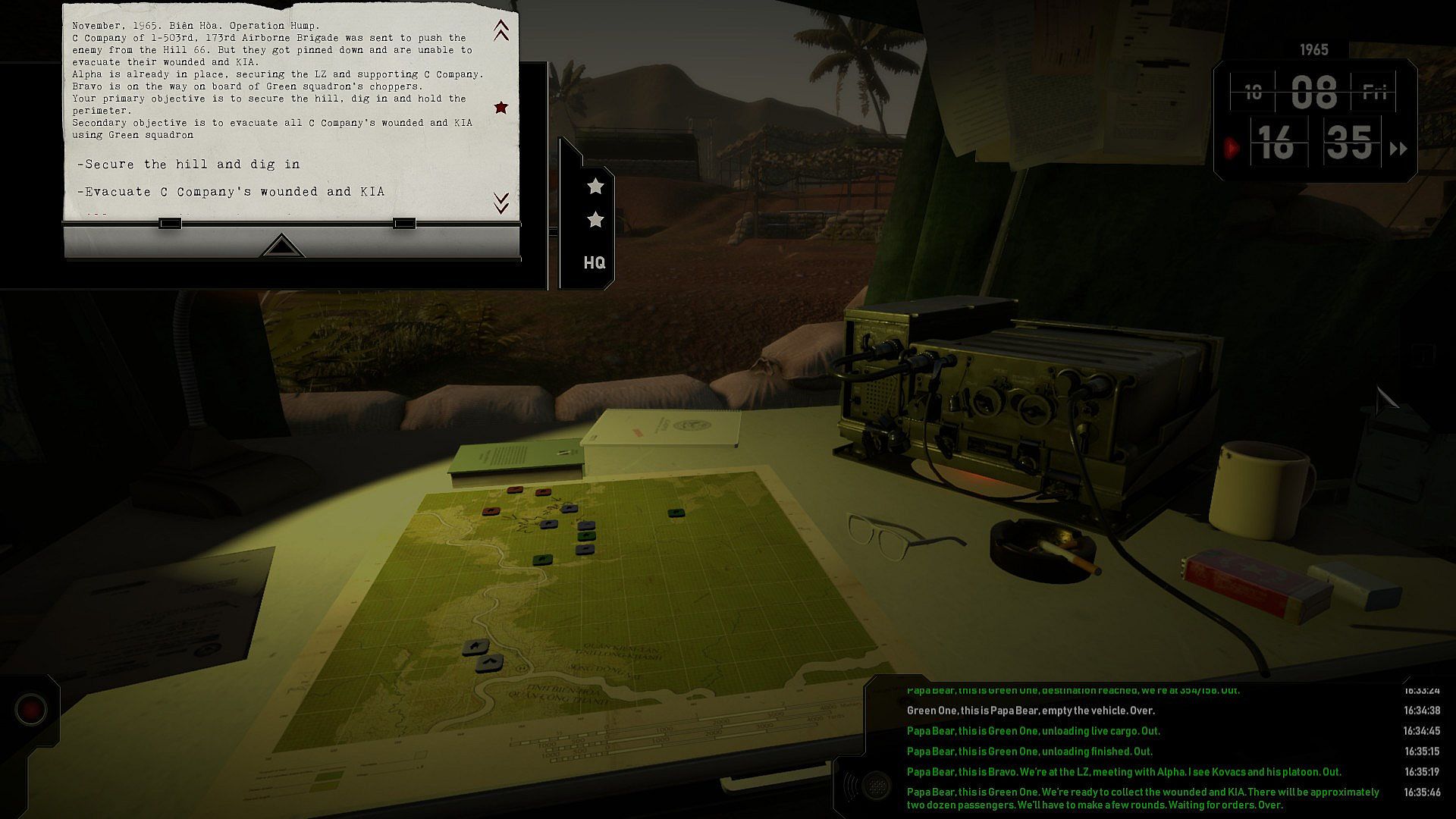
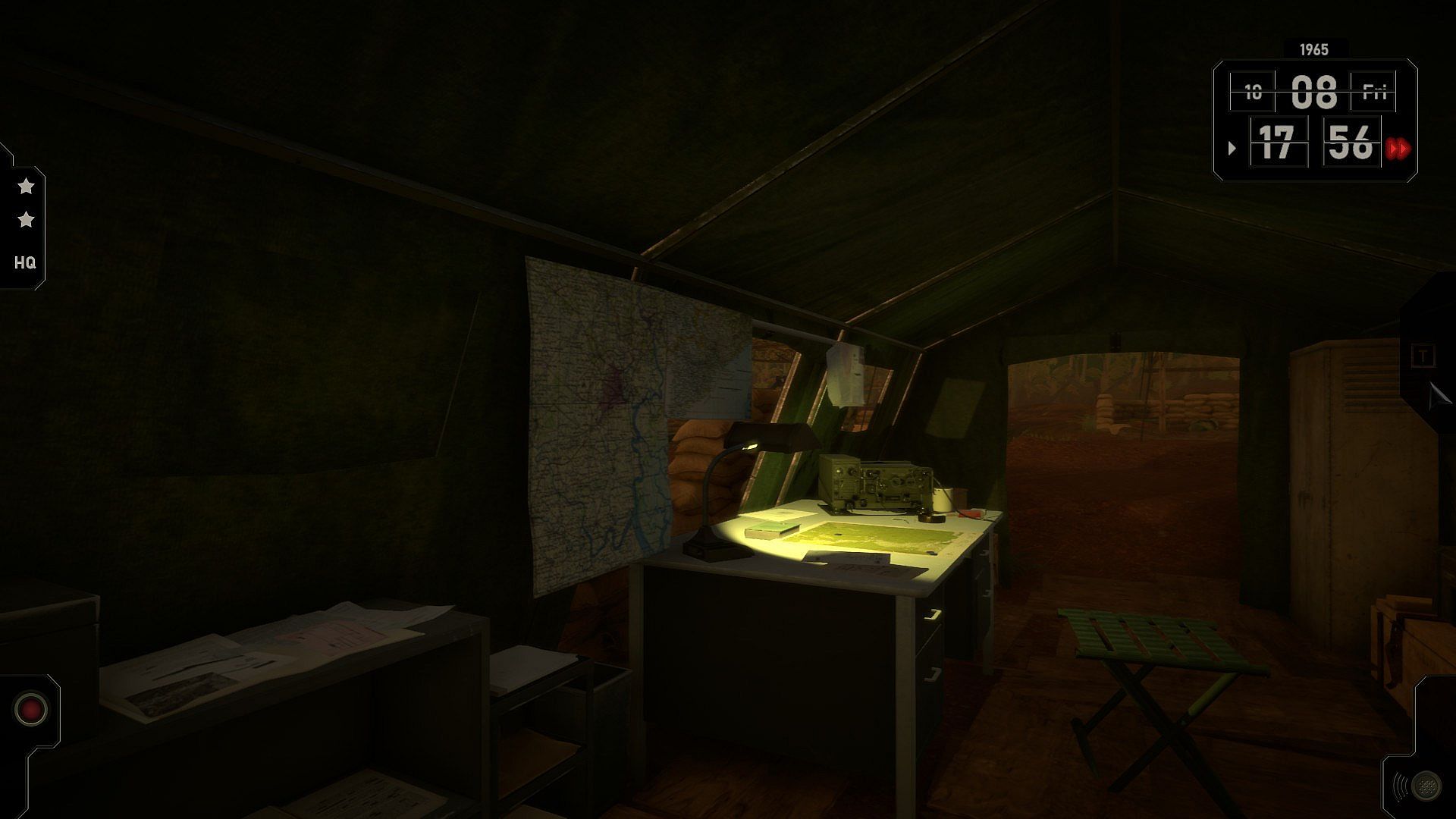
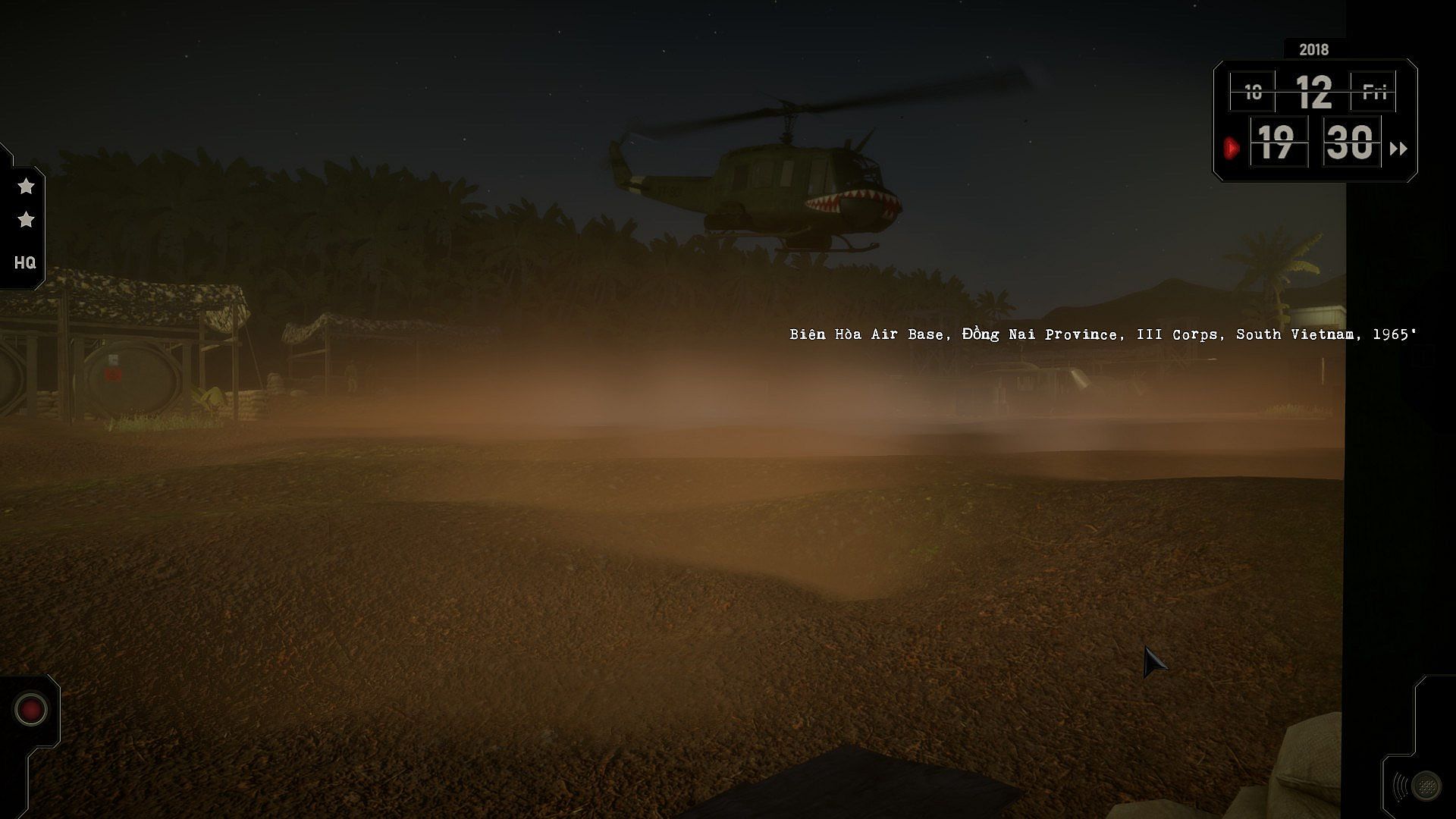
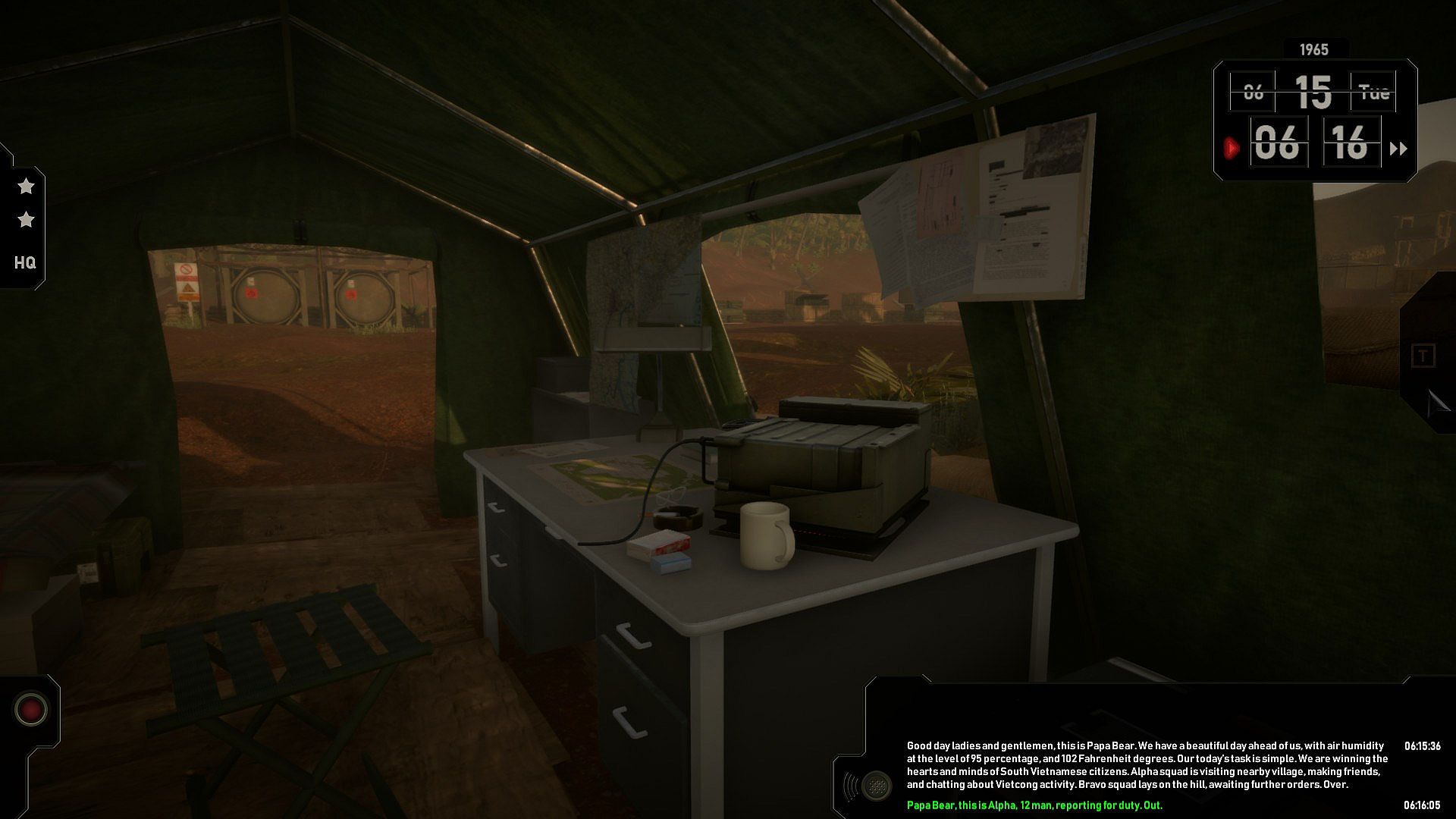
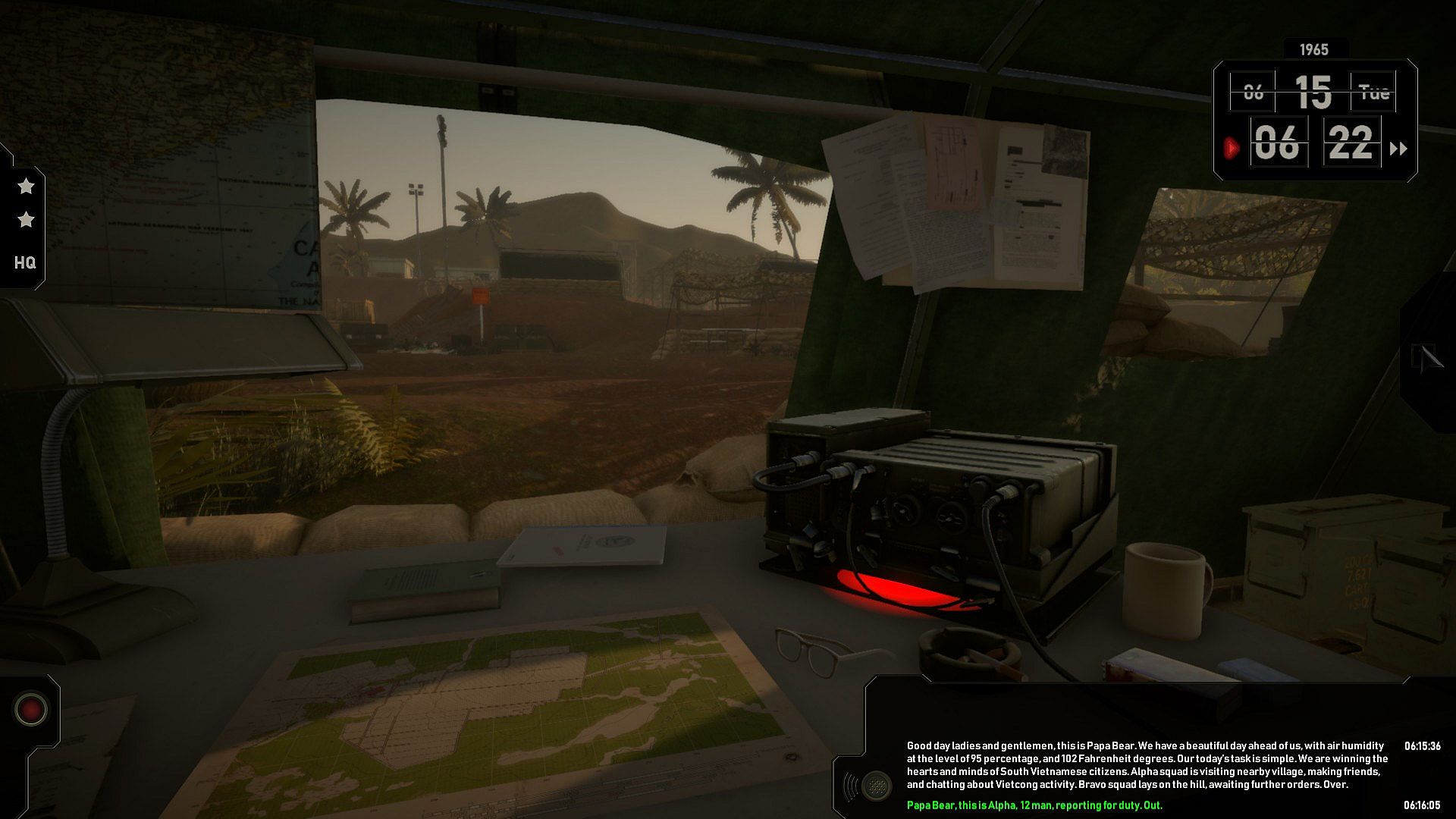
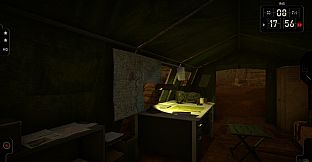
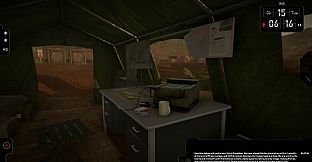
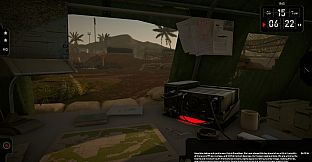
Radio Commander is a strategy simulation game that places players in the role of a US Army commander during the Vietnam War. Set between 1965 and 1968, the experience focuses on coordinating operations through radio reports and a strategic map rather than direct battlefield control.
Gameplay
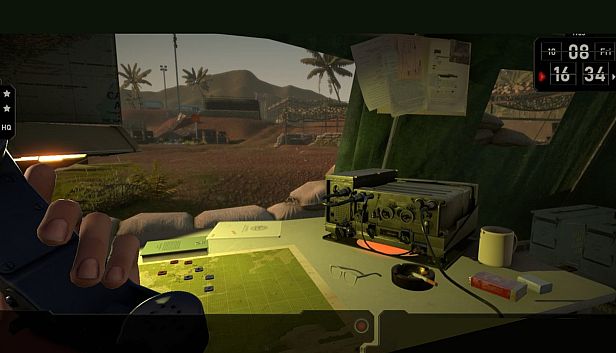
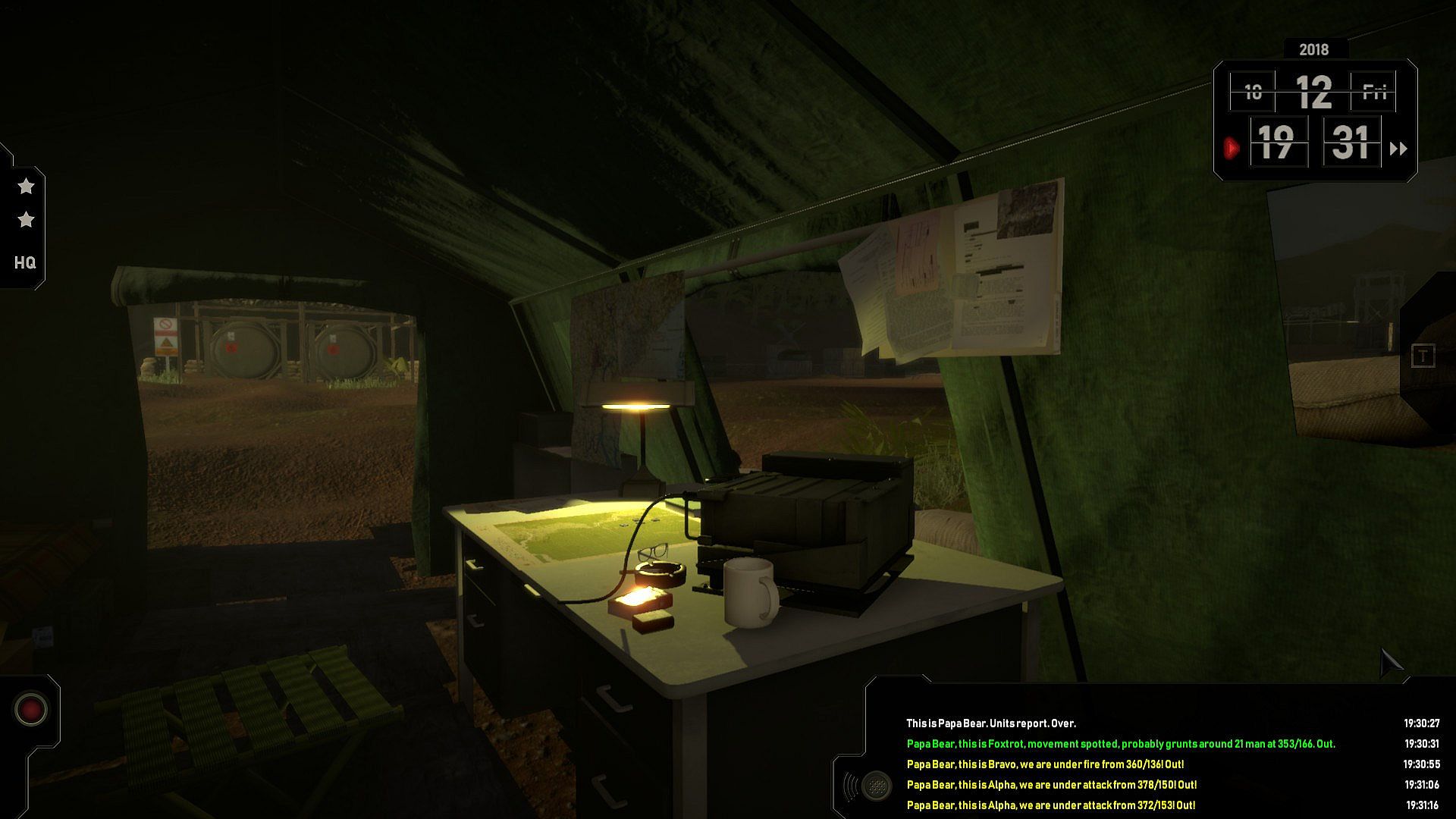
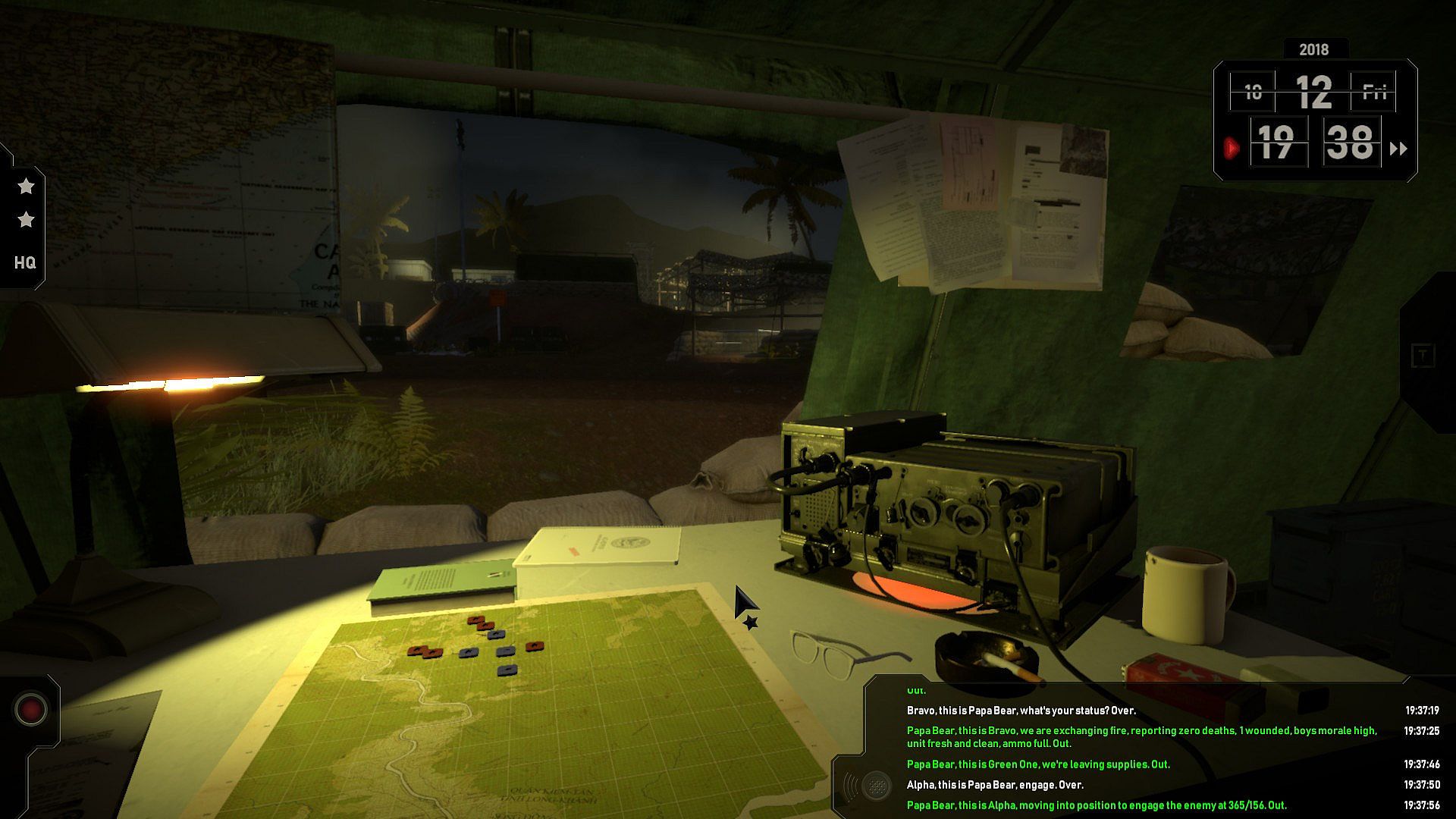
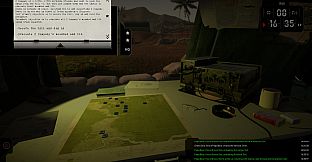
Players issue orders and receive updates exclusively via radio communications from ground units. The map serves as the primary tool for tracking positions, placing tokens, and noting details based on incoming reports. Units operate with individual statistics covering morale, supplies, and stamina, which influence performance in combat, terrain navigation, and environmental conditions. Decisions range from requesting status updates to calling in evacuations, artillery strikes, or air support, with outcomes affecting both mission progress and narrative branches. Troops function as distinct characters with unique voices and personalities, leading to hundreds of dialogue exchanges that reflect their experiences and responses to commands. The system emphasizes information management and judgment under uncertainty, as players must interpret fragmented reports without visual confirmation of events.
Game Modes
The core experience centers on a story-driven campaign consisting of nine missions. Each mission supports multiple completion paths influenced by player choices and radio interactions. Quick battles provide standalone tactical encounters on two available maps, with objectives focused on eliminating enemy forces or holding positions for a set duration. Custom battles allow creation of scenarios or use of community content, offering flexibility in unit selection and parameters. All modes maintain the radio and map interface, with difficulty settings that adjust realism factors such as radio reliability and unit behavior.
Narrative and Decision Making
Radio Commander weaves player choices into a broader story exploring the moral complexities of the conflict. Actions determine soldier survival, unit trust levels, and the commander's evolving perspective on the war. Scenarios incorporate elements like civilian involvement, operational pressures, and ambiguous engagements, presented through radio dialogues and briefings. The nine animated briefings set the context for missions, while over 600 story dialogues expand on unit interactions and consequences. Replay value stems from altering decisions to encounter different events and outcomes across the campaign.
Units and Systems
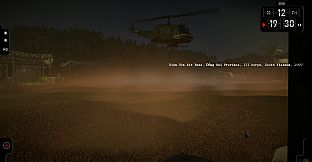
Command extends across 15 unit types, including infantry platoons, evacuation helicopters, gunships, field artillery, aerial reconnaissance, M113 armored personnel carriers, and napalm-equipped F4 Phantom jets. Each type features distinct statistics and communication styles, requiring tailored management of resources and positioning. A hidden simulation layer tracks factors like fuel status and fatigue, forcing players to weigh risks such as sending rescue missions or approving close air support. Full voice acting delivers all reports and responses, enhancing the focus on auditory information processing.
Is It Worth Playing?
Radio Commander appeals to players seeking a deliberate, information-driven approach to strategy rather than traditional real-time tactics. Its nine-mission campaign and additional modes deliver a focused experience centered on realistic command challenges and narrative consequences. Reception highlights the innovative radio mechanic and character interactions, though some note the short length and steep demands on attention to detail. The game suits those interested in simulation elements and Vietnam War themes, with availability on Xbox One and Xbox Series consoles providing straightforward access to the full feature set. Those who enjoy managing uncertainty through reports and maps will find repeated playthroughs rewarding due to branching paths and custom options.
