


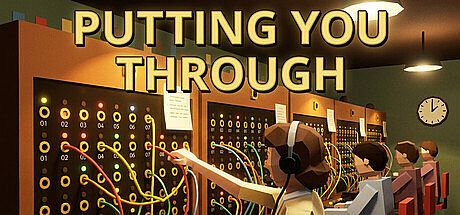


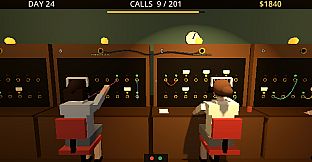
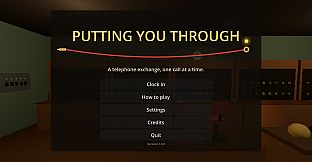
Putting You Through is a single-player indie simulation game set in 1952 where players manage telephone connections at a town switchboard. The core experience revolves around plugging cords into jacks to route calls efficiently while meeting daily quotas and advancing through workplace roles. This casual simulation blends incremental progression with narrative elements drawn from overheard conversations and unfolding historical events.
Gameplay
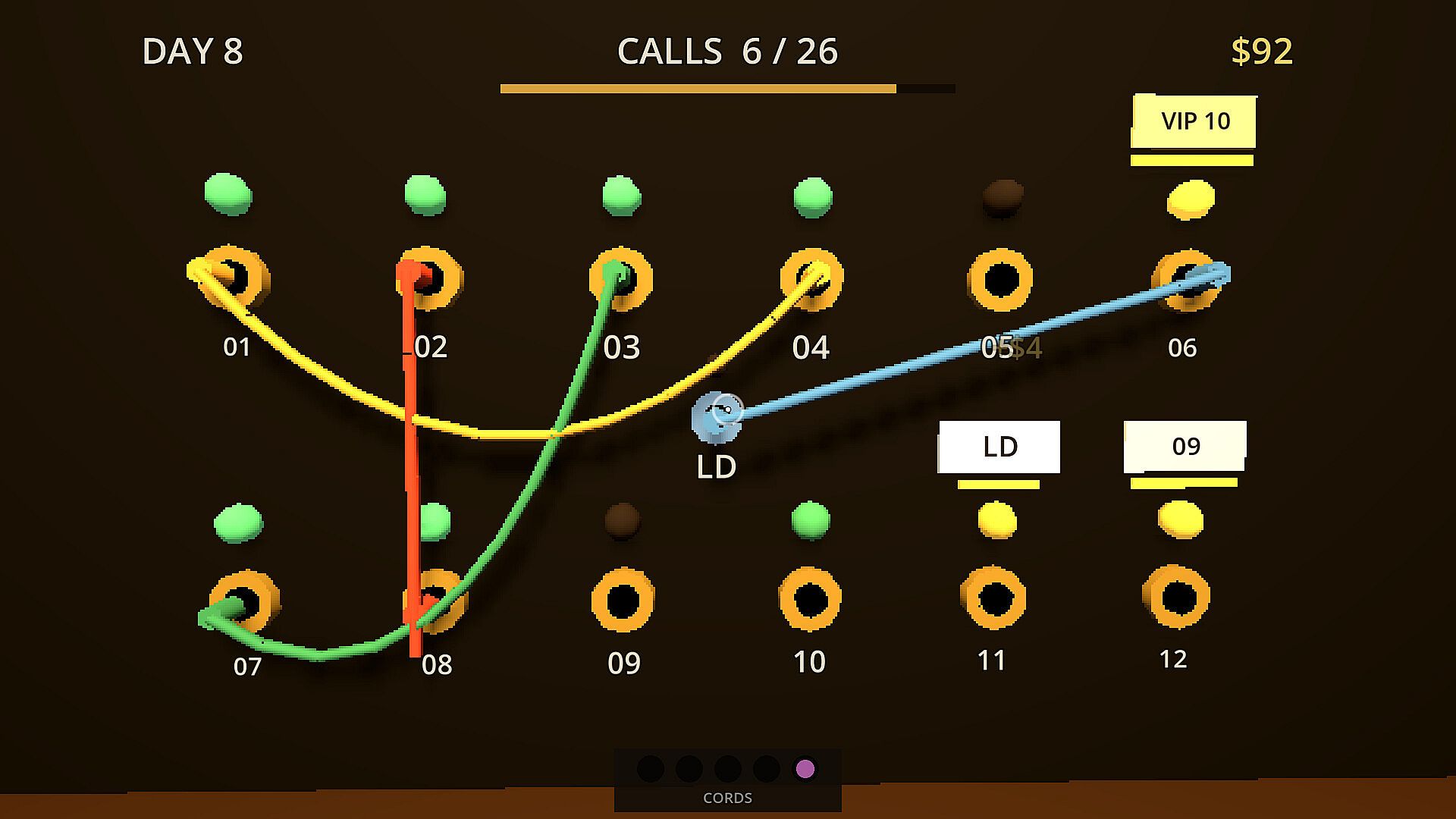
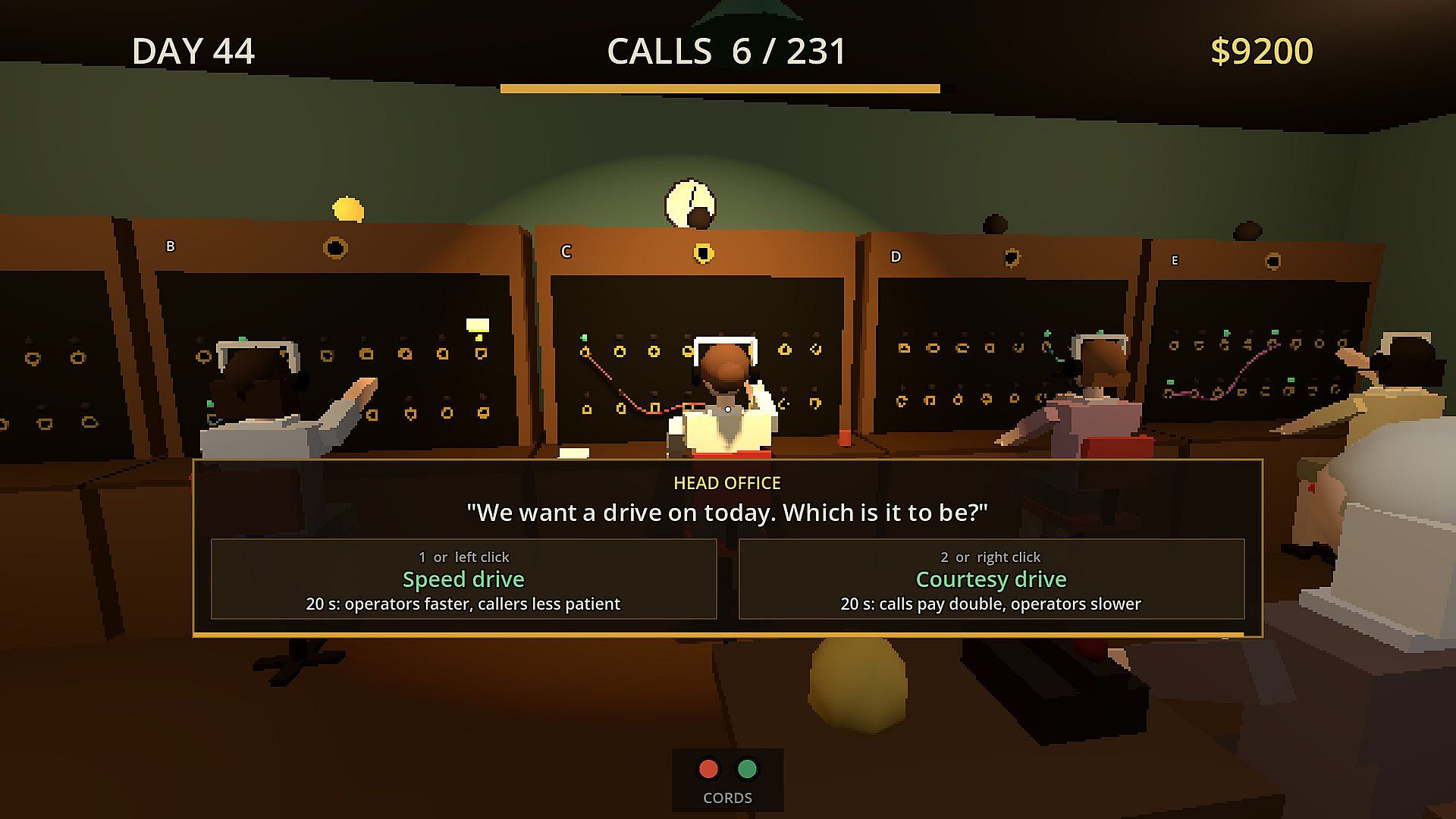
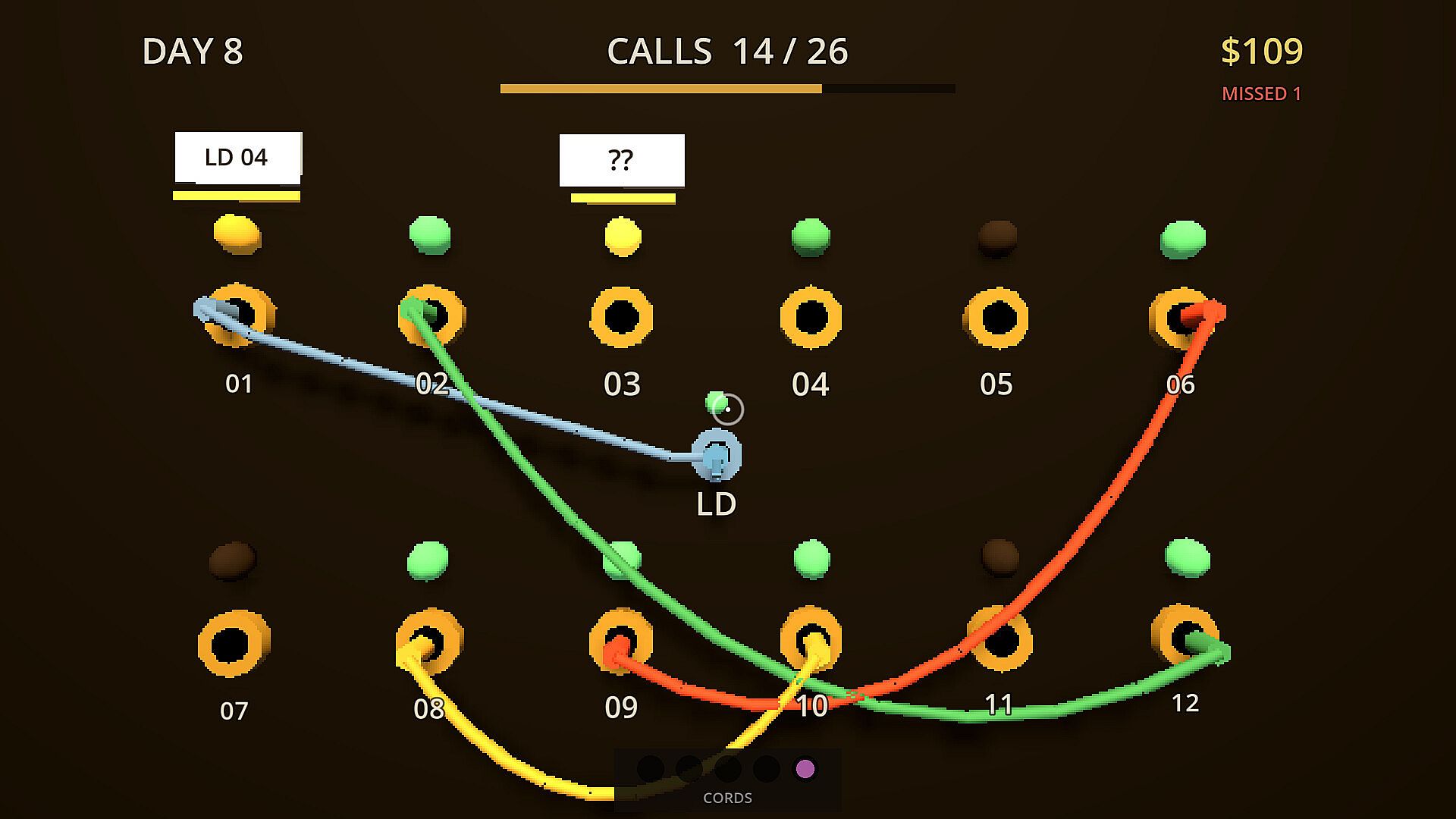
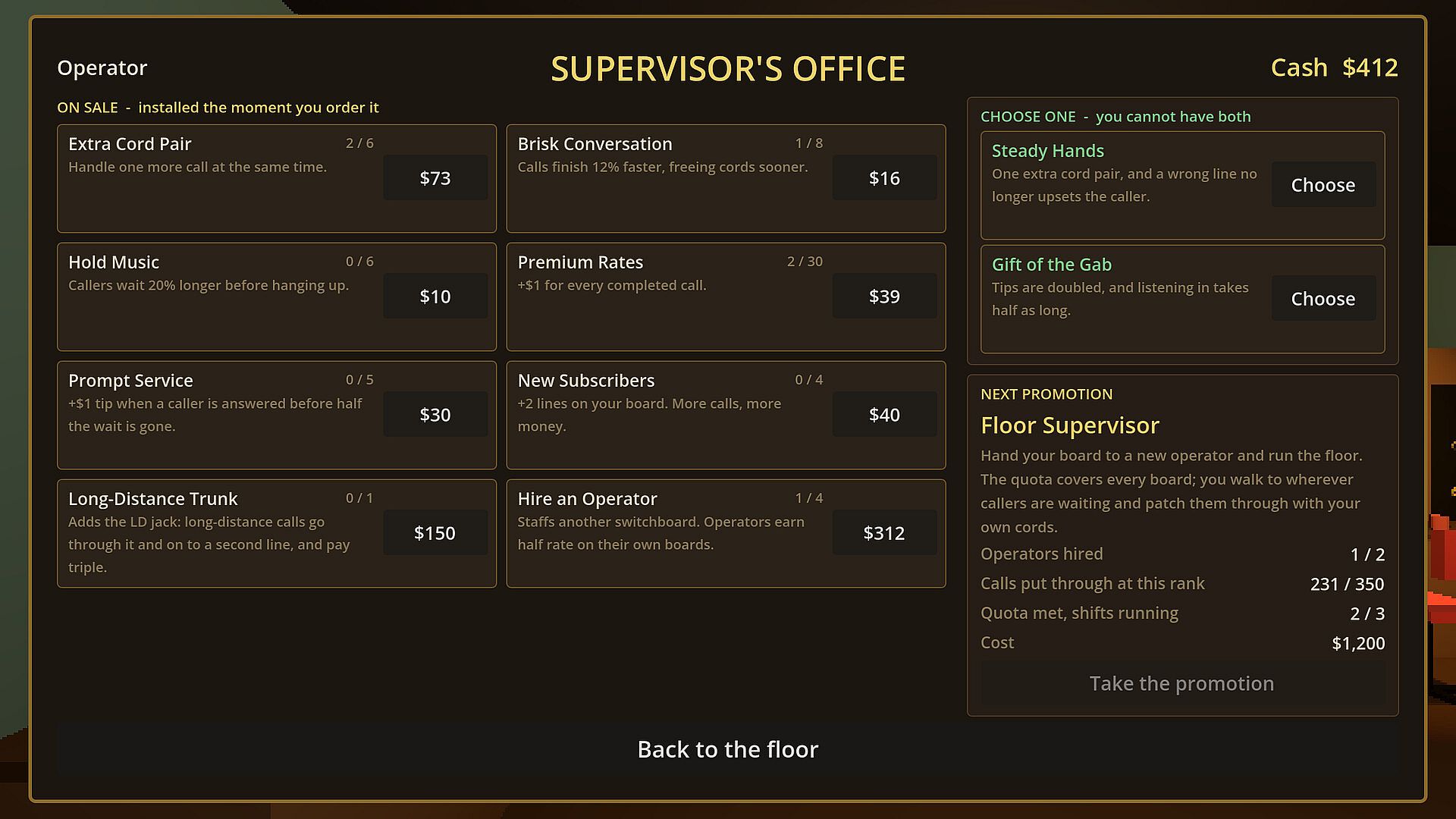
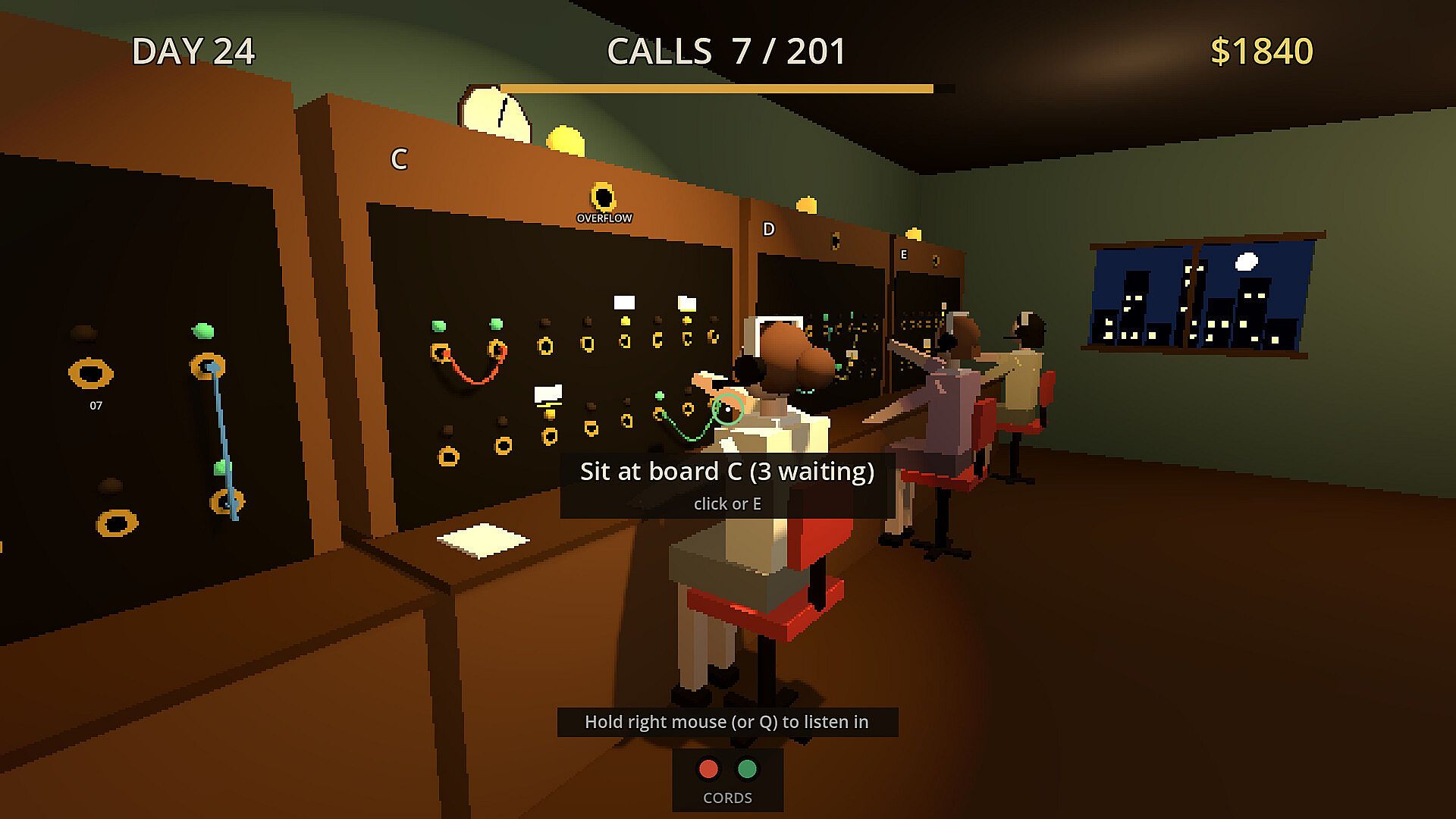
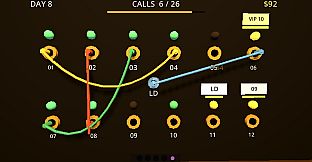
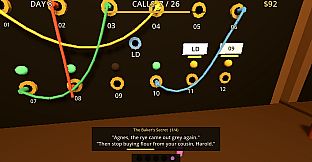
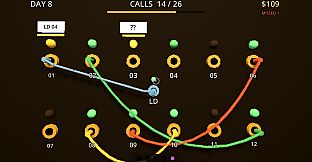
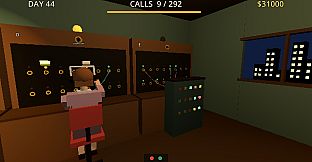
Players begin at a physical switchboard, responding to blinking lamps and paper tickets that indicate requested lines. Each connection requires selecting the correct cord and jack, with speed directly affecting quota completion and earnings for upgrades like additional cords. The first-person perspective places emphasis on manual actions such as inserting plugs and managing the board layout under time pressure.
As sessions progress, the simulation expands to include varied call types that demand quick decisions. Emergencies require immediate priority routing, while long-distance calls involve trunk lines and party lines add complexity through shared connections. Children making prank calls about refrigerators running introduce lighter interruptions amid the routine. The incremental layer allows reinvestment of earnings to expand capacity and handle higher volumes without falling behind.
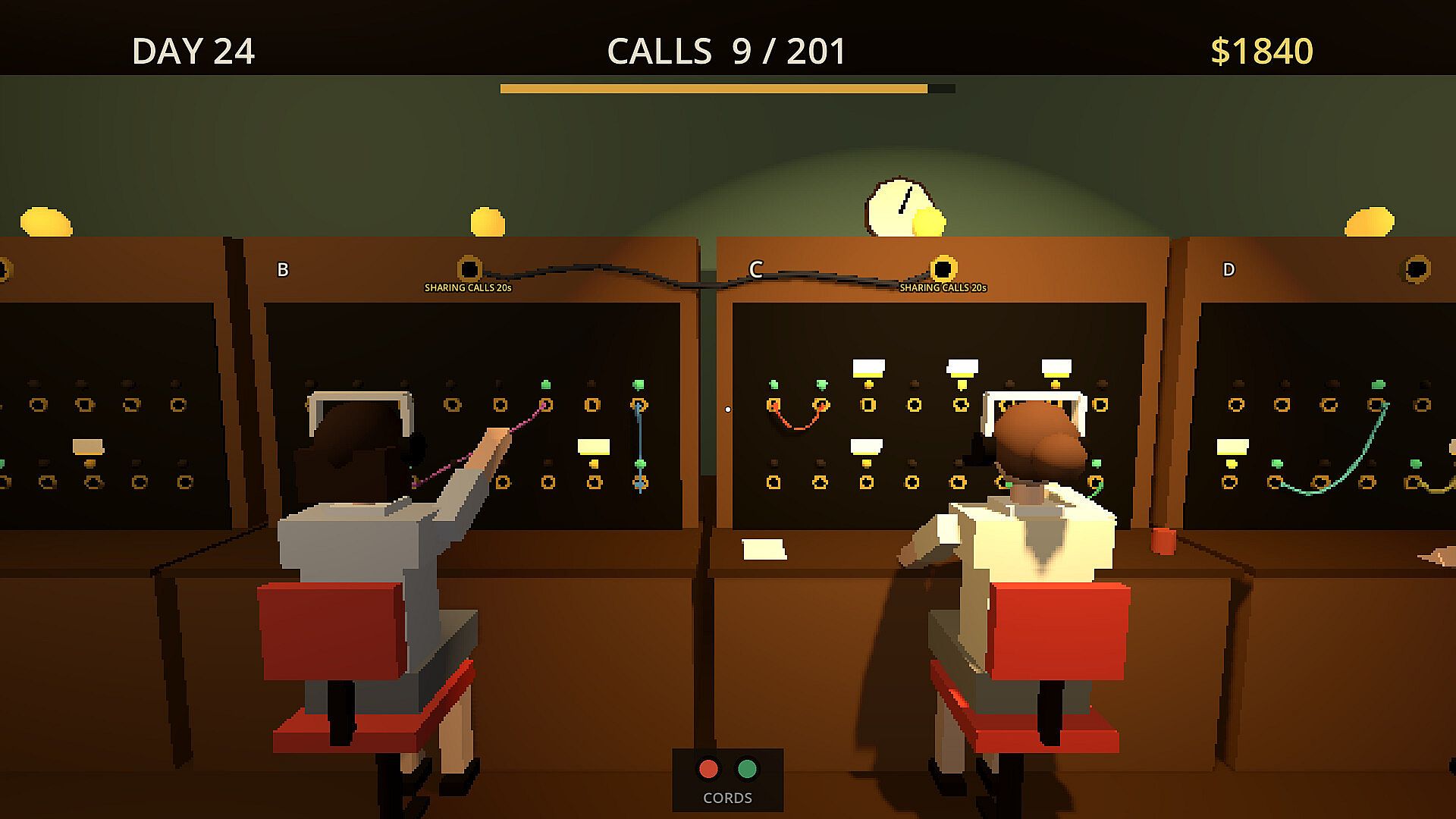
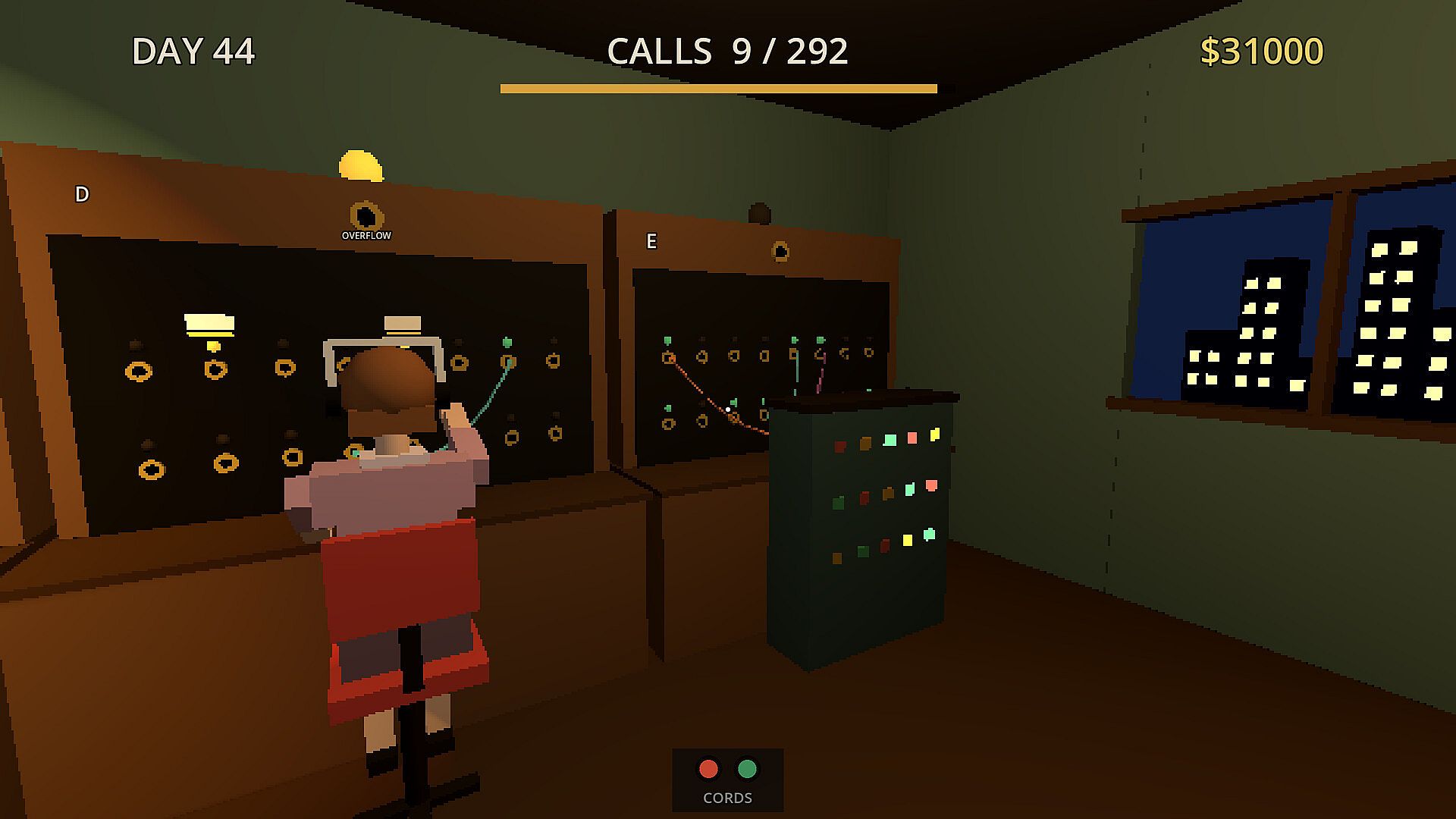
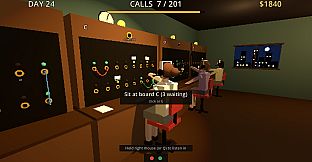
Supervisory duties introduce room management mechanics. Ringing a bell signals the need to assist slower operators by temporarily taking over boards or linking overflow cables between stations. Resetting fuses and clearing jammed cords become necessary maintenance tasks to keep the exchange running smoothly. These actions tie directly into the progression system, where performance determines advancement to positions with greater oversight.
Game Modes
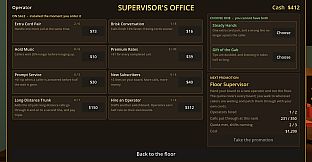
The game structures its experience around four distinct career stages that function as progressive layers rather than separate selectable modes. The initial Operator stage focuses exclusively on individual board operation and call routing speed. Floor supervisor shifts attention to team support, requiring movement between boards and intervention during bottlenecks.
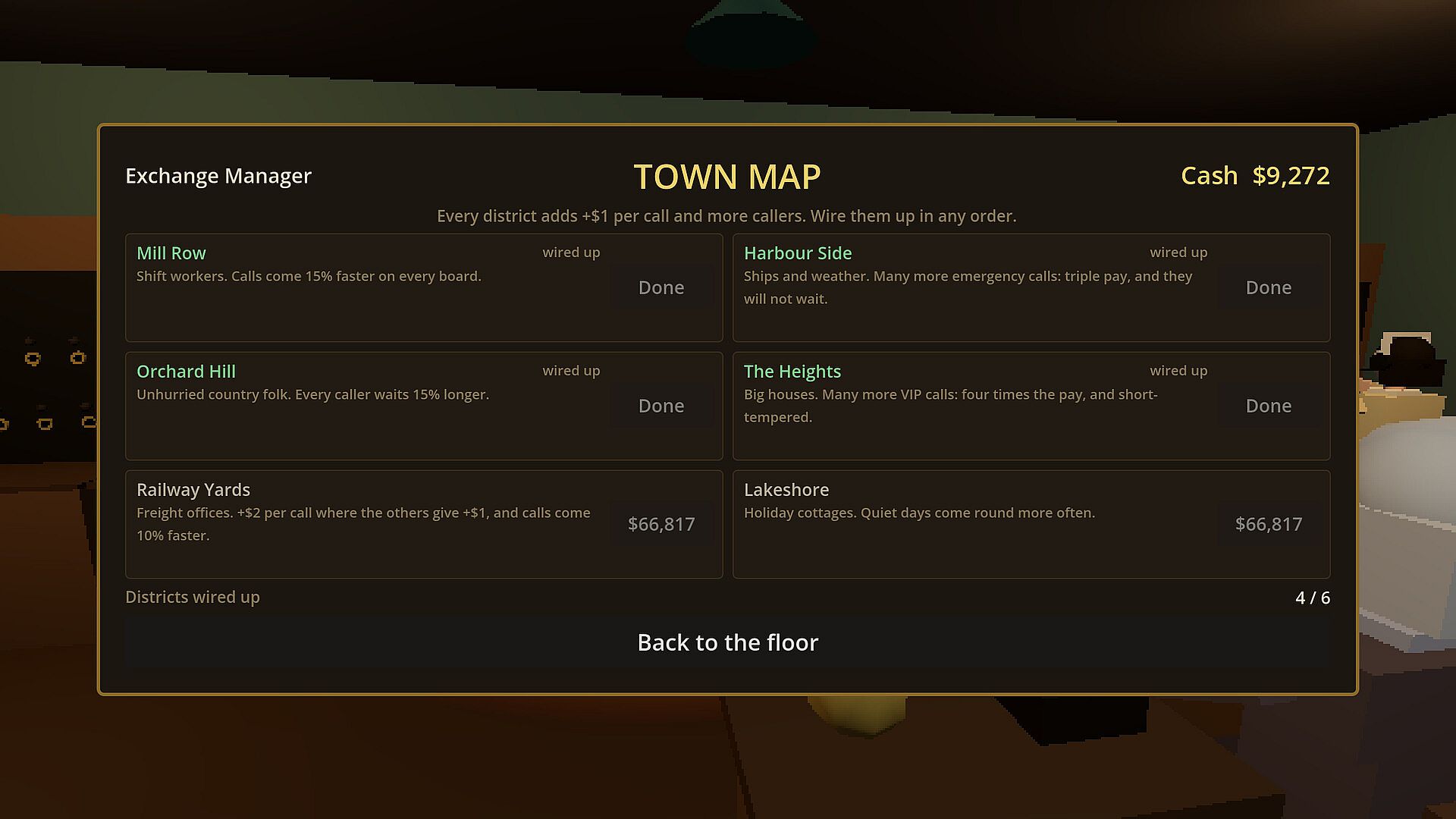
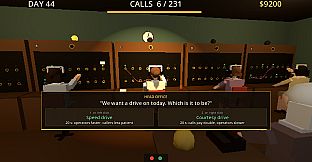
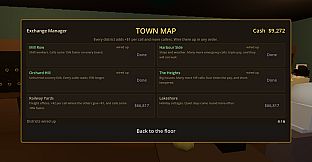
Chief operator introduces personnel management, including assigning shifts based on individual strengths and monitoring fatigue levels among the staff. The final Exchange manager role centers on infrastructure expansion, connecting new districts and setting pricing for services while fielding direct calls to the exchange itself. Each stage builds on the previous one, layering additional responsibilities onto the core cord-plugging loop.
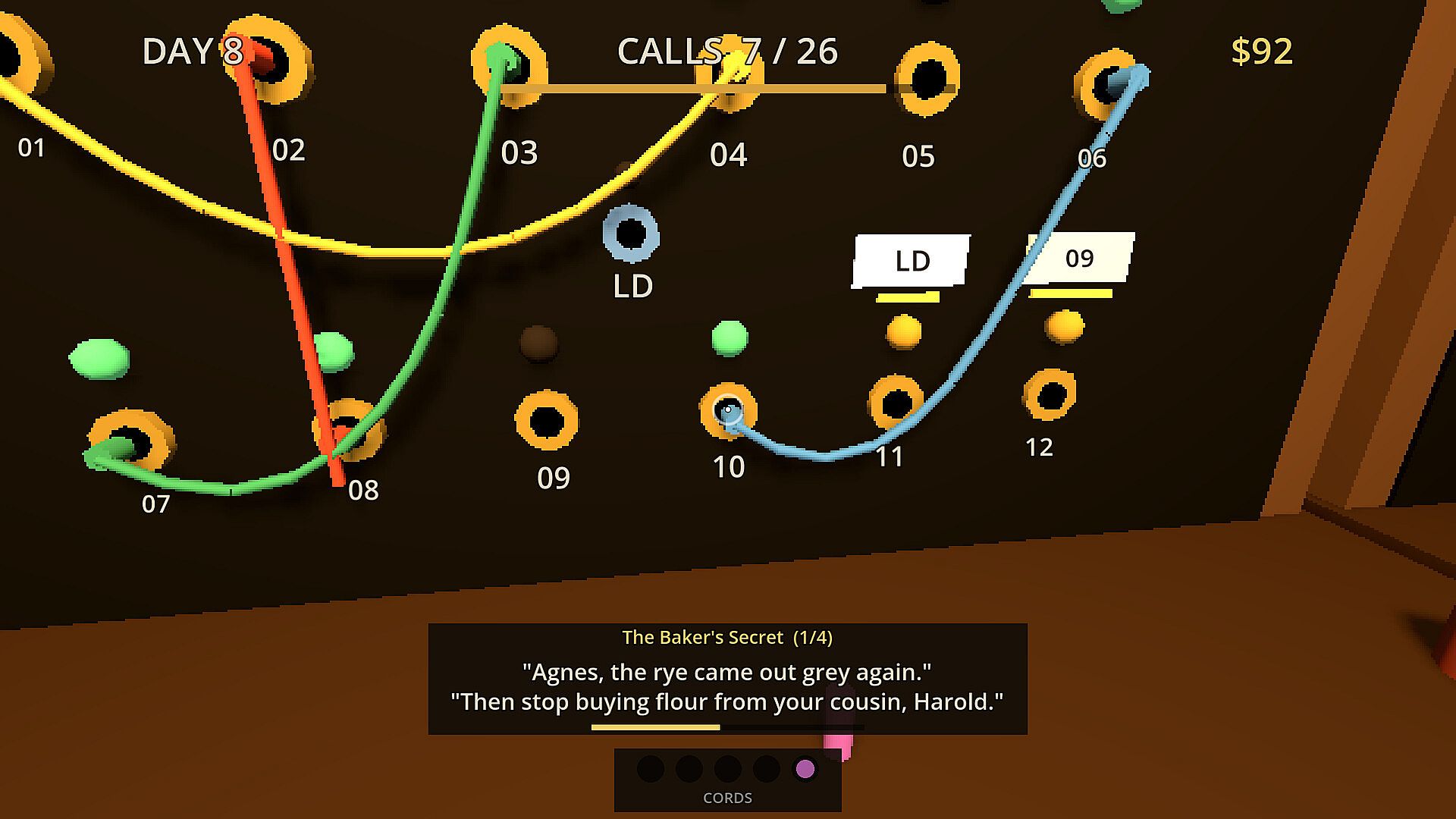
Overhearing mechanics operate across all stages. Holding lines open reveals twelve distinct small stories told through conversations, covering topics from local thefts to community reactions about incoming technology. Calls lacking ticket numbers appear periodically and are flagged as potential pranks to ignore, adding a layer of decision-making about whether to investigate further.
Narrative and Setting
The 1952 setting integrates historical context into daily operations. Events unfold in the background as players connect calls, providing a sense of time passing alongside the mechanical tasks. Day-to-day quotas and occasional special calls form the routine, while subtle inconsistencies hint at broader mysteries without disrupting the simulation focus.
Stories overheard through open lines build a portrait of the town. Details range from everyday concerns like a stolen musical instrument to larger shifts such as the arrival of a new doctor or opinions on emerging machinery. These elements remain optional but reward attentive players who pause routing to listen.
Is It Worth Playing?
Putting You Through targets players interested in deliberate, hands-on simulation experiences with incremental growth. The progression from basic operator tasks to full exchange management offers a clear sense of advancement through expanded responsibilities and board complexity. Those who enjoy managing systems under quota pressure while uncovering light narrative threads through ambient conversations will find the structure engaging.
Because the game remains in a pre-release state with no completed player feedback available, suitability depends on preference for the described mechanics. The single-player format and focus on methodical cord connections suit short or extended sessions centered on efficiency and role expansion. Availability on PC supports straightforward access once launched, with built-in achievements providing additional goals for completionists.