









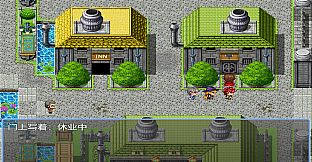
Pulse of Y is a turn-based role-playing game built around precise control of battle rhythm and sequence. Players guide a party through encounters where every action order, skill timing, and status duration matters for keeping momentum intact. The design prioritizes maintaining an unbroken flow of turns rather than simple offense and defense exchanges.
Gameplay
Combat unfolds in distinct rounds where the player manages the sequence of moves across the party. Enemies actively interfere by shifting action order or creating gaps in available skills. Success depends on chaining abilities, reserving turns for critical moments, and timing bursts to prevent the overall rhythm from breaking. Different enemy groups introduce unique disruptions that force adjustments between aggressive suppression and careful pacing.
Progression grants additional tools for rhythm adjustment. These include options to reorder actions, reduce cooldowns on key abilities, and open windows for consecutive moves. The result is a system that rewards foresight in planning turn structures while adapting to interruptions. Battles remain coherent even under pressure because the focus stays on continuity rather than isolated exchanges.
The single-player campaign emphasizes these mechanics across a series of encounters. Character development expands the range of rhythm manipulation options, allowing more complex sequences as the game advances. Resource management centers on maintaining the pulse of the fight instead of traditional health or mana pools alone.
Game Modes
The experience centers on a linear single-player campaign. All content revolves around the core turn-based battles with their rhythm focus. There are no separate multiplayer components or side activities confirmed beyond the main progression through encounters.
Players advance by overcoming successive enemy configurations that test different aspects of sequence control. The structure builds familiarity with basic timing before introducing layered disruptions that require layered responses. This keeps the emphasis on refining personal battle cadence throughout the campaign.
Core Mechanics and Progression
Action order forms the foundation of every fight. Players arrange party turns while anticipating enemy attempts to reorder or delay them. Skill timing adds another layer, as certain abilities only deliver full value when used in specific windows without leaving gaps for opponents to exploit.
Status effects and cooldowns extend across multiple rounds, creating ongoing considerations for continuity. The player must decide when to insert defensive or supportive moves to protect the overall flow. Later abilities allow direct intervention in the turn structure itself, turning potential breaks into opportunities for extended sequences.
Enemy variety ensures repeated encounters do not feel repetitive. Each new group presents distinct rhythm challenges that reward observation and adaptation over brute repetition of the same strategy.
Is It Worth Playing?
Pulse of Y suits players who already enjoy traditional turn-based RPGs and want deeper strategic layers around timing and sequence management. The combat loop rewards careful planning of turn orders and skill chains while punishing lapses in rhythm control.
Those drawn to systems that emphasize foresight and adaptation over straightforward damage races will find the focus on battle pulse engaging. The single-player structure delivers a contained experience centered entirely on refining these mechanics across escalating encounters.
Because the game offers no confirmed multiplayer modes or additional content types, it appeals most to solo players seeking a deliberate, rhythm-driven take on the genre. The absence of external ratings or update details means expectations should rest on the described combat emphasis alone.
