




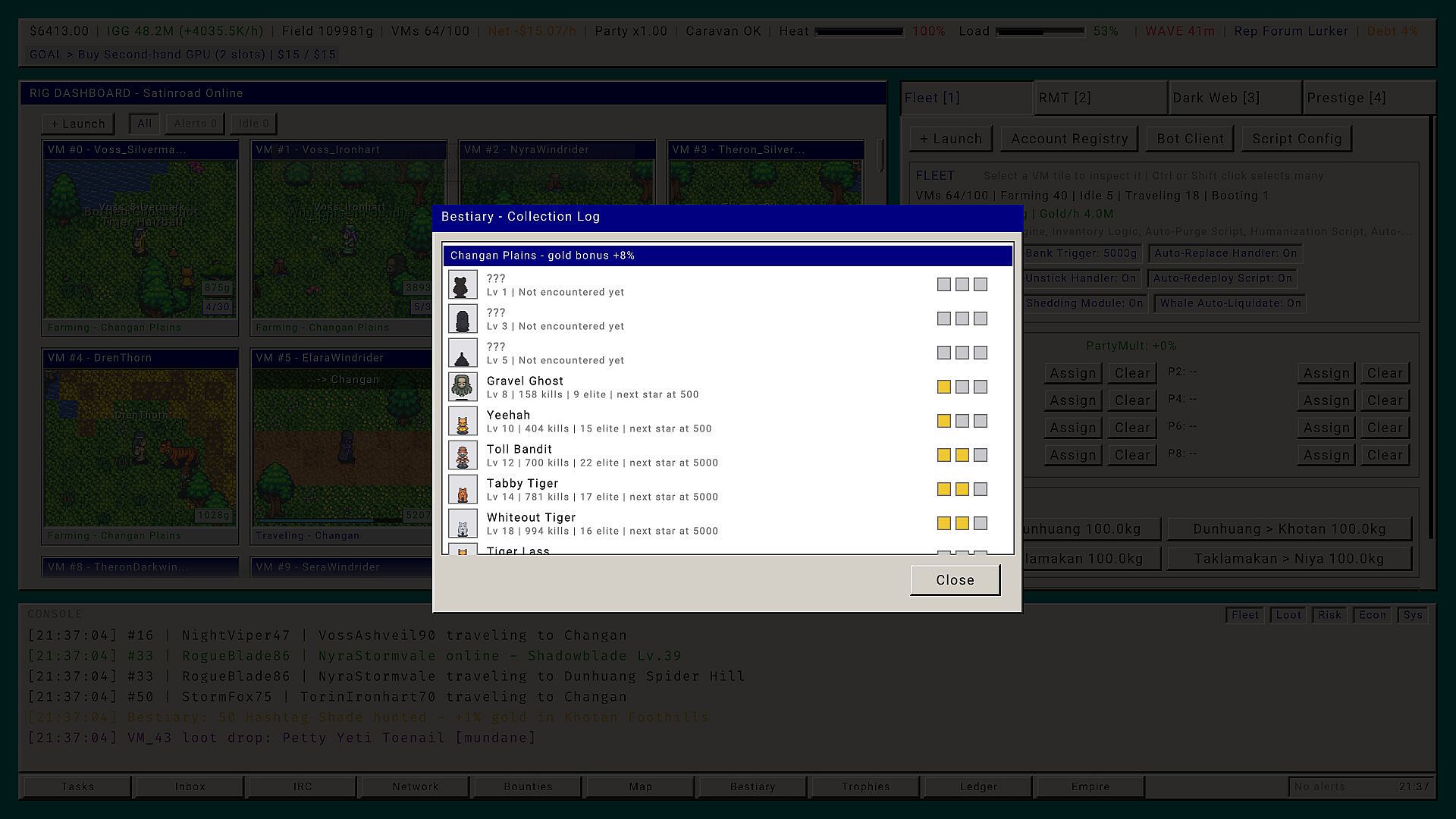
Project BOTNET is an indie simulation idle tycoon game set on PC where players manage a hidden operation farming gold inside the fictional MMORPG Satinroad Online. The experience places the player behind an old-school desktop interface rather than in the role of a hero character. Instead, the focus stays on the systems that disrupt the virtual world for others by flooding zones with automated accounts.
Gameplay
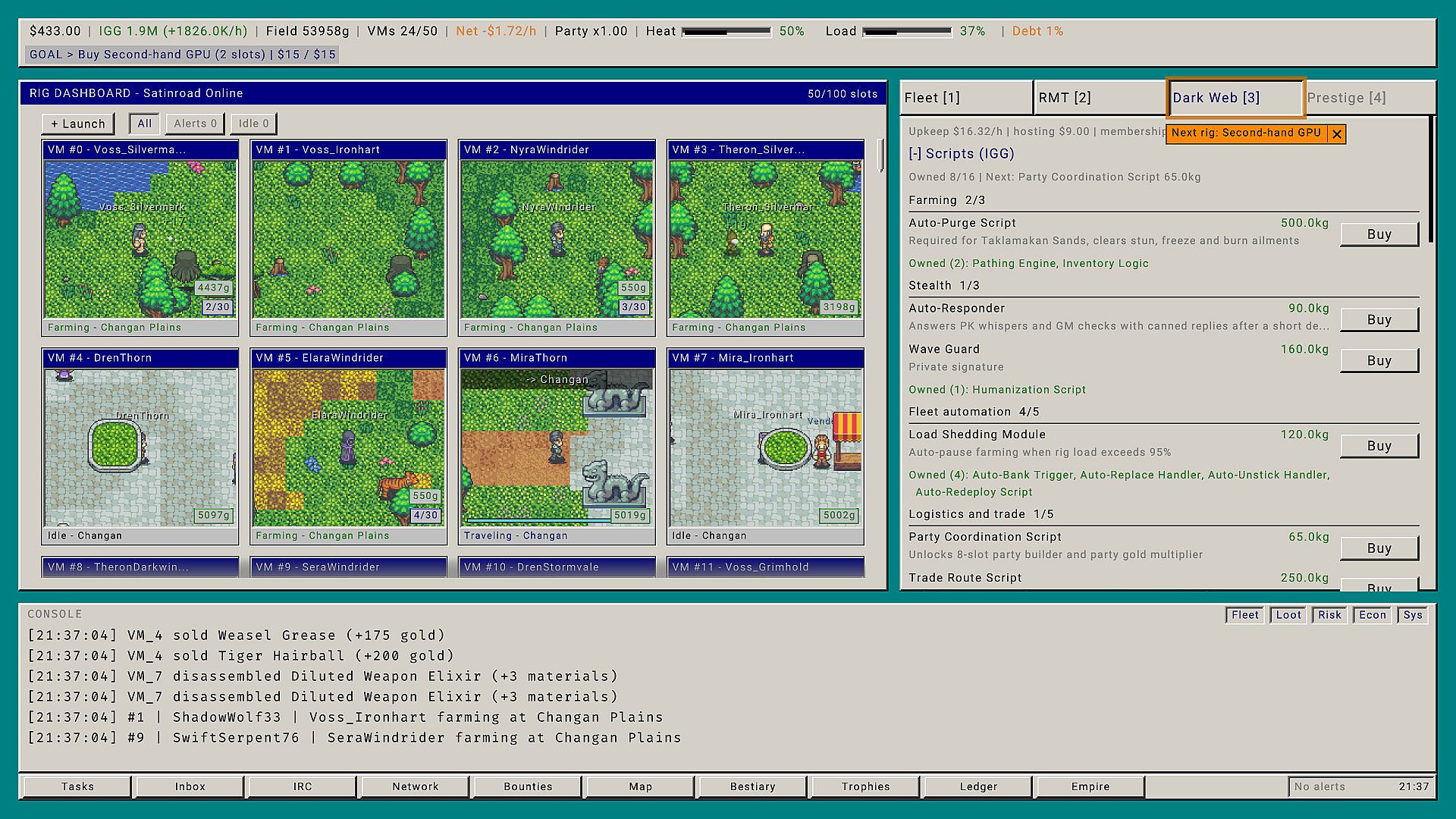
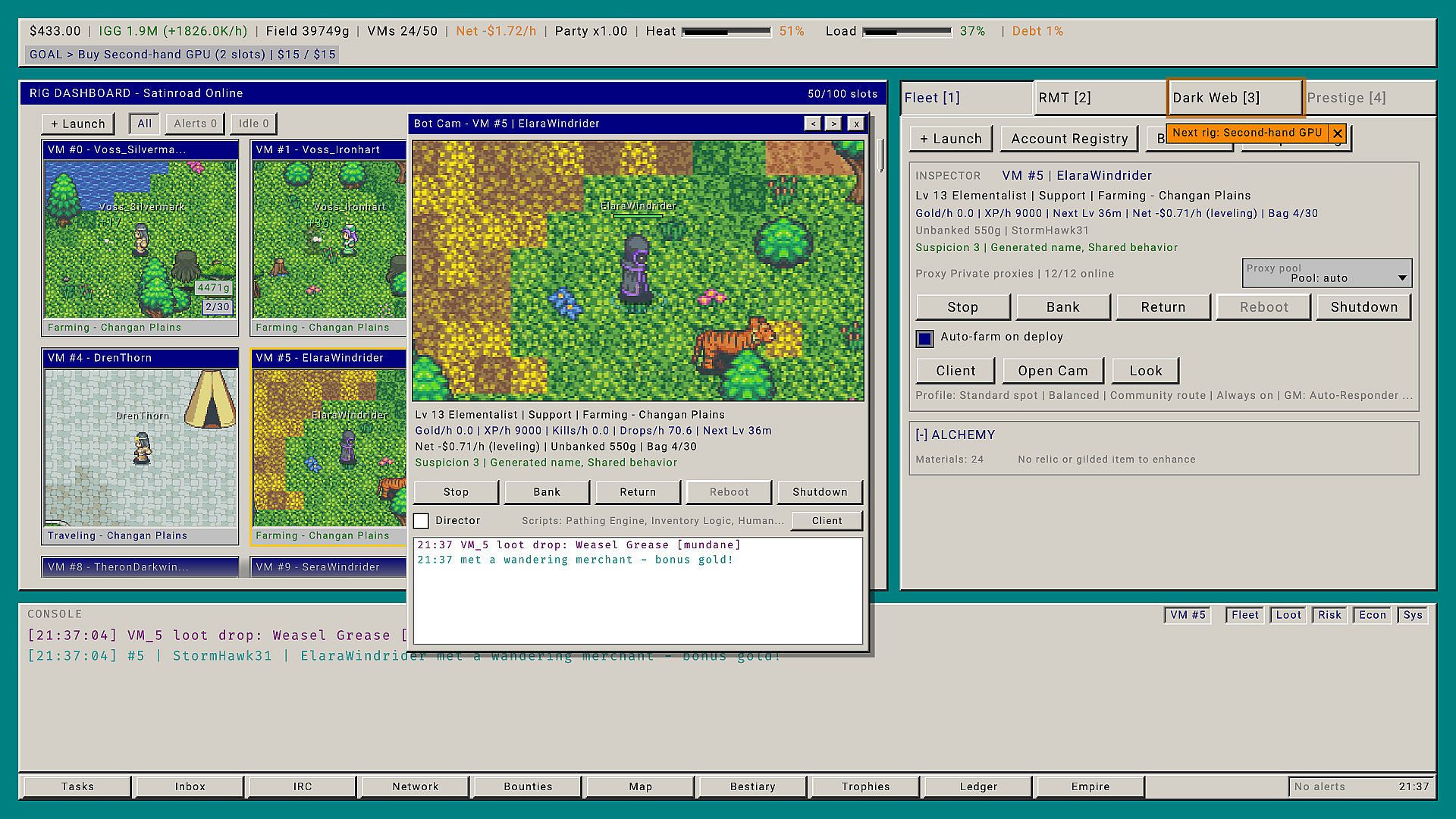
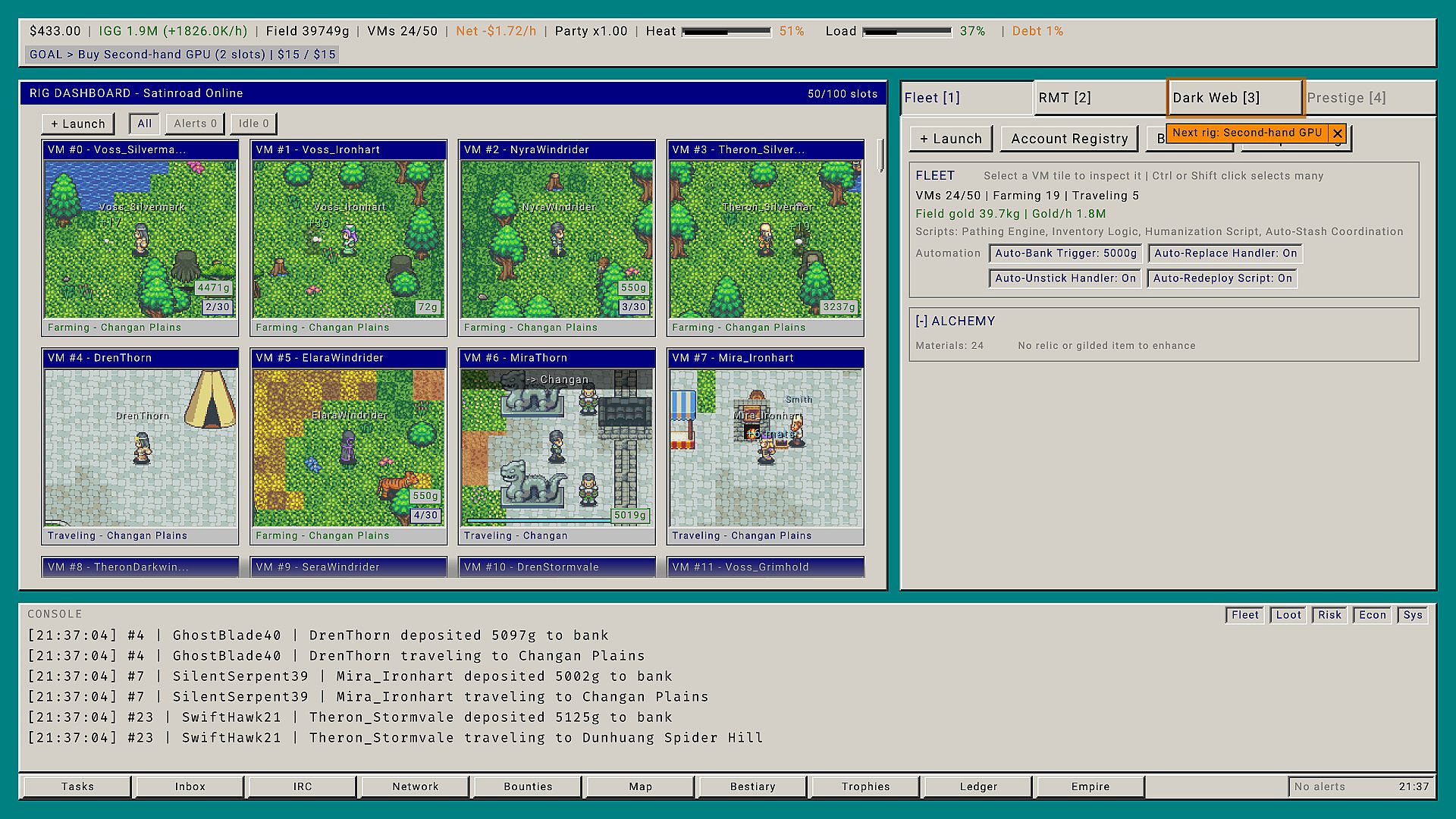
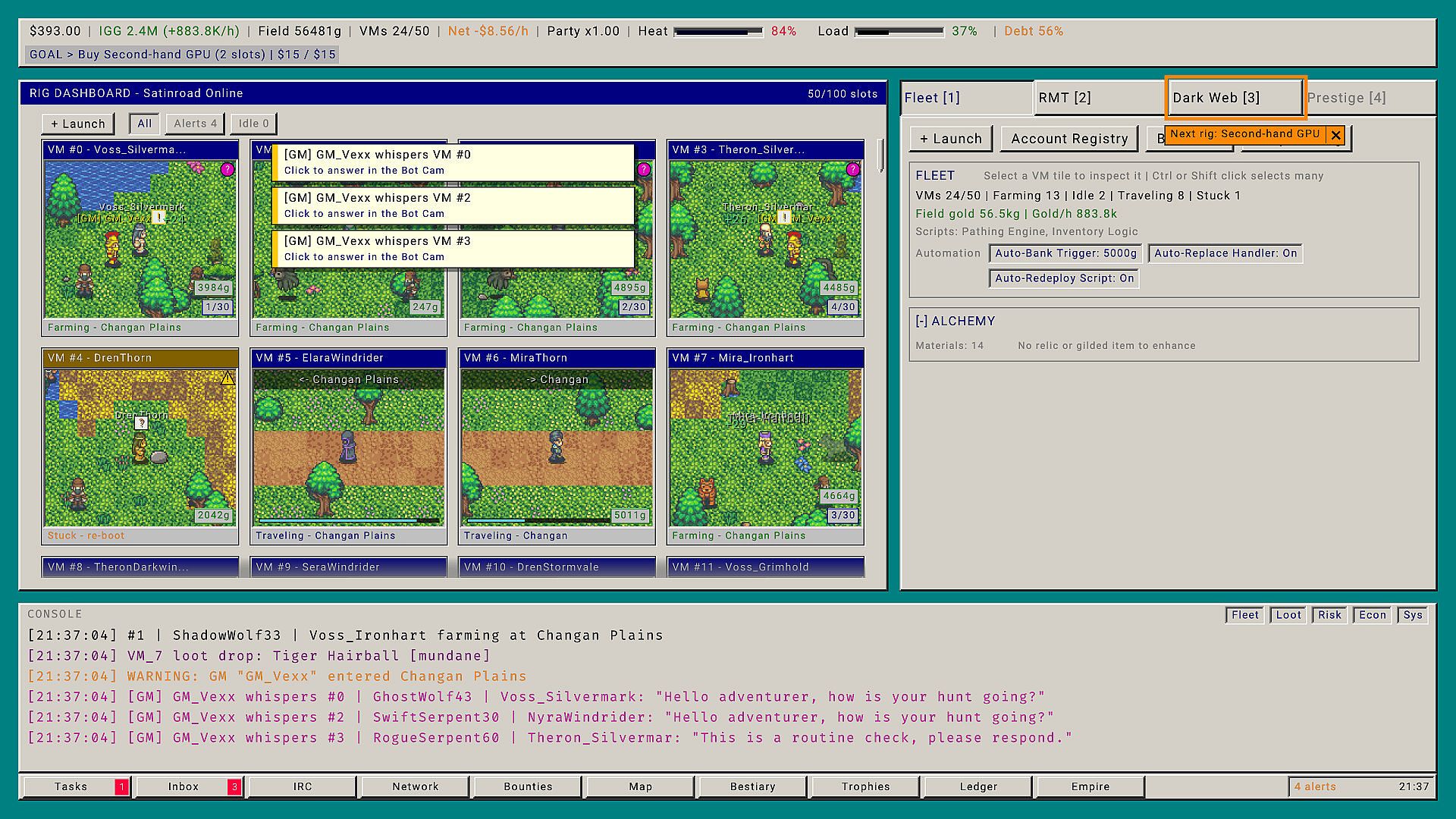
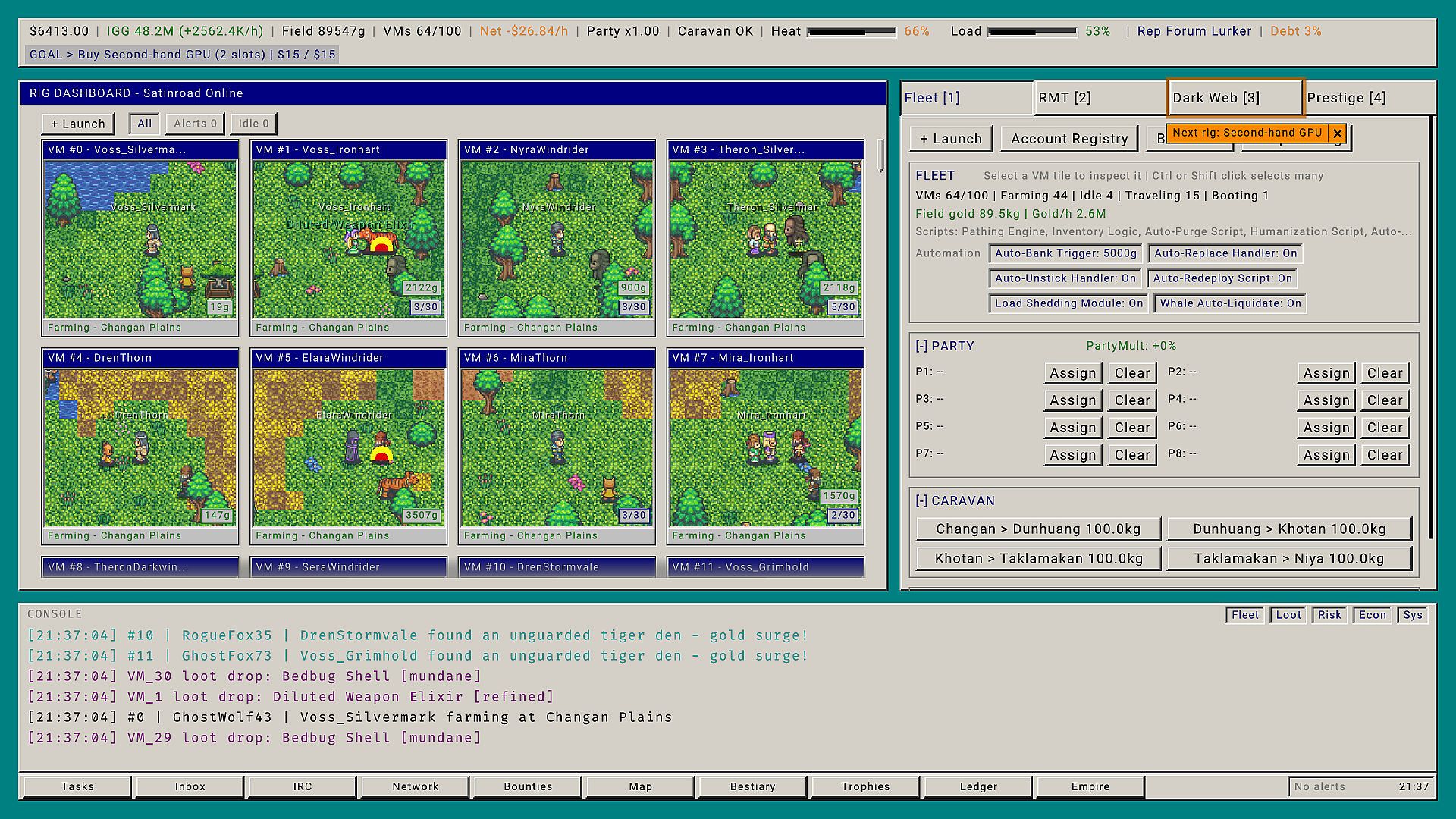
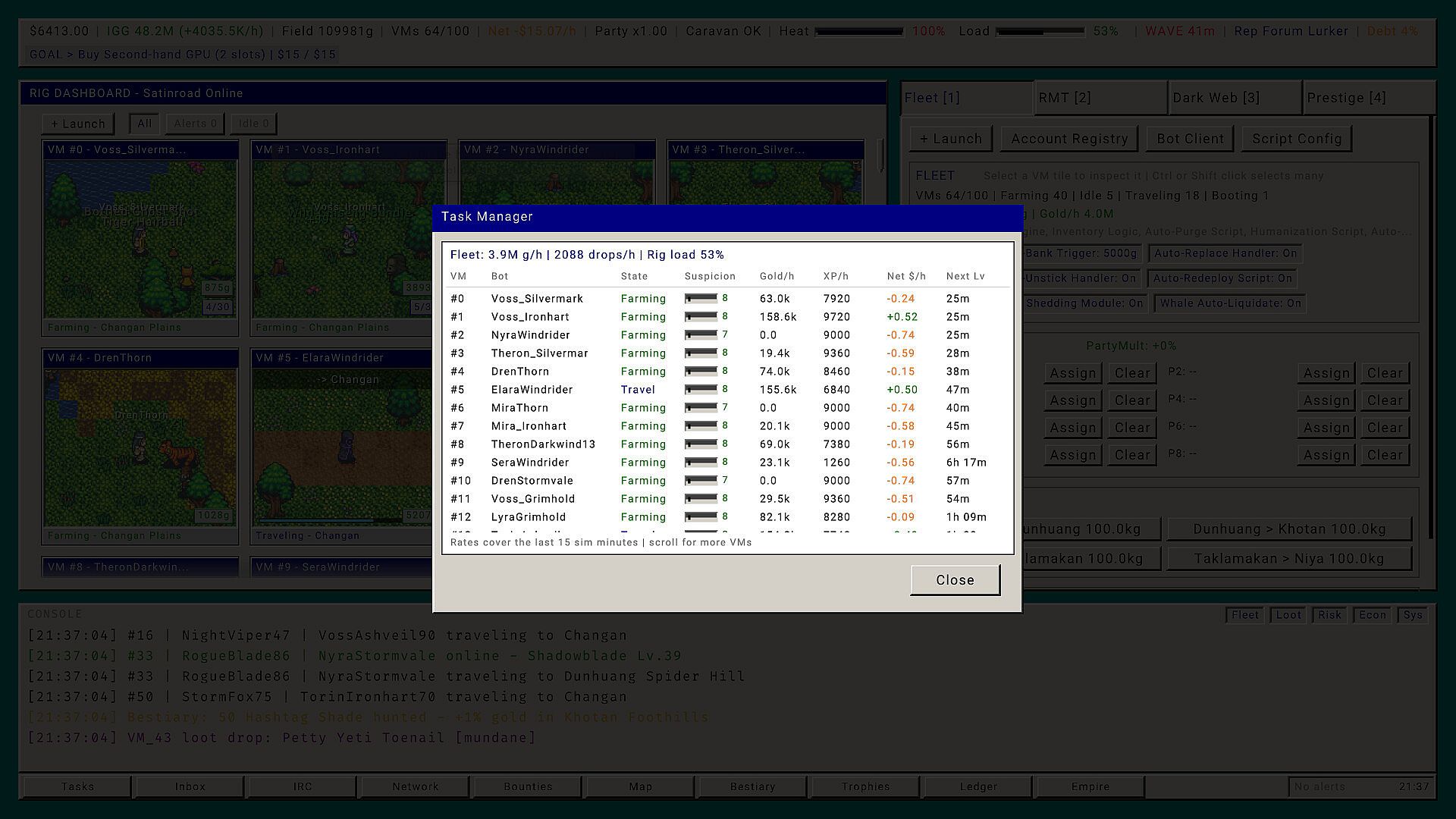
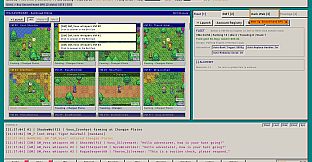
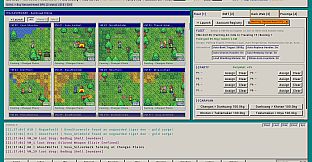
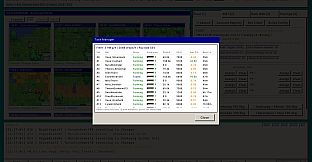
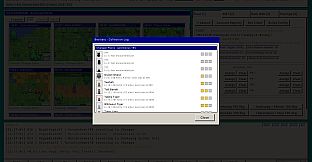
The core loop centers on launching and maintaining fleets of virtual machines, each running its own bot account. Players assign classes, roles, and grinding zones to individual bots before sending them out to gather resources. Every machine appears as a small live window showing the bot in action, complete with combat, looting, leveling, and occasional pathing issues like getting stuck on obstacles before returning to town to deposit items.
Resource management extends beyond simple collection. Gold gathered by the bots can be sold to other players for real-world currency, which then funds upgrades purchased through dark web channels. These purchases include improved hardware rigs, proxy services for better anonymity, and automated scripts that handle routine oversight tasks. The desktop setup expands over time, allowing more simultaneous machines to operate without constant manual intervention.
Risk elements add tension to the management process. Bots that behave too predictably generate heat, drawing attention from in-game GMs who may issue warnings or trigger account actions. Script failures from patches or sudden ban waves can wipe out entire groups of machines. Players respond by adjusting bot behavior patterns, cycling through different proxy setups, and deciding when to shut down operations temporarily to avoid detection.
Game Modes
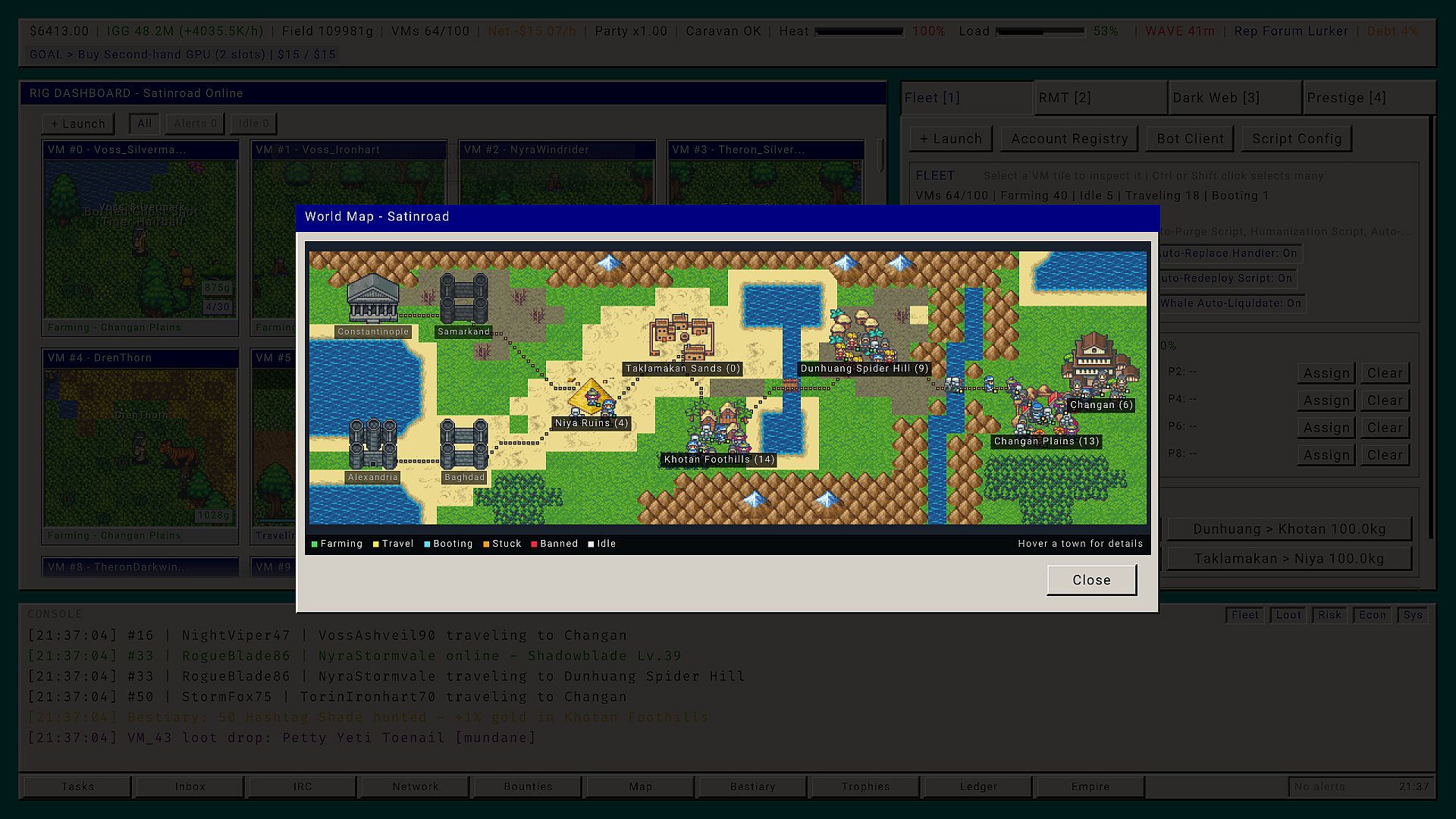
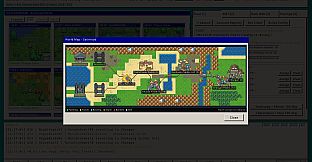
Project BOTNET structures its activities around scaling an operation from a single personal computer to larger industrial setups. Early stages involve manual assignment of bots across limited zones while monitoring individual performance through the live windows. As the setup grows, players coordinate multiple bots to cover different areas simultaneously, including running resource caravans between zones and attempting to influence the in-game economy through auction house activity.
Later progression shifts toward sustaining the operation across server resets. When the fictional economy shows signs of strain from the bot activity, the entire fleet can be relocated to a new server instance to continue farming without the accumulated heat from prior actions. The single-player format keeps all decisions within this management framework, with no separate competitive or cooperative layers.
Progression and Risk Management
Advancement comes through iterative upgrades to the physical and software infrastructure supporting the bots. Starting with basic virtual machine slots on a bedroom PC, players expand to racks capable of handling dozens of instances. Each layer of improvement reduces the need for direct oversight while increasing output, provided the heat level stays controlled.
Mechanics around detection create ongoing decisions. Humanizing bot movements, rotating connection details, and monitoring for signs of incoming enforcement actions all factor into long-term survival. The game emphasizes timing and restraint over unchecked expansion, as overreaching can lead to rapid losses of progress.
Is It Worth Playing?
Project BOTNET remains unreleased with a date listed as to be announced and currently shows no user reviews. The described systems appeal to players who enjoy idle management simulations that incorporate risk and concealment elements. Those interested in tycoon-style resource loops combined with incremental expansion and occasional crisis management may find the premise engaging once it launches. Availability is limited to the single-player PC version at this stage, with no confirmed additional features or post-launch support details. The game suits a niche audience seeking a focused simulation of underground virtual economy operations rather than direct action or narrative-driven experiences.