




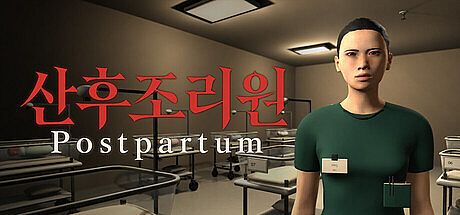


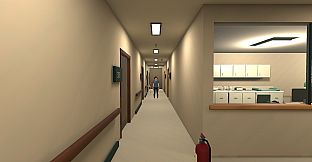
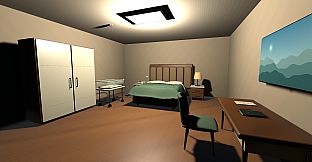
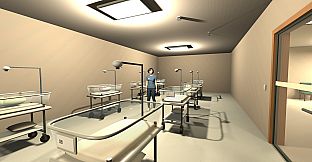
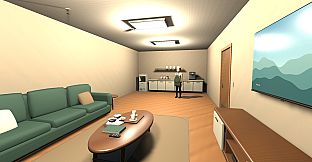
Postpartum is an indie first-person psychological horror game set in a Korean postpartum care center. Players step into the role of a new mother spending five days recovering with her newborn, navigating daily routines while unsettling events unfold around her.
Gameplay
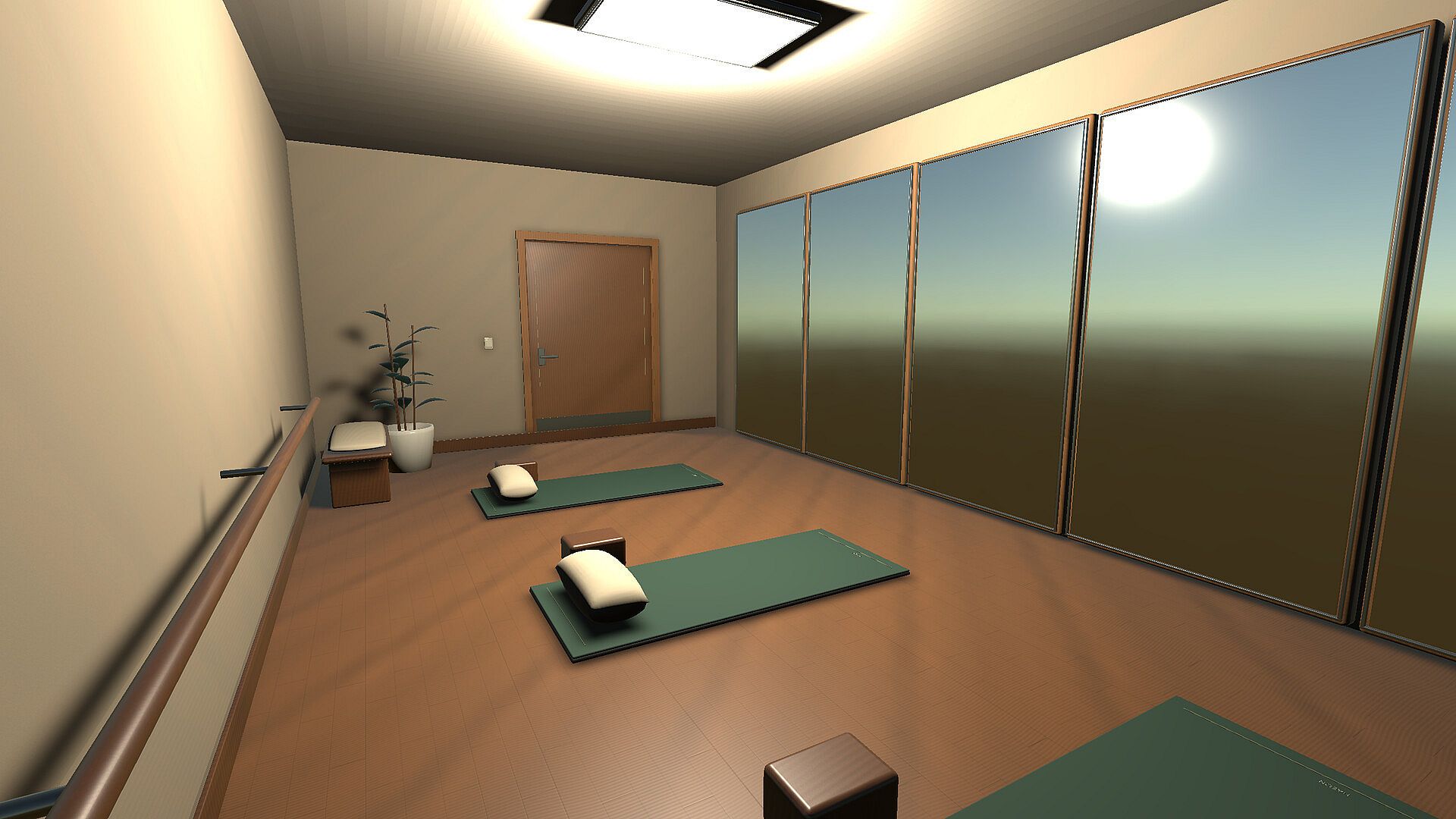
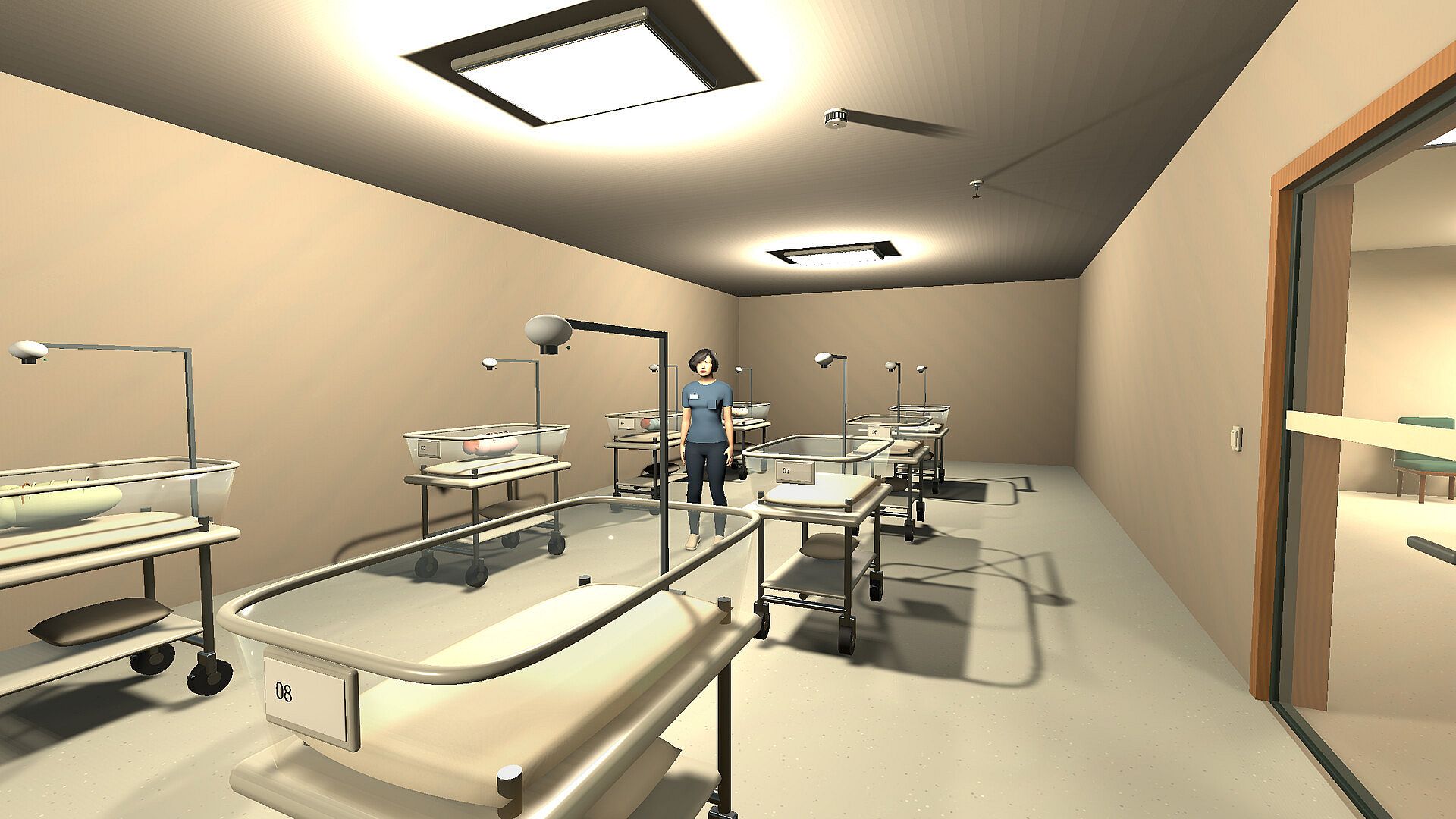
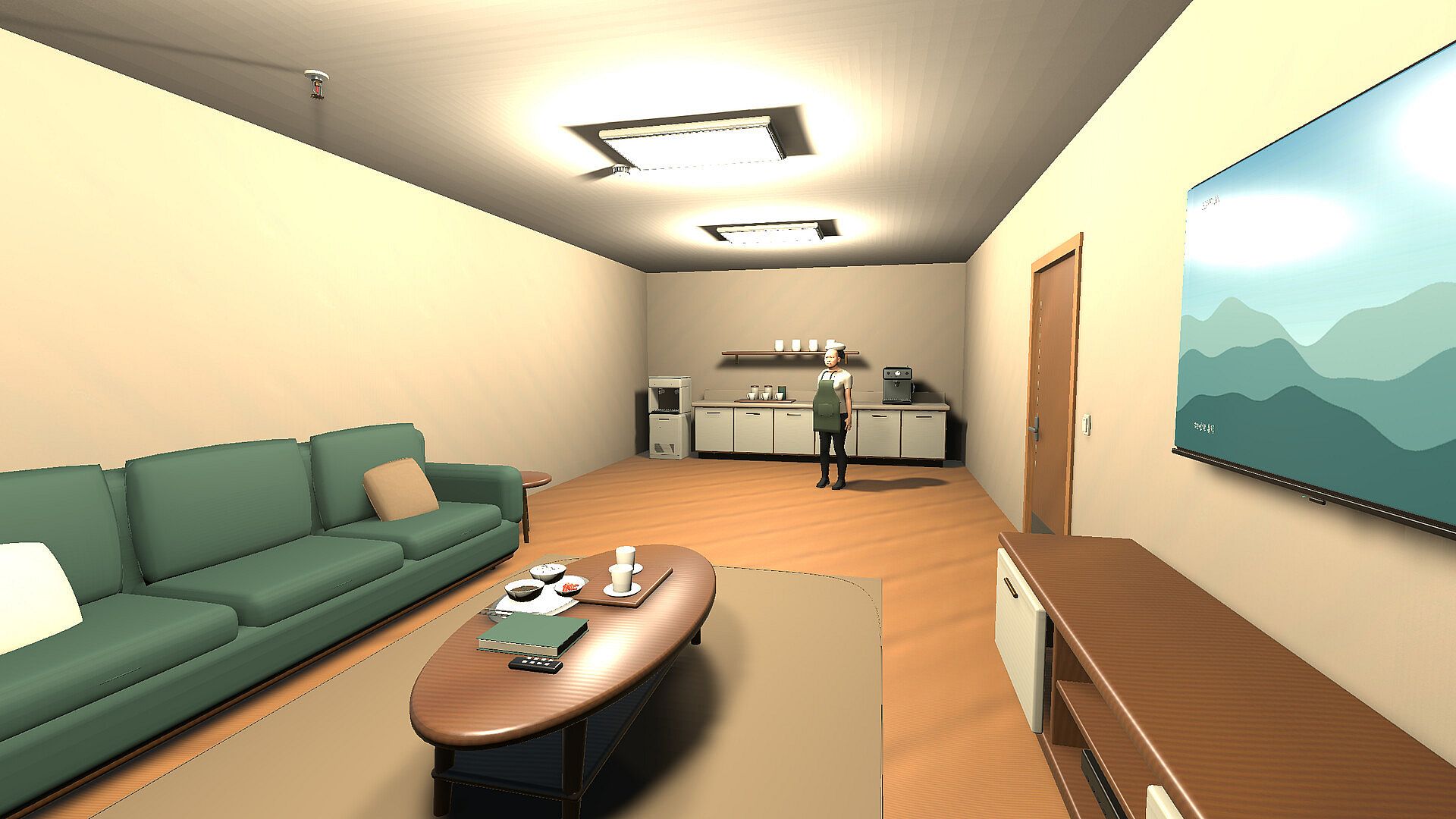
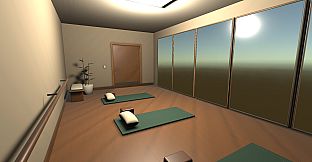
The core loop revolves around structured daily activities inside the care center. Each day involves eating meals at set times, nursing the baby, attending a photo shoot for the newborn, and participating in yoga sessions for meditation. These routines create a grounded rhythm that gradually gives way to tension as the player notices inconsistencies in the environment and conversations.
Interaction forms the heart of progression. Players speak with other residents on the floor, including the mother next door, the cook, and the photographer. Even during sleep sequences, activity continues elsewhere in the facility, heightening the sense that something remains hidden. Clues emerge through phone messages, records, and overheard remarks that initially seem ordinary but gain new meaning upon later reflection.
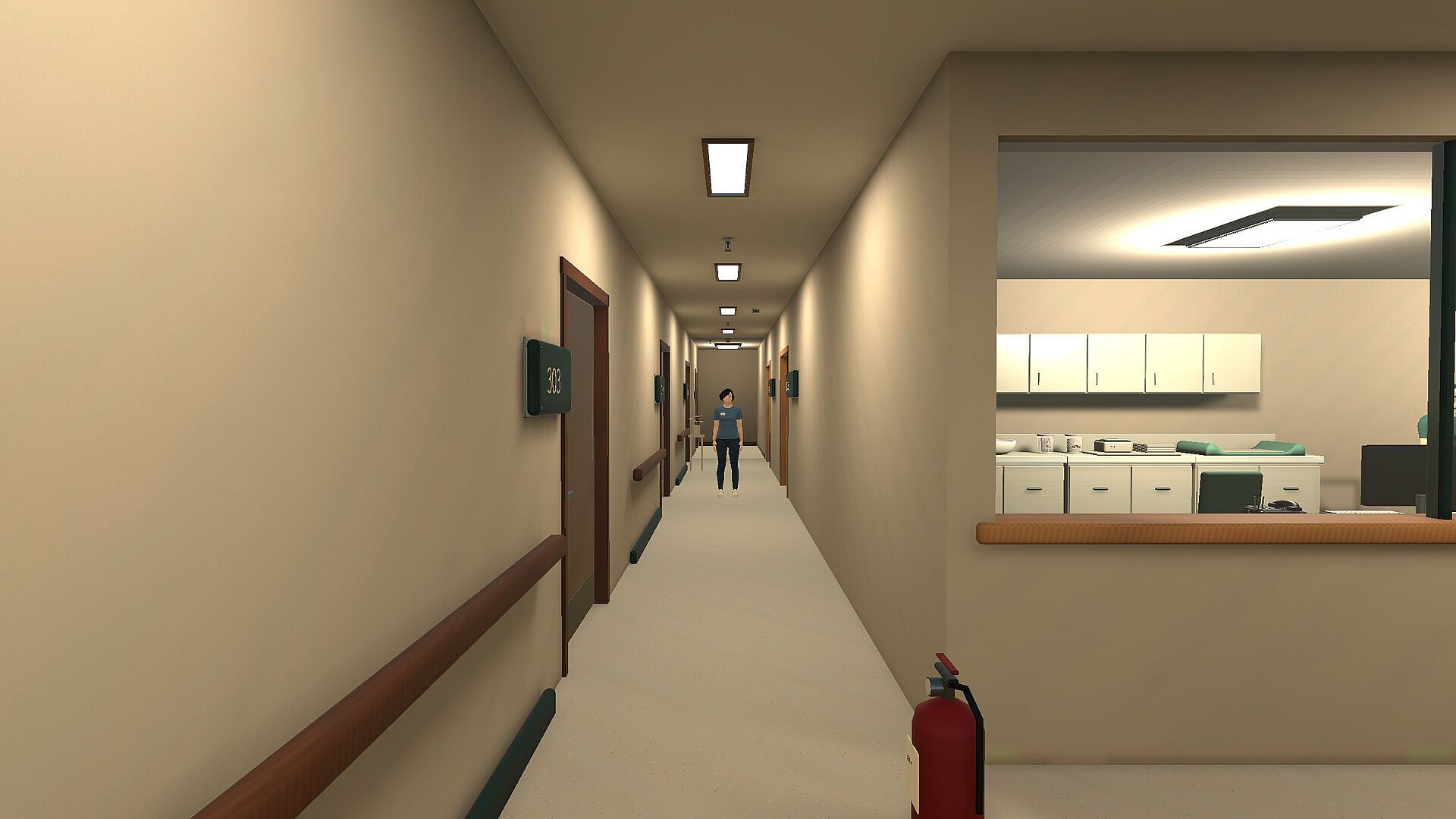
Exploration stays focused within the care center floors. The day-by-day save system lets players resume from the start of each day, encouraging careful observation without forcing restarts from the beginning. Controls follow standard first-person conventions with WASD for movement, shift to run, E to interact, tab to check the phone or answer calls, and escape for the pause menu.
Game Modes
Postpartum delivers a single-player narrative experience built around a five-day stay. There are no separate multiplayer or competitive modes. The structure emphasizes story progression through routine actions and decision points that influence the outcome.
Three distinct endings await depending on which details the player investigates and which choices they make during conversations or examinations of records. A first playthrough typically lasts one to one and a half hours, with the day-by-day saves supporting efficient replays to uncover alternate conclusions.
Atmosphere and Narrative Design
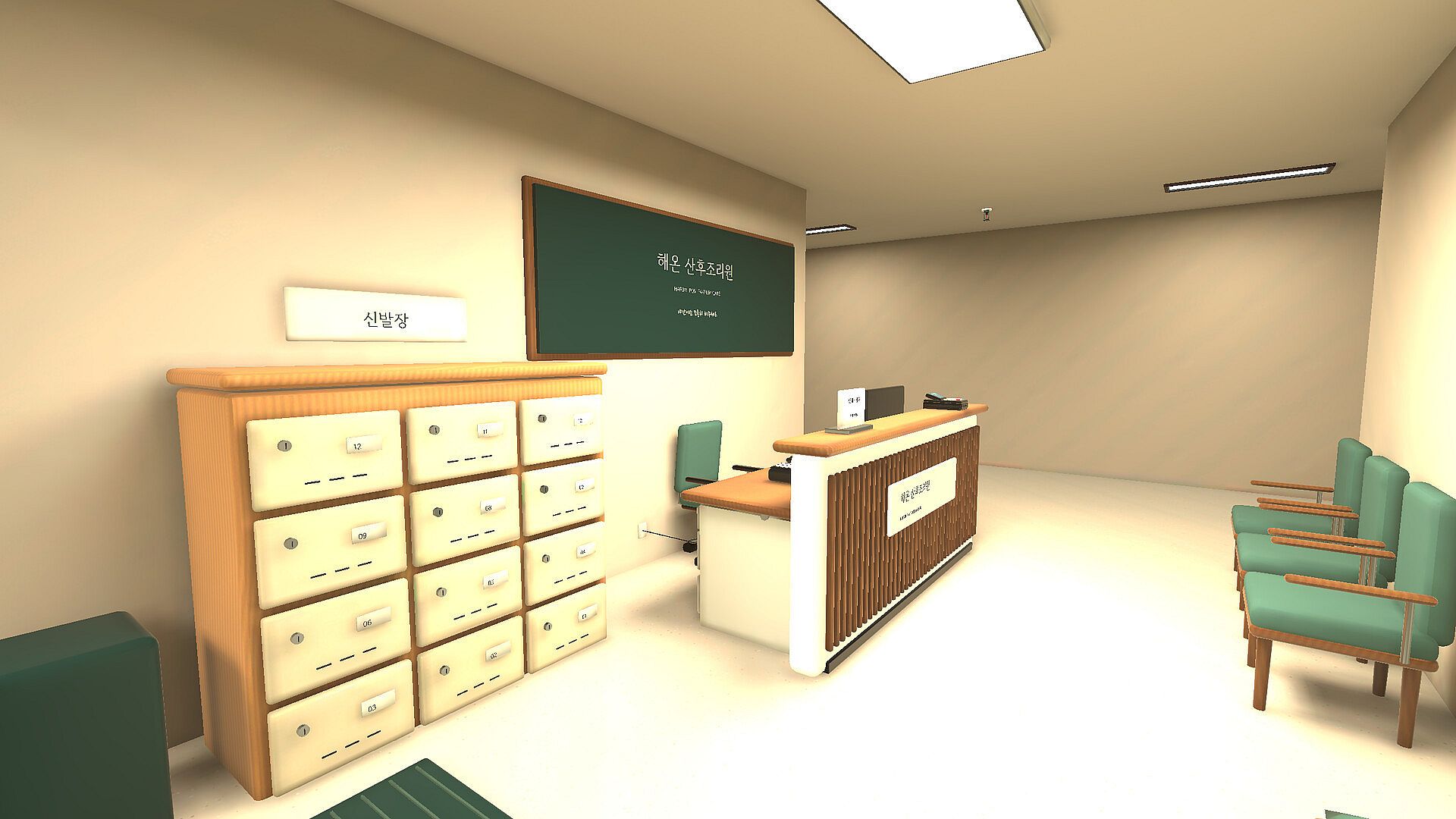
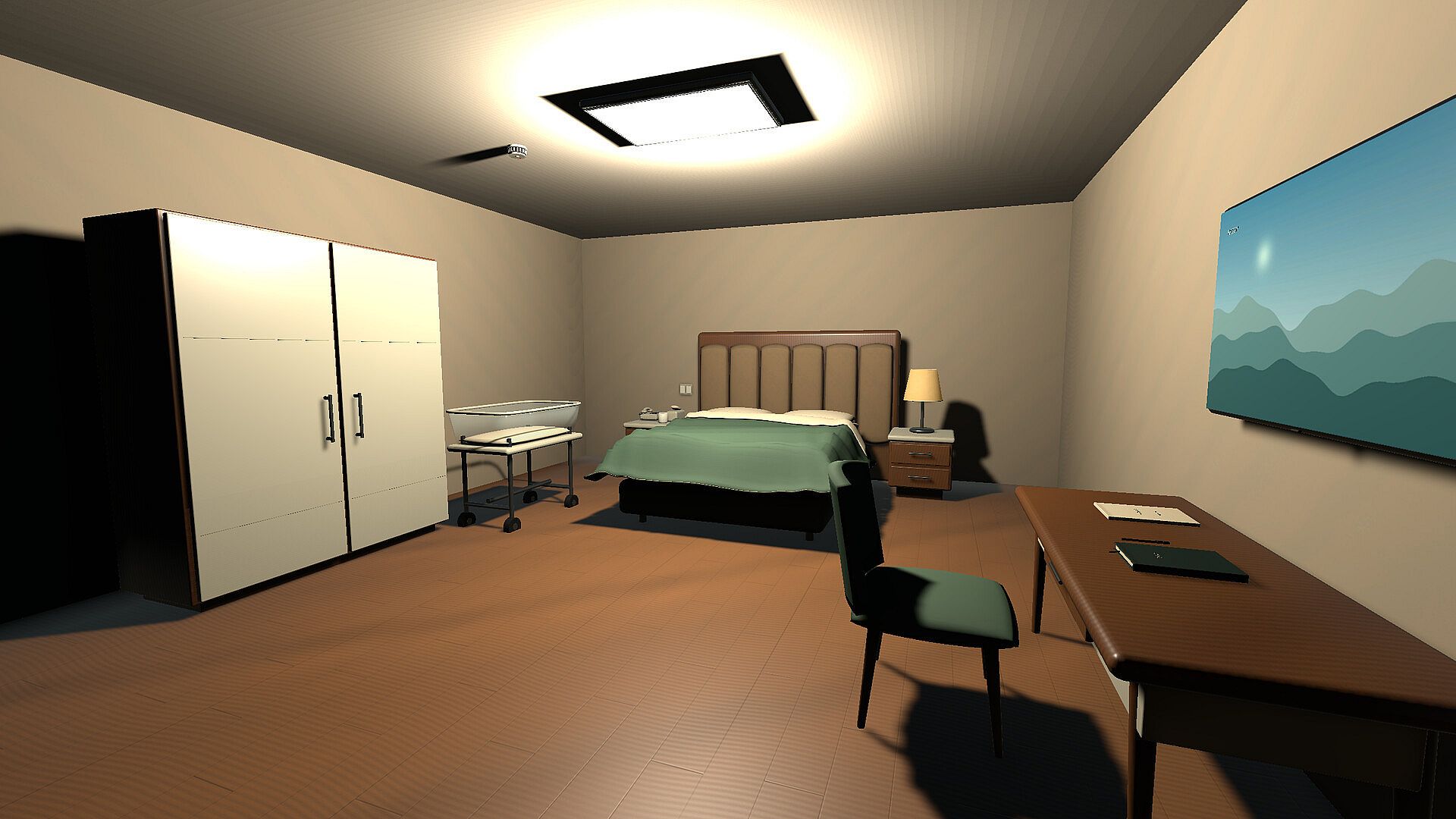
The setting draws directly from the unique Korean concept of a sanhujoriwon, a dedicated facility where mothers and infants remain together for recovery and professional care. This backdrop grounds the horror in everyday postpartum realities such as scheduled feeding times and staff handoffs at night.
Psychological tension builds through subtle shifts rather than overt scares. A nurse replacement introduces kindness toward the baby alongside lingering doubts from nighttime sounds and passing comments. The game rewards attention to dialogue and environmental details, turning routine interactions into sources of growing unease.
Is It Worth Playing?
Postpartum suits players who enjoy short, focused psychological horror centered on personal perspective and branching outcomes. Its compact length and emphasis on observation over action make it accessible for those seeking a contained story that changes based on investigation choices. The day-by-day structure supports multiple completions without excessive repetition, and the three endings provide clear replay motivation for anyone interested in exploring every possibility within the care center setting.