






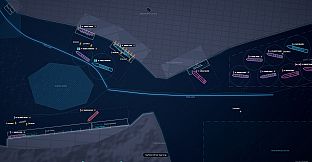
Port Control is a strategy simulation game focused on constructing and operating a growing sea port. Players begin with a modest harbor and a handful of vessels, then expand facilities while handling the constant flow of maritime and land traffic. The experience blends careful planning with real-time decision making in a single-player environment suited to casual and dedicated simulation fans alike.
Gameplay
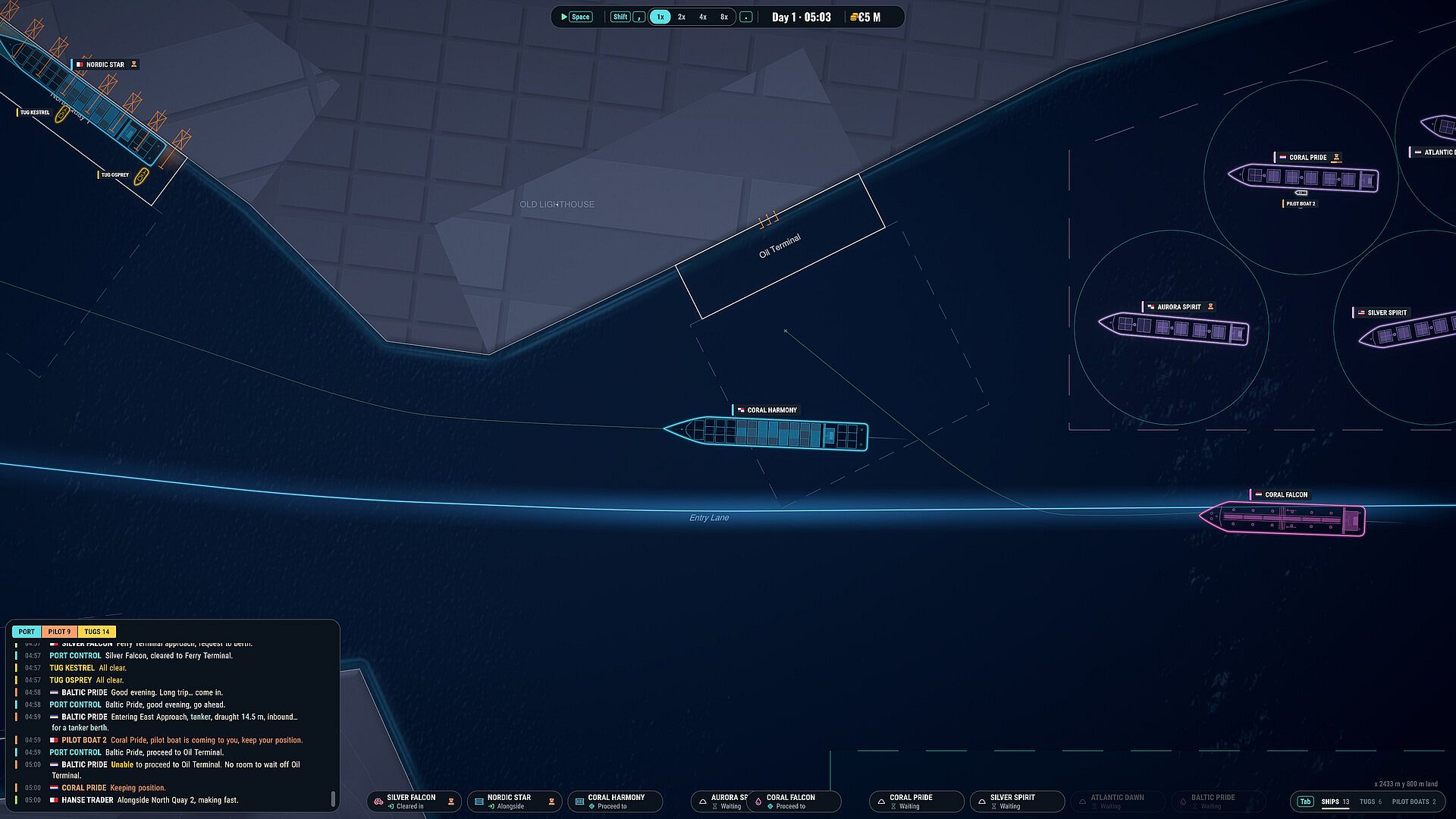
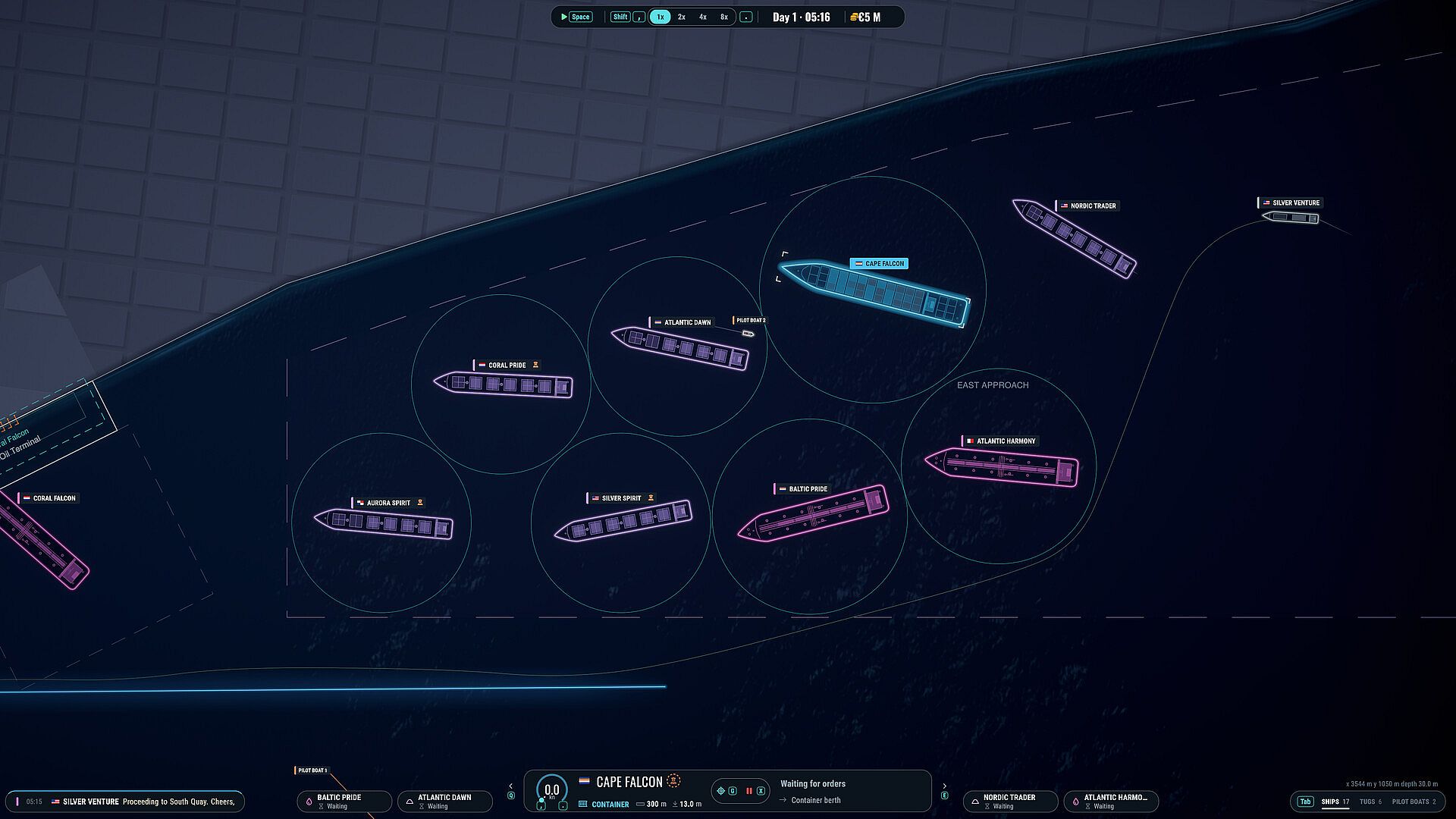
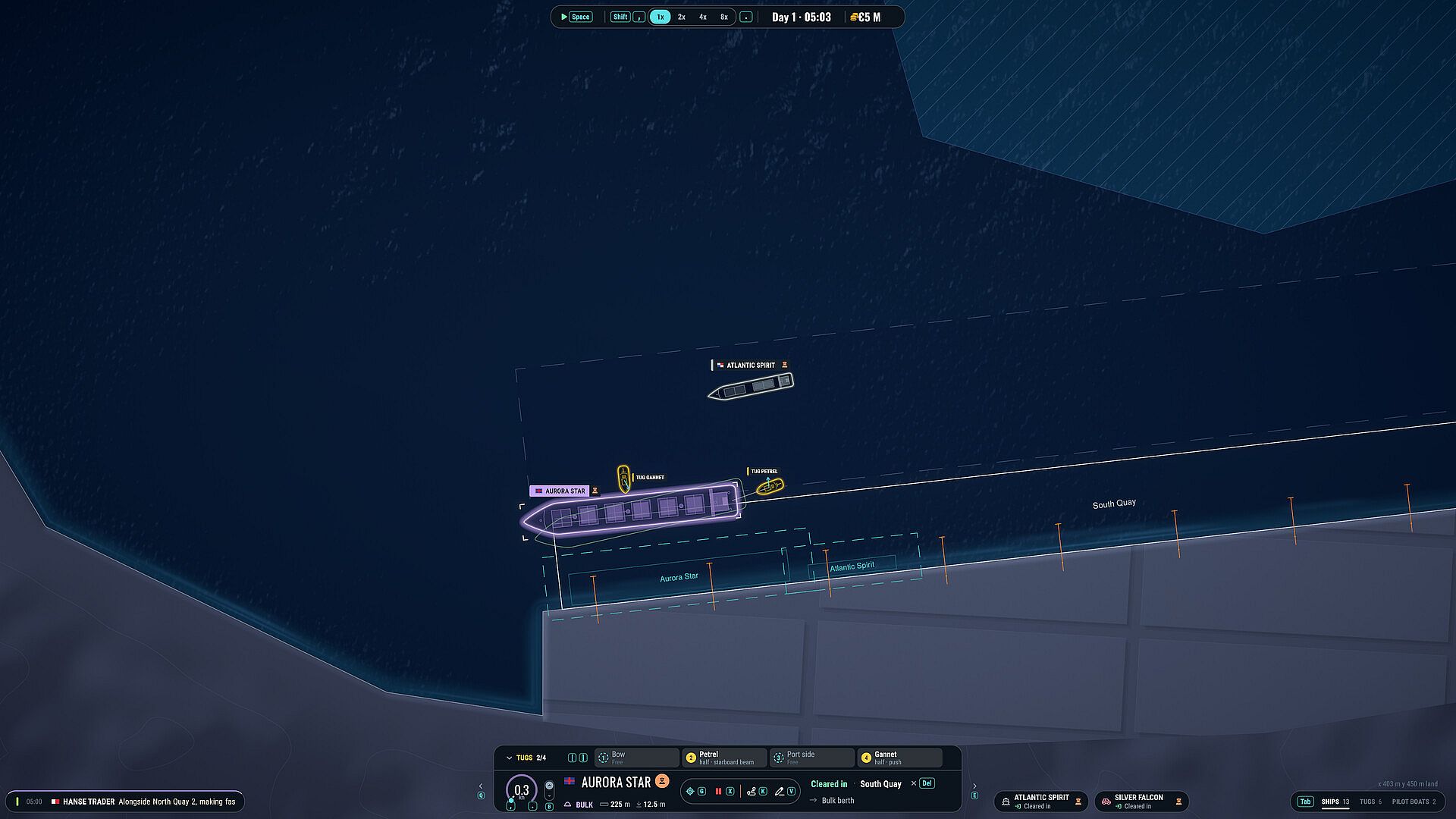
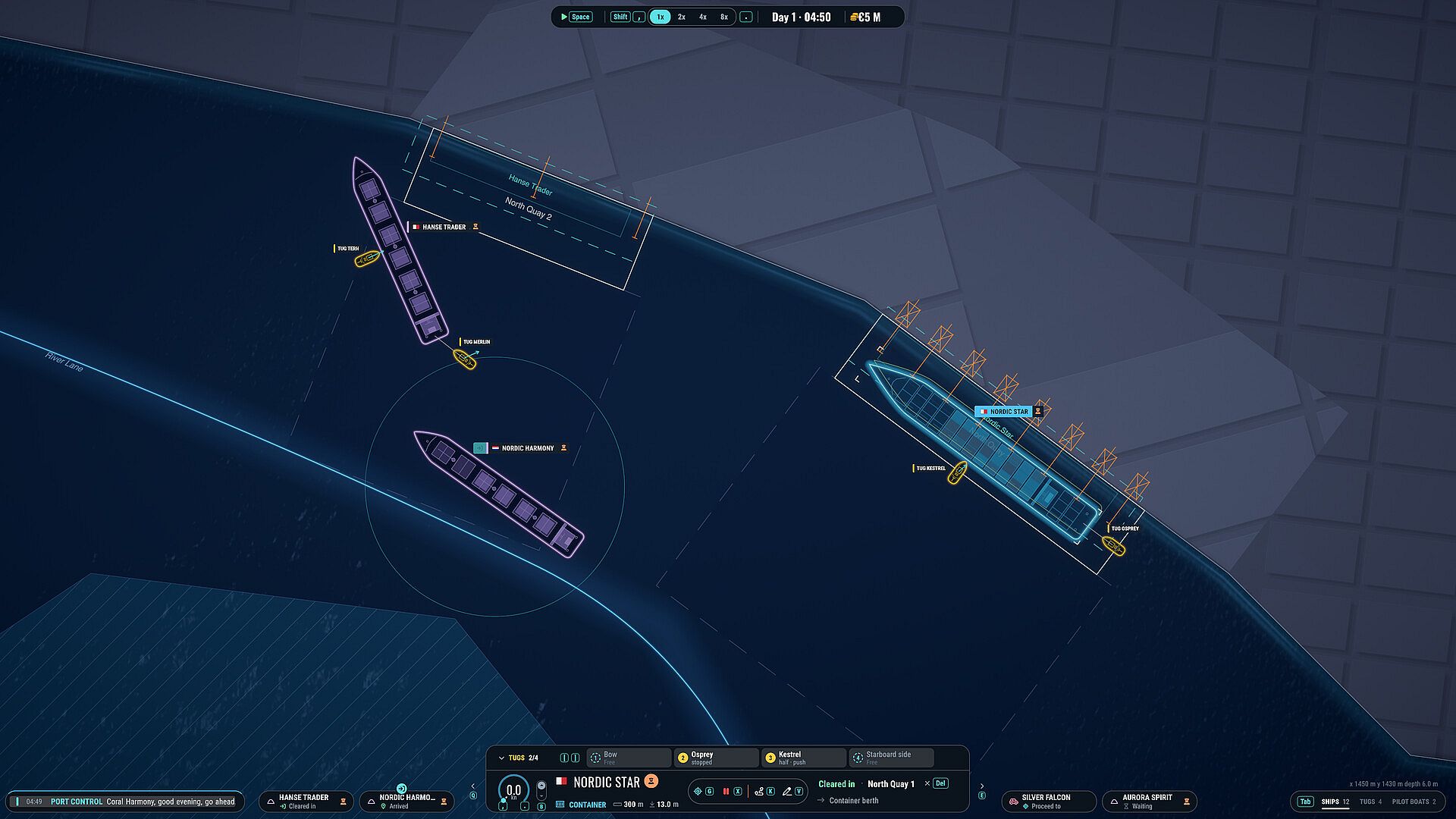
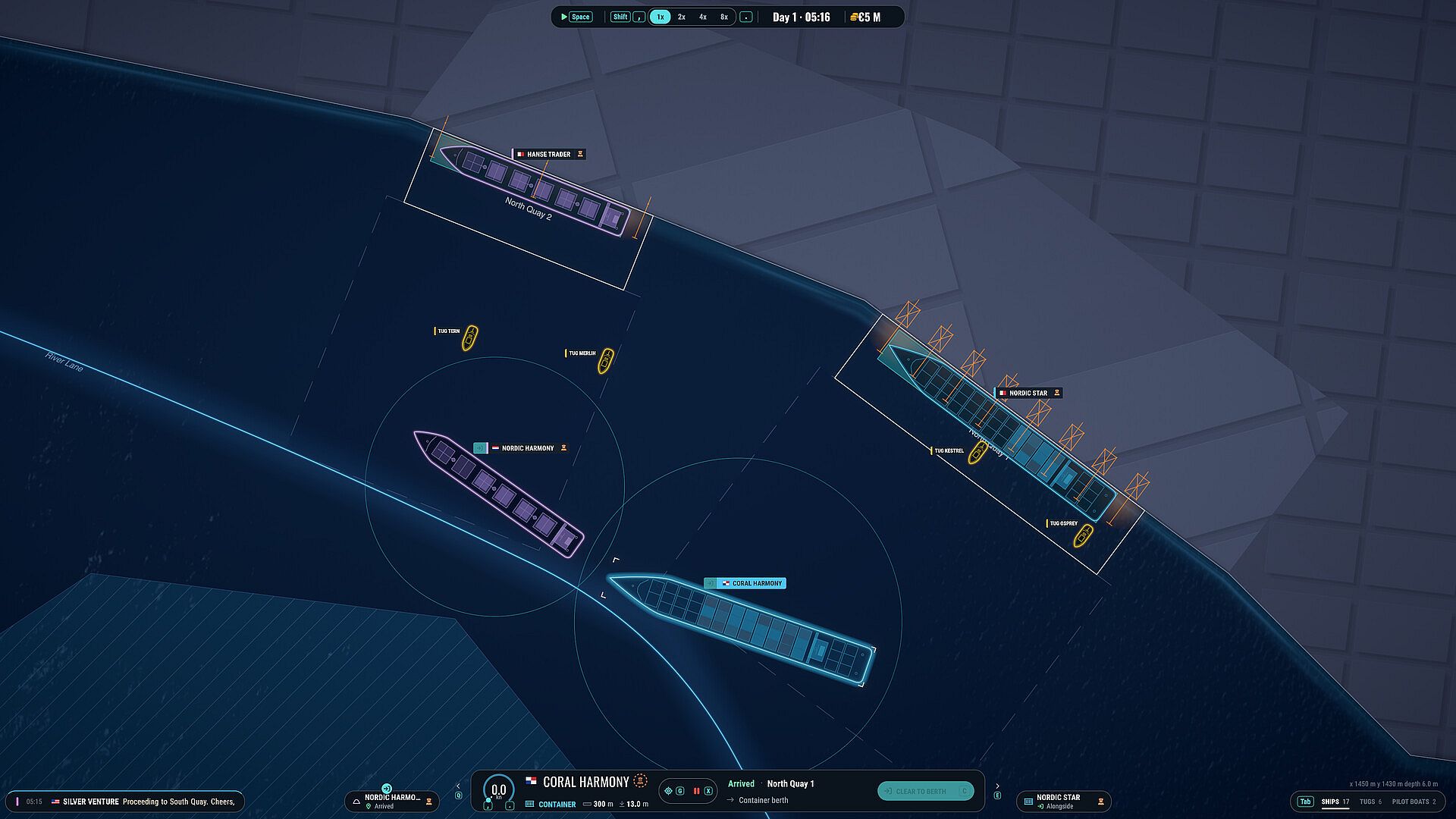
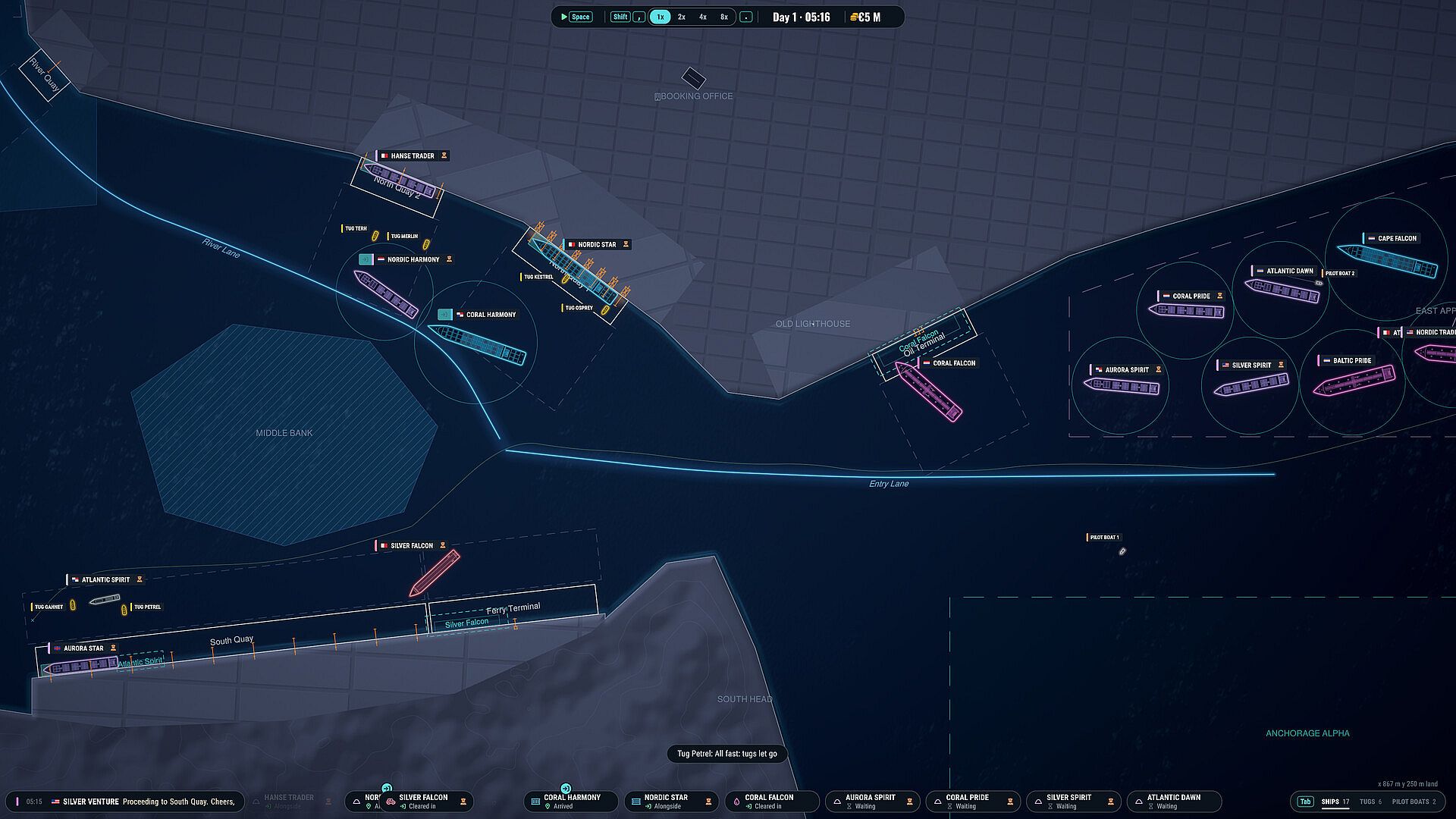
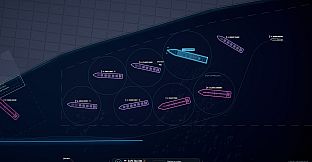
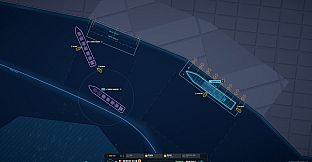
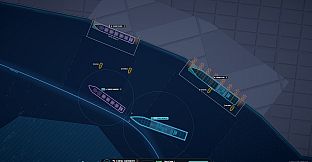
The core loop centers on laying out quays, berths, and ship lanes on the water while equipping landside areas with cranes, warehouses, and roads for trucks. Early stages require full manual oversight: accepting contracts, scheduling each ship's arrival, assigning pilots and tugs, directing vessels to available berths, and routing cargo through specific warehouses and truck paths. Ships continue moving without stopping, so players must anticipate conflicts and account for tidal restrictions that limit entry for larger vessels. A VHF radio log provides ongoing updates on port activity, helping maintain awareness during busy periods.
As operations scale, automation becomes available for every manual task previously handled by the player. This shift allows the port to function independently once systems are properly configured, freeing attention for further expansion or contract management. Delivered cargo generates experience and research points that support ongoing growth. The night control-room aesthetic reinforces the focused, operational feel throughout sessions.
Game Modes
Port Control offers a continuous progression system rather than distinct named modes. Players start in a hands-on phase where every arrival, berth assignment, and cargo movement demands direct input. Over time the emphasis moves toward building reliable automated workflows that handle routine traffic while random vessels and contract deadlines continue to appear. The single campaign-style experience encourages steady expansion from a small harbor into a high-volume facility, with the option to intervene manually at any point or let established systems run with minimal oversight.
Building and Managing the Port
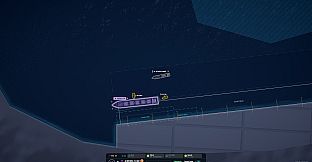
Construction begins modestly and scales with traffic volume. Quays and berths define water access, while cranes, warehouses, and road networks determine how efficiently cargo moves inland. Planning must balance immediate needs against future capacity, since large ships arrive only during high tide and every vessel requires timely coordination. Contracts provide structured goals, supplemented by unpredictable additional traffic that tests the robustness of automated routes and resource allocation.
Is It Worth Playing?
Port Control appeals to players who enjoy methodical simulation and management titles with a clear progression from direct control to automated oversight. The emphasis on anticipating ship movements, managing tidal windows, and gradually delegating tasks creates a satisfying sense of systems mastery without requiring constant intervention once setups are complete. As an independent project scheduled for release in 2027, it remains in active development with no released version or player reception data available yet. Those drawn to similar dispatching and logistics simulations will likely find the detailed port operations and automation transition engaging once it launches.