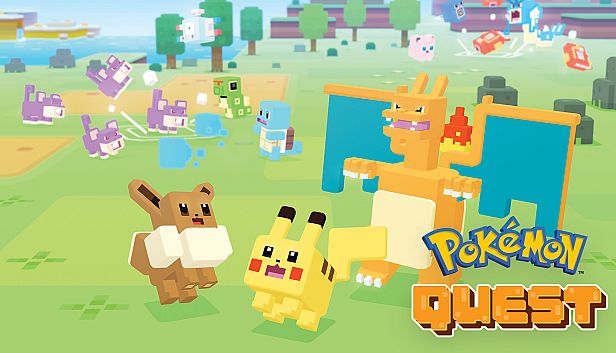


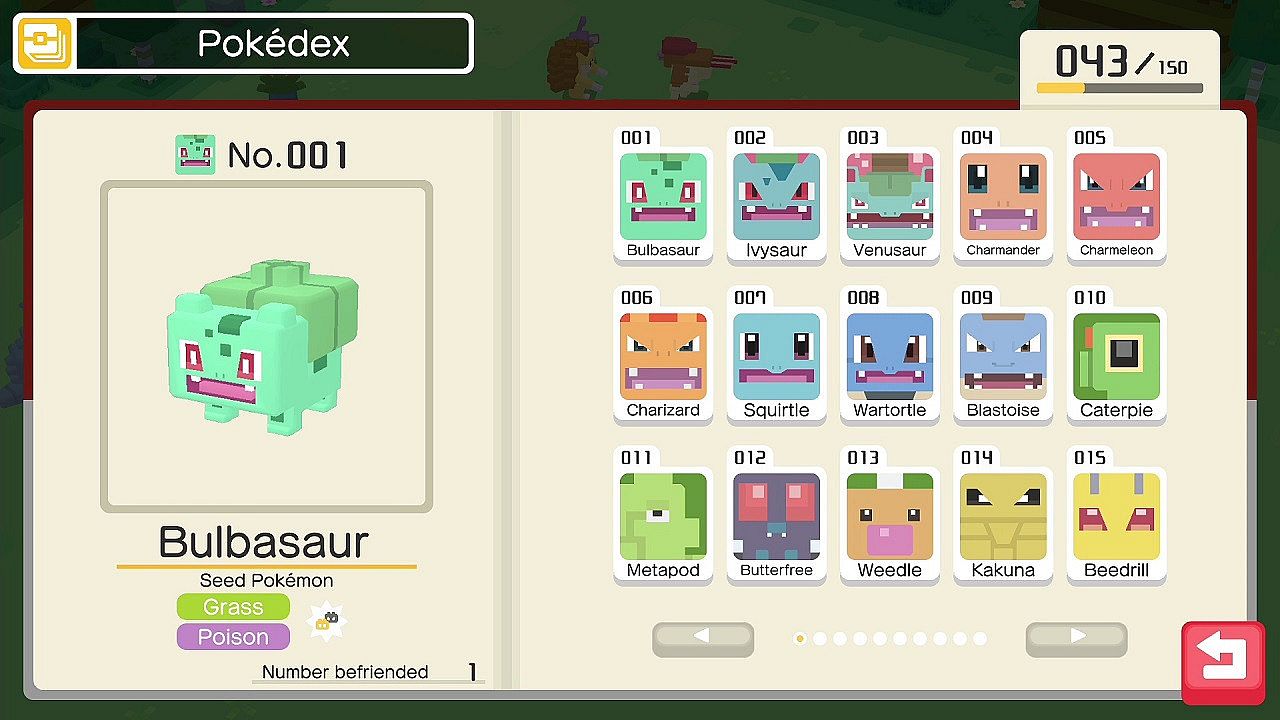
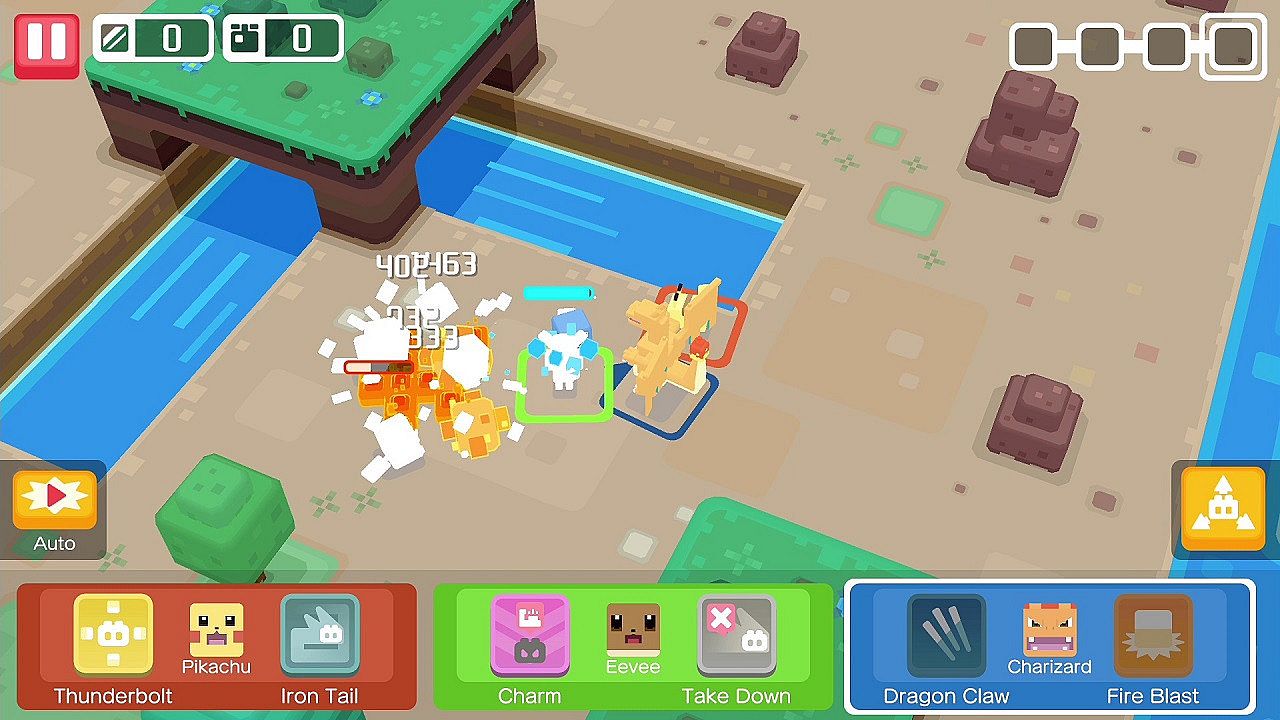
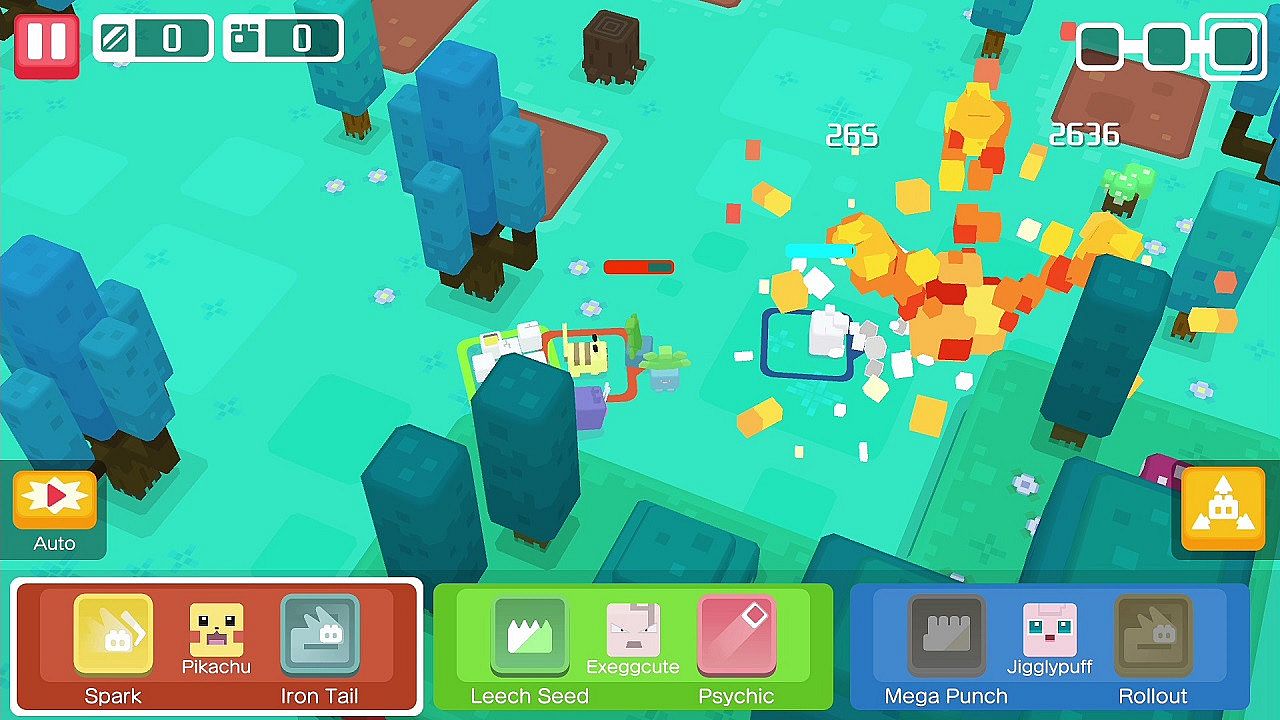

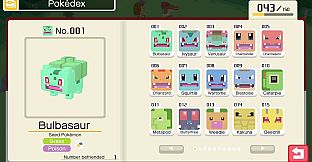

Pokémon Quest é um RPG de ação com elementos de estratégia desenvolvido para a Nintendo Switch. Os jogadores exploram a Ilha Tumblecube, habitada por Pokémon em formato de cubo chamados Pokéxels, todos baseados na primeira geração da região de Kanto. A proposta gira em torno da administração do acampamento-base, da formação de equipes e de expedições repetidas que misturam coleta, progressão e um sistema leve de combate.
Jogabilidade
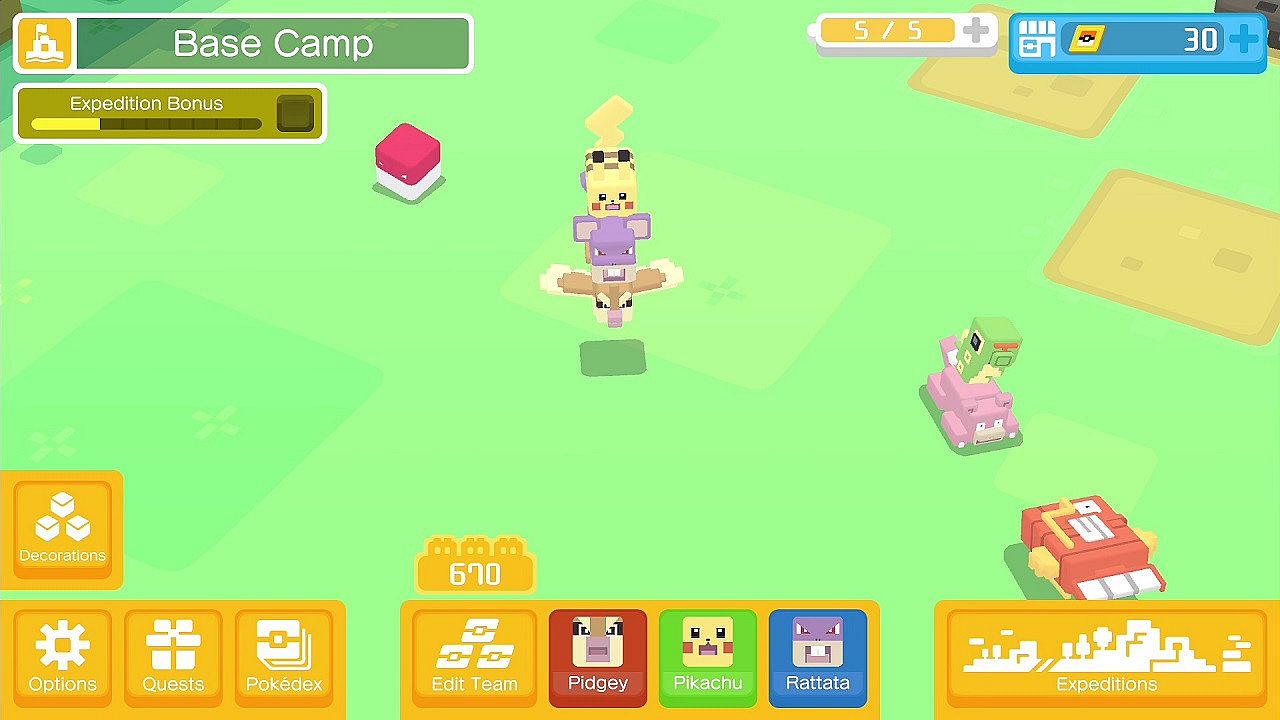
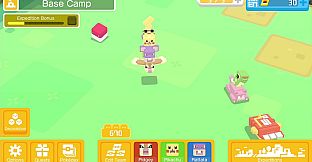
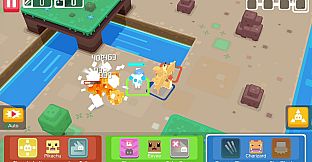
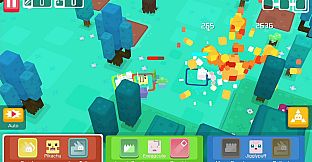
O ciclo principal consiste em recolher ingredientes durante as expedições, voltar ao acampamento para preparar pratos e usar as receitas para atrair novos Pokémon. Depois de recrutados, os Pokémon recebem power stones que modificam seus atributos e concedem bônus. As equipes são formadas por três membros enviados para as áreas da ilha, onde avançam automaticamente pelos combates. O jogador pode ativar habilidades especiais ou deixar o combate totalmente automático. O progresso acontece ao subir o nível dos Pokémon recrutados, otimizar seus movimentos com duplicatas e desbloquear mais slots de power stones ou melhorias permanentes no acampamento, compradas com tickets diários.
A exploração consiste em completar áreas de dificuldade crescente, cada uma com ondas de inimigos seguidas de um chefe. As vantagens de tipo influenciam a eficiência das batalhas, e o loot inclui ingredientes e power stones usados na personalização da equipe. O visual em voxel mantém a apresentação simples e legível tanto na TV quanto no modo portátil.
Modos de Jogo
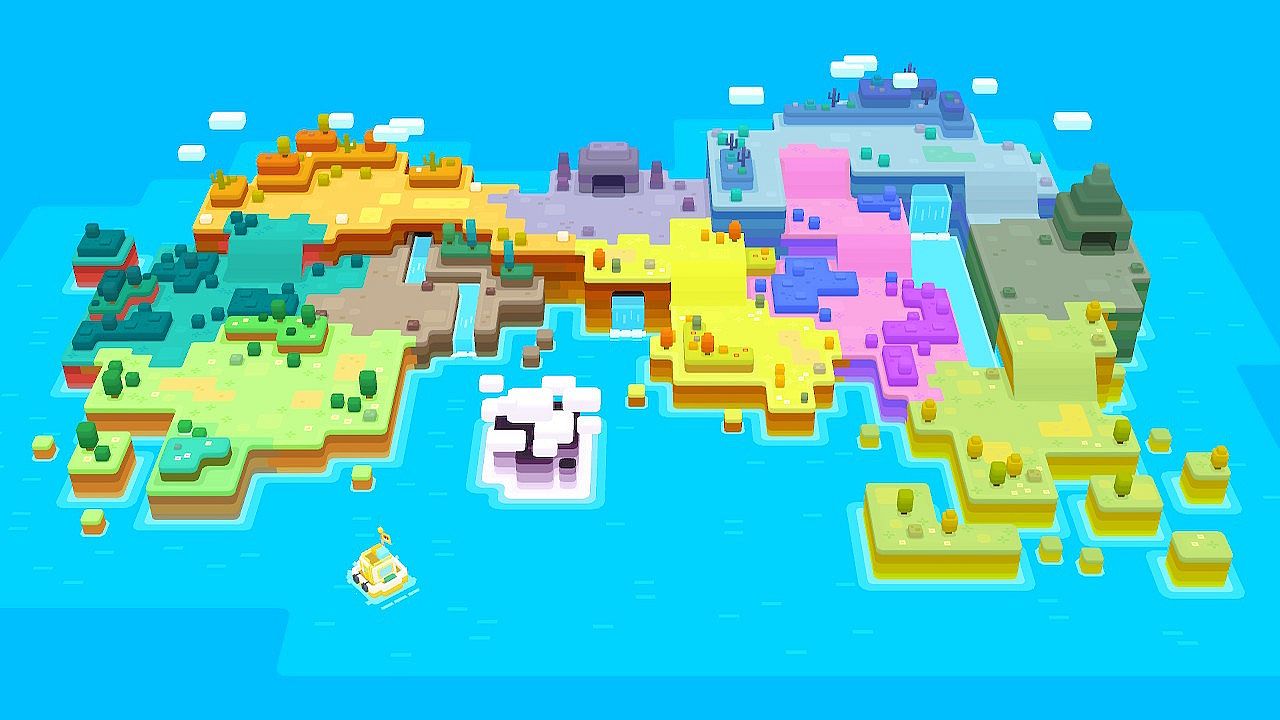
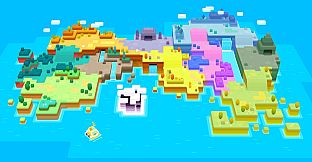
Pokémon Quest é um jogo exclusivamente single-player. Toda a atividade acontece no sistema de expedições da Ilha Tumblecube, onde o jogador escolhe áreas em um mapa que vai se expandindo e envia equipes para concluí-las. Não existem modos competitivos ou cooperativos; o avanço é obtido repetindo as mesmas áreas conforme as equipes ficam mais fortes e novos Pokémon são adicionados. Desafios diários e compras com tickets oferecem estrutura adicional sem incluir multiplayer.
Progressão e Customização
A otimização da equipe é o principal elemento estratégico. Os power stones são equipados nos Pokémon para alterar ataque, defesa e atributos especiais, enquanto os bônus de Bingo recompensam combinações específicas de pedras. As receitas de cozinha variam em complexidade e taxa de sucesso, influenciando quais Pokémon aparecem no acampamento. Evoluir Pokémon compatíveis e transferir movimentos de duplicatas adicionam mais camadas de estratégia. O sistema incentiva testar diferentes composições de tipos para lidar melhor com as áreas mais avançadas.
Vale a pena jogar?
Pokémon Quest é indicado para quem busca uma experiência Pokémon mais leve, focada em coleção e gerenciamento simples em vez de batalhas por turnos tradicionais. O combate automático permite sessões curtas e ideais para o modo portátil, enquanto os sistemas de cozinha e power stones mantêm o interesse ao longo das expedições. Quem prefere maior controle tático ou conteúdo extenso após o lançamento pode achar o ciclo repetitivo depois das primeiras áreas, já que o jogo não recebeu expansões relevantes desde seu lançamento em 2018 e se limita à primeira geração. Ele oferece uma jogabilidade direta e acessível para fãs que aceitam sua abordagem simplificada e o modelo free-to-start.