


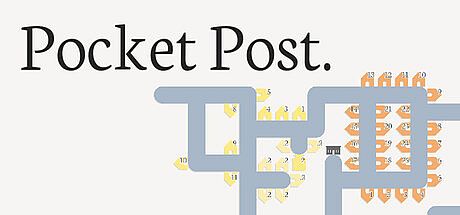


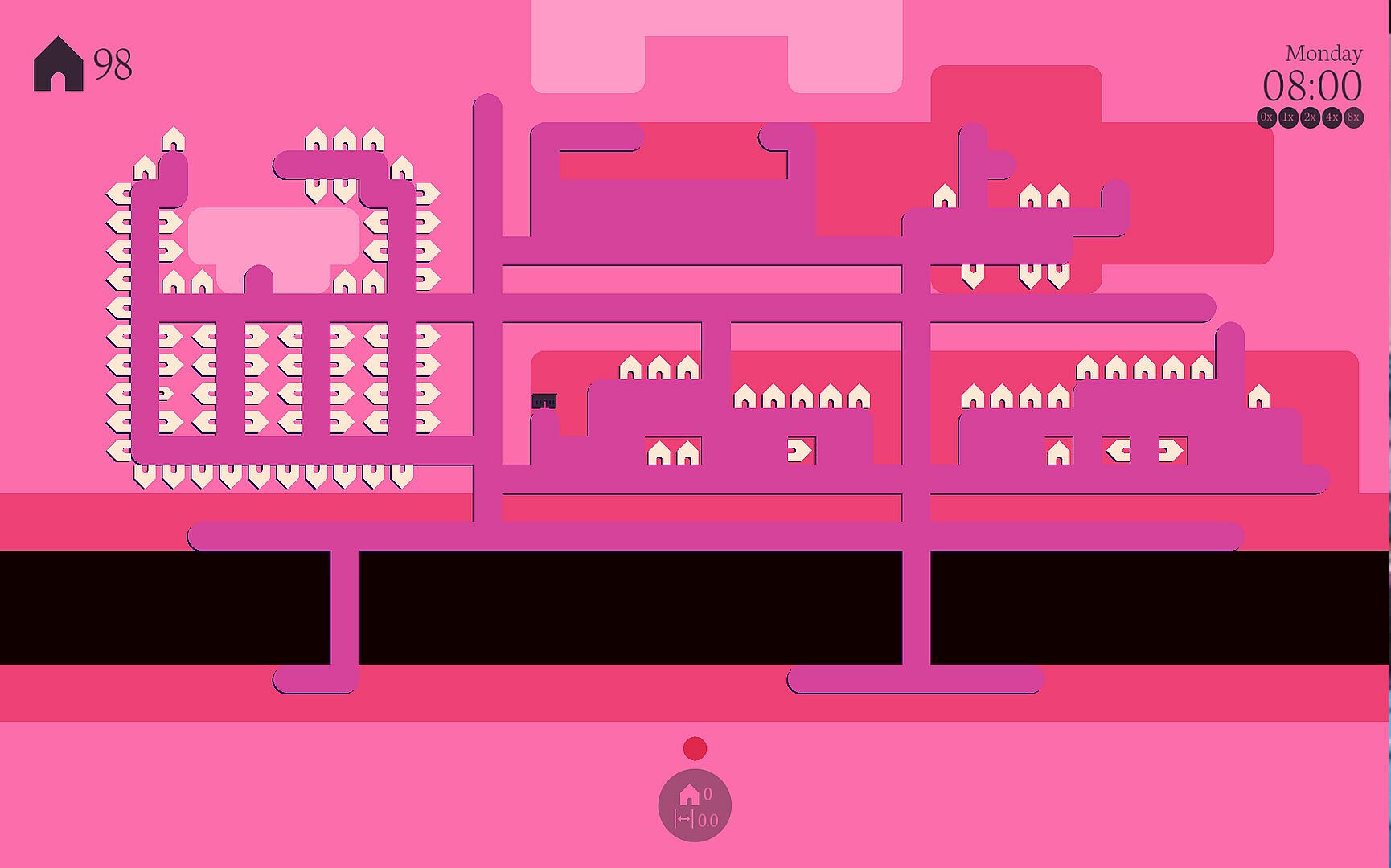
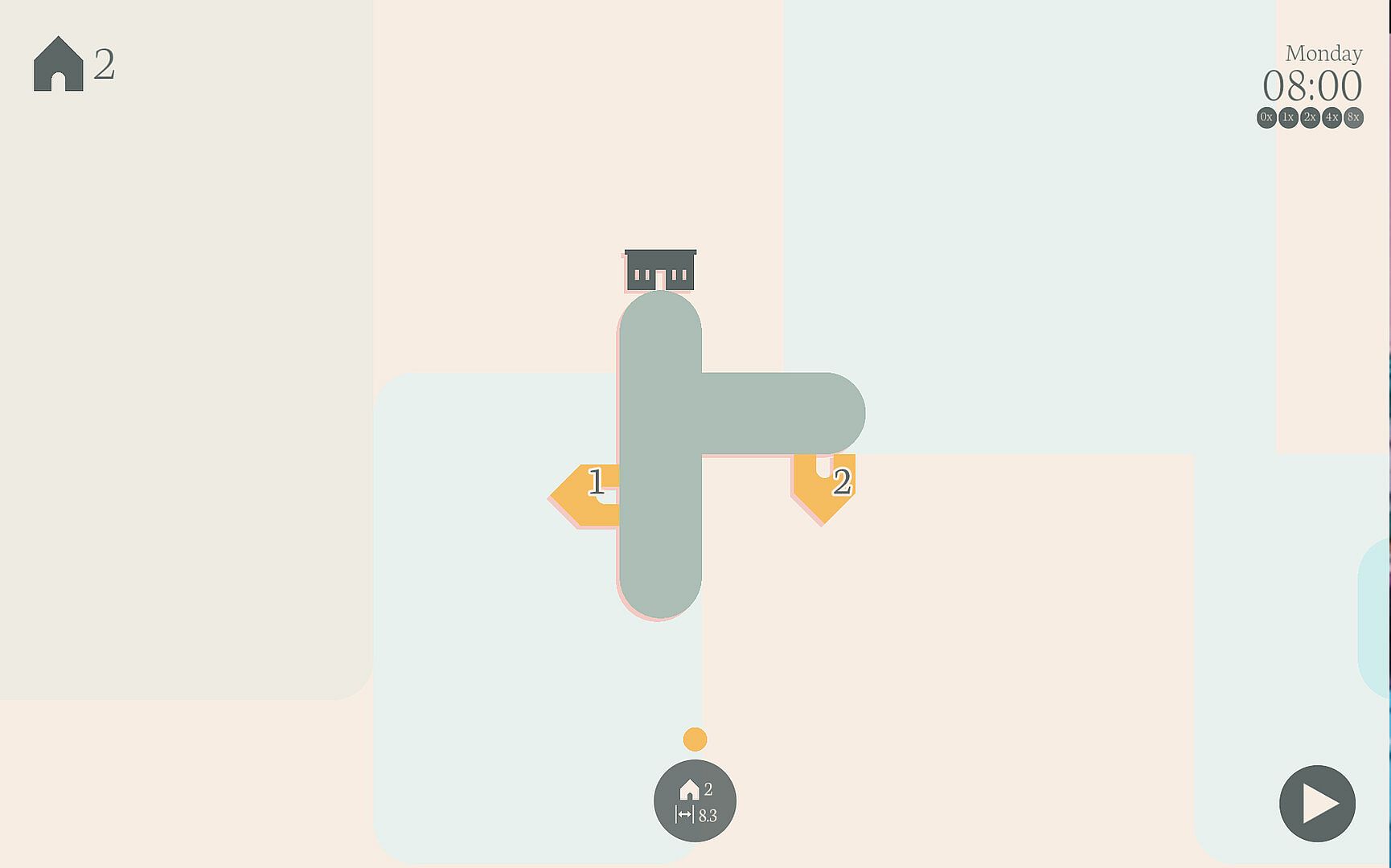
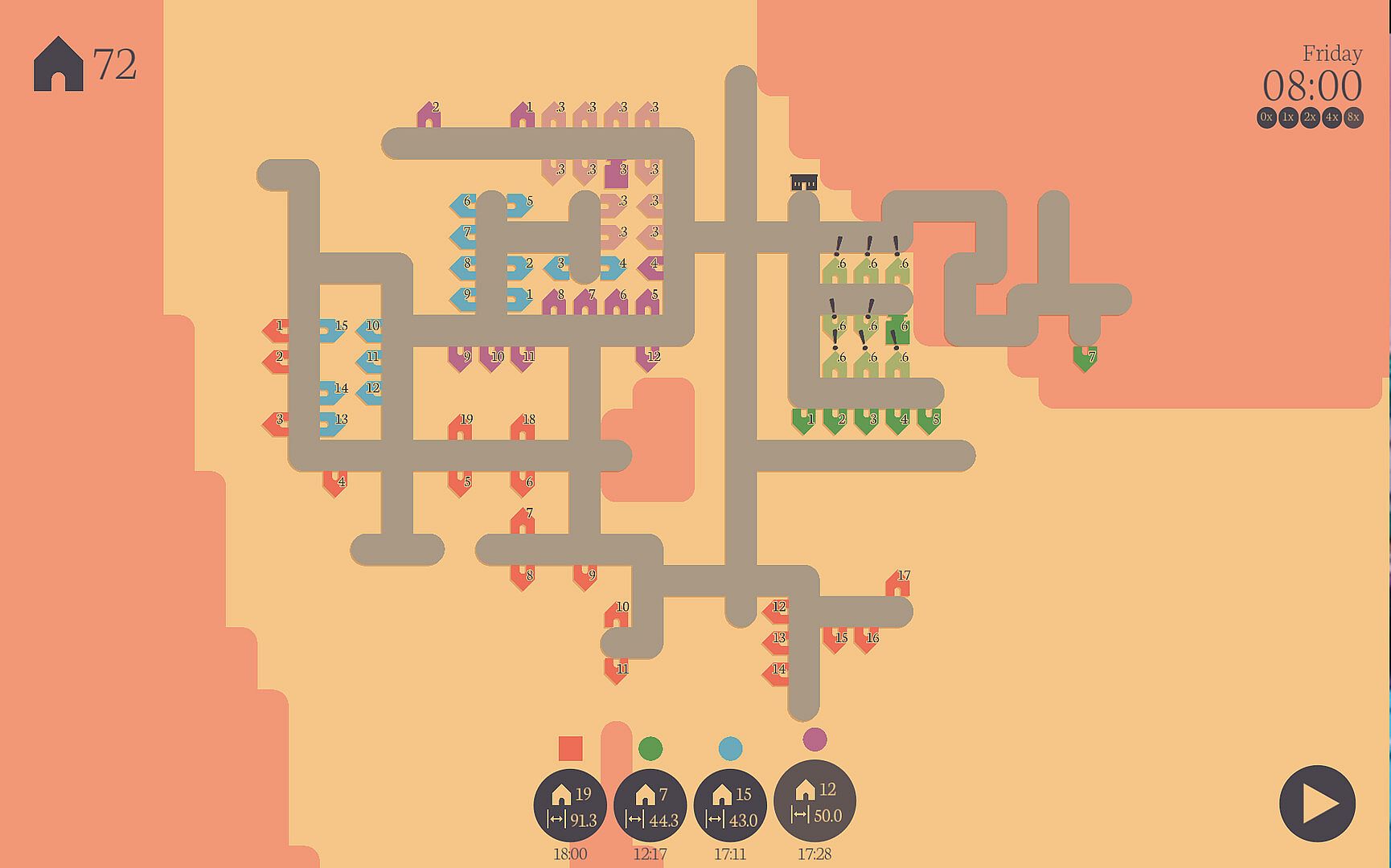

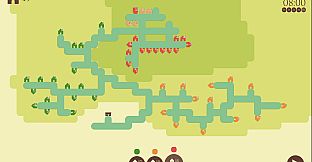
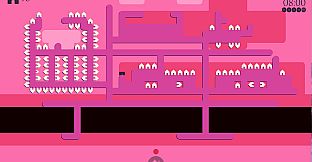
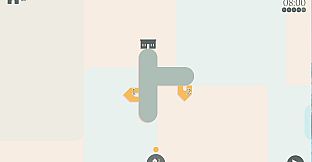
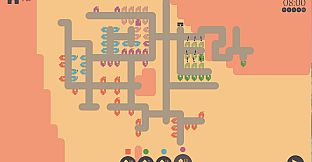
Pocket Post is a strategy simulation game for PC that centers on the logistics of mail delivery in expanding towns. Players oversee post routes as settlements grow from small clusters of homes into larger suburban areas, adjusting assignments and infrastructure to maintain efficient service amid unpredictable development.
Gameplay
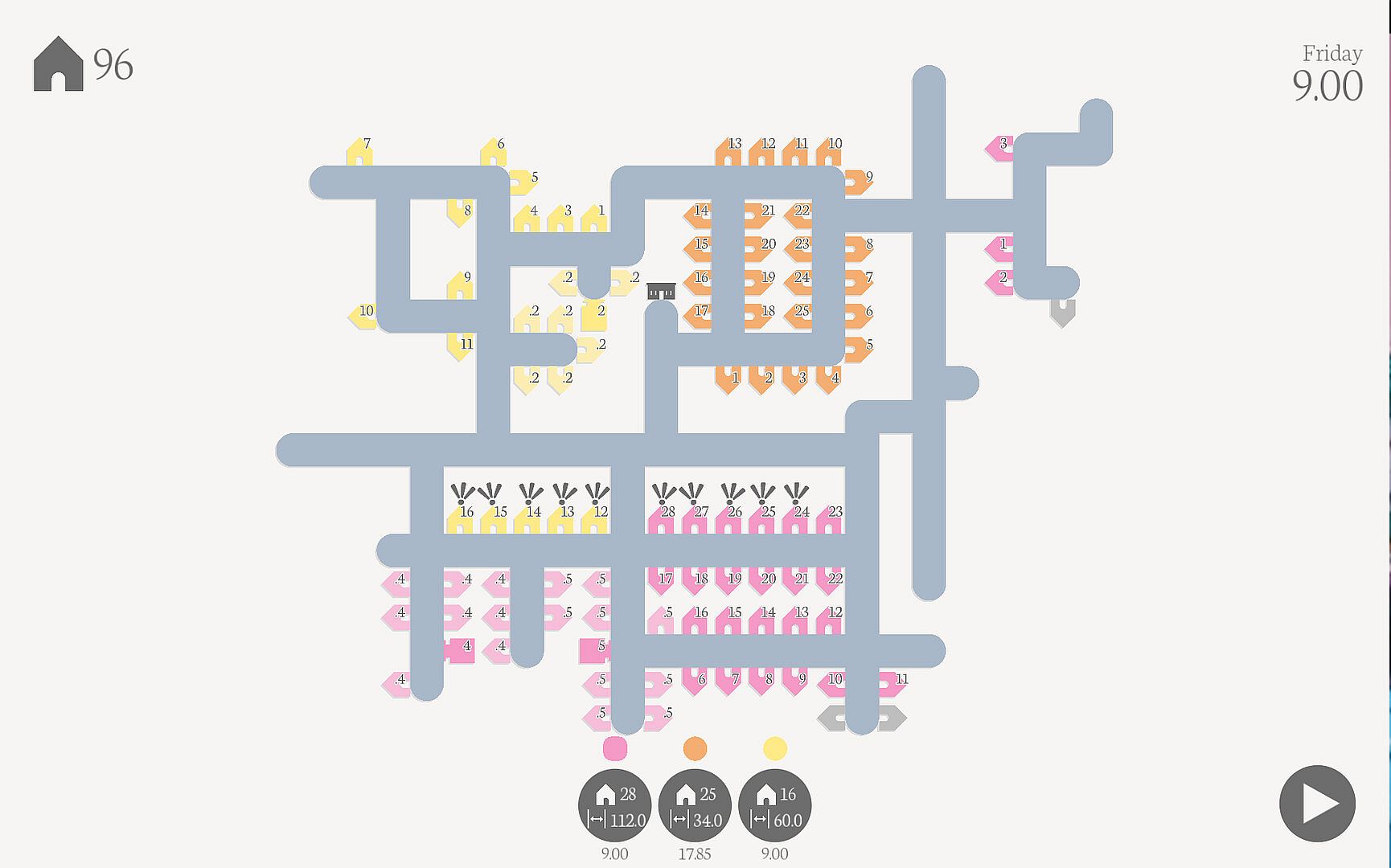
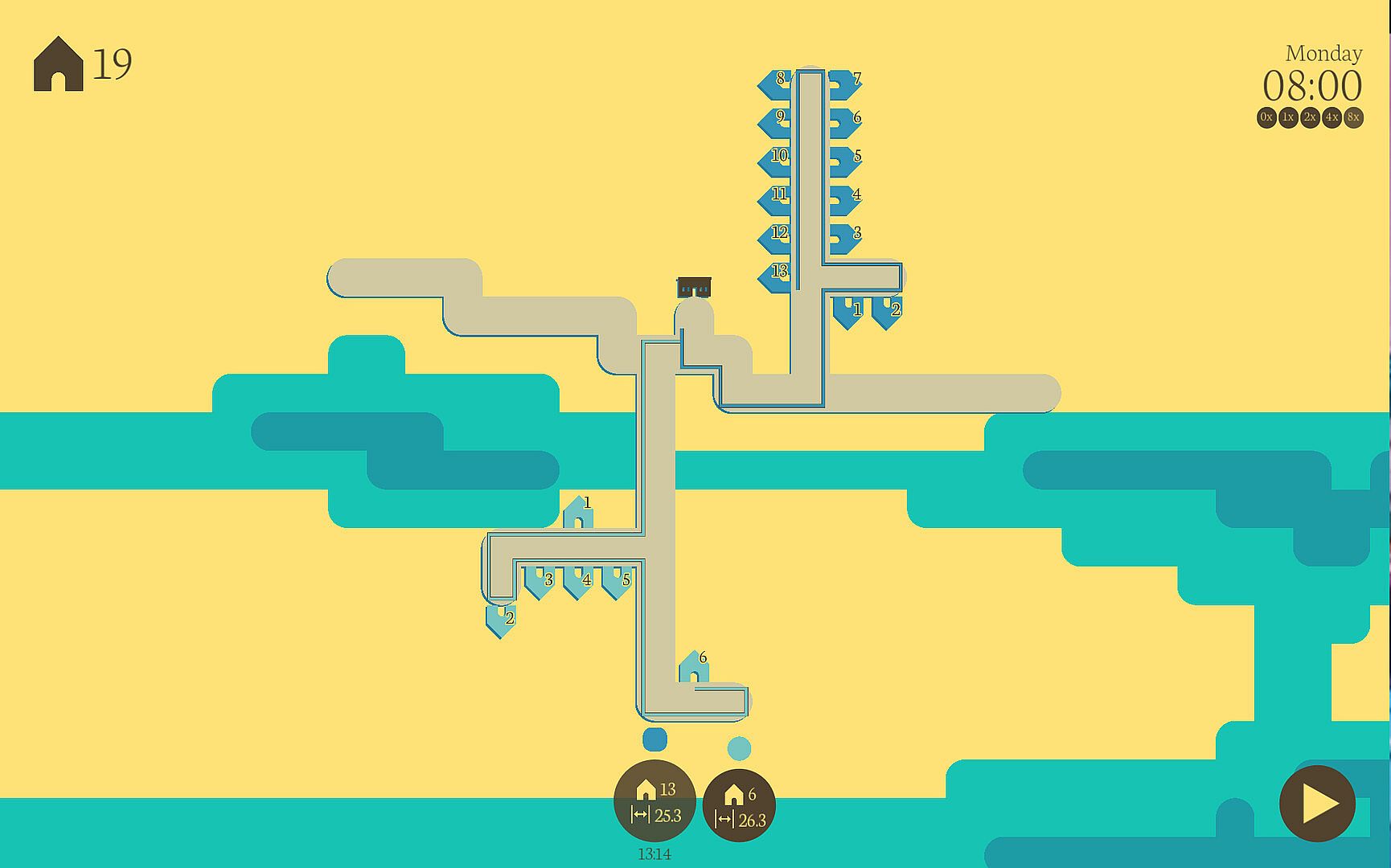
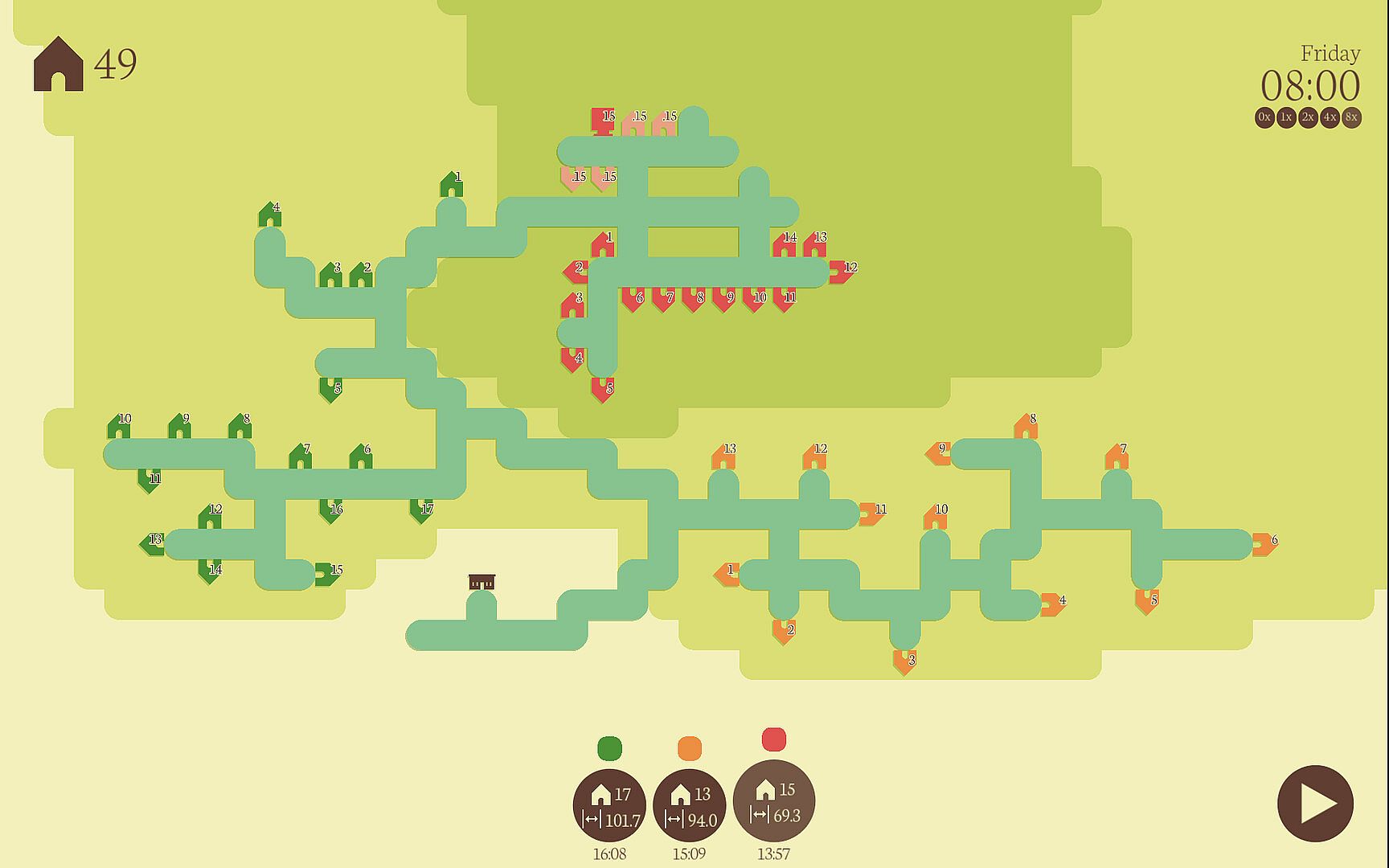
The core loop involves assigning individual houses to specific delivery routes while monitoring how new construction alters the layout of each area. Towns expand on their own schedule, often placing buildings in spots that complicate existing paths. This forces ongoing adjustments to keep mail moving without excessive detours or delays.
Progress comes through unlocking additional routes and the vehicles needed to cover them. Central collection points called CBUs can be positioned to consolidate deliveries and reduce the strain on individual routes. The process repeats across different locations, each presenting fresh challenges as suburbs form in awkward positions relative to prior infrastructure.
Residents react to any resulting inefficiencies, highlighting the direct consequences of route planning decisions. The minimal approach keeps focus on route management rather than elaborate visuals or complex systems, emphasizing observation and incremental adaptation as neighborhoods evolve.
Game Modes
Pocket Post operates as a single-player experience with no separate multiplayer or competitive modes listed. The gameplay centers on sequential management scenarios across developing towns, where each location serves as an independent challenge that builds on the same core systems of route assignment and infrastructure placement.
Players handle one area at a time, responding to organic growth without external timers or opponents. The structure encourages repeated playthroughs in new settings once prior routes are optimized, though no distinct named modes or seasonal variations have been detailed.
Key Mechanics and Features
Route assignment forms the foundation, linking homes directly to available paths and requiring periodic reallocation as the map changes. Vehicle unlocks expand coverage options, while CBUs provide a tool for centralizing stops and streamlining operations in denser zones.
Development occurs without player input on placement, creating situations where new suburbs appear in inconvenient spots. This leads to visible feedback from residents about delivery issues tied to geography. The cycle of adaptation continues in subsequent locations, reinforcing the emphasis on flexible planning over fixed layouts.
All elements remain grounded in the described systems, with no additional layers such as combat, resource collection beyond routes, or narrative branches confirmed in available details.
Is It Worth Playing?
Pocket Post suits players who appreciate understated strategy and simulation focused on logistics and adaptation. Its minimal design highlights the satisfaction of refining routes against unplanned expansion, appealing to those who enjoy observing cause-and-effect in town growth without overwhelming complexity.
Currently scheduled for release in Q1 2027, the game has no player reviews or ratings available yet. It offers a focused single-player loop on PC with support for Steam Cloud and family sharing. Those drawn to quiet management tasks and incremental optimization may find it a worthwhile addition once it launches, particularly if they value straightforward mechanics over expansive content or frequent updates.