







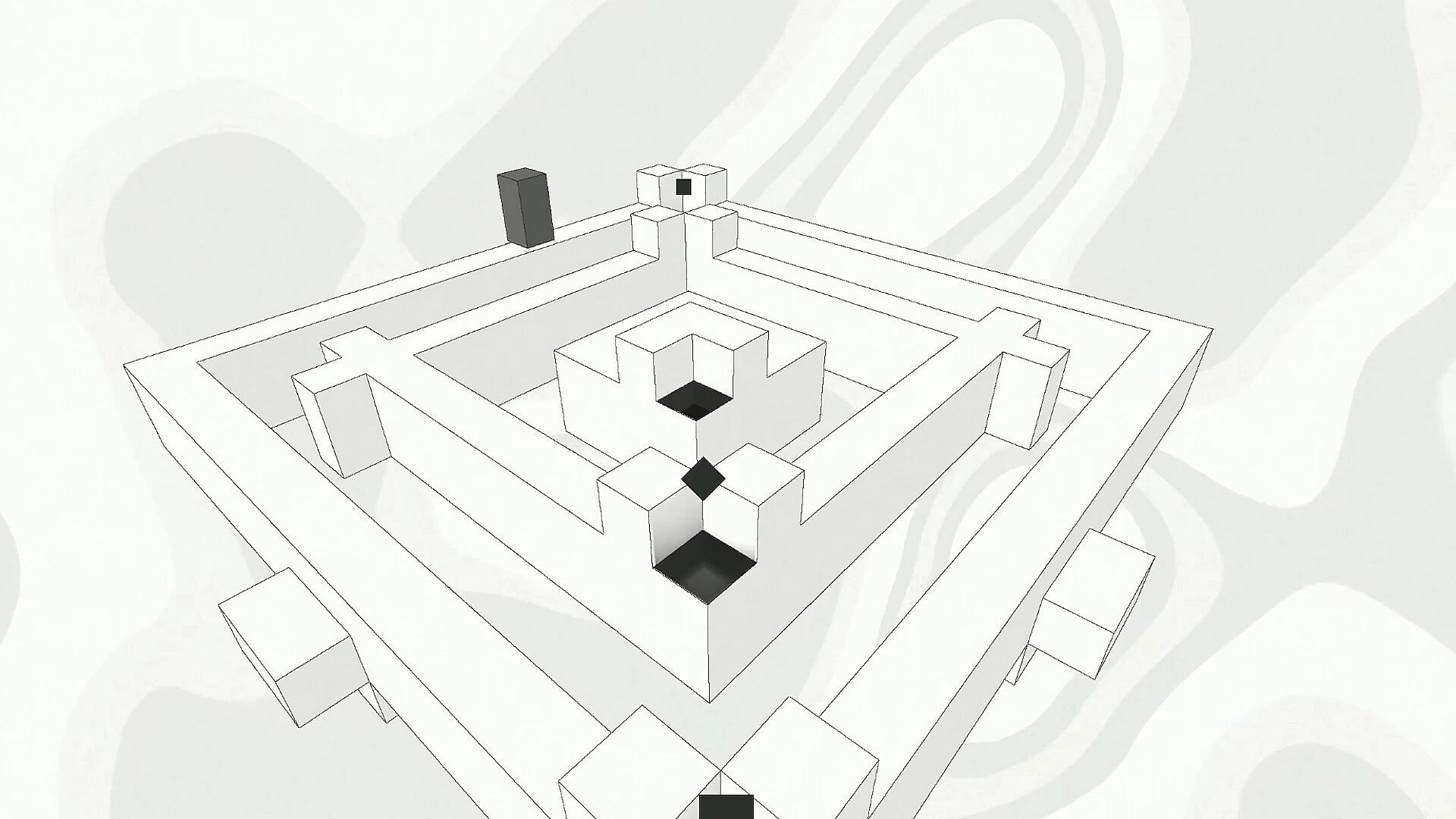
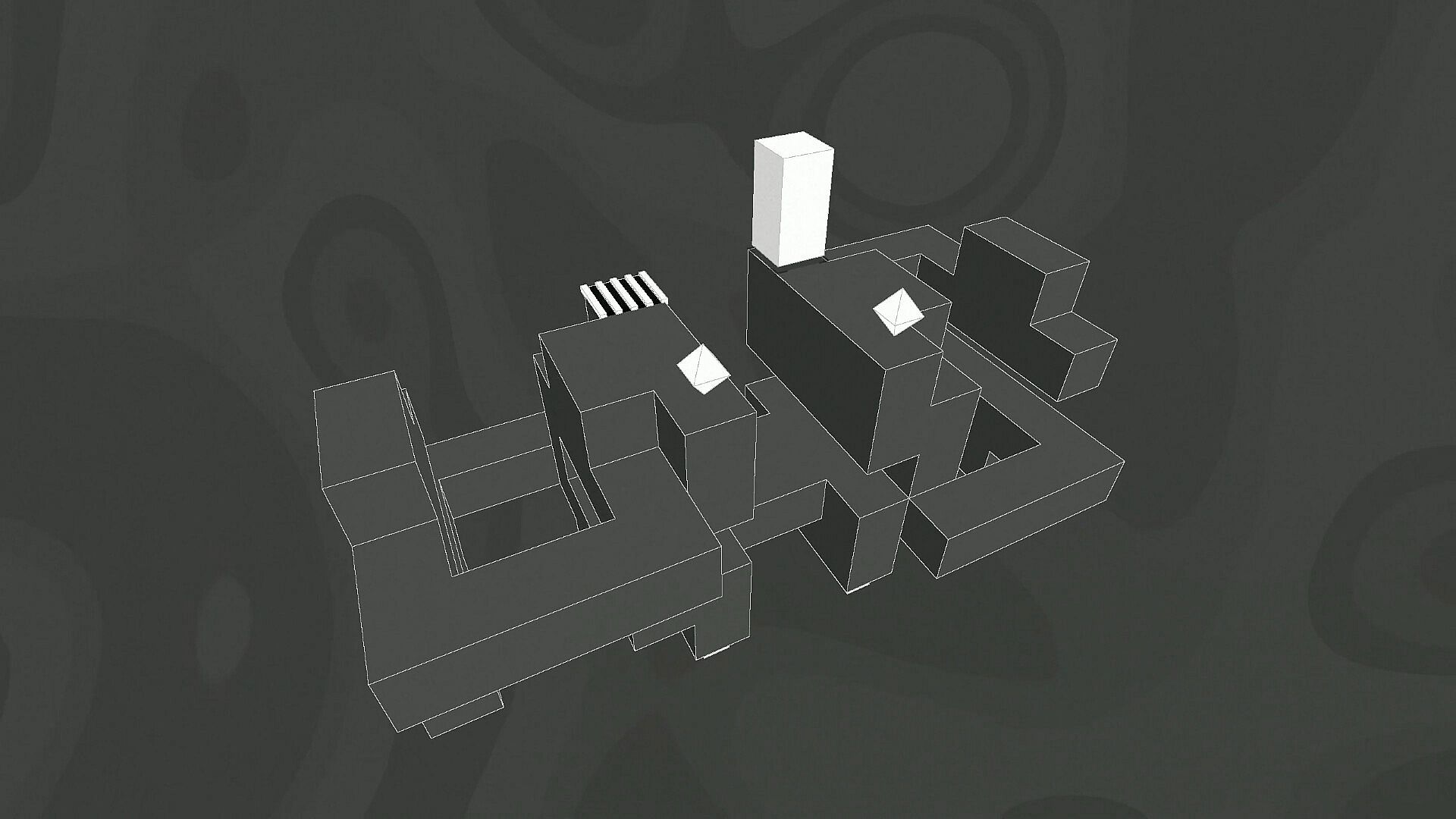
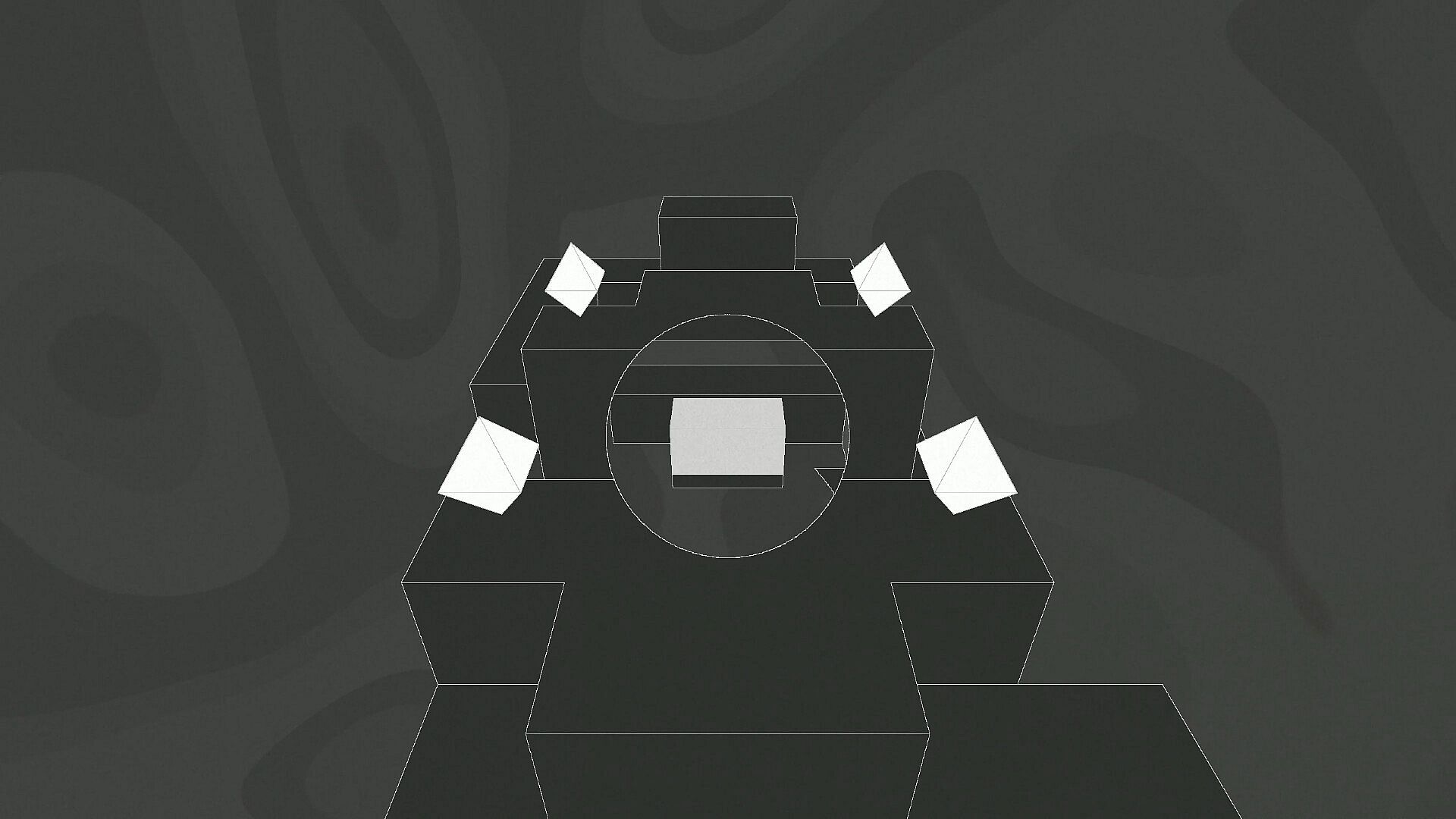
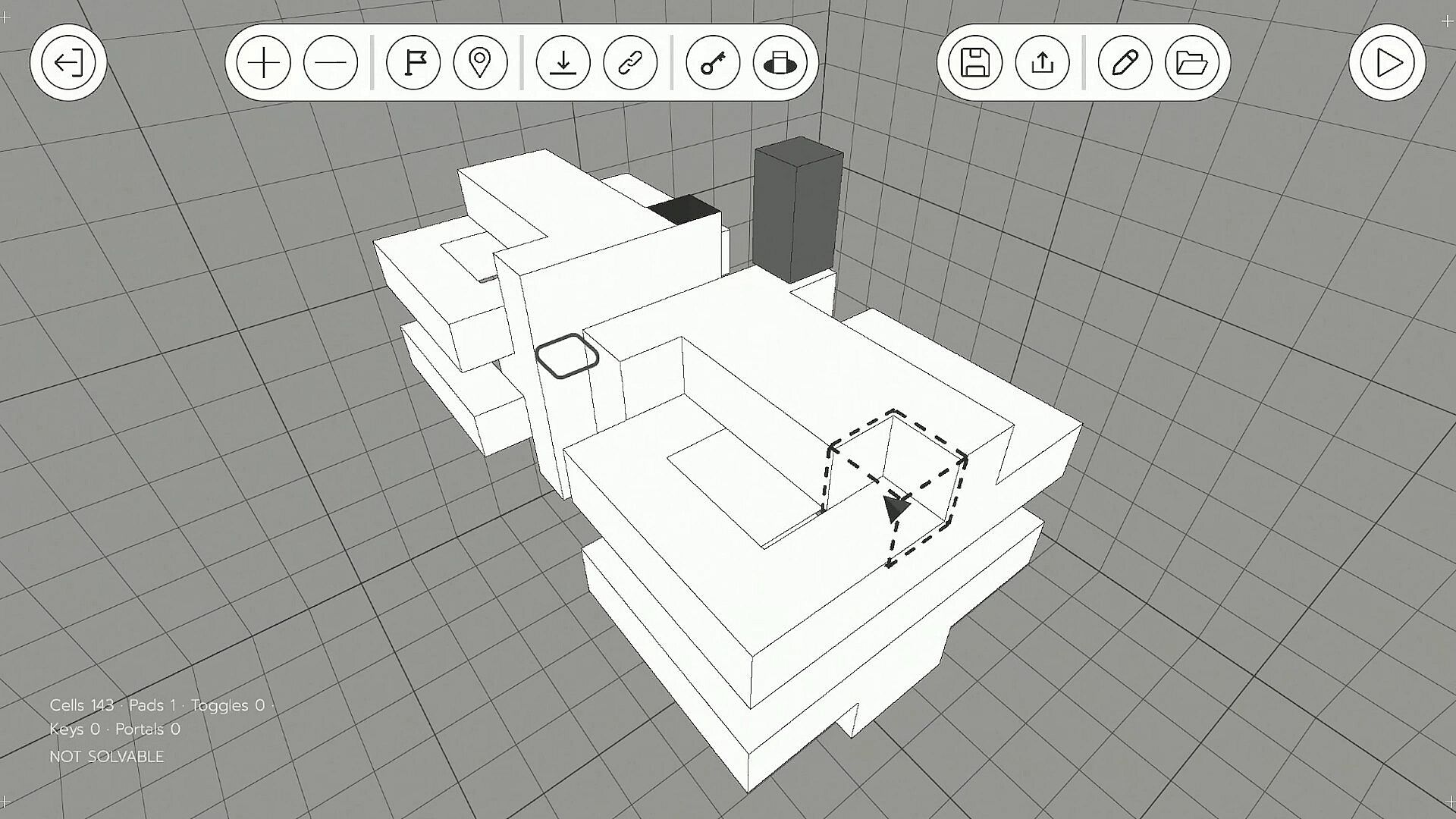
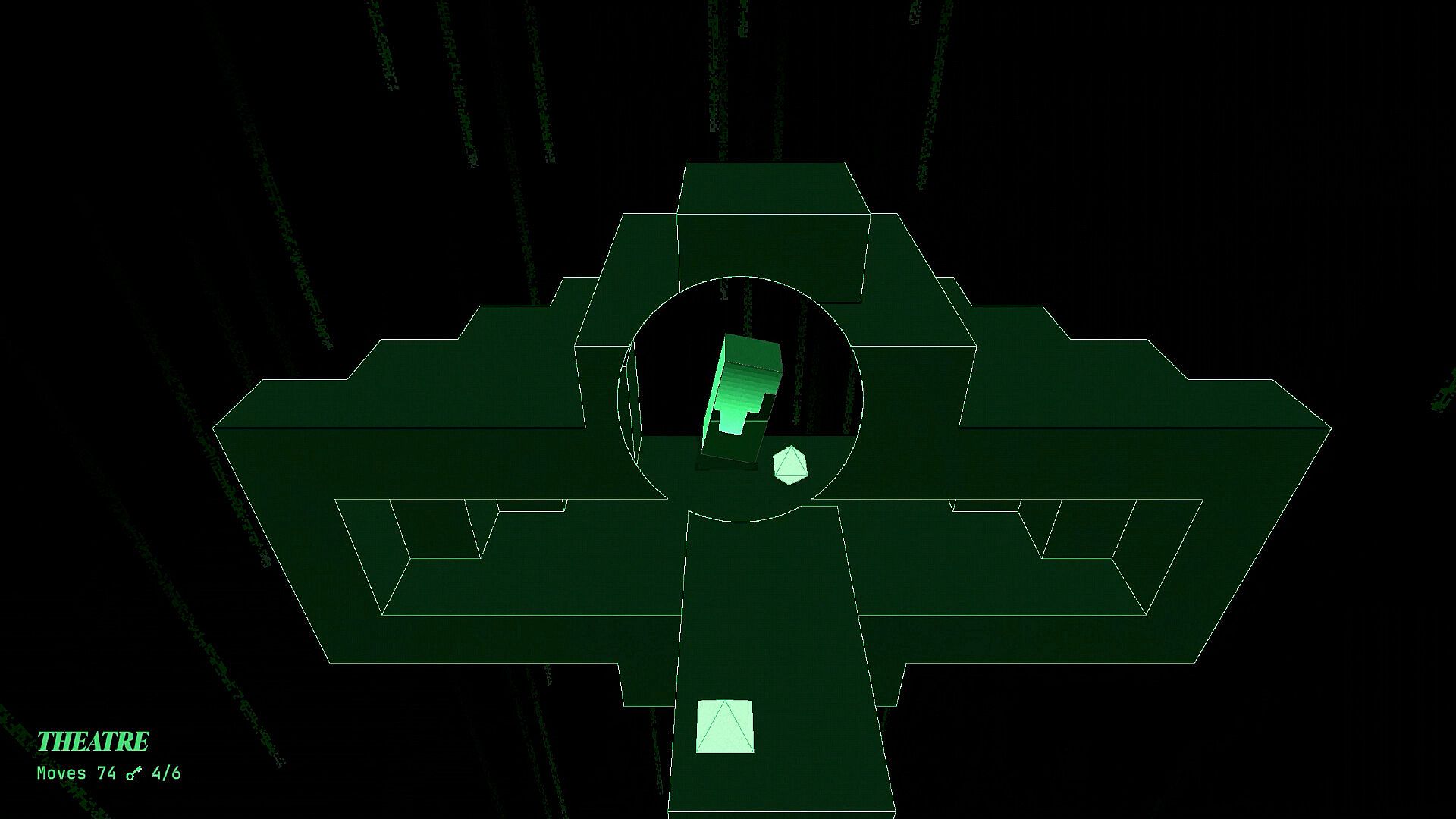
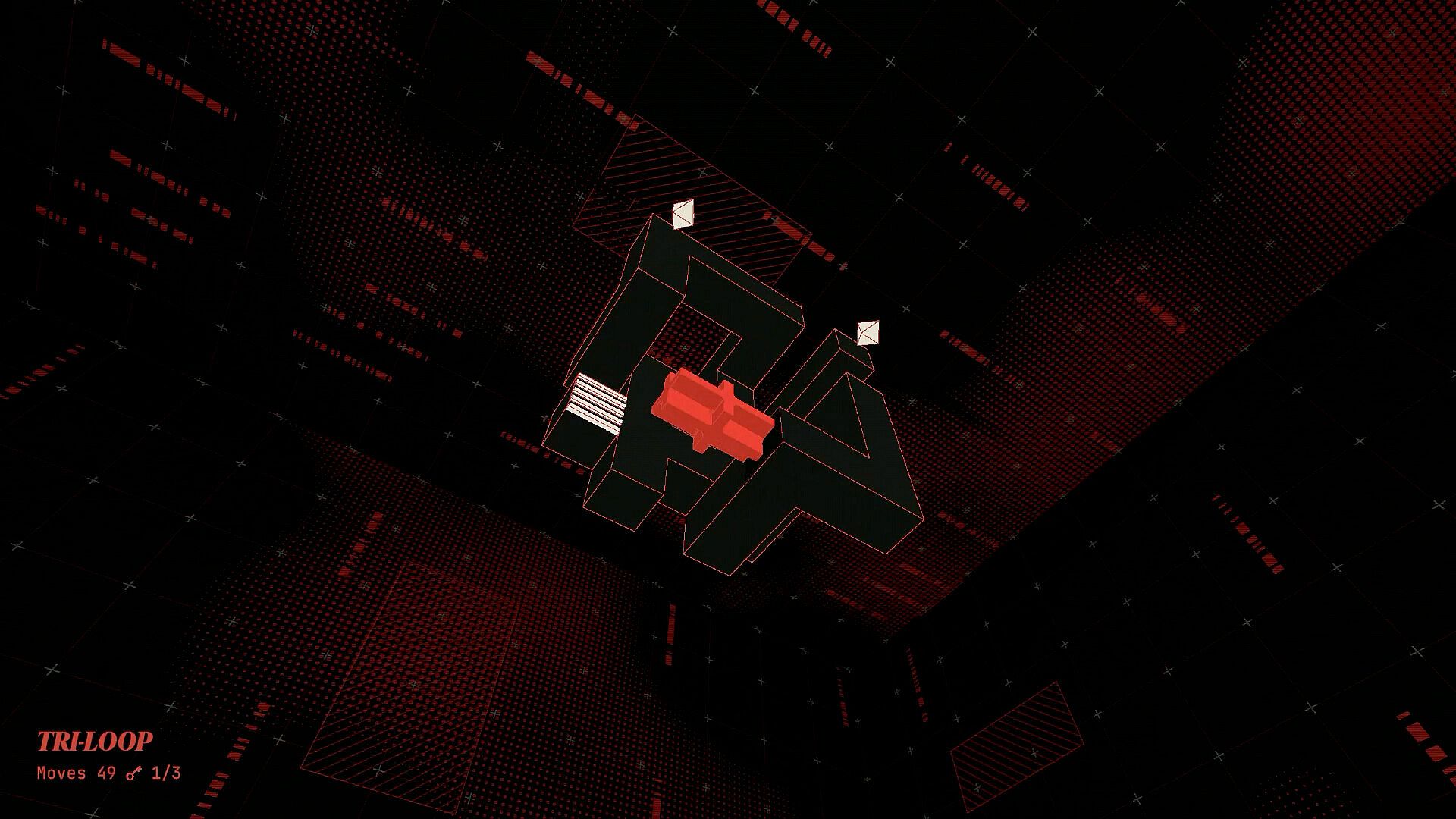
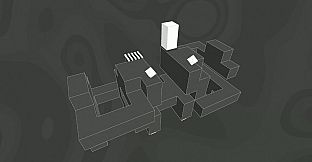

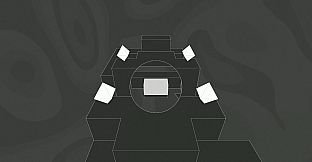
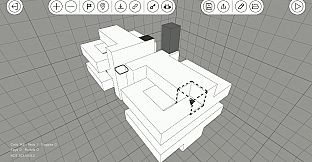
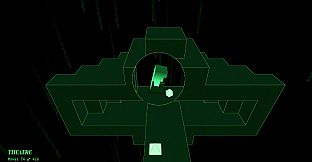
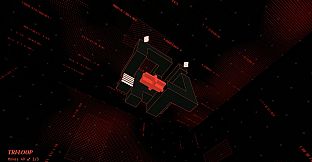
PLINTH is an indie casual puzzle game for PC that redefines spatial reasoning through gravity-agnostic mechanics. Players control a plinth that adheres to every surface it touches, allowing movement across walls, under ledges, and over ceilings without a traditional sense of up or down. The core loop centers on navigating stark, brutalist environments to reach an exit while collecting keys and using portals, all without any fail state that resets progress.
Gameplay
The central mechanic involves tipping the plinth over edges so it continues along new surfaces. This creates puzzles where orientation shifts constantly, requiring players to rethink paths in three dimensions. Keys open barriers, portals provide shortcuts or repositioning, and the goal remains landing upright at the exit. Handcrafted levels emphasize precision and creative routing rather than speed alone, though timing and move efficiency add optional layers of challenge. The absence of failure encourages experimentation, letting players explore multiple approaches to each layout.
Unlockable elements expand variety as progress continues. Different plinth designs alter visual style without changing core physics, while themes restyle entire levels with new aesthetics. An ambient drum and bass soundtrack plays throughout, and a built-in music player supports custom tracks for personalized sessions. These features keep individual levels fresh across repeated attempts.
Game Modes
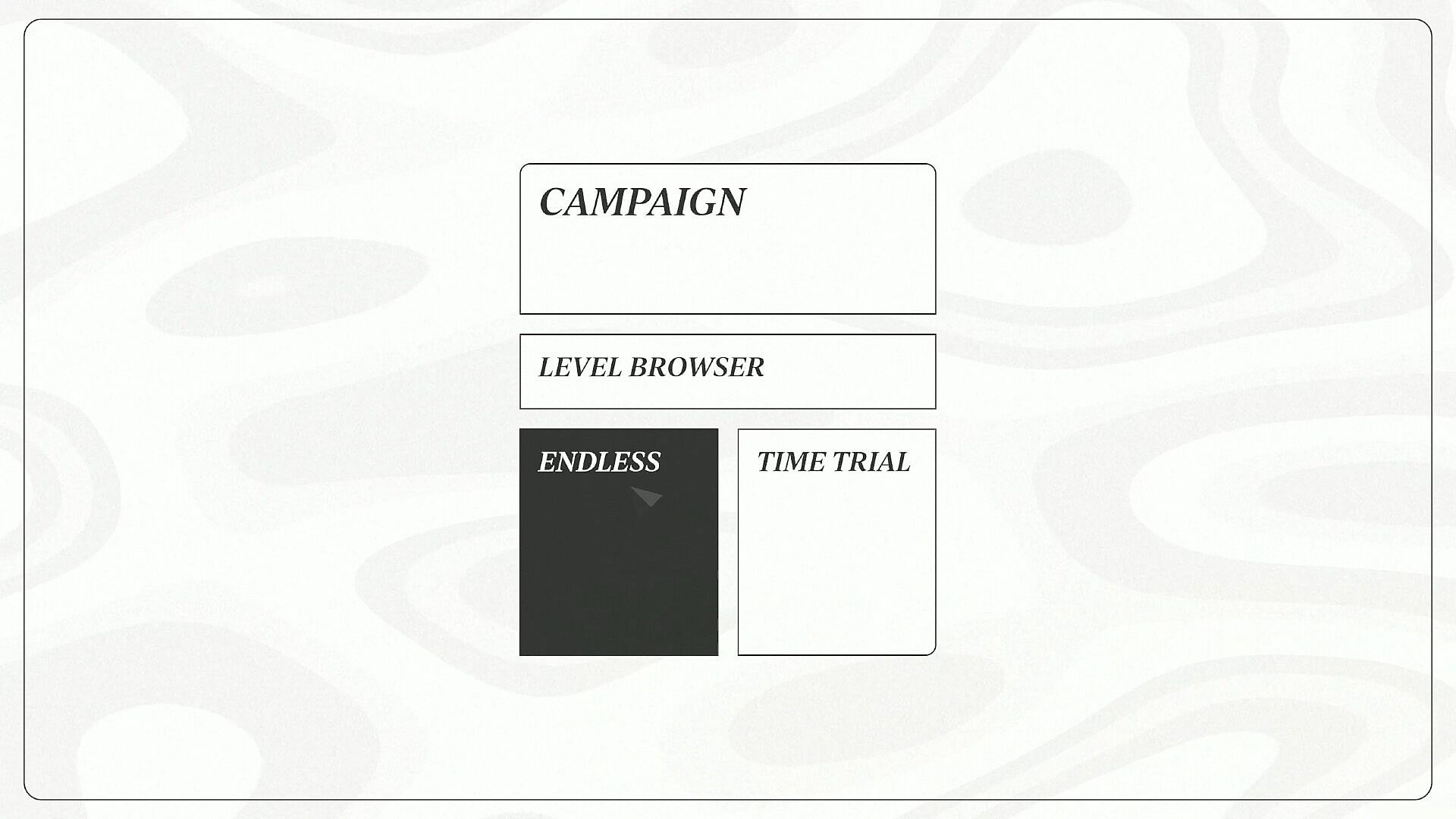
Single-player focuses on a campaign of one hundred handcrafted levels that progressively distort conventional notions of direction. Players can race against a clock, minimize total moves, or proceed at their own pace. A separate endless mode generates procedural levels that increase in difficulty without a fixed endpoint, with shareable codes allowing friends to attempt the same seed.
Co-op supports up to two players on fifty dedicated levels. Each controls their own plinth, and mechanics include stacking the objects to bridge gaps or coordinate movements across surfaces. This mode demands communication and synchronized actions to reach shared exits.
Community tools let players create and share custom levels or collections. Built levels can be remixed, and standout community creations appear as weekly challenges. A daily generated level appears for all players simultaneously, supporting streak tracking and global competition on the same layout.
Progression and Customization
Unlocks accumulate naturally through play. Twenty-four distinct plinths become available, each offering a different visual identity. Ten themes further modify the presentation of levels and menus. These rewards integrate directly into the main experience rather than serving as separate collectibles.
Competition spans multiple leaderboards. Fastest campaign completions, lowest move counts on specific levels, and deepest endless runs all track against friends and the wider player base. Level codes facilitate direct sharing of procedural or custom content without requiring external platforms.
Is It Worth Playing?
PLINTH suits players who enjoy puzzle games built around spatial manipulation and non-Euclidean thinking. The no-fail design lowers barriers for newcomers while still offering depth through optional challenges like speed runs or minimal-move solutions. Co-op levels provide a distinct collaborative layer that rewards coordination without introducing frustration from repeated failures.
Community features extend longevity beyond the initial campaign. Daily levels and endless generation supply ongoing content, and the ability to build, remix, and share levels creates a self-sustaining ecosystem. The game appeals most to those who value creative problem-solving over combat or narrative elements.
Its pre-release status means the full scope of player reception remains to be seen, yet the described systems emphasize accessibility paired with mechanical precision. Anyone drawn to indie puzzle titles that challenge perception of space will find a focused experience here.