







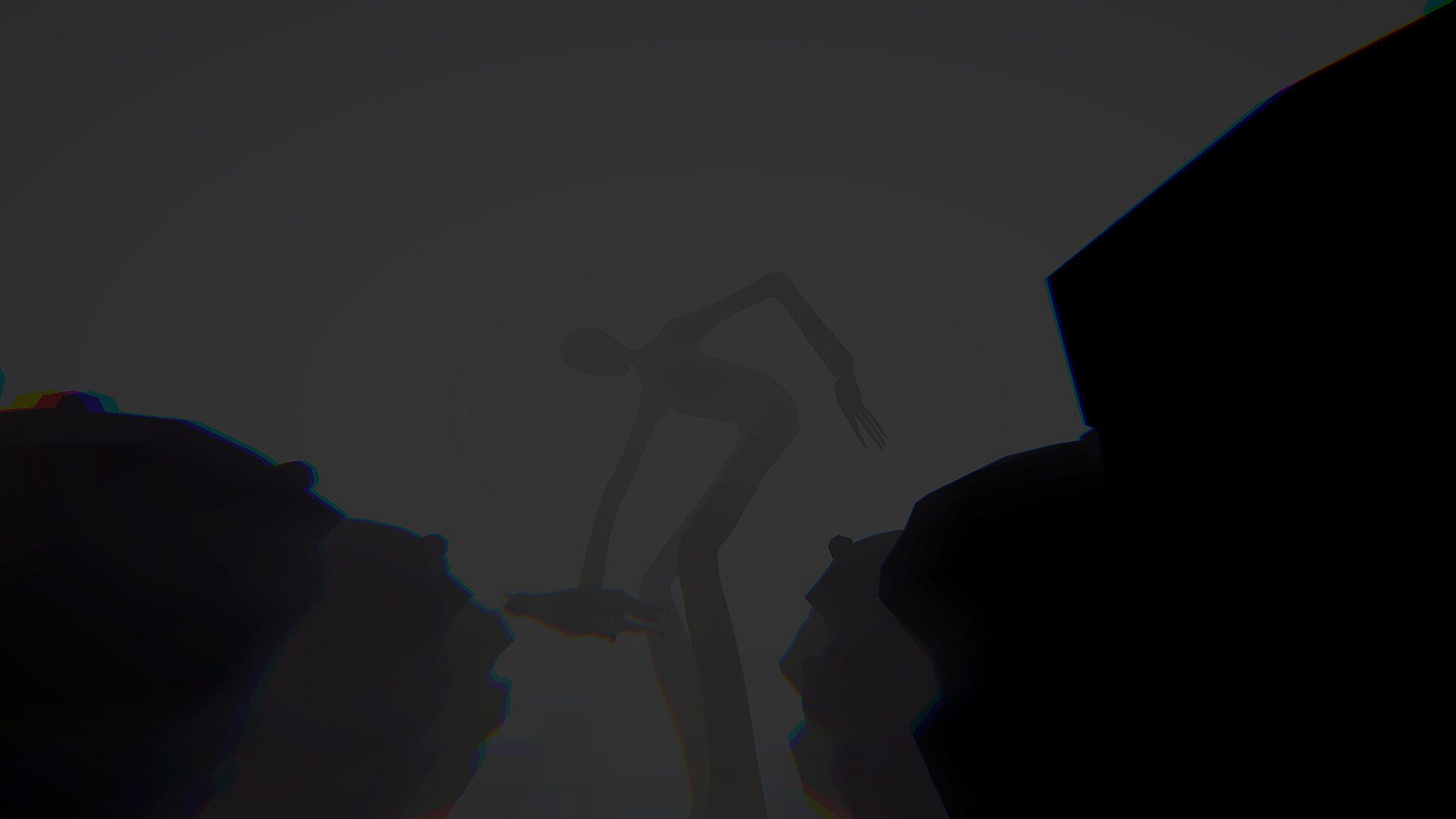
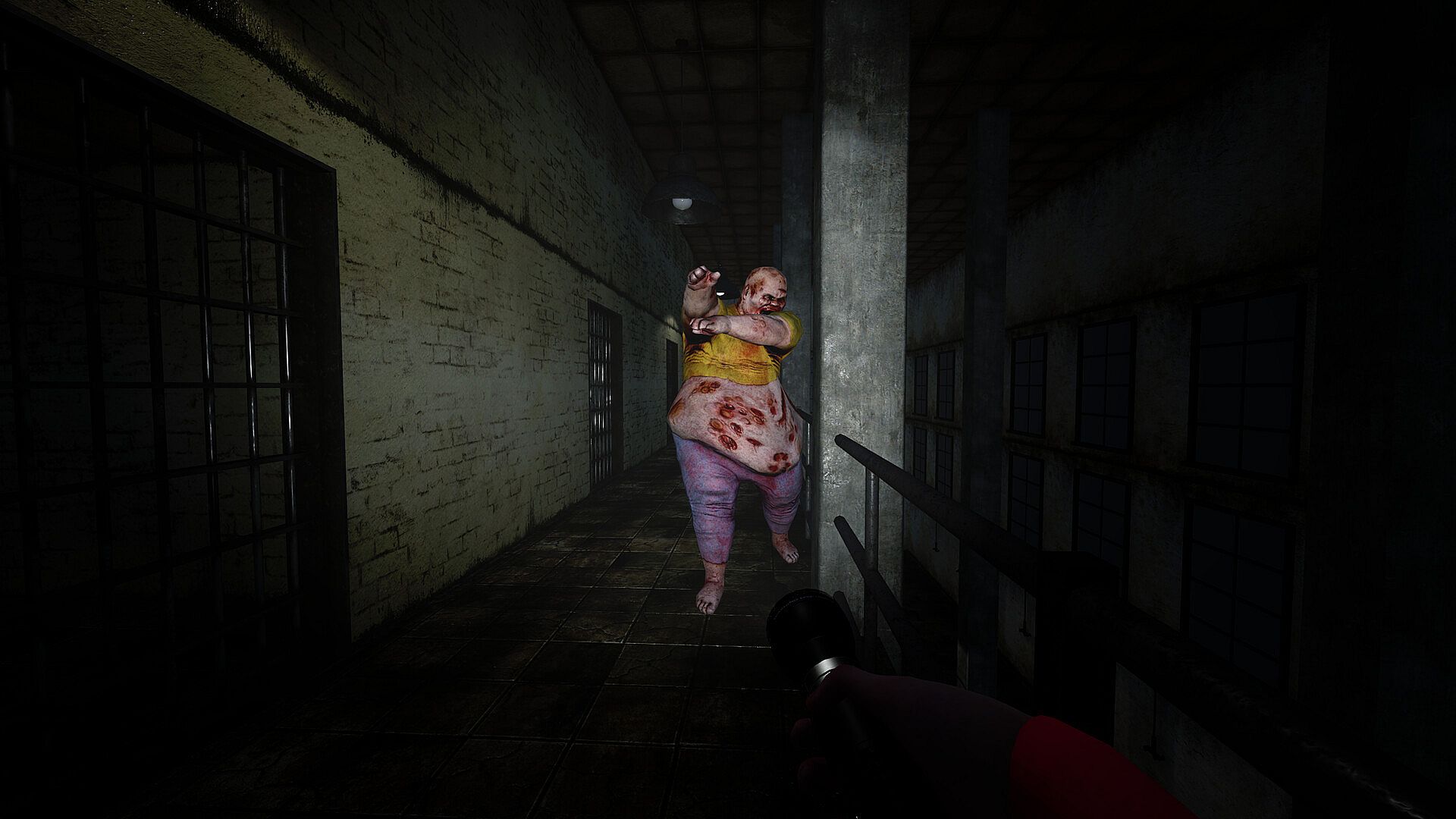
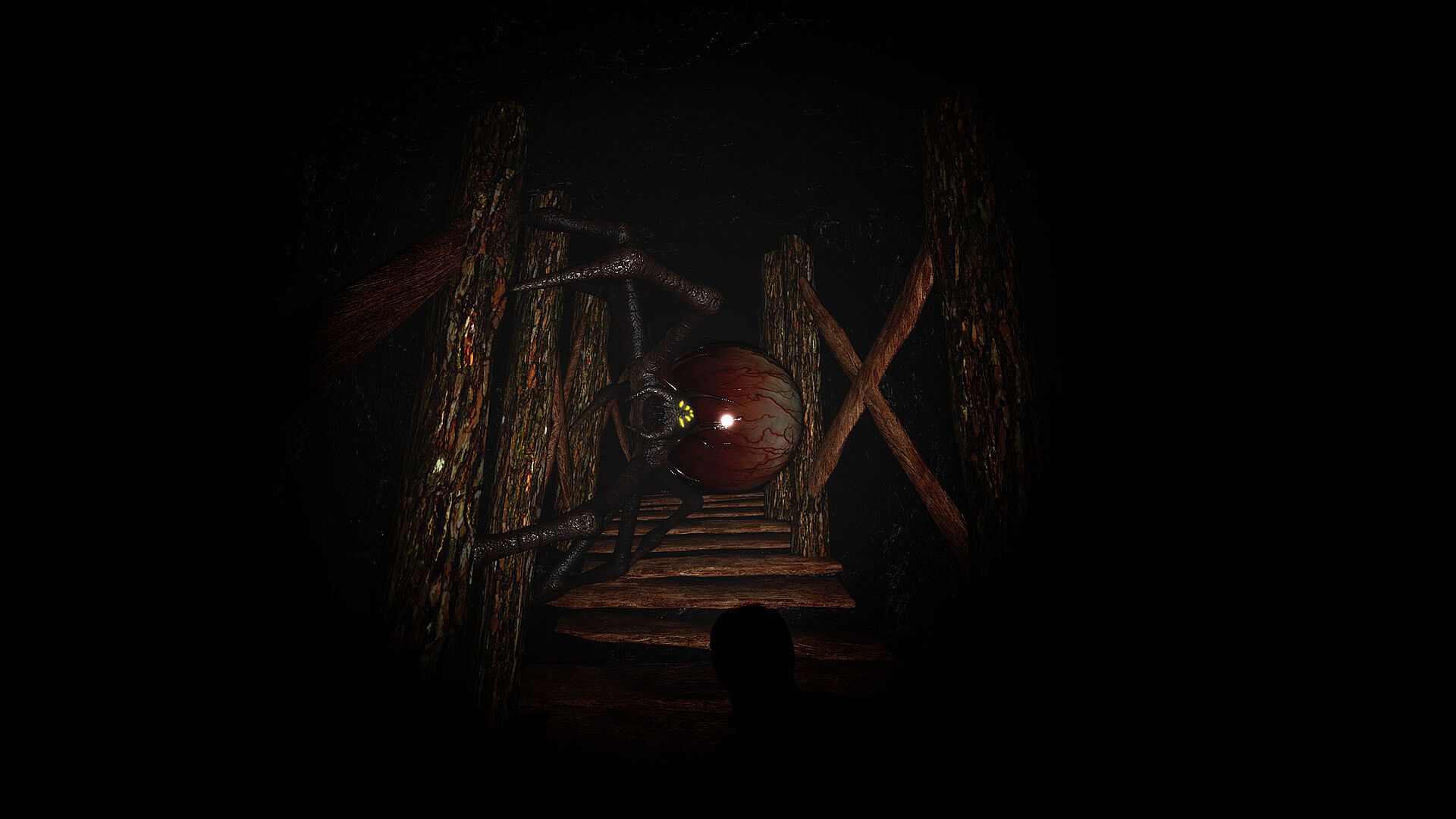
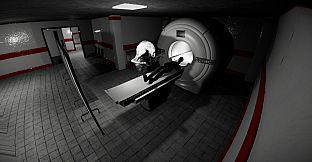
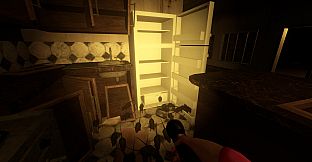
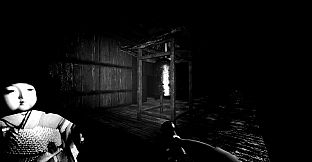

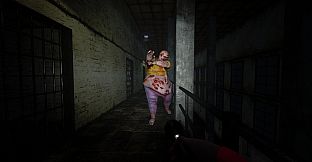
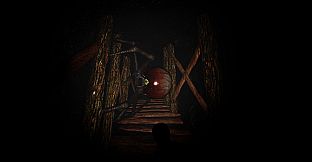
Phobophobia 2.0 - System Override is a single-player psychological horror adventure game developed and published by ghoSTudio games for PC. The title places players in a simulation that has been hijacked and weaponized against the protagonist Hannah, turning personal fears into active, physical threats.
Gameplay
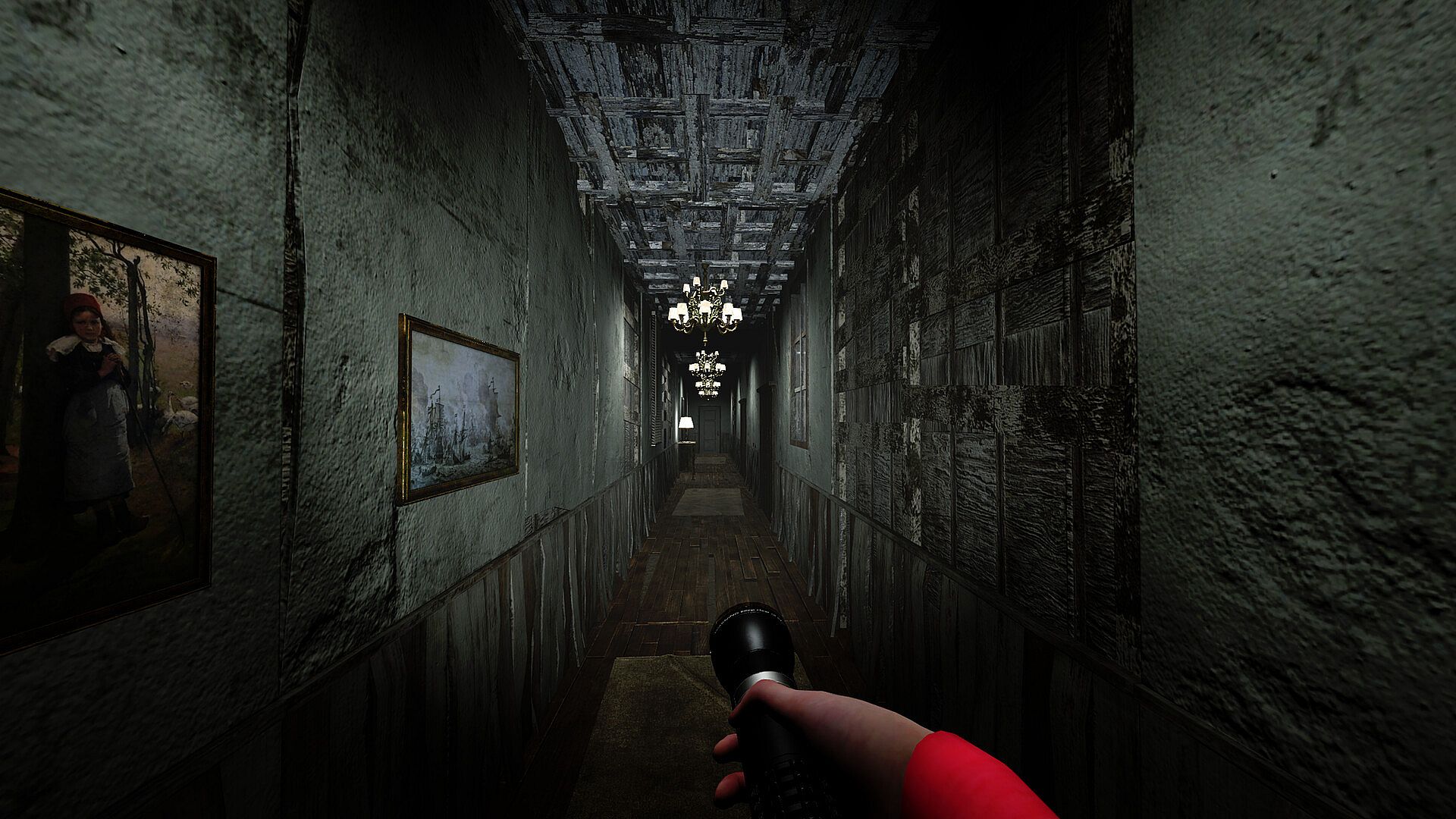
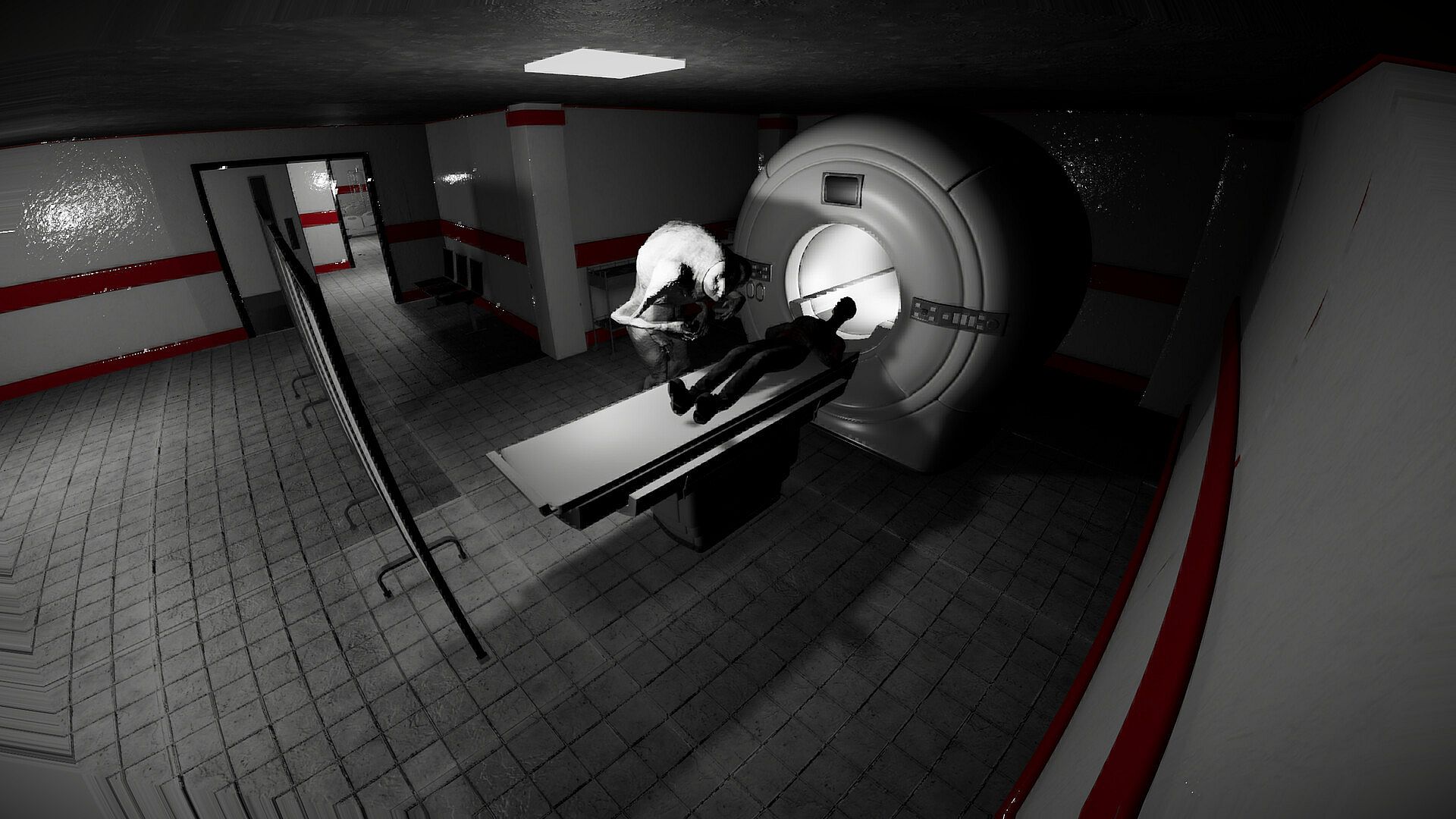
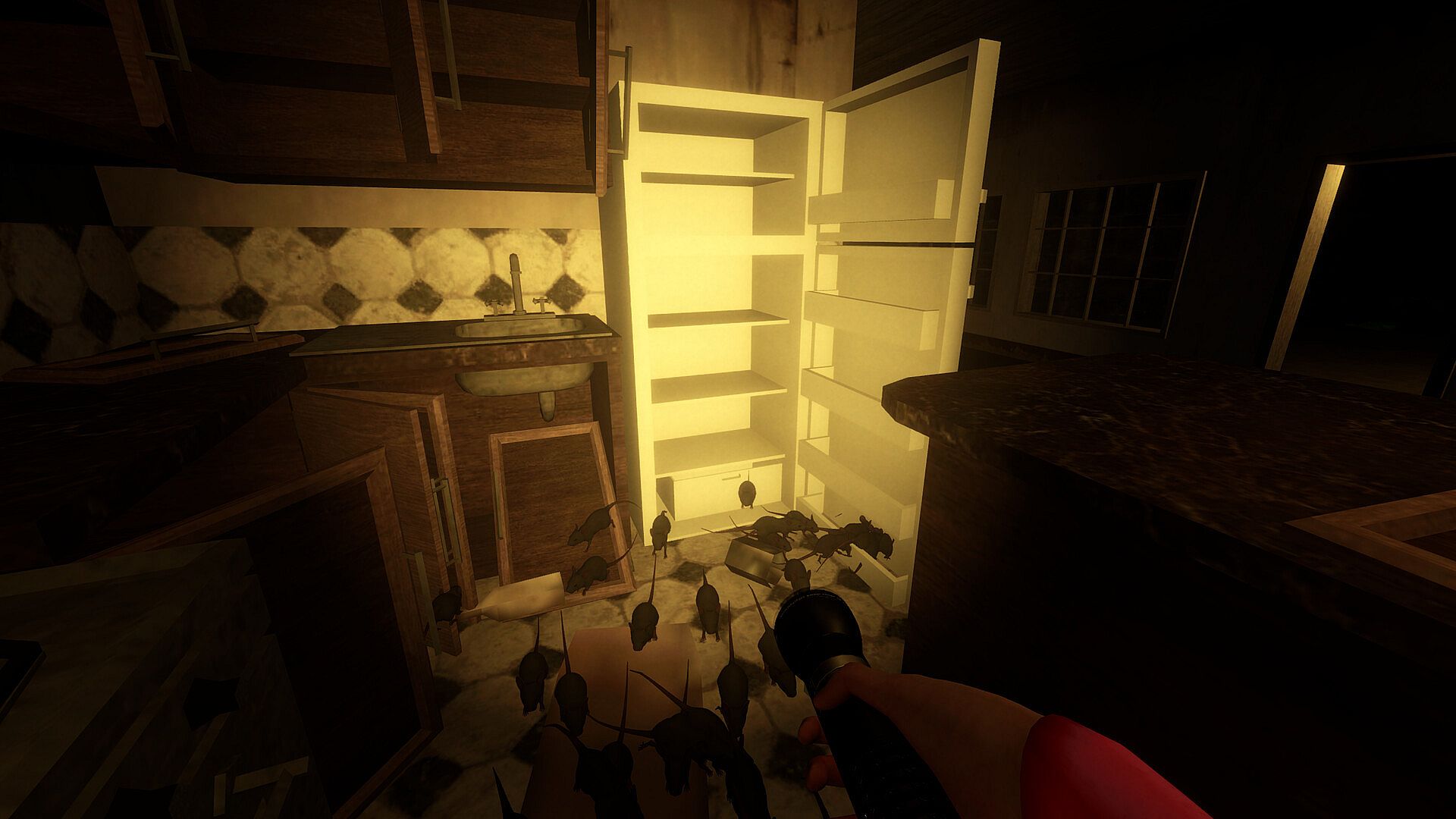
The core loop centers on navigation through a shifting, hostile environment where every room presents a unique visual and spatial layout. Players must move through hallways and chambers that twist in color, shadow, and structure with each transition, eliminating any sense of repetition or familiarity. Monsters born from specific phobias track movement and sound, forcing constant awareness of footsteps and breathing. Safe zones no longer exist, so evasion requires careful timing and pathing rather than static hiding spots.
Puzzle-solving forms a key part of progression. Blocked routes demand interaction with broken machinery and environmental locks that must be manipulated under pressure. These sequences occur while threats close in, requiring players to balance focus on the immediate task with monitoring the surrounding darkness. The simulation responds dynamically, with walls fracturing and shadows bleeding into physical space to heighten disorientation.
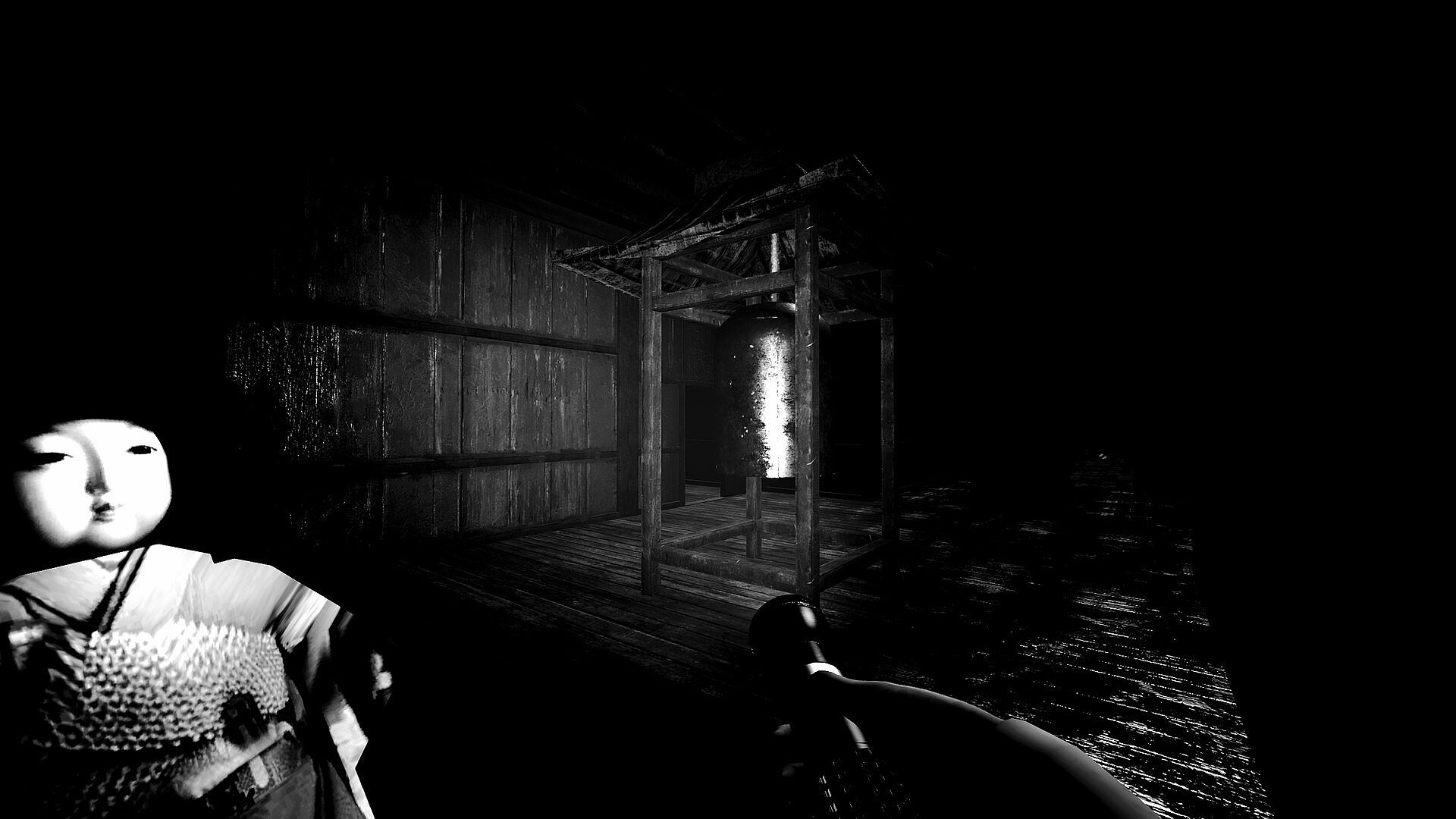
Atmospheric audio and visual cues intensify the experience. Whispers, scratching sounds, and bending architecture create constant unease, while distorted visions and messages appear without warning. These elements erode trust in perception, making every decision feel uncertain.
Game Modes
The game operates exclusively as a single-player experience. There are no multiplayer components or alternate modes confirmed at this stage. The entire session unfolds as a continuous narrative-driven survival sequence in which the player must escape the overridden simulation by uncovering buried information and overcoming the escalating threats designed by Mr. X.
Progression relies on exploration and sequential puzzle resolution rather than separate playlists or competitive formats. Each playthrough emphasizes personal endurance against aggressive, sound-reactive entities that pursue without respite.
Atmosphere and Horror Design
The horror stems from personalization. Mr. X has extracted Hannah's deepest fears and manifested them as fast, vicious entities that actively hunt rather than wait in ambush. Tight corridors and confined spaces amplify vulnerability, turning the environment itself into an antagonist. Visual variety ensures that no two encounters feel identical, sustaining tension through unpredictability.
Sound design plays a central role. Footsteps, breathing, and environmental noises serve as both warning systems and liabilities, since monsters react to them. Creepy audio layers, including distant cries and scratching, maintain pressure even during brief lulls in direct confrontation.
Narrative Elements
Scattered throughout the decaying rooms are fragments of the story involving Victor's failed rescue attempt and the revenge plot orchestrated by Mr. X. Distorted voices and flickering visions reveal pieces of the backstory, encouraging thorough searching while threats remain active. The narrative unfolds through environmental storytelling and collected messages rather than cutscenes or dialogue trees.
Is It Worth Playing?
Phobophobia 2.0 - System Override targets players who enjoy single-player psychological horror with strong emphasis on tension, sound-based mechanics, and puzzle integration under duress. Its procedural-feeling room variety and aggressive enemy behavior differentiate it from more static horror titles. Because the game remains in a pre-release state with no user reviews available, any assessment rests on the described systems and the developer's focus on human-created content supported by background AI tools only. Fans of intense, mind-bending survival adventures set in confined, shifting spaces will find the core loop aligned with their preferences. Those sensitive to jumpscares, realistic blood imagery, and themes of psychological confinement should approach with caution. Wishlisting provides the clearest path to access once the title launches.