




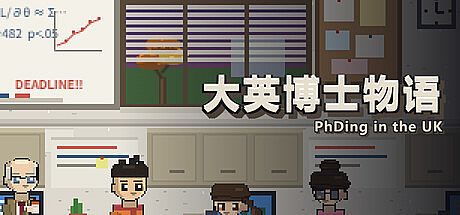



PhDing in the UK is a pixel-art life simulation RPG that places players in the role of a Chinese international student pursuing a doctorate in Britain. The game blends everyday management of a student schedule with a card-based combat system that represents academic challenges such as supervisor meetings, thesis reviews, and the final viva examination. Single-player throughout, it emphasizes personal choices in time allocation, skill development, and social connections while the clock ticks toward graduation deadlines.
Gameplay
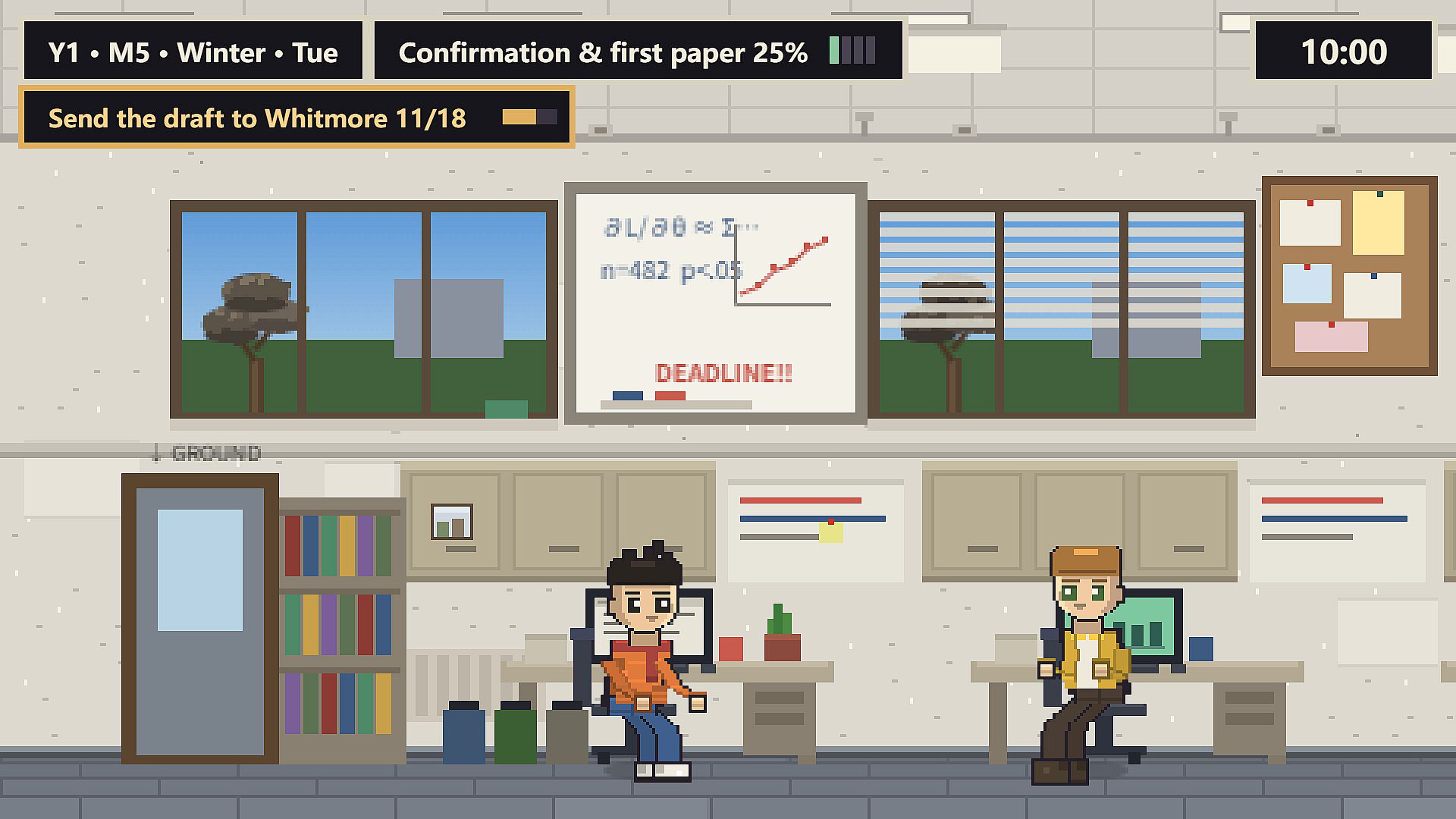
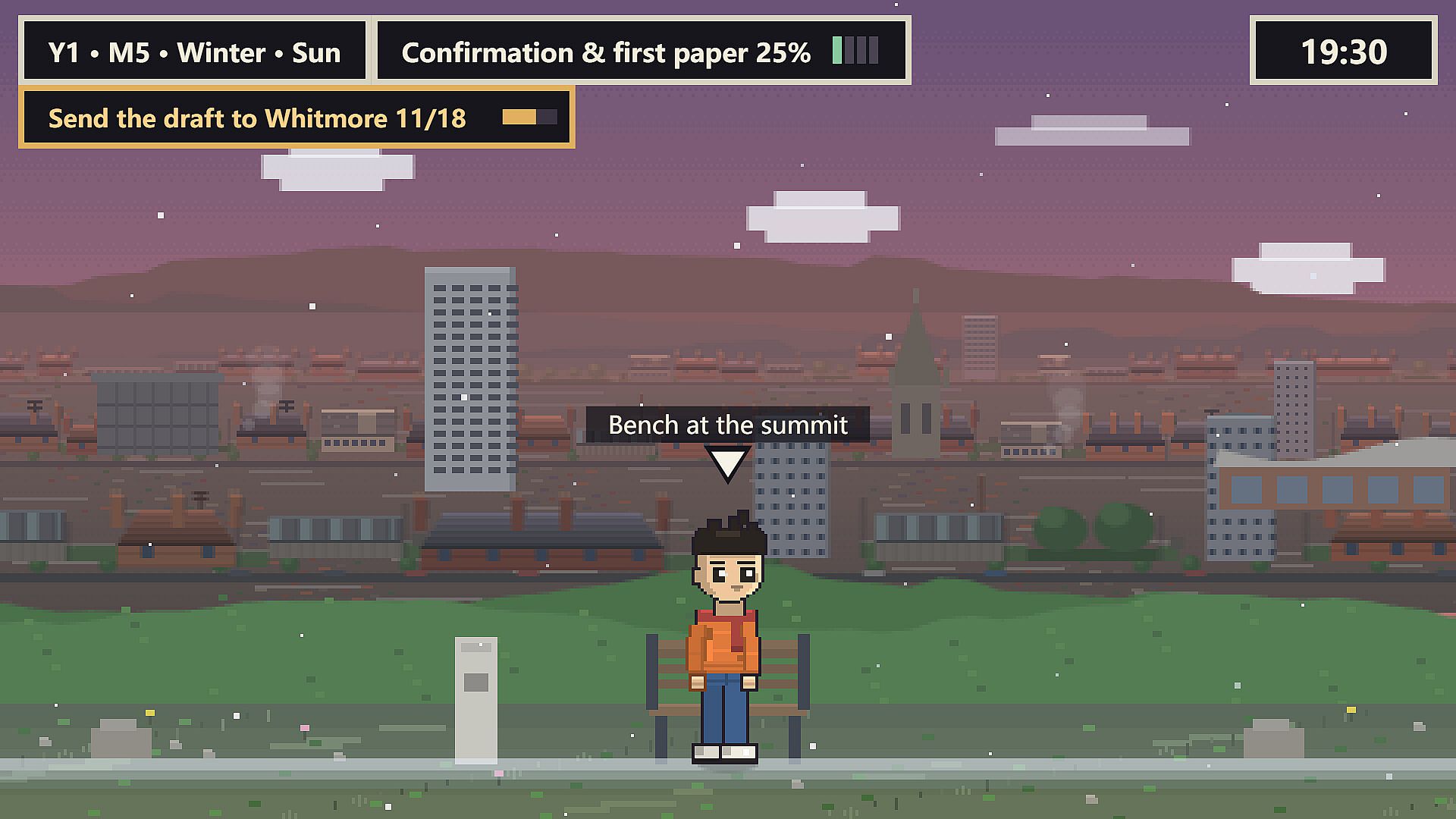
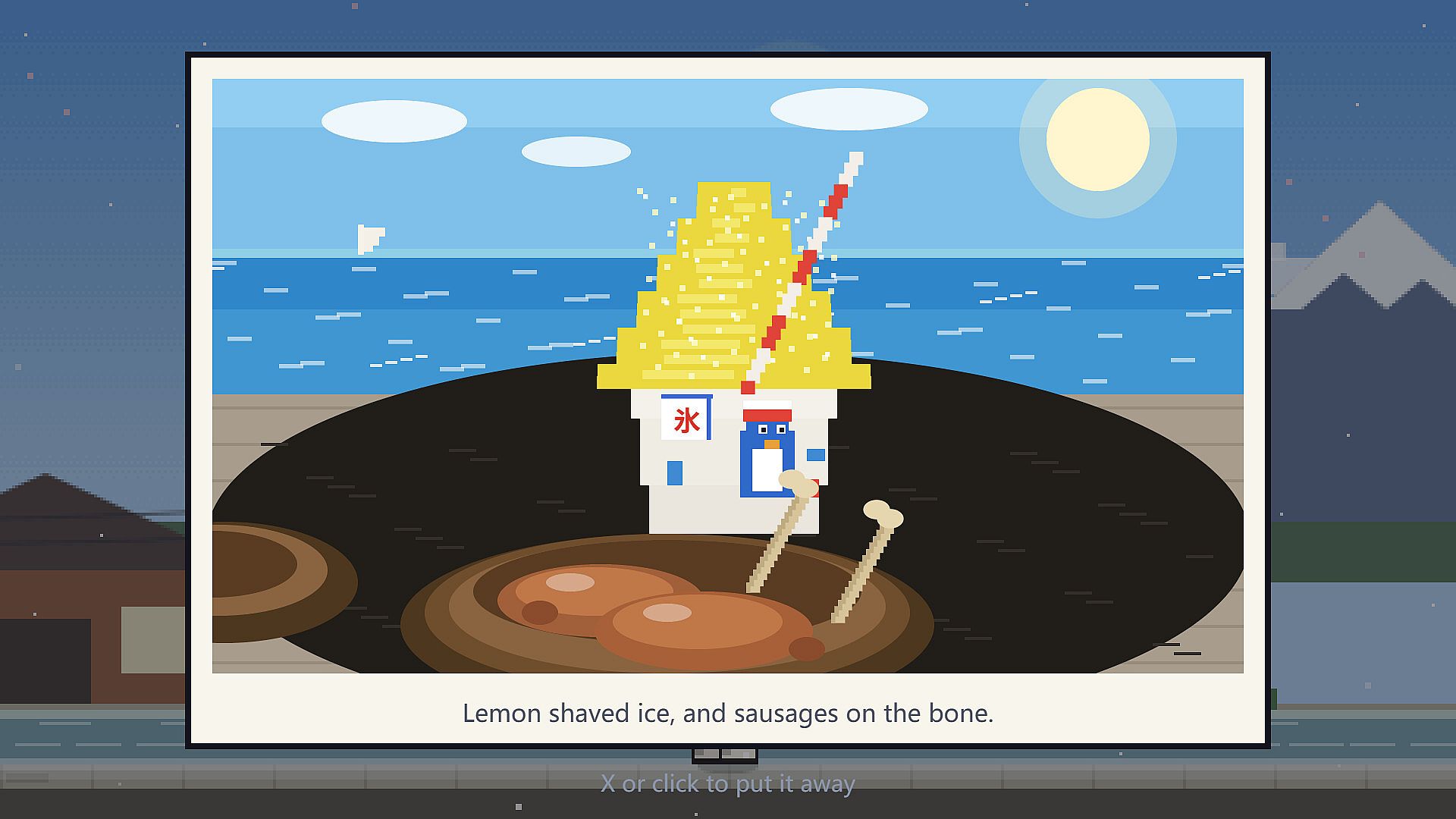
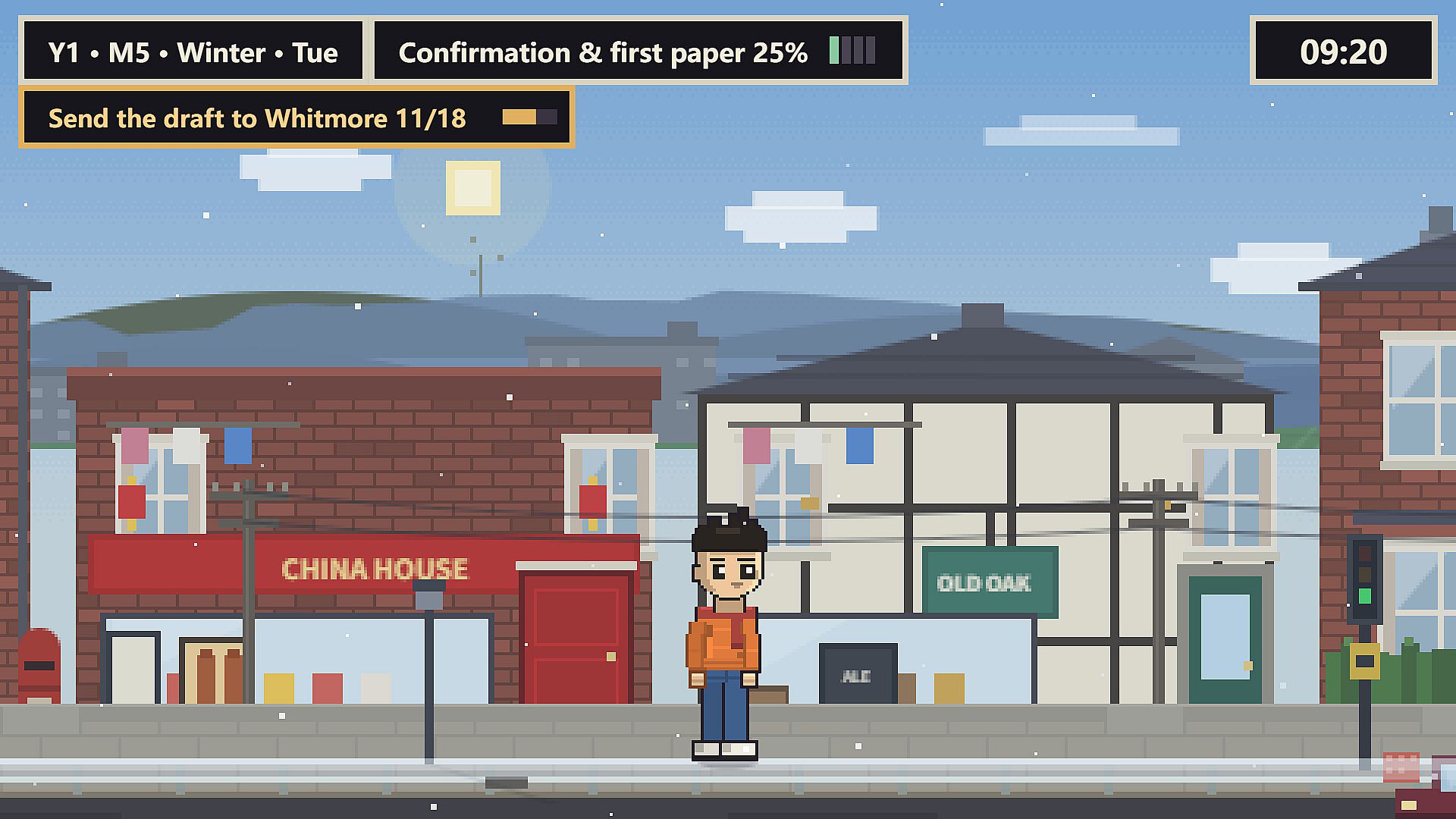
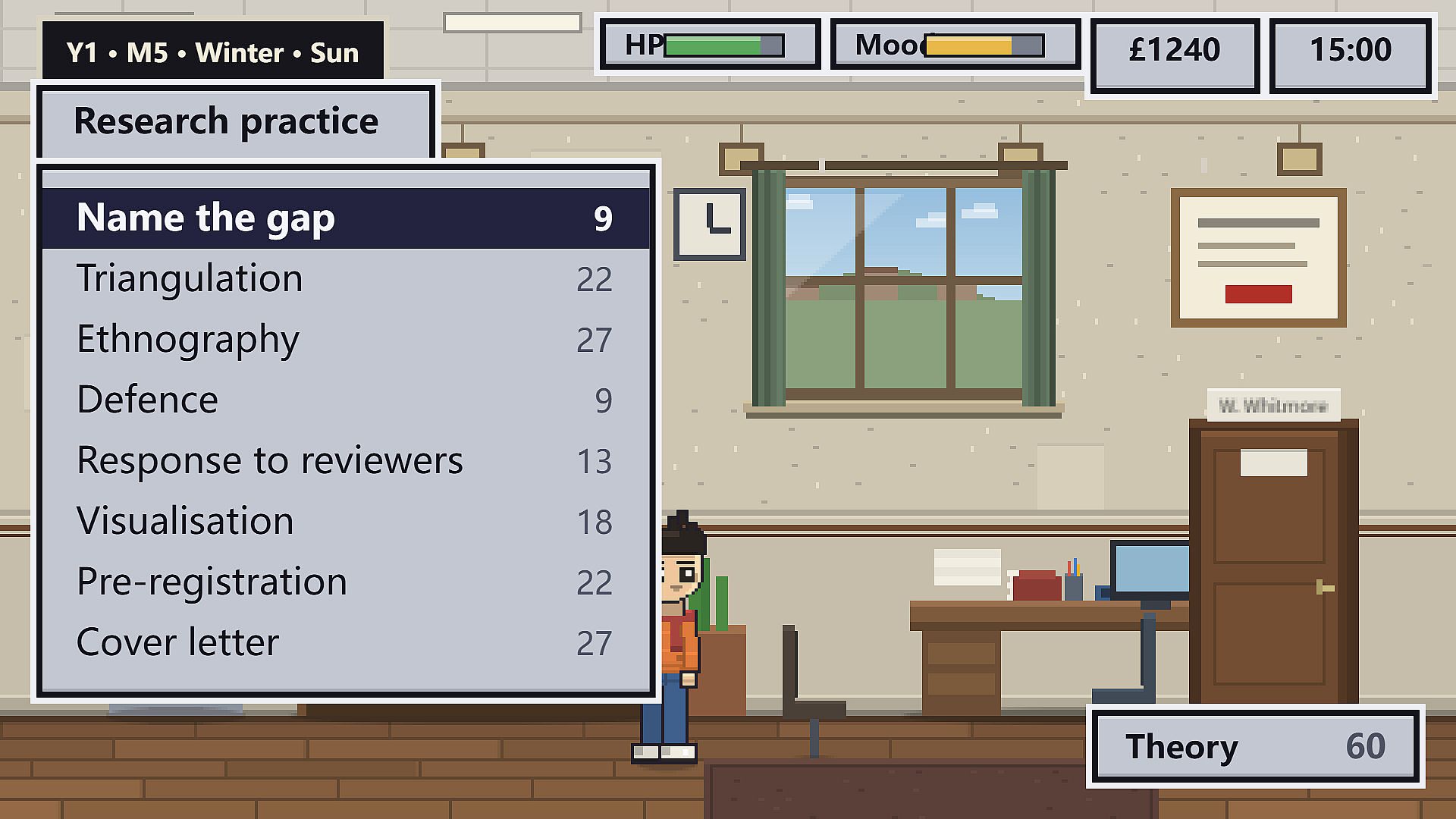
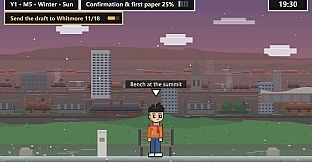
The core loop centers on balancing thesis work with the demands of daily life in a new country. Players allocate waking hours to writing, reading, cooking, exercising, or simply resting, knowing that every decision influences energy levels and mental state for upcoming confrontations. Non-academic activities like fishing by a park lake, trying luck at a casino, or taking part-time shifts provide necessary breaks and resources, yet they also shape the condition in which the player enters the next academic encounter.
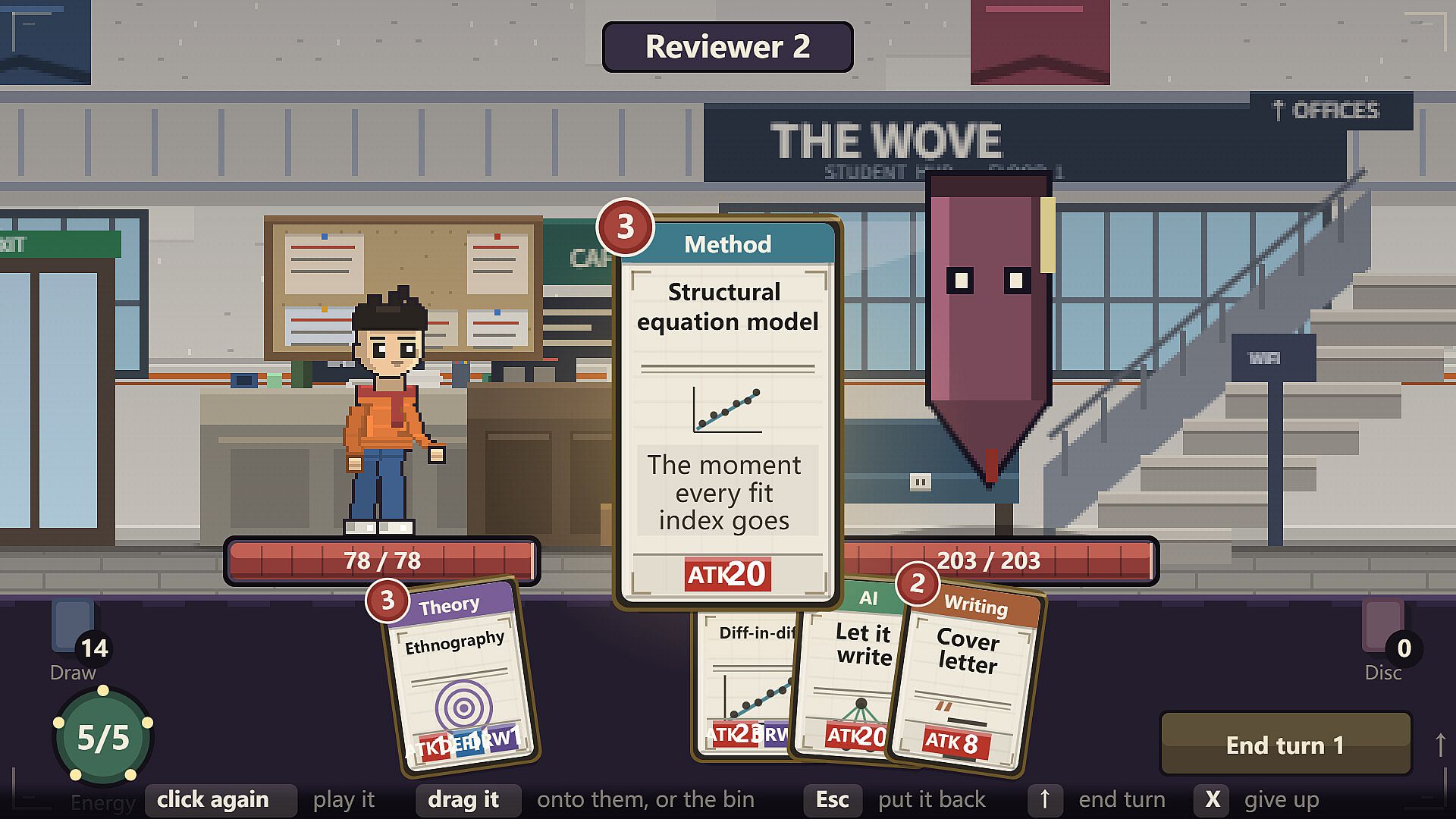
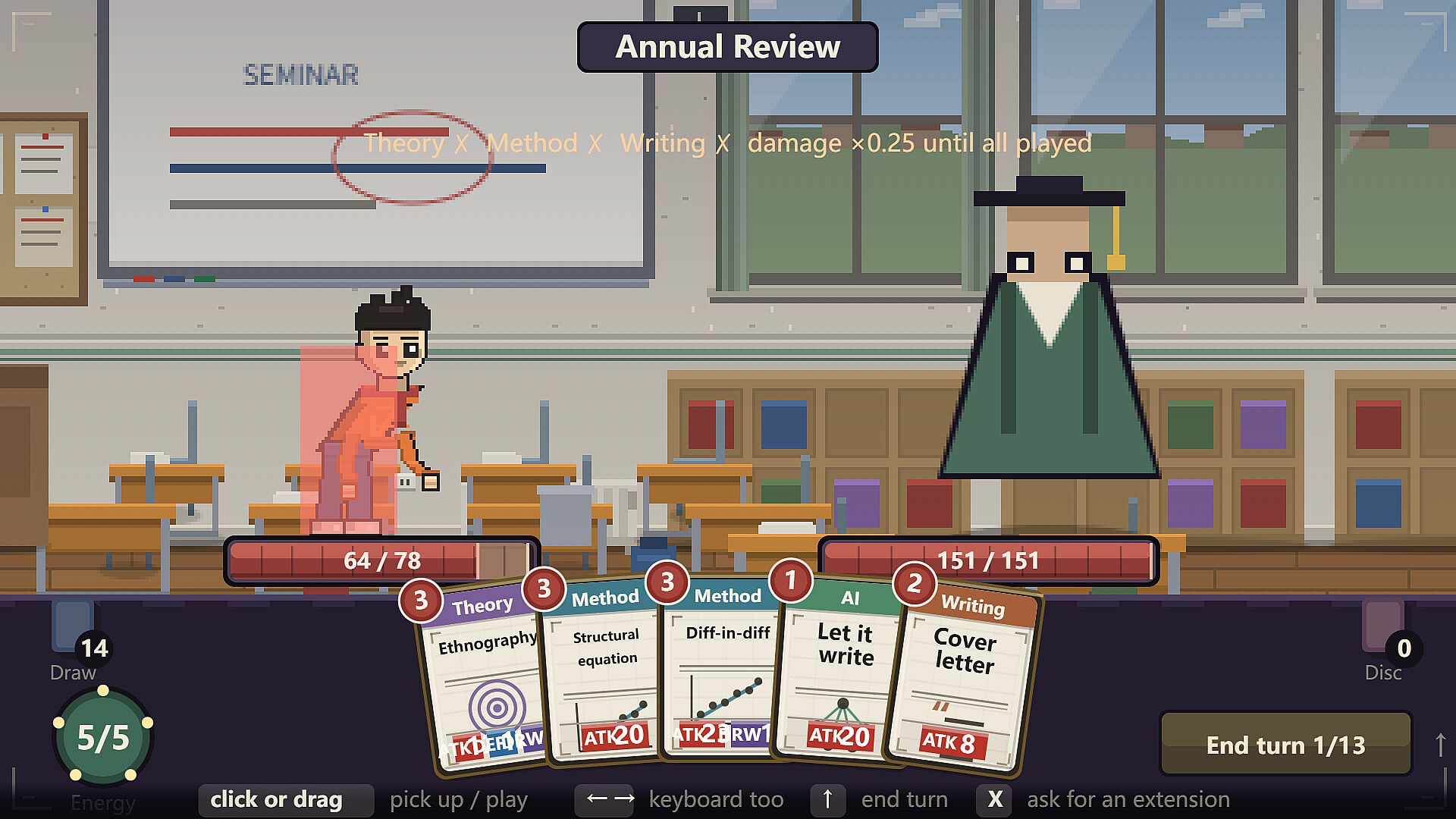
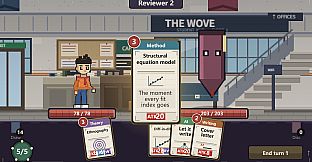
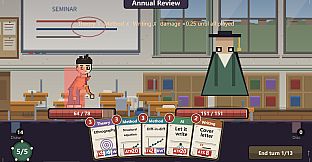
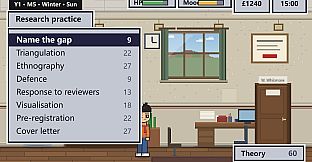
Card battles form the resolution for key academic events. Different supervisors teach distinct schools of skill cards drawn from research arguments and methodologies. Players curate a limited deck and engage in turn-based showdowns against deadlines, reviewers, and committee members. Success depends on preparation from prior days and the specific cards assembled over time.
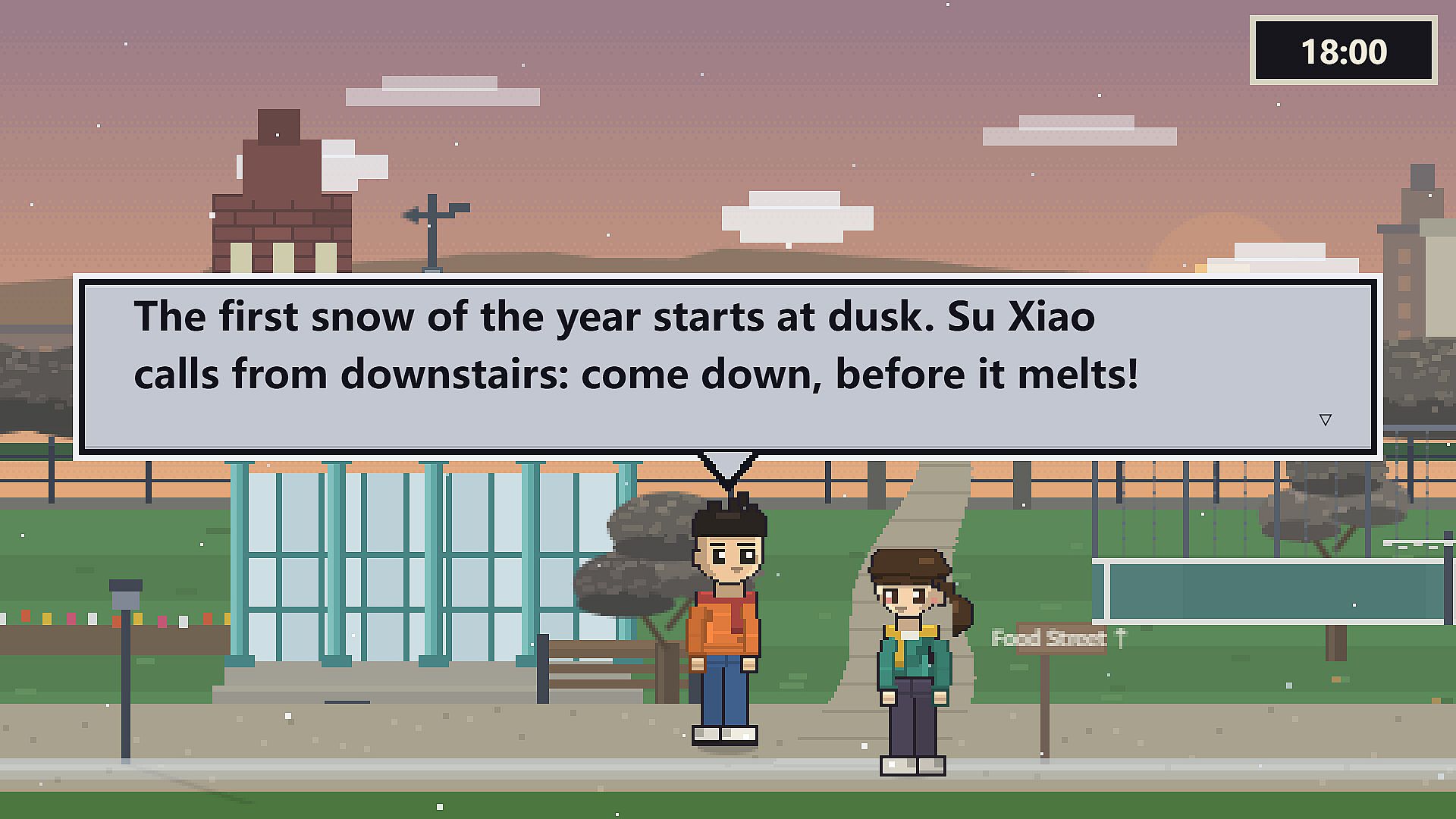
Relationships add another layer. Labmates and friends each carry distinct personalities and personal story arcs. Interactions can deepen into meaningful bonds, with some moments offering unexpected support such as an umbrella on a rainy day. Choices about whom to confide in influence the narrative path and contribute directly to one of several possible endings upon graduation.
Travel opportunities appear between terms and at conferences, allowing visits to locations ranging from Tokyo backstreets to Roman ruins on a limited student budget. These excursions provide both respite and new perspectives that feed back into the player's overall experience and deck options.
Game Modes
The experience unfolds as a continuous single-player simulation without separate selectable modes. Day-to-day management, card-based academic confrontations, relationship building, and occasional travel all integrate into one cohesive progression toward the end of the PhD program. Multiple endings emerge naturally from accumulated choices rather than from branching campaign selections.
Localization supports ten languages with fully translated text for every line, including Simplified and Traditional Chinese, English, Japanese, Korean, German, French, Spanish, Portuguese, and Russian. This ensures accessibility across a broad audience interested in the game's themes of international study and academic pressure.
Setting and Themes
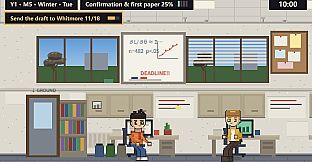
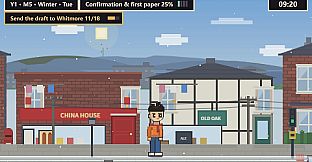
The game captures the realities of studying abroad through pixel-art depictions of rented rooms in Sheffield, university corridors, and modest leisure spots. It portrays the mix of isolation, cultural adjustment, and quiet determination that many international doctoral students encounter. Self-deprecating humor and sincere moments sit alongside the practical challenges of funding, health, and productivity.
Pixel art style keeps the presentation light and approachable while the card system adds strategic depth to otherwise narrative-driven events. The overall tone balances cozy routines with the underlying chaos of looming deadlines and interpersonal dynamics.
Is It Worth Playing?
PhDing in the UK targets players who enjoy life simulation games that incorporate light RPG mechanics and narrative branching. Those drawn to stories about academic life, personal growth, and managing limited time will find the day-to-day decisions and card battles rewarding. The multiple endings tied to relationship choices and activity patterns encourage replay for different outcomes.
With its focus on a single coherent experience rather than competitive or multiplayer elements, the game suits solo players seeking a reflective yet structured simulation. Release is scheduled for September 2026 on PC, and the absence of prior reviews means prospective players should watch for launch feedback on pacing and depth of the card system. Individuals who appreciate pixel-art presentations and themes of perseverance through everyday pressures are most likely to connect with its approach.