


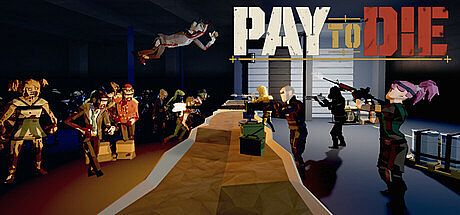


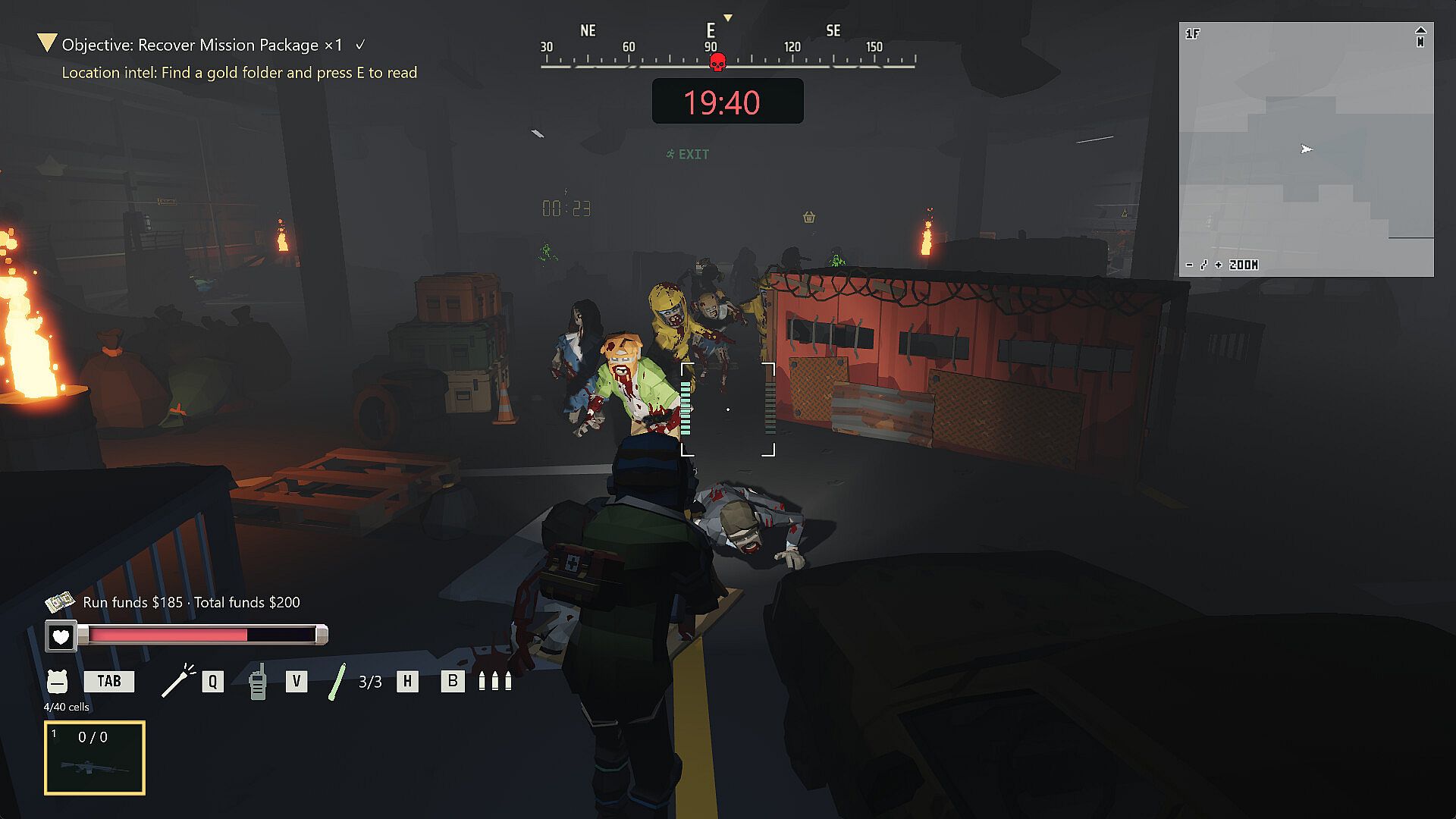
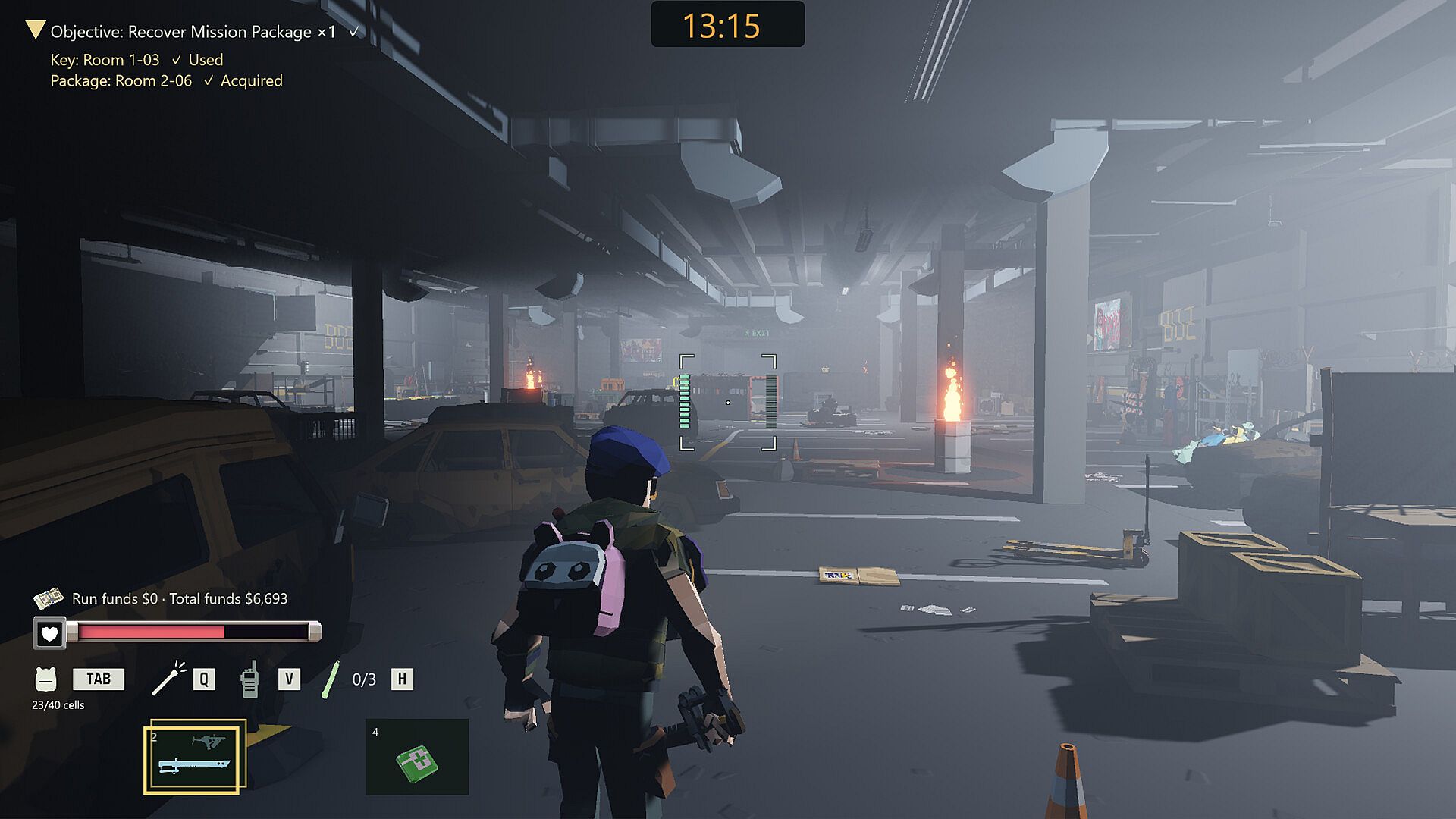
Pay To Die is a casual adventure game for PC that combines procedural maze exploration with zombie survival and light extraction mechanics. Players take on recovery jobs to clear debts, navigating dark environments while managing limited inventory space and time pressure. The core loop centers on entering generated layouts, locating key items, gathering sellable loot, and reaching an extraction point before the situation worsens.
Gameplay
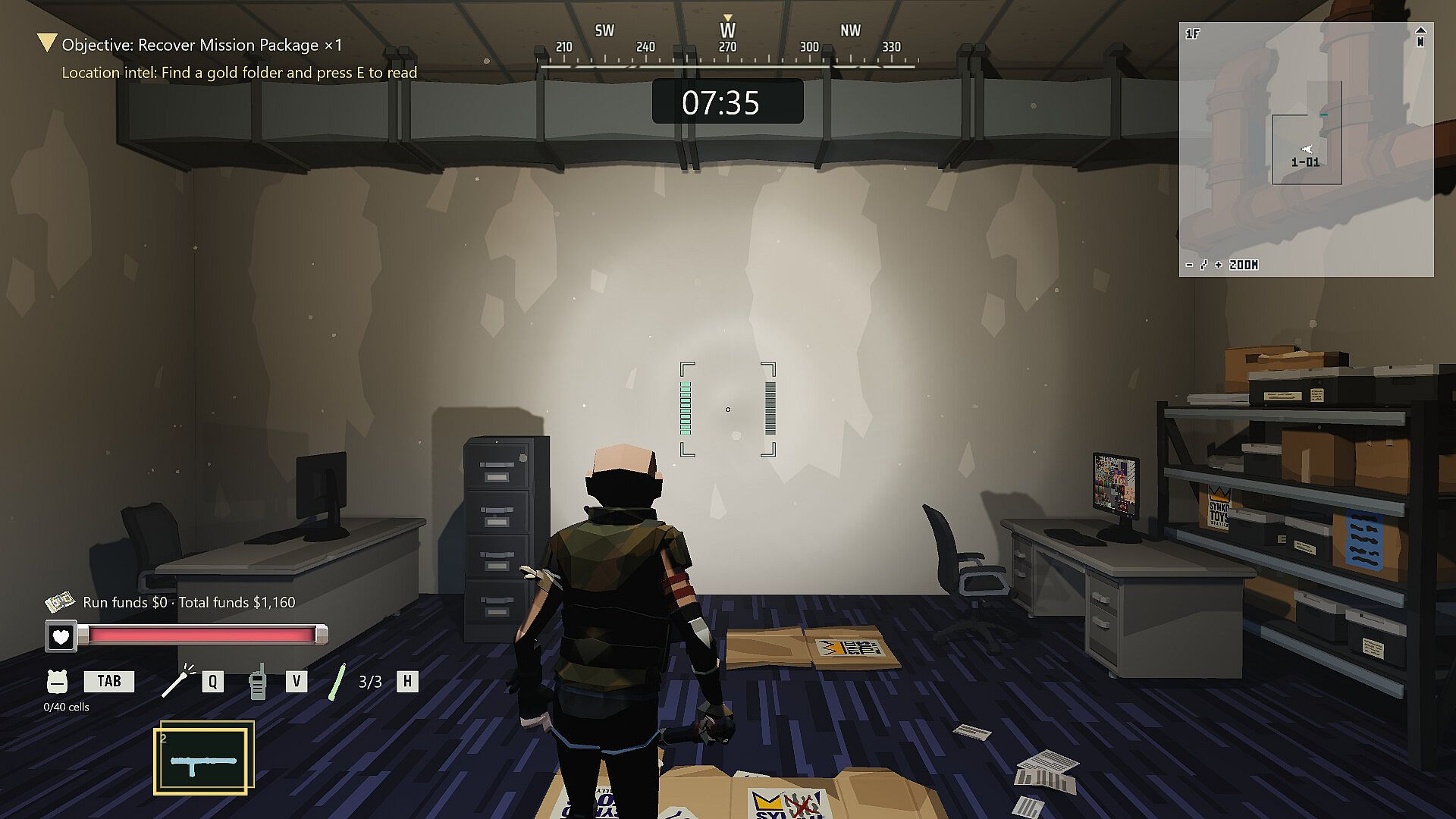
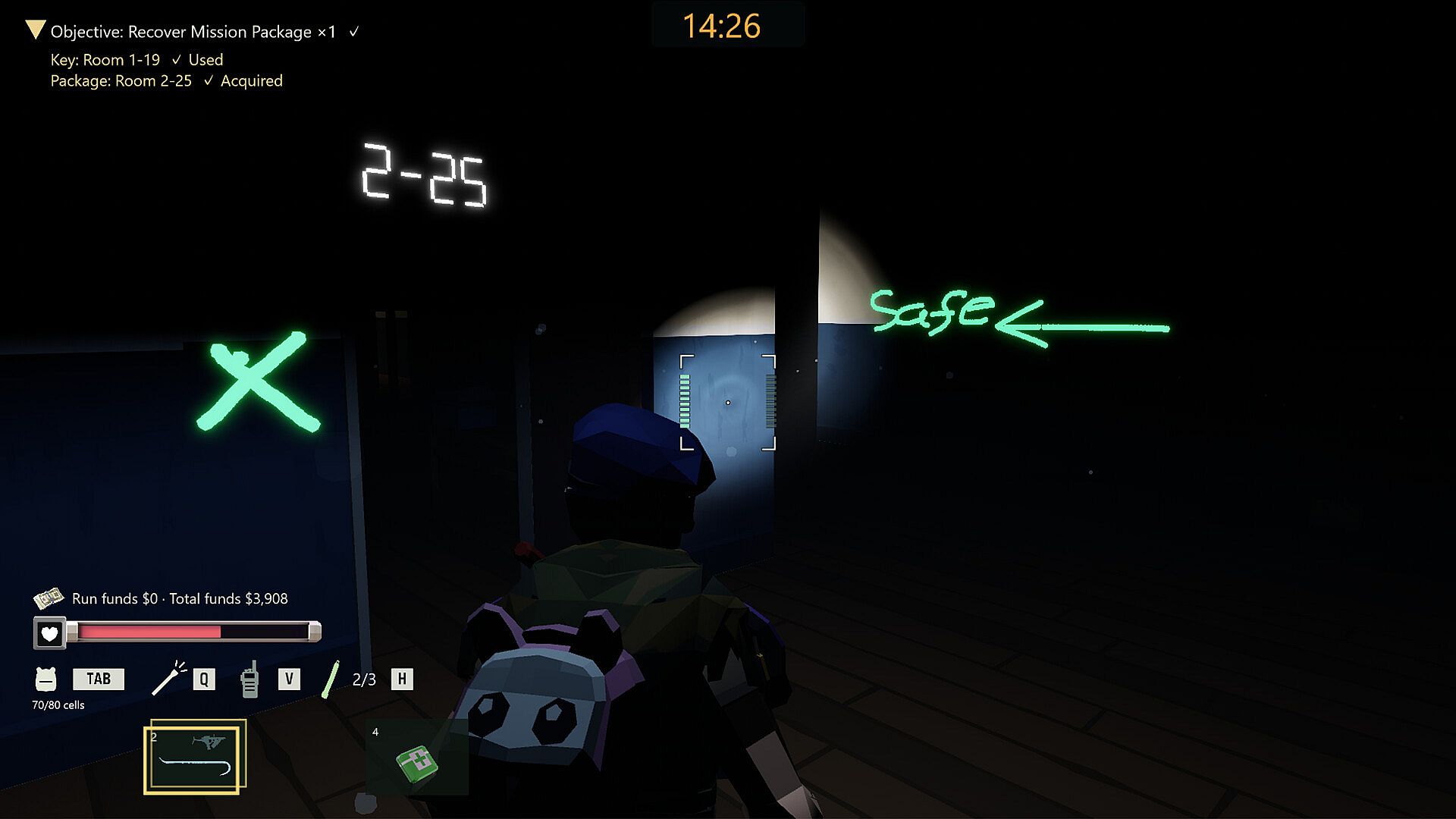
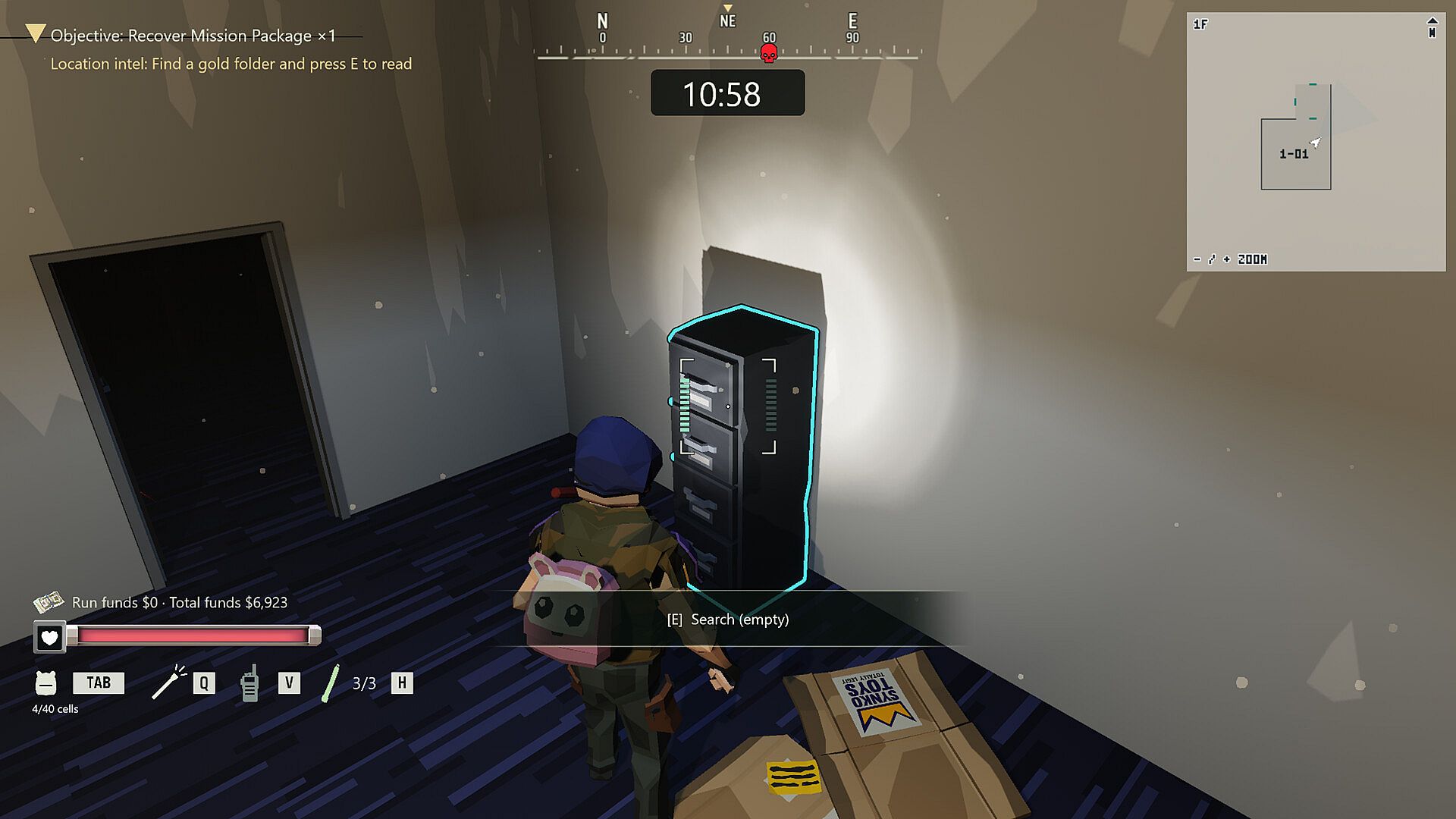
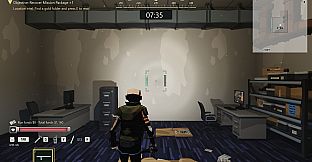
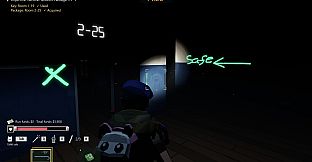
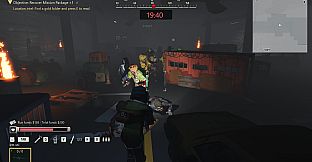
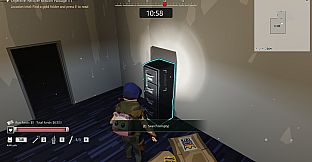
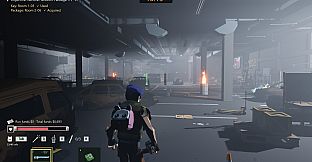
The experience revolves around navigating dimly lit mazes filled with zombies. A flashlight serves as the primary tool for visibility, while the minimap reveals only the immediate surroundings. Players track room numbers, mark paths with glowsticks, and examine gold folders for directional clues. Three maze sizes are available at the start of each run, and layouts change every time. Turning off the minimap increases the payout but demands stronger spatial awareness.
Inventory management adds tension. Items such as digital cameras, rations, and unusual objects like a plastic flamingo take up space needed for the main package and medical supplies. Decisions about whether to explore one more room or head for extraction become critical as time runs low. Earnings from successful runs fund weapon purchases, ammo, and medical restocks, with a portion reserved for ongoing debt payments.
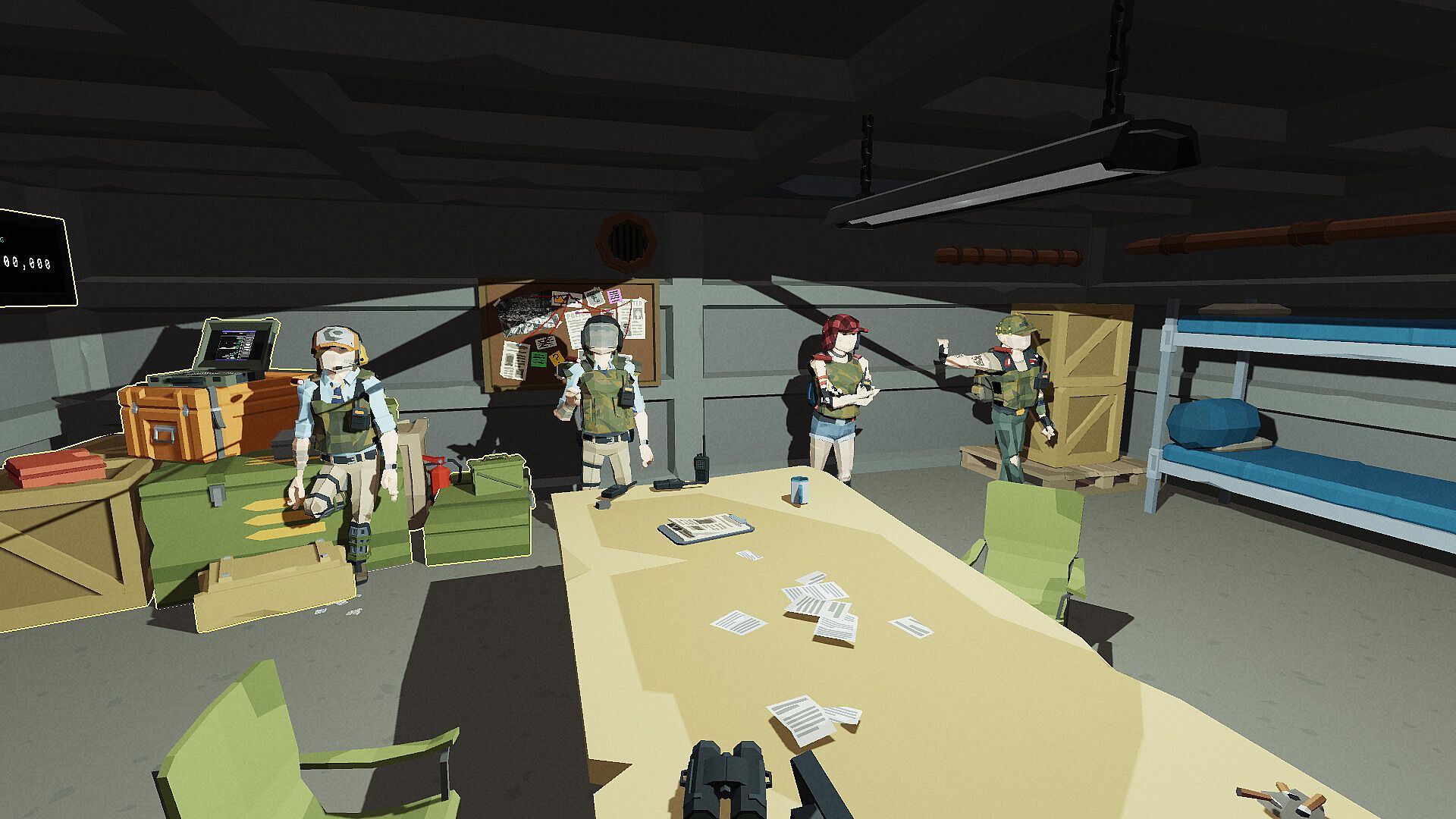
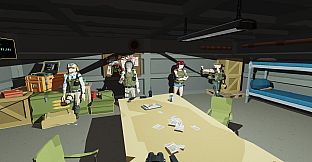
Co-op supports up to four players online. Teams can split to cover more ground during searches, then regroup when zombies block passages. Acid spitters force movement and disrupt positioning. When a teammate falls, one player provides covering fire while another performs the revive. The package can be passed between crew members to improve extraction chances.
Game Modes
Each session begins with a recovery job in a procedurally generated maze. The objective is to secure the package and the extraction key, then reach the elevator platform. Exploration and looting occur under constant threat from zombies, with navigation tools helping players avoid dead ends.
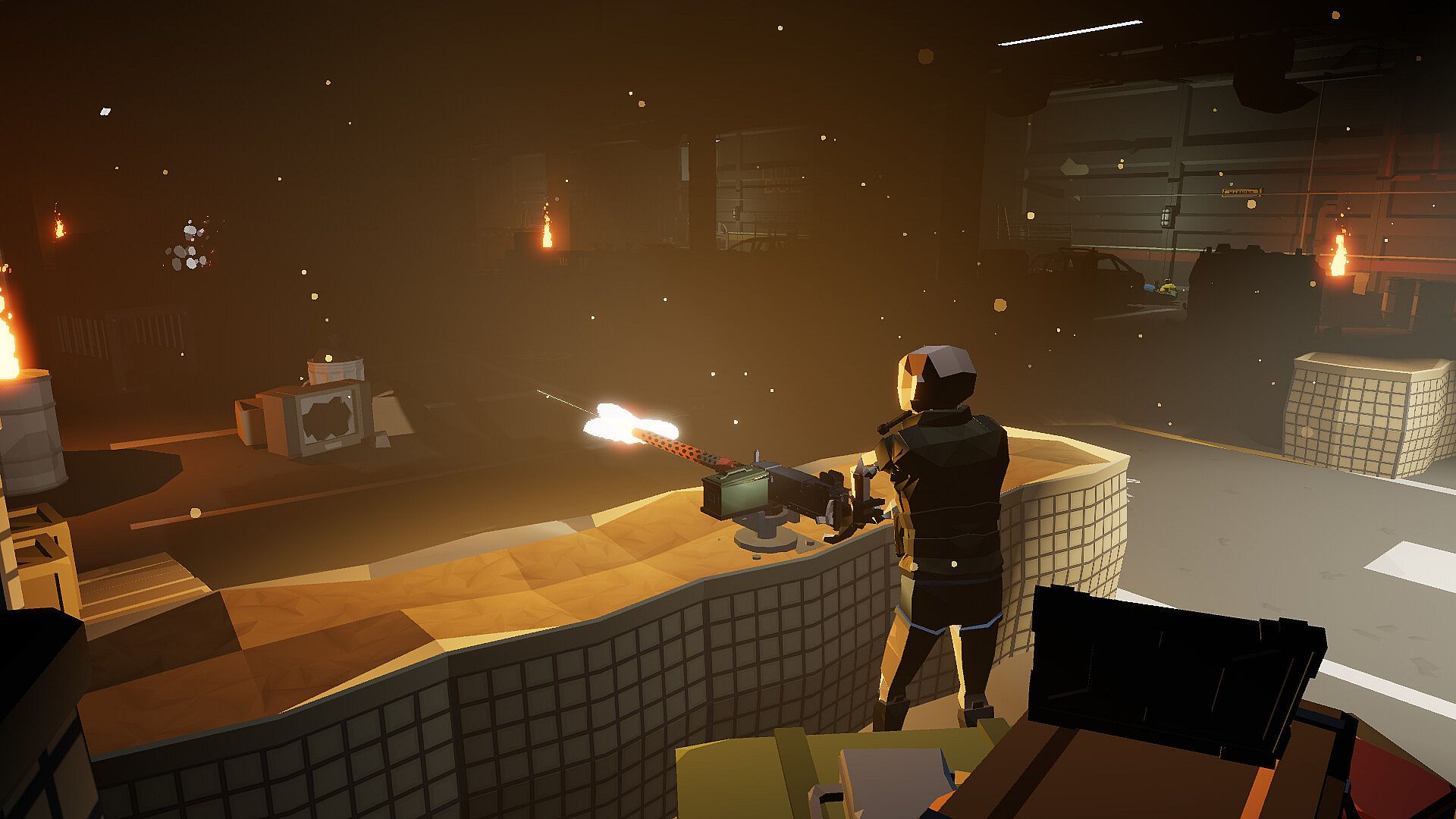
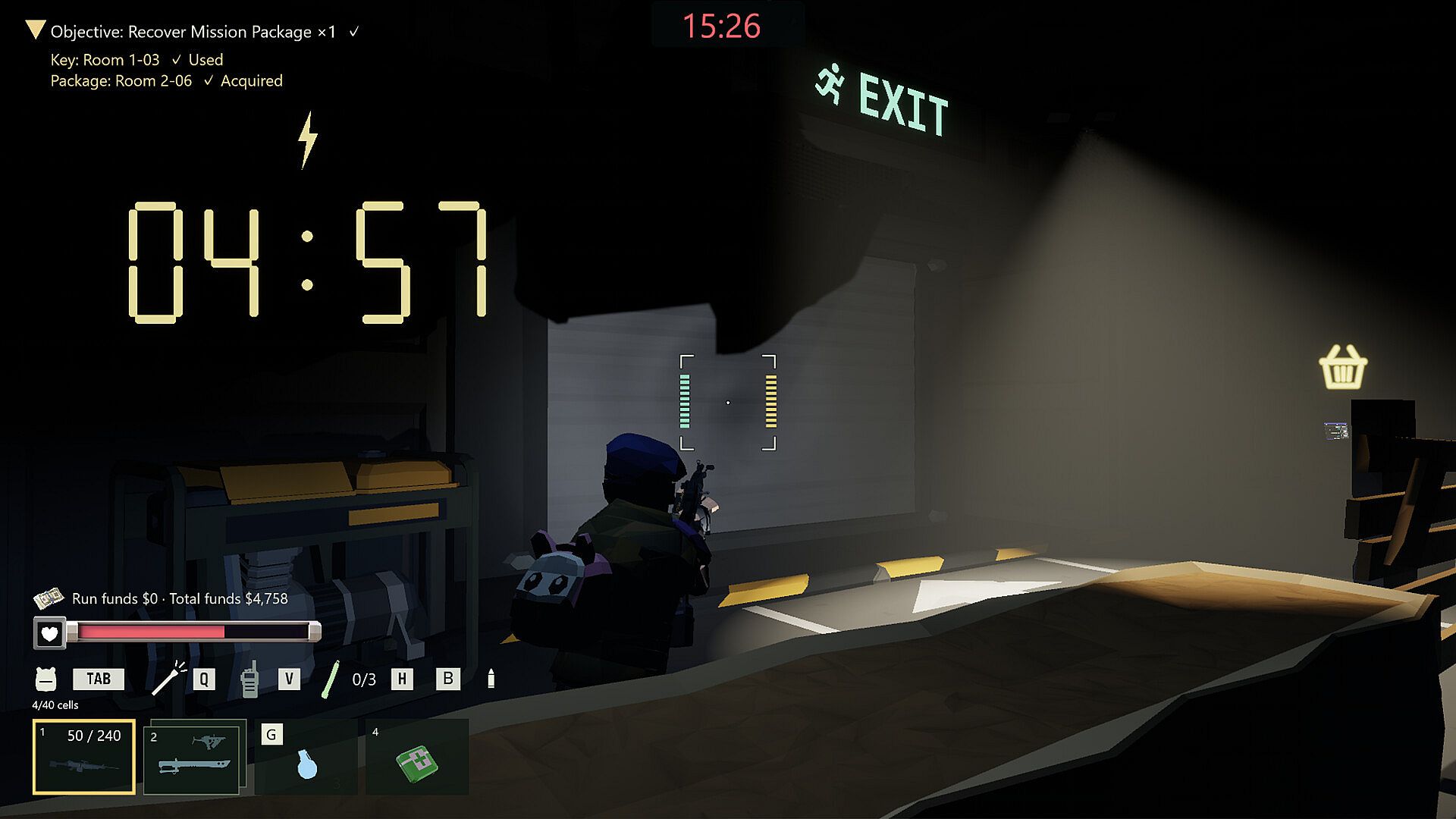
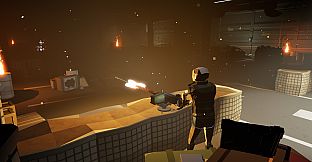
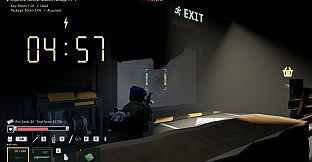
At the extraction platform, players activate a generator and defend the area during a countdown. Barricades can be placed across gaps, and an H50 machine gun mounts on sand-filled barriers. One player typically holds the front line while others cover flanks or assist with reloading, healing, or revives. The horde may breach defenses, requiring quick adjustments until the elevator doors open and the crew boards with the package.
Progression and Risk Management
Successful extractions provide cash that players use to upgrade their loadout between runs. Weapons, ammunition, and medical items improve survival odds on subsequent jobs. The debt on the safehouse ledger creates ongoing motivation, as each payment deadline approaches after every mission.
Procedural generation ensures variety across runs. Different maze sizes alter the scale of exploration, while the limited minimap encourages careful planning and communication in co-op. Loot choices directly affect both immediate survival and long-term earnings, forcing players to balance greed against the need to escape.
Is It Worth Playing?
Pay To Die suits players who enjoy co-op survival experiences with strong emphasis on navigation, inventory decisions, and coordinated defense. The procedural layouts and extraction sequences create repeatable tension without relying on complex systems. Those who prefer methodical exploration paired with occasional intense holdouts will find the core loop engaging, especially in groups of two to four. The game remains in active development by a solo creator, with the current build focused on the described maze and defense mechanics. If the combination of dark maze navigation, zombie pressure, and team extraction appeals, the title delivers a focused session-based experience on PC.