


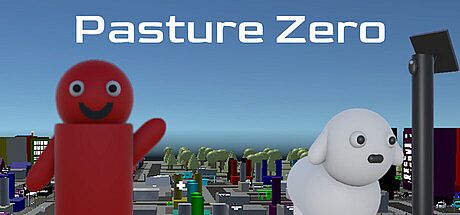


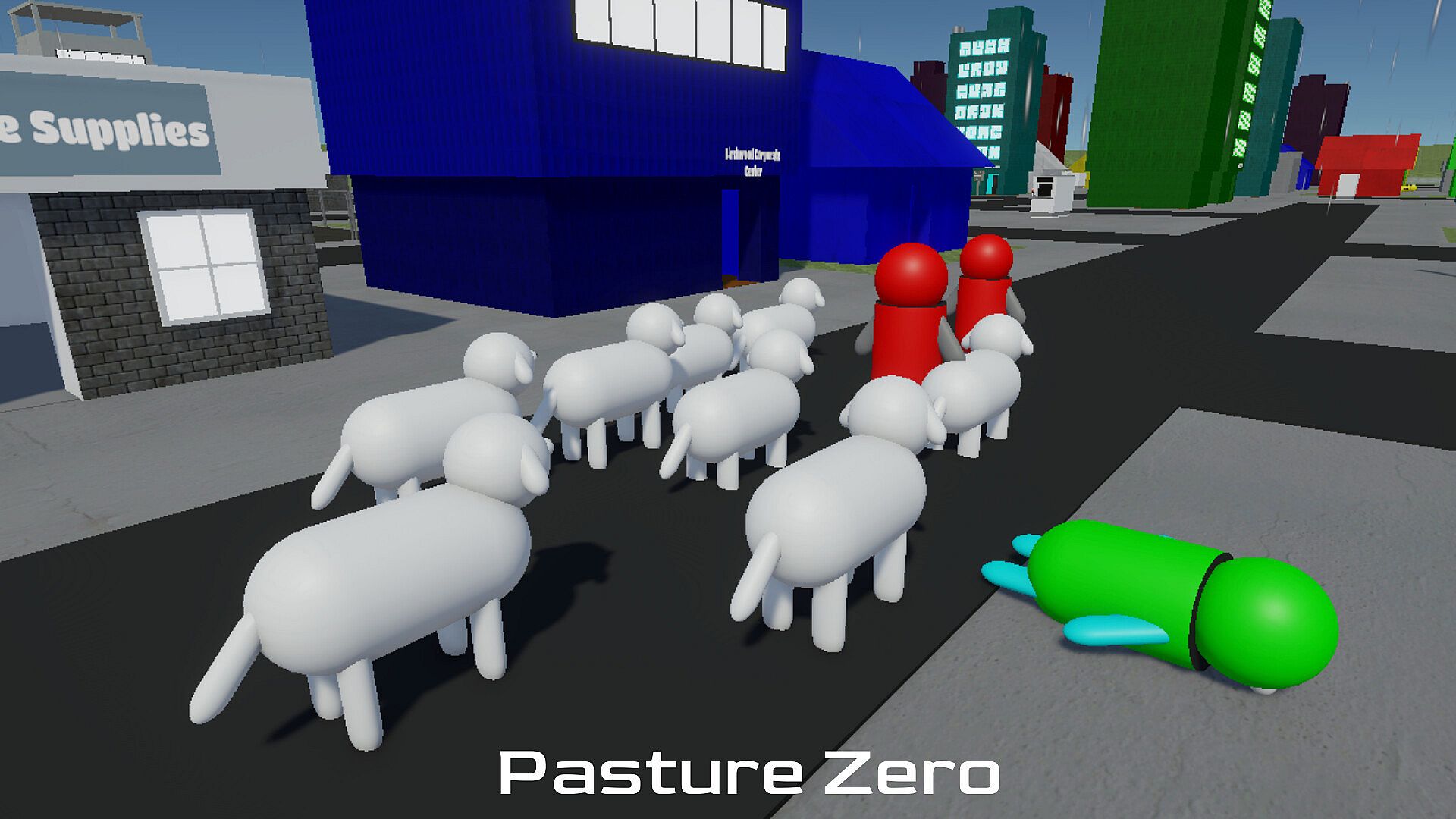
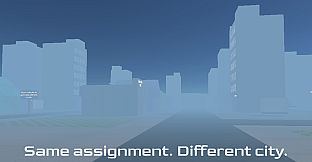
Pasture Zero is an action adventure game with casual elements available on PC. Players step into the role of a recovery unit sent into abandoned cities to locate missing sheep and guide them to safety. The experience centers on exploration through empty urban spaces where procedural generation creates fresh layouts each time, combined with physics interactions and careful navigation around active security systems.
Gameplay
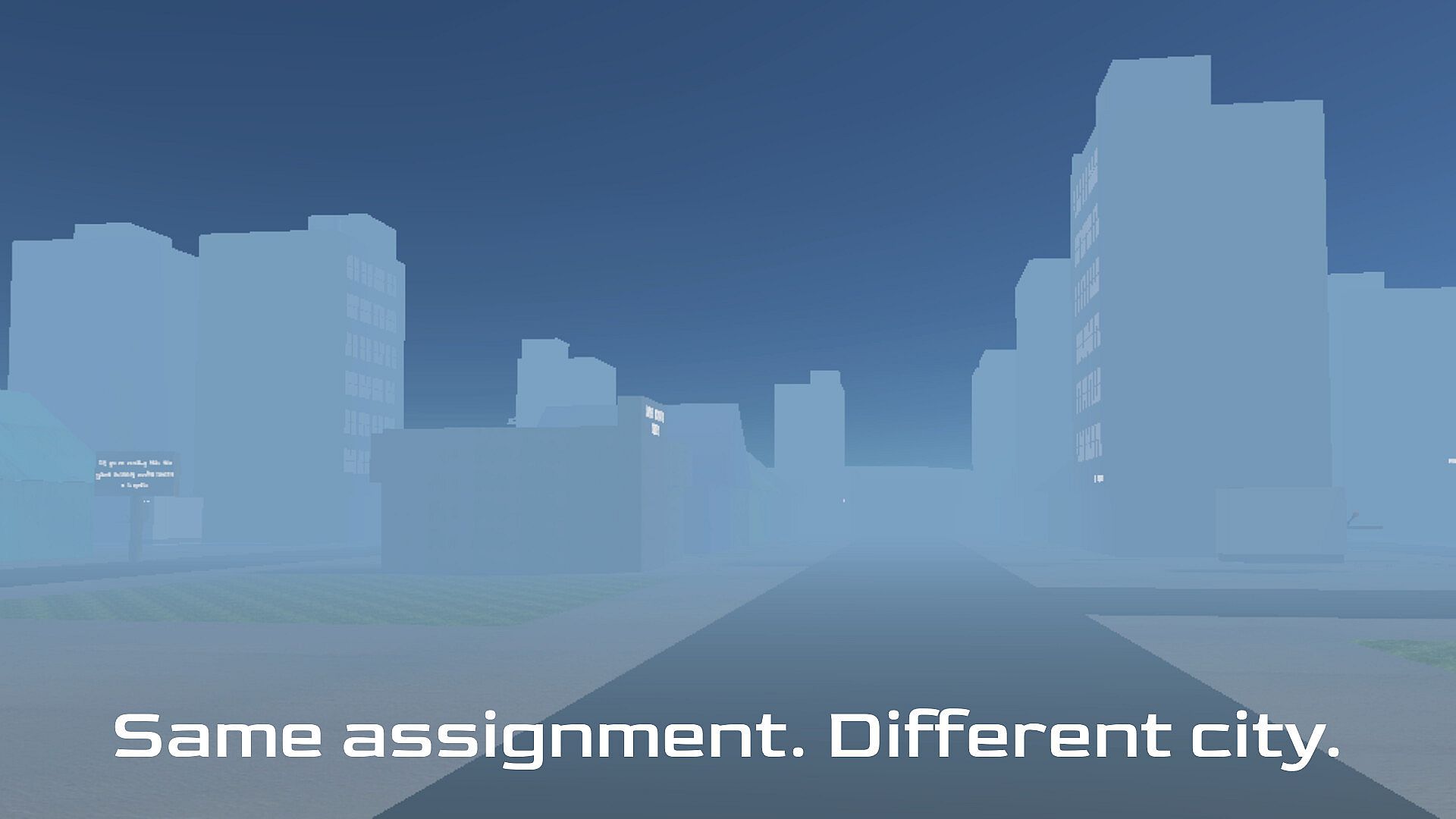
The core loop involves entering a city, searching for scattered sheep using available clues from the environment, and herding the flock back to an extraction point. Procedural generation ensures that streets, building placements, and sheep positions shift between runs, while environmental conditions such as desert heat or heavy rain alter visibility and movement. Players manage a limited energy supply that requires locating replacement batteries scattered throughout the area to stay operational longer.
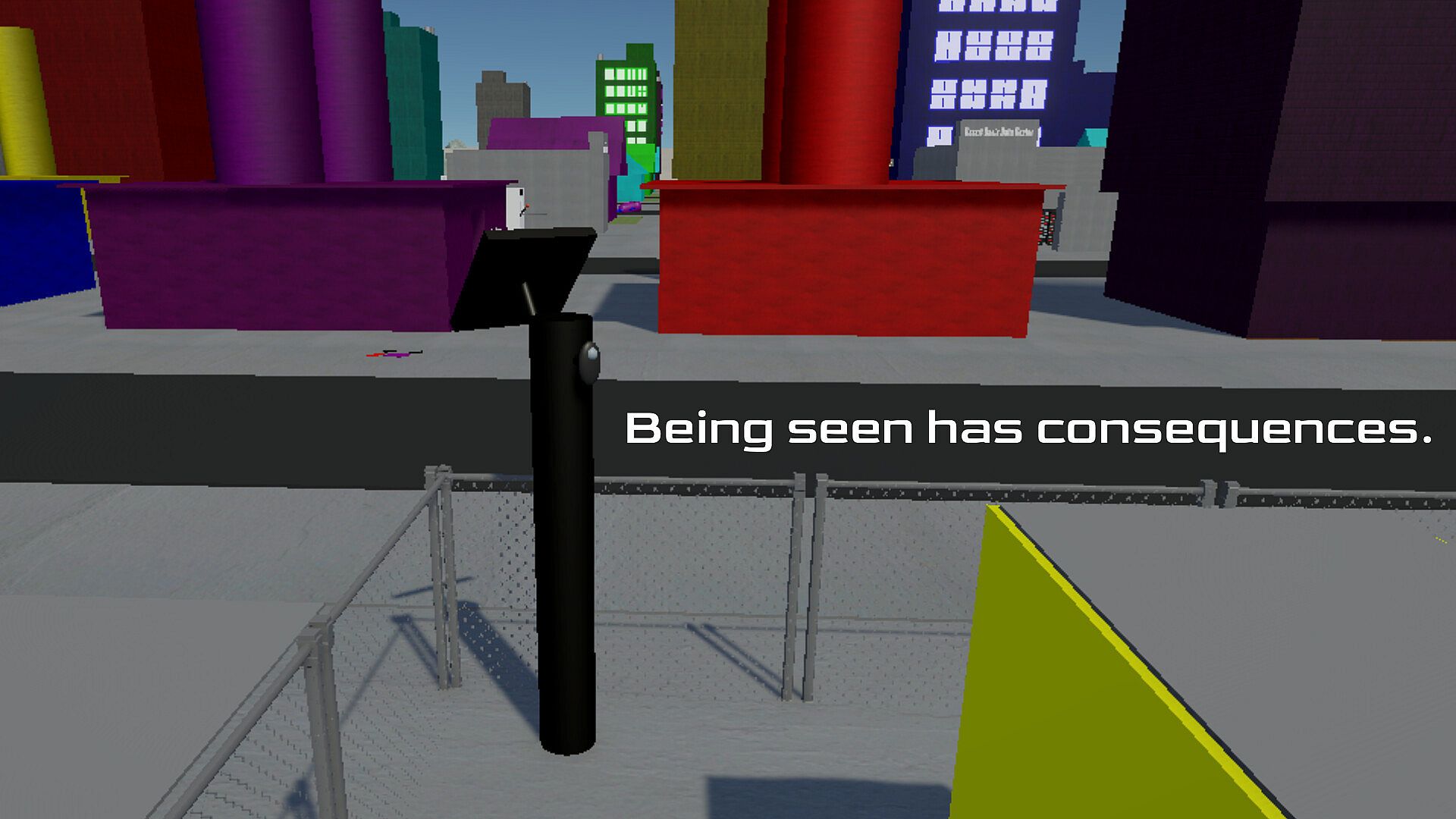
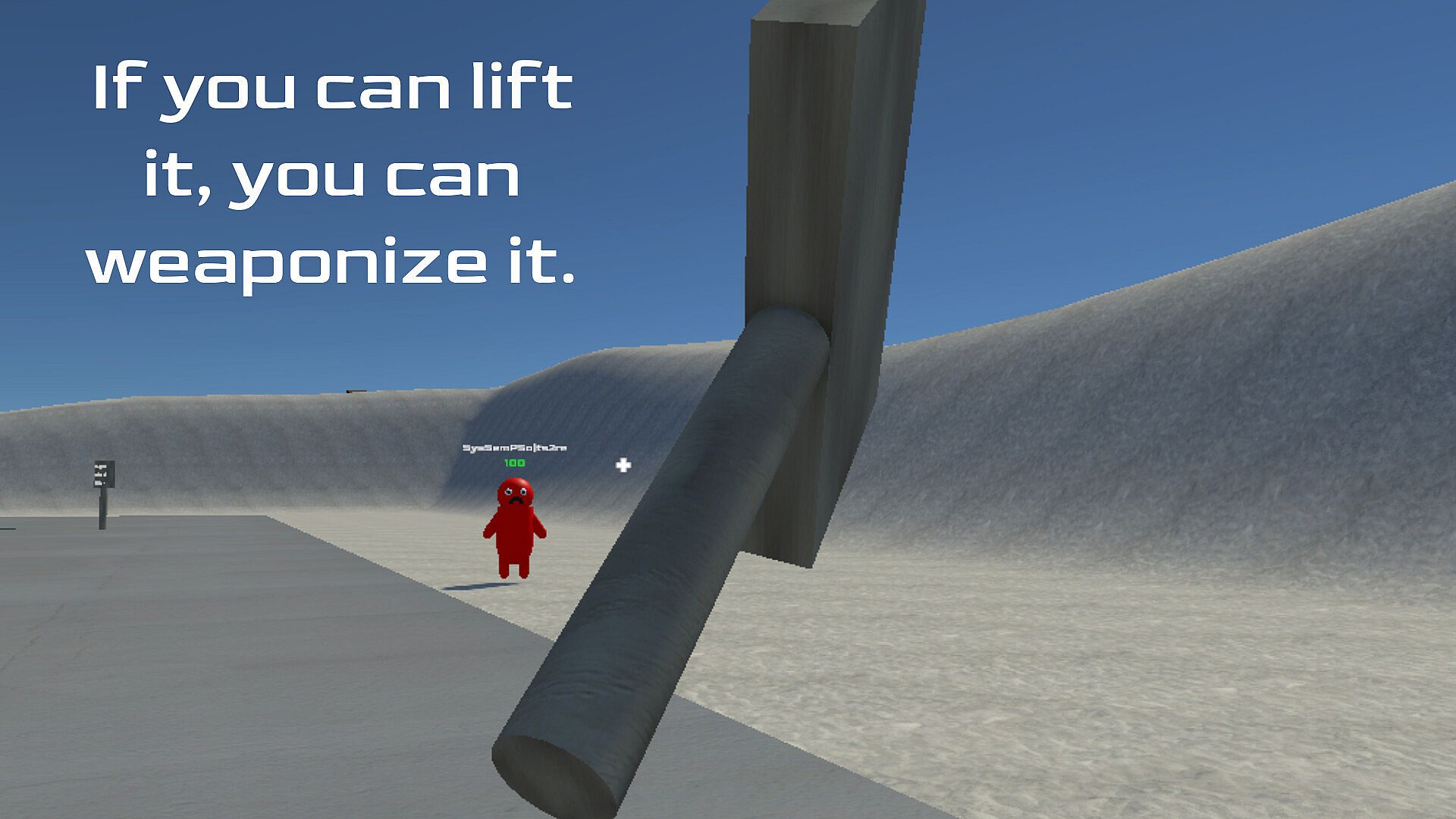
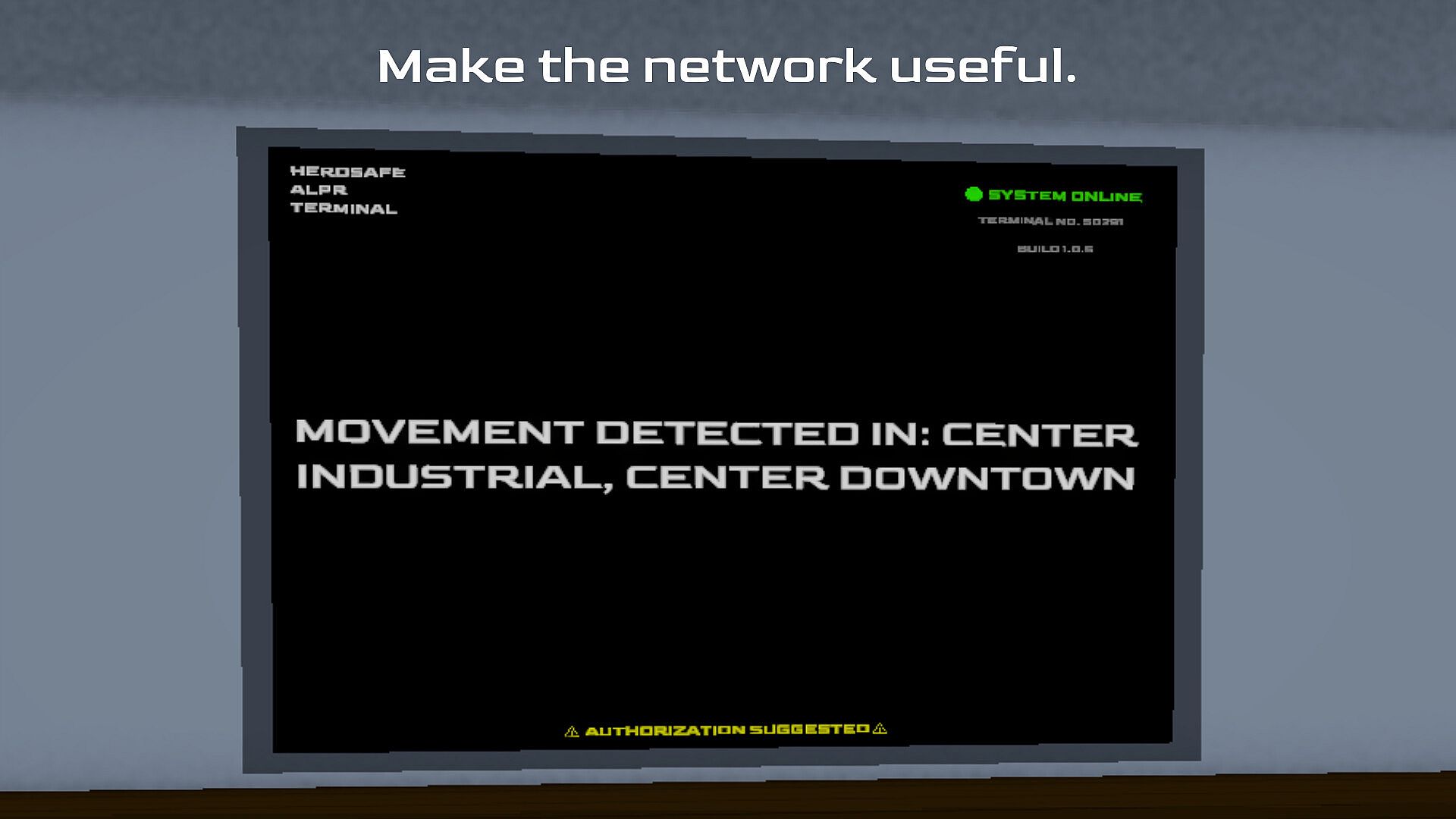
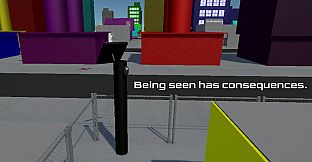
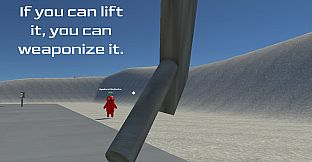
Physics play a central part in interactions. Any object that can be lifted becomes a potential tool or weapon. Players pick up items, grab improvised projectiles, and hurl them at hostile machines that patrol the streets. The same system allows creative use of the surroundings, whether clearing a path or dealing with threats from a distance. Surveillance cameras add another layer, as their sightlines must be avoided or accepted as a calculated risk that can draw machine attention.
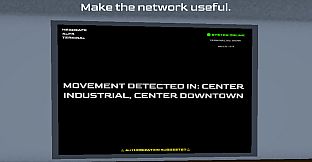
Tracking systems and city landmarks help narrow down sheep locations without direct guidance. Once found, the animals must be guided safely through the environment, which often means balancing forward progress with detours for power sources. Between missions, time at the recovery facility allows preparation and closer examination of the equipment and systems still functioning in the area.
Game Modes
Deployments form the main activity, each one presenting a self-contained assignment to recover sheep under changing conditions. The procedural nature means no two trips follow the same path, with variations in layout, threats, and weather. Multiplayer elements appear through the ability to interact with other players in the same space, including the option to use the physics system against them if desired.
Single-player focus remains on individual recovery operations, where success depends on route planning, resource timing, and creative use of found objects. The structure supports repeated play through the shifting city states and the need to adapt strategies to new environmental factors on each outing.
Exploration and Environment
Abandoned cities serve as the primary setting, filled with empty streets alongside infrastructure that continues to operate. Players navigate these spaces while watching for cameras and machines that remain active despite the lack of human presence. Landmarks and signs provide orientation, and the procedural system introduces variety in region layouts and threat placements.
Each deployment can present different challenges, from open desert sections to rain-affected areas that impact movement and visibility. The emphasis stays on using the environment itself, whether through thrown objects or careful pathing around surveillance coverage.
Is It Worth Playing?
Pasture Zero suits players who enjoy procedural exploration combined with physics-based interactions and light resource management. The recovery loop rewards careful observation of camera positions and creative problem solving when dealing with machines or guiding sheep through changing conditions. Those drawn to action adventure experiences with casual pacing and repeated short sessions will find the deployment structure engaging, as each run offers new layouts without requiring long commitments.
The game appeals to anyone interested in testing improvised tactics in dynamic urban settings while managing energy and avoiding detection. Its focus on physical manipulation and environmental adaptation provides a distinct approach within the genre, making it a solid choice for fans of hands-on gameplay over scripted sequences.