





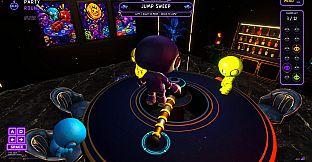
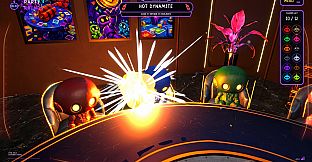
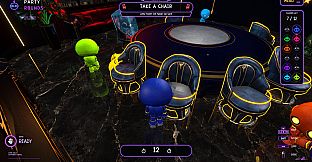
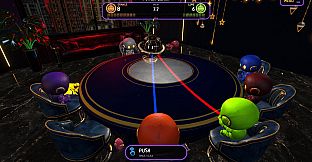
Party Rounds is an indie casual elimination game built for PC multiplayer sessions with friends. Players gather around a virtual table where random challenges unfold one after another, and each round removes one participant until only the last survivor remains. The experience blends quick reflexes, strategic choices, and occasional moments of luck or friendly betrayal in short, repeatable matches.
Gameplay
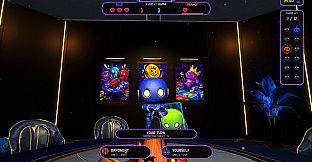
Everyone starts seated at the same table. A challenge activates at random, and participants compete or react under its rules. The player who fails or finishes last is eliminated permanently from that match. Rounds stay brief, often lasting just a few minutes, which keeps the pace lively across multiple games in one evening. Success depends on a mix of timing, button mashing speed, observation, and reading other players' intentions. Some challenges reward quick decisions while others test memory or risk assessment. The final two players face a dedicated showdown that raises the stakes with limited resources and high tension.
Matches feel fresh because the sequence of events changes each time. Alliances can form temporarily when it benefits survival, only to break when the next round demands a different approach. The core loop encourages repeated play without long commitments, suiting casual gatherings where groups want immediate fun rather than extended campaigns.
Game Modes
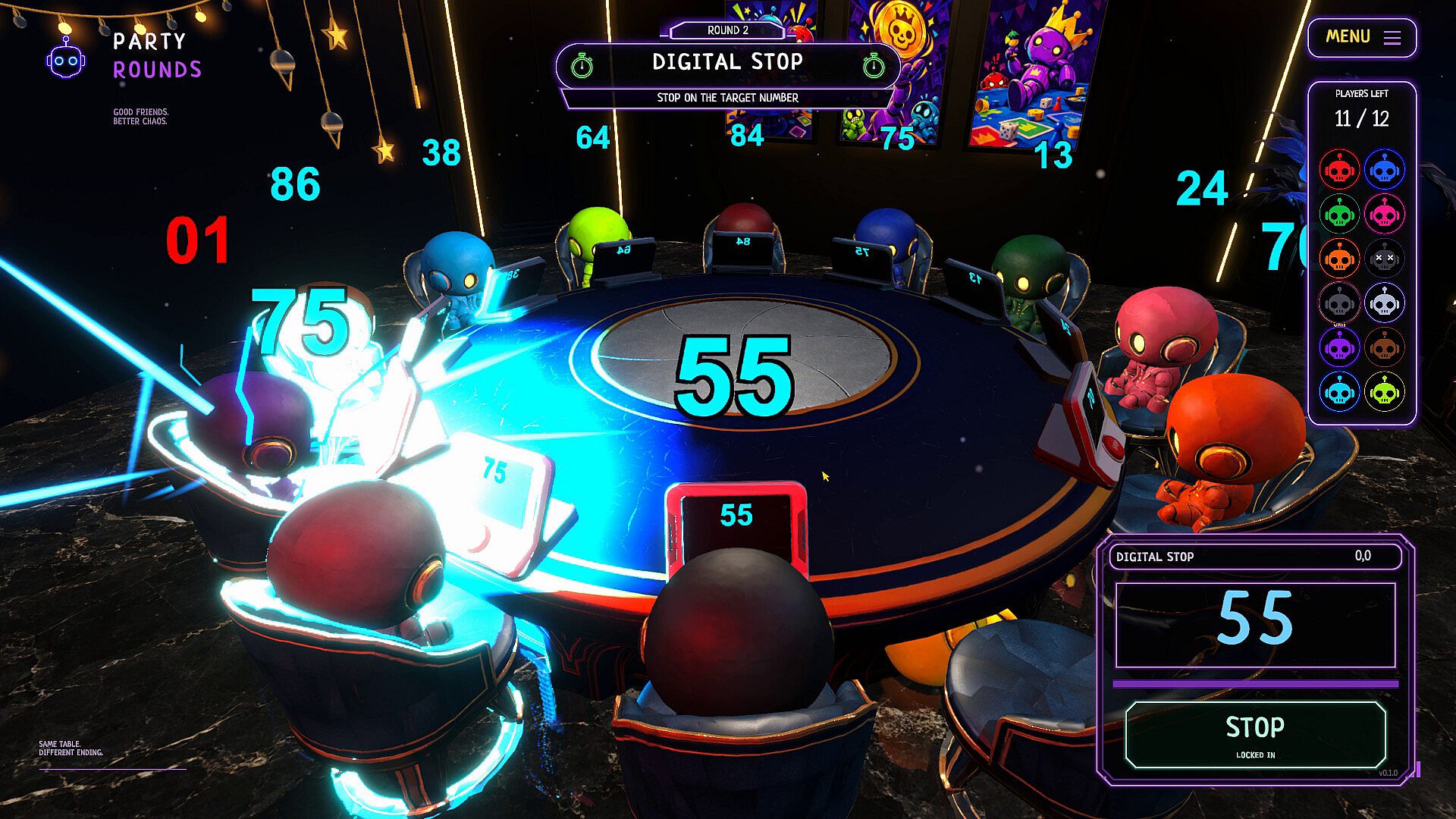
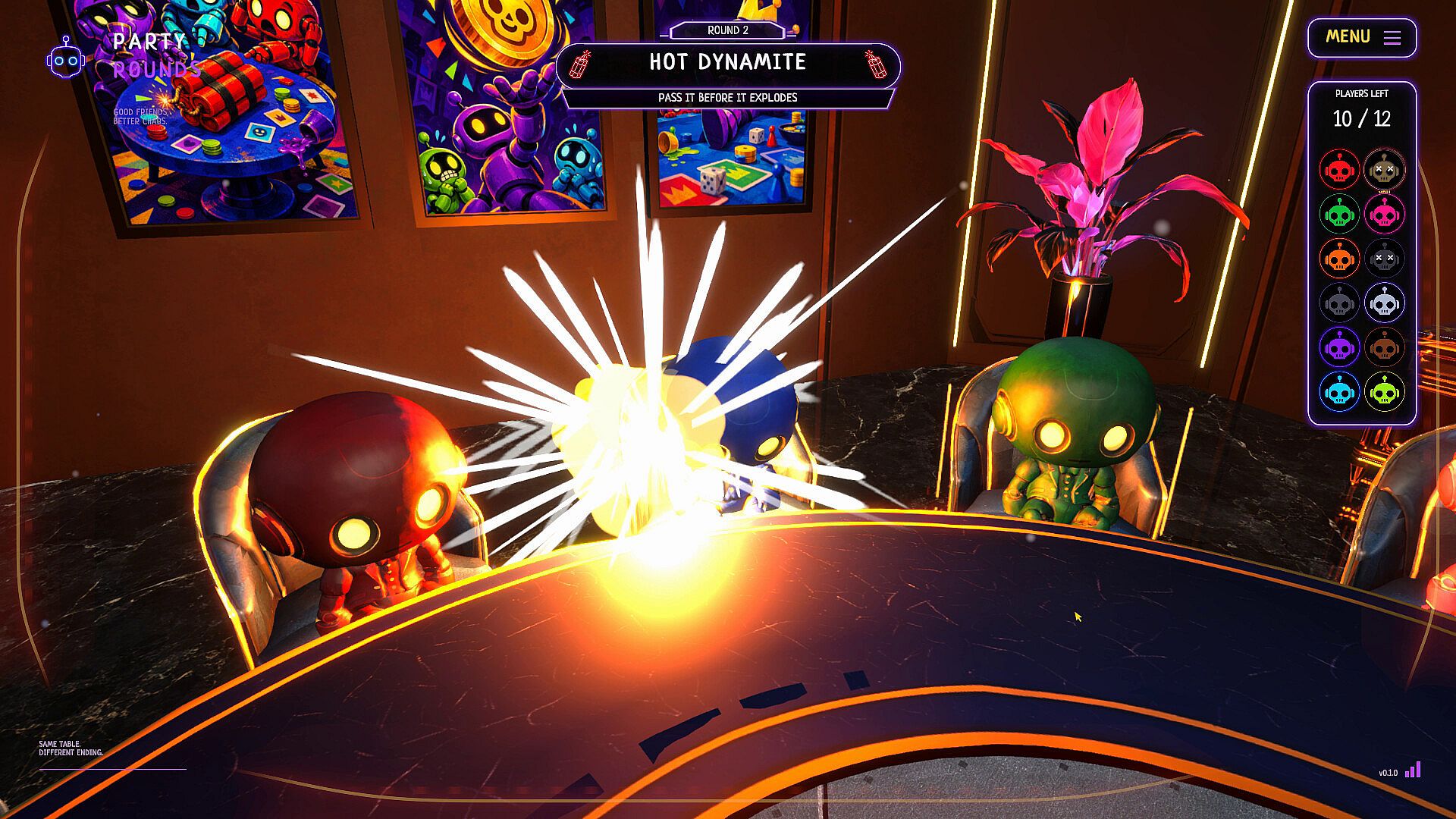
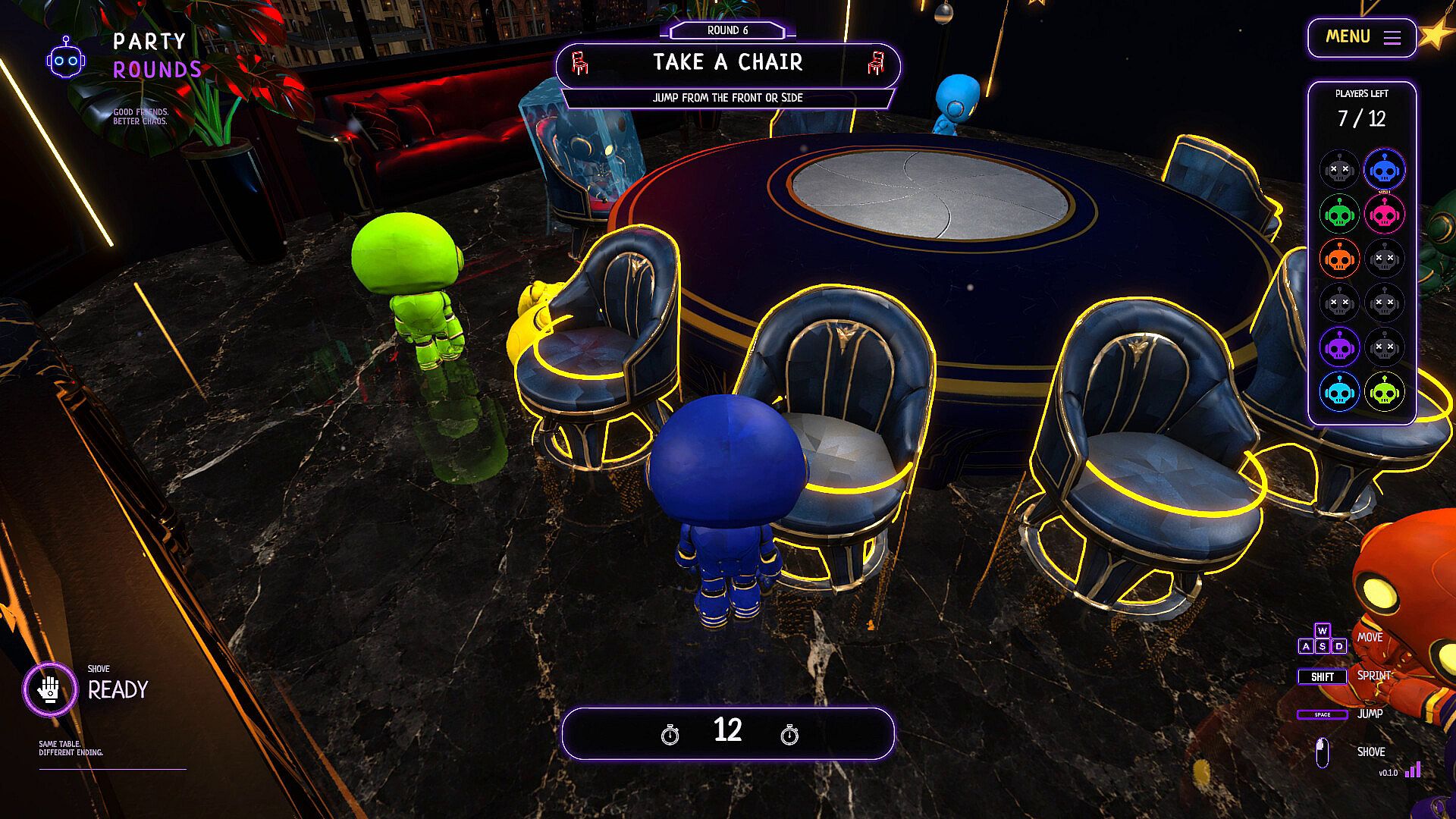
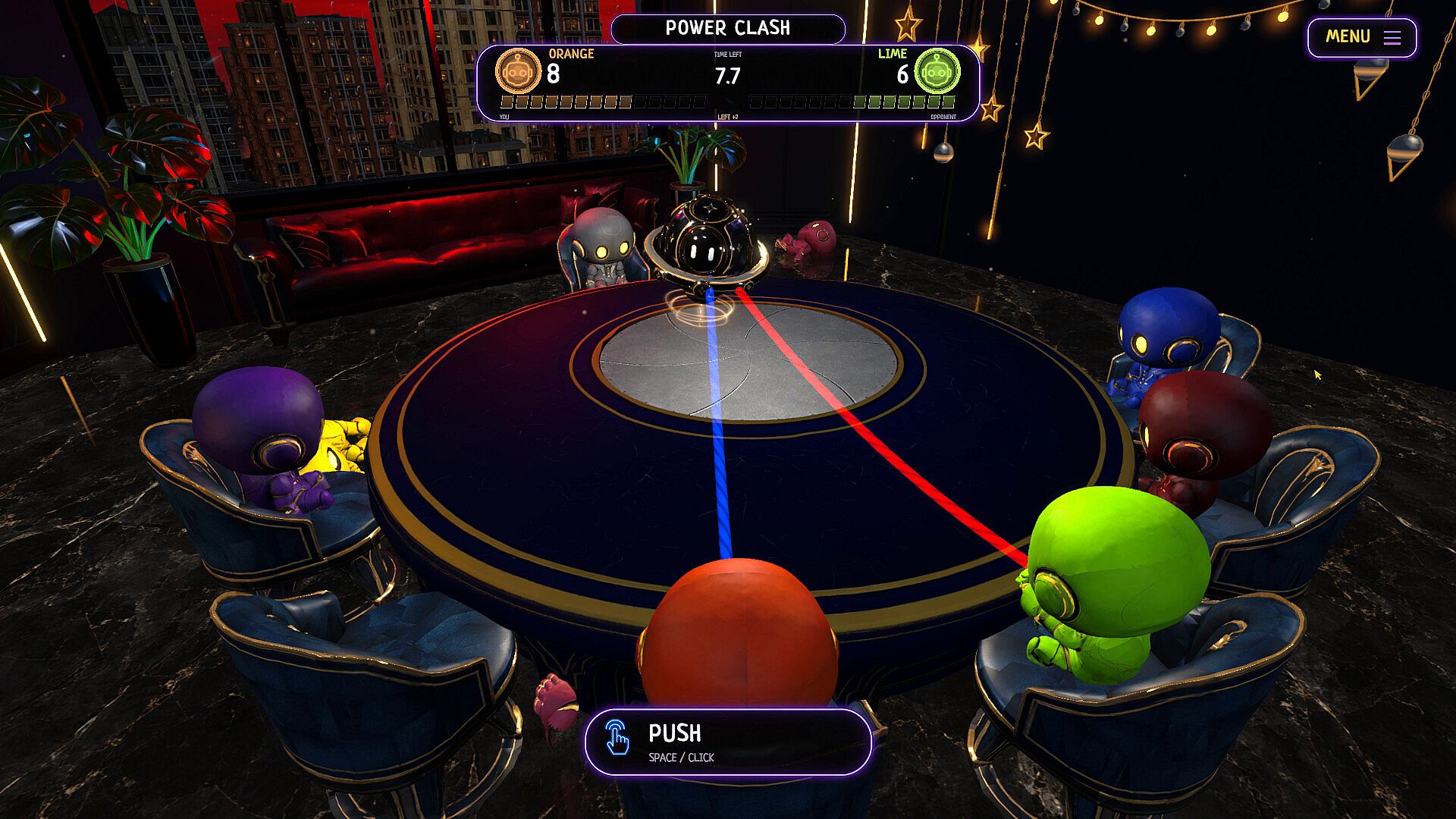
The game features a collection of distinct challenges that serve as individual rounds. Digital Stop requires stopping a spinning number at the precise moment to avoid the lowest result. Power Clash turns into a direct contest of rapid spacebar presses between two rivals. Hot Dynamite involves passing an object before its fuse expires. Pistol 70/30 gives a player a firearm with a set probability of success or failure on the trigger pull. Musical Chairs forces movement around the table until the music halts and seating becomes scarce.
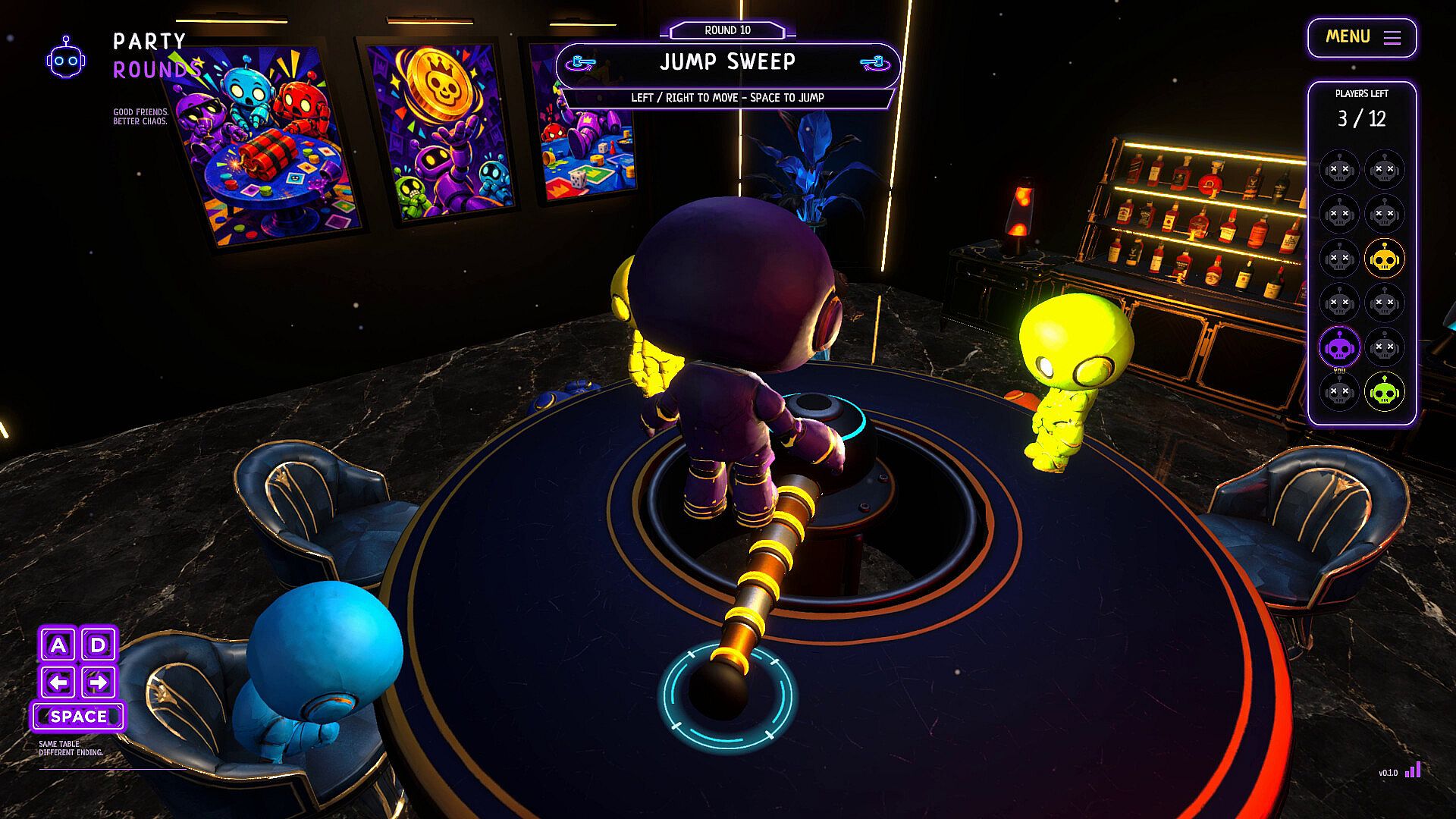
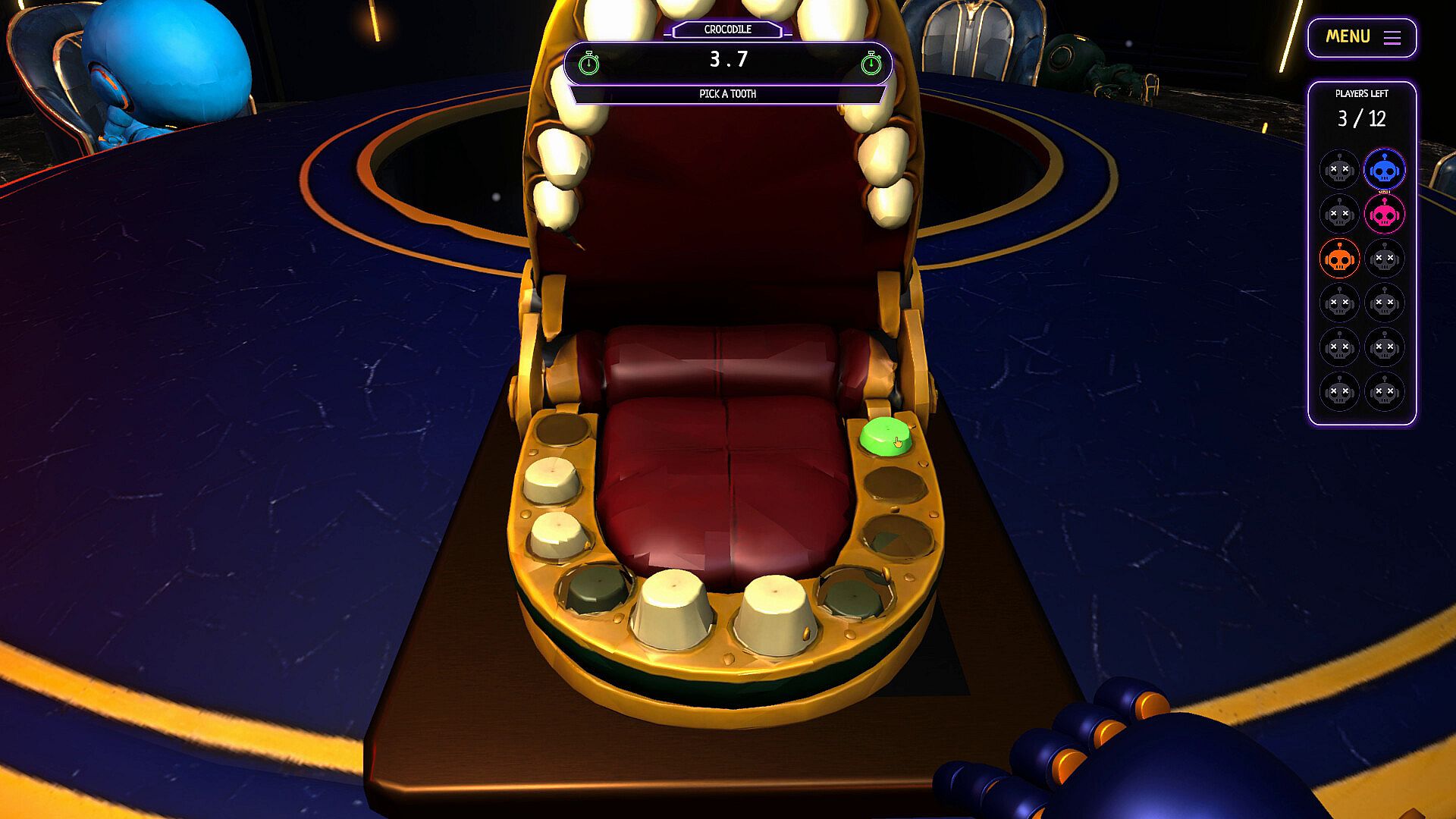
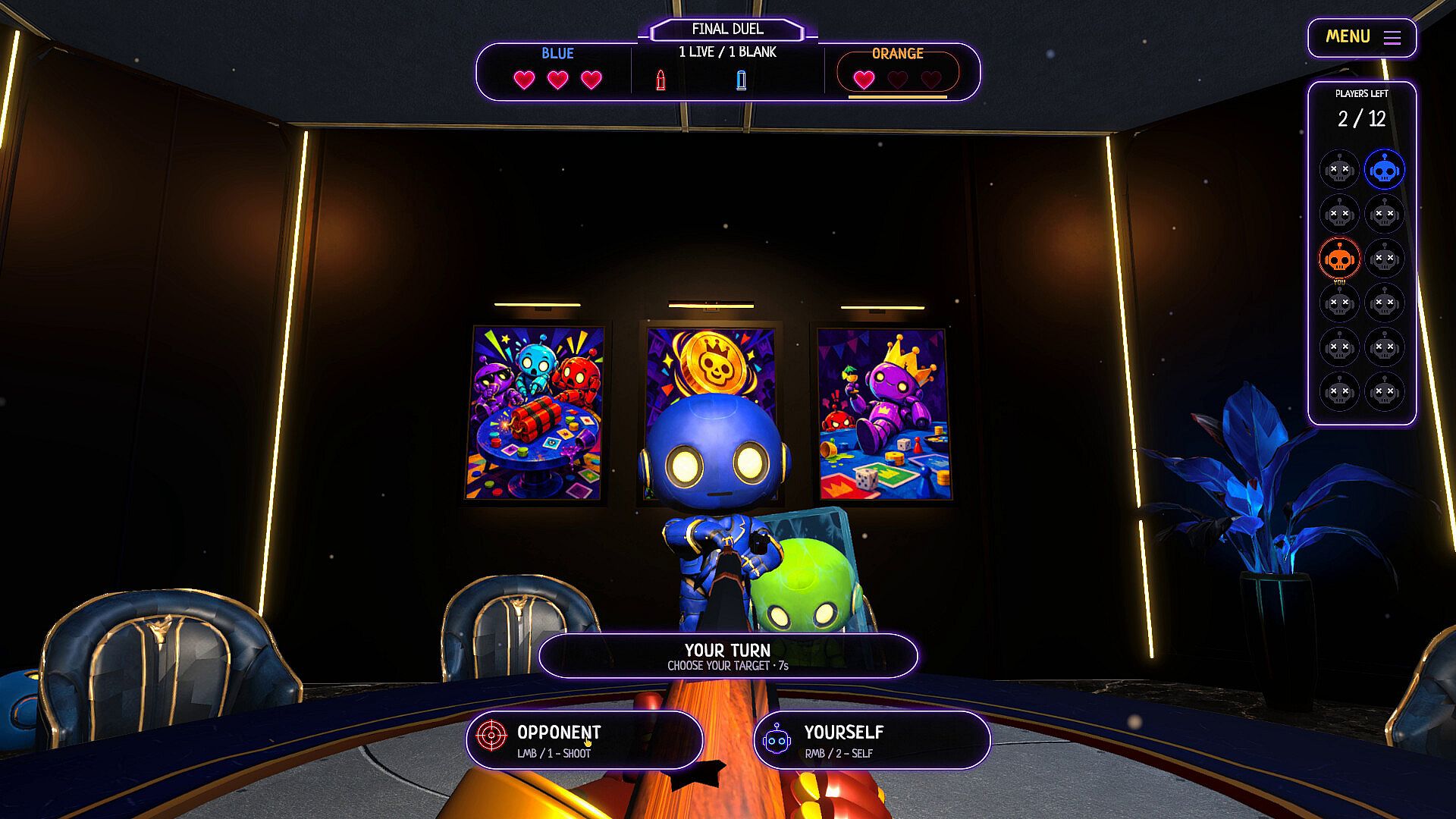
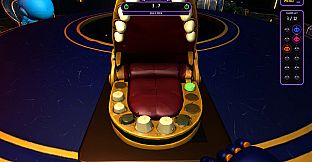
Blackout Hunter plunges the table into darkness with one armed participant deciding the outcome. Flip A Coin presents a binary choice between a powerful tool and immediate removal. Poisoned Goblet presents three options with only one safe choice. Final Vote lets the group decide through majority selection. Jump Sweep introduces a moving obstacle that accelerates over time. Crocodile tests nerve through sequential presses on a dangerous prop. Flash Duel pits two random players against each other with pistols drawn. When two remain, Final Duel equips them with a shotgun loaded with a mix of live and blank shells for a decisive confrontation.
Multiplayer Experience
The setup supports groups at a single table, making it ideal for local play among friends. Every participant shares the same view and rules, which heightens the social element of watching reactions and negotiating during votes or risky moments. Short elimination cycles mean downtime stays minimal, and eliminated players can still observe the remaining action. The random selection of challenges prevents any single strategy from dominating across an entire session.
Betrayal and revenge add layers without requiring complex systems. A player might spare an ally early only to target them later when the odds shift. This social dynamic distinguishes the game from purely skill-based or luck-driven alternatives, rewarding awareness of the group as much as individual performance.
Is It Worth Playing?
Party Rounds suits players who enjoy quick, social party games with friends rather than solo campaigns or large-scale online lobbies. Its strength lies in the variety of elimination challenges and the consistent pace of short rounds that fit easily into an evening. The mix of reflexes, cunning, and group interaction creates memorable moments without demanding long learning curves or repeated grinding. Because the game remains in development ahead of its December 2026 release, current details focus on the core table-based elimination format described by the developers. Those seeking lighthearted competition and laughter at the expense of eliminated friends will find the structure appealing, while anyone preferring deeper progression systems or single-player content may want to wait for post-launch updates.