




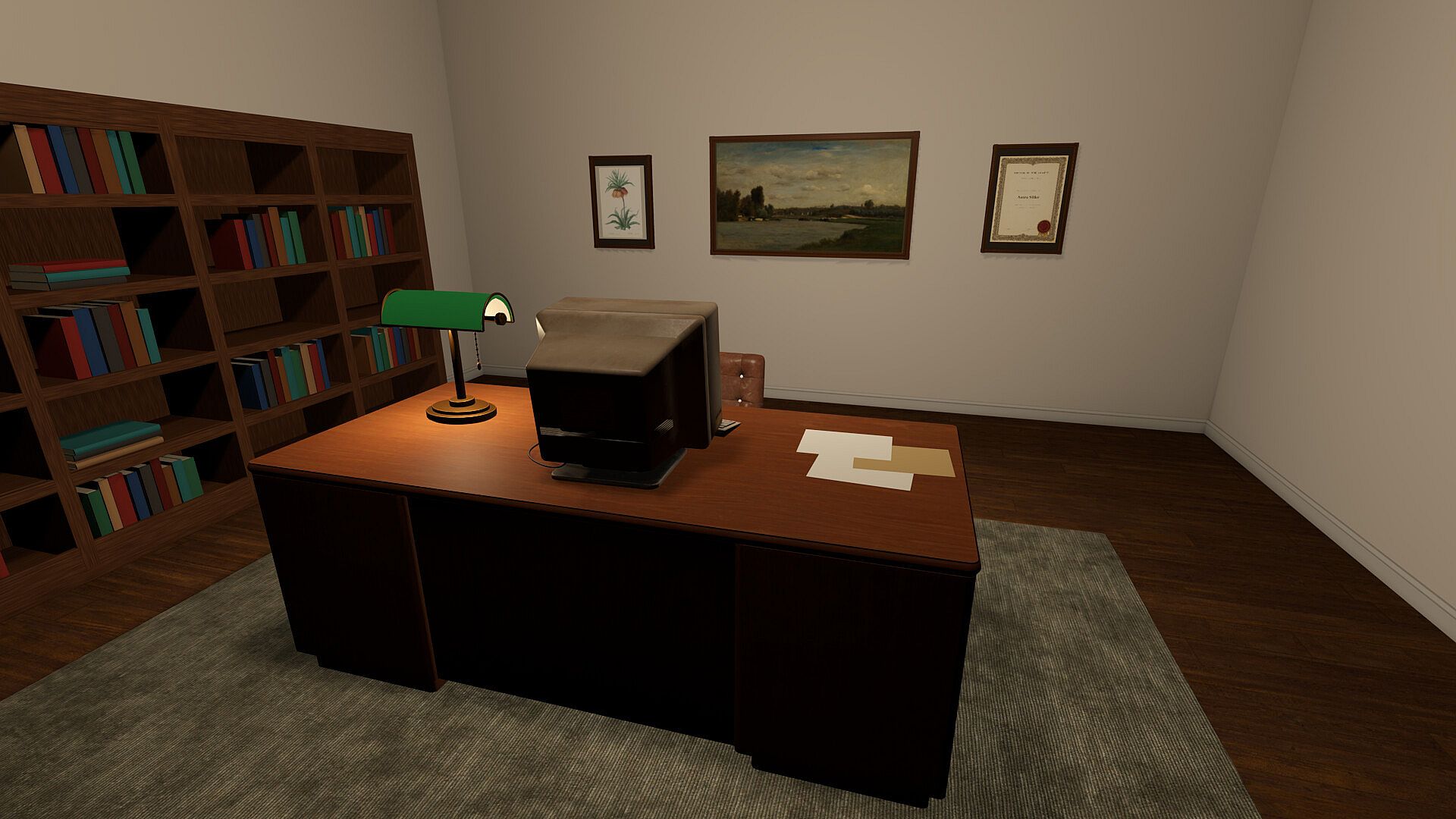
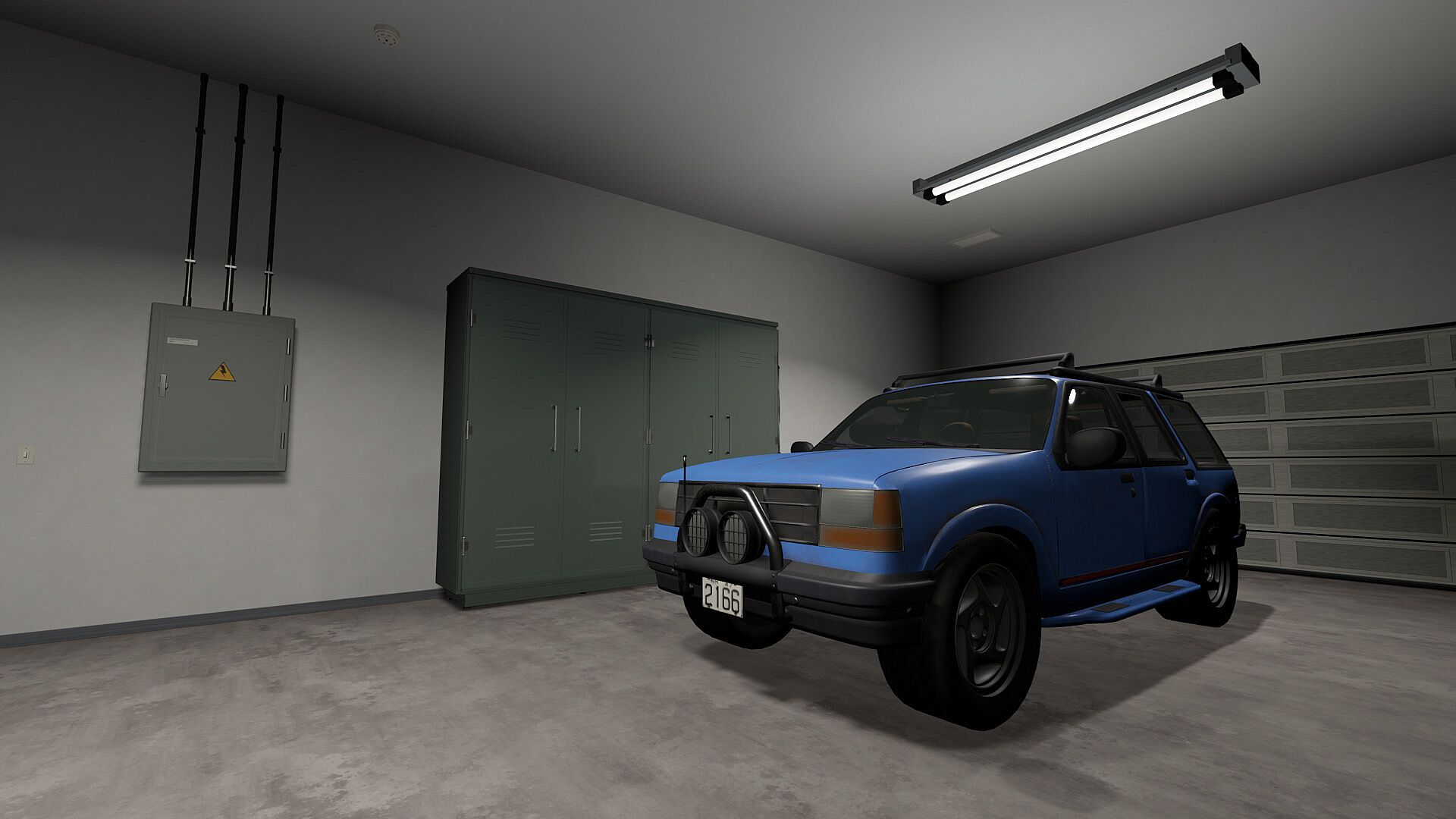
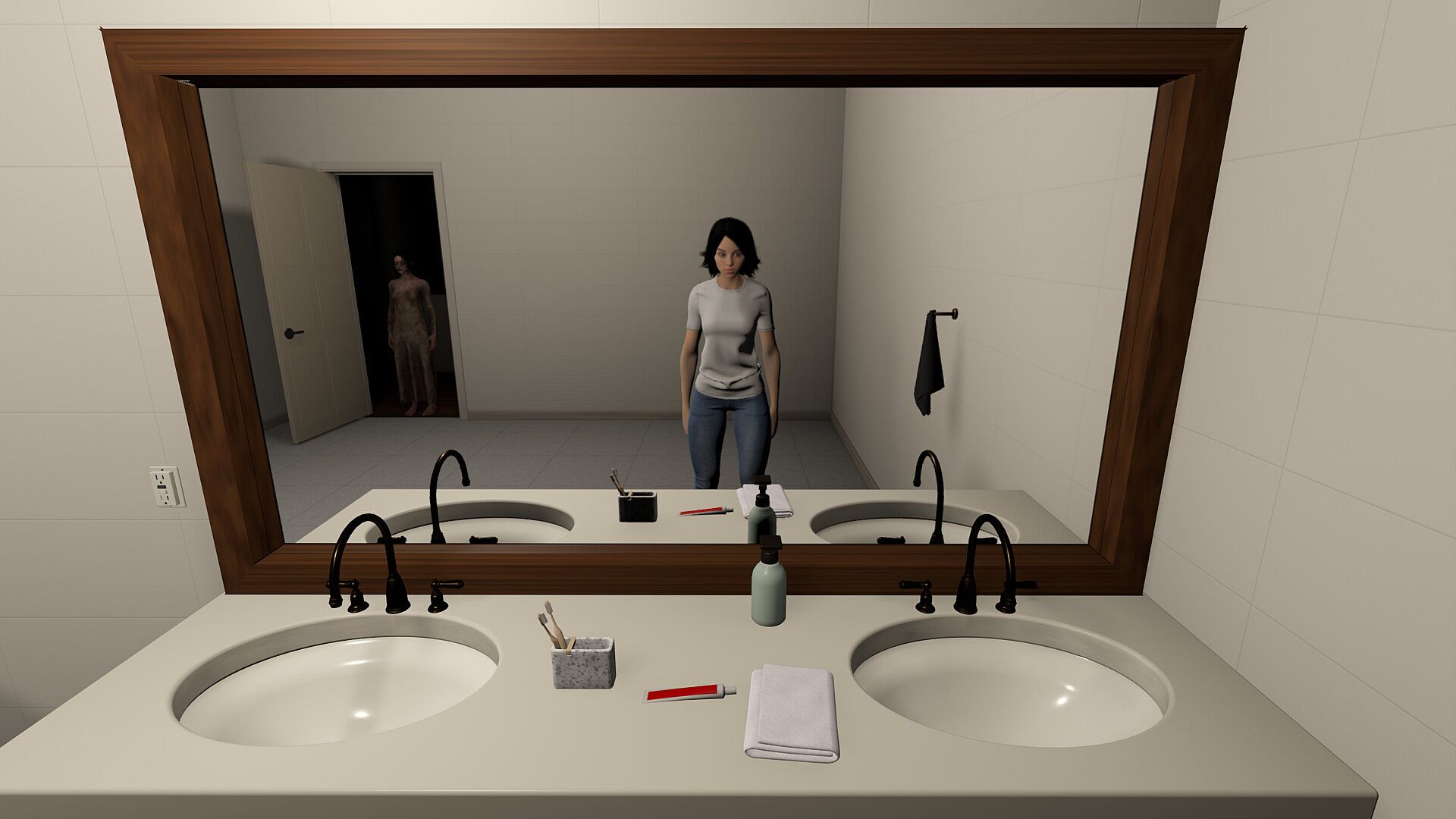
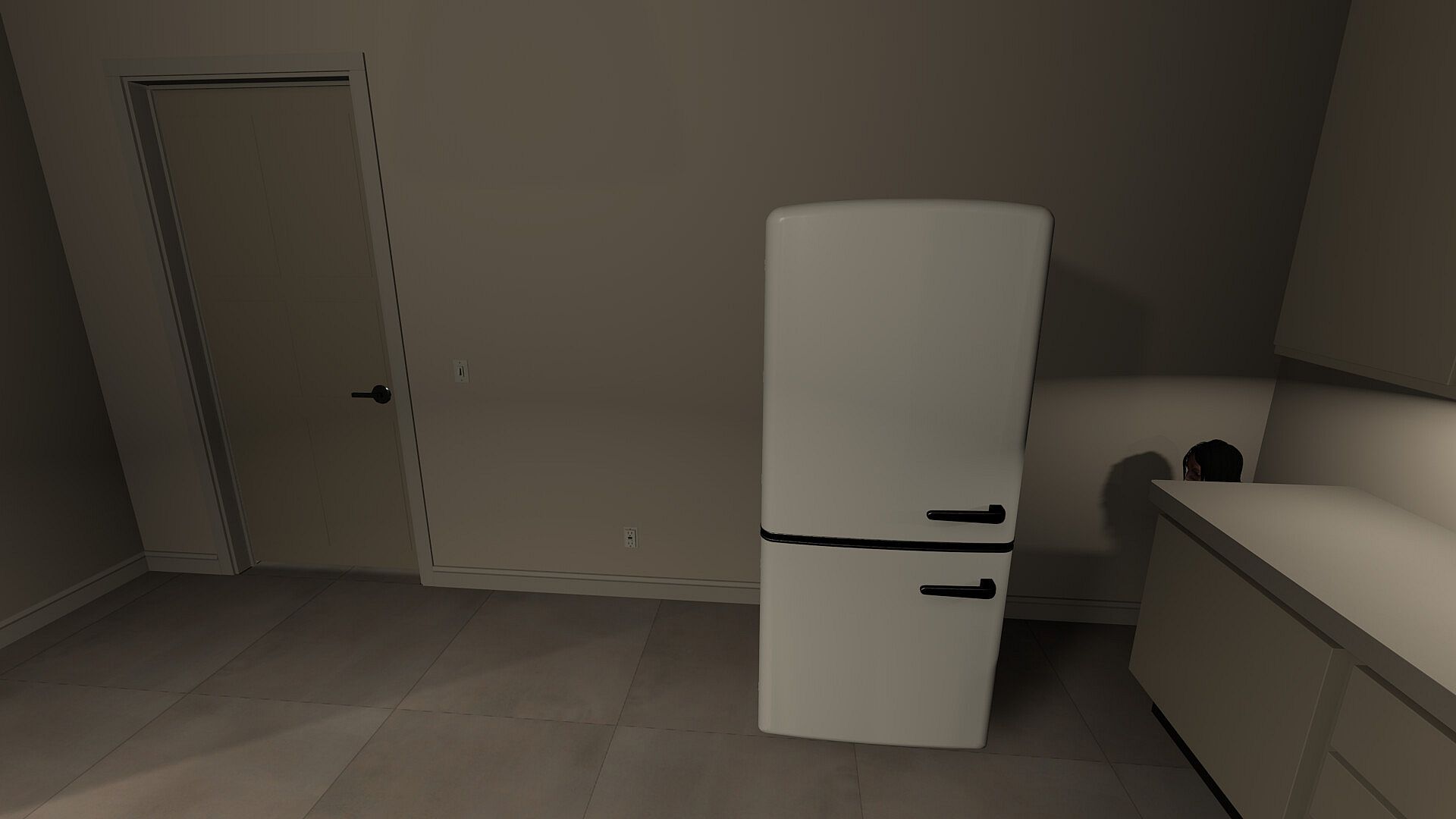
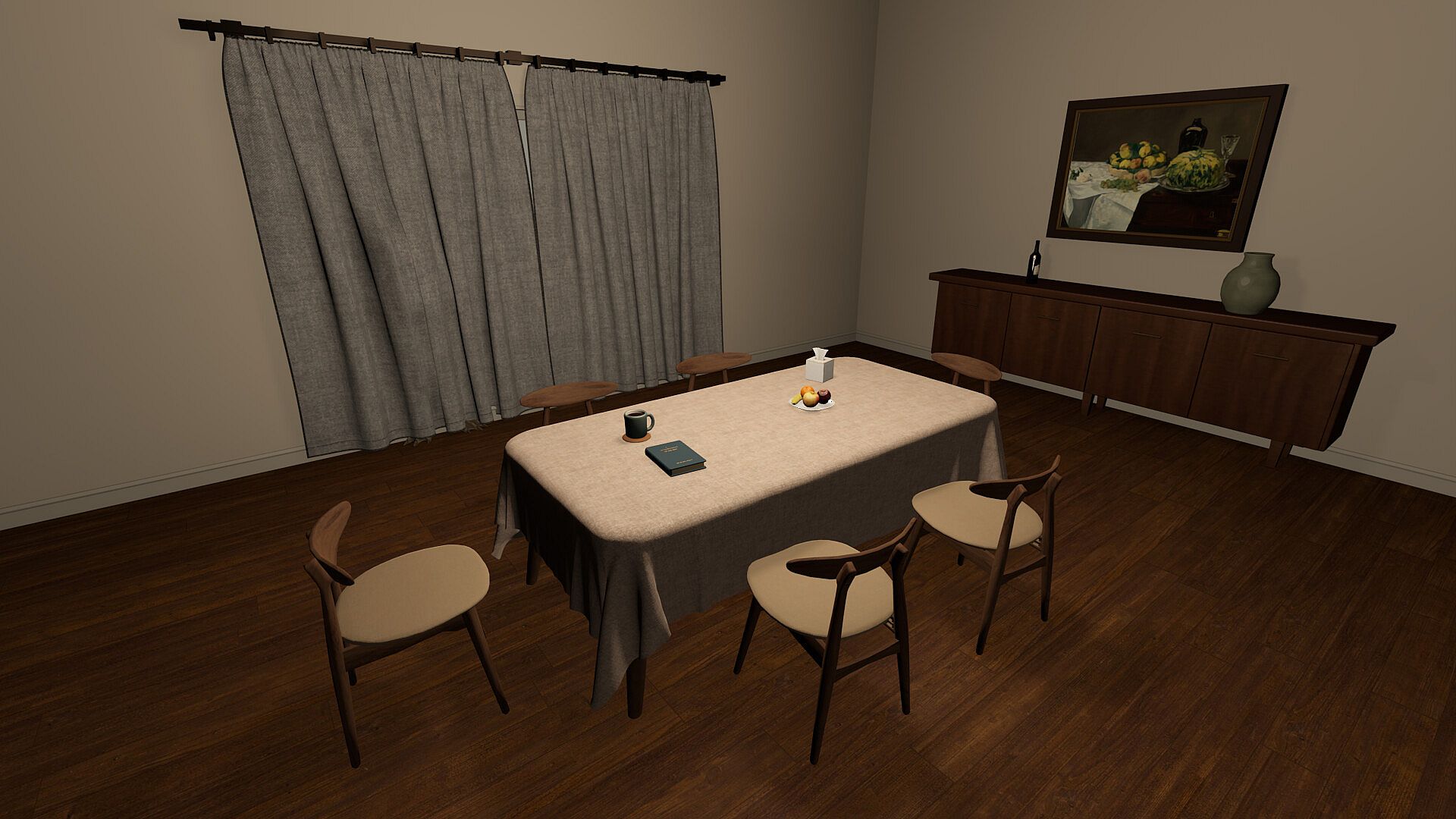
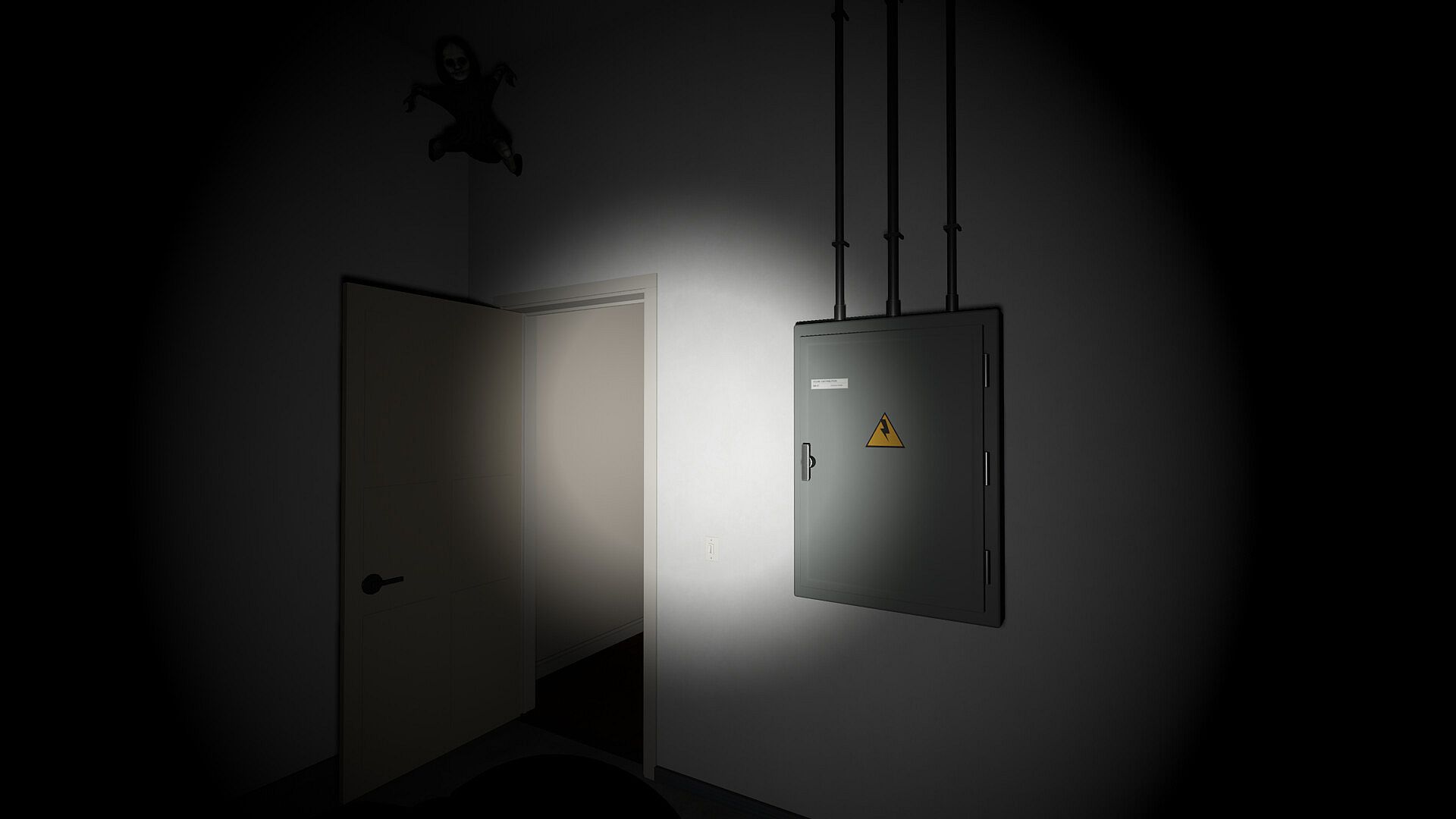
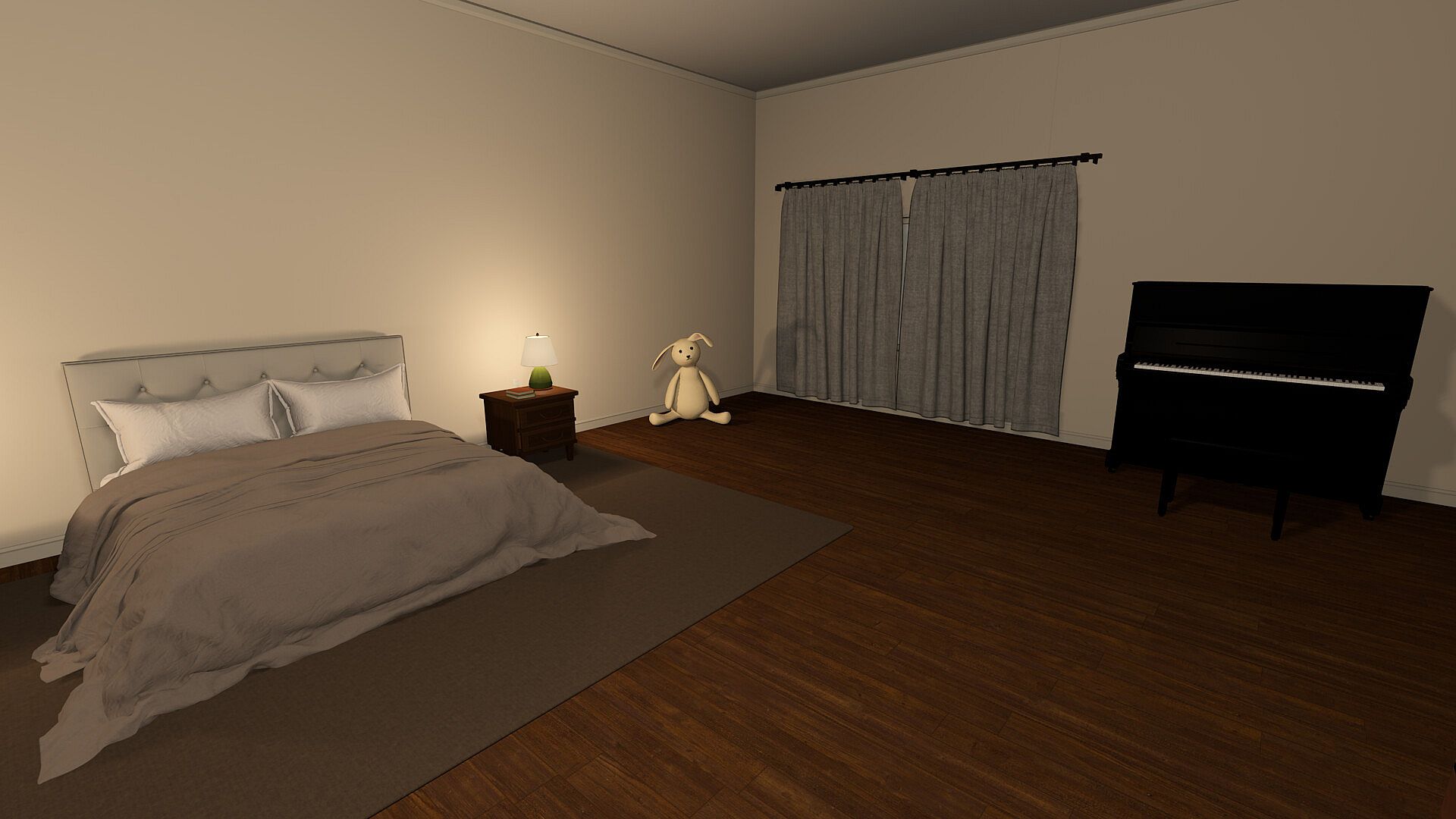
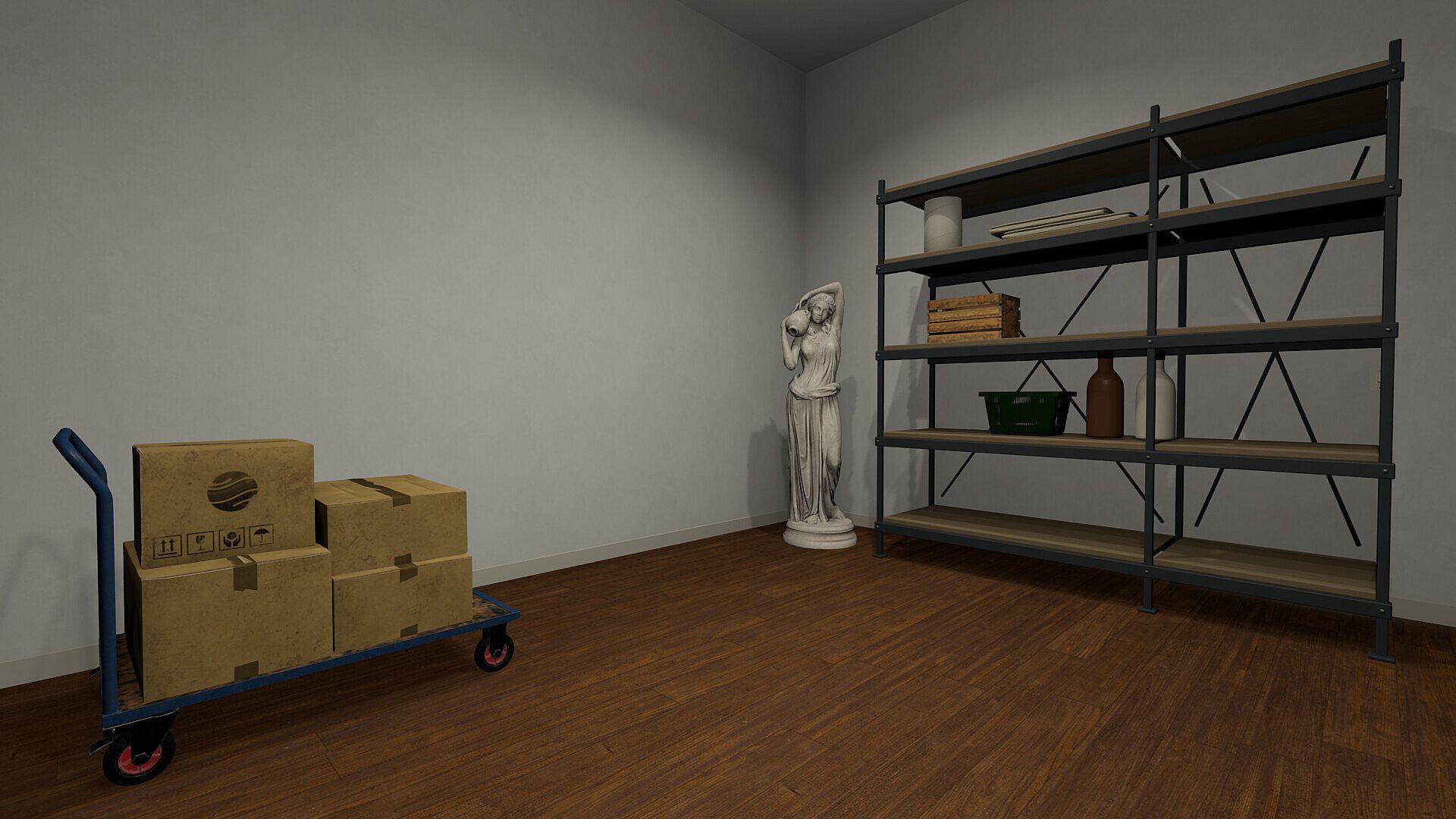
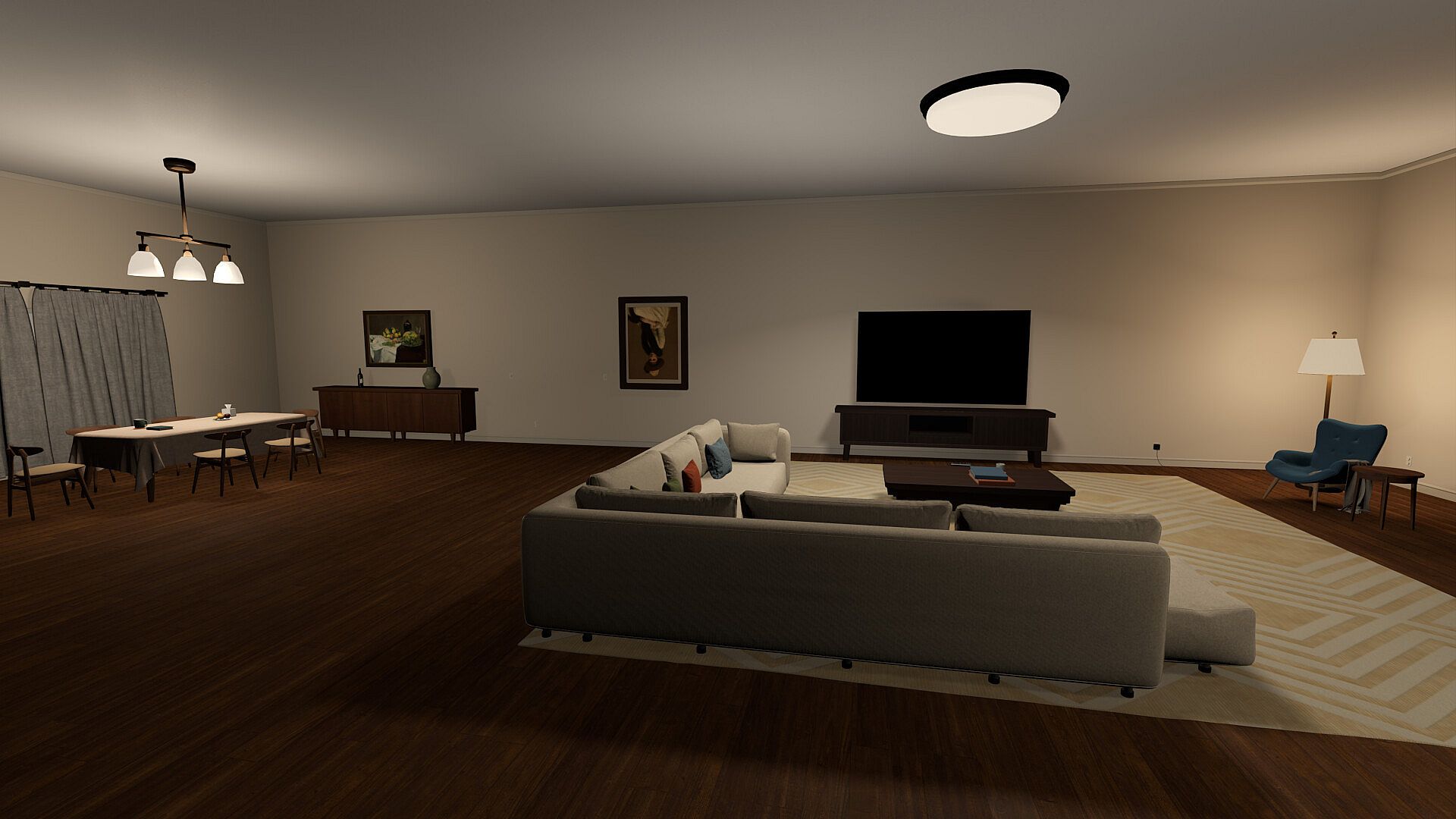

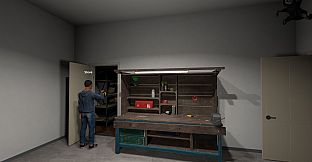
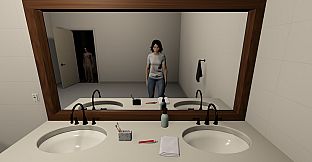
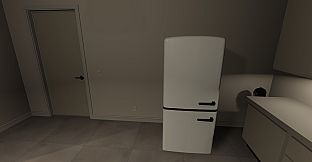
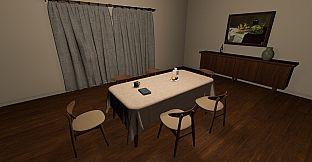
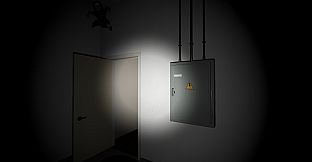
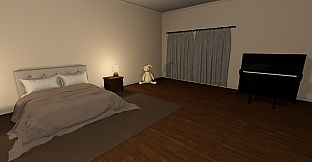
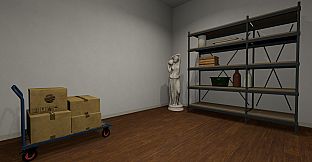
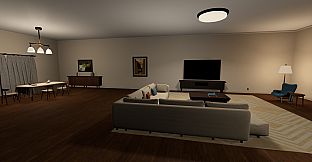
Oneirostasis is a first-person psychological horror simulation adventure game developed for PC. Players find themselves trapped in a repeating dream inside a single house, where the core task each night involves careful inspection for anomalies before deciding on the next action. The experience supports solo play or online co-op limited to one friend, emphasizing observation, decision-making, and gradual progress toward escaping the dream state.
Gameplay
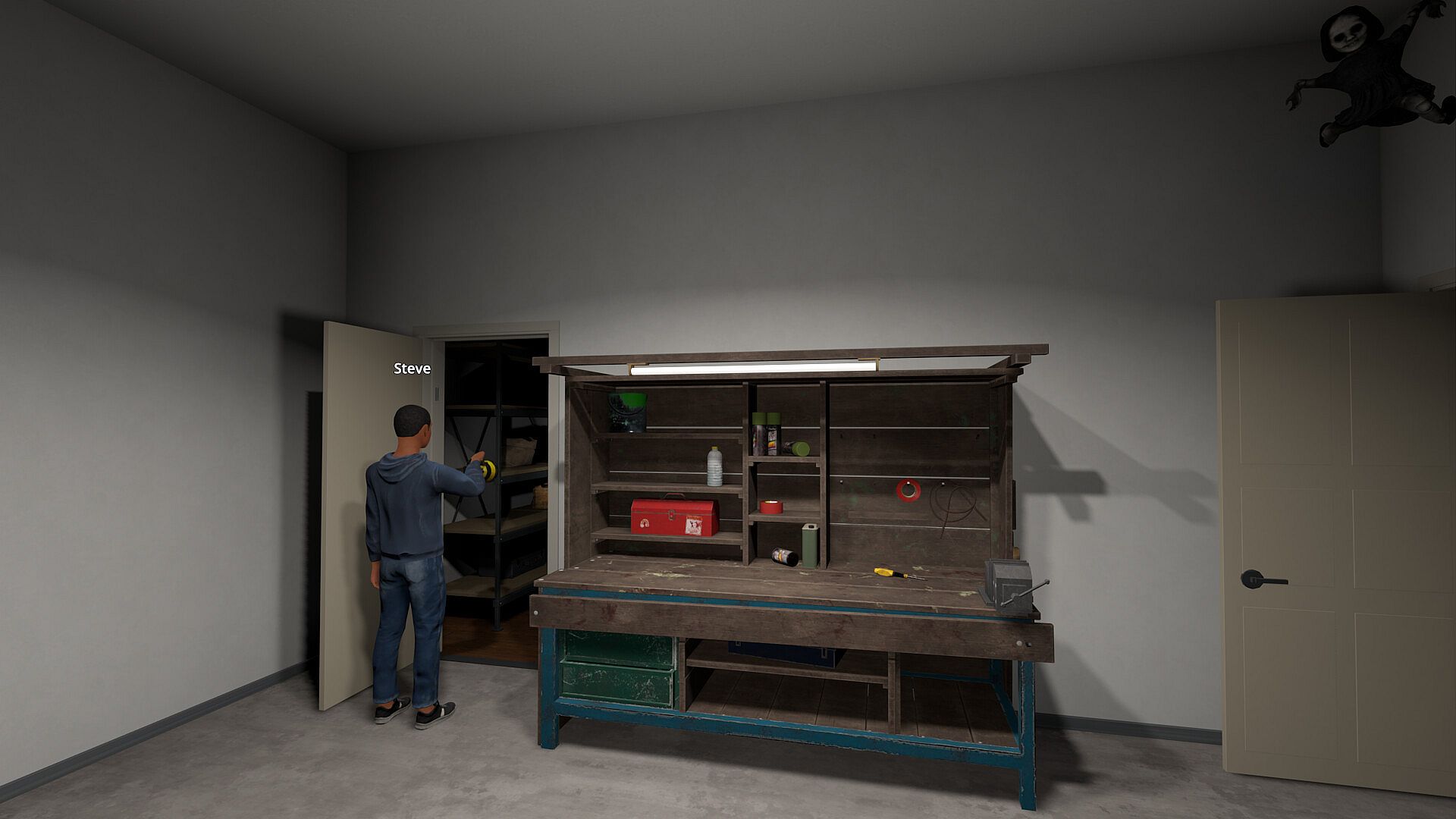
The central loop revolves around nightly awakenings in the same familiar house. Players move through rooms in first-person view, scanning the environment for any changes or irregularities that signal an anomaly. A correct assessment leads to either returning to bed on a normal night or heading straight for the front door when something feels off. Repeated accurate choices build a stronger link to reality, while errors risk deeper entrapment in the dream. The setup draws on simulation elements through routine house checks combined with adventure-style exploration and tension from uncertainty.
Co-op expands the experience by allowing two players to coordinate their searches. Additional anomalies appear specifically tuned for paired play, requiring communication to identify and respond to threats that might go unnoticed by one person alone. This mode keeps the focus on shared observation rather than combat or complex objectives.
Game Modes
Standard play follows the base nightly routine of anomaly detection and response. Two dedicated challenge options alter the rules for added difficulty. Dark Mode turns off all main lights, forcing reliance on limited visibility and heightened awareness during inspections. Evidence Mode places anomalies in the house every single night, requiring players to photograph each one for proof while facing progressively tougher variants of the irregularities.
These modes integrate directly into both solo and co-op sessions. The co-op version layers its unique paired anomalies on top of the standard or challenge rules, creating distinct scenarios that reward teamwork in spotting subtle differences across the house layout.
Core Mechanics and Progression
Progression ties directly to consistent correct decisions across multiple nights. Each successful cycle reinforces the connection to the waking world, advancing the overall goal of breaking free from the dream. Wrong choices reset or hinder this process, introducing risk without permanent loss of progress beyond the immediate night. The anomaly-spotting system forms the primary mechanic, relying on visual and environmental cues rather than external tools or combat systems.
System requirements align with typical indie titles, running on Windows 10 or 11 with modest hardware. Features include Steam achievements and cloud support, though the game remains in a pre-release state with no live updates or seasonal content confirmed at this time.
Who the Game Appeals To
Oneirostasis targets players interested in deliberate, observation-driven horror rather than action or fast-paced sequences. Its structure suits those who enjoy methodical checks of a contained environment, whether alone or in quiet coordination with a single partner. The indie simulation and adventure blend creates a focused loop that rewards patience and attention to detail over broad exploration or resource management.
Is It Worth Playing?
With no user reviews available and a release date listed as coming soon, direct player feedback remains absent. The verified mechanics center on a repeatable house inspection cycle that builds tension through uncertainty and choice consequences. Fans of psychological horror with co-op options or those seeking short-session anomaly detection gameplay may find the structure engaging. The inclusion of Dark Mode and Evidence Mode provides clear variety for repeated attempts, while the two-player support addresses players who prefer shared experiences without larger groups. Availability on PC through standard digital platforms positions it as an accessible entry for the genre once launched, particularly for those drawn to solo or intimate co-op sessions focused on observation and decision risk.