






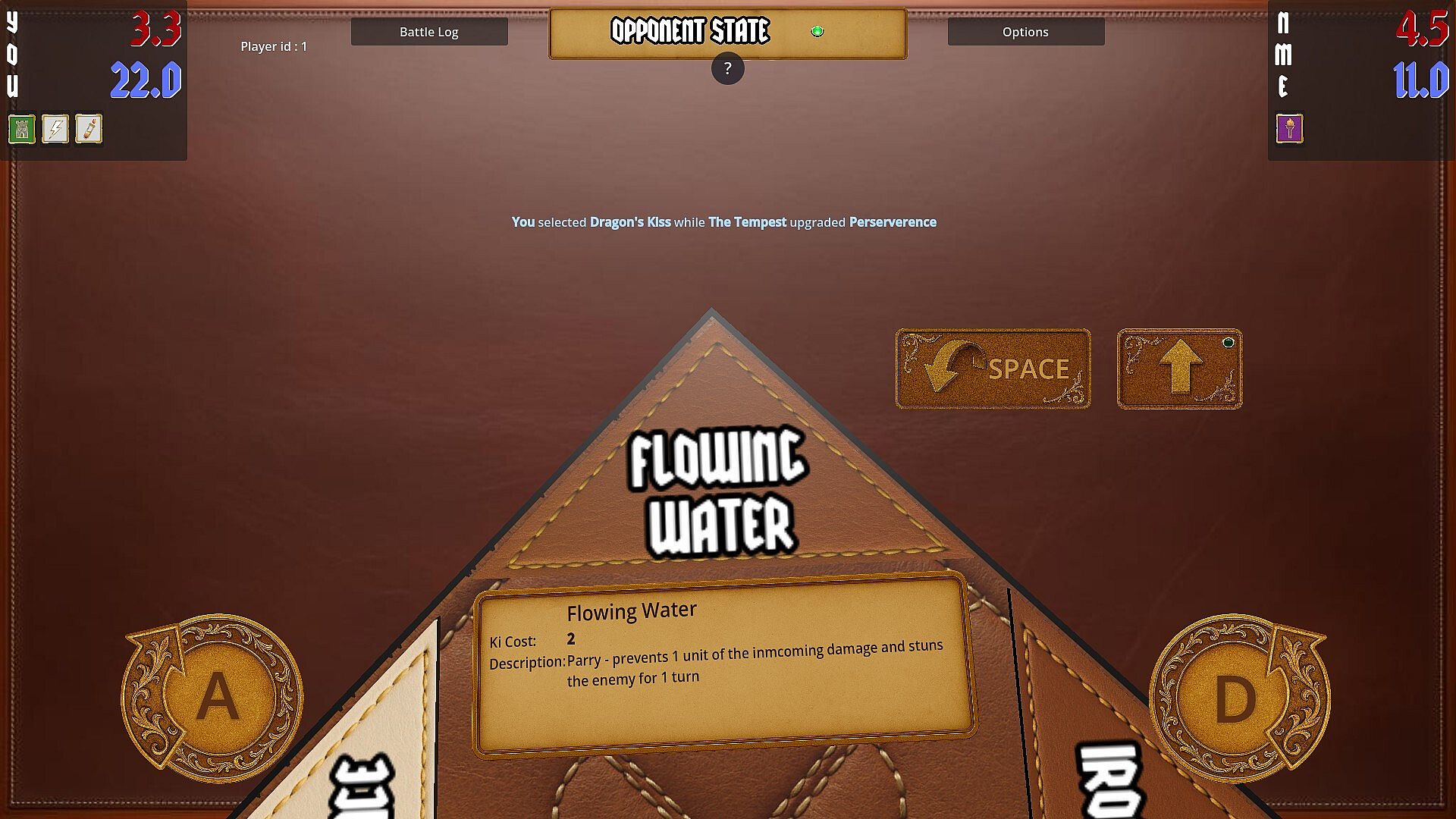
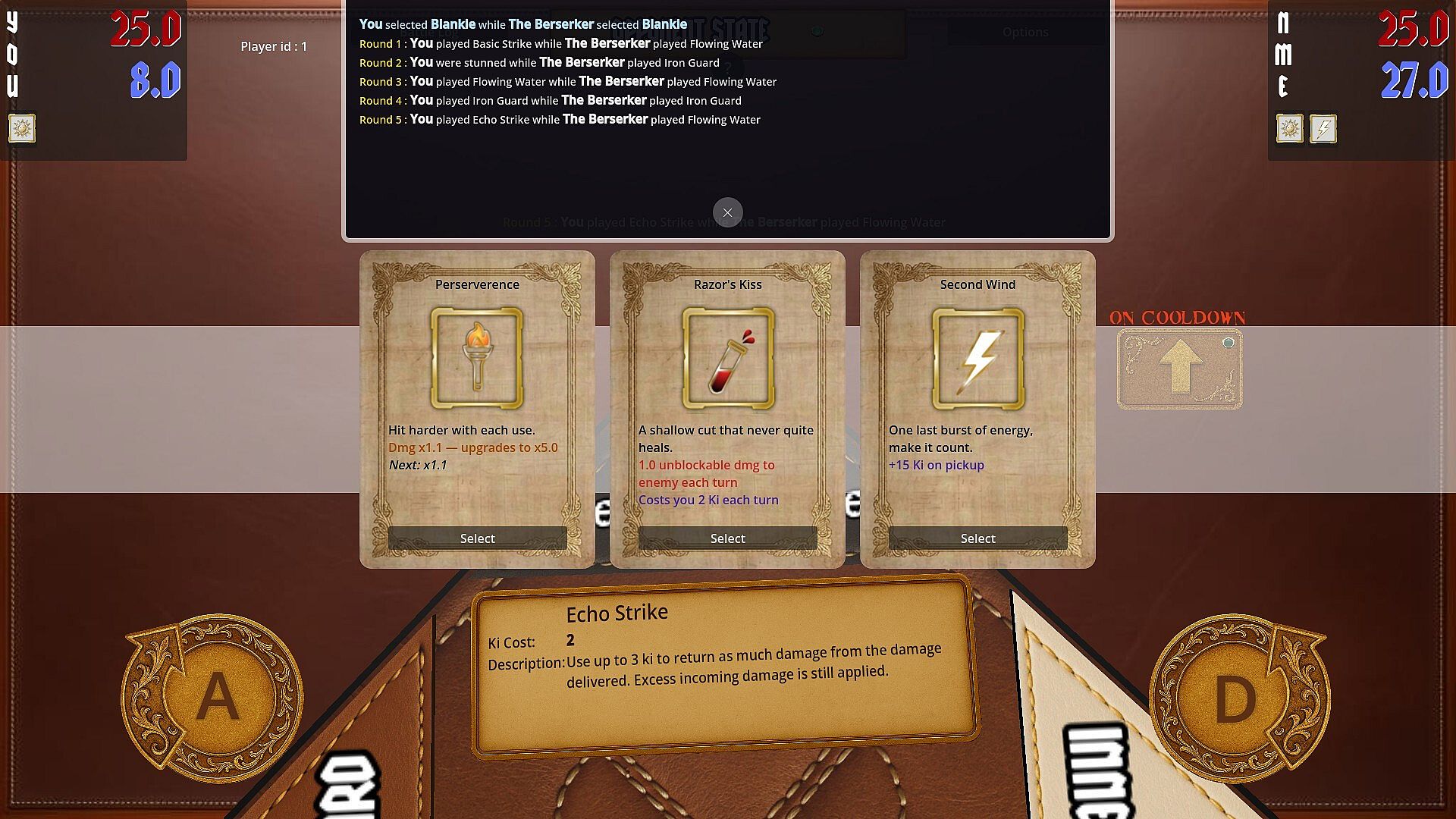
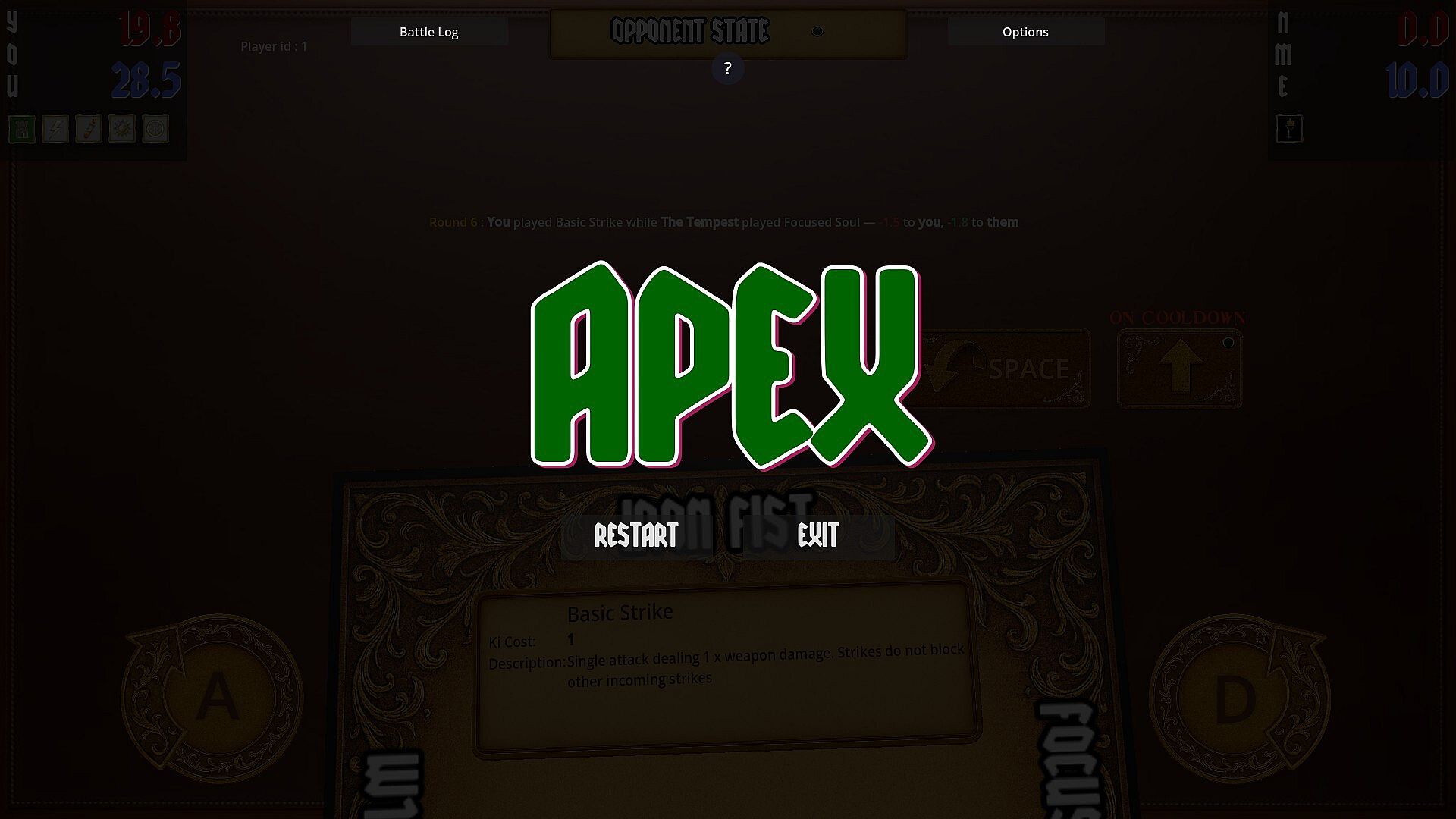
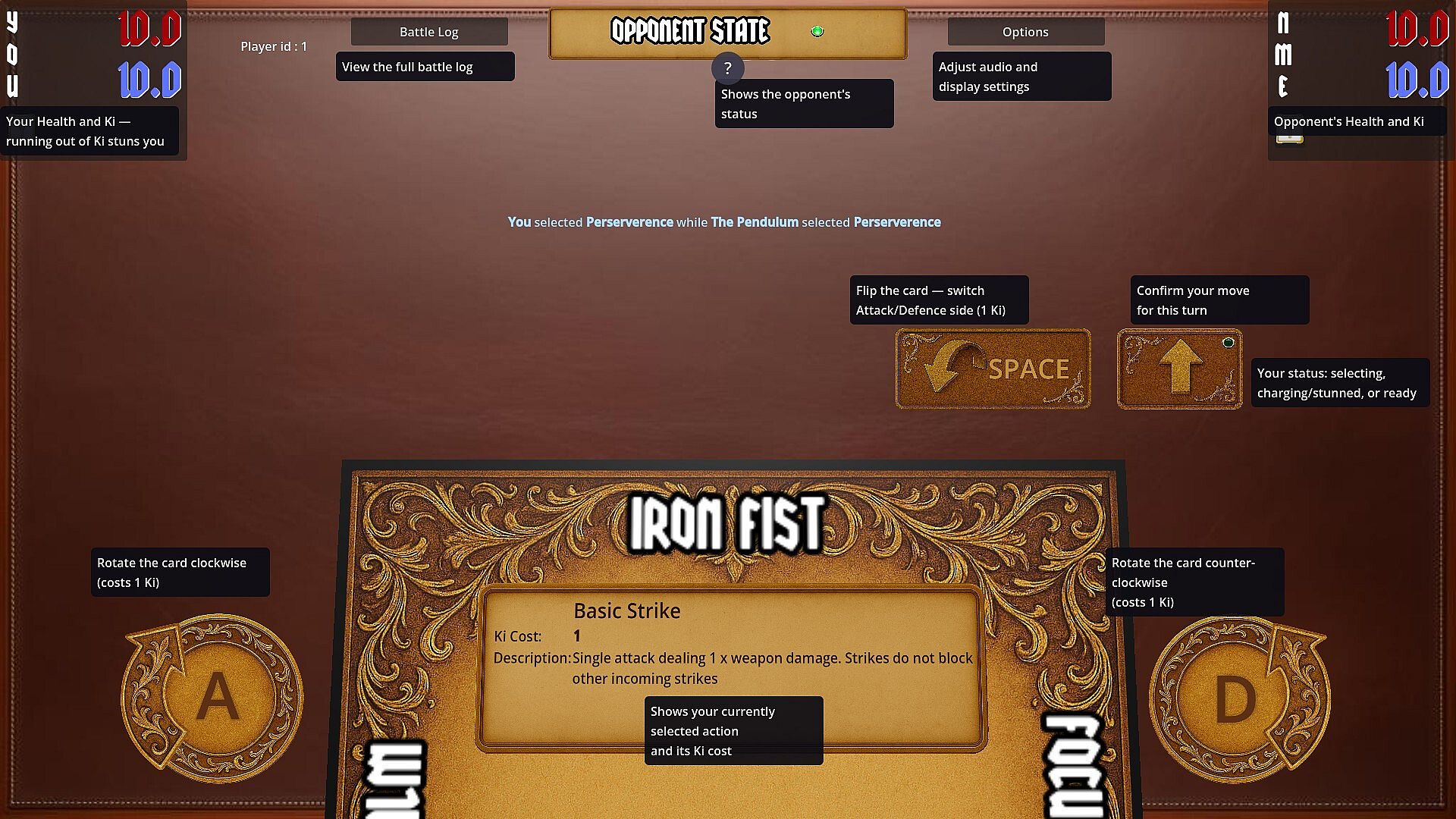

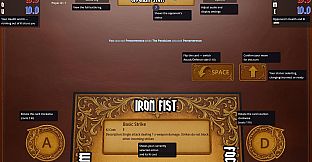
One Card is a strategy card game designed for two players on PC. It combines simple rules with deep tactical layers, placing it in the casual and early access categories. Players engage in head-to-head matches where each controls a single card and must anticipate the opponent's moves before simultaneous resolution determines the outcome.
Gameplay
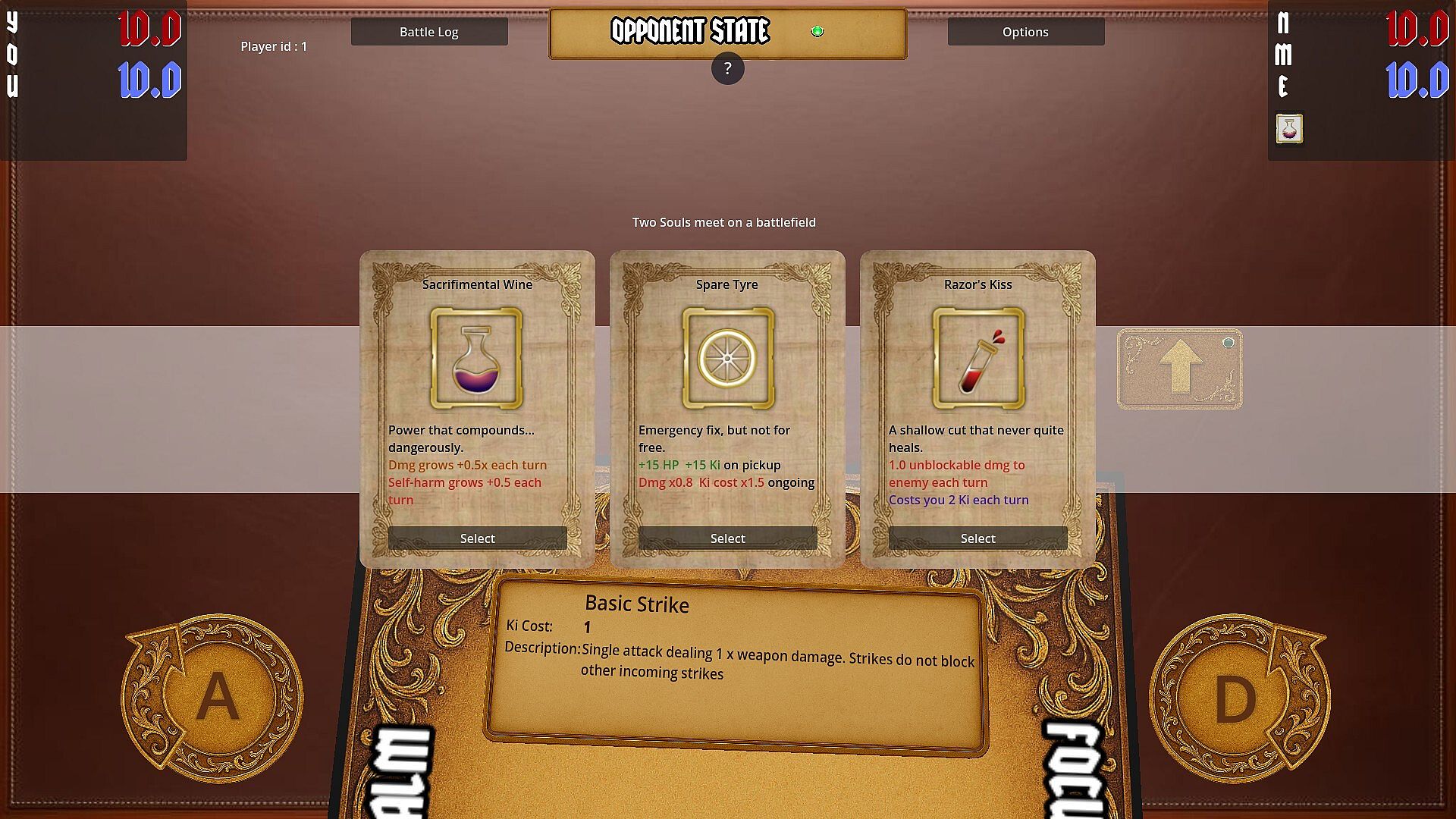
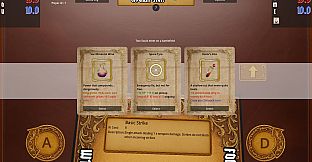
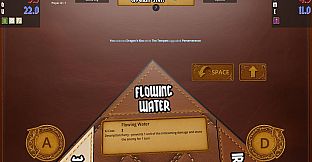
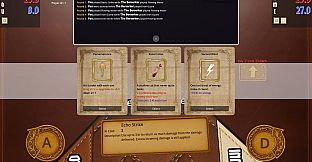
The core loop revolves around planning actions in advance rather than reacting in real time. Each participant manages their card's energy resource, known as ki, to execute strategic movements and abilities. Success depends on reading subtle shifts in the opponent's ki levels to predict their intentions and prepare effective counters. Battles resolve simultaneously once both players commit their plans, creating tension around timing and resource allocation. The system rewards foresight and adaptation over raw speed or luck, as there are no draws to break stalemates.
Learning the basics takes little time, yet mastering the interplay between ki management, positioning, and prediction demands repeated practice. Matches emphasize careful observation and calculated risks, fitting the strategy genre while remaining accessible for shorter sessions typical of casual play.
Game Modes
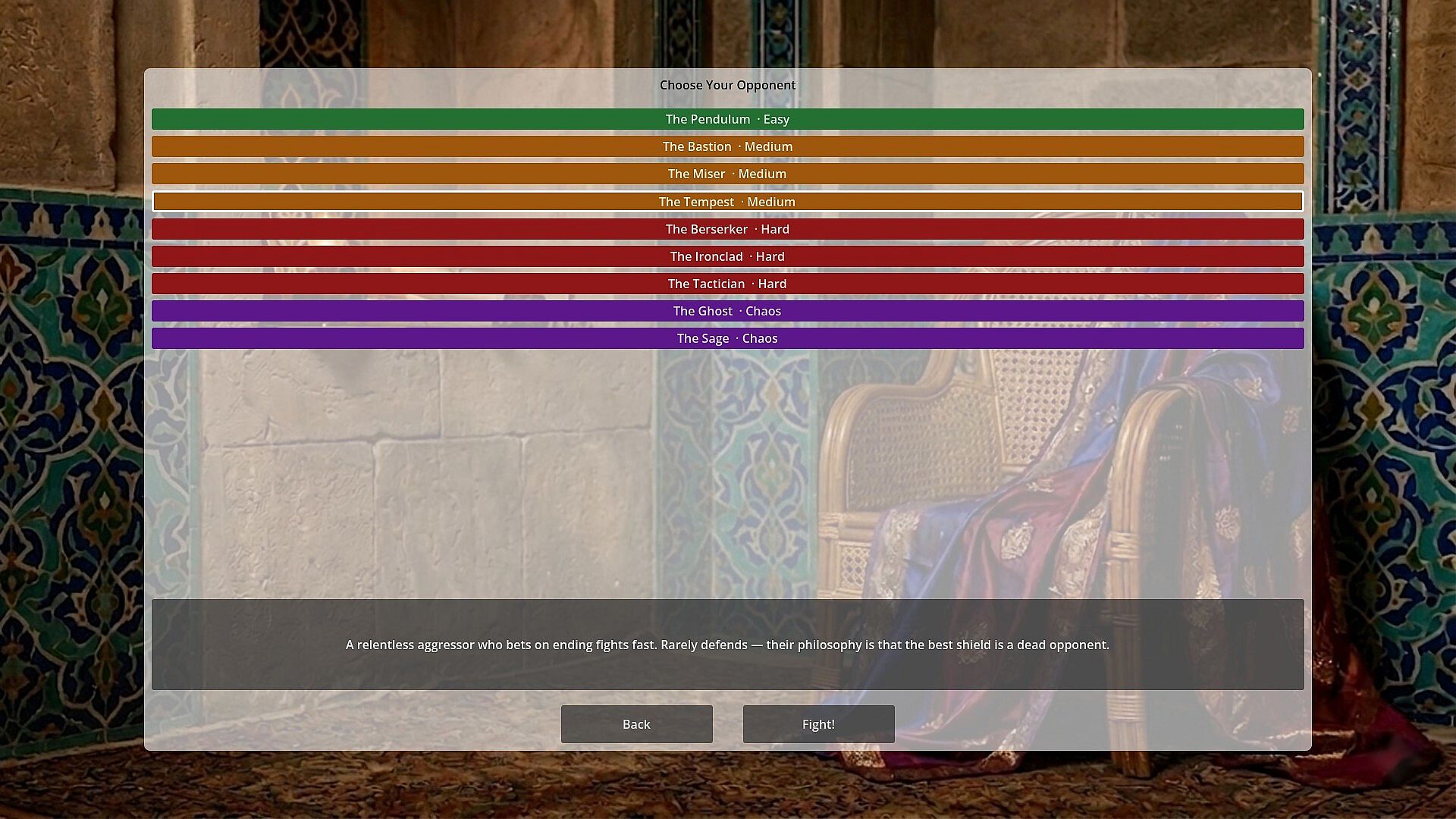
One Card focuses on direct player-versus-player confrontations. The primary experience pits two participants against each other in matches that test planning and ki resource control. Early access development centers on refining this core versus format, with emphasis on balanced simultaneous resolution mechanics. No additional modes have been detailed beyond the fundamental two-player setup, keeping the experience streamlined around strategic duels.
Early Access Development
As an early access title, One Card continues to evolve based on player feedback. The current build highlights the single-card system and ki mechanics, with ongoing adjustments to movement options and counterplay opportunities. Developers prioritize tightening the prediction and resource management elements to ensure matches remain decisive without draws. This stage allows the community to influence how the strategic depth expands while preserving the accessible entry point.
Is It Worth Playing?
One Card suits players who enjoy deliberate strategy over fast reflexes or extensive deck building. Those drawn to games that reward reading opponents and managing limited resources will find the simultaneous battle system engaging. The absence of draws ensures every match produces a clear winner, adding finality to each encounter. Casual audiences benefit from the short learning curve, while strategy enthusiasts can explore the nuances of ki manipulation and anticipation over multiple sessions. In its early access state, the game delivers a focused versus experience that stands on its planning and counterplay foundations.