




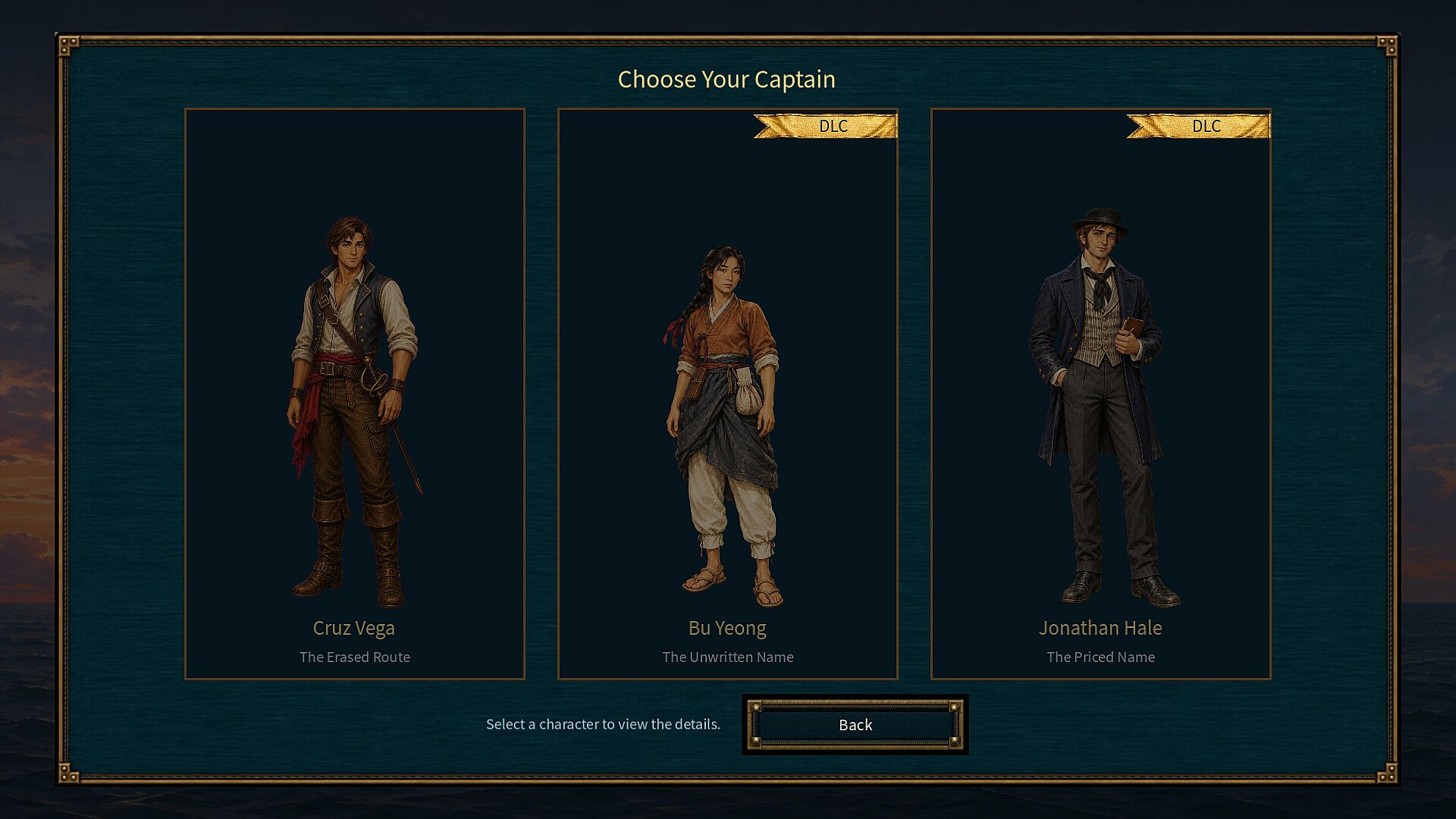
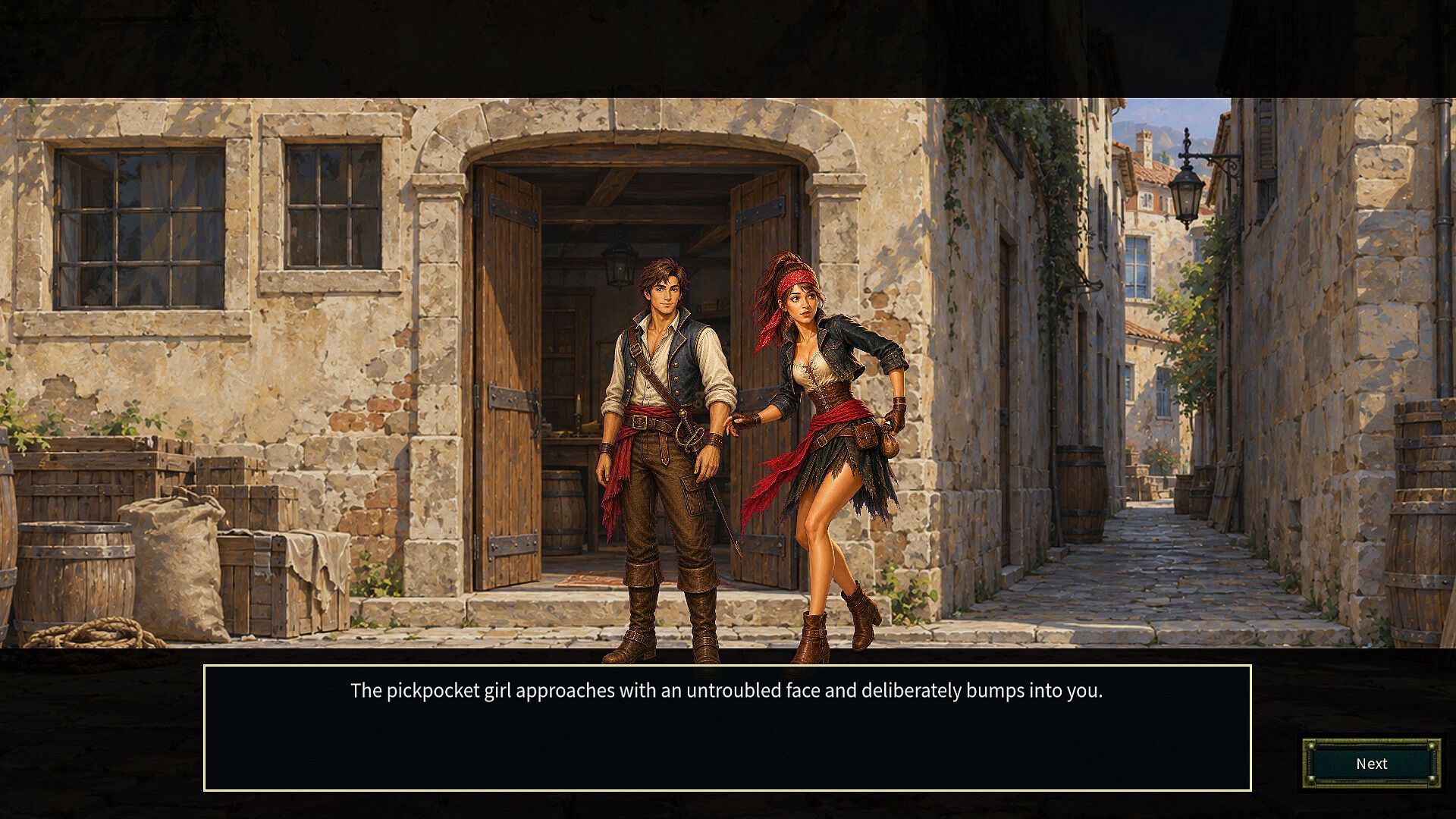
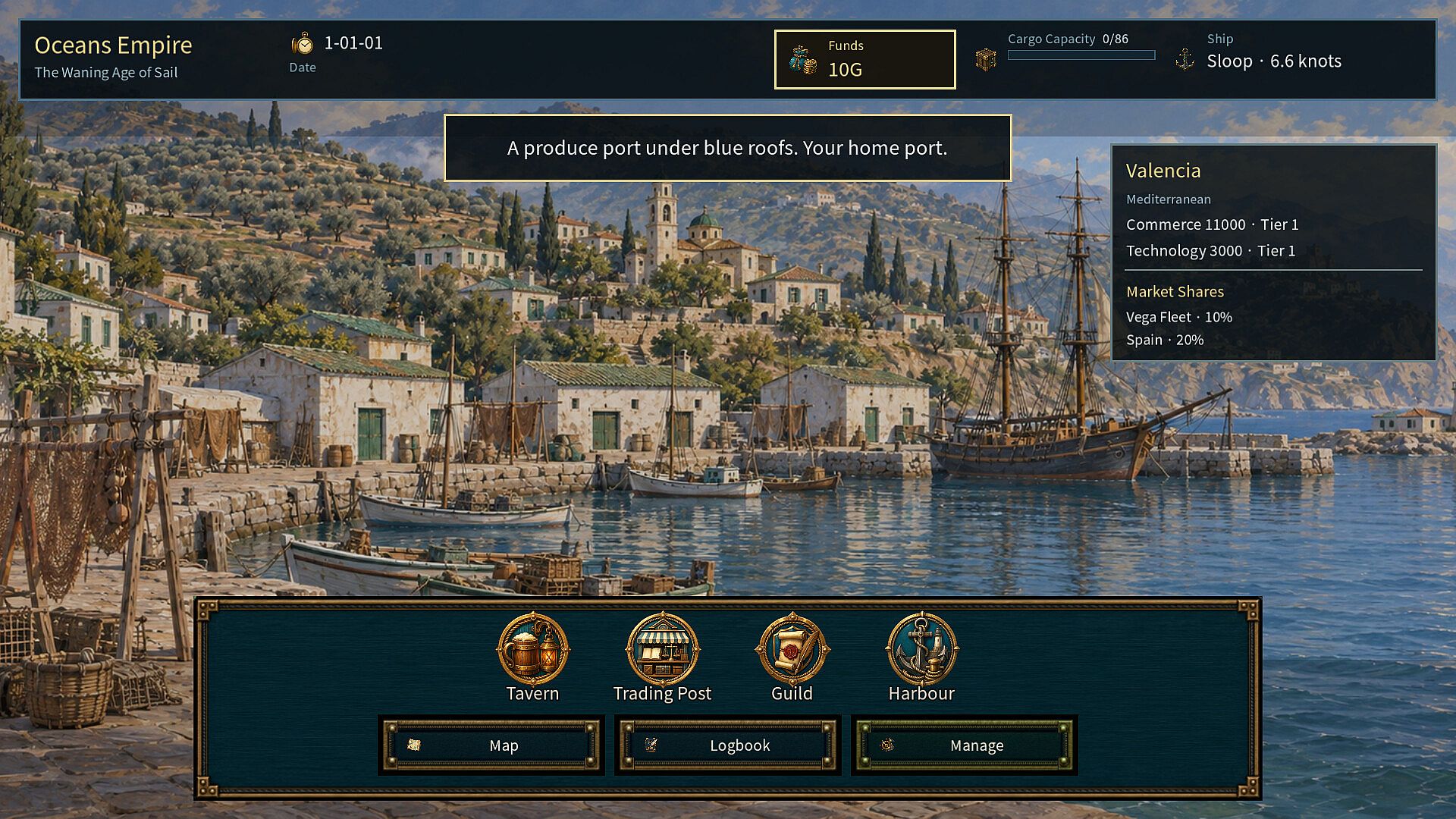
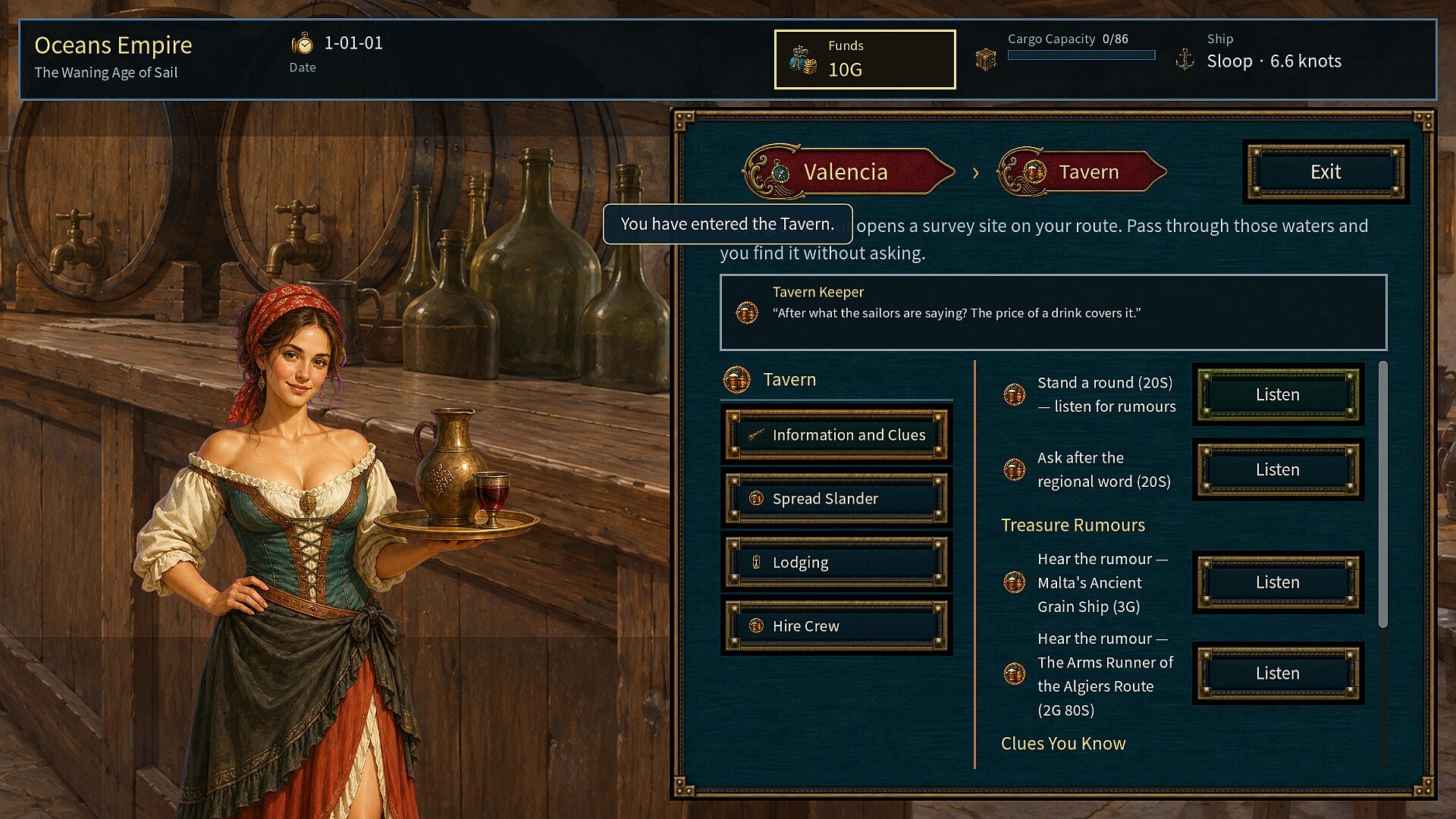
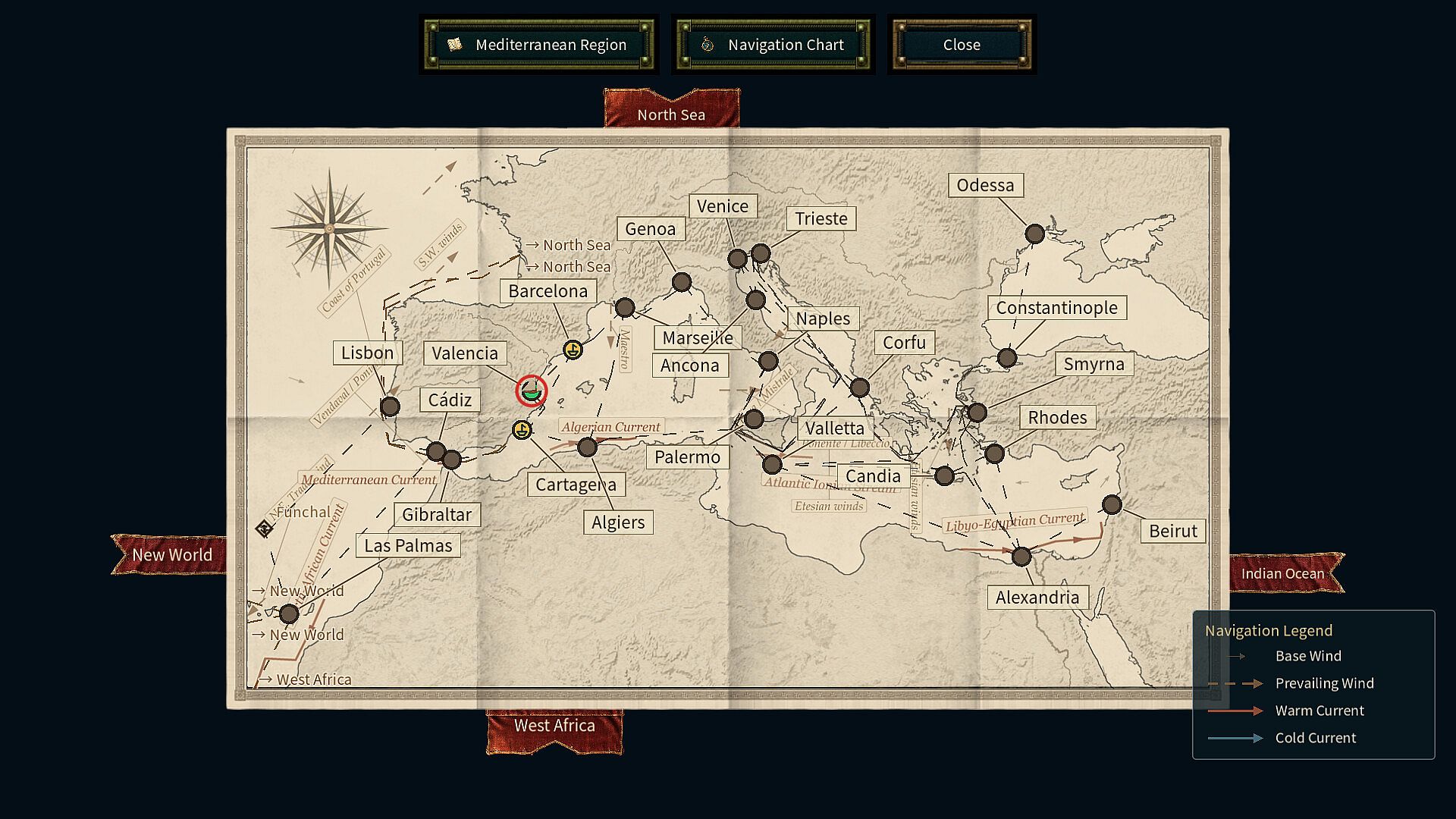
Oceans Empire: Twilight of Sail is a single-player strategy, simulation, and adventure game set on the seas of the 1840s. Players take on the role of a trader and fleet operator who buys and sells goods across ports while balancing exploration, crew needs, and occasional combat at sea.
Gameplay
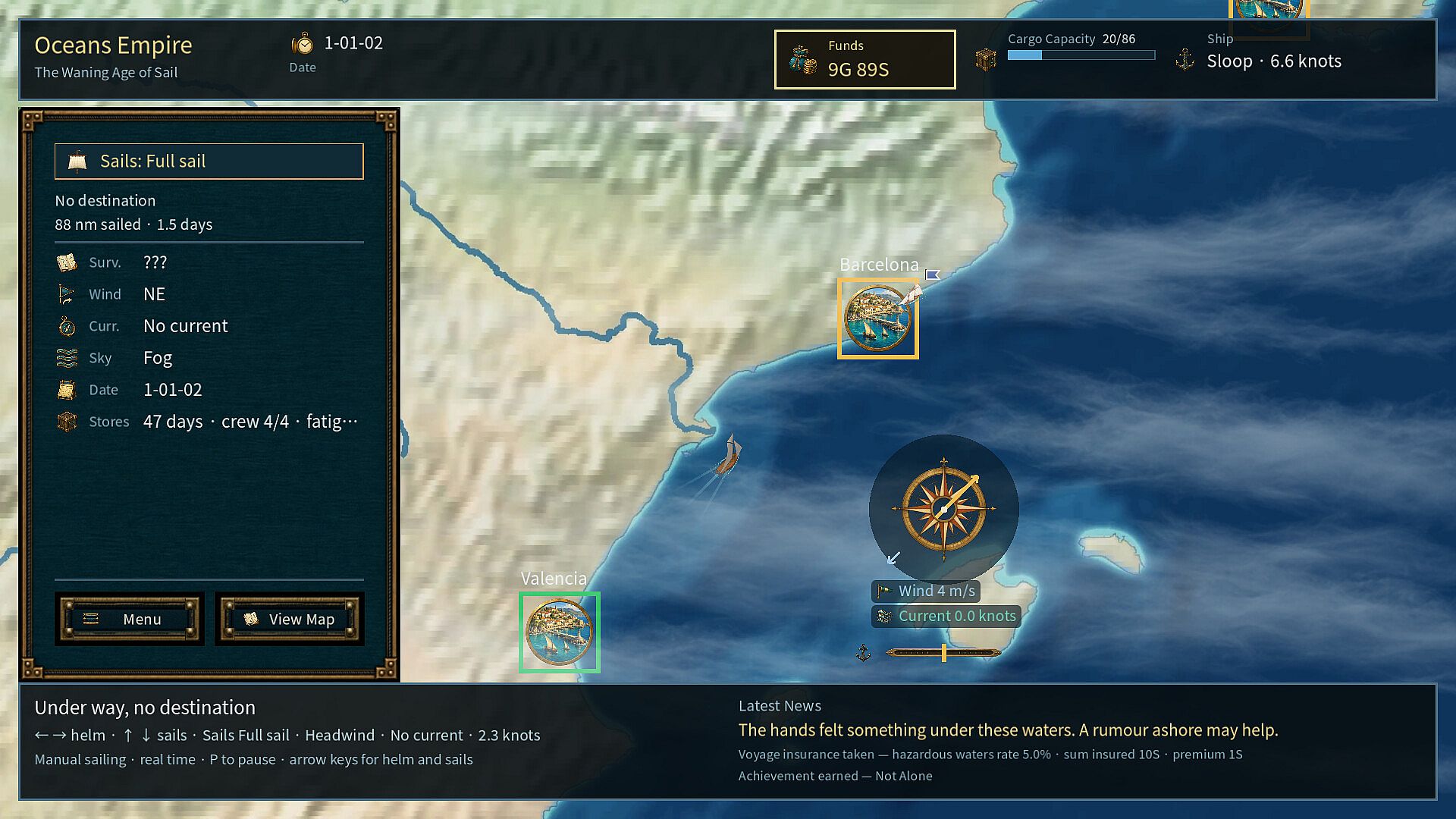
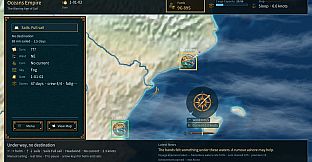
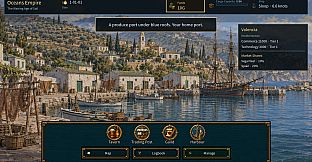
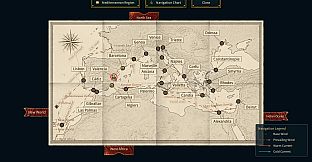
The core loop centers on port visits where players review available goods and their prices before selecting cargo for the next leg of a voyage. Decisions about what to carry and which destination to head toward shape income and route efficiency over time. Once at sea, the focus shifts to navigation between ports while looking for opportunities to expand trading networks through new stops.
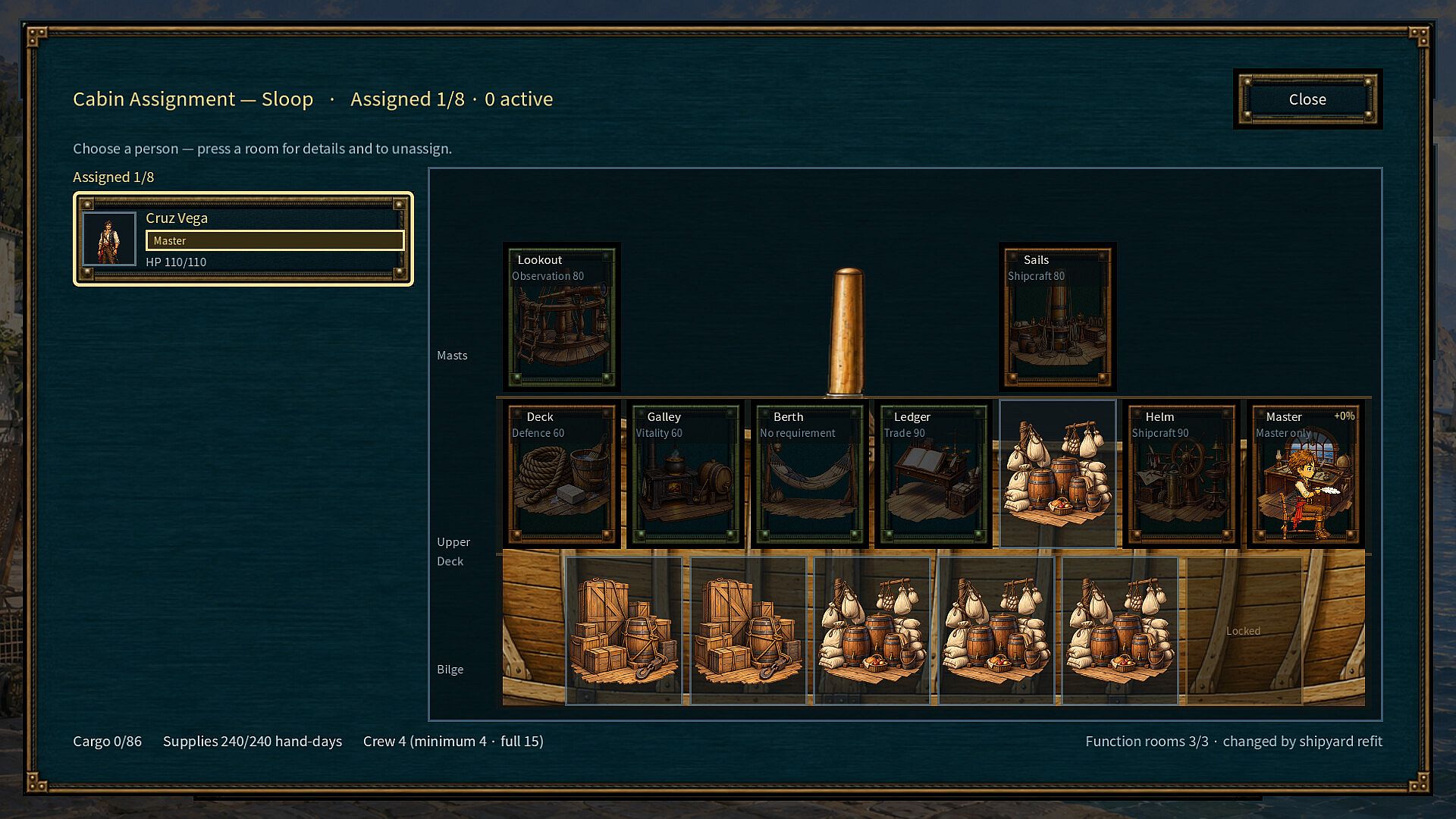
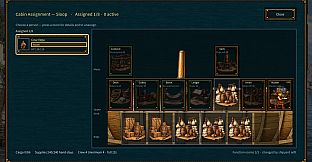
Sailing combines straightforward route planning with the practical demands of keeping a ship and its crew in good condition. Players prepare departures by assigning roles and resources, then put those choices to the test during travel. Fleet operations require ongoing attention to how multiple vessels work together for both commercial runs and defensive actions.
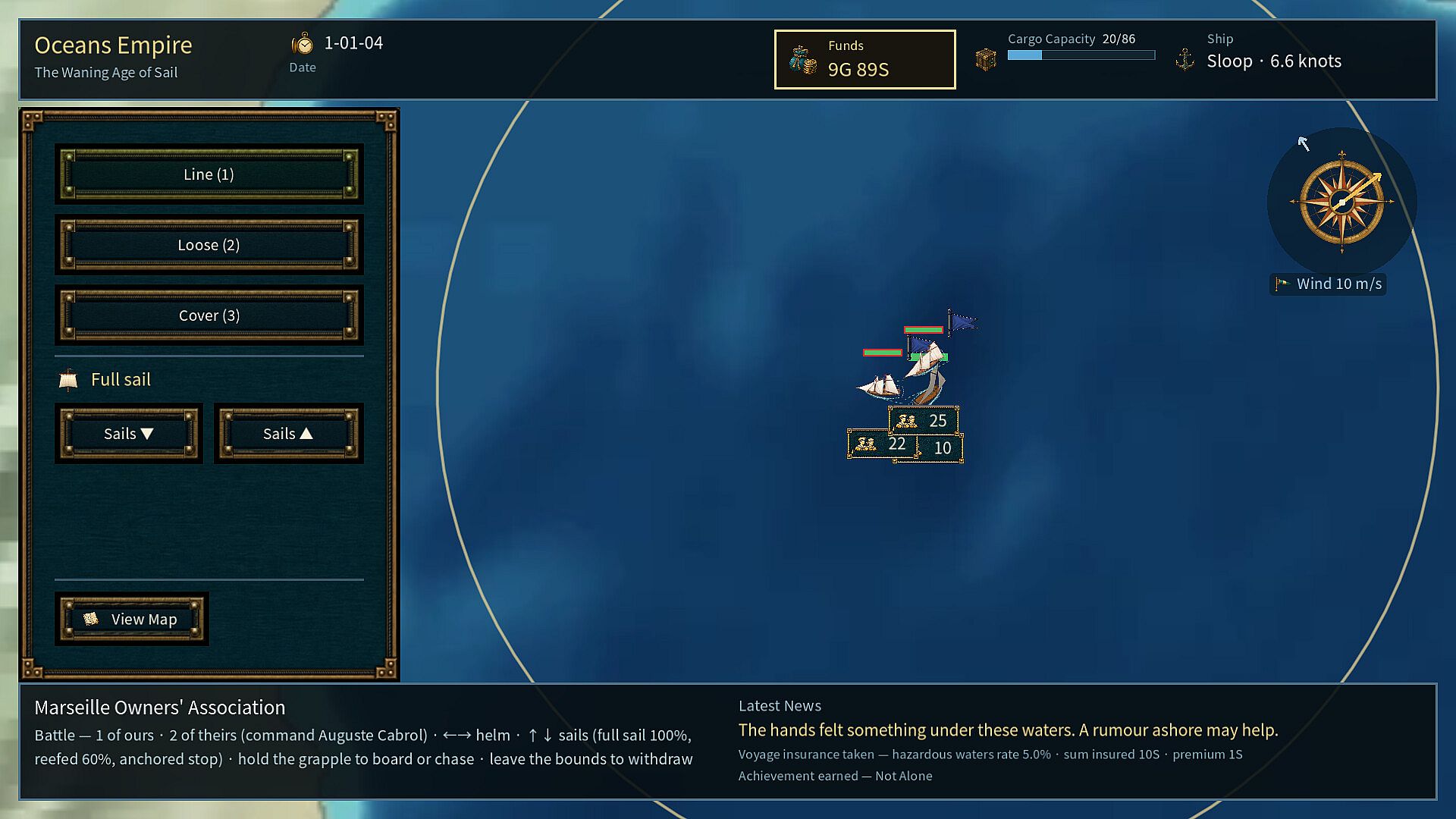
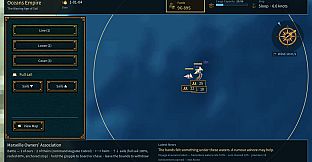
Naval encounters arise during voyages and test the results of port preparations. Command involves directing ships in formation, using their capabilities to handle threats while protecting cargo and crew. Success depends on prior choices about equipment, personnel, and overall fleet composition rather than on-the-spot reflexes alone.
Game Modes
The game operates entirely in single-player format with no multiplayer components. All progression occurs through personal voyages that players design and execute at their own pace. There are no separate competitive or cooperative modes; instead, the experience unfolds as one continuous campaign of trading, exploration, and fleet oversight.
Within this single-player structure, players move freely between trading runs, route expansion, and combat situations as they see fit. The absence of structured modes means the emphasis stays on long-term management of routes, crew, and assets rather than on timed events or ranked play.
Crew and Fleet Management
Managing personnel involves assigning sailors to ships and deciding how the fleet as a whole will handle both commercial and defensive duties. Players adjust crew assignments before each departure to match the expected demands of a given route. Fleet decisions extend to how vessels are equipped and positioned for different types of voyages.
These systems tie directly into trading and combat outcomes. A well-prepared crew can sustain longer routes or perform better when naval actions occur, while poor management leads to reduced efficiency or higher risks at sea. Players refine their approach through repeated voyages as they learn which combinations of people and ships suit particular trading patterns.
Is It Worth Playing?
The game targets players who enjoy deliberate, management-focused experiences in a historical trading setting. Its single-player design rewards careful planning of routes and resources over many voyages, with naval battles serving as occasional tests of those preparations. Because it remains in development ahead of its November 2026 release and currently has no player reviews available, any assessment rests on how well the described systems of trade, exploration, crew oversight, and combat align with individual preferences for slow-burn strategy titles.
Those drawn to simulation elements around pricing, logistics, and fleet upkeep will find the most direct appeal, while players seeking fast action or social features may want to wait for post-launch feedback. The title stands as a self-contained experience without reliance on external servers or seasonal content.