




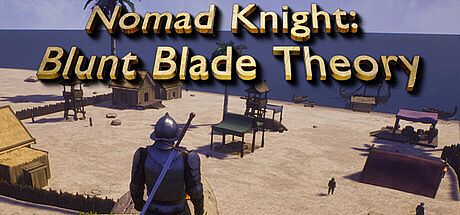


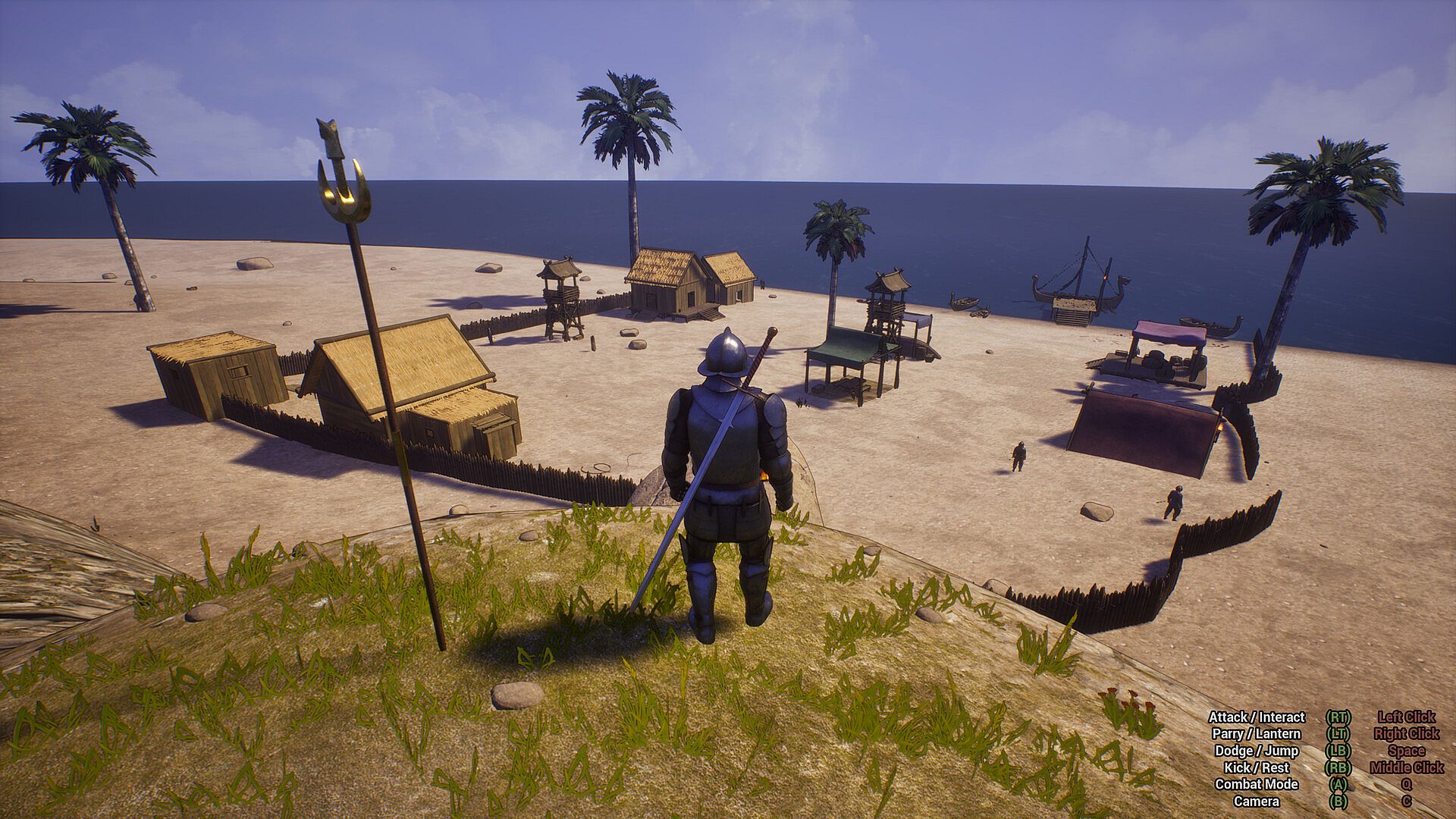

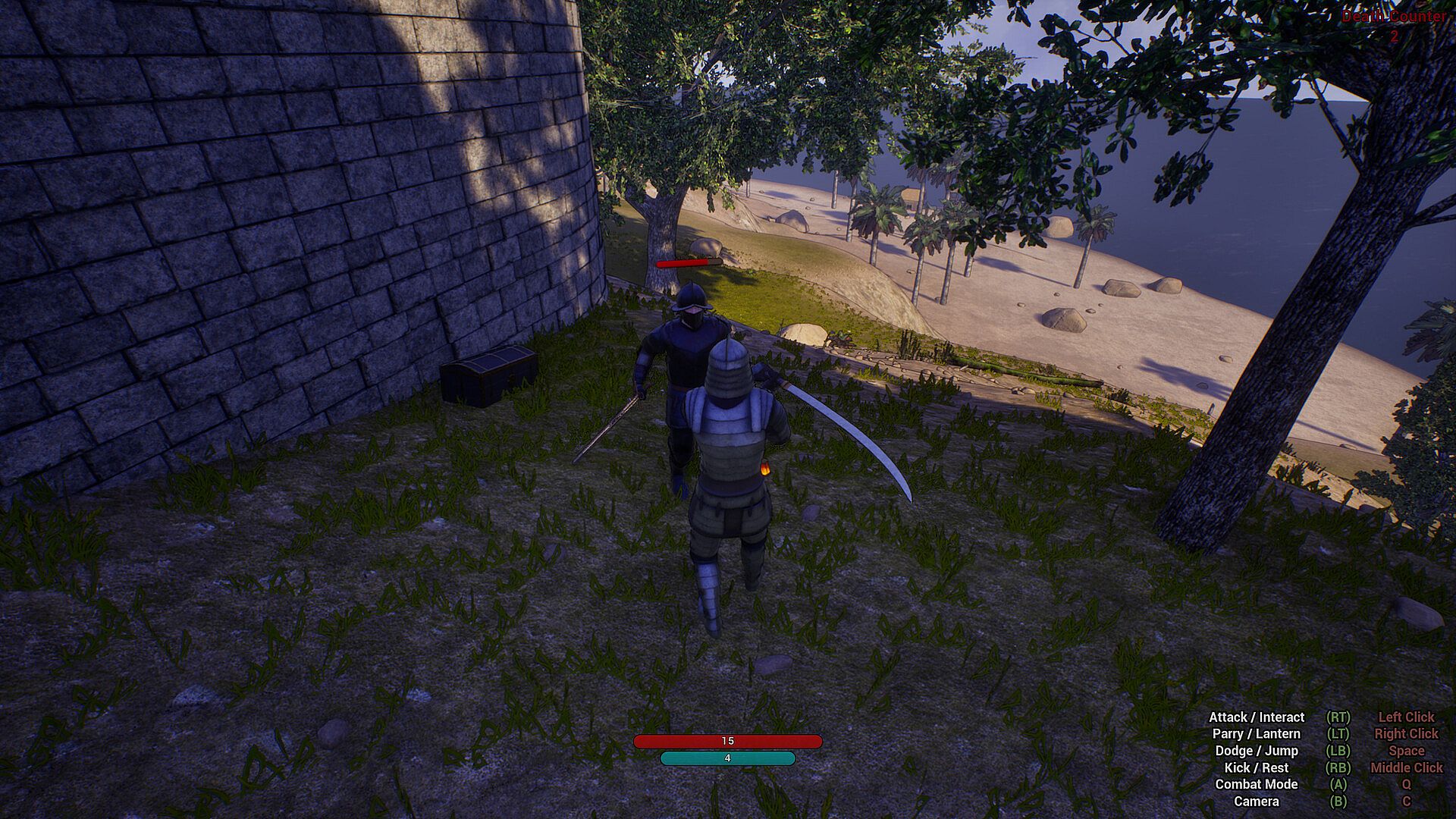
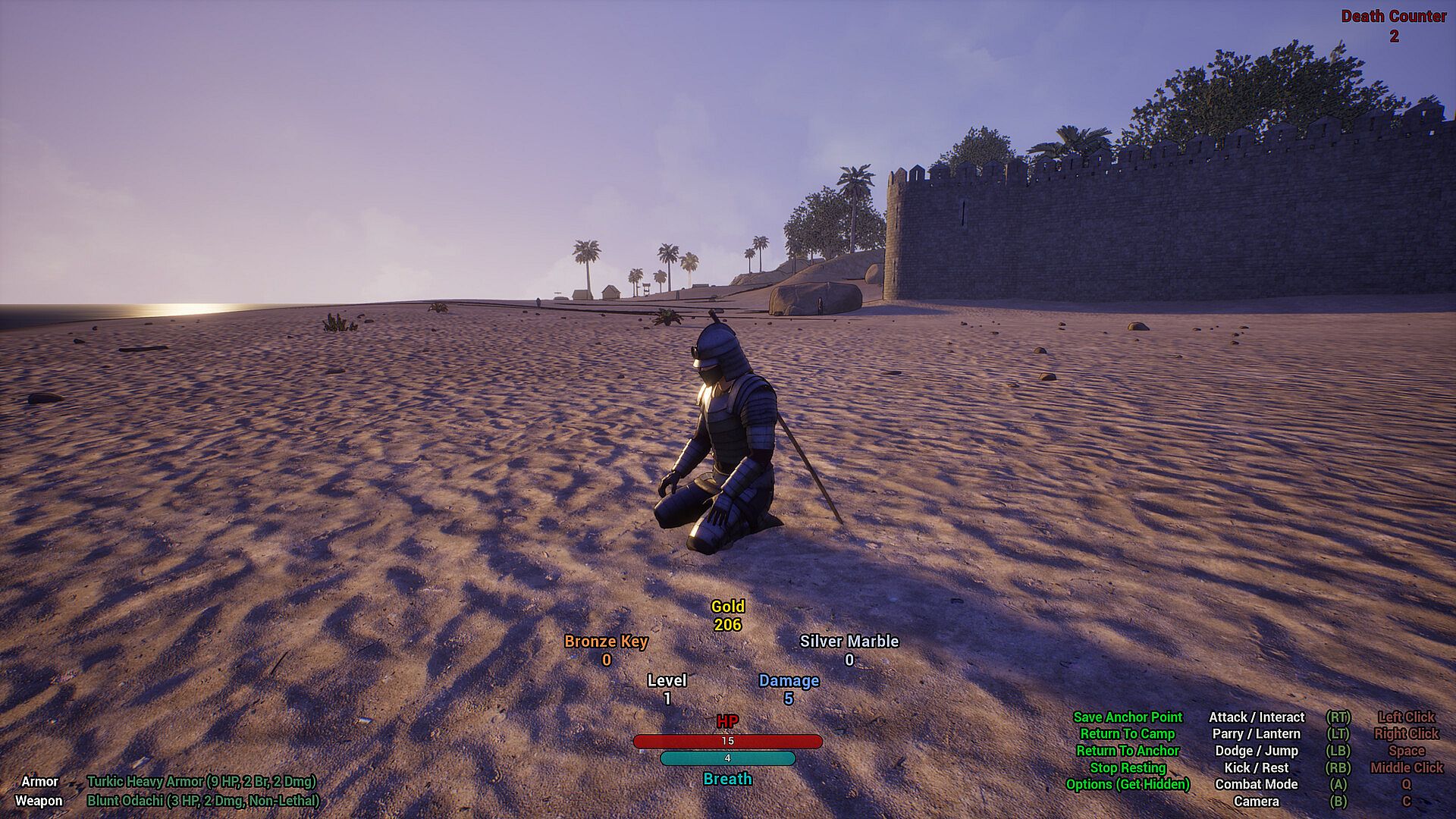
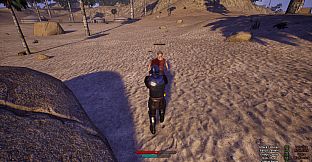
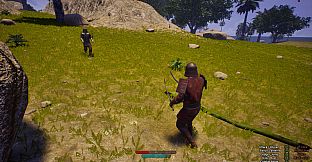
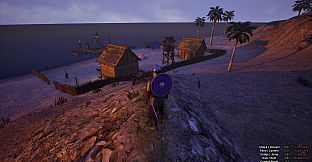
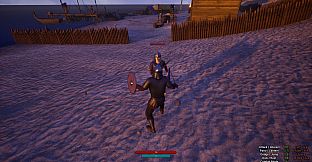
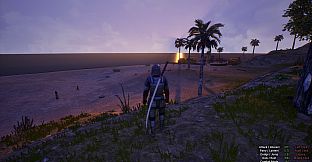
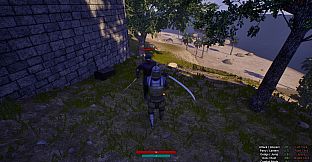
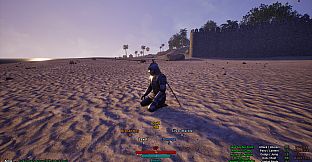
Nomad Knight: Blunt Blade Theory é um RPG de ação para um jogador centrado no combate corpo a corpo direcional. O jogador controla um cavaleiro que explora um mundo aberto compacto com o objetivo de derrotar o Renegade Lord of the Citadel. A experiência prioriza posicionamento preciso, timing e habilidade em vez de sistemas automáticos ou progressão guiada.
Gameplay
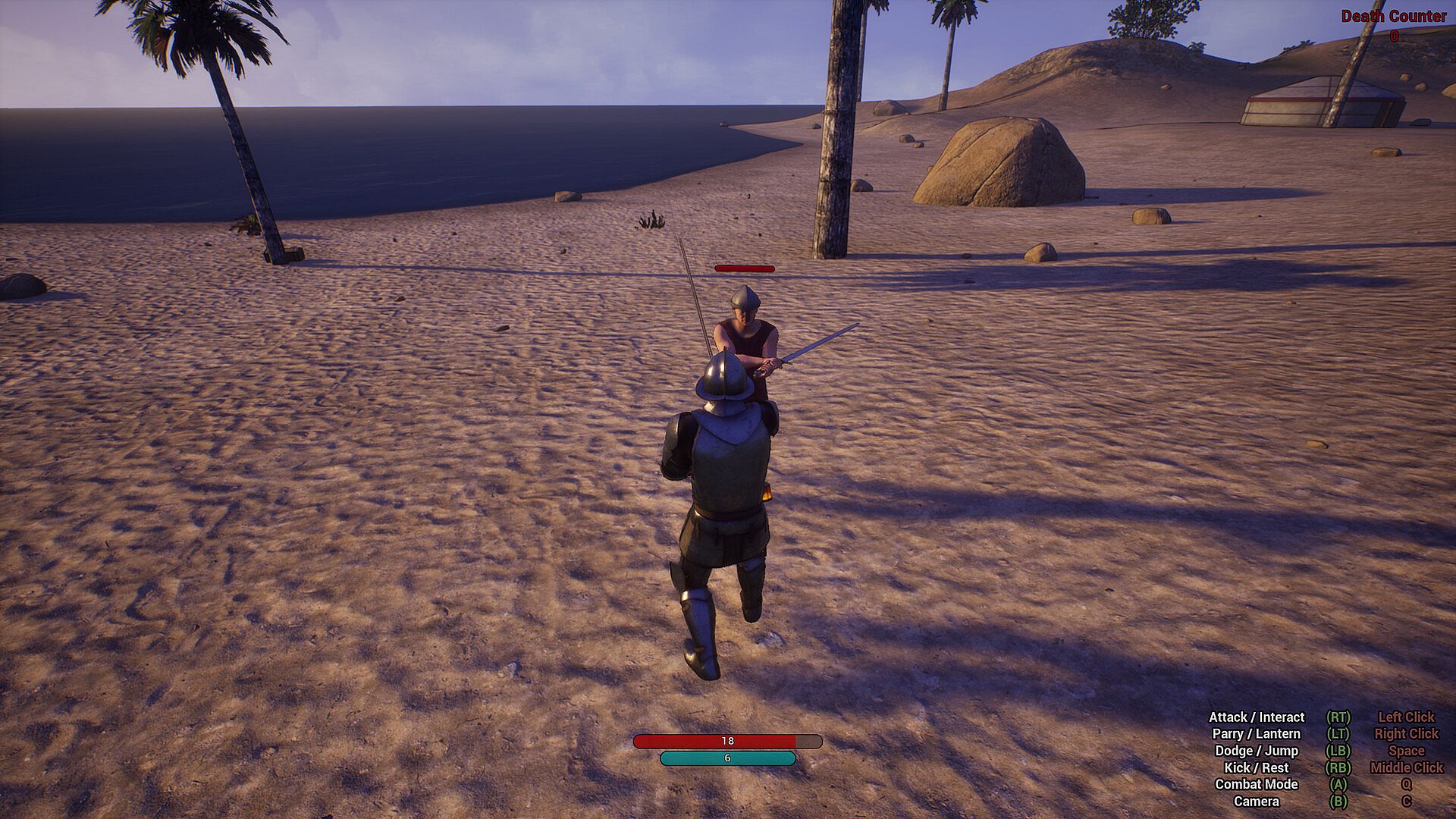
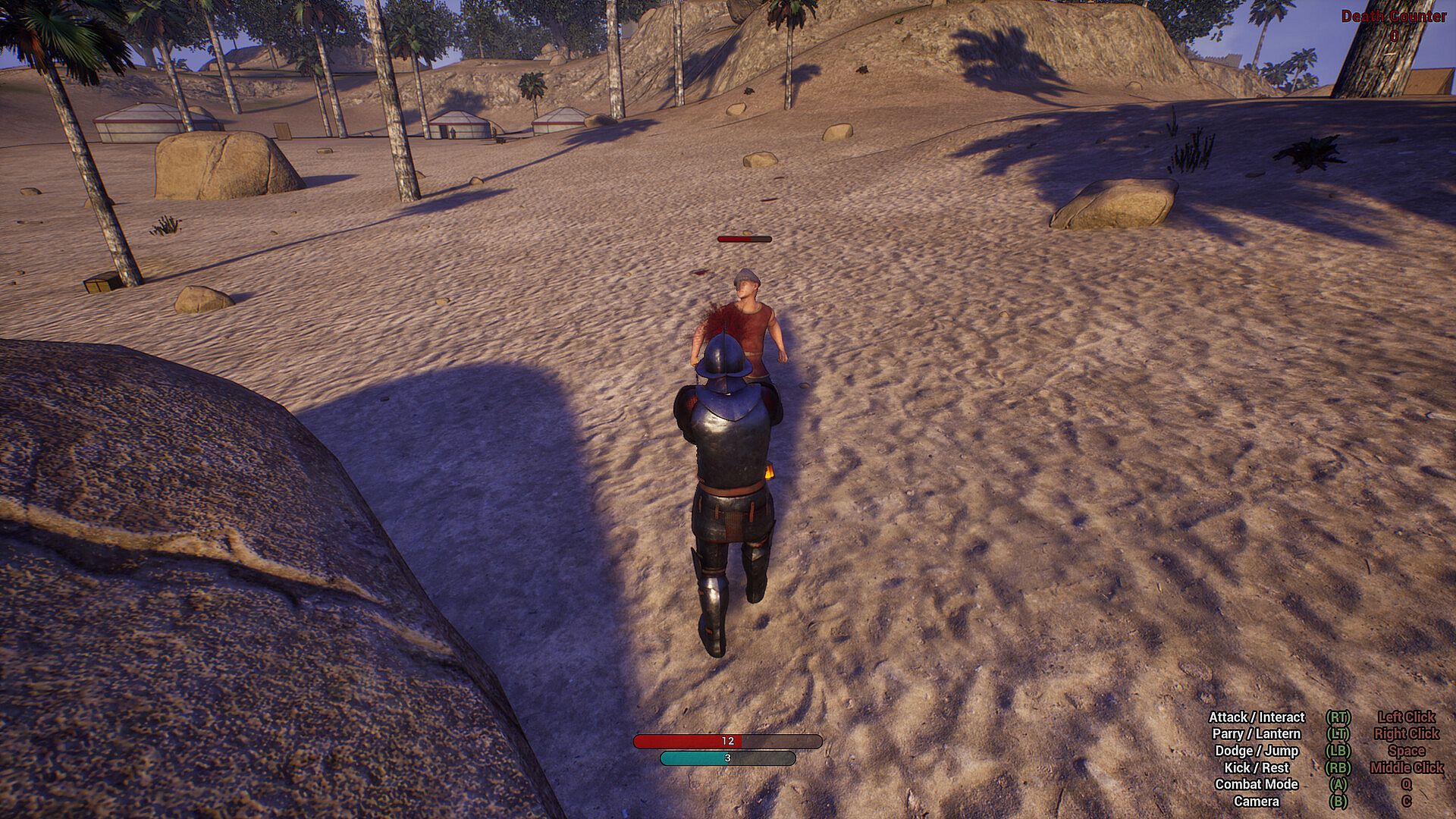
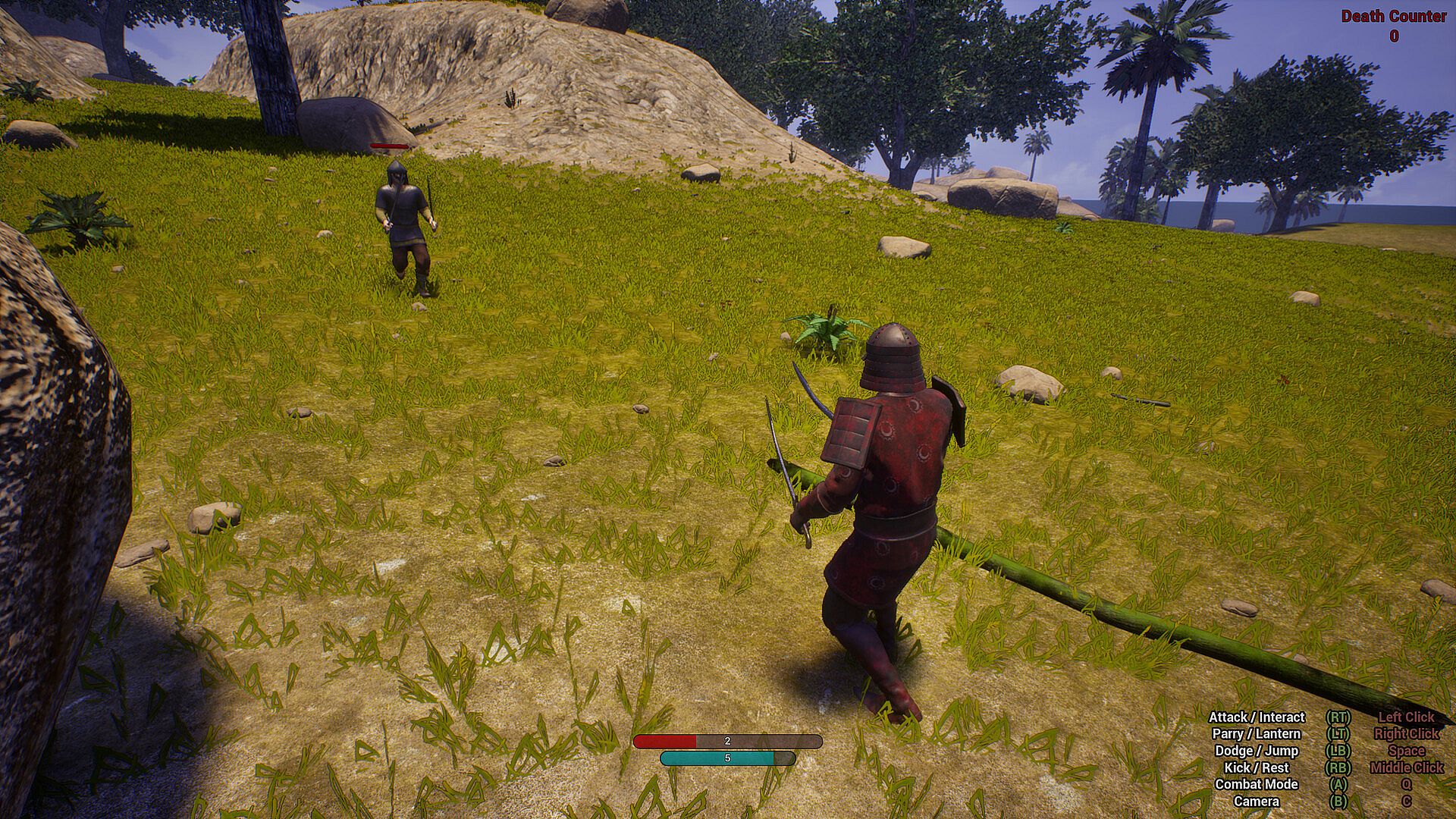
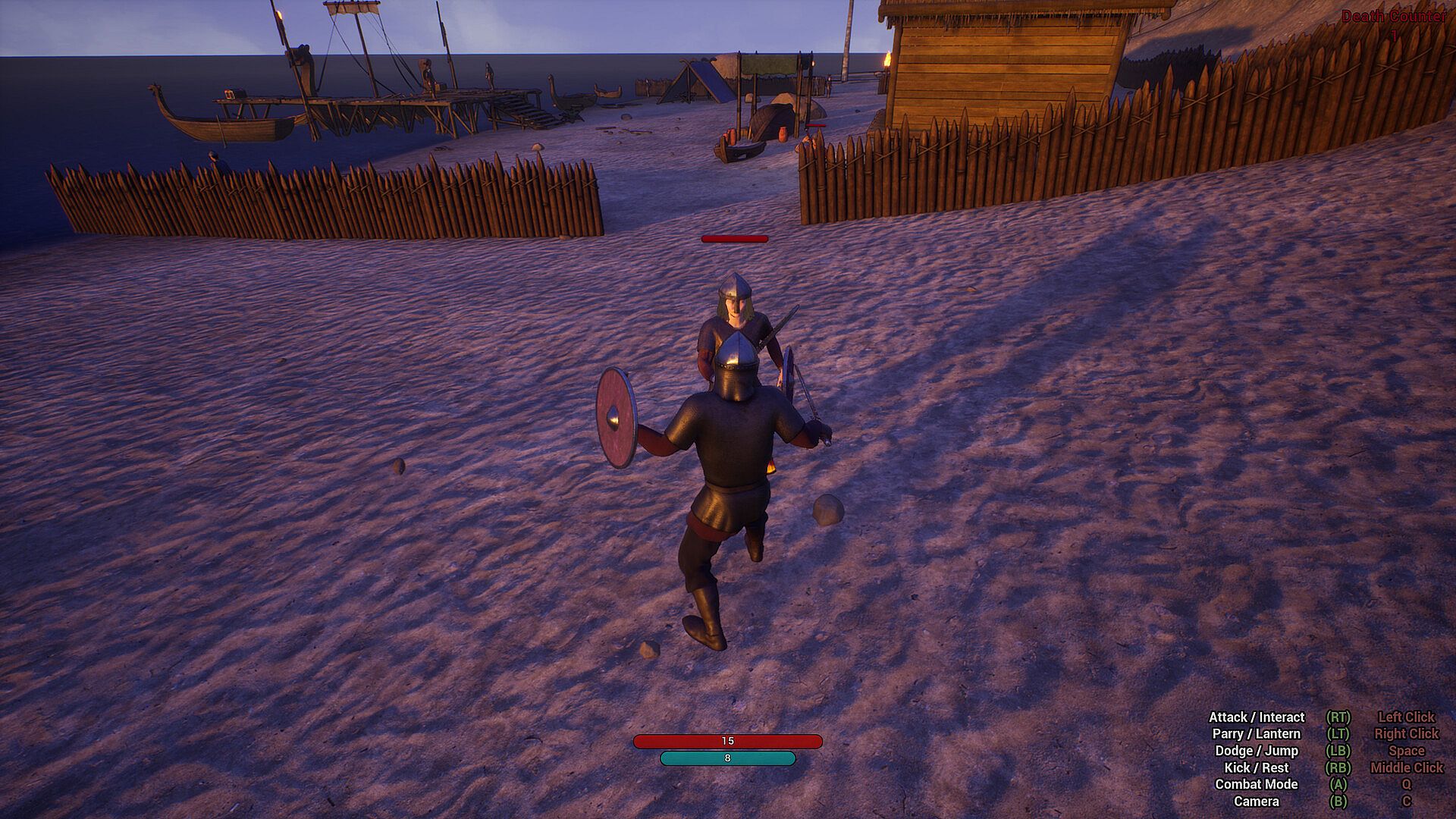
O combate depende totalmente das ações do jogador para ataques, defesa e movimento. Os ataques direcionais estão ligados à orientação e ao deslocamento do personagem, exigindo escolhas deliberadas a cada confronto. Janelas de parry e esquivas são os principais recursos defensivos, enquanto chutes podem desestabilizar inimigos ou empurrá-los para perigos do cenário, como espinhos, causando dano adicional.
Três atributos principais orientam o desenvolvimento do personagem: HP para resistência, Breath para frequência de ações e Damage para poder ofensivo. A cada nível, é possível distribuir pontos entre esses atributos para moldar builds em múltiplas tentativas. O equipamento amplia as opções com quatro categorias de armas, cada uma disponível em quatro estilos visuais, totalizando dezesseis armas distintas. Espadas de uma mão priorizam velocidade e favorecem Breath. Espada e escudo enfatizam defesa, com as maiores janelas de parry e suporte a HP. Espadas grandes oferecem maior alcance e equilibram HP e Damage. Espadas duplas focam no ataque, com zonas de acerto mais amplas e bônus em Damage. Seis conjuntos de armadura fornecem modificadores adicionais que complementam armas e estilos de jogo escolhidos.
Game Modes
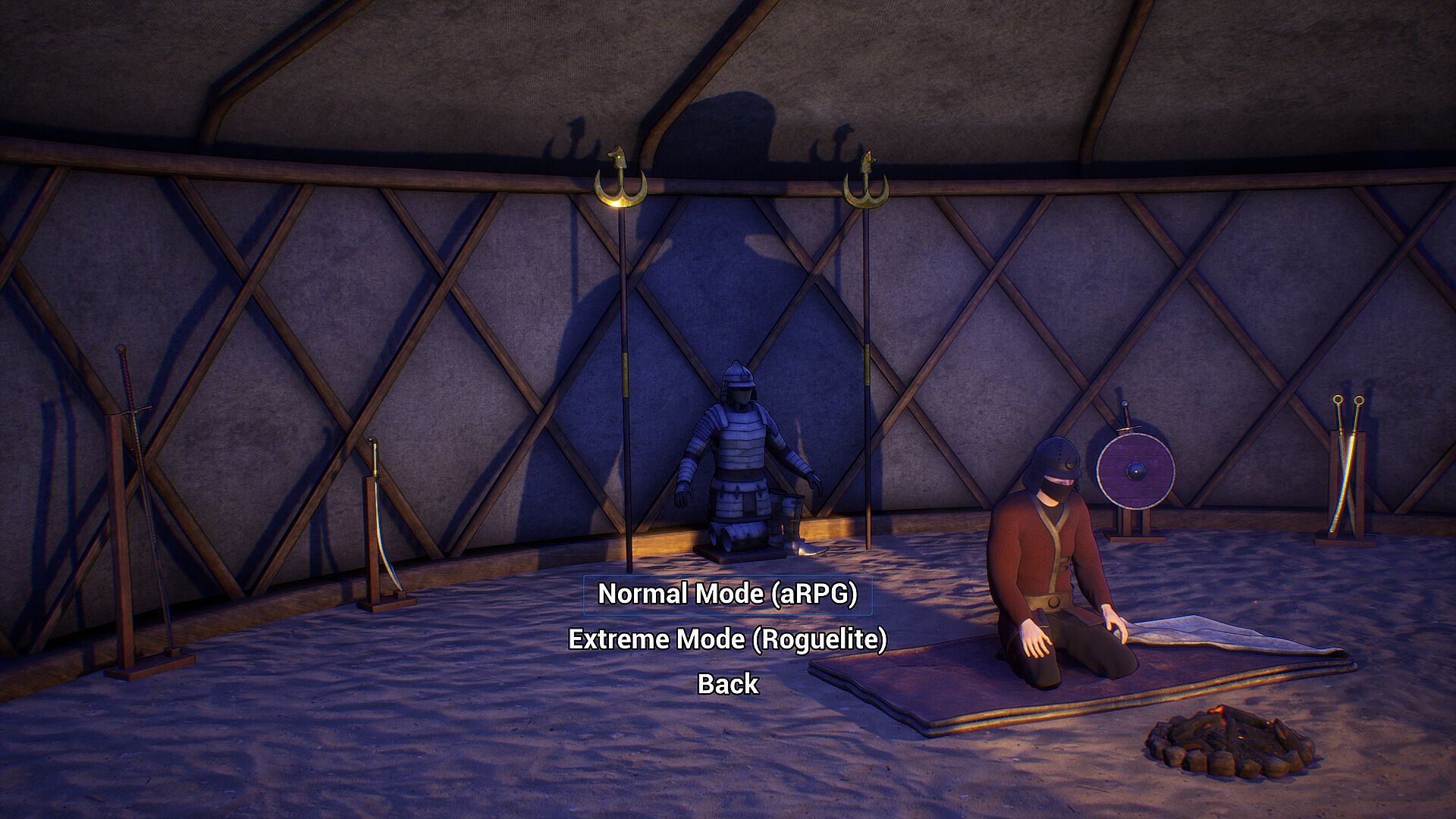
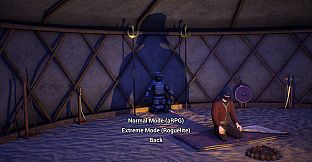
Dois níveis de dificuldade definem o ciclo principal. A dificuldade ARPG permite exploração constante e acúmulo de recursos sem perda permanente de progresso, ouro ou materiais ao morrer. O jogador pode farmar, melhorar equipamentos e refinar mecânicas em ritmo controlado. A dificuldade Roguelite introduz corridas repetidas em que a morte remove recursos não gastos e o avanço de zonas, mas mantém armas e armaduras desbloqueadas. Para vencer nesse modo, é necessário desempenho consistente até alcançar o Renegade Lord em uma única tentativa contínua.
Exploração e Construção de Personagem
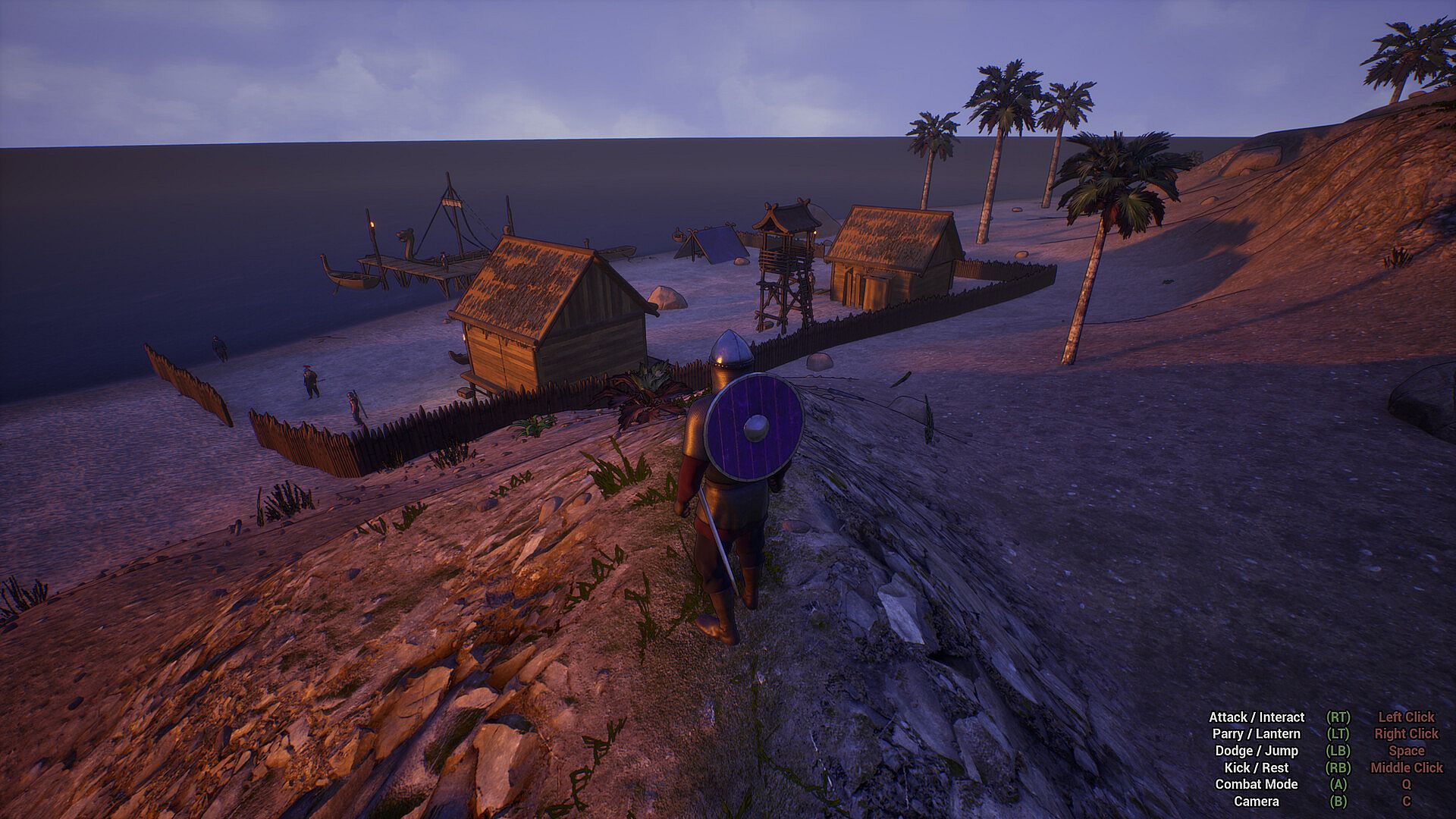
O mundo incentiva visitas repetidas para coletar materiais e testar diferentes distribuições de atributos ou combinações de equipamento. Interações com o ambiente vão além do combate direto: posicionamento estratégico pode transformar perigos em vantagens. As builds surgem da combinação de tipos de armas, benefícios de armadura e prioridades de atributos, gerando abordagens variadas para os mesmos encontros.
Vale a pena jogar?
O jogo é voltado para quem valoriza domínio mecânico no combate corpo a corpo sem depender de sistemas de assistência externos. Seu foco em um único jogador e a ênfase em posicionamento e timing atendem quem busca RPGs de ação deliberados e baseados em habilidade. Sem avaliações disponíveis antes do lançamento, a adequação depende da preferência por combate direcional e pela escolha entre progressão gradual ou repetição roguelite. O escopo compacto e a variedade de builds oferecem replay claro para quem se interessa por RPGs de ação indie centrados no desenvolvimento de habilidade pessoal.