




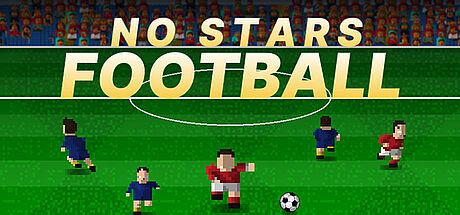


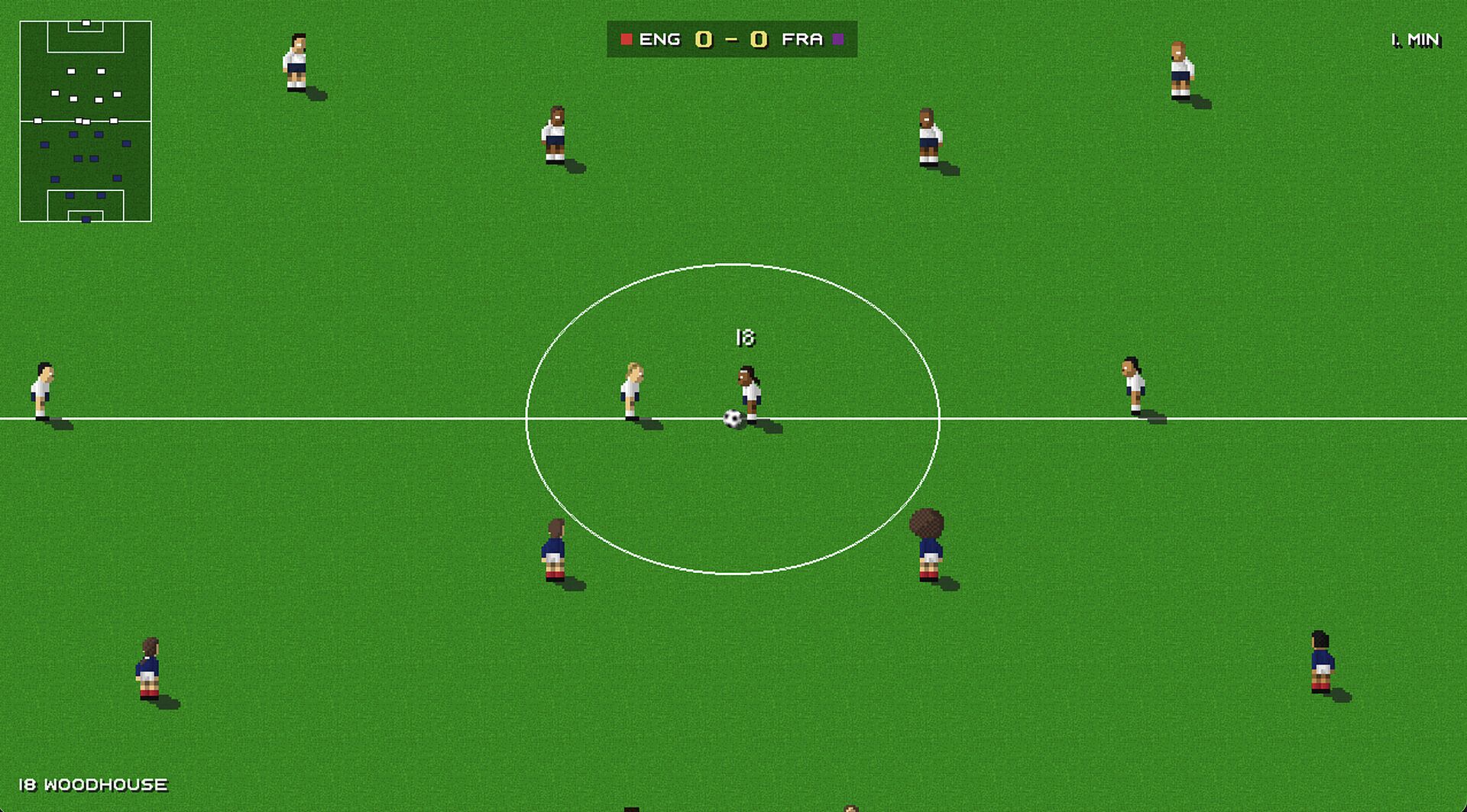
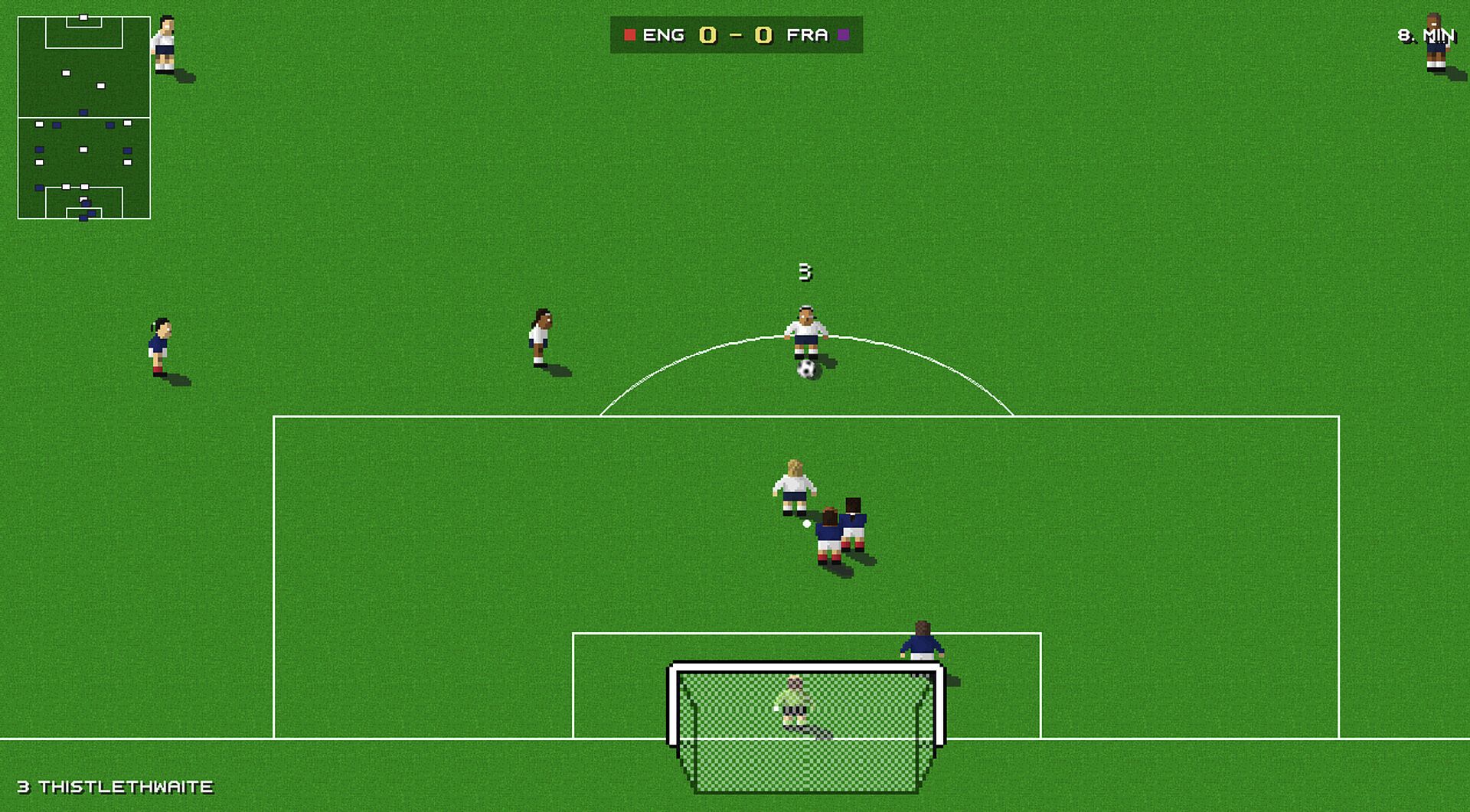
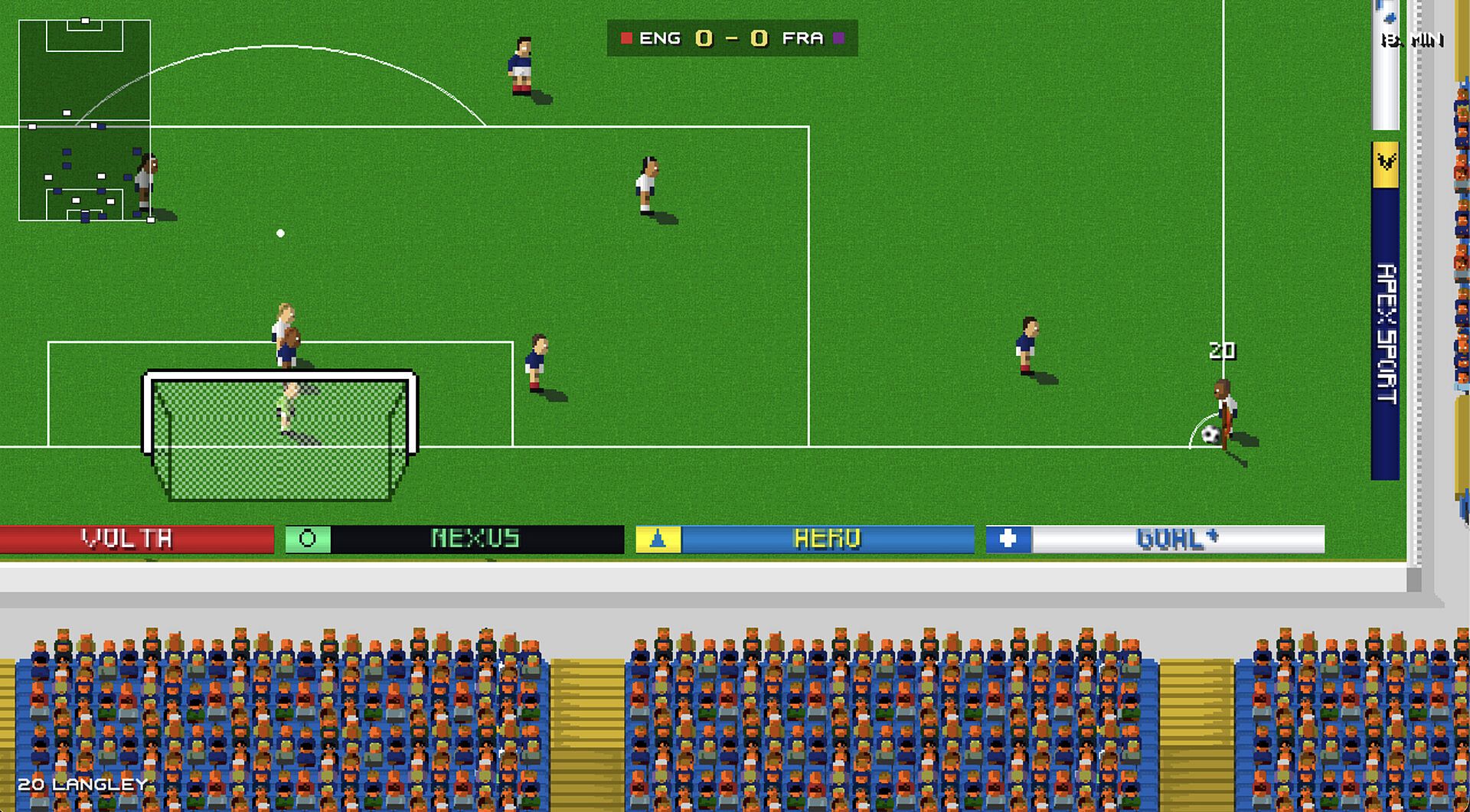
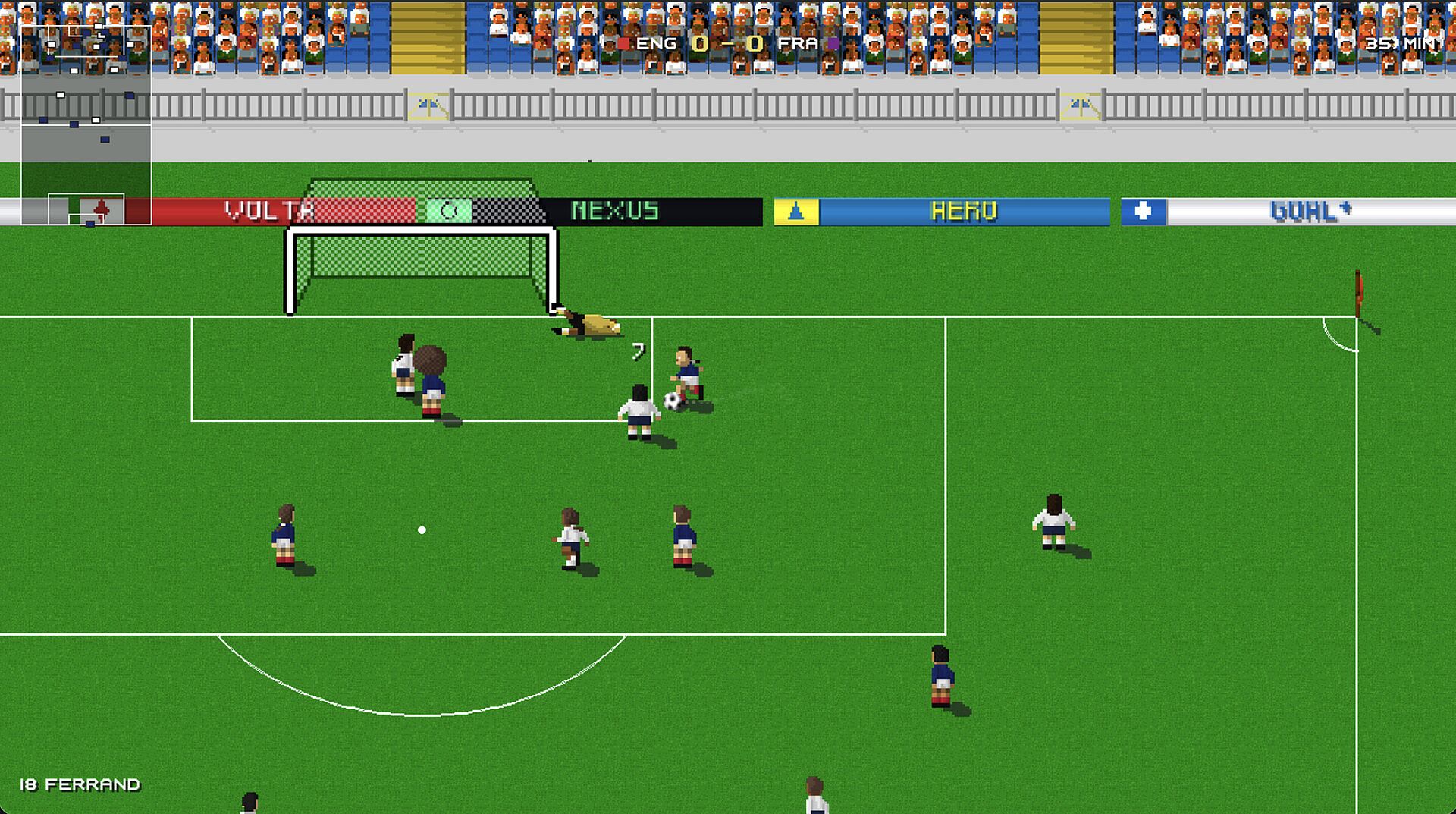
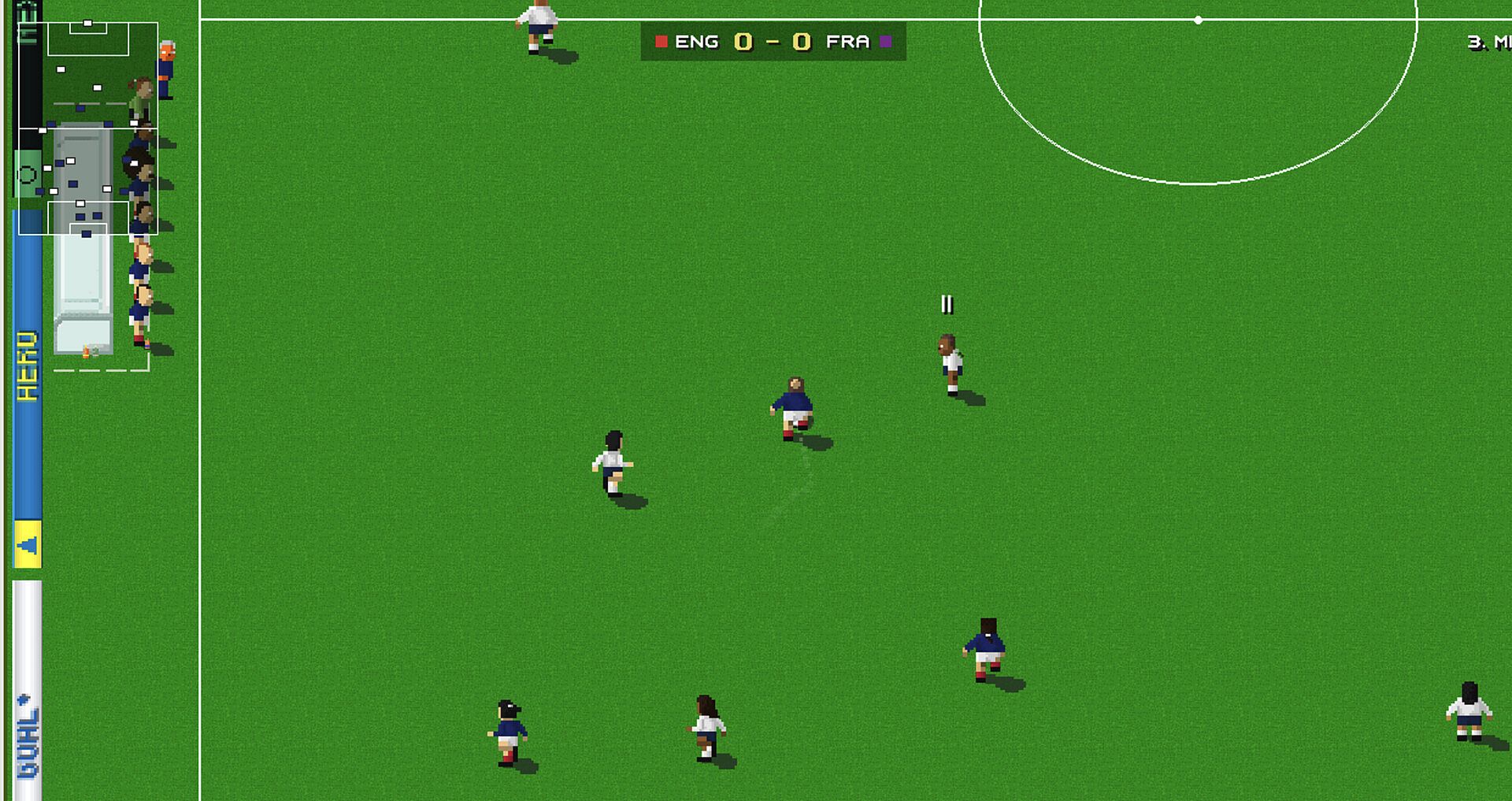
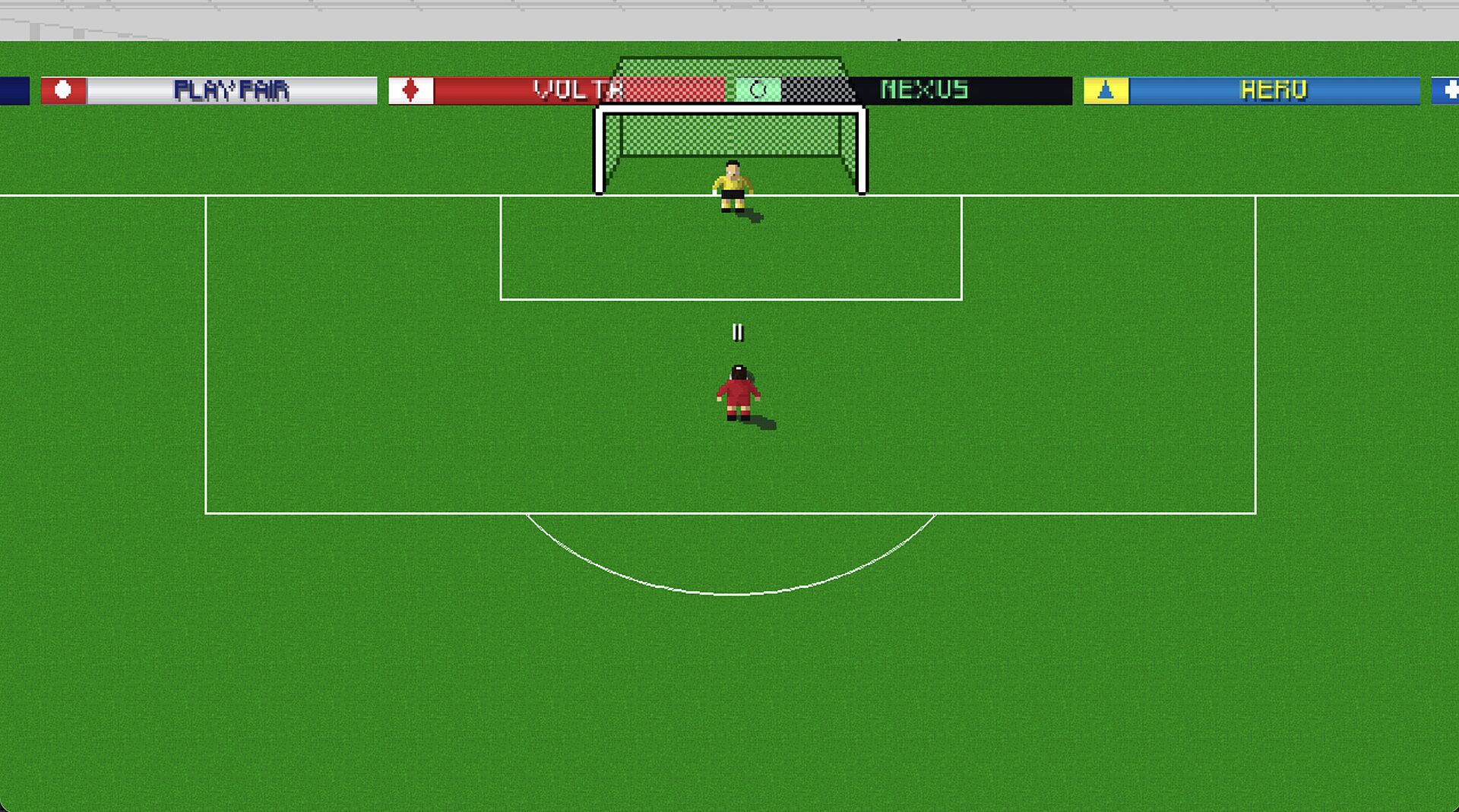


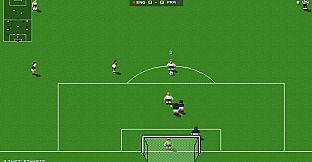
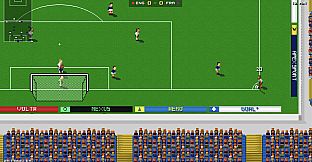
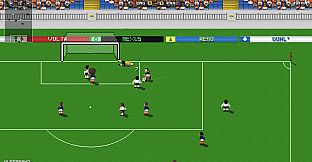
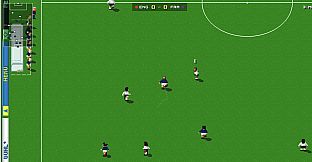
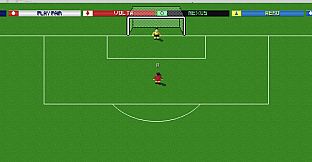
No Stars Football is an indie sports simulation game that blends top-down pixel art soccer with deep club management on PC. It recreates the feel of 1990s football titles while adding layers of long-term career progression, squad building, and realistic match outcomes.
Gameplay
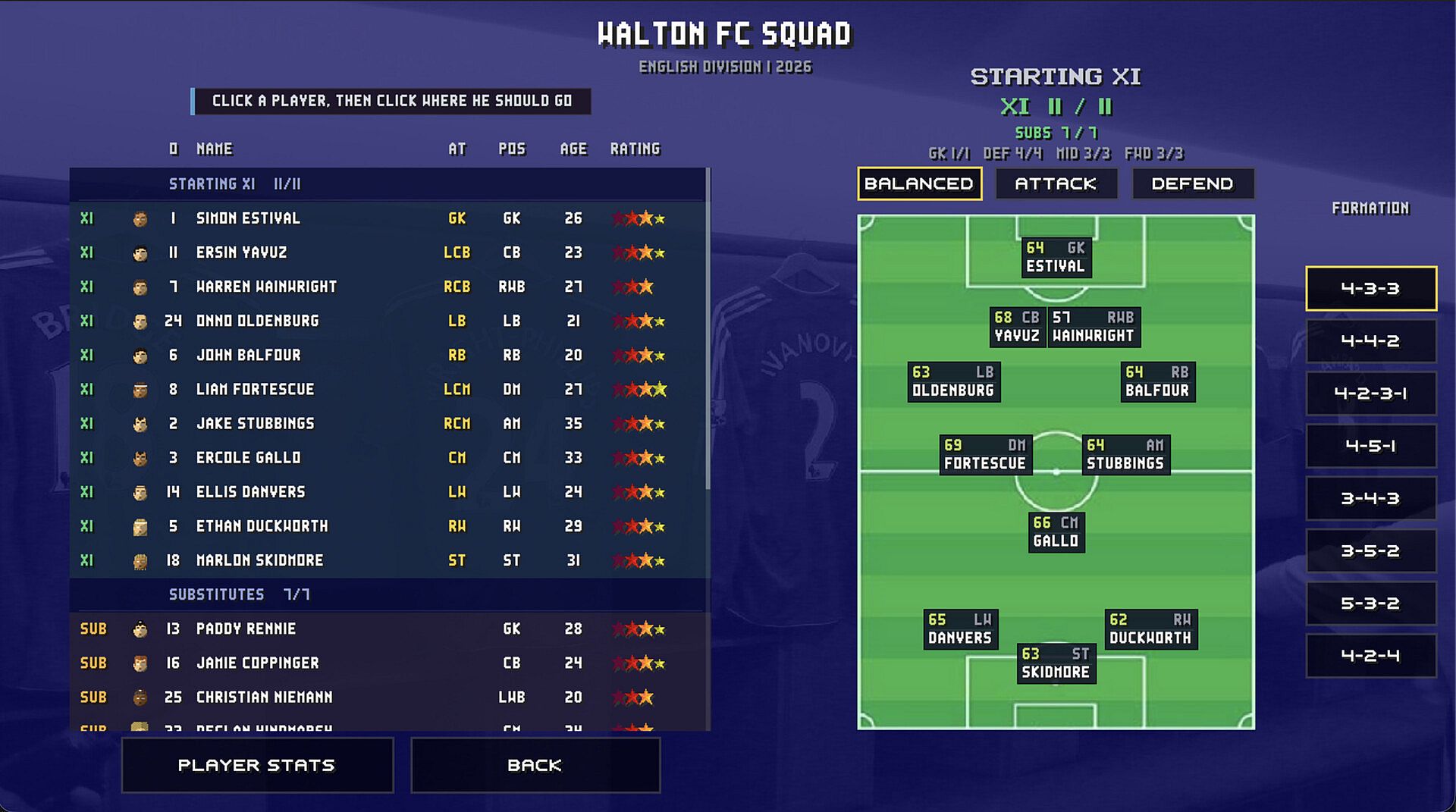
The core loop centers on a consistent 2D match engine that drives every fixture. Players set formations, mentality, and a starting lineup before each game, then decide how involved to stay. Options include full control on the pitch, handing the match to AI for observation, or skipping straight to the result. The engine handles fouls, cards, corners, throw-ins, free kicks, penalties, extra time, and shootouts through one chain of events, keeping statistics aligned with the final score.
Matches unfold in day or night conditions with weather effects like rain and snow. Stadiums reflect real capacity data and feature distinct crowd atmospheres. Squad decisions gain weight from injuries and suspensions, forcing managers to rotate players or promote from the youth academy. Player development follows realistic curves: talents grow, peak, decline, and retire, while academy graduates step in to fill gaps.
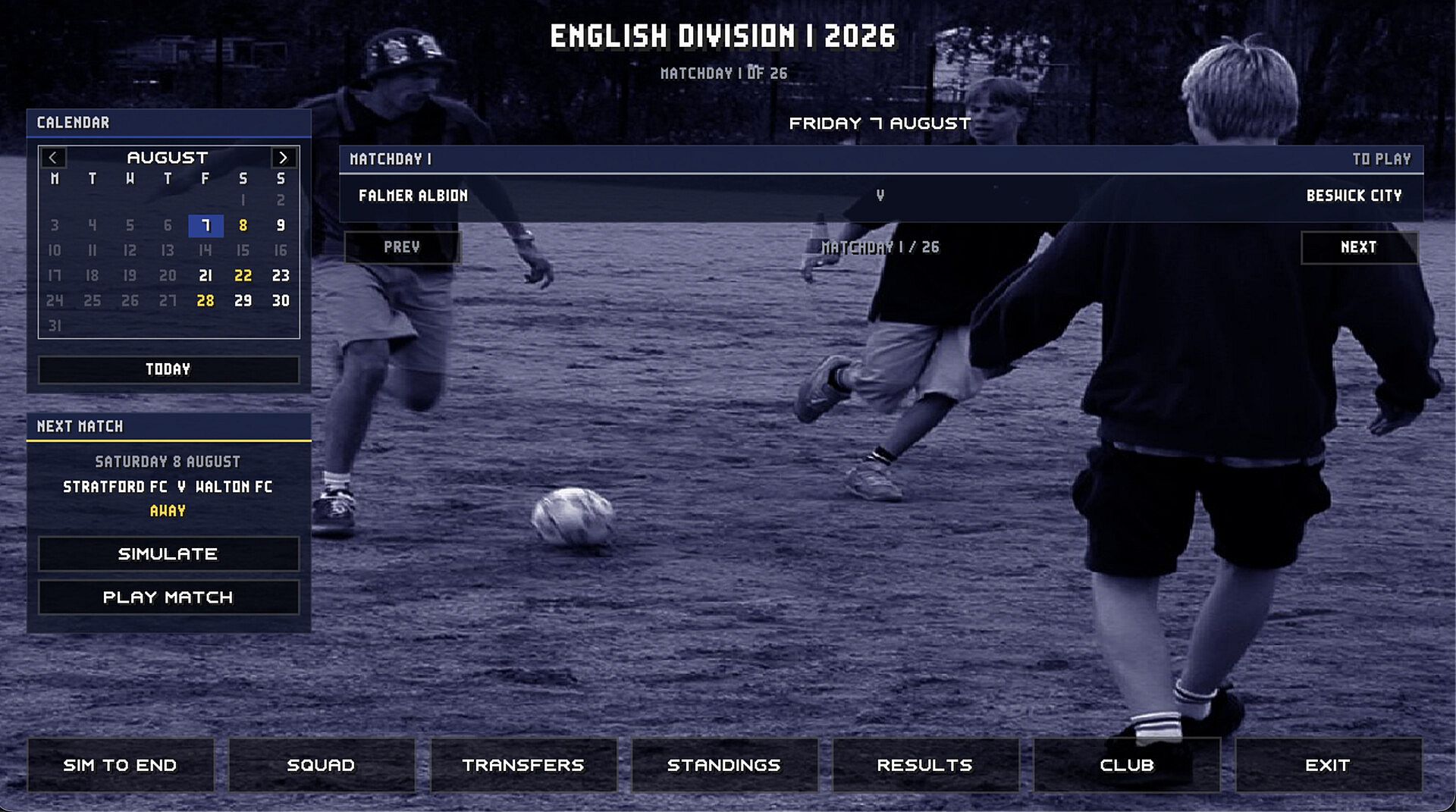
Off the pitch, finances require attention. Transfer activity spans divisions, wages must stay balanced, and overdrafts need monitoring. Gate receipts fluctuate with league position, creating a direct link between on-field results and club stability. Tactics influence outcomes, and the living league pyramid supplies a full fixture calendar from August to May across multiple countries and divisions.
Game Modes
Two primary approaches define the experience. A single match can be played or simulated in isolation for quick sessions. Alternatively, a full management career lets players guide one club across multiple seasons. This path includes signing and selling players between divisions, managing the books, and overseeing youth development as legends retire.
Promotion and relegation operate across the pyramid, with real fixture schedules determining the rhythm of each year. Every match uses the same engine whether the user participates directly or watches from the sidelines, maintaining consistency in how results and statistics generate.
Key Mechanics
Transfers and finances form a closed loop with performance. Better league results increase revenue, which funds squad improvements. Aging squads create ongoing needs for replacements, and academy output provides cost-effective options. Weather and time-of-day variations add variety to fixtures without altering the underlying simulation rules.
The system rewards long-term planning. A manager who balances the wage bill, develops young players, and adapts tactics can sustain success across a decade of in-game seasons. Short sessions remain viable through the fast-forward and spectate options, allowing the same depth without committing to every minute of play.
Is It Worth Playing?
No Stars Football suits players who enjoy football management combined with an actual playable or watchable match layer. Those seeking old-school pixel presentation, promotion and relegation drama, and squad evolution over many years will find the structure rewarding. The ability to toggle involvement in matches makes it flexible for different time commitments.
The game appeals most to fans of simulation and casual sports titles who value consistent mechanics over flashy graphics. Its indie scope keeps the focus on core systems like transfers, tactics, and career longevity rather than licensed leagues or online multiplayer. If the described blend of quick matches and extended club management aligns with personal preferences, it offers a focused alternative in the genre.