




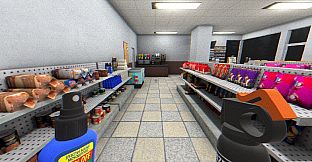
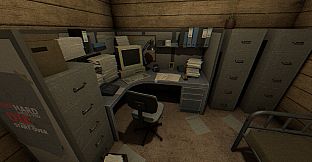
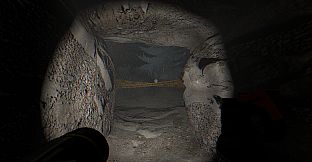
No One to See - Pinebark Camp is a first-person psychological horror adventure developed as a standalone indie title for PC. The game places players in the role of Ethan during a two-day solo camping trip in the Pinebark woods, where everyday activities quickly turn unsettling. It emphasizes tension through sound sensitivity and narrative choices rather than combat or open exploration.
Gameplay
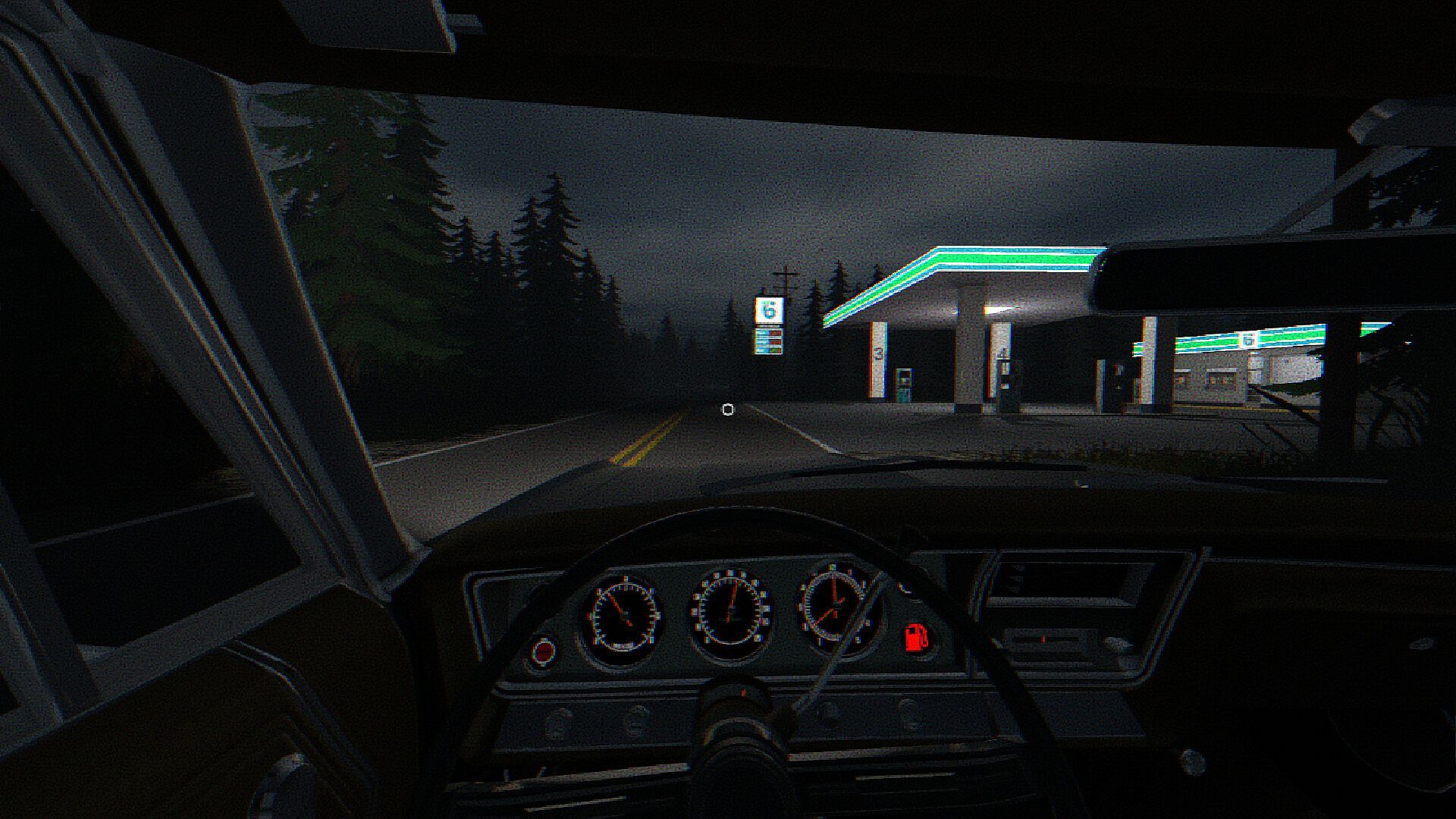
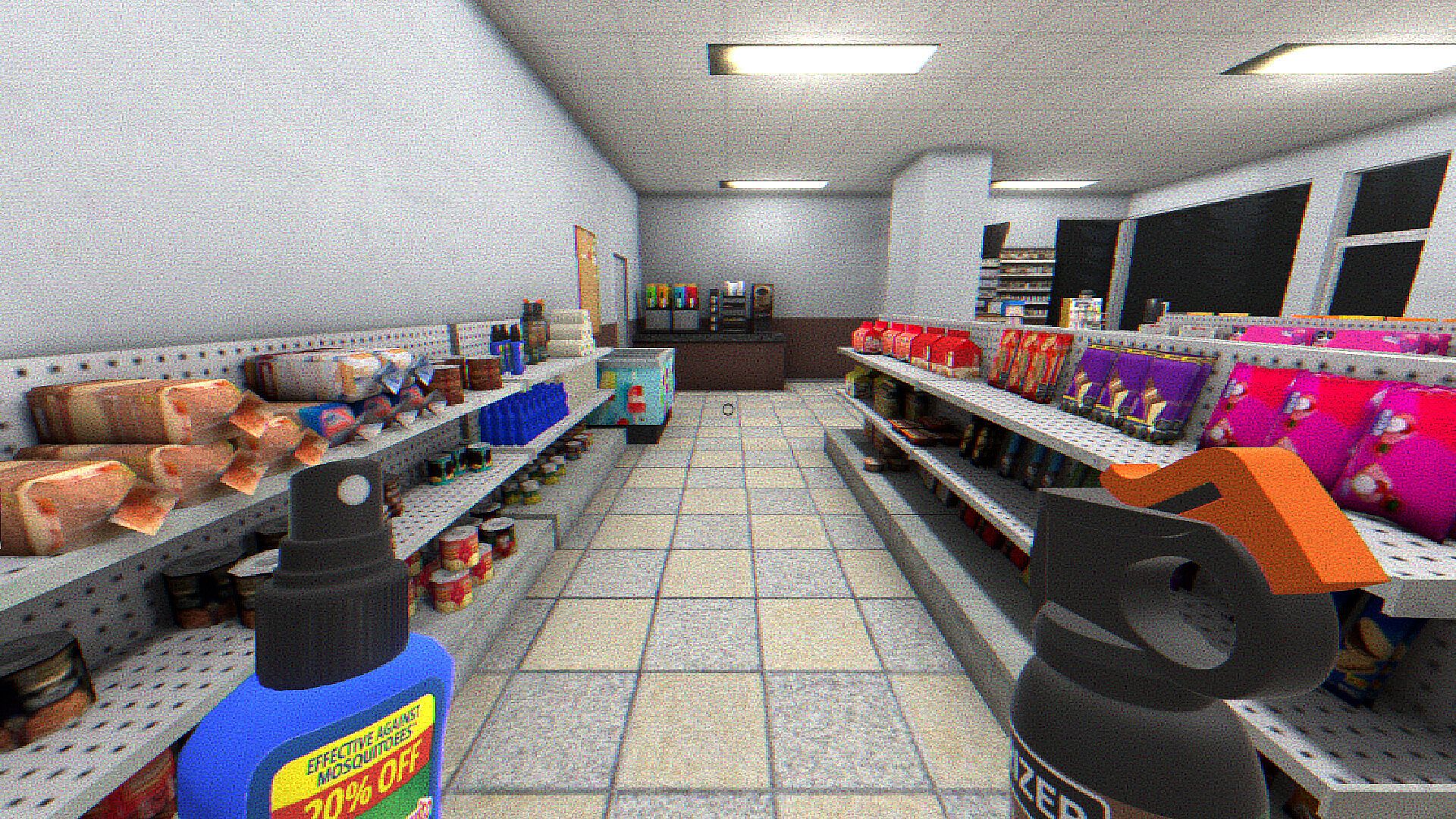
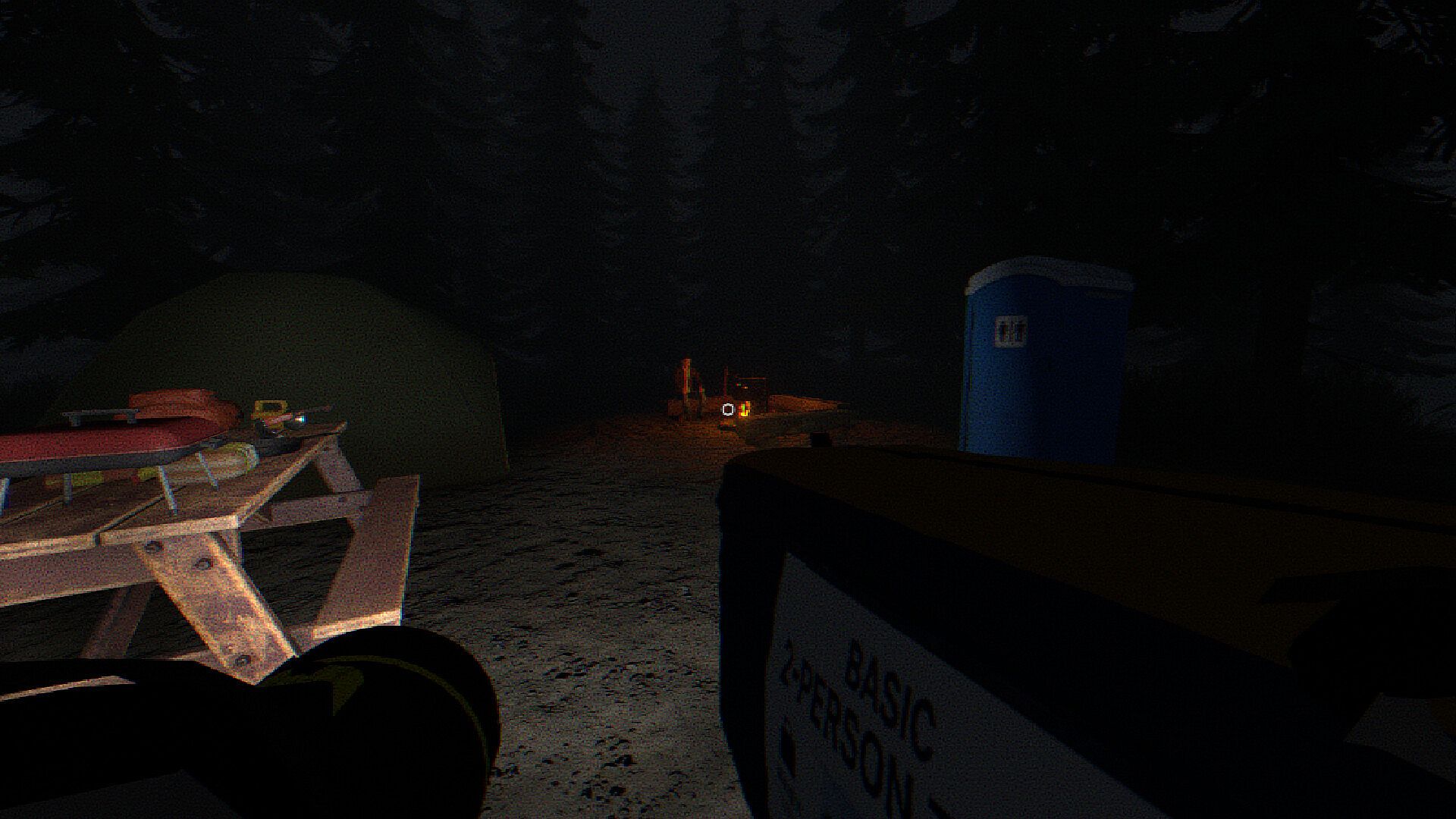
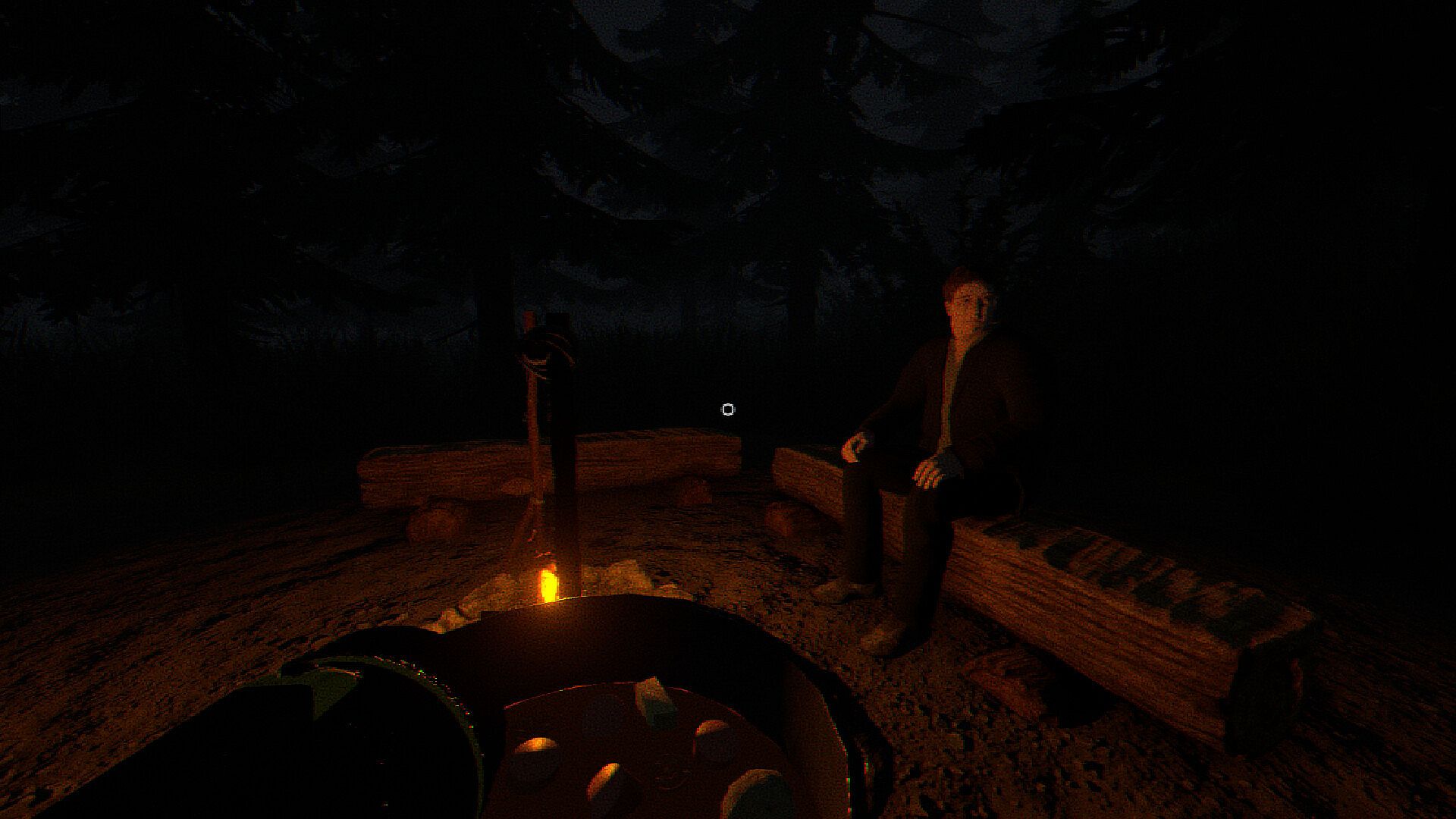
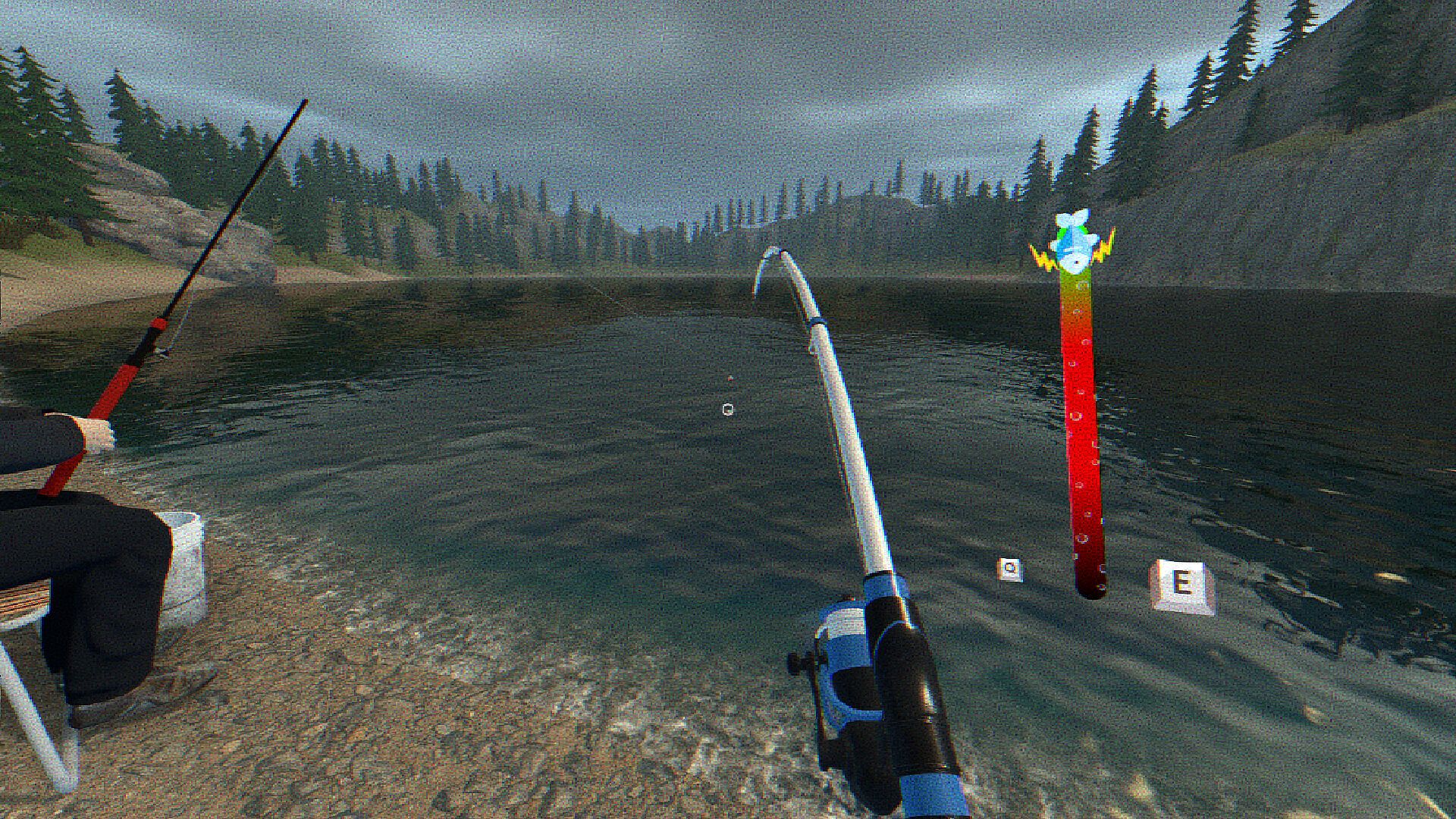
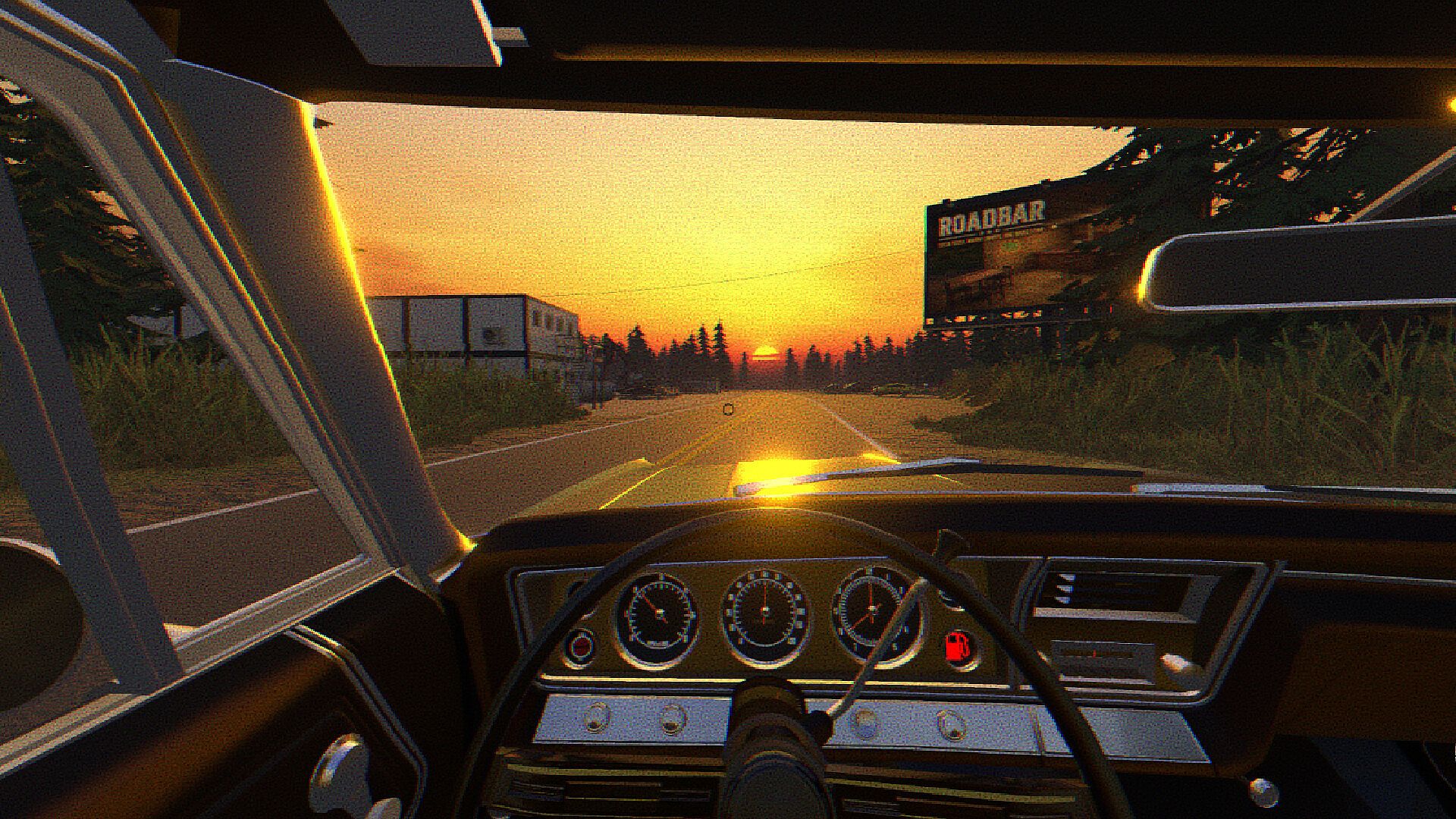
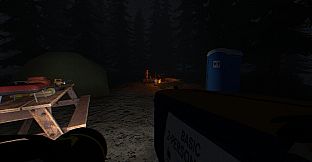
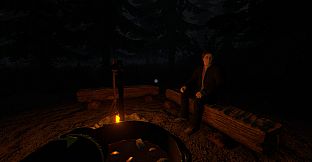
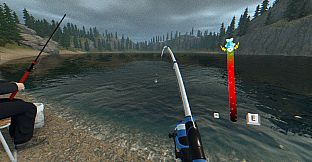
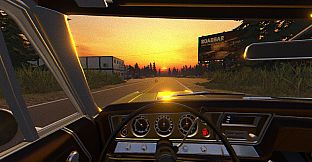
The core loop revolves around reliving Ethan's short camping experience in a linear sequence of events. Players drive to the remote location, set up a tent and campfire, prepare meals, and spend time fishing at a nearby lake. These routine tasks build atmosphere while the environment grows increasingly hostile. Dialogue trees allow selection of responses when encountering other characters, which influences how conversations unfold and what information surfaces about the woods.
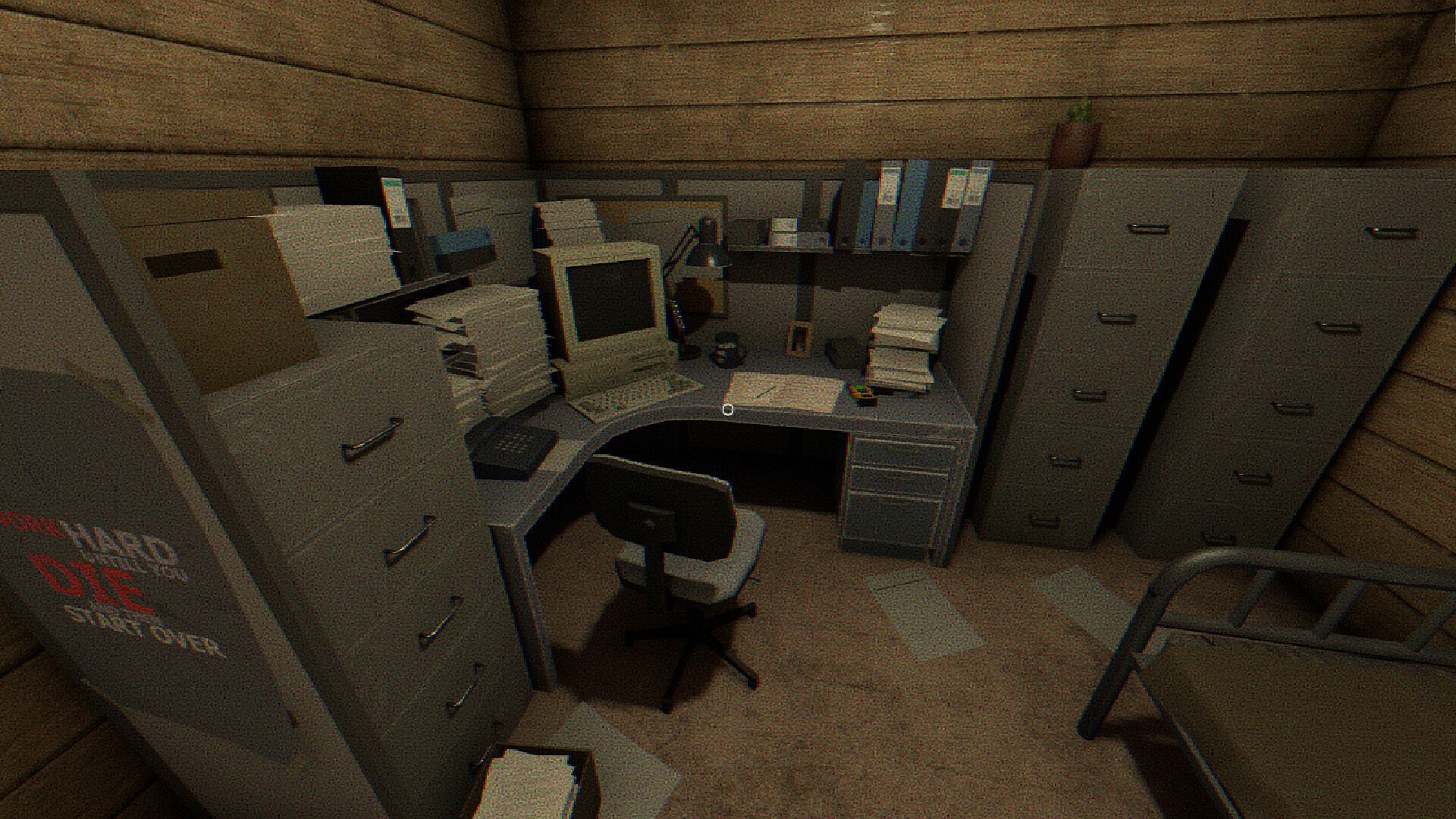
A distinctive mechanic activates the microphone at key moments. Any noise from the player, such as speaking or shifting in a chair, registers within the game world and can draw unwanted attention. This feature encourages quiet play sessions, ideally with headphones, to heighten immersion in the silence of the forest. Phone text messages appear periodically to advance the story and provide context for Ethan's state of mind. The presentation uses a VHS tape aesthetic with grain, color shifts, and scan lines that reinforce the psychological tone.
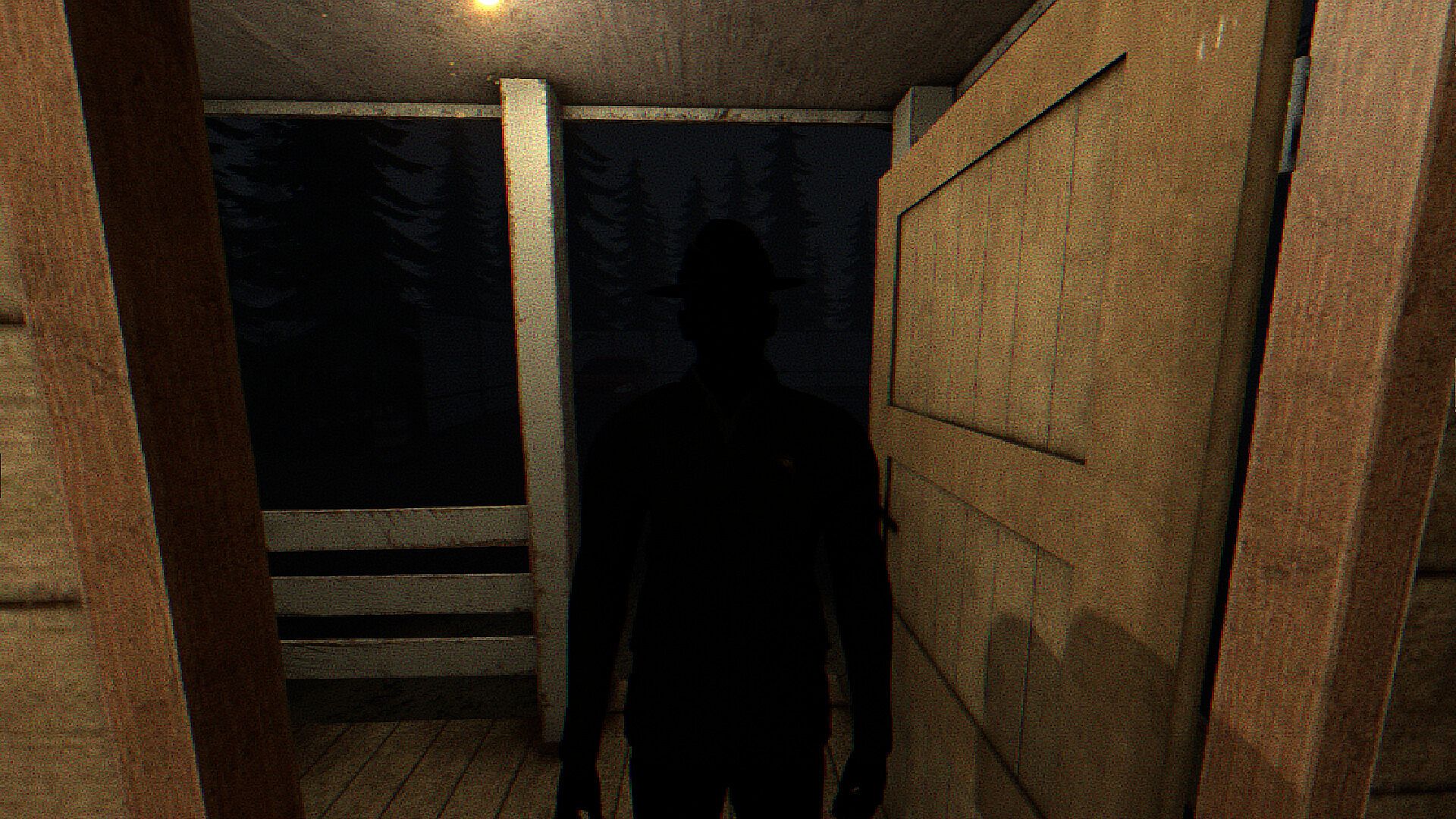
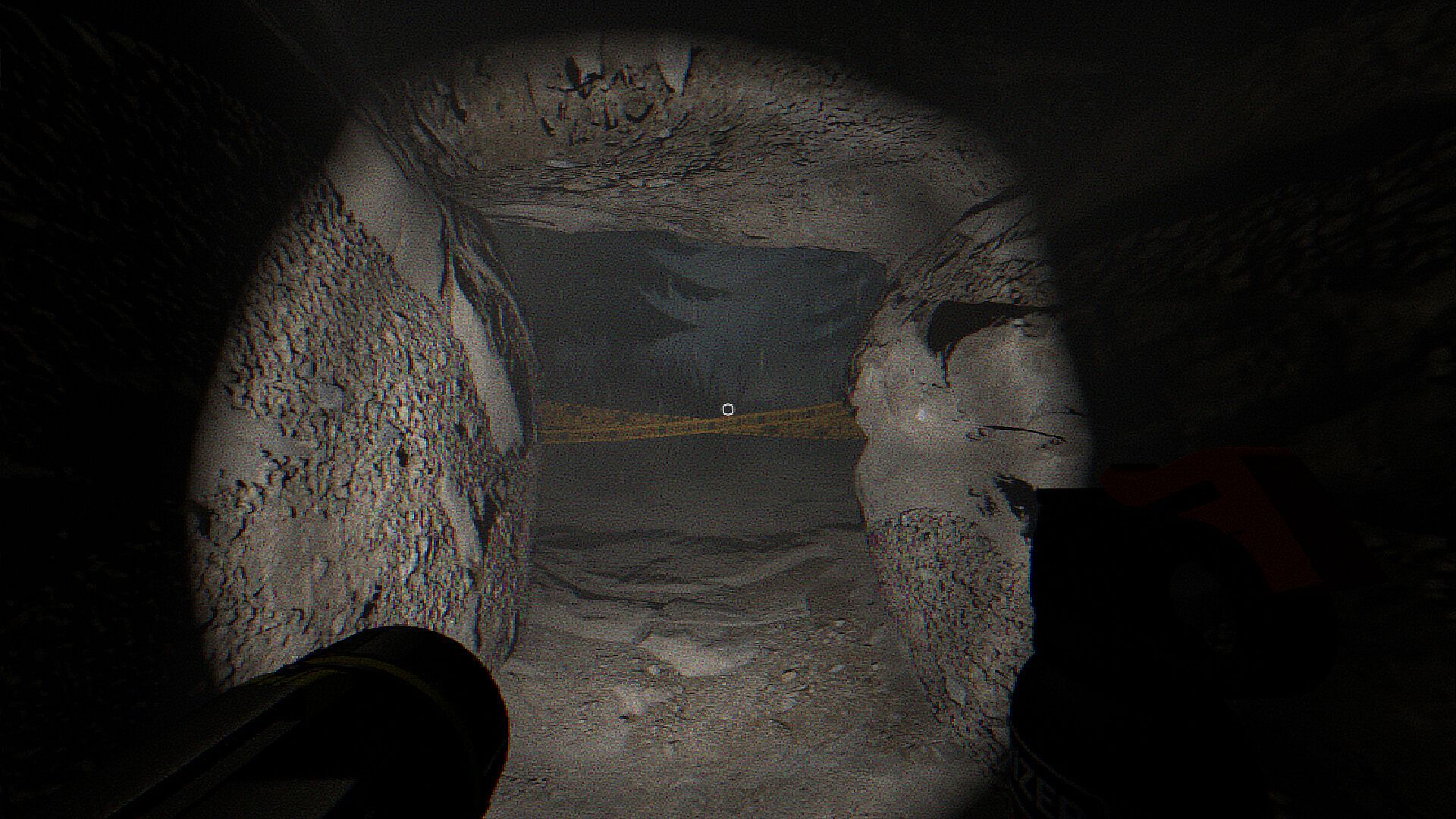
Stealth and evasion become necessary once threats appear. A blade-wielding figure hunts the player through the camp and surrounding areas, including attempts to hide. Encounters feature sudden jumps and sustained pressure, though deaths resolve quickly without graphic detail. The entire narrative completes in roughly 40 to 50 minutes, delivering a self-contained experience focused on atmosphere and consequence rather than replayability through multiple paths.
Game Modes
The game offers only a single-player story mode. There are no multiplayer options, co-op features, or alternate campaigns. The experience consists of one continuous narrative sequence that players progress through by completing camping tasks, managing microphone awareness, and making dialogue selections. Steam achievements track specific actions and completions within this mode, providing goals for a focused session.
Because the title is built around a short, scripted horror story, the single mode emphasizes careful pacing and attention to audio cues over variety in structure. Players move between locations such as the campsite, lake, and encounters with others while the threat escalates. No additional modes or difficulty settings alter the core sequence.
Narrative and Atmosphere
The story centers on Ethan's account of events that changed him after the trip. Flashbacks and in-game narration reveal his initial desire for solitude and the growing sense that the woods are not empty. Interactions with locals and phone communications add layers to the mystery of missing people and strange occurrences. The psychological elements focus on isolation, paranoia, and the consequences of breaking silence in an environment that seems to listen back.
Visual and audio design support the tension without relying on overt scares alone. The VHS filter creates a found-footage feel, while ambient sounds and sudden audio spikes keep players on edge. Alcohol appears in social scenes, and the narrative touches on themes of trauma and insomnia after the events conclude.
Is It Worth Playing?
This title suits players who prefer concise, narrative-driven horror experiences over long campaigns or competitive play. The microphone integration and short runtime make it accessible for a single focused session, particularly for those interested in indie psychological titles that experiment with player input. Since the game has not yet released, no player reviews or aggregate scores exist to gauge broader reception. It targets fans of atmospheric single-player adventures who value sound design and restraint in presentation. Those seeking extended gameplay loops or multiplayer elements will find the scope limited to its intended 40-to-50-minute story.