


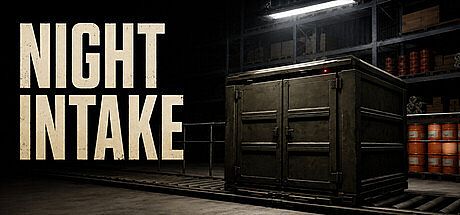


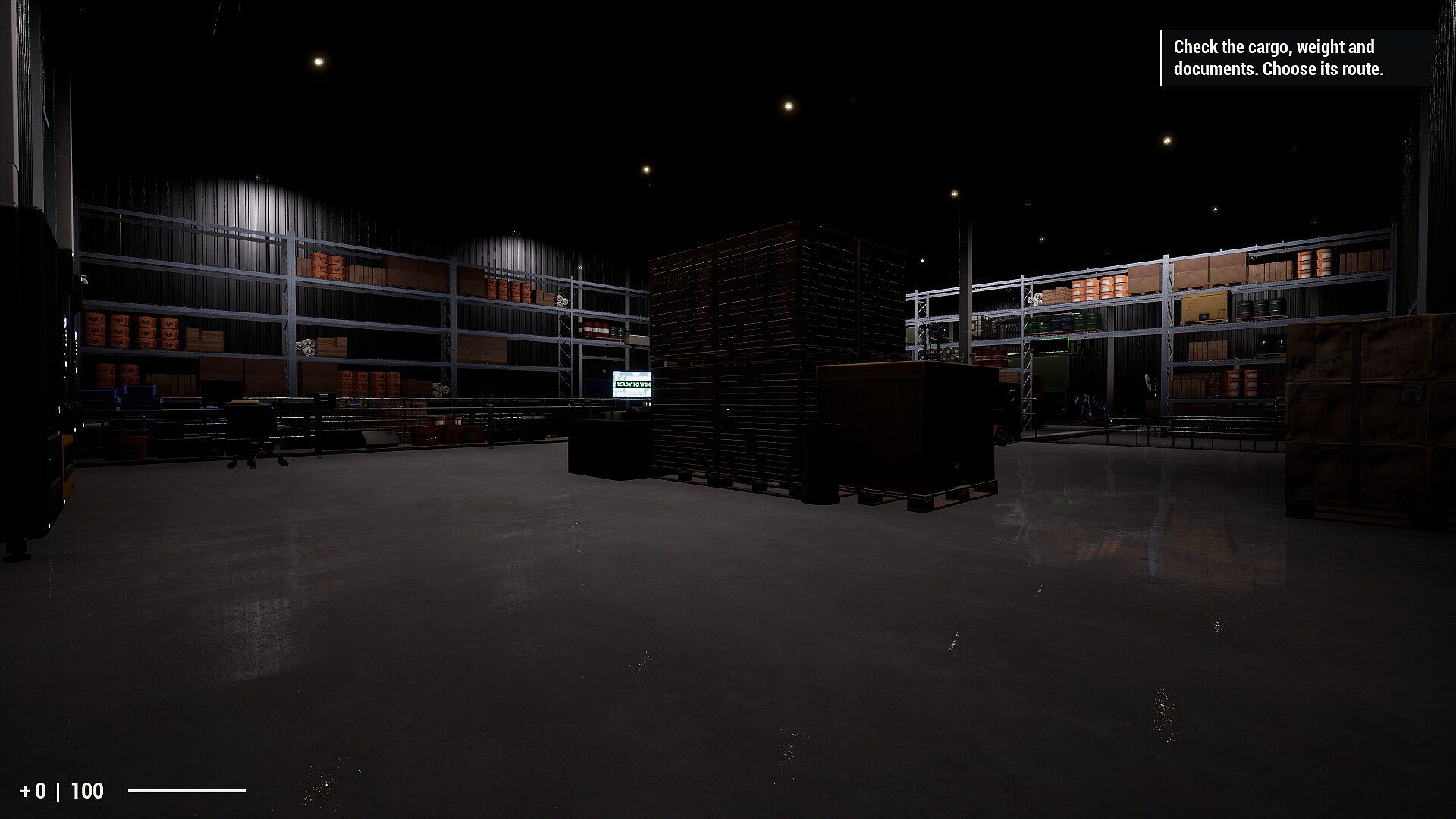
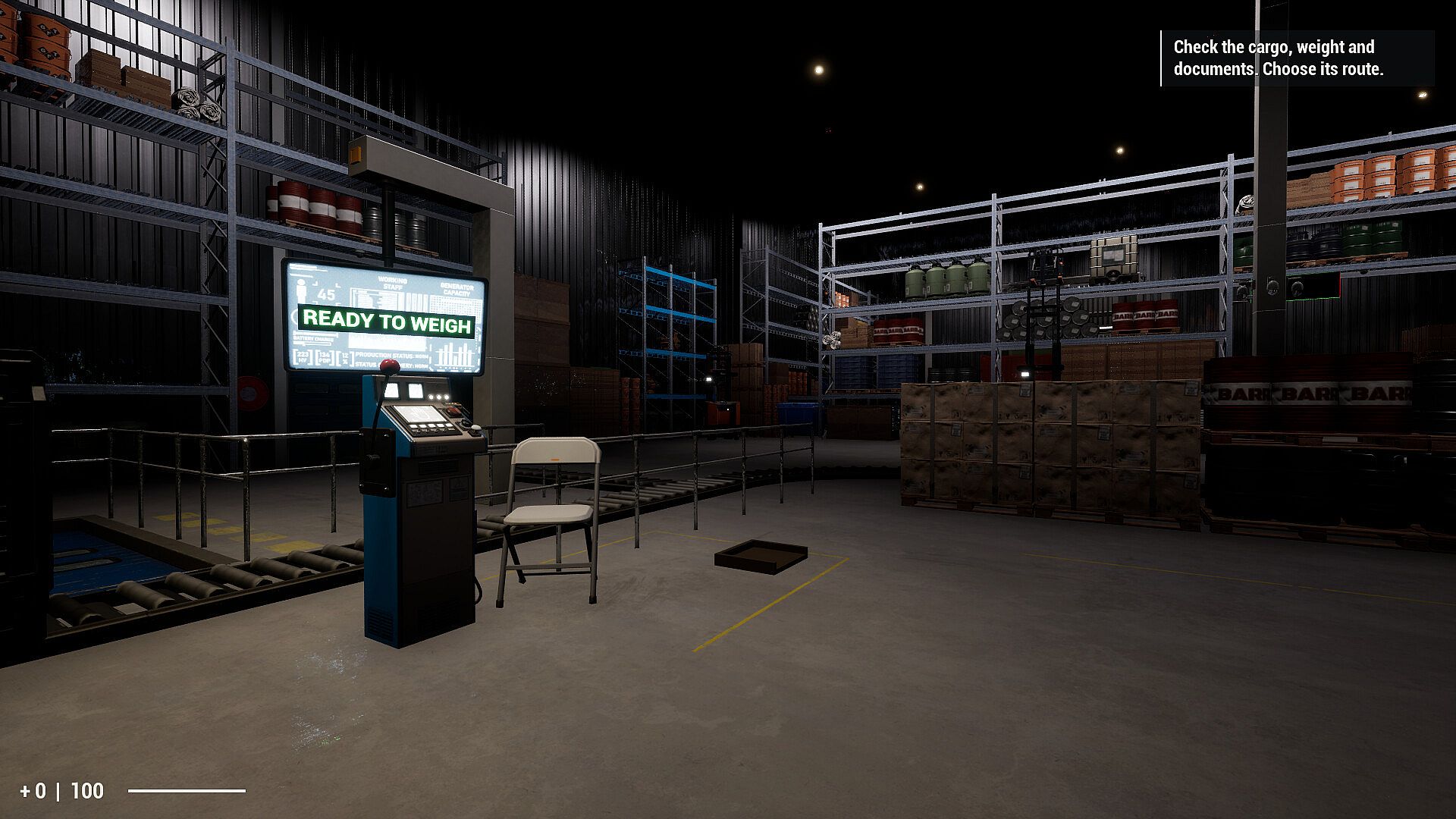
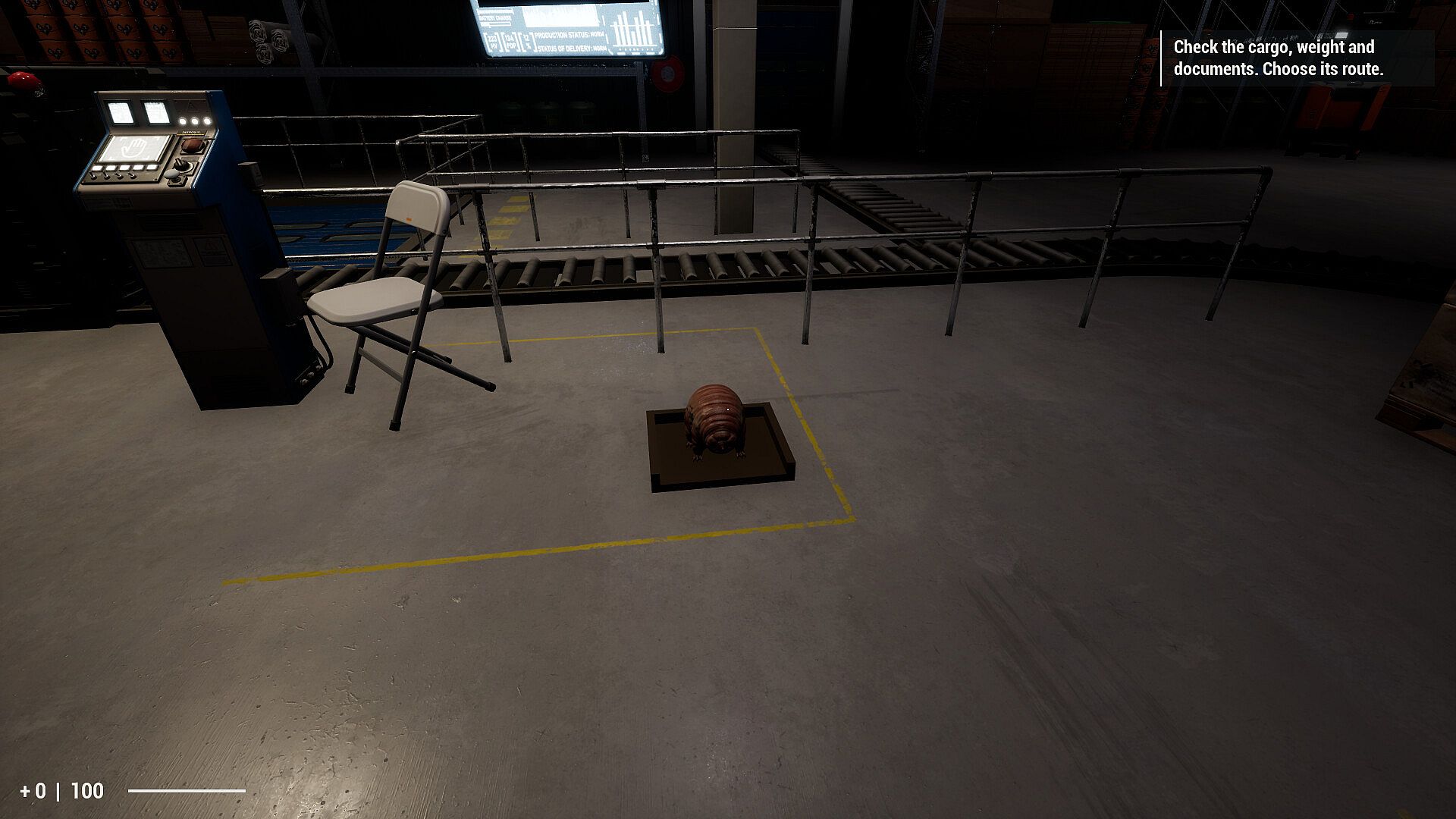
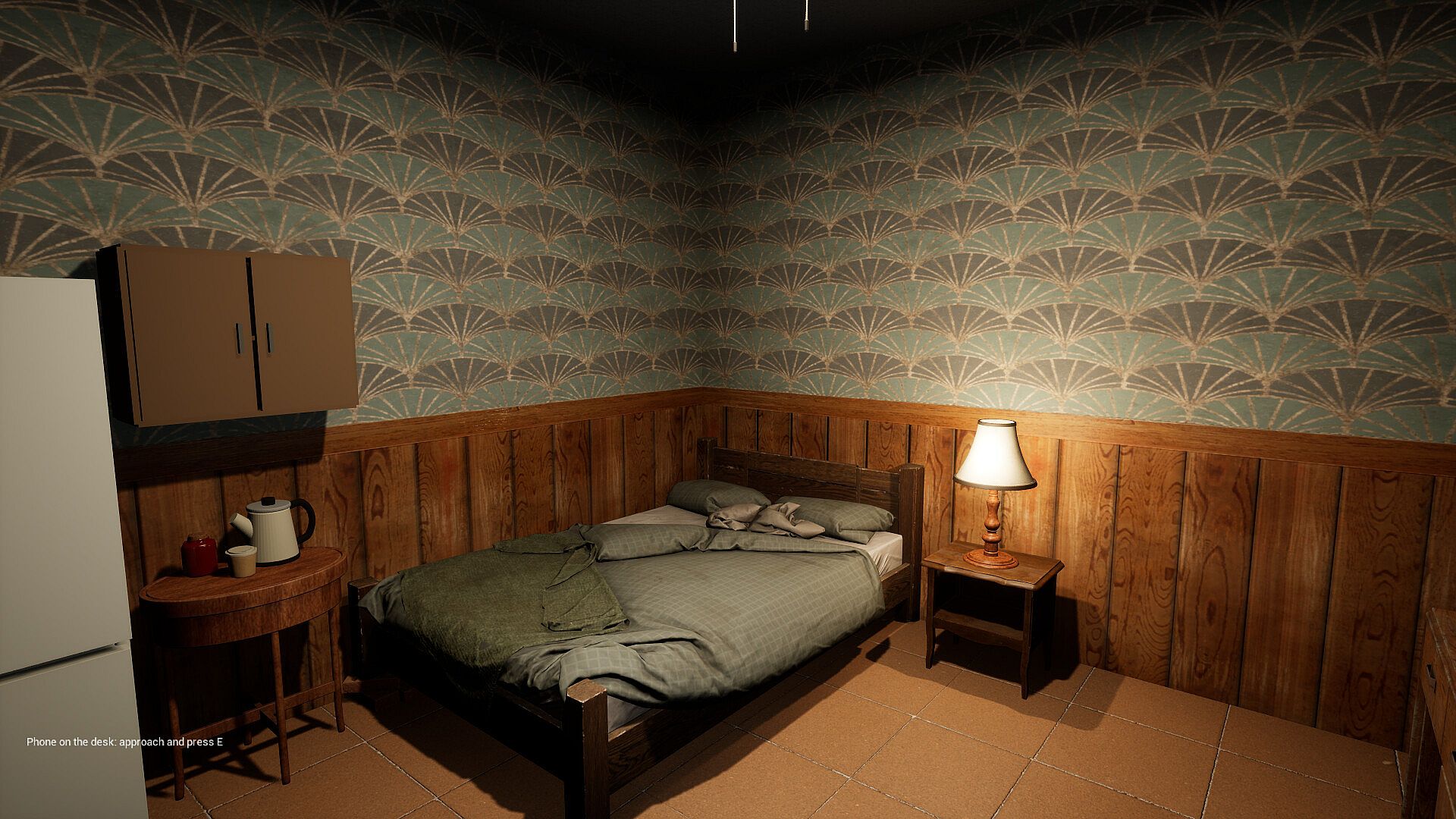
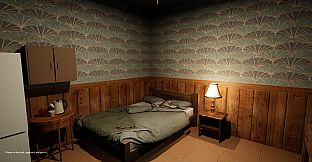
Night Intake is a first-person psychological horror simulation adventure game set on PC. Players take on the role of a new inspector at an industrial sorting complex called Northline Industrial Transit, handling the night shift amid sealed containers, cargo documents, and suspicious shipments.
Gameplay
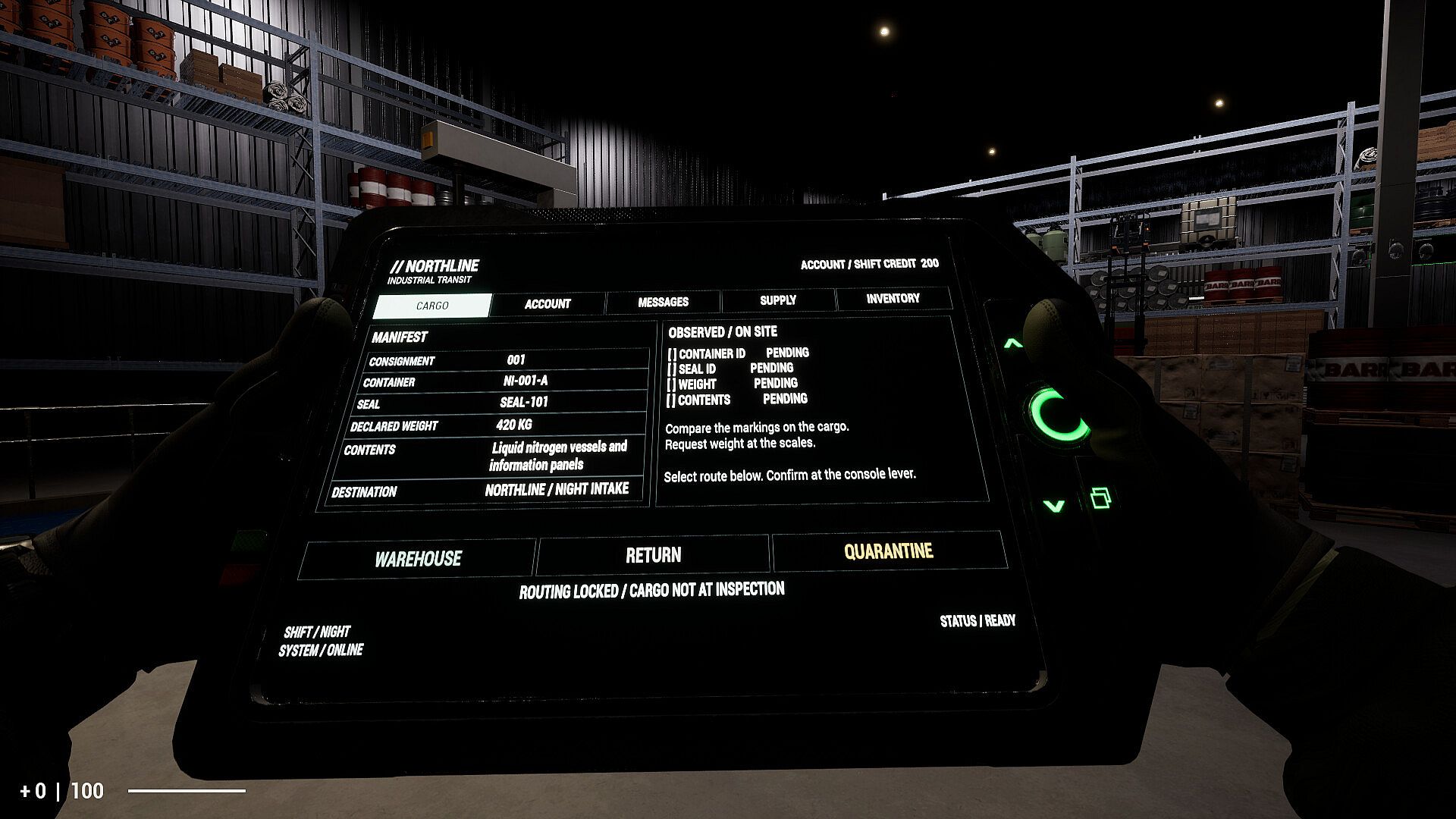
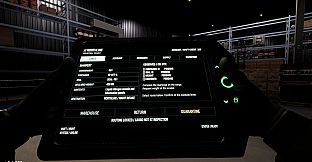
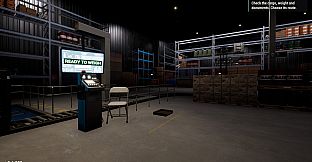
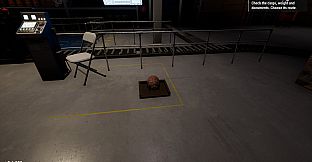
The core loop centers on inspecting incoming deliveries at a station. Each shift requires checking container IDs against shipping records, examining seal integrity, verifying weight, and reviewing physical contents. Discrepancies between paperwork and reality force choices on how to handle each item. Correct verification keeps operations running smoothly, while errors drain resources or trigger complications later in the night.
Decisions carry direct consequences. Players select acceptance for standard shipments, return for mismatched or incomplete ones, quarantine for uncertain cases, or disposal when risks appear too high. These choices alter available resources, facility conditions, and the sequence of events that unfold. Corporate expectations emphasize speed and compliance, which can conflict with thorough safety checks and lead to tighter budgets or heightened tension.
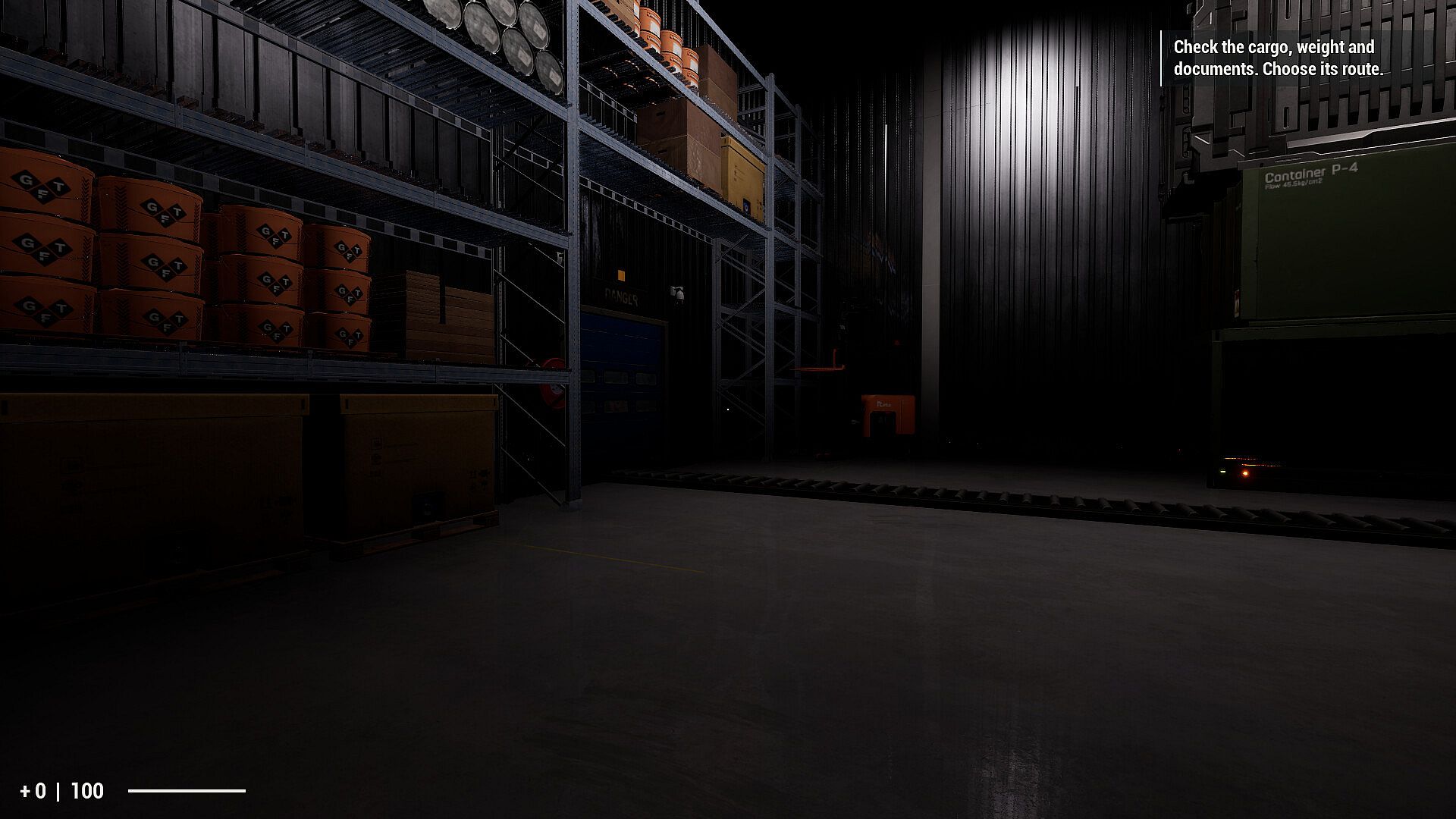
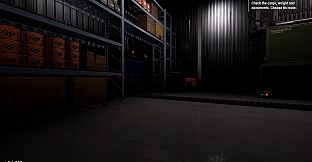
Resource management adds pressure. Health, ammunition, and money must be tracked carefully, as one misstep can leave the inspector vulnerable during unexpected disturbances. Leaving the inspection station allows exploration of the warehouse, where power failures, damaged equipment, and unexplained interference require attention. Encounters remain infrequent yet intense, with a weapon available for emergencies, though the emphasis stays on tension and observation rather than sustained combat.
Game Modes
Night Intake operates as a single-player experience focused on one extended night shift at a time. The structure builds around sequential inspections that evolve based on prior decisions, creating a branching narrative without separate competitive or cooperative options. Multiple endings emerge from the combination of accurate inspections, resource allocation, and responses to anomalies, encouraging repeated shifts to observe different outcomes.
Progression ties directly to how the inspector balances procedure against external pressures. Each completed shift reveals more about the facility and the nature of the cargo, with no additional modes layered on top of this core loop.
Key Mechanics and Atmosphere
Inspection tools form the foundation of interaction. Comparing documents to physical evidence demands attention to detail, while the industrial setting amplifies unease through flickering lights, distant machinery sounds, and gradual shifts in the environment. The longer the shift continues, the more difficult it becomes to separate routine malfunctions from deliberate intrusions.
Corporate oversight influences every choice. Speed bonuses may preserve money but increase the chance of overlooking threats, whereas cautious play can strain limited funds and leave fewer options for later crises. Exploration segments break up station work, revealing clues about the complex and its shipments without turning the game into a traditional shooter.
Is It Worth Playing?
Night Intake suits players who enjoy deliberate, decision-heavy horror experiences over fast action. The emphasis on paperwork verification, consequence tracking, and resource scarcity creates a methodical pace that rewards careful observation. Those drawn to psychological tension in confined industrial spaces will find the shifting line between normal operations and genuine danger engaging across multiple playthroughs.
The game delivers a focused single-player campaign built around one core shift with replay value from varied endings. Availability on PC makes it accessible for anyone seeking an indie simulation adventure that blends inspection tasks with creeping dread. If the premise of night-shift cargo handling with high-stakes choices appeals, the title provides a self-contained experience without requiring additional content or modes.