




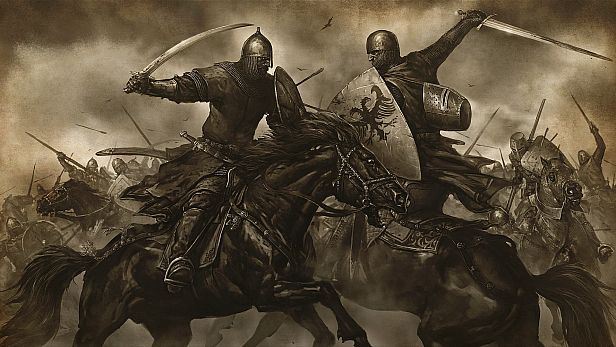


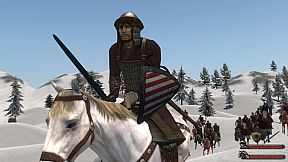
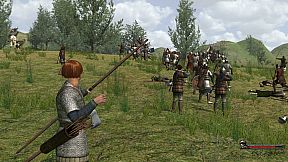
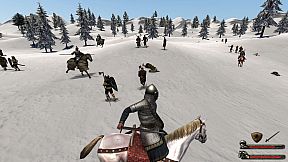
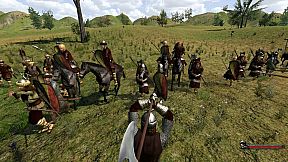
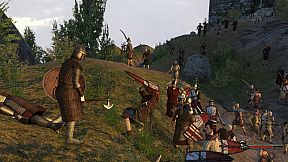
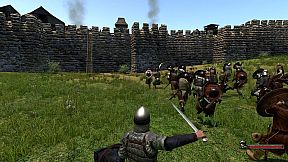
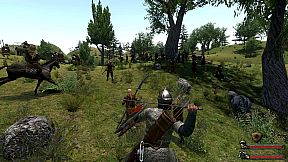
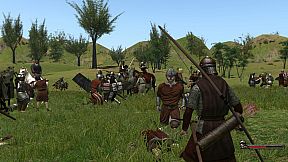
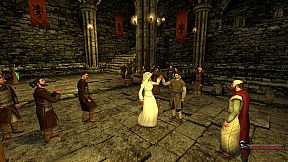
Mount & Blade: Warband is an action RPG that places players in a medieval sandbox world called Calradia. The game emphasizes player freedom in a setting filled with warring factions, allowing individuals to shape their own path through combat, leadership, and diplomacy without a fixed narrative structure.
Gameplay
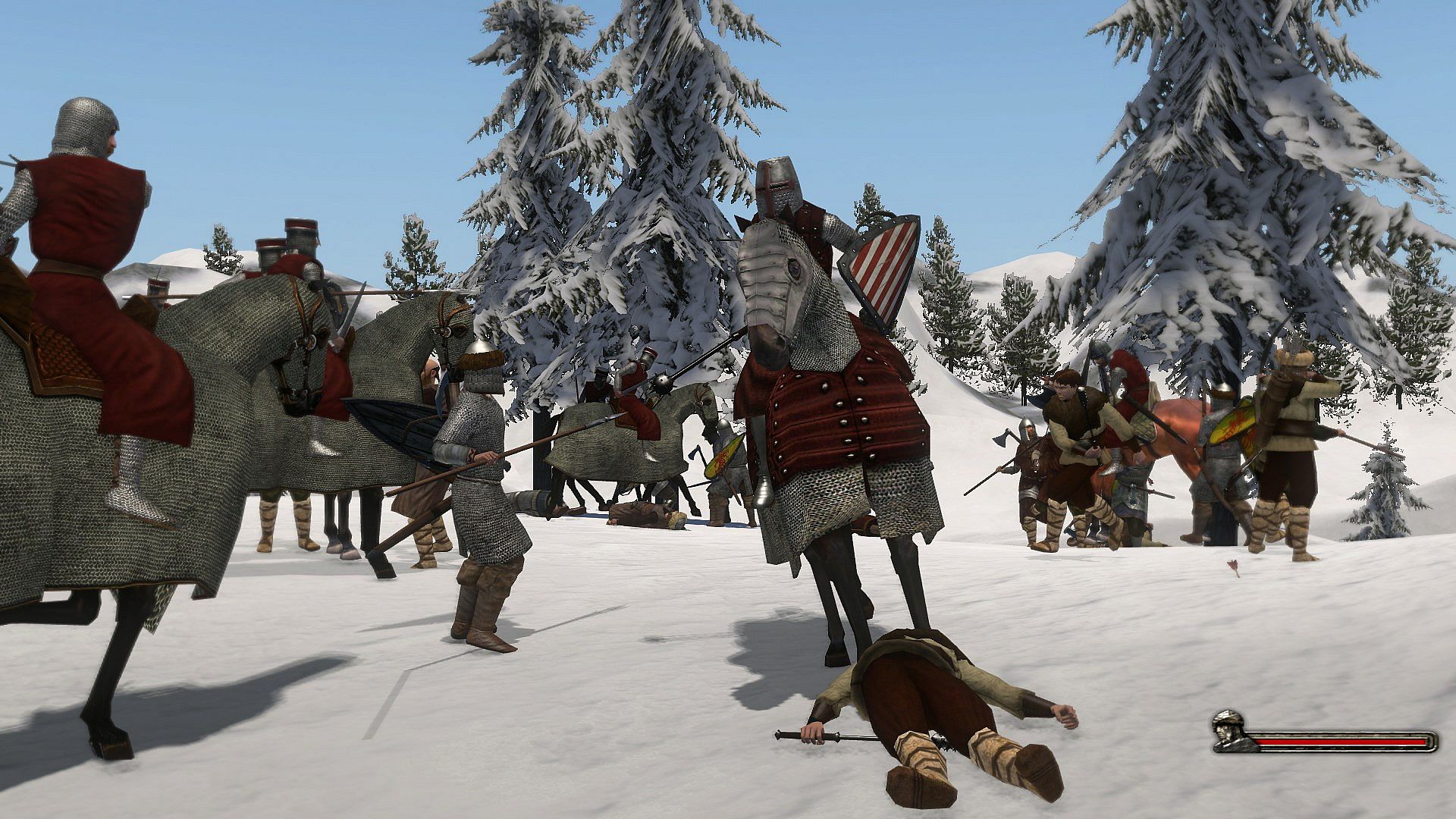
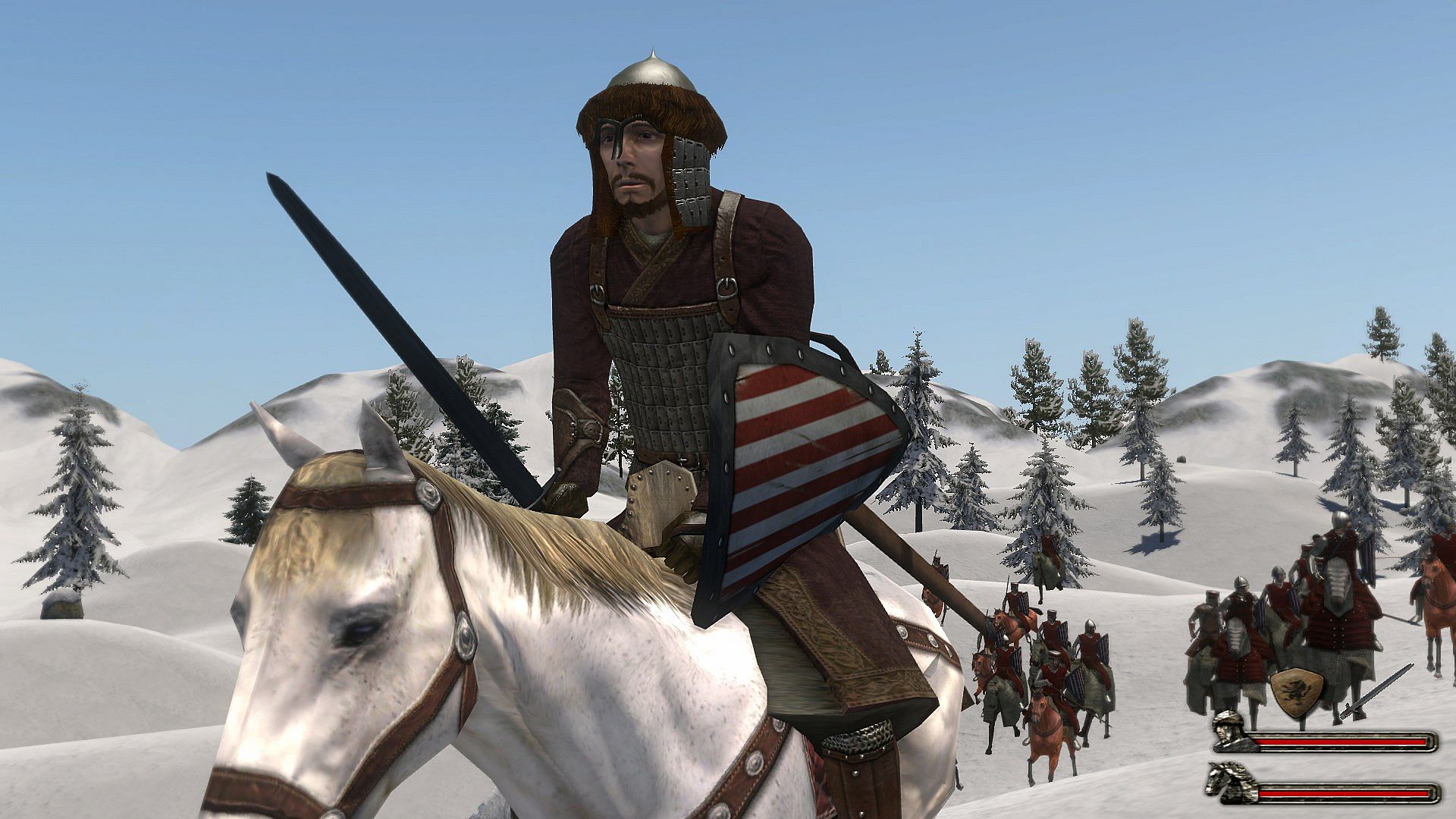
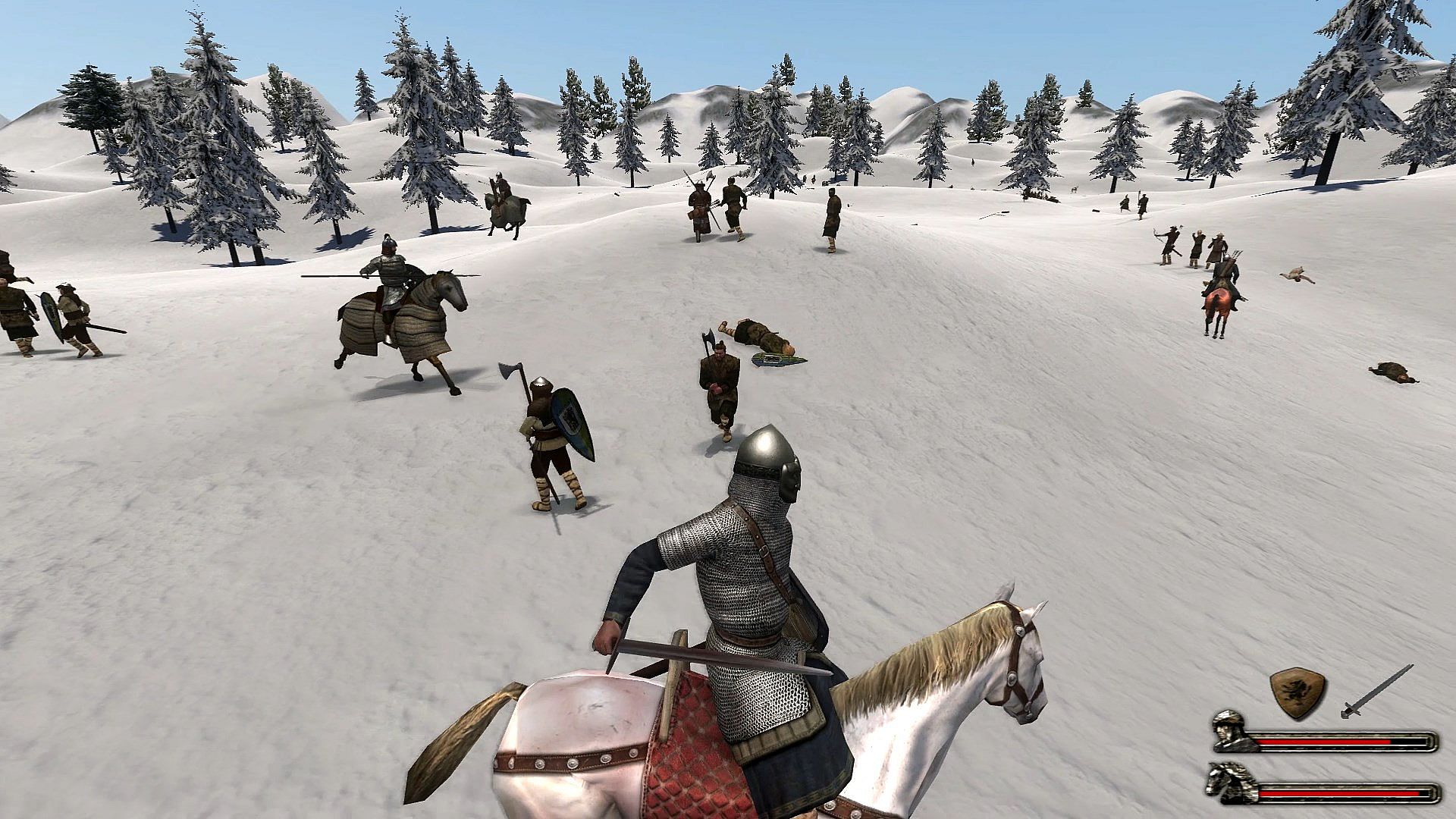
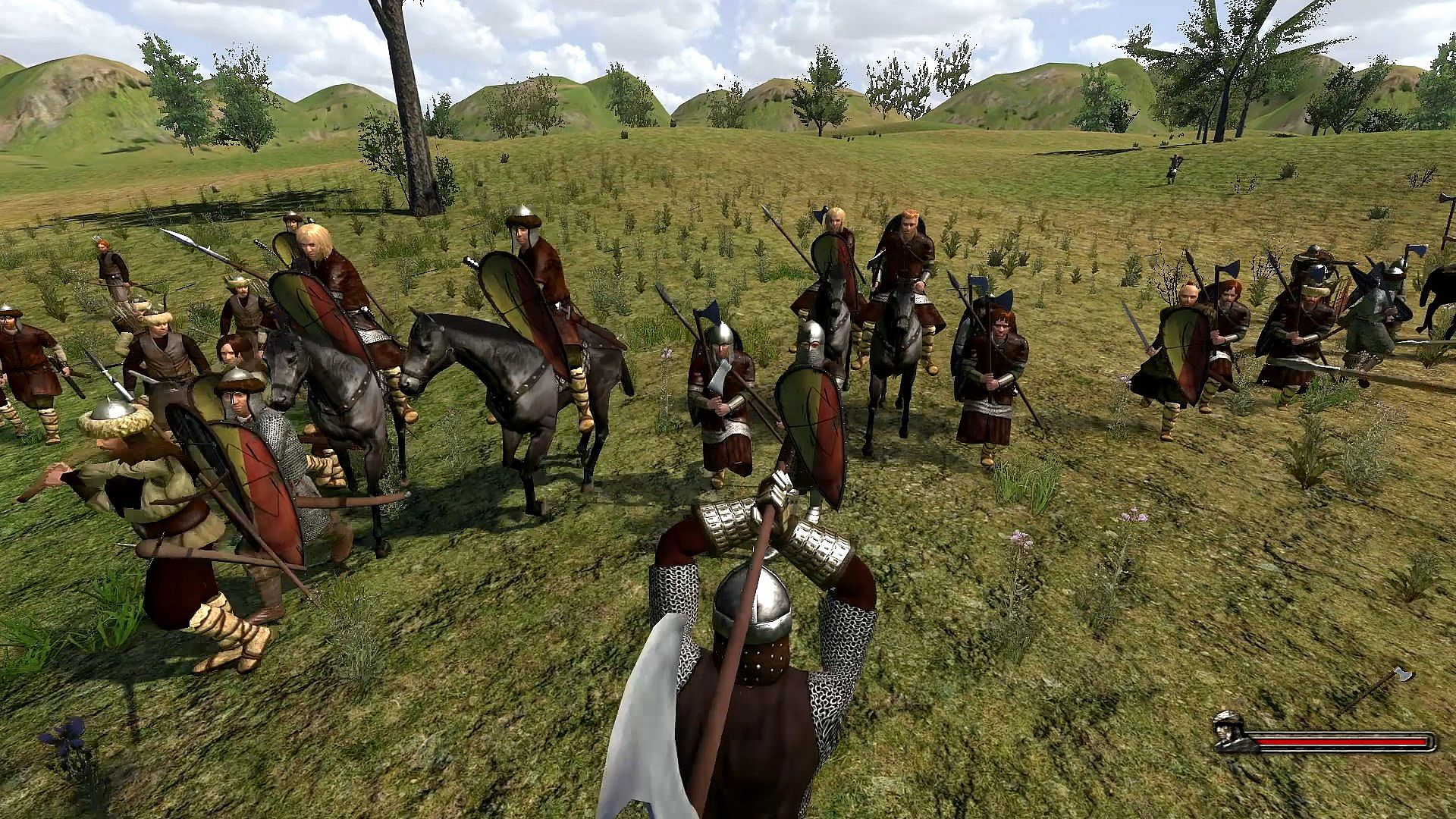
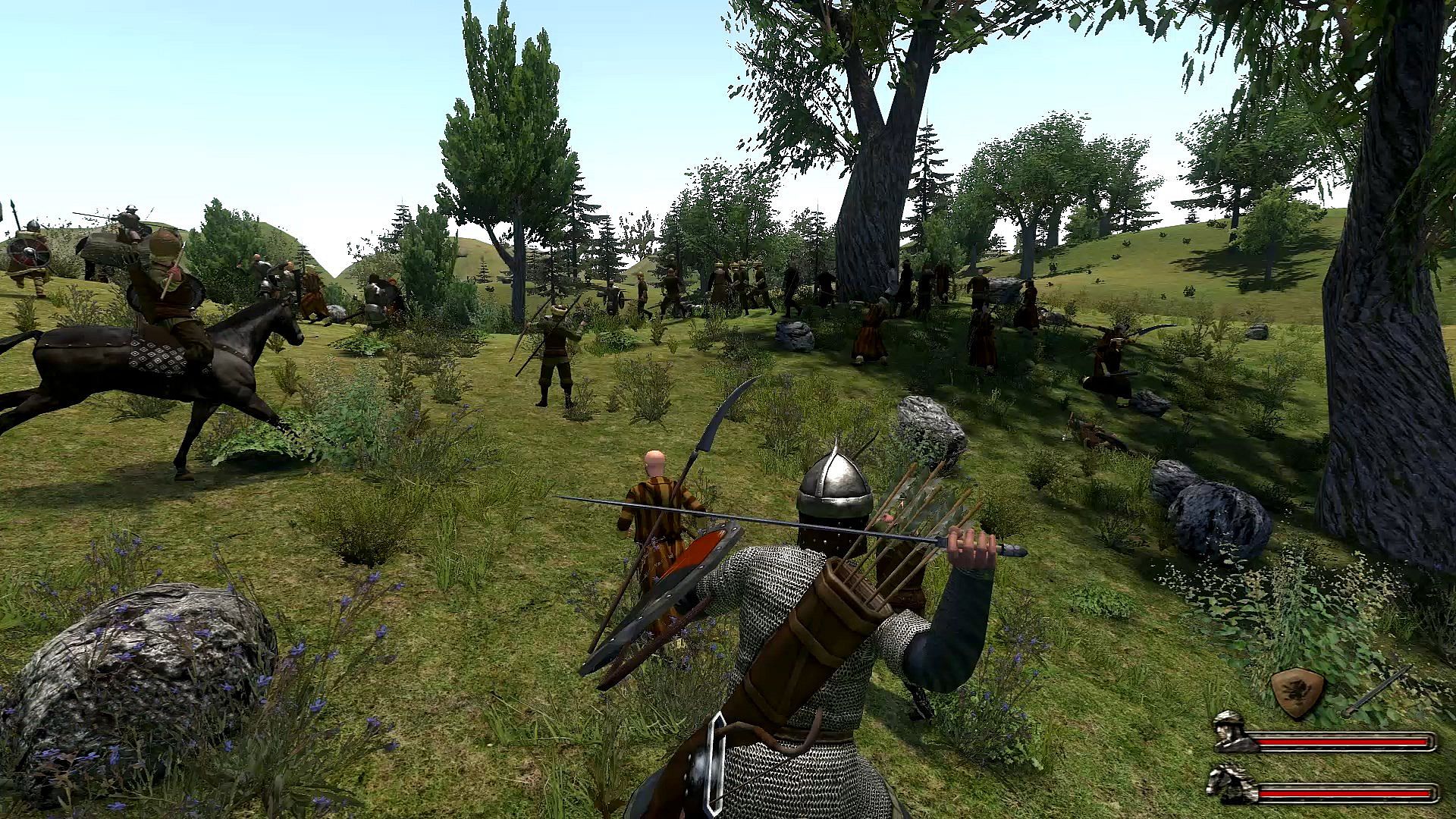
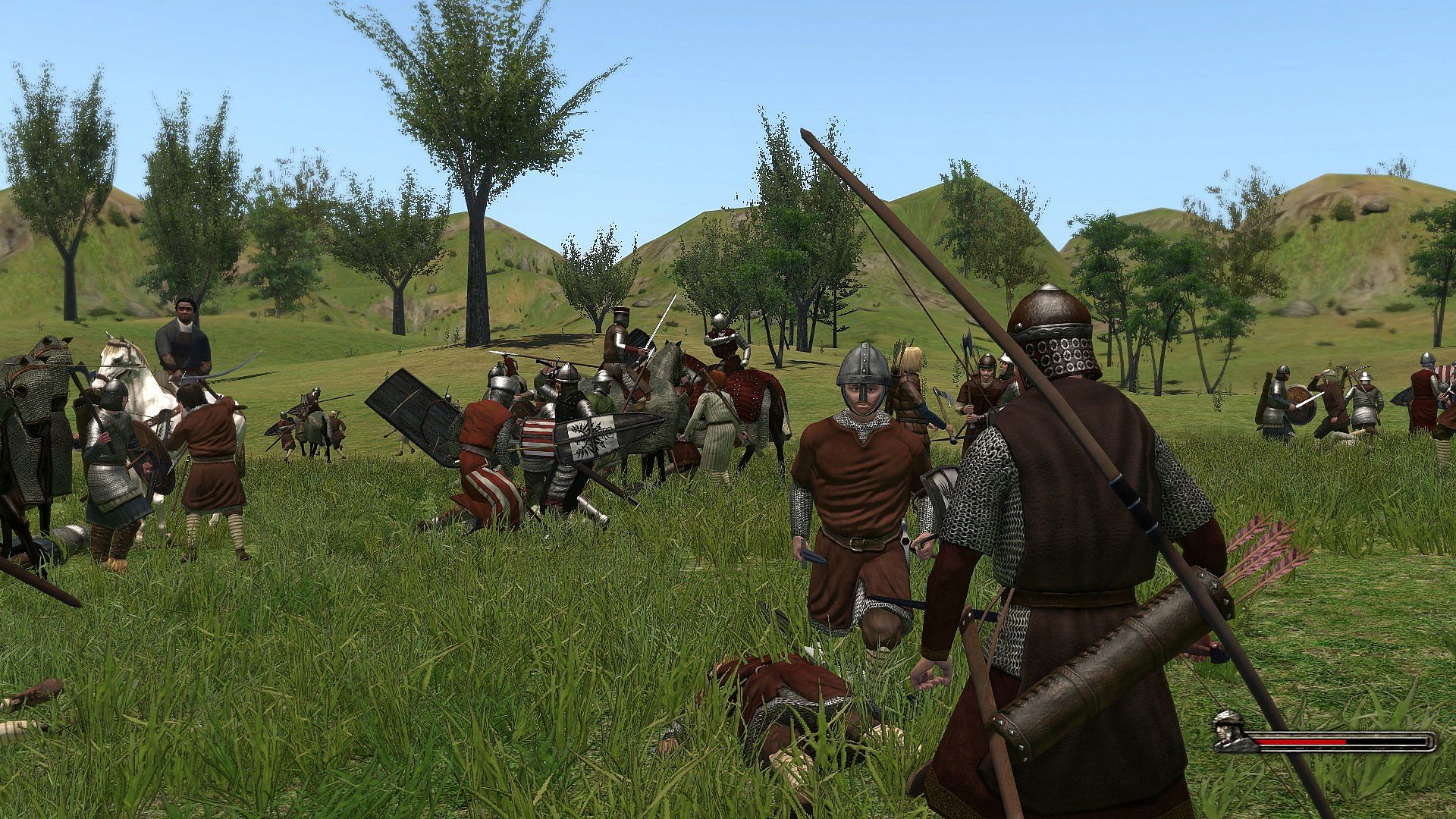
The core loop revolves around exploration across a map with more than one hundred distinct locations, including villages, castles, and towns. Players start as a lone figure and can recruit companions and troops while managing resources, relationships, and reputation. Combat occurs in real time on foot or horseback, featuring a directional system for attacks and blocks that rewards timing and positioning. Mounted charges add momentum and reach advantages, while foot combat demands precise control over a range of weapons with distinct reach, speed, and damage profiles. Troops under command respond to orders, and their morale can break under pressure, leading to retreats. Political interactions allow players to ally with or oppose lords, marry for advantage, or seize territory to found a new faction. Six distinct cultures provide varied equipment and soldier types that influence battlefield tactics.
Game Modes
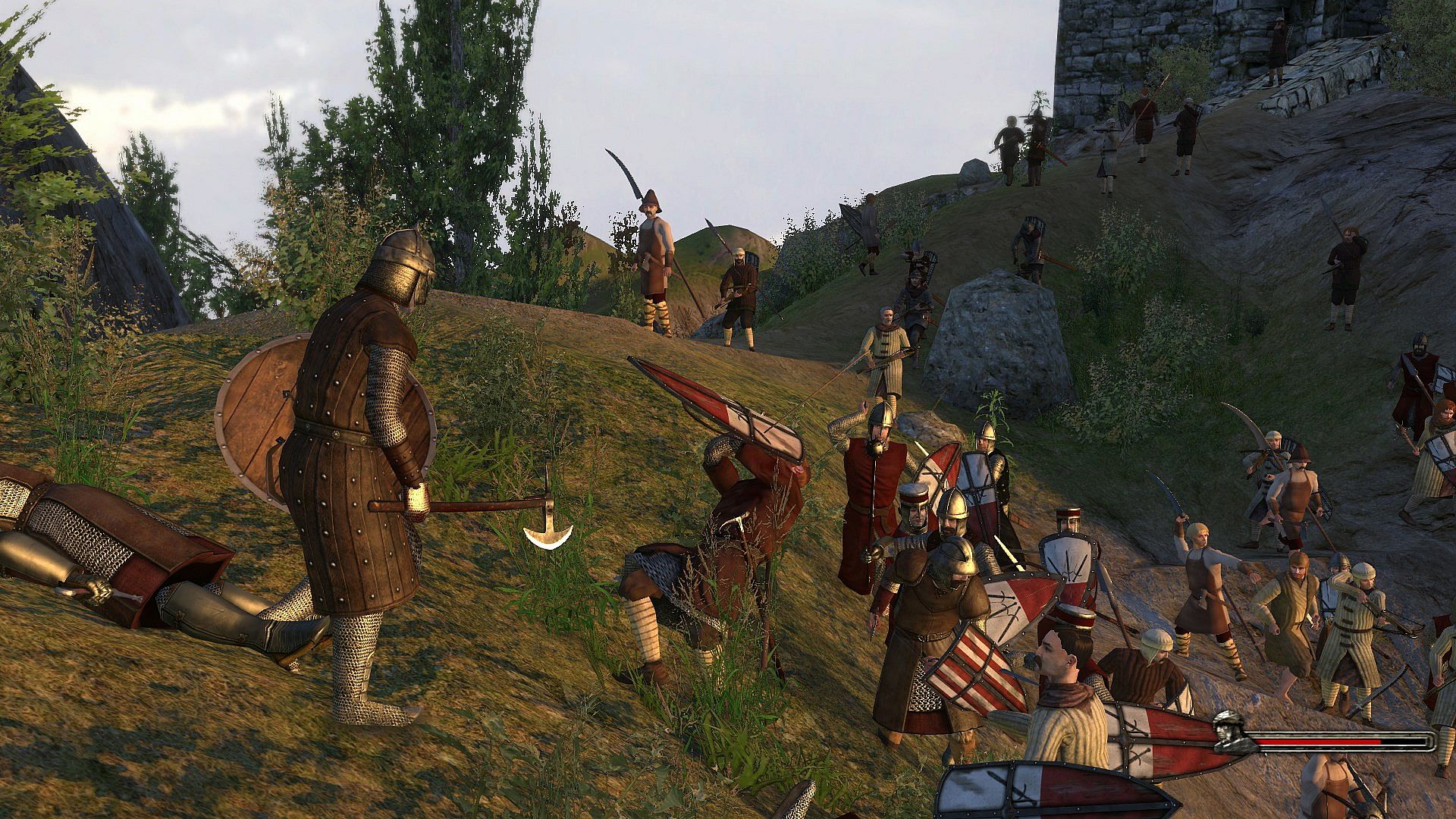
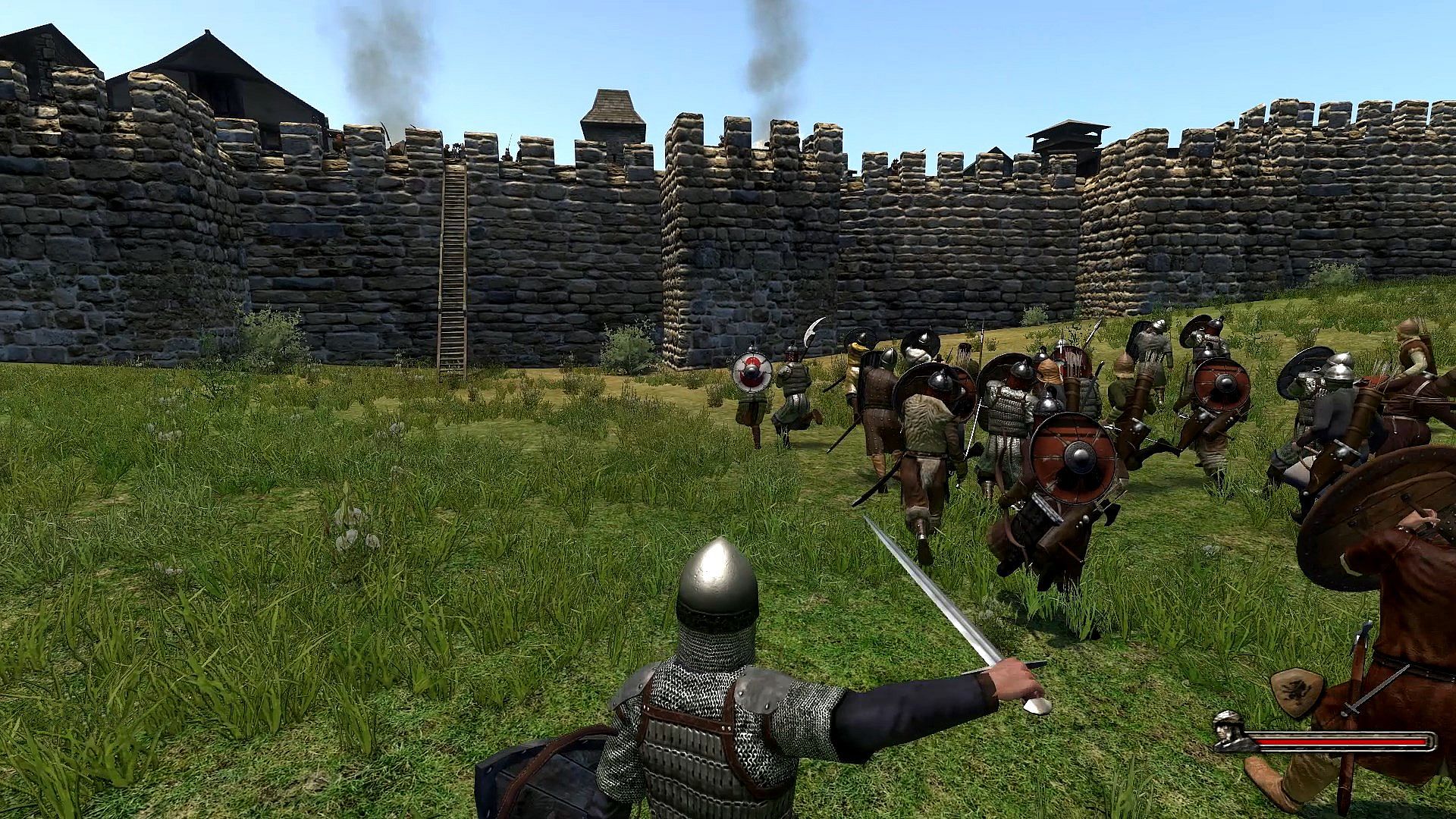
Single-player centers on an open campaign where progress depends entirely on player choices, from bandit hunting and trading to large-scale sieges and kingdom management. Multiplayer supports battles with up to 32 participants across dedicated servers. The available modes are Deathmatch, Team Deathmatch, Capture the Flag, Conquest, Battle, and Siege. These focus on direct combat without the campaign layer, letting participants select factions, classes, and equipment funded by in-match earnings. Maps range from open fields to fortified castles, supporting both quick skirmishes and objective-driven encounters.
Combat and Progression Systems
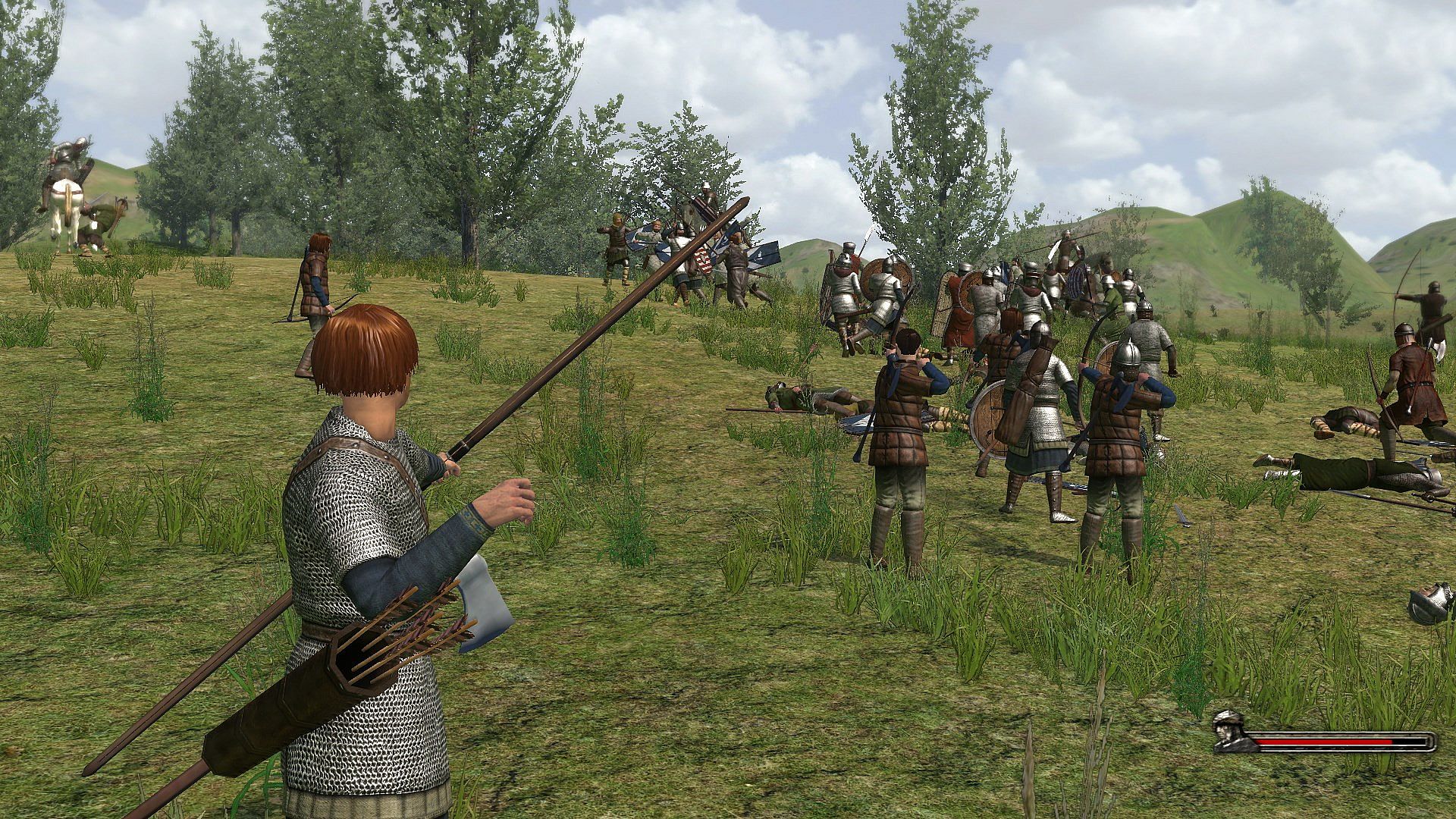
Weapon variety extends from swords and axes to bows, crossbows, and throwing implements that double as melee tools in close quarters. Shields block projectiles even when not raised actively. Skill development covers areas such as riding, tactics, and weapon proficiency, letting characters specialize as frontline fighters, archers, or commanders. The AI governs both enemy behavior and allied troop responses, creating dynamic engagements that scale with army size. Faction differences appear in troop composition, with some favoring heavy cavalry and others emphasizing infantry formations or ranged support.
World and Factions
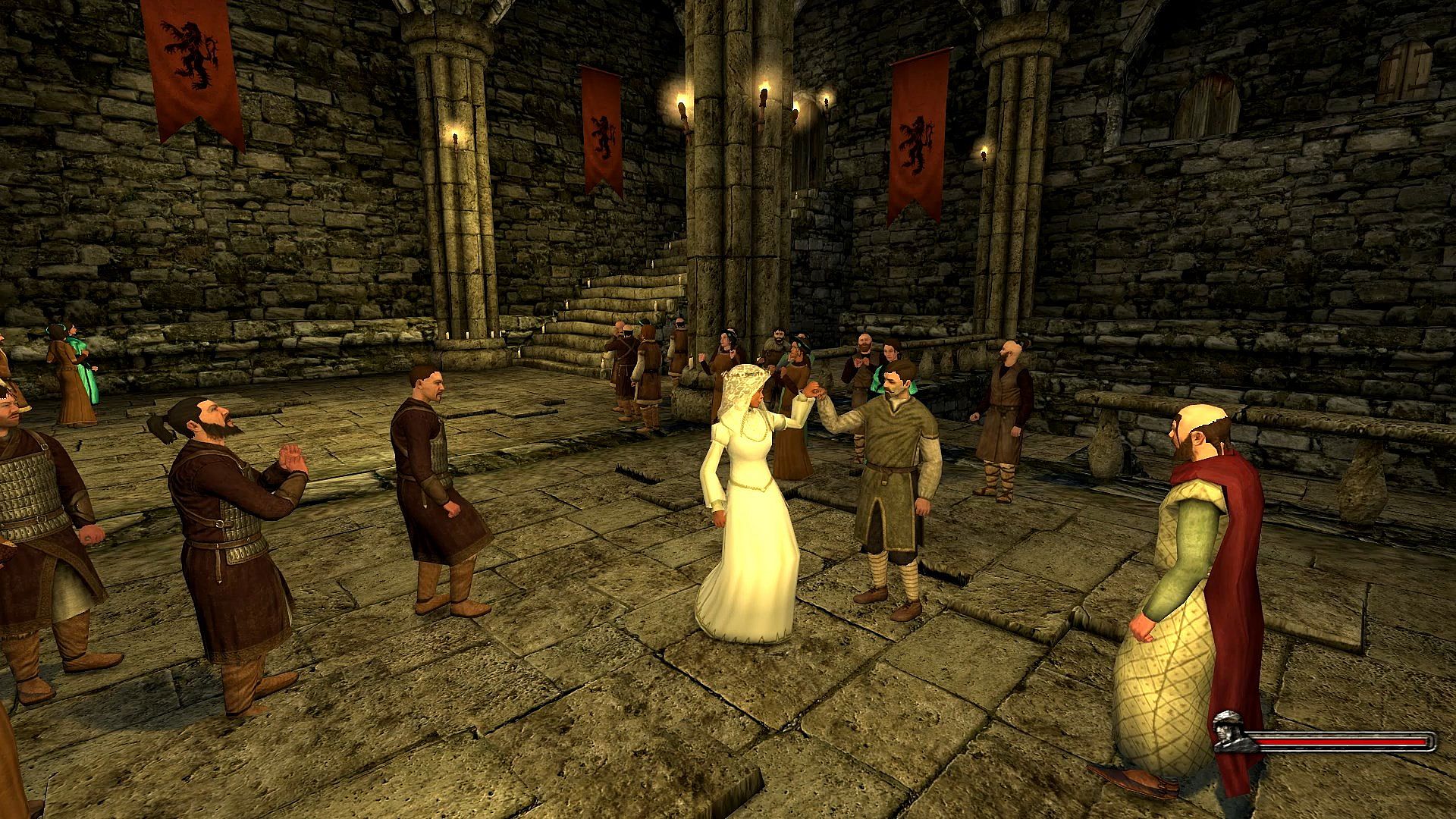
Calradia operates with independent events, where lords wage wars, villages suffer raids, and economies shift based on ongoing conflicts. Players can join existing kingdoms, rise through ranks, or break away to establish their own realm by capturing strongholds and persuading nobles to swear fealty. Companion characters gain experience and can receive land grants, turning them into vassals. Romance options add personal layers through courtship mechanics tied to tournaments or gifts.
Is It Worth Playing?
The game suits players who value unrestricted sandbox progression and tactical medieval combat over guided stories. Its multiplayer remains functional on Xbox platforms with the listed modes supporting competitive sessions. Reception on PC has stayed strongly positive across hundreds of thousands of reviews, reflecting sustained interest in the combat depth and freedom. Console versions deliver the same systems in a package suited to controller input. Those drawn to emergent storytelling, large-scale battles, and replayable faction conflicts will find substantial content, while players seeking linear quests or modern graphics may prefer alternatives. The title continues to receive occasional play years after release due to its unique mechanics.
