








Mortise & Tenon is an indie casual simulation game on PC that centers on spatial reasoning through traditional Chinese joinery techniques. Players work with schematic drawings of mortise and tenon joints, translating two-dimensional plans into three-dimensional assemblies by tapping and refining components until each piece locks into place without gaps or overlaps.
Gameplay
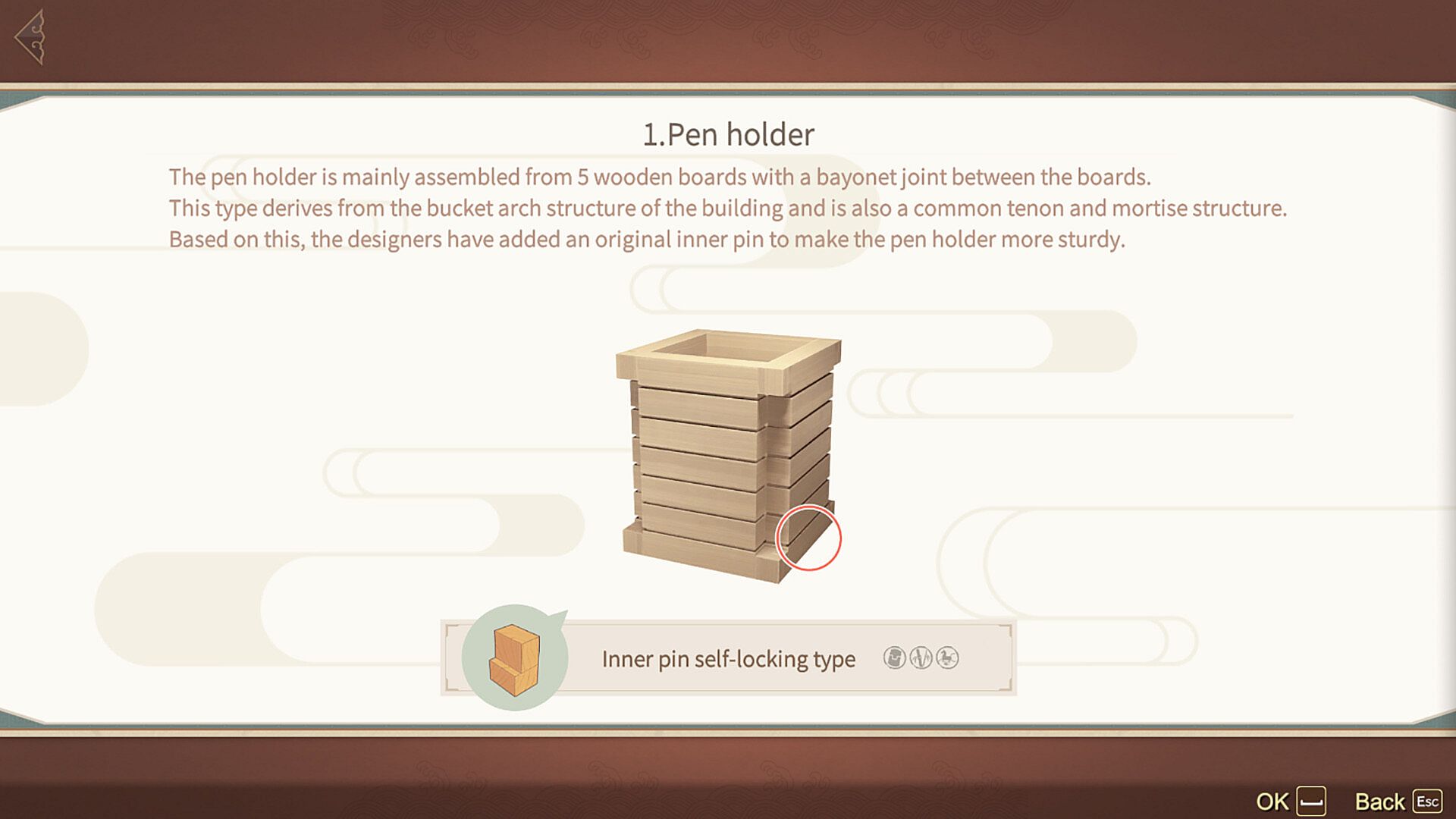
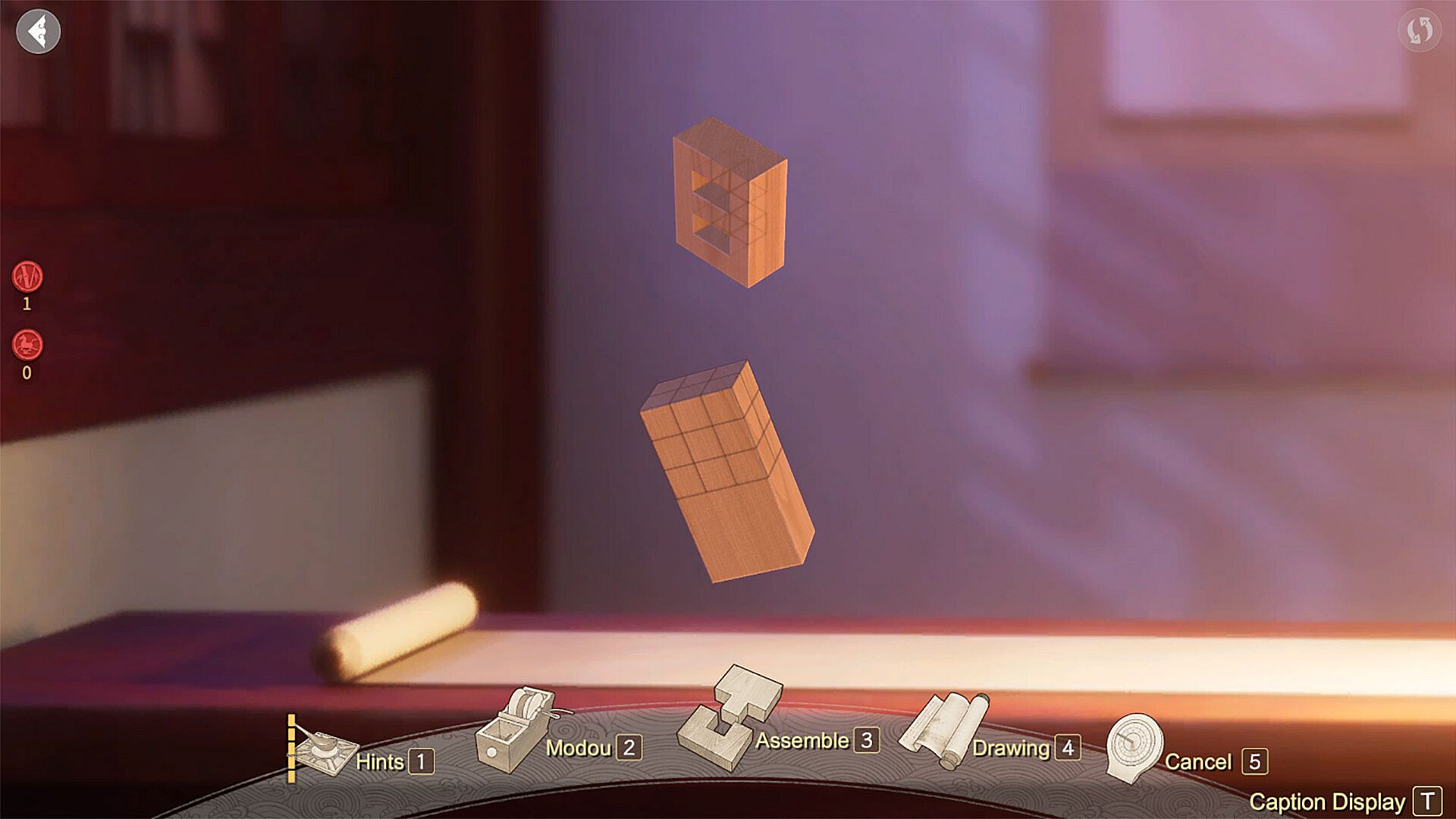
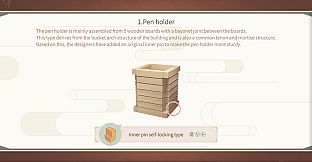
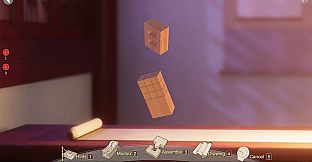
The core loop revolves around precise spatial challenges. Each level presents a blueprint of a mortise and tenon joint. Players examine the drawing, mentally rotate the pieces in space, and apply simple inputs to adjust, remove, or reposition elements. Success comes when the components form a stable, perfectly fitted joint that solves the puzzle. The mechanics emphasize visualization over speed, rewarding careful observation and incremental adjustments rather than rapid trial and error.
Progression builds familiarity with different joint configurations. Early levels introduce basic alignments, while later ones layer additional constraints that require players to consider multiple axes of movement simultaneously. The interface keeps controls minimal, allowing focus on the three-dimensional relationships rather than complex button combinations.
Game Modes
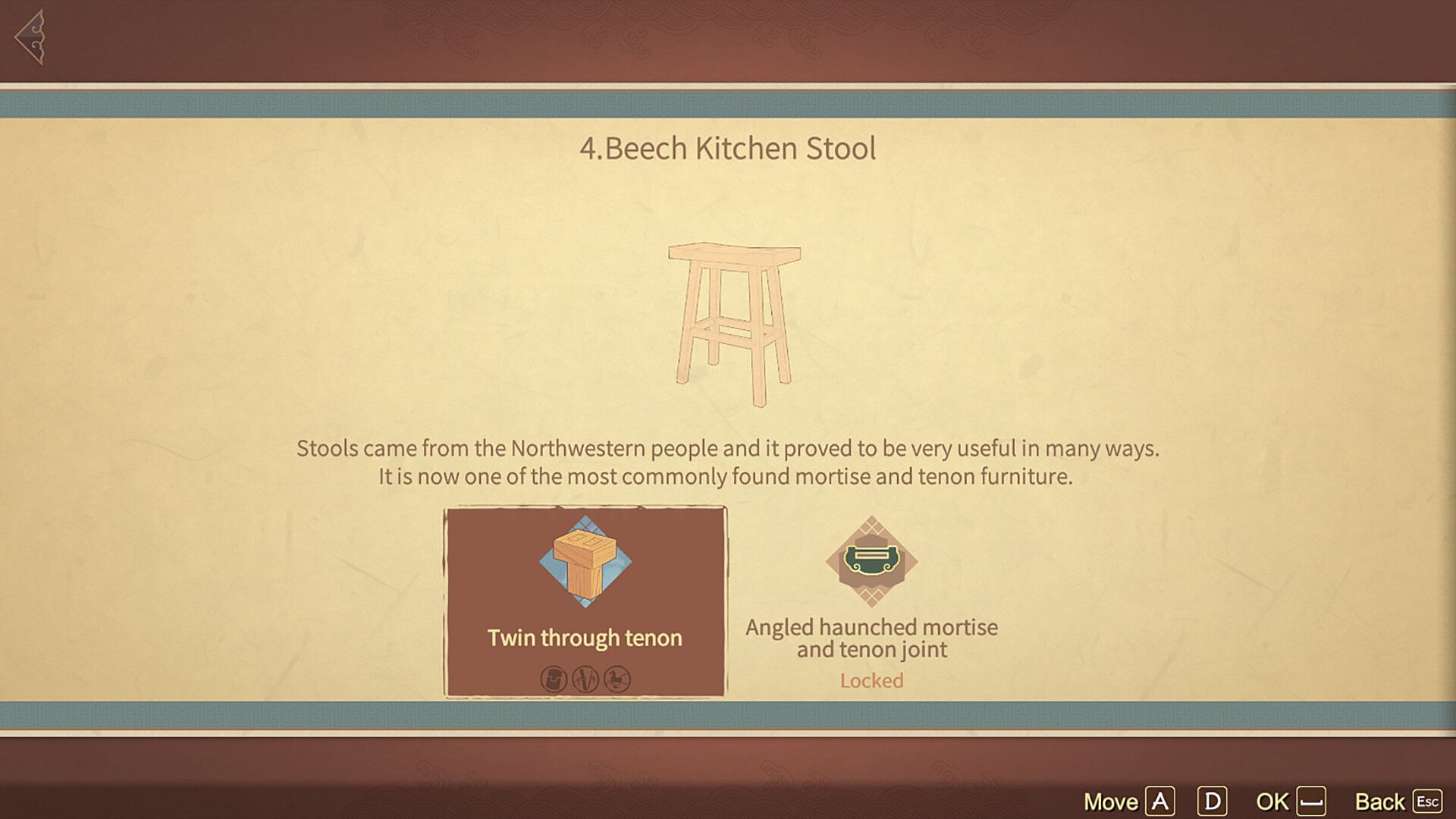
Main story levels form the primary path through the game. These structured puzzles guide players sequentially through increasingly intricate joint designs, each tied to a specific blueprint. Completion unlocks new entries for the collection system.
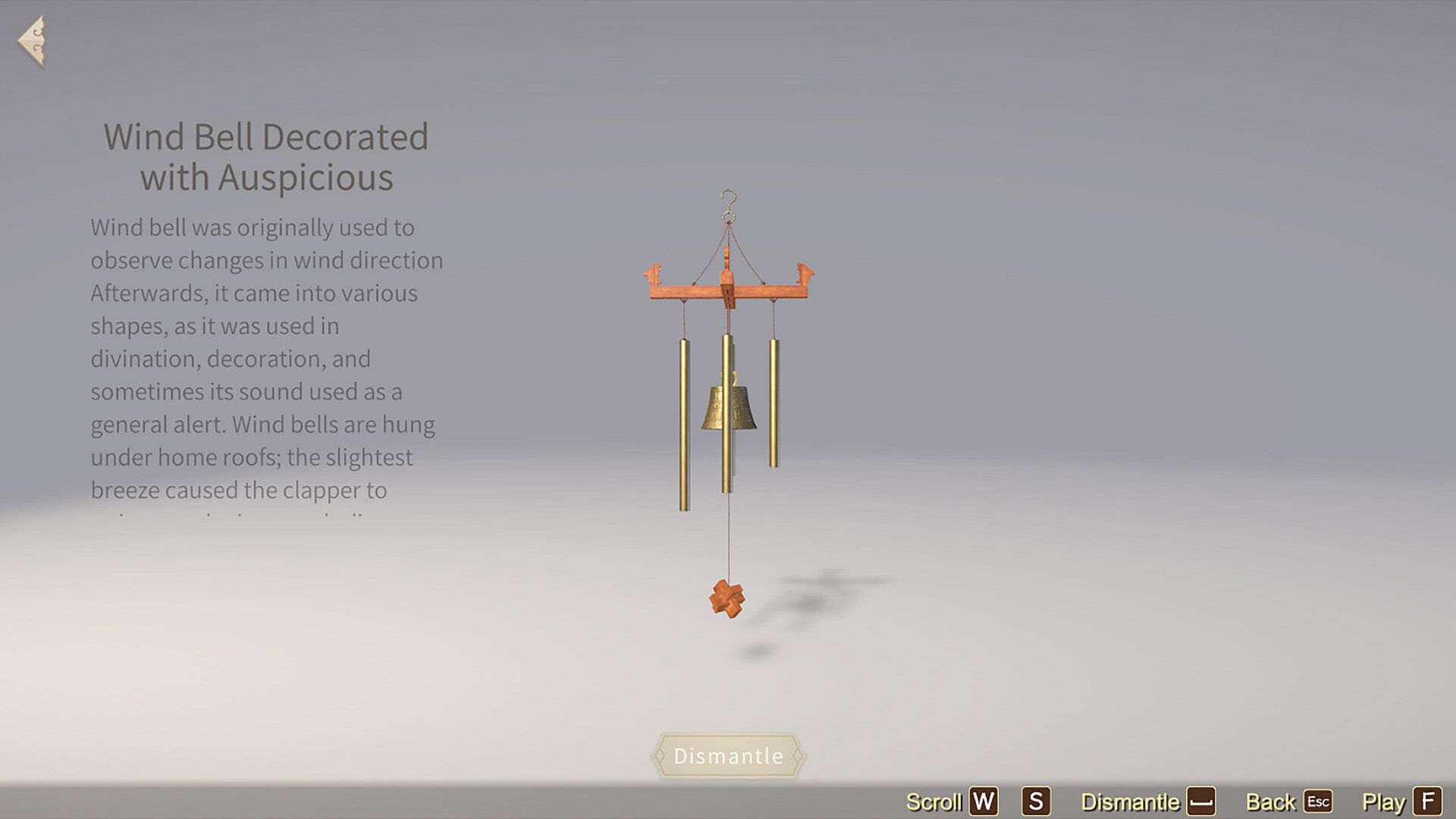
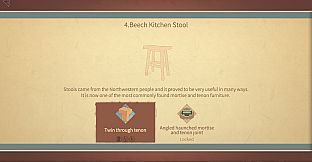
The Gallery serves as a dedicated exploration area. Unlocked blueprints appear here as interactive three-dimensional models. Players can rotate each structure freely, disassemble components, and examine internal connections from any angle. Visual effects support this inspection by highlighting how individual pieces interlock, turning the section into a hands-on reference for the principles behind each joint.
The Challenge section consolidates learned concepts into standalone structural puzzles. Here players apply knowledge from the main levels to new arrangements without step-by-step guidance. Each puzzle requires identifying fit patterns and executing the correct sequence of adjustments to achieve a stable assembly.
Learning Through Interaction
Every completed main story level adds its blueprint to the Gallery. This creates a growing library of joints that players revisit at any time. The ability to manipulate models in three dimensions encourages repeated examination, revealing details such as hidden supports or precise angle alignments that may not have been obvious during initial assembly. The approach integrates cultural context naturally by letting the structures themselves demonstrate the ingenuity of the joinery methods.
Is It Worth Playing?
Mortise & Tenon suits players who enjoy deliberate spatial puzzles and appreciate the intersection of craft tradition with interactive problem solving. Its relaxed pace and focus on visualization make it accessible for casual sessions, while the progression from guided levels to open challenges provides ongoing engagement for those who want to deepen their understanding of the mechanics. The Gallery adds replay value by turning solved puzzles into explorable references rather than one-time tasks. Those seeking fast action or competitive elements will find the game less suited to their preferences, but anyone interested in methodical three-dimensional thinking will find consistent satisfaction in refining each joint to a perfect fit.