




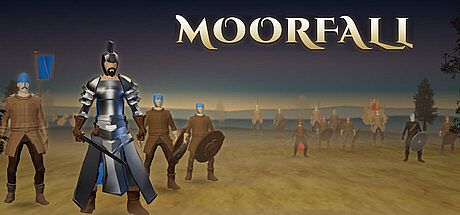


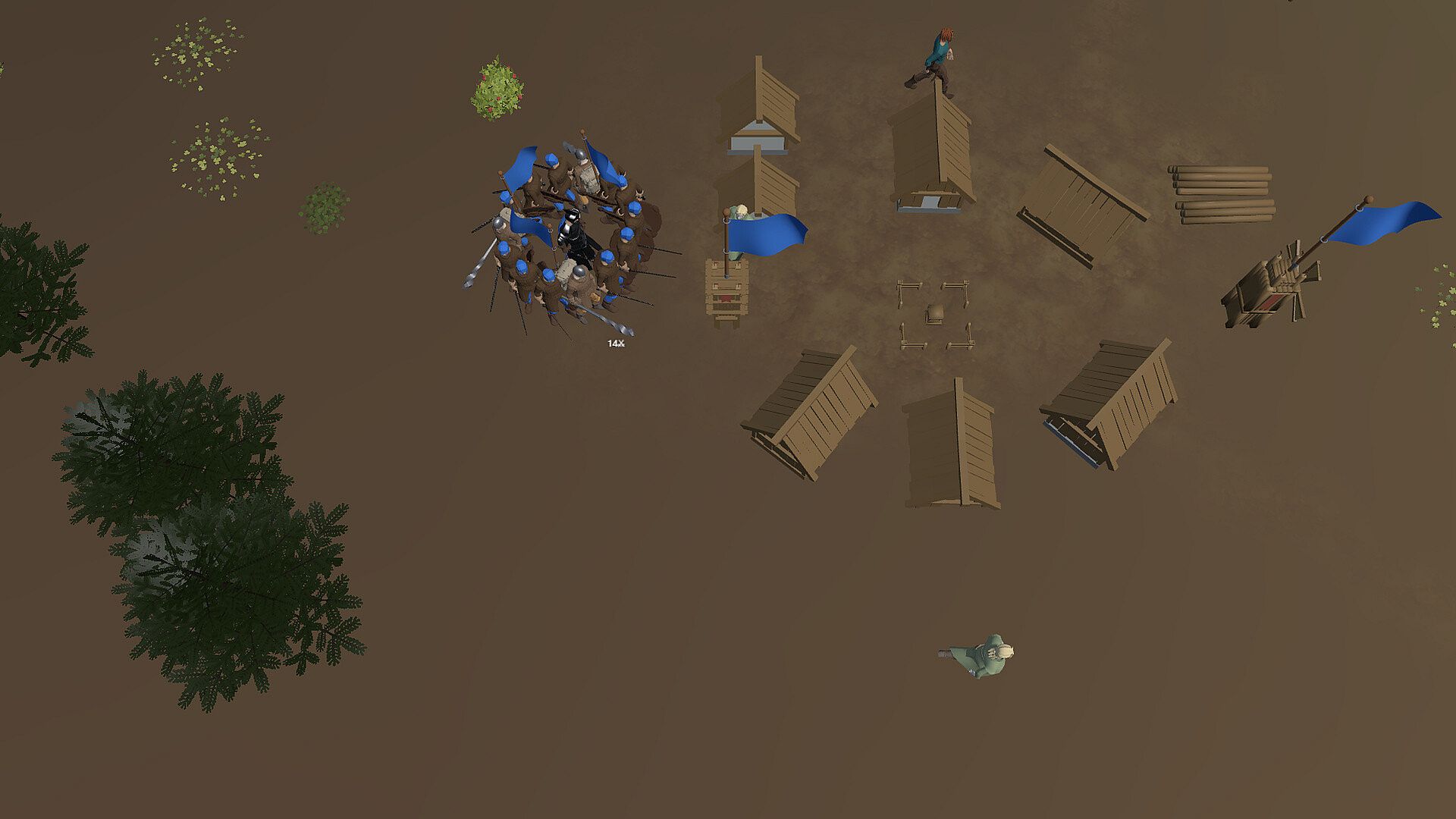
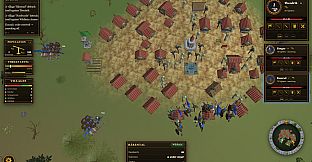
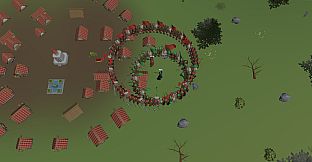
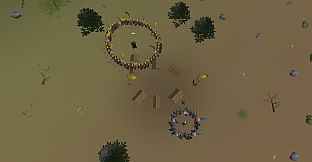
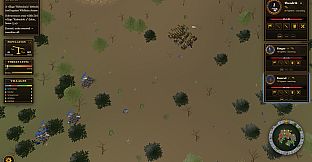
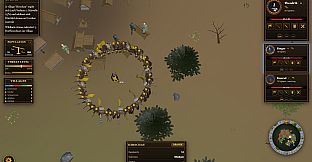
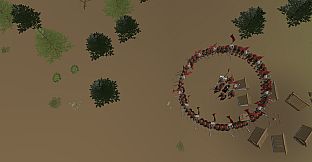
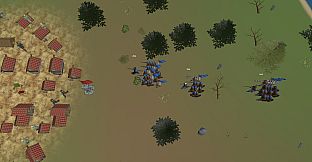
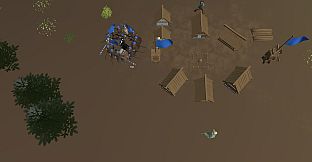
Moorfall is a strategy indie game for PC that places players in command of military leaders fighting to reclaim territory village by village across a contested moor. The conflict begins with Schwarzmoor forces pushing into Grimmwald lands, and success requires more than simple defense. Players direct captains who lead independent armies, making early choices about where to send each one determine the flow of the entire match.
Gameplay
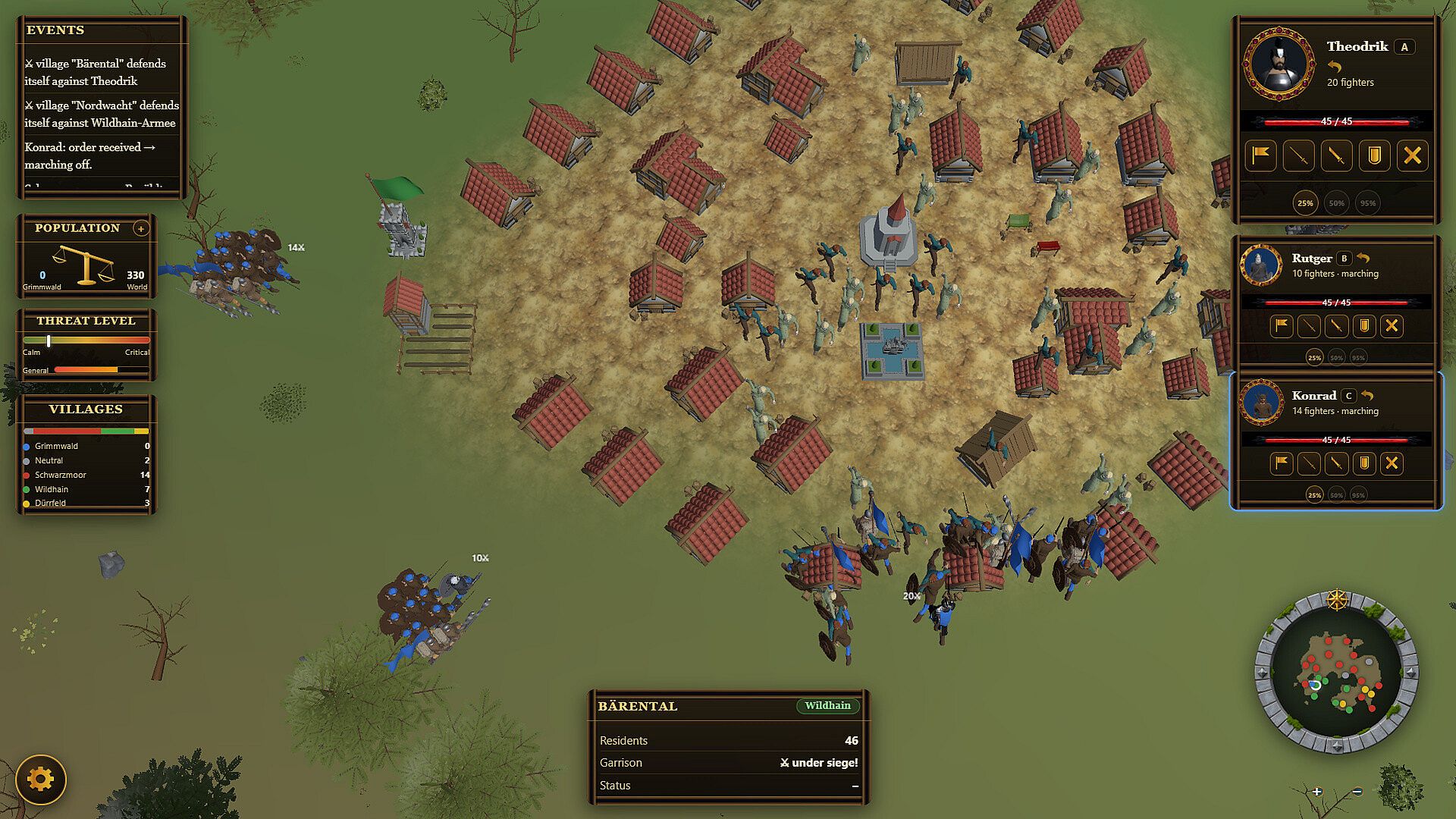
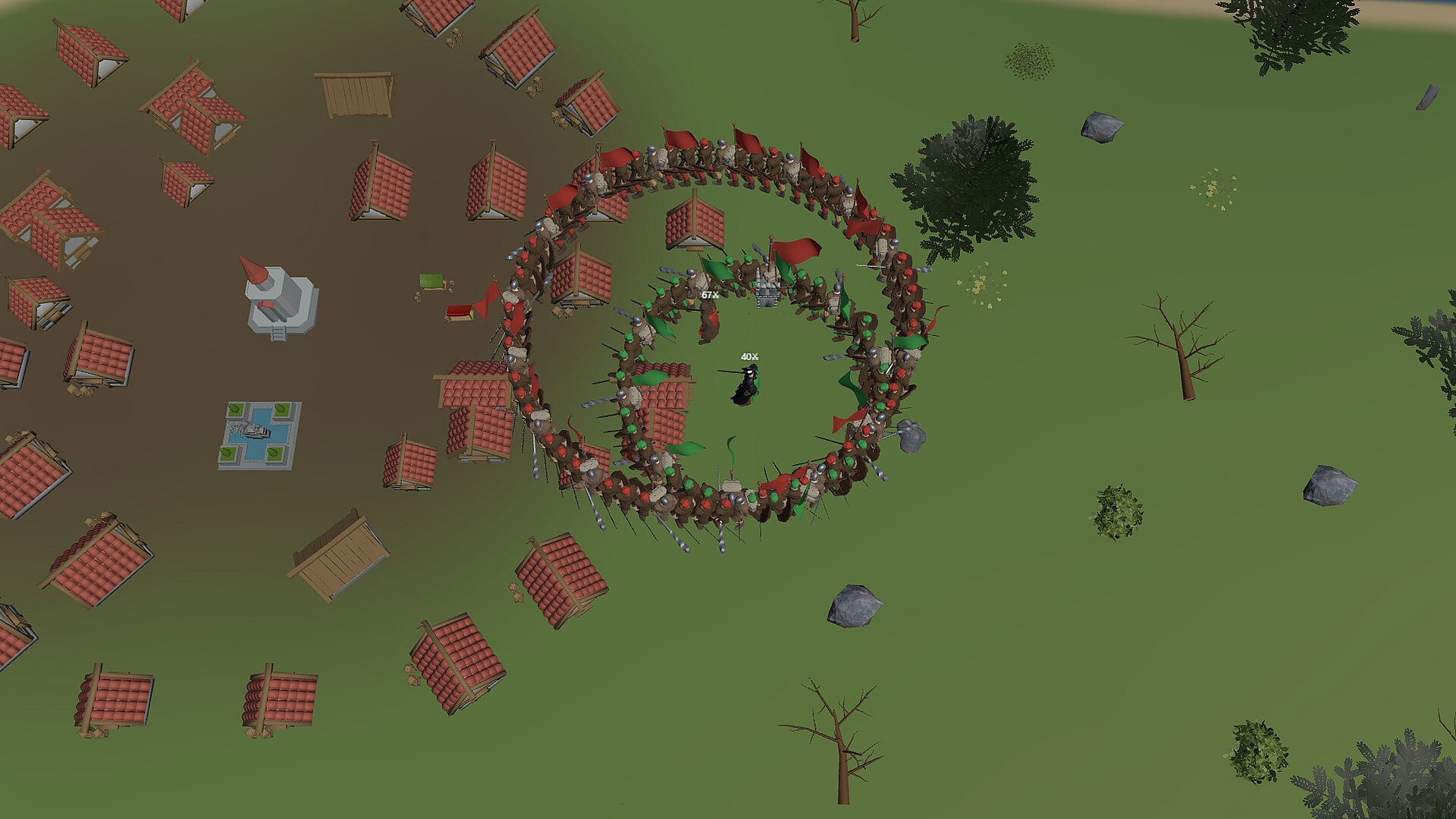
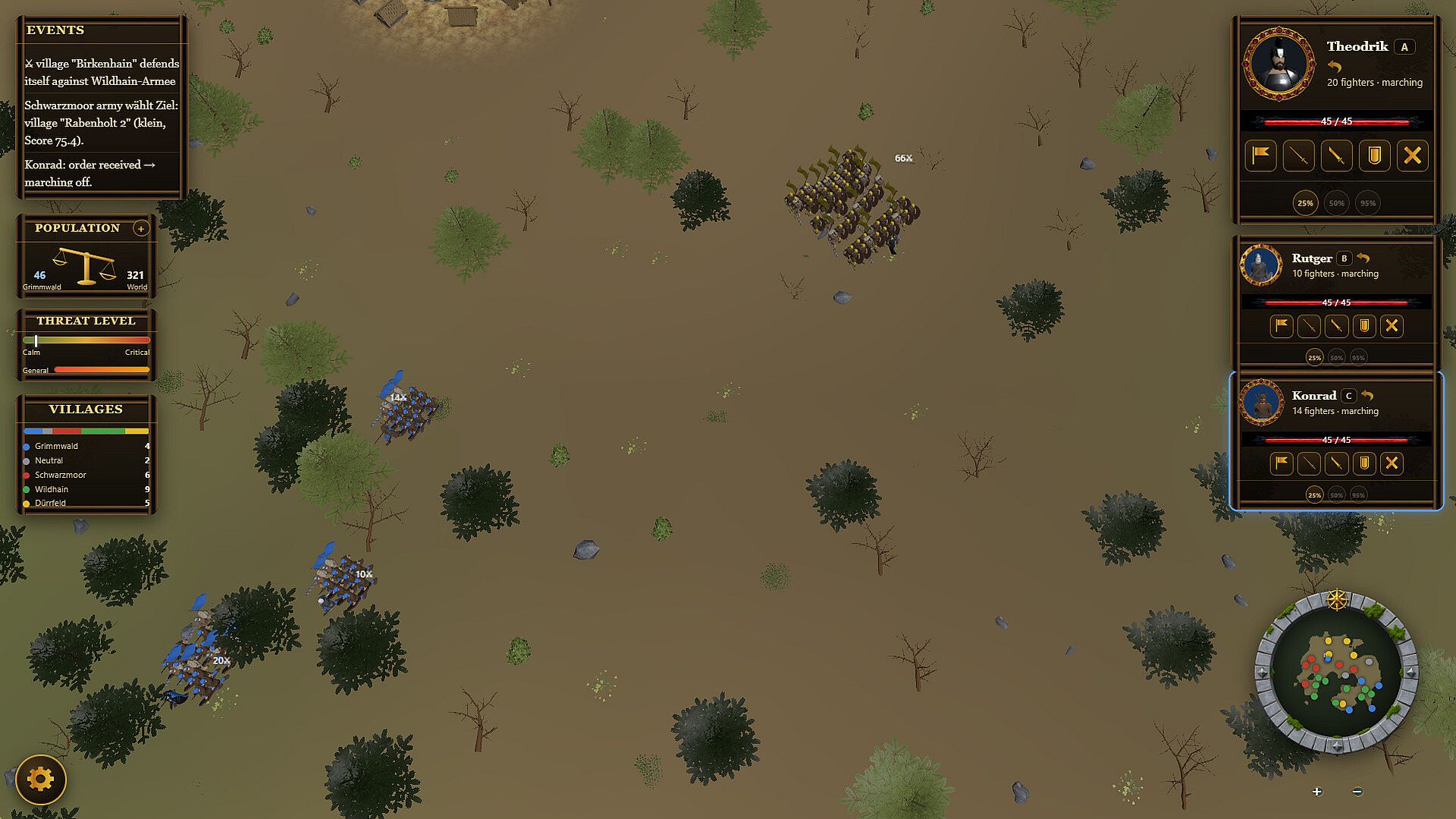
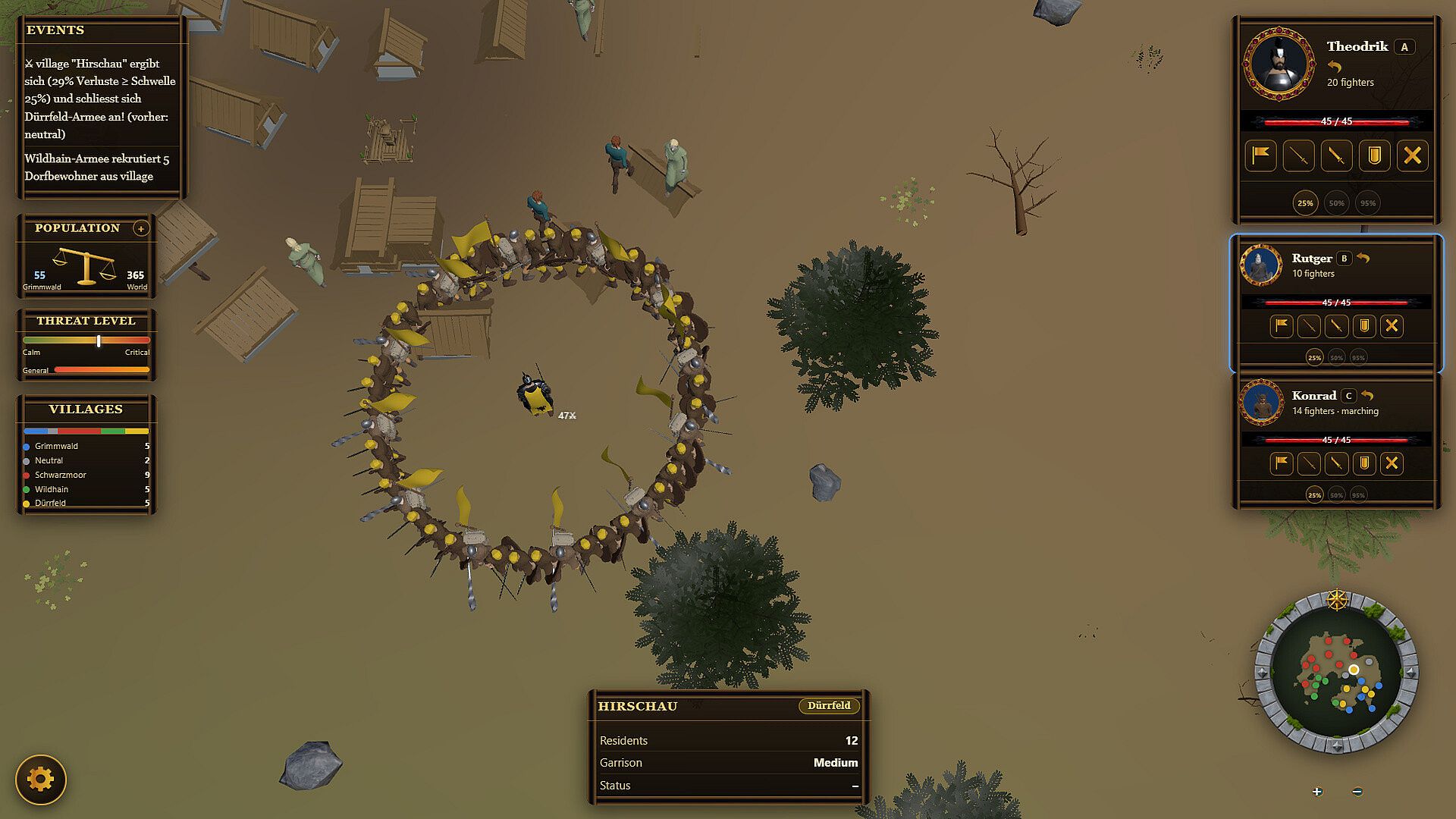
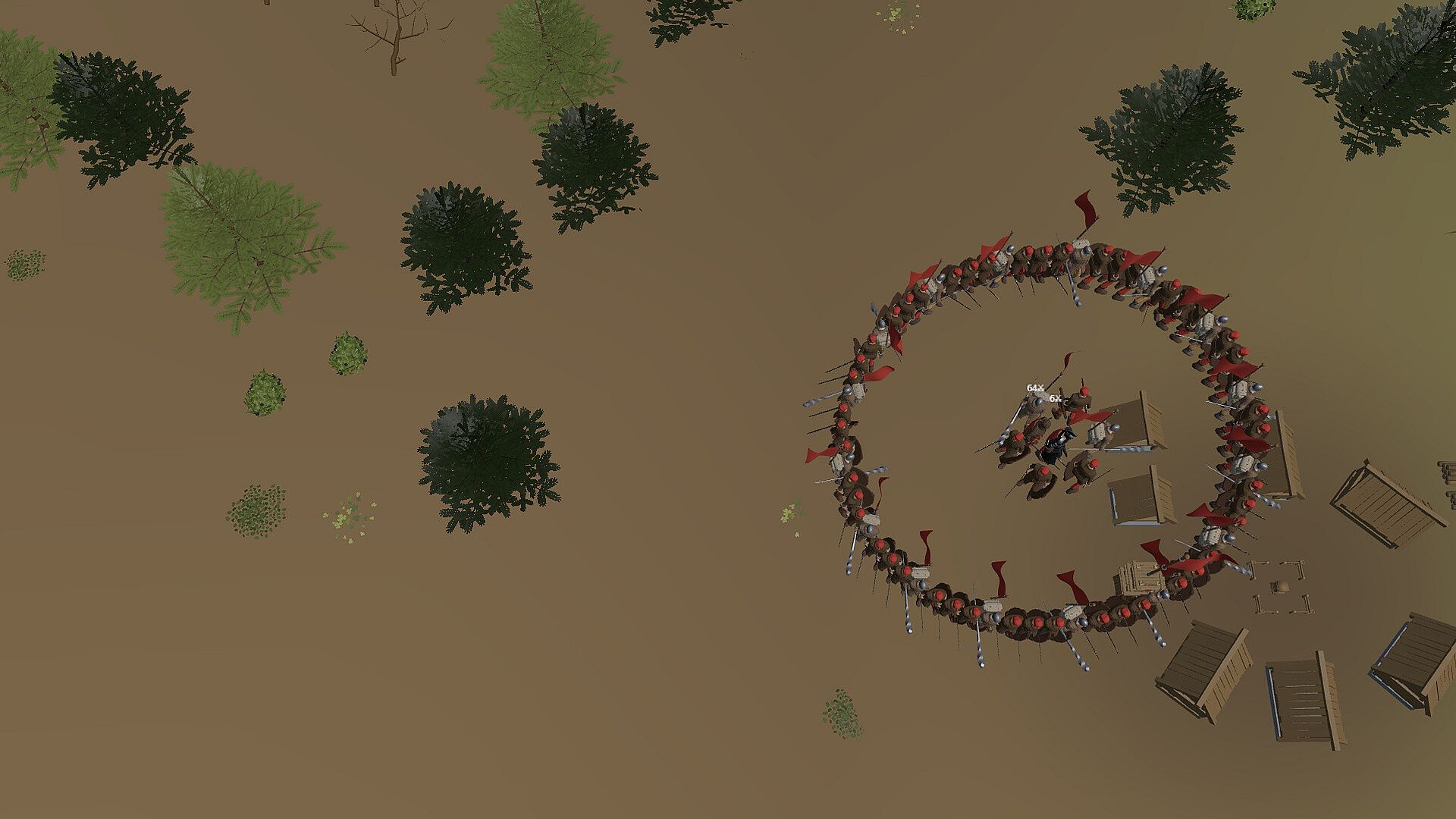
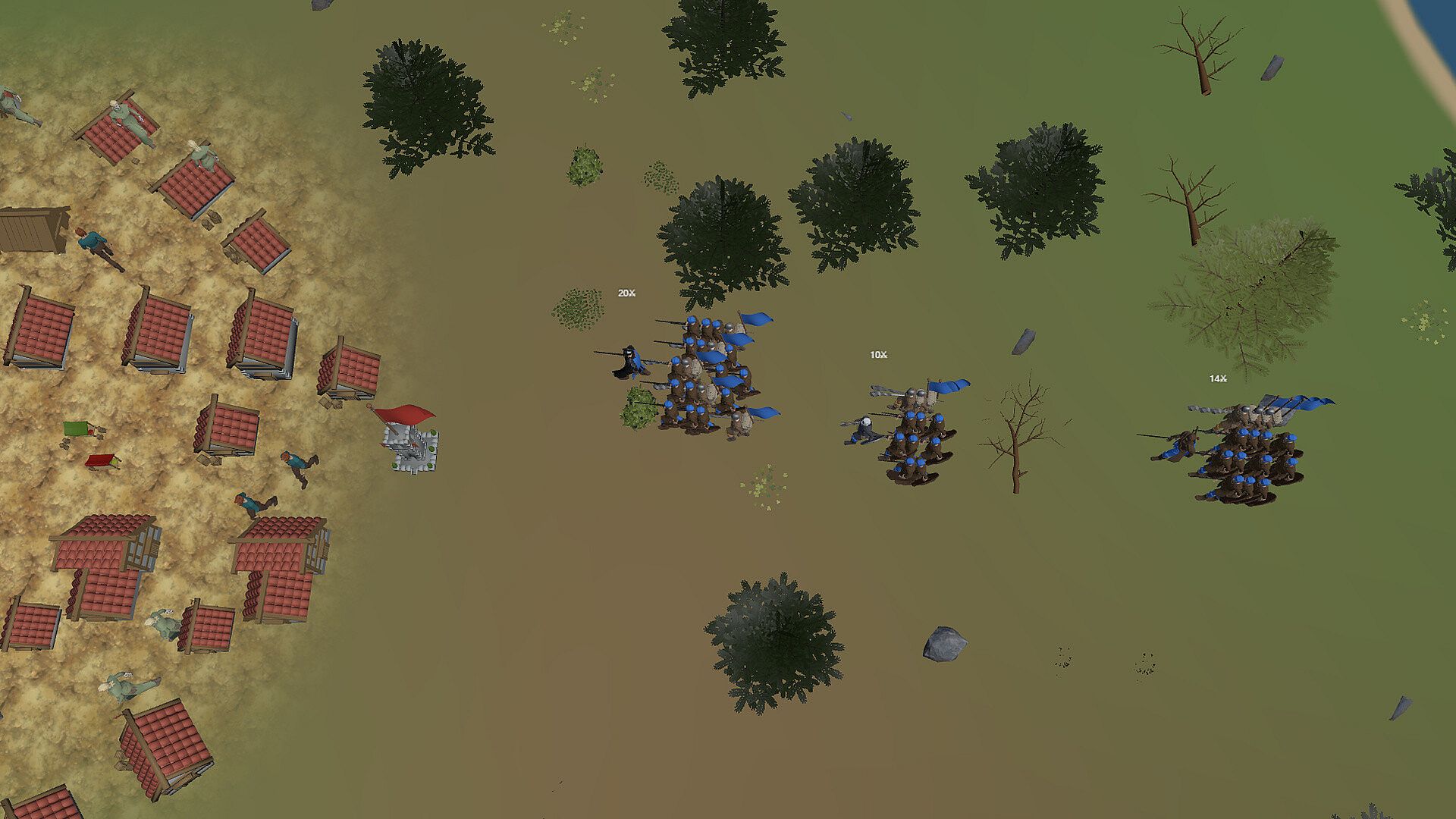
Control centers on three captains at the start of a campaign, each already positioned somewhere on the map and acting whether observed or not. Directing one to secure ground while another pushes forward demands careful timing, as every decision affects distant fronts. Villages serve as the sole source of troops. Holding a settlement allows calls for volunteers, though each village requires recovery time before offering more fighters. Large settlements left exposed become easy targets, and overwhelming an enemy-held village can force surrender without combat. Underestimating the opposition risks losing the troops committed to the assault.
Visibility stays limited to what the captains can see. Unexplored areas remain hidden in fog, concealing settlements, opposing forces, and even distant banners that may close in unexpectedly. The moor itself holds additional unknowns, including rare surviving wildlife that adds to the sense of an untamed landscape.
Game Modes
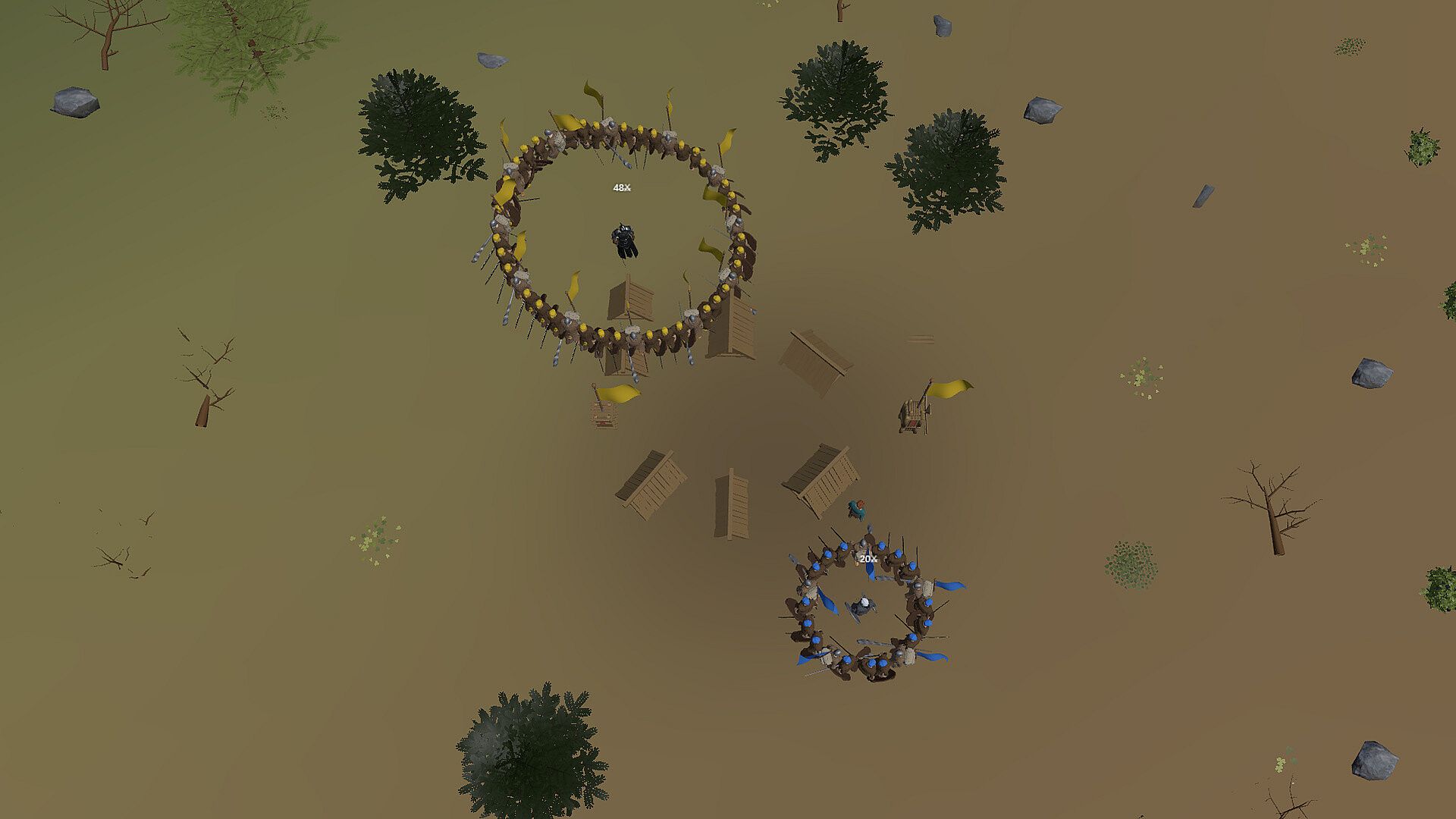
The core experience unfolds through a campaign structure that expands as the conflict draws in new participants. Word of the fighting spreads, bringing two additional houses onto the moor with their own territorial claims. This shifts the dynamic from a single opponent to a multi-faction struggle where four banners compete for the same limited ground. Observing clashes between rival forces and choosing the right moment to intervene becomes a key part of longer sessions.
Strategic Depth and Faction Dynamics
Without any building or resource management layers, attention stays fixed on troop movement and village control. Each captain operates with autonomy once ordered, forcing players to weigh immediate gains against the risk of leaving other areas vulnerable. The arrival of extra factions creates opportunities to exploit divisions, letting two sides weaken each other before committing forces. This setup rewards foresight in positioning and restraint in engagements rather than constant expansion.
The absence of traditional economy systems keeps matches focused on territorial recovery and army composition drawn directly from captured settlements. Misjudging the strength needed to take a village can deplete available manpower quickly, while leaving a large settlement undefended invites immediate counterplay from any passing force.
Is It Worth Playing?
Moorfall suits players who enjoy pure command decisions in a strategy setting without the overhead of construction or production chains. The emphasis on captain management, village-based recruitment, and fog-limited information creates tense, map-wide planning that evolves as more factions enter the moor. Those drawn to asymmetric territorial conflicts and the challenge of juggling multiple independent forces will find the mechanics rewarding. The game remains in active development with its core systems centered on these elements, making it a focused choice for strategy enthusiasts seeking something distinct from standard real-time or turn-based formats.