




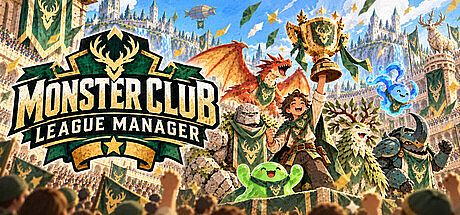



Monster Club League Manager is a single-player strategy and simulation title focused on club management in a monster-themed league. Players take on the dual role of coach and manager, guiding a squad from lower divisions toward the top of Division 1 through careful recruitment, development, and tactical decisions.
Gameplay
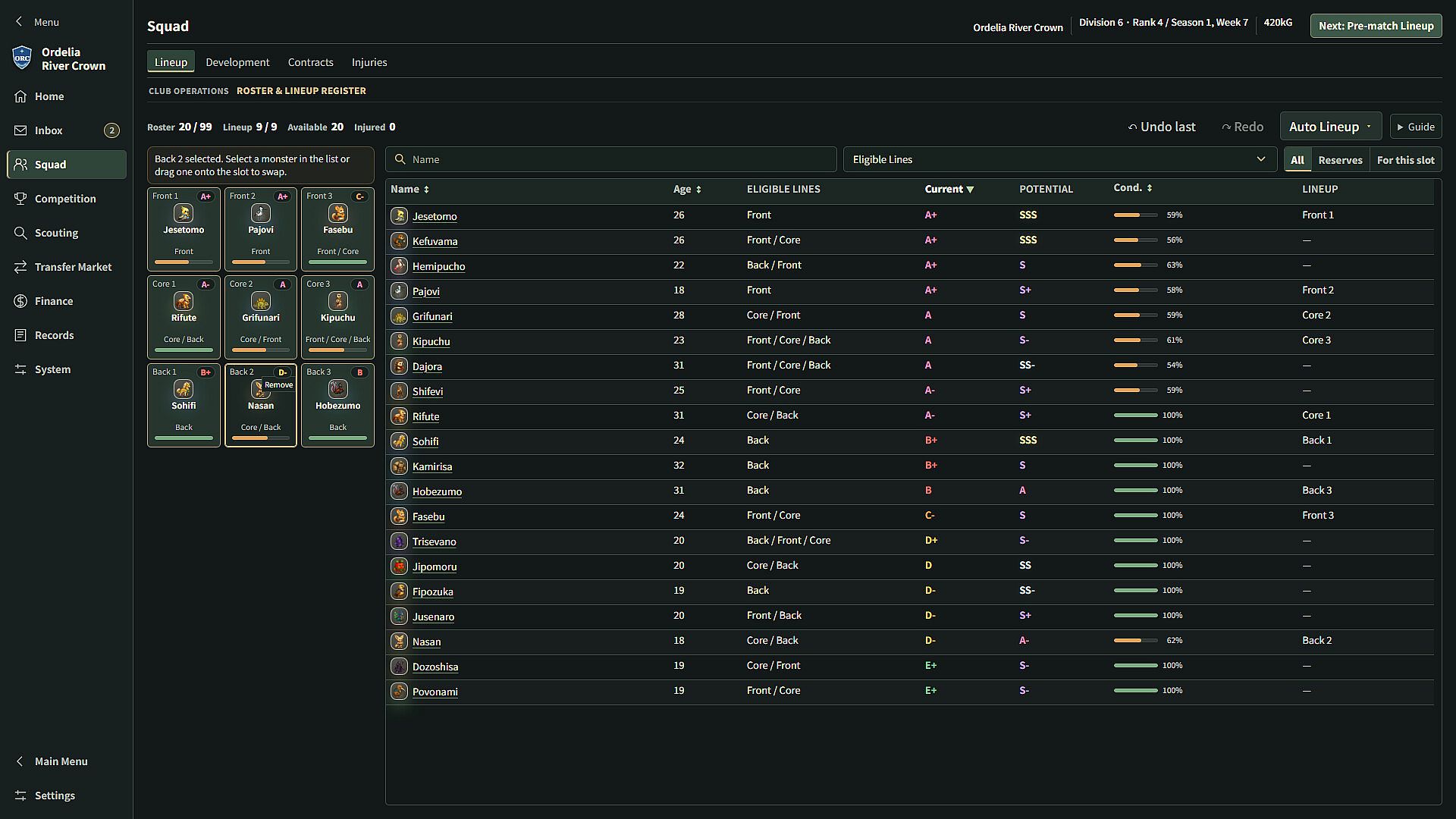
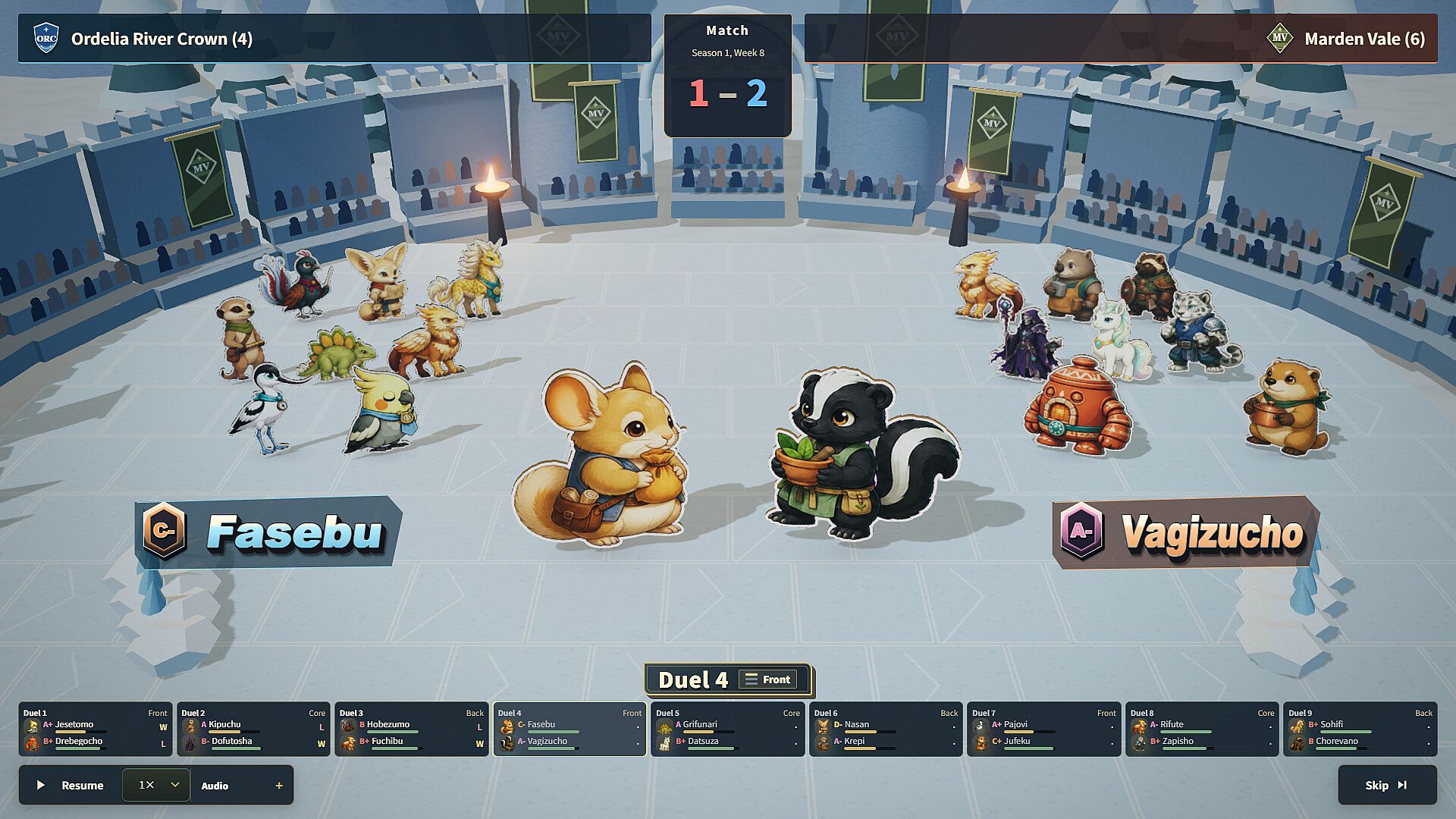
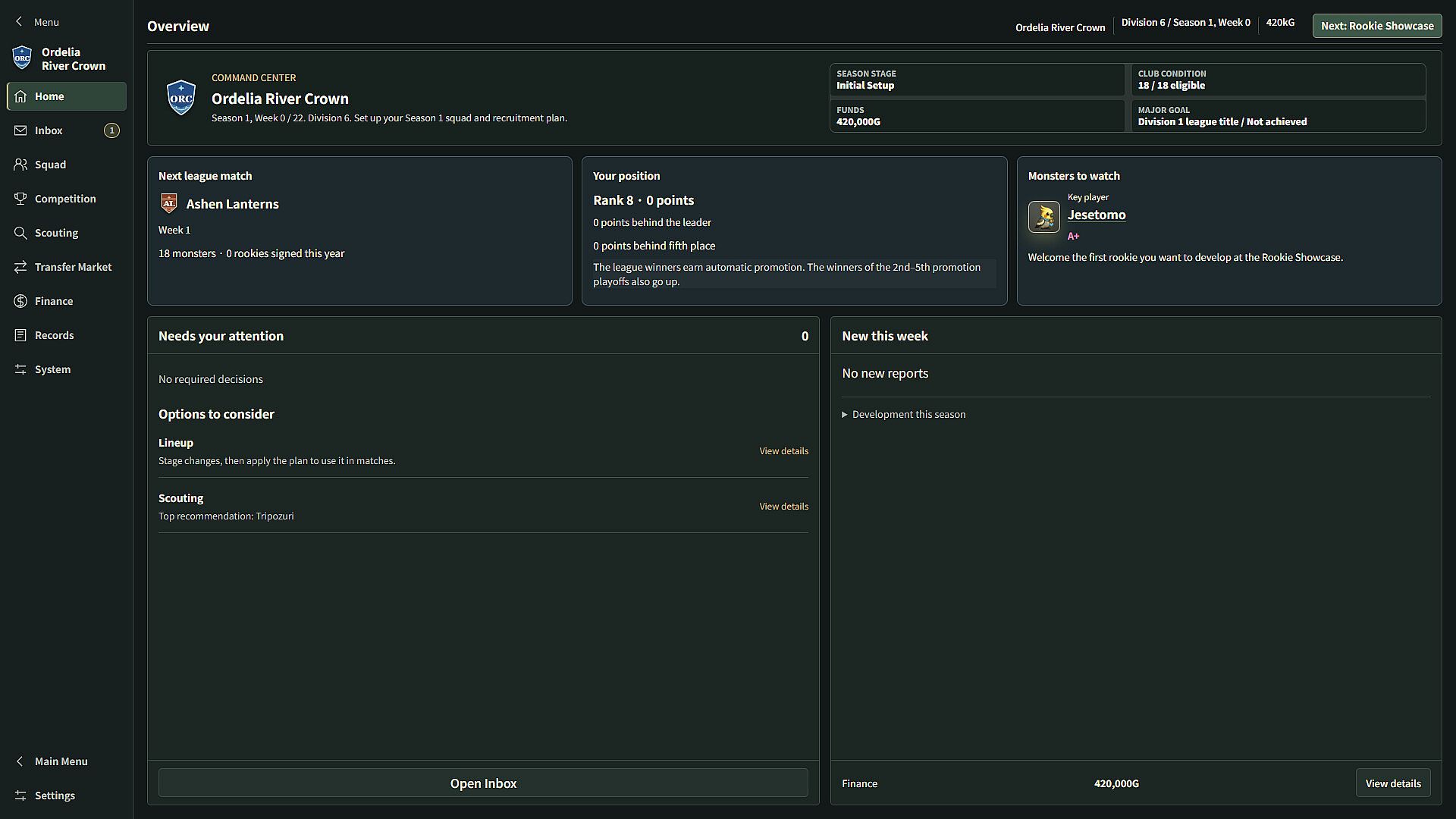
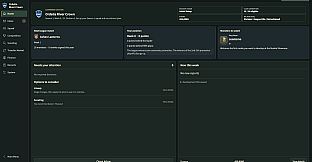
The core loop centers on squad building and weekly preparation. Each week involves reviewing player conditions, setting a starting lineup of nine monsters, and advancing the schedule to see matches resolve automatically. Positional balance matters, with three monsters assigned to front, middle, and back lines. Factors such as individual ability, fatigue, injuries, and experience opportunities for younger monsters influence selections. Resting established players opens pathways for prospects to gain match time and improve.
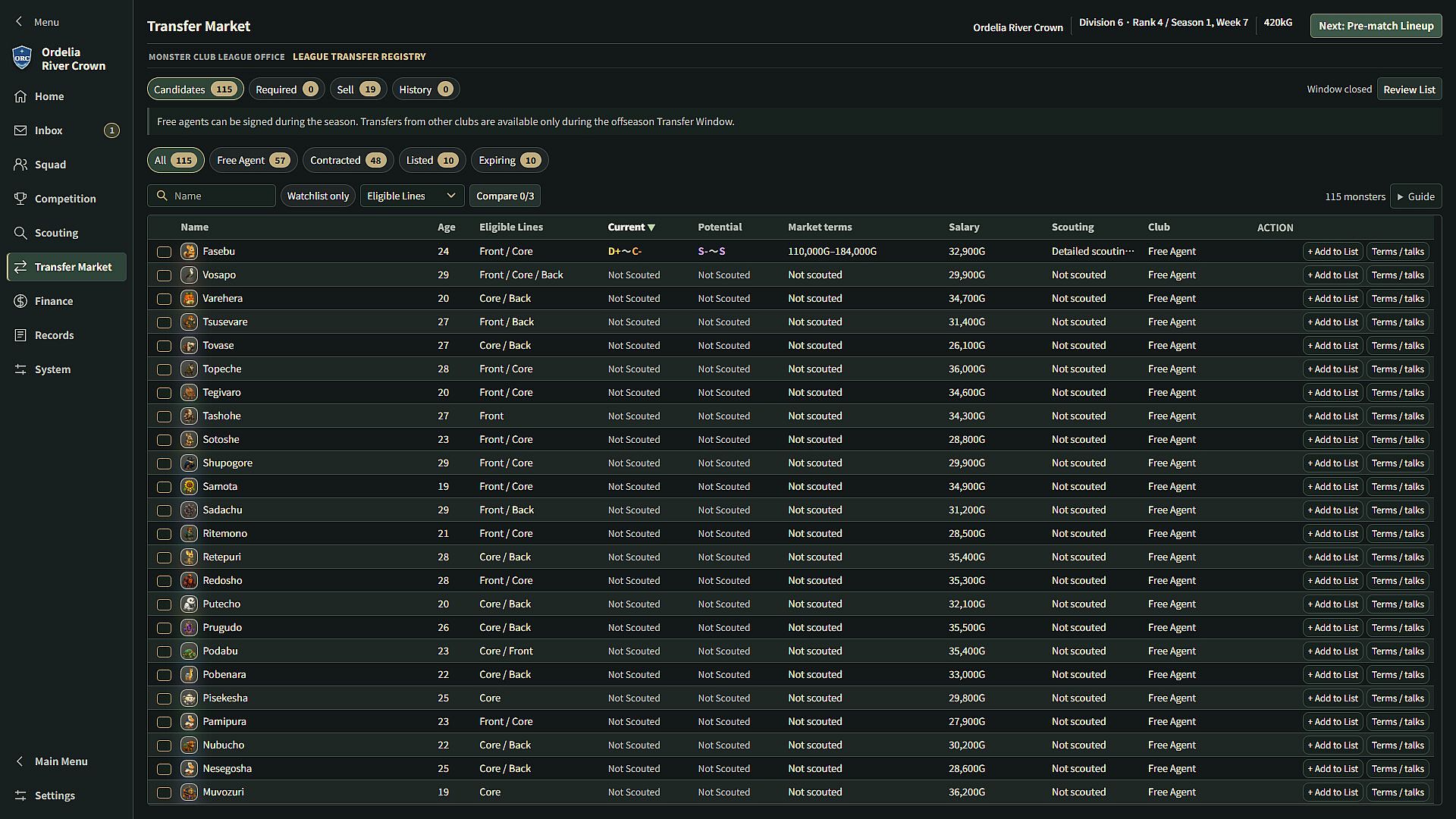
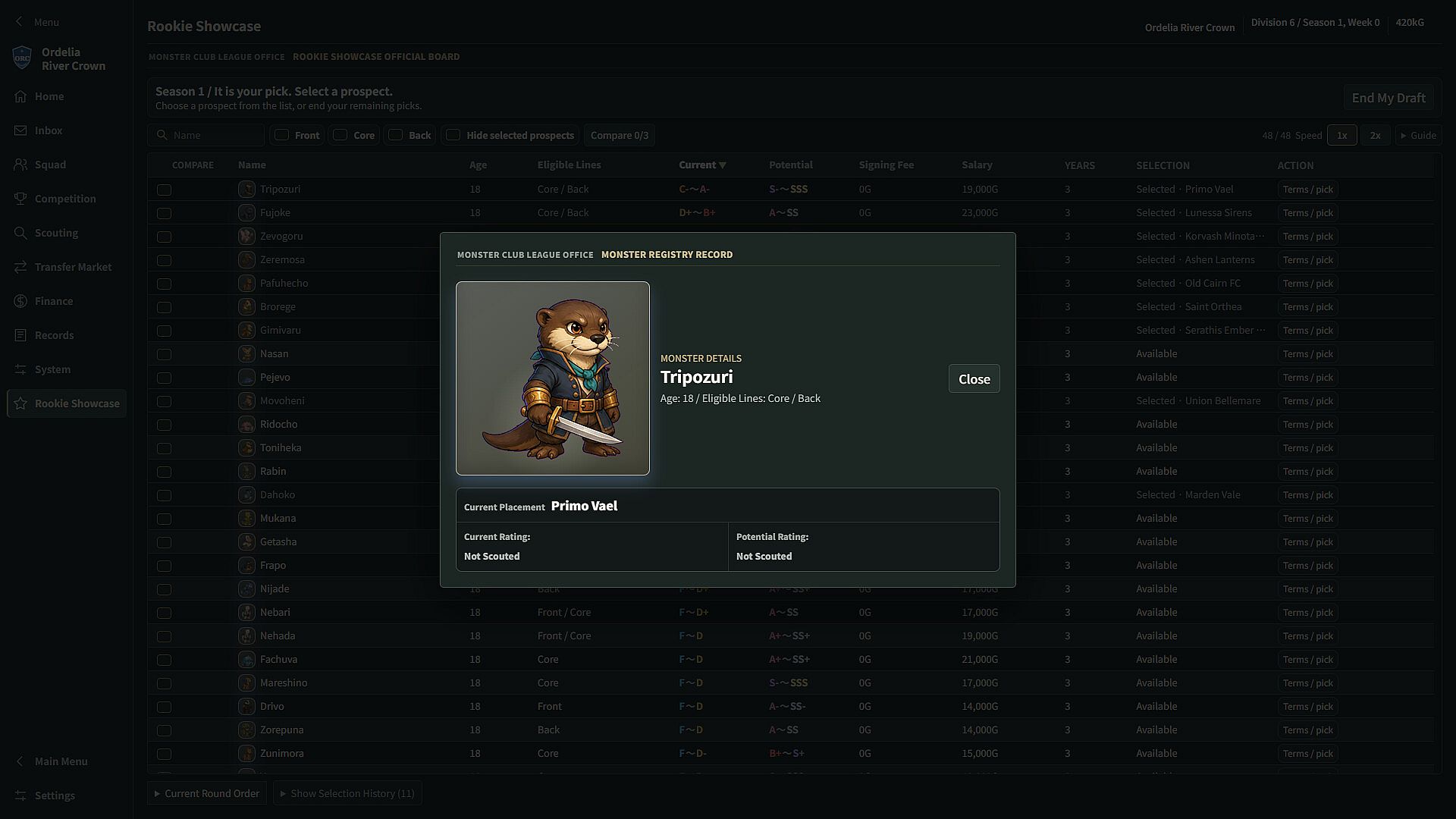
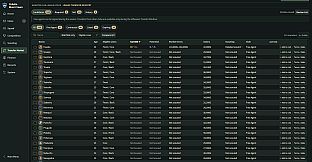
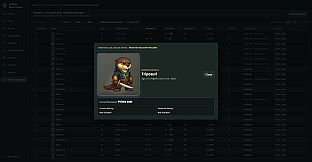
Recruitment occurs through a rookie draft where prospects are evaluated on current ability, long-term potential, positional fit, and contract details. Once signed, monsters improve via training sessions and competitive experience. Abilities naturally decline with age, requiring ongoing investment in the next generation to maintain squad strength across multiple seasons. Finances add another layer, as transfer negotiations, salary structures, and contract lengths must align with available funds and wage limits. Sales of players generate revenue that can support new signings or upgrades to training and scouting facilities.
Scouting priorities shift throughout the season to identify transfer targets that address specific positional gaps. Budget allocation decisions determine how much emphasis goes toward immediate squad reinforcement versus long-term infrastructure improvements. The result is a management cycle that balances short-term results with sustainable club growth.
Game Modes
The primary experience revolves around a multi-division league structure. A standard setup features six divisions of twelve clubs each, with a twenty-two week regular season. Automatic promotion goes to the division winner, while second through fifth place teams enter playoffs for additional promotion spots. When starting a new career, the total number of divisions can be adjusted between four and ten to suit different campaign lengths.
Beyond the regular league schedule, the game supports continued play after securing the Division 1 title. Subsequent seasons involve rebuilding around aging regulars, integrating new draftees, and competing against stronger opposition following promotion. Contract management and transfer windows remain active throughout, allowing ongoing squad evolution even at the highest level.
Key Mechanics and Progression
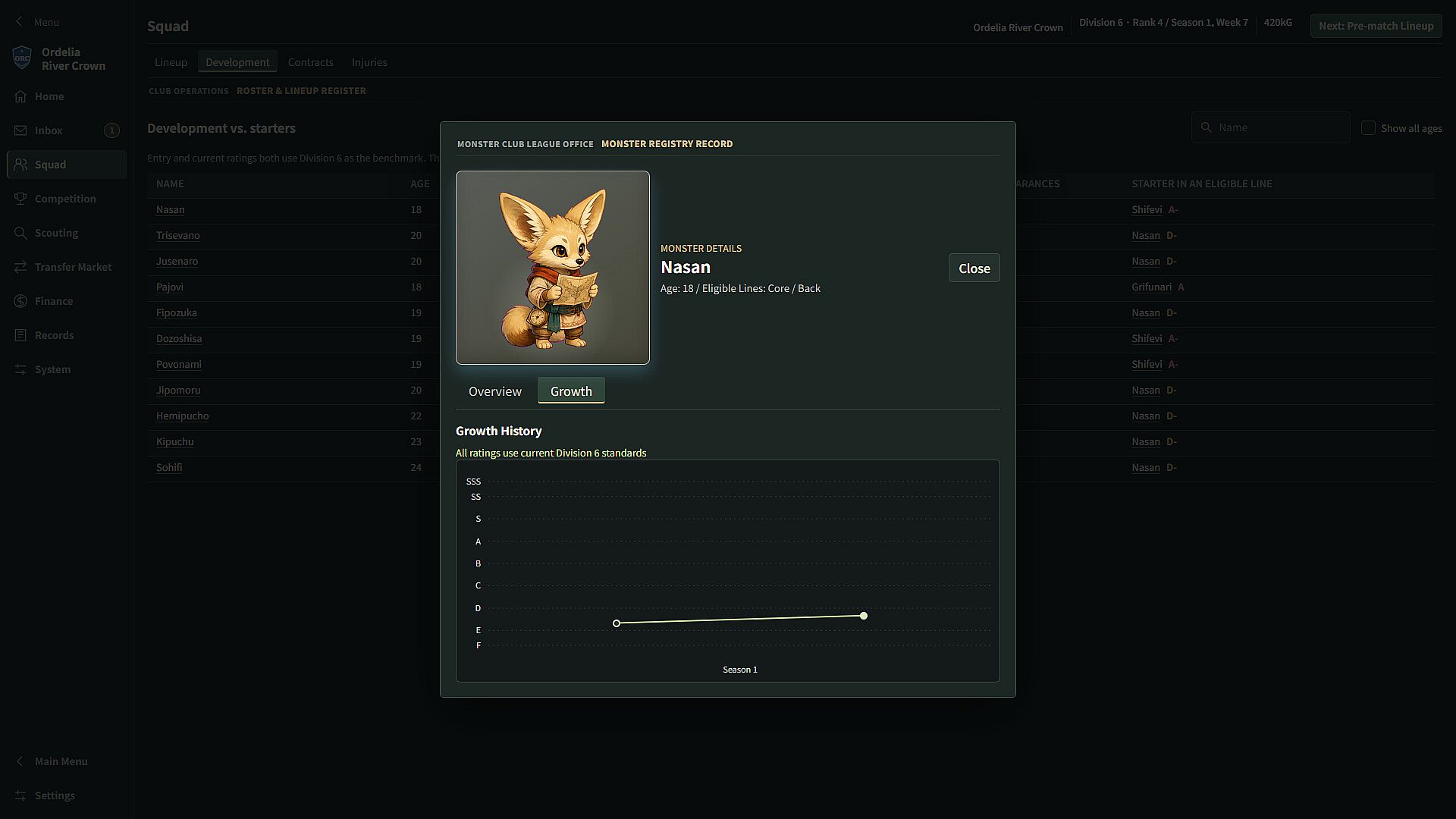
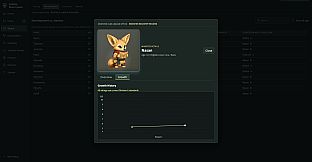
Player development ties directly to match participation and training investment. Young monsters gain experience that raises their abilities, while older ones see gradual declines that force strategic planning around replacements. Positional suitability affects both performance and development efficiency, encouraging thoughtful drafting and lineup choices over multiple years.
Financial management extends to facility upgrades that improve scouting quality and training outcomes. Transfer negotiations involve setting fees, salaries, and durations while monitoring the overall wage bill to avoid overspending. These systems create interconnected decisions where success in one area, such as a strong sale, funds progress in another, like better facilities or key signings.
Is It Worth Playing?
Monster Club League Manager appeals to players who enjoy detailed single-player management simulations with a focus on long-term squad building and league progression. The automatic match resolution keeps the pace steady while still requiring meaningful input on lineups, recruitment, and budgets. Those drawn to strategy titles that reward patience across seasons will find the promotion chase and generational planning engaging. The ability to customize the number of divisions and continue play after the top title adds replay value for extended campaigns. Availability on PC makes it accessible for dedicated sessions without additional hardware requirements.