




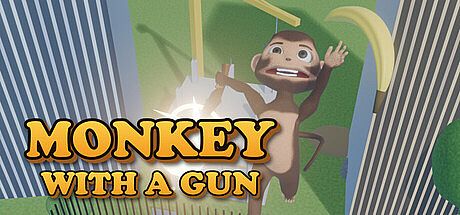


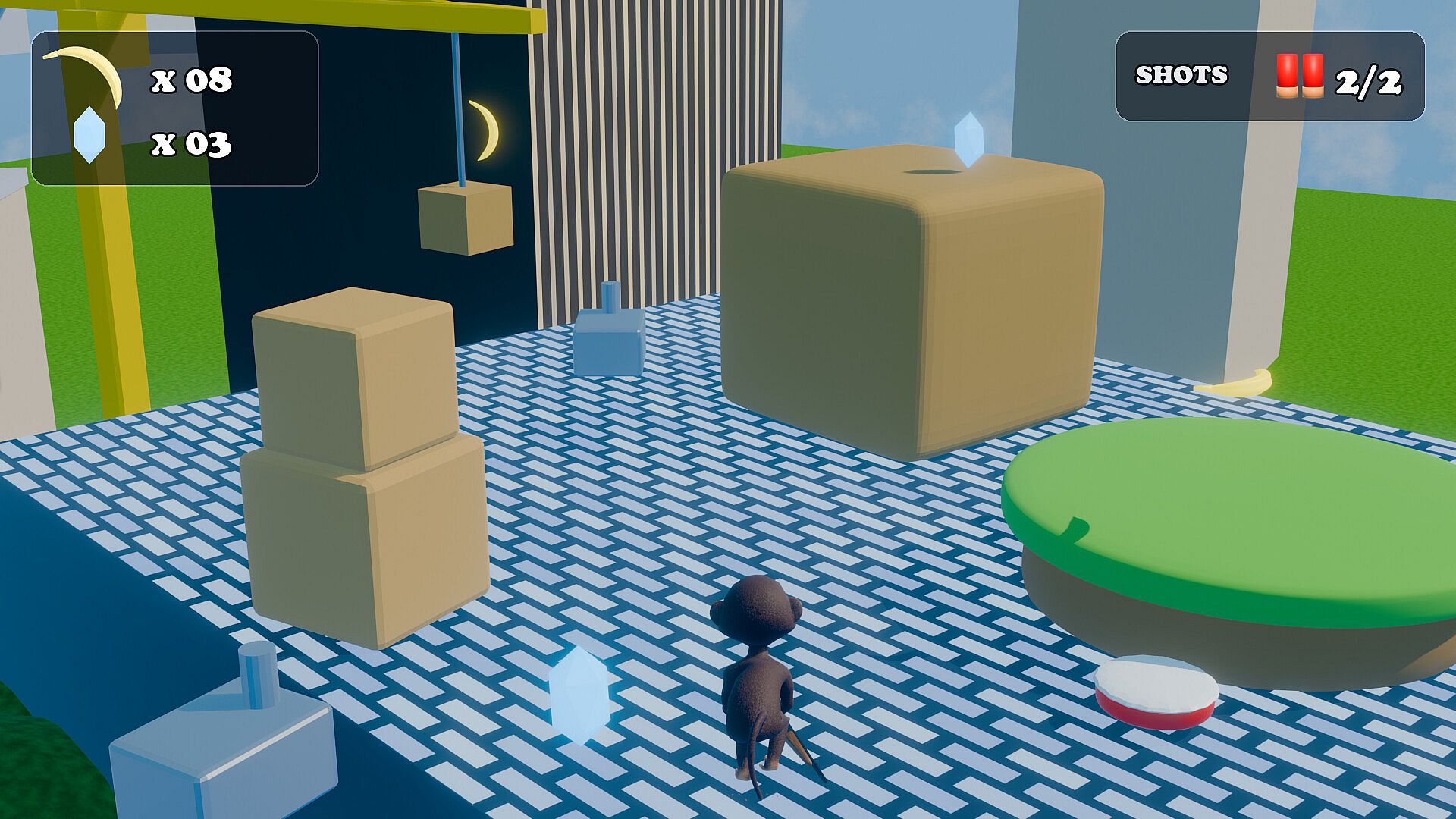
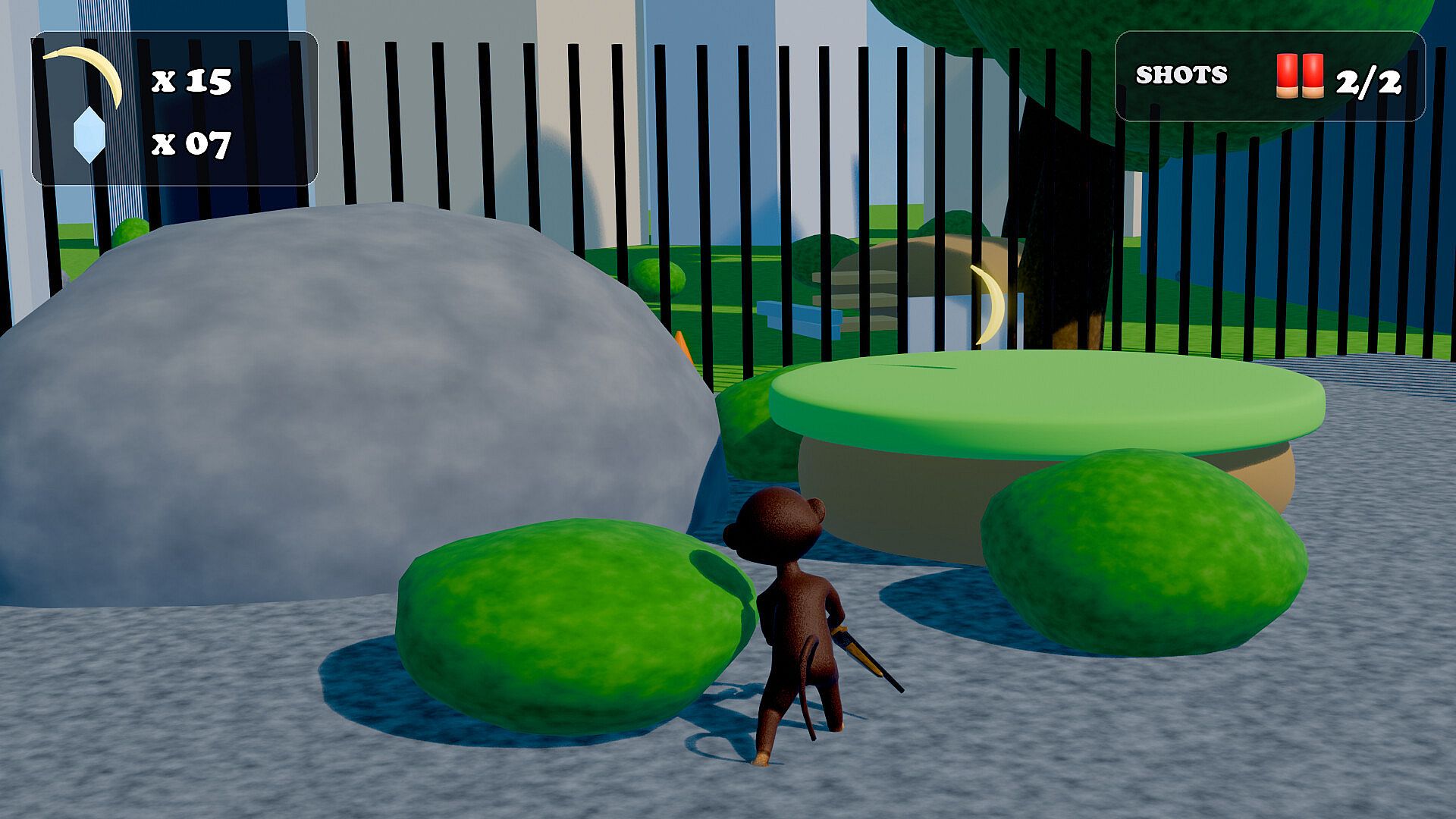
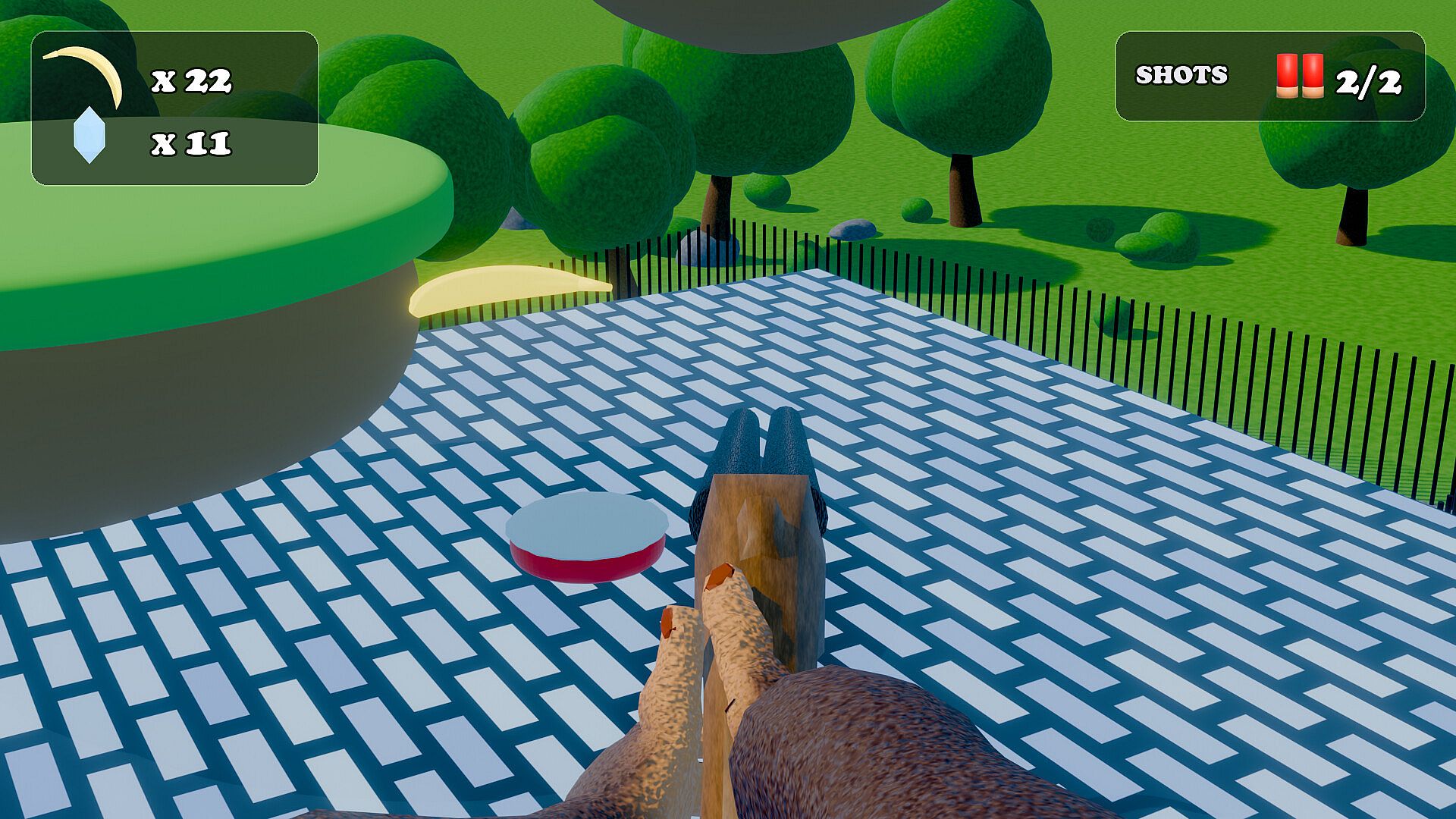
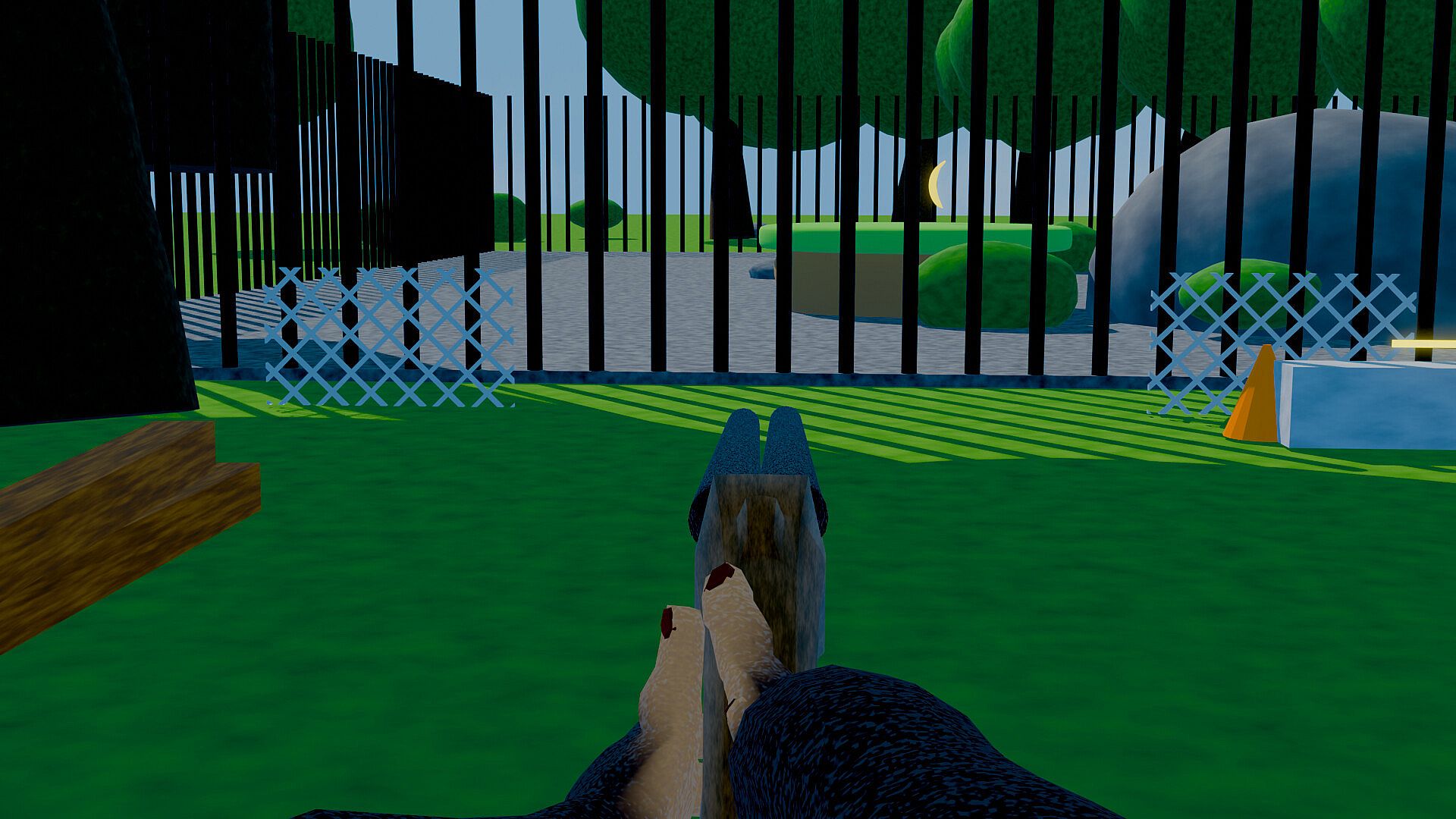
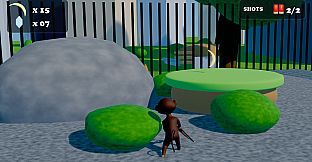
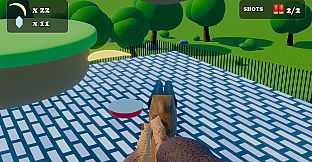
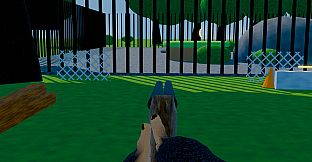
Monkey With A Gun is a single-player indie action-adventure platformer built around precise, physics-driven movement on PC. Players control a monkey armed with a gun whose sole purpose is propulsion, launching the character upward through a spiraling zoo structure toward a distant goal. The core loop revolves around repeated attempts at vertical progression where every shot determines success or immediate failure.
Gameplay
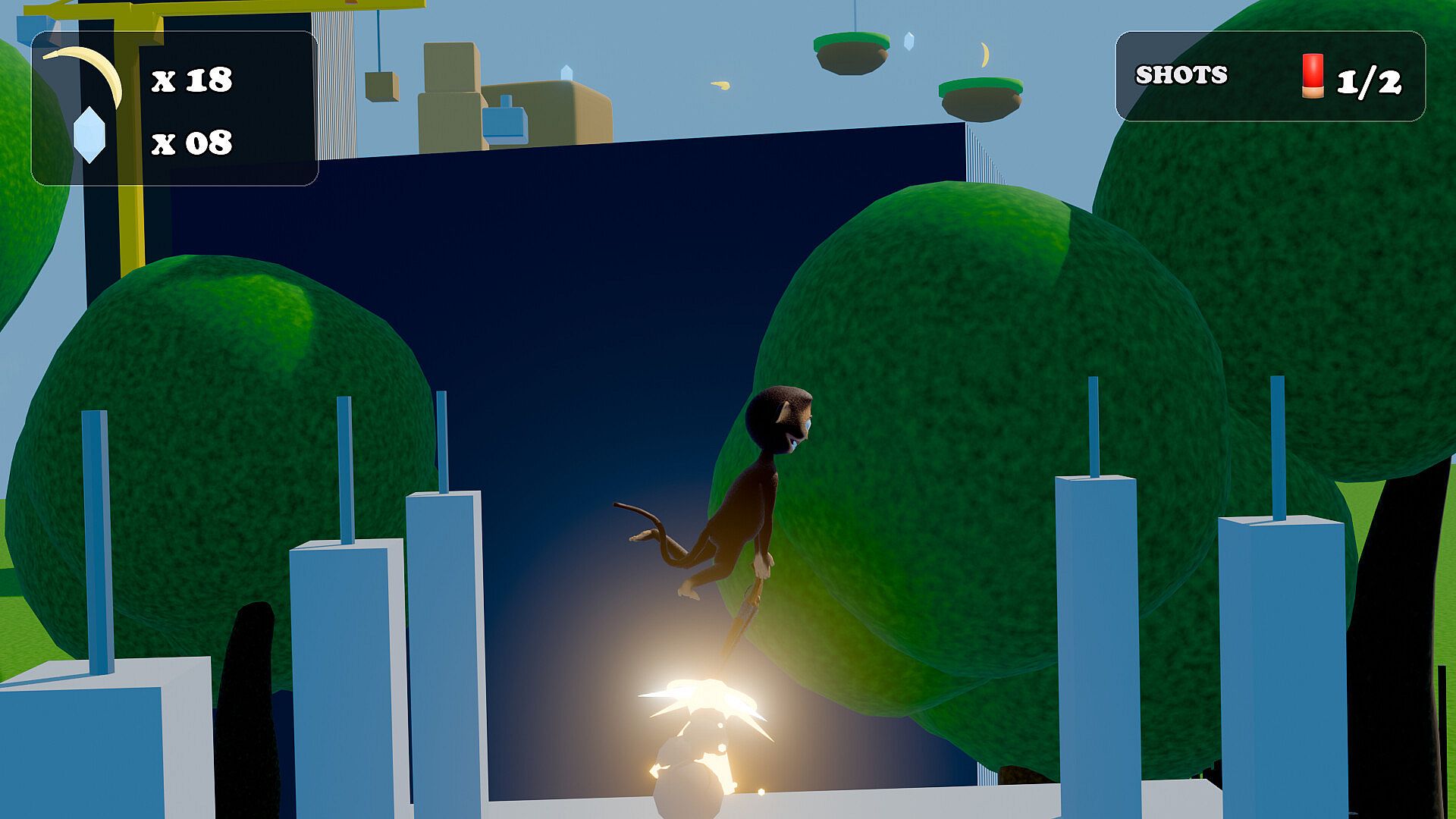
The movement system centers on rocket-style jumps executed by aiming the gun downward and firing. Each blast propels the monkey across gaps, onto ledges, and along walls in a manner reminiscent of classic arena shooters. Control remains deliberately unstable because the monkey lacks proper handling skills, resulting in recoil that causes tumbling, spinning, and constant overcorrections. Players must account for this wobble on every shot while managing momentum to chain jumps without losing height.
Falls carry heavy consequences. The environment features an open central drop with no safety floors, so a single mistimed angle sends the character plummeting past all prior progress. This design encourages careful angle selection and quick recovery attempts rather than safe, incremental climbing. Ragdoll physics amplify the chaos during mishaps, turning errors into extended, unpredictable tumbles that emphasize the humorous yet punishing nature of the physics simulation.
Easy Mode provides an alternative for those seeking reduced frustration. It removes the wobble for stable aiming, adds extra checkpoints, and allows a more relaxed ascent while retaining the core jump mechanics. The standard experience keeps full instability for players who prefer maximum challenge and emergent comedy from failed attempts.
Game Modes
The game offers a single-player climb mode focused on escaping the zoo structure. Progression occurs through a tall, spiraling level where each successful sequence of jumps advances the monkey higher. There are no separate competitive or cooperative modes, keeping the focus entirely on individual mastery of the movement system.
Within this mode, players can toggle Easy Mode at any time to adjust difficulty without restarting. The primary loop remains consistent across attempts: aim, fire, adjust for recoil, and repeat until reaching the top or falling. This structure supports repeated short sessions or extended runs depending on player preference for chaos versus stability.
Physics and Presentation
Physics simulation drives every interaction. The gun produces realistic recoil that affects both trajectory and character orientation, while the monkey's body reacts with ragdoll behavior during falls or collisions. These elements create varied outcomes even on identical jump attempts, encouraging experimentation with different firing angles and timing.
The spiraling level design wraps around a central void, making vertical distance the primary metric of progress. Visual feedback highlights momentum and instability through exaggerated animations and particle effects on each shot. The overall presentation prioritizes clarity for precise aiming while leaning into the comedic potential of uncontrolled movement.
Is It Worth Playing?
Monkey With A Gun suits players who enjoy demanding platformers that reward patience and spatial awareness. The combination of rocket-jump propulsion, inherent control instability, and severe fall penalties creates a loop that tests precision while delivering frequent moments of unexpected humor through physics mishaps. Those drawn to games emphasizing mastery through repetition will find the core challenge engaging, especially with the option to enable Easy Mode for a less punishing experience.
The game appeals most to fans of indie titles that embrace deliberate difficulty and clip-worthy failures rather than polished accessibility. Its single-player focus and straightforward progression make it accessible for short play sessions, though the lack of additional modes limits variety for those seeking multiplayer or varied objectives. As an upcoming release, its reception will depend on how well the physics and level design hold up across multiple attempts, but the described mechanics point to a title built for players comfortable with trial-and-error gameplay.