


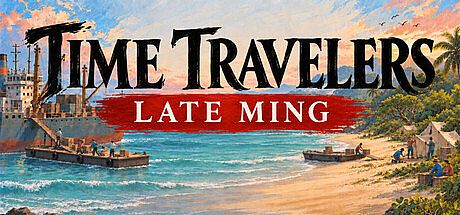


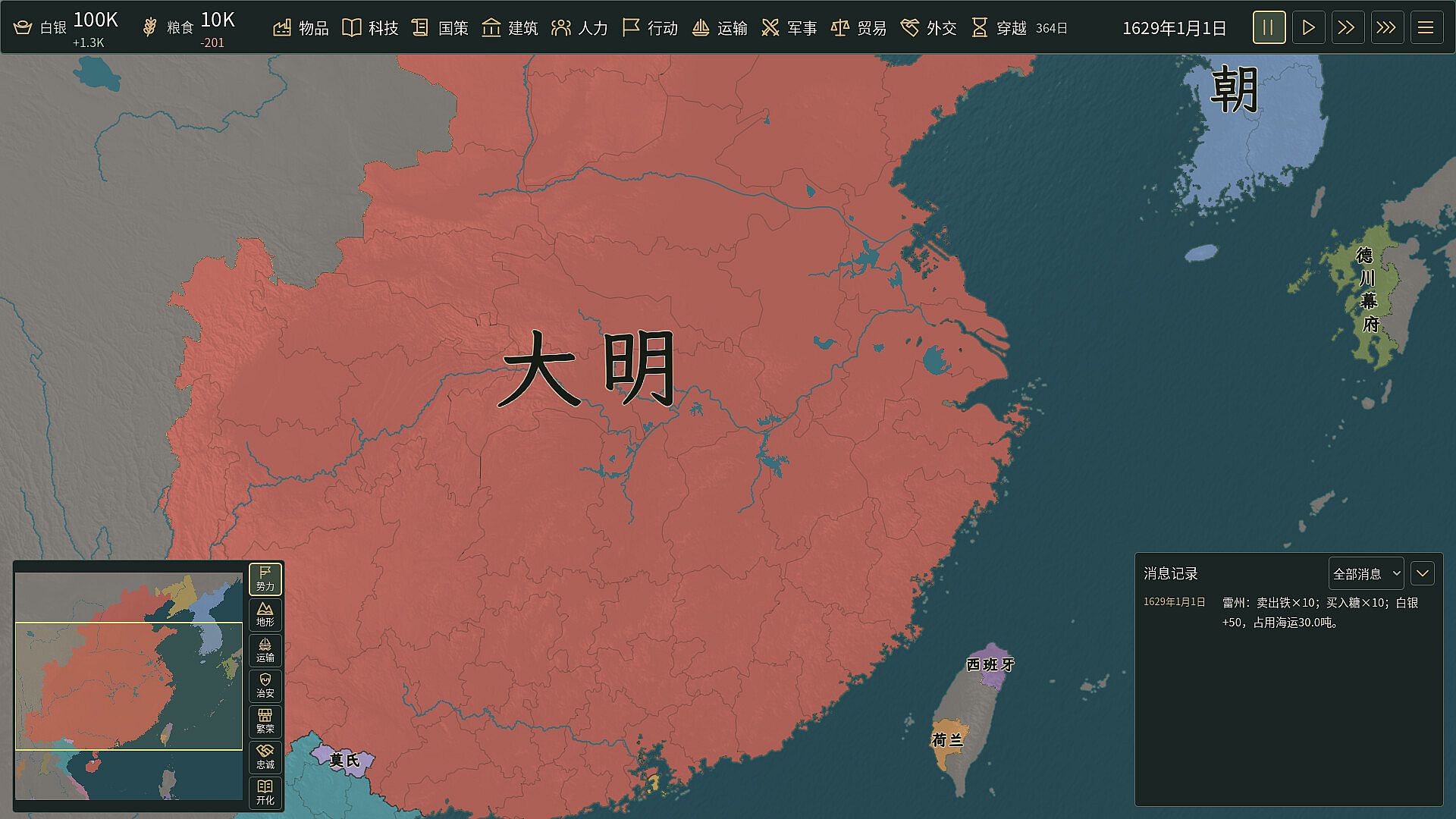
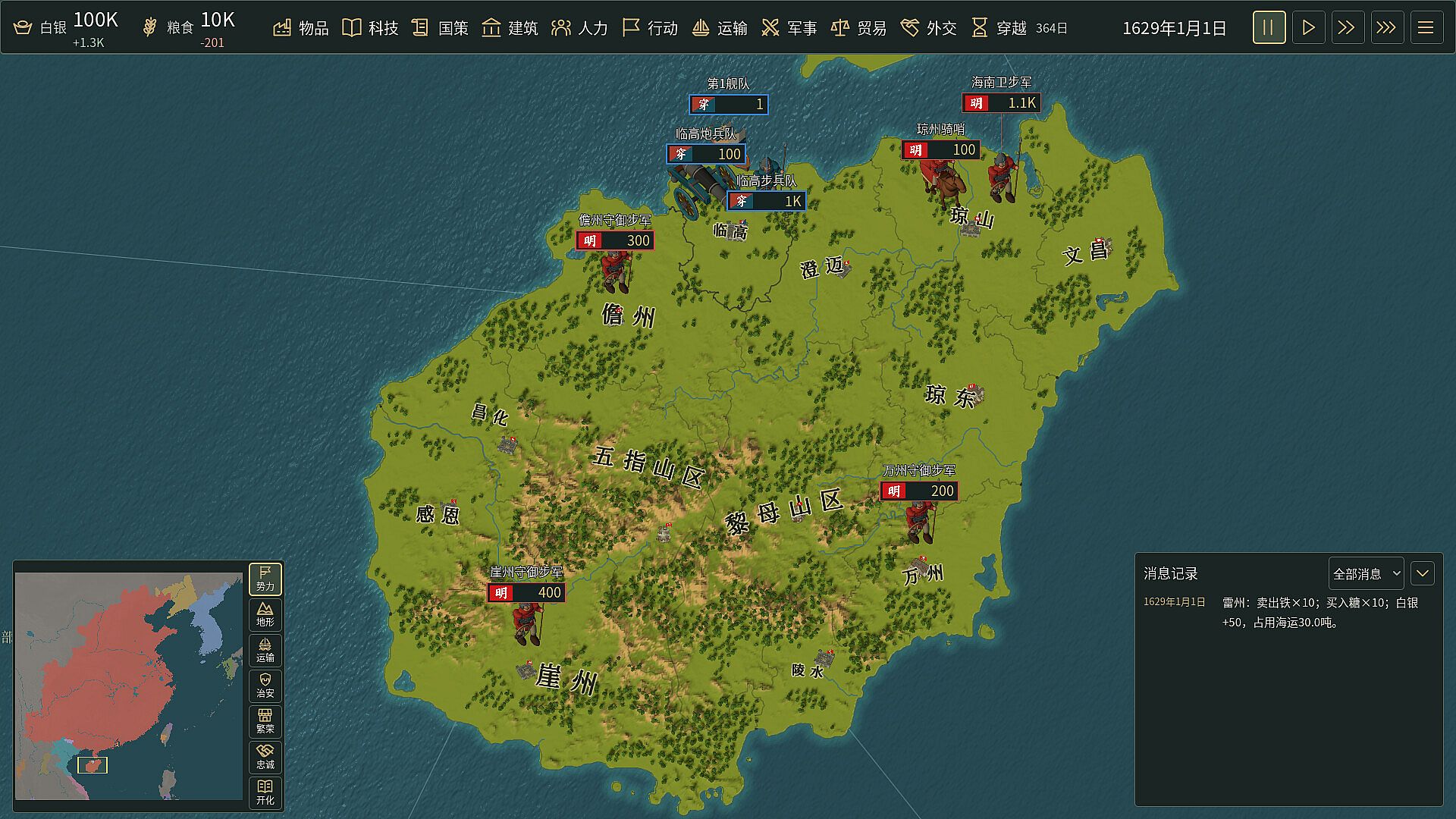
明末:群体穿越模拟器 is a single-player historical strategy simulation set during the final decades of the Ming dynasty. Players lead a community of modern time travelers who arrive in Lingao on Hainan Island in 1629, using a time-travel hub to import supplies and knowledge while building a self-sustaining settlement amid rival powers and historical upheaval.
Gameplay
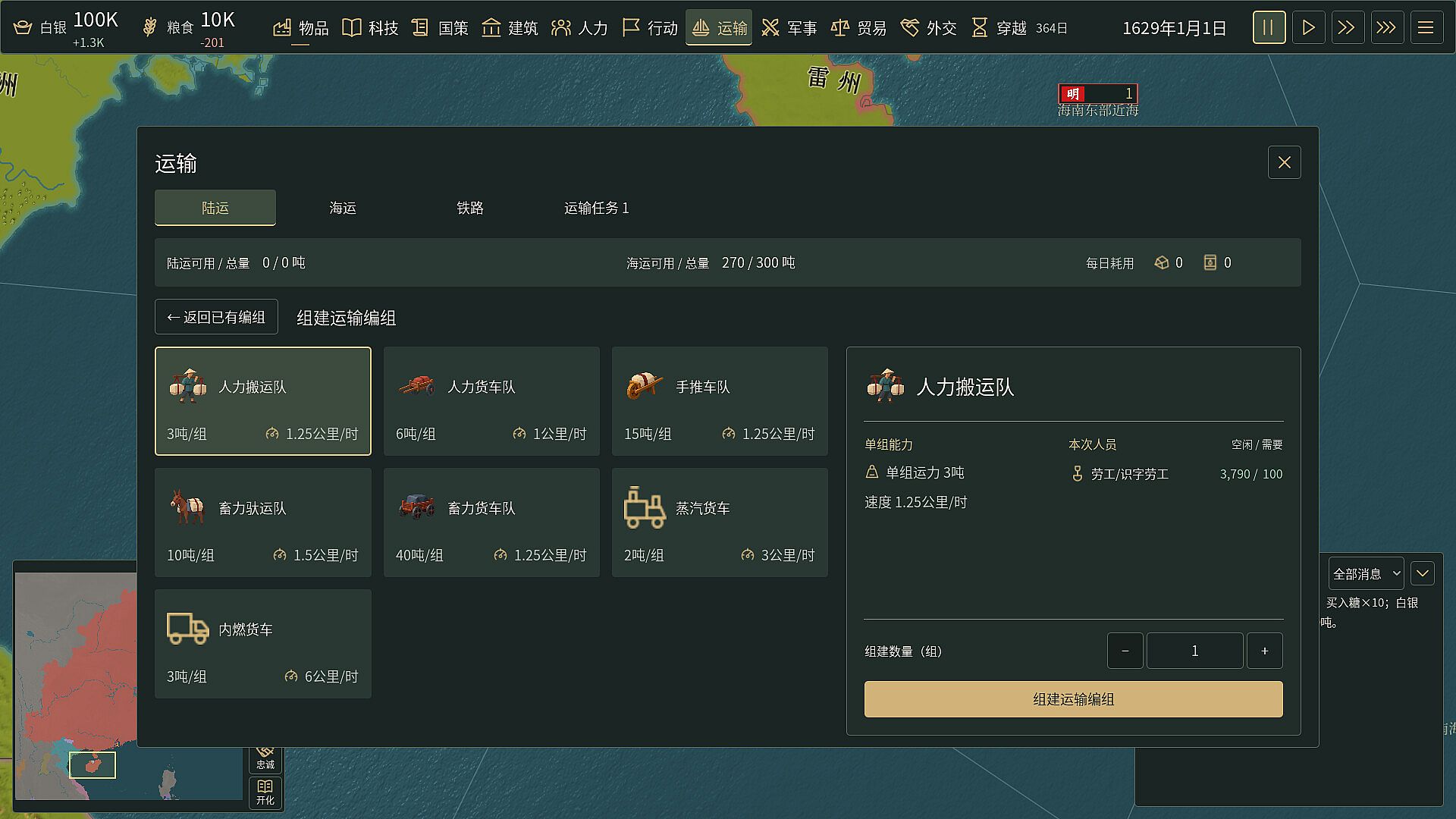
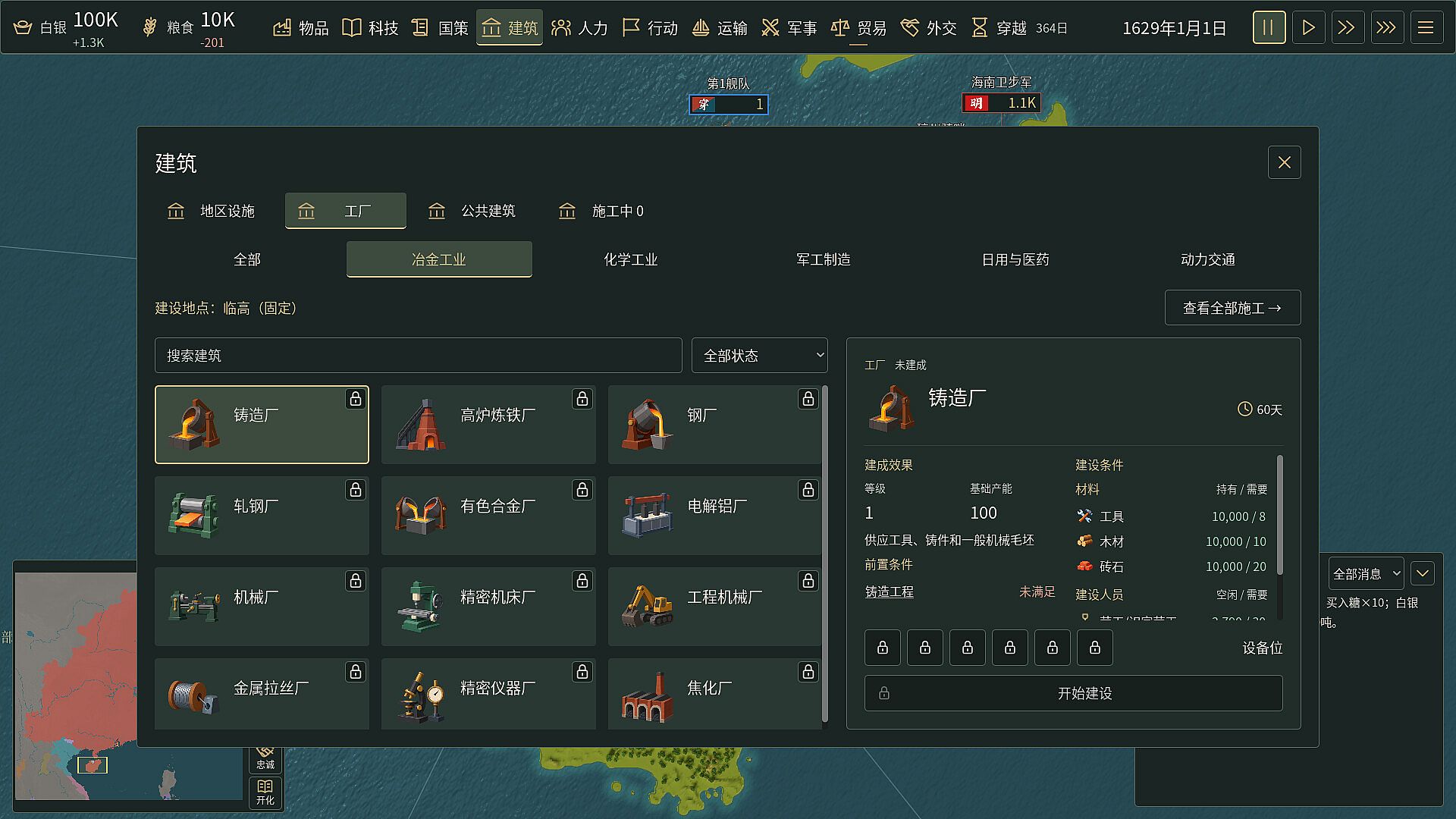
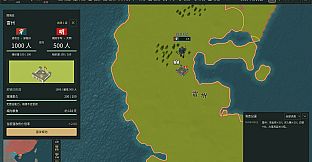
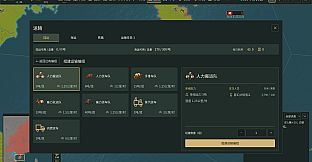
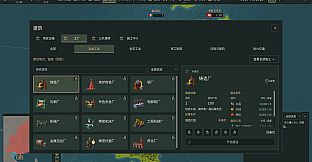
The core loop centers on managing limited resources through a time-travel hub that connects the modern era with 17th-century China. Players allocate goods, funds, and equipment across eras while weighing trade-offs that affect long-term growth. Settlement building requires assessing regional resources, constructing infrastructure, factories, and public buildings, then organizing production chains, worker allocation, and transport networks so that each component supports the others.
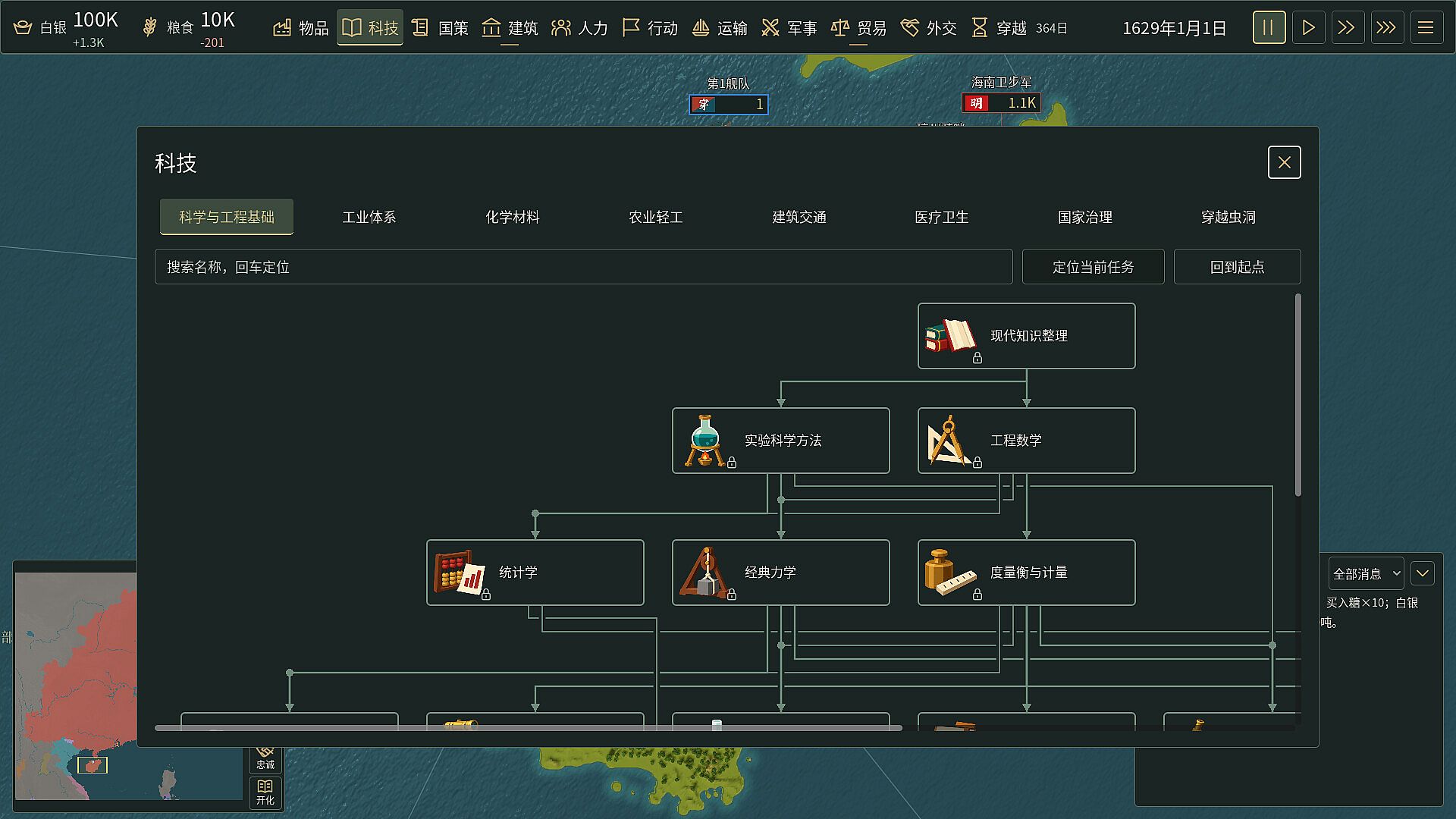
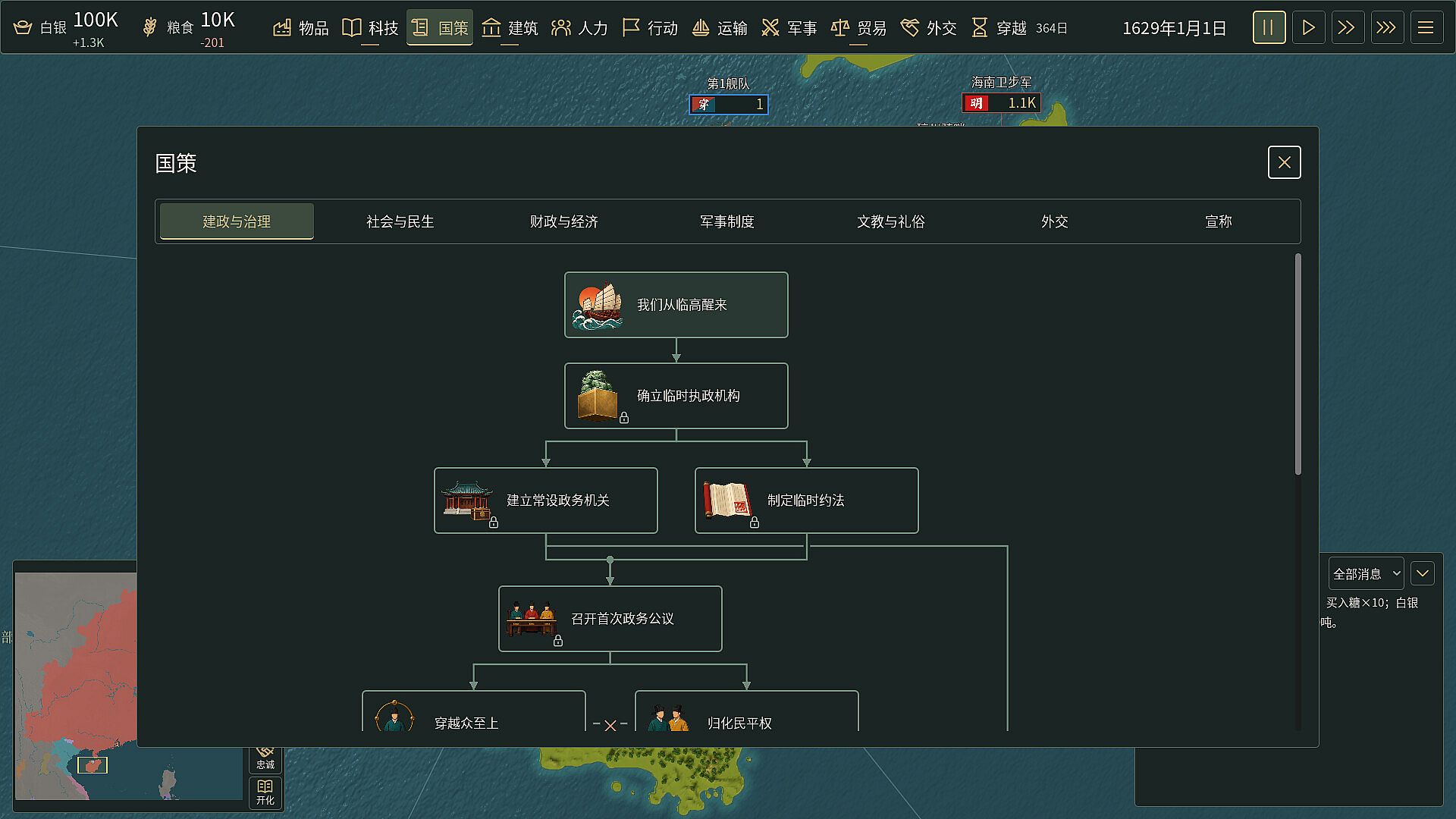
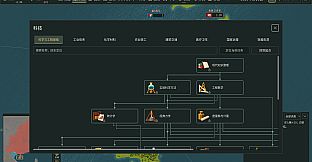
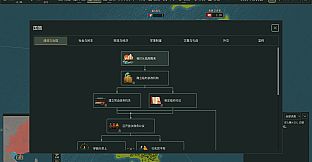
Technology advancement follows a tree that converts imported modern knowledge into locally manufacturable and maintainable systems. Research priorities compete with construction capacity, and choices influence industrial foundations alongside governance options. National policies and government forms shape political power, social structures, public finances, and foreign relations as the settlement expands.
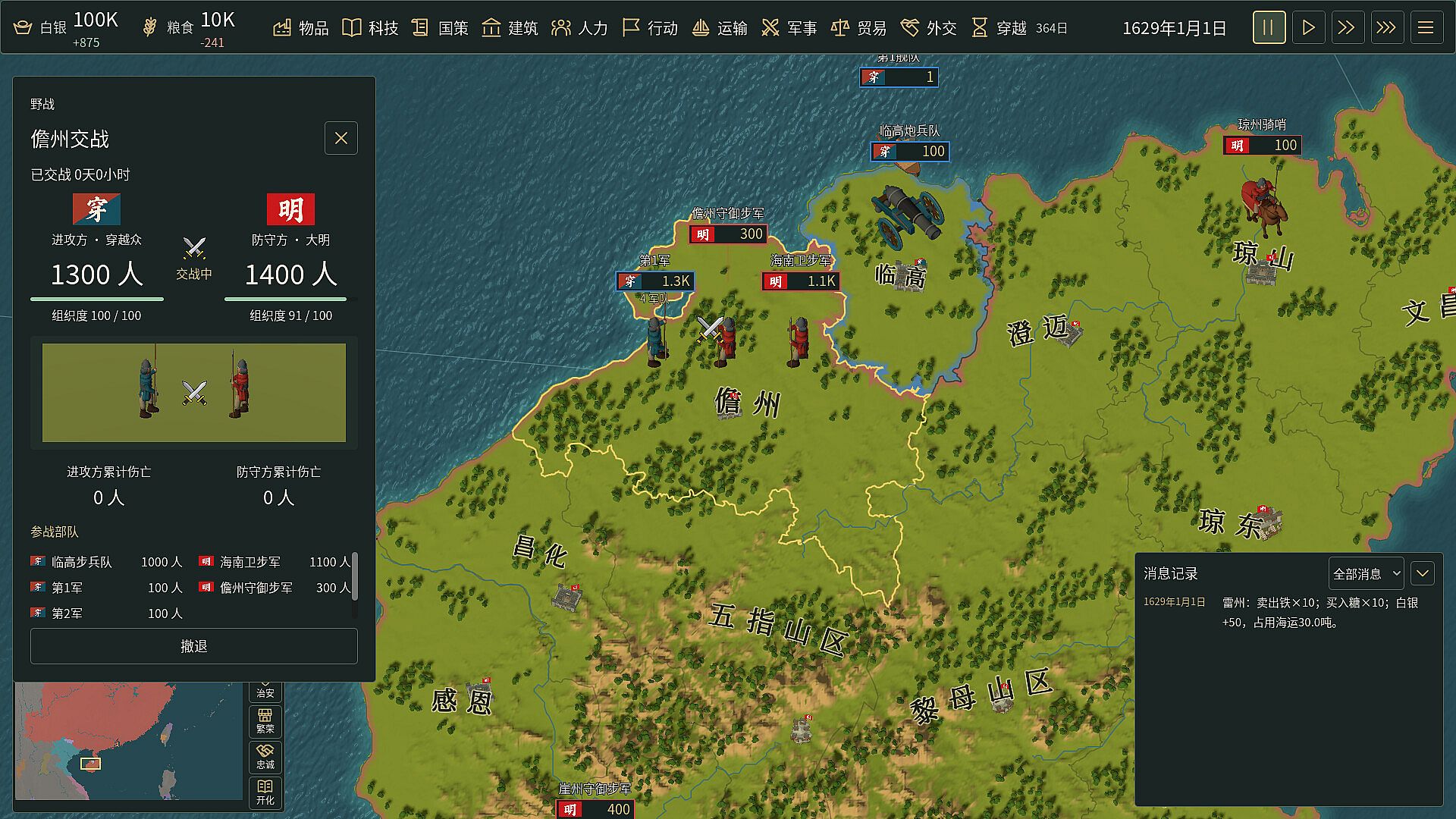
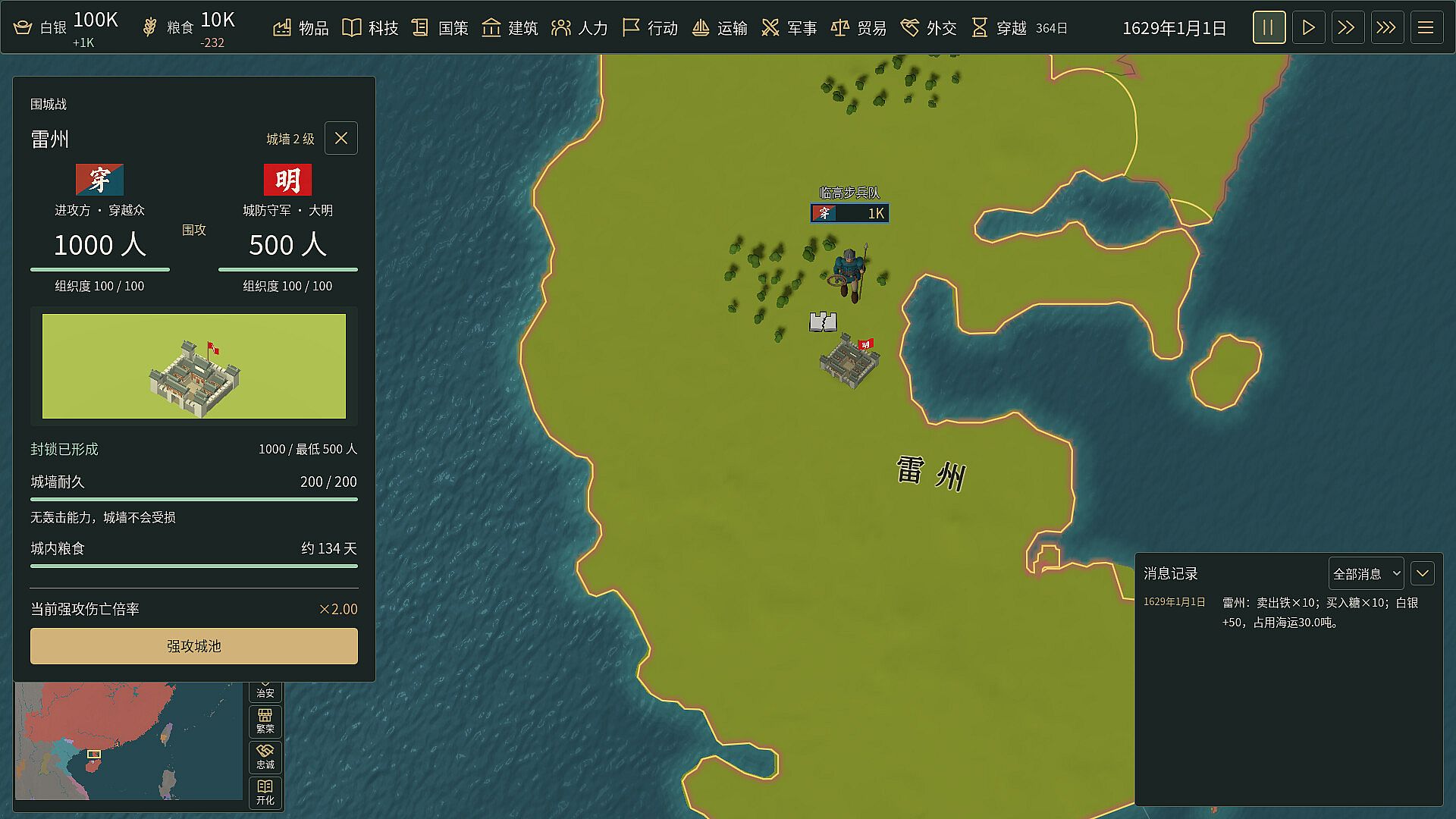
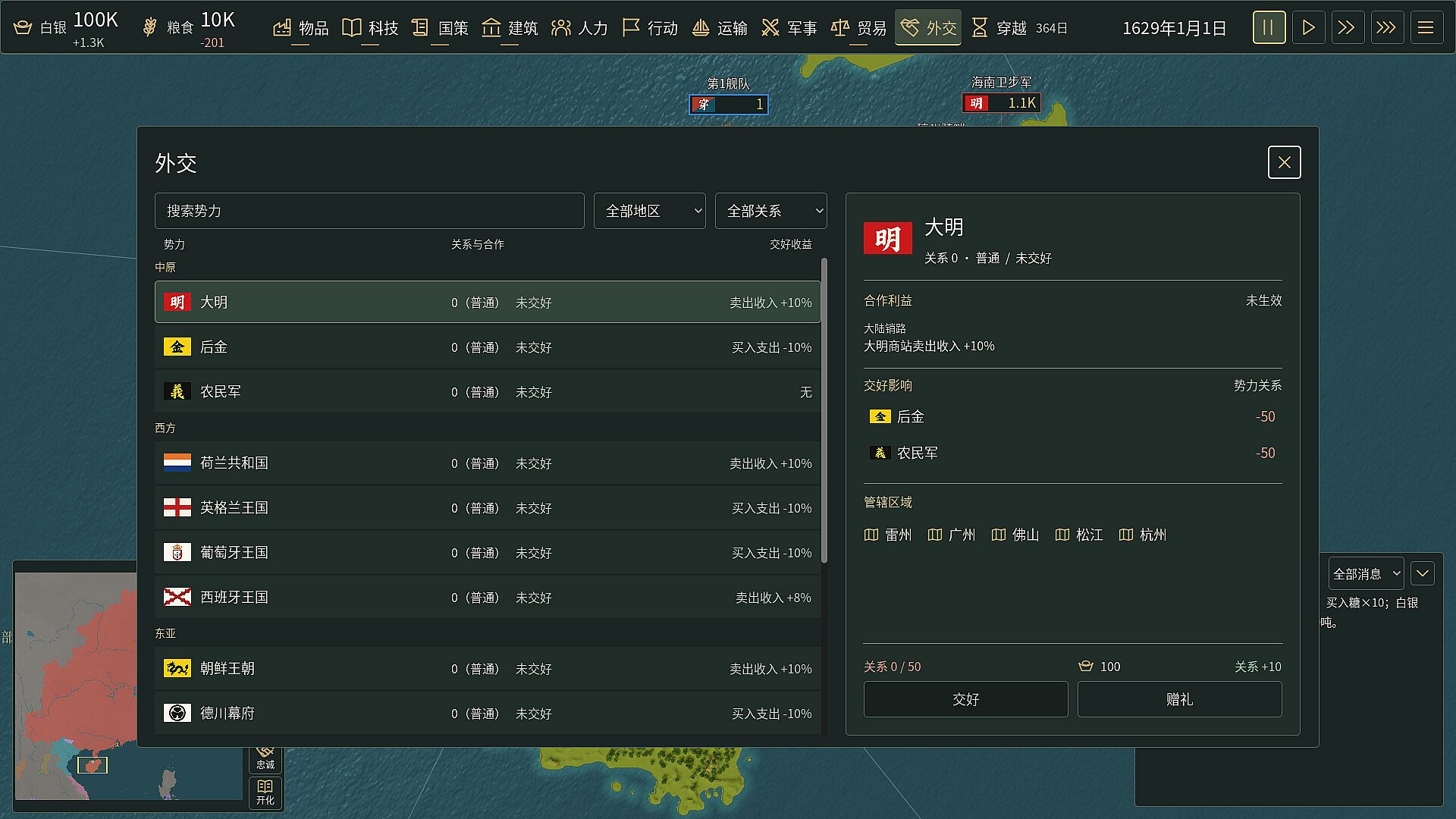
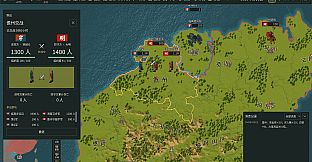
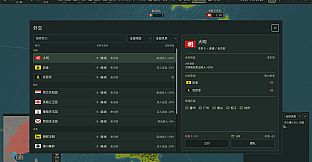
Trade networks form through maritime posts and dealings with neighboring powers, where fluctuating prices and diplomatic ties determine access to resources and markets. Military development involves raising armies and fleets for defense, protection of trade routes, or territorial expansion, always balanced against the supporting economy and society at home. Historical events and decision points advance with time, forcing players to set priorities under pressure from faltering Ming authority, the Later Jin regime, peasant rebellions, and encroaching Western influences.
Game Modes
The game operates exclusively as a single-player experience with no multiplayer components or separate modes listed. All systems integrate into one continuous campaign where players steer the settlement's development at their own pace while responding to unfolding historical circumstances across the land.
Key Mechanics and Systems
Resource management emphasizes finite supplies and the hub's limitations, pushing players to transition from imported goods to local production. Industrial systems demand integrated support networks including raw materials, energy, skilled labor, and logistics. Governance choices allow experimentation with different political structures that affect internal stability and external interactions. Diplomacy and commerce open pathways for growth or create constraints based on relationships with rival factions. Military operations require ongoing backing from the broader society, creating trade-offs between domestic progress and external ambitions.
Is It Worth Playing?
This upcoming title targets players who enjoy detailed single-player strategy simulations focused on historical what-if scenarios, economic planning, technological progression, and political decision-making. Its emphasis on interconnected systems and era-spanning trade-offs offers depth for those drawn to management gameplay set against the backdrop of late Ming China. With release still to be announced and no player reviews available yet, interest depends on preference for deliberate, systems-driven experiences rather than action or narrative-driven titles. Those who appreciate building sustainable institutions under historical pressure may find the described mechanics engaging once the game launches.