







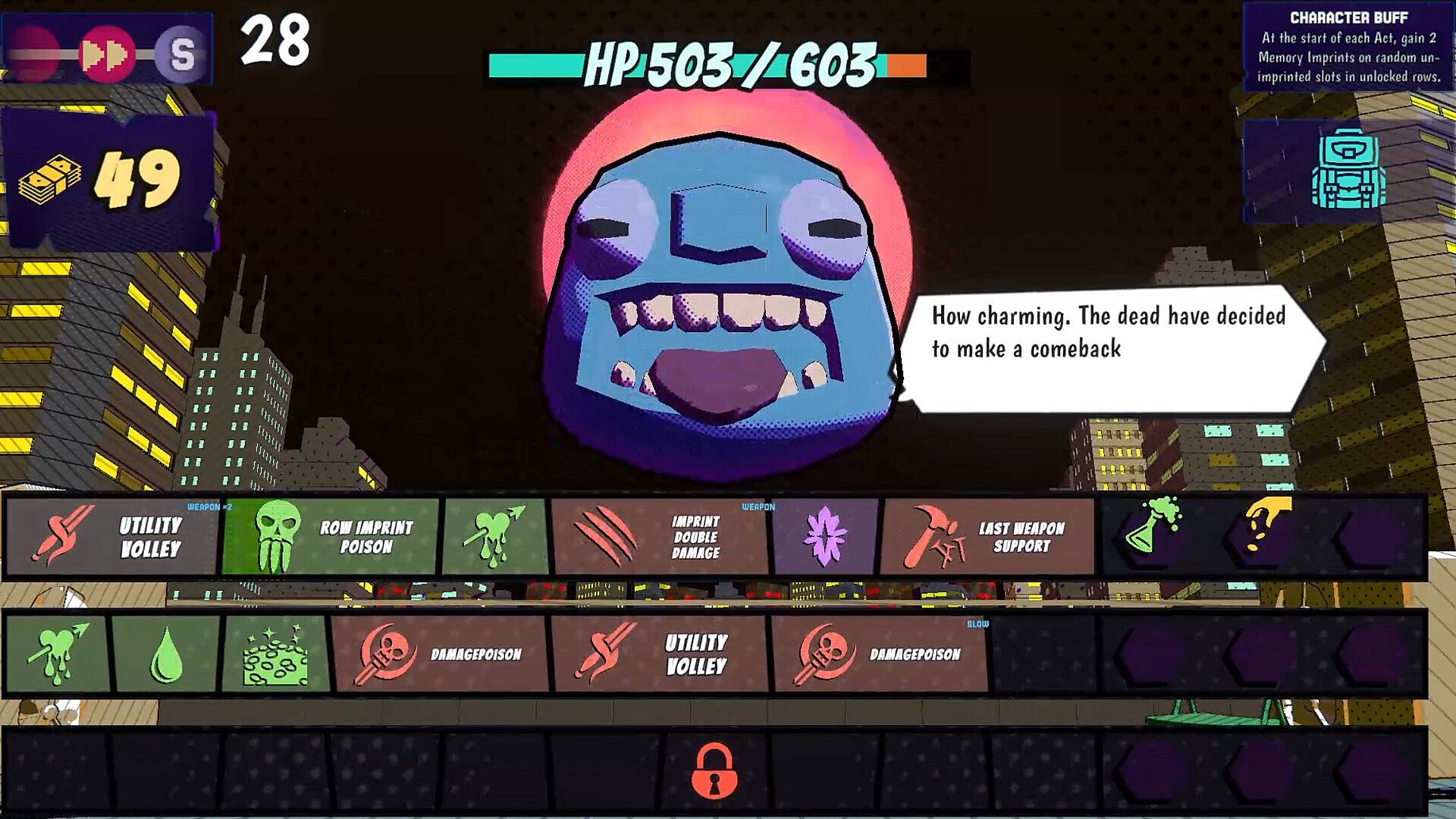
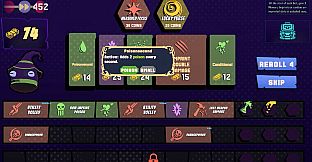

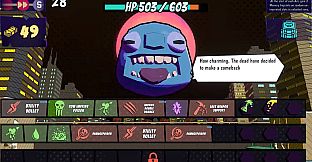
Midnight Rogues is a strategy indie game on PC that blends roguelike elements with auto-battler combat through a unique tableau-building system. Players arrange items on a board to create sequences that activate automatically during fights, turning placement and timing into the core of every encounter. The experience centers on three disgraced young superheroes who receive a second chance from the enigmatic Mr. Wizard, sending them into a city overrun by corrupted former protectors known as Degenerates.
Gameplay
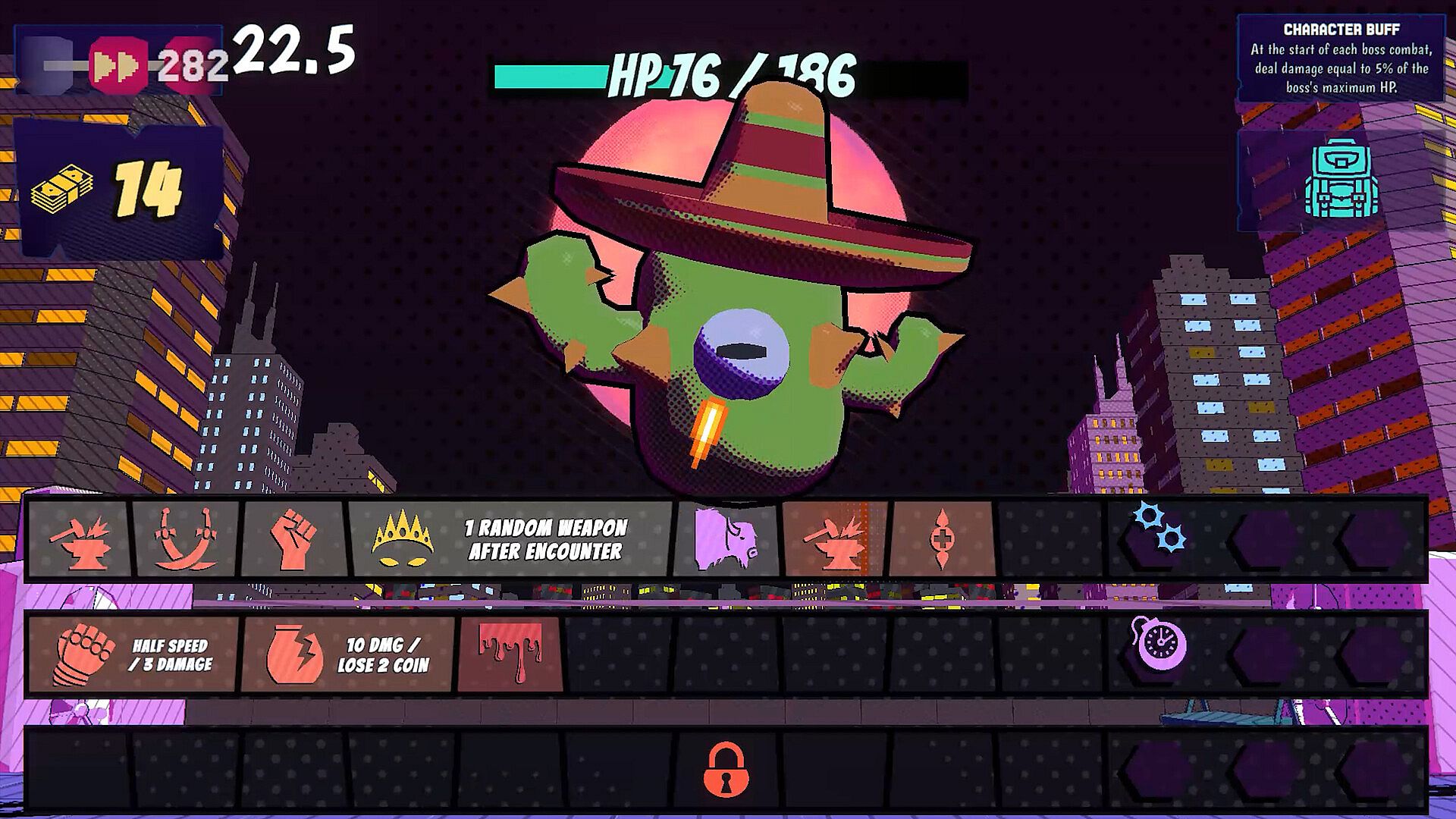
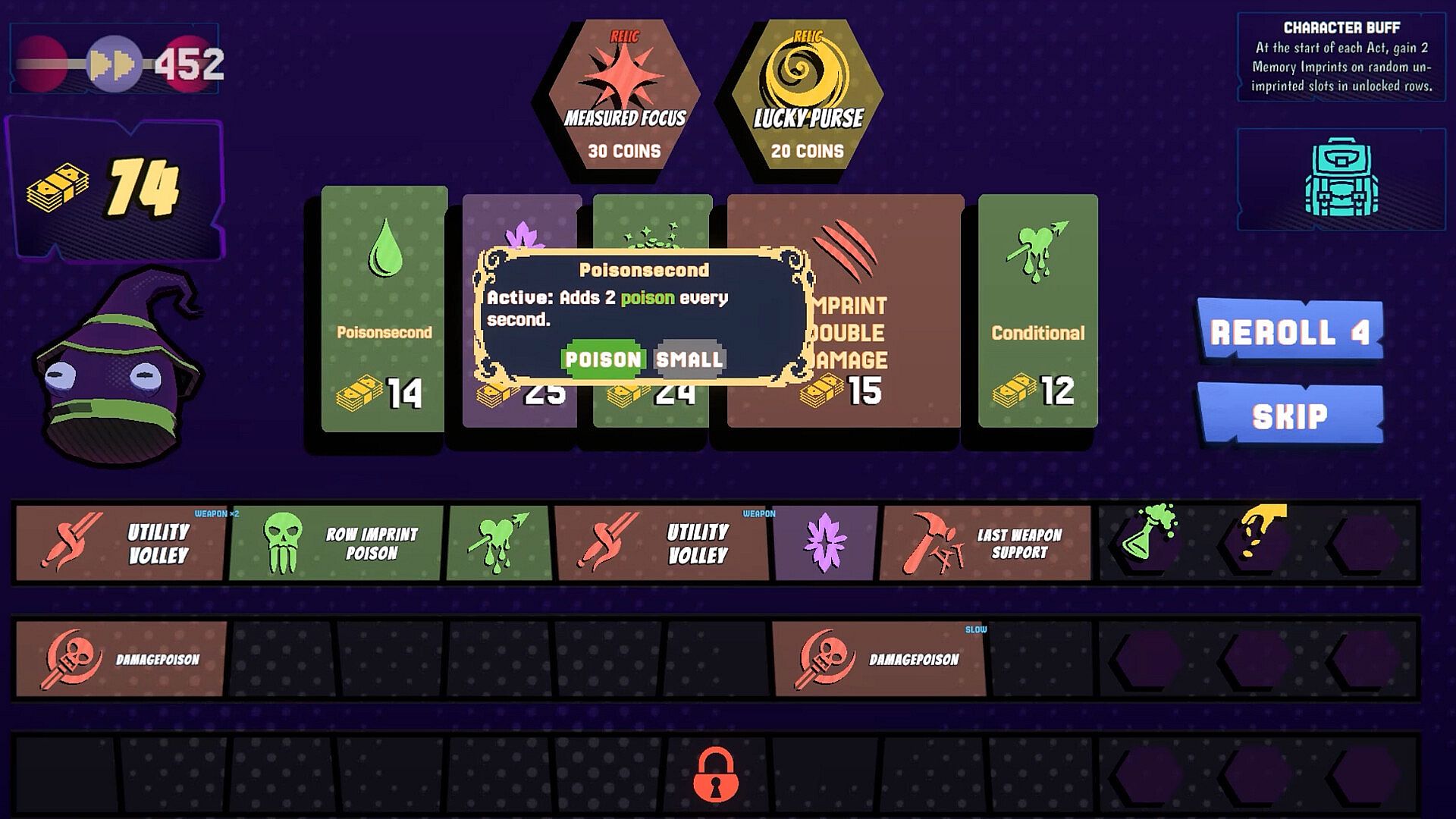
Item placement drives the entire loop. Players buy weapons and unusual items, then position them across a timed tableau where a countdown travels through the board and triggers effects in sequence. The same set of items can yield vastly different outcomes based solely on arrangement, forcing constant experimentation with order and adjacency. Effects interact based on position, activation priority, and surrounding pieces, rewarding careful planning over raw power.
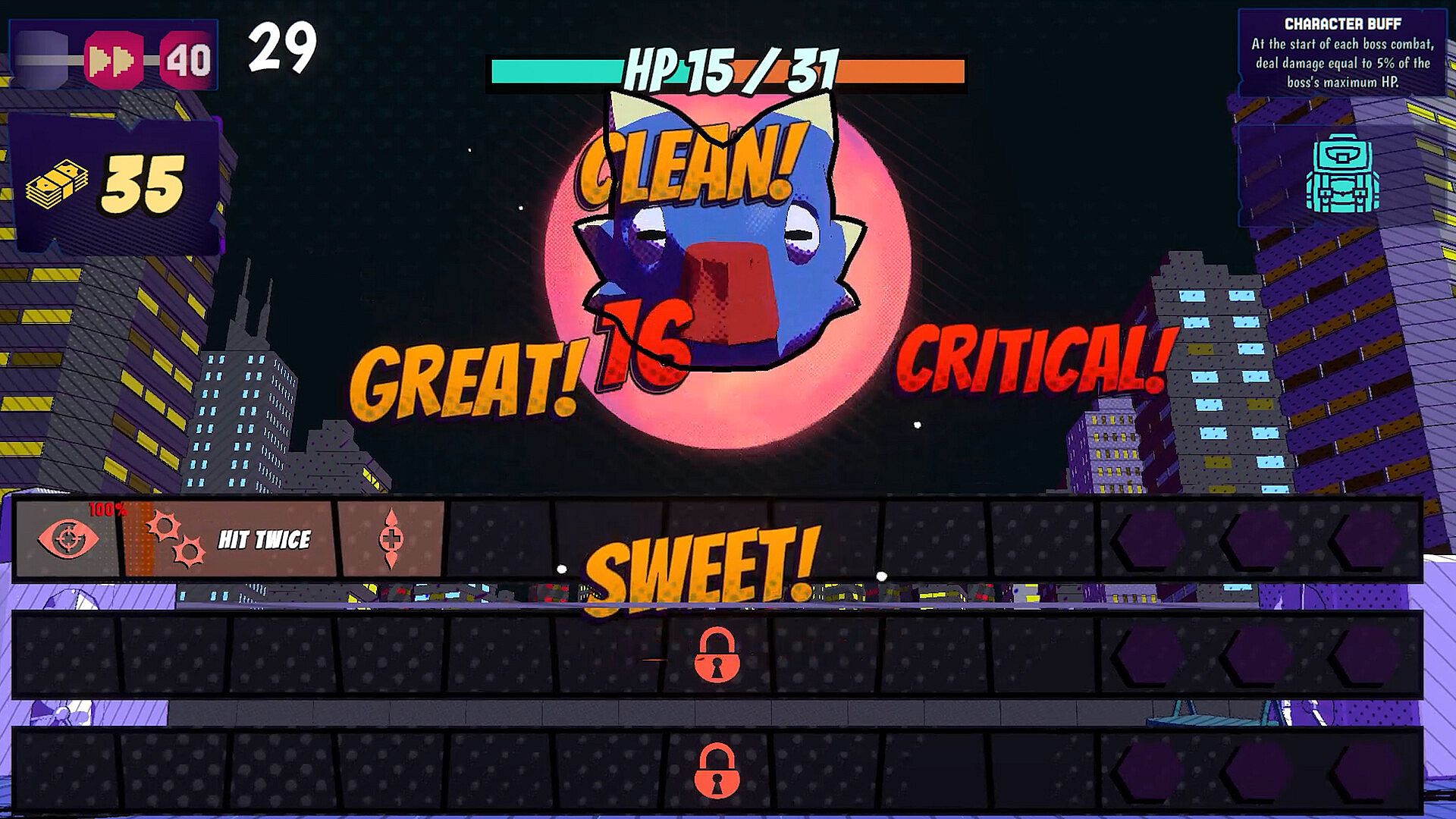
Combat unfolds once the sequence begins. The countdown activates items in its path, and players must anticipate how each piece influences the next. Simple effects combine into elaborate chains, such as slowing the timer to extend an attack window, triggering items out of sequence, stacking poison before amplification, applying bleed, or reversing the timer to run the build backward through the row. These interactions create game-breaking combos that emerge from thoughtful positioning rather than individual item strength.
Between fights, players rebuild the tableau with newly collected items. Each run introduces a fresh set of tools, encouraging adaptation to different synergies. The process repeats across encounters in The City, where every Degenerate presents distinct challenges that test the current arrangement.
Game Modes
The game operates through a single-player roguelike structure focused on repeated runs. Players select one of three characters at the start and progress through three acts, facing more than ten unique bosses along the way. Each run emphasizes short, self-contained sessions of item collection, tableau arrangement, and auto-battler resolution.
Ten difficulty modifiers provide escalating challenges that alter enemy behavior, resource availability, or combat rules. These options extend the core loop without introducing separate modes, allowing players to increase pressure on established builds or test new arrangements under stricter conditions. Relics, of which there are over forty, add persistent strategic layers that influence the entire run.
Core Mechanics and Progression
Over two hundred unique items form the foundation for build variety. Each item carries effects that only fully reveal their potential through specific placements and combinations. Experimentation reveals interactions such as out-of-order triggers or multiplied status effects, turning the tableau into an intricate machine of chained activations.
Progression occurs through item acquisition and relic collection during runs. New pieces expand the pool of available tools, while relics provide run-long modifications that shape strategy from the outset. The three characters offer distinct starting points, each altering how items interact with the tableau and countdown mechanics.
Enemy encounters emphasize adaptation. Degenerates possess individual torment mechanics that punish rigid builds, pushing players to rearrange items or pivot to different synergies mid-run. The auto-battler format means outcomes depend entirely on the pre-combat sequence, with no direct control once the countdown starts.
Is It Worth Playing?
Midnight Rogues suits players who enjoy strategic depth in a compact roguelike package. The emphasis on tableau arrangement and combo creation rewards those who like to tinker with systems and discover emergent interactions rather than relying on fast reflexes or narrative choices. Short session length makes it accessible for repeated attempts, while the three characters and large item pool support extensive replayability through different starting points and build paths.
The difficulty modifiers and boss variety extend the challenge for those seeking tougher runs. Because every outcome traces back to placement decisions, the game appeals to fans of puzzle-like strategy within an auto-battler framework. Availability on PC keeps the focus on precise board management without additional platform complications.
Overall, the title delivers a focused experience centered on building and refining sequences. Those drawn to roguelike experimentation and mechanical interplay will find consistent engagement across runs, while players preferring direct combat control or expansive stories may prefer other options. The loop of acquisition, arrangement, and resolution remains the primary draw.