






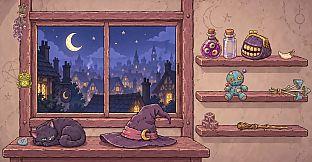
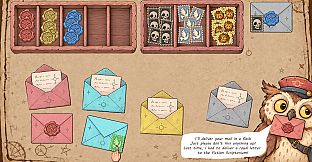
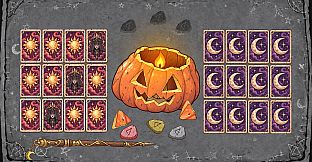
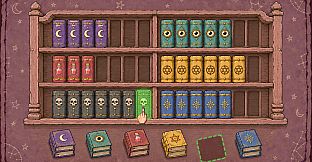

Method in the Witchness is a casual simulation game for PC that centers on the quiet task of tidying a little witch's cluttered table. Players sort curious trinkets, position magical tools, and complete observation-based puzzles at a relaxed pace. The experience unfolds through a series of self-contained scenes, each one revealing fragments of a larger story told entirely through the objects left behind.
Gameplay
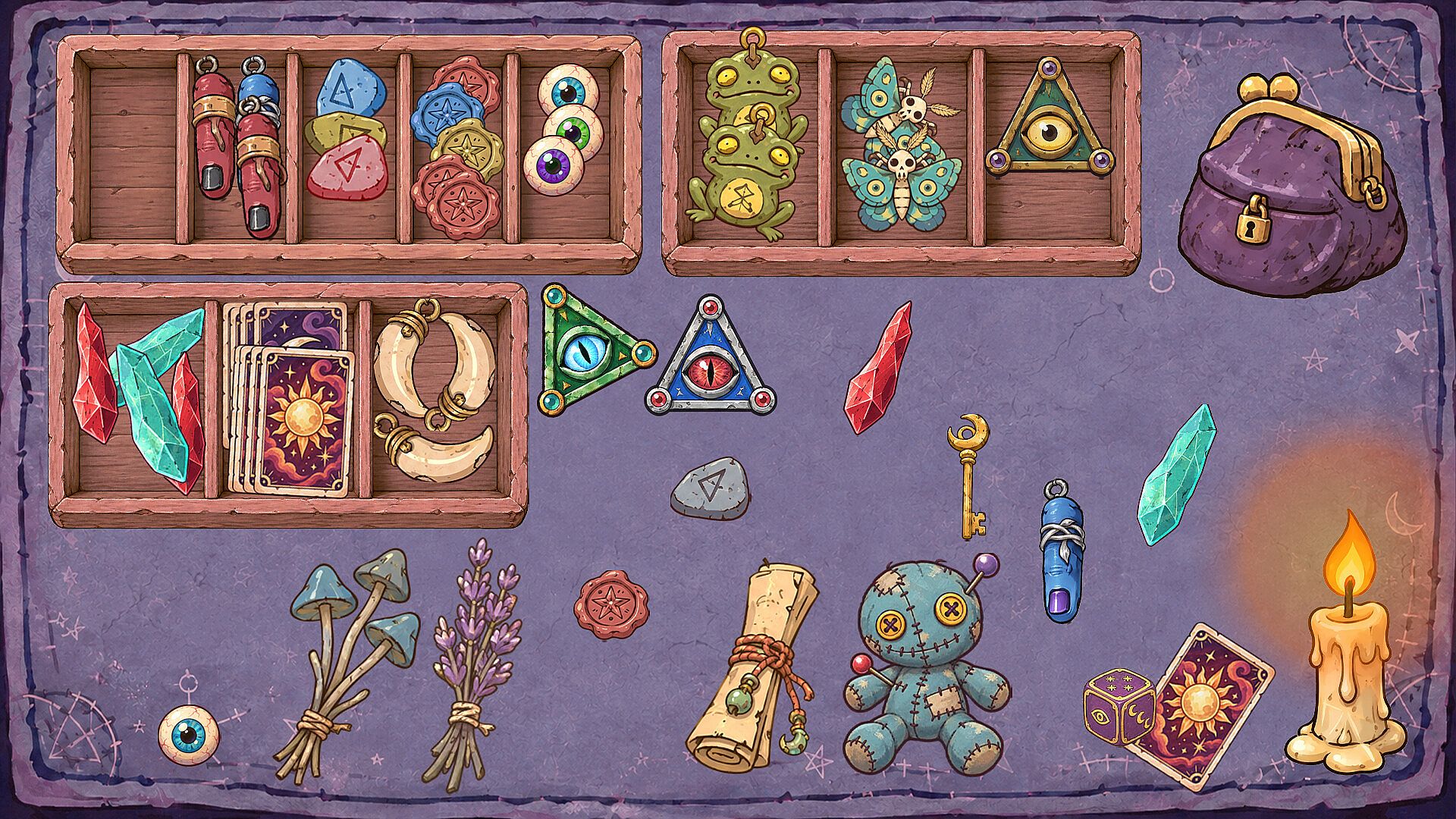
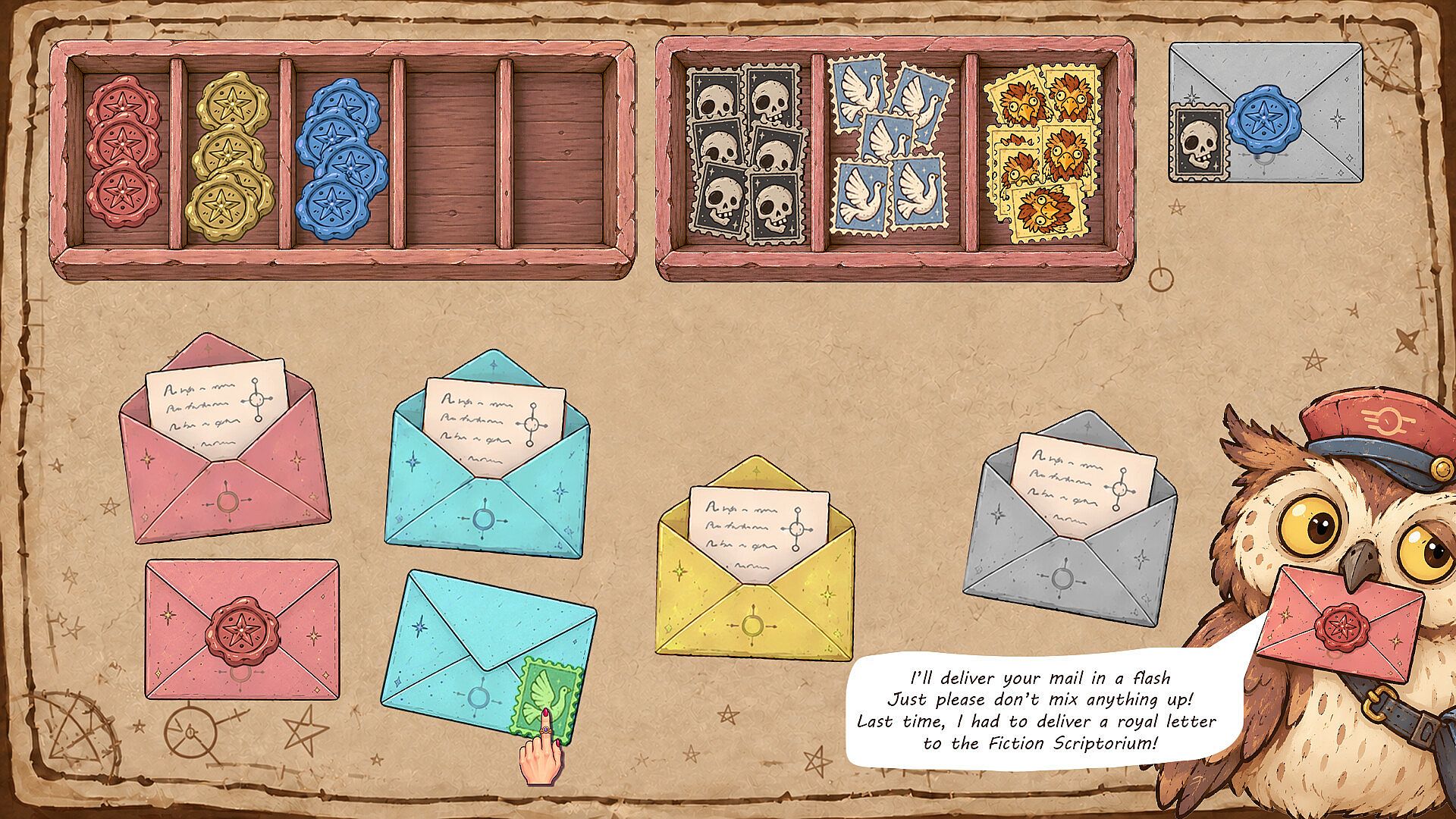
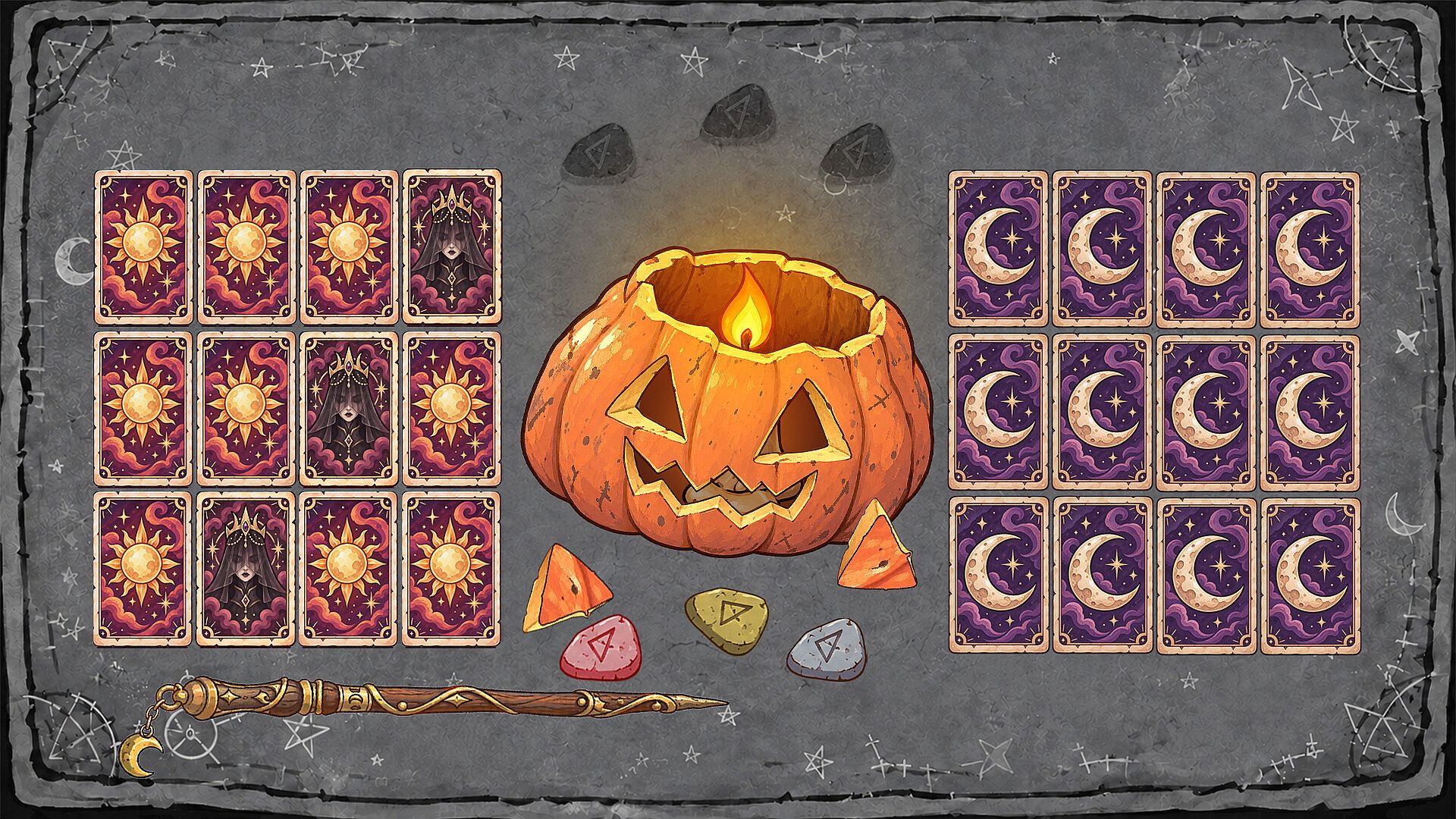
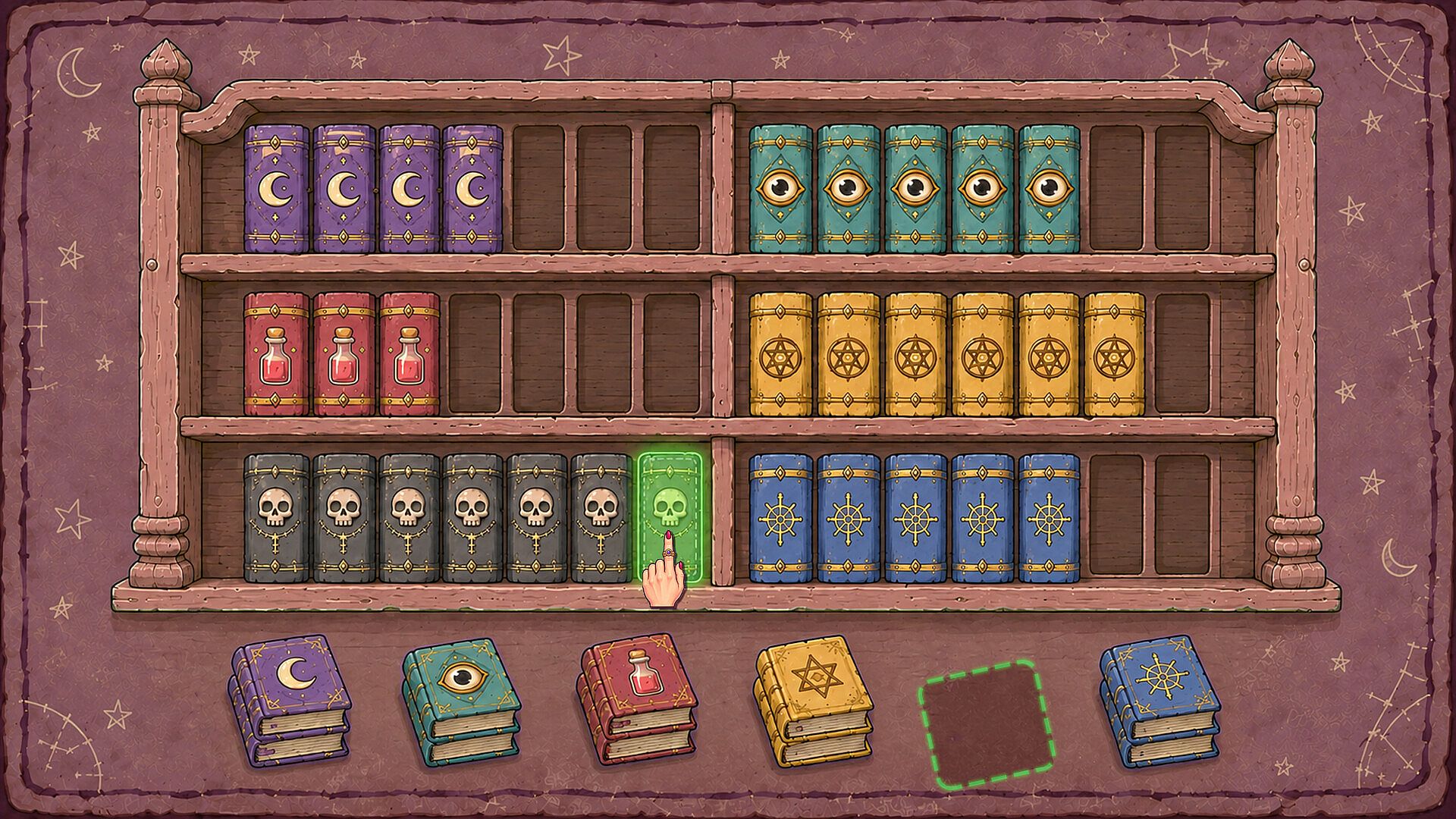
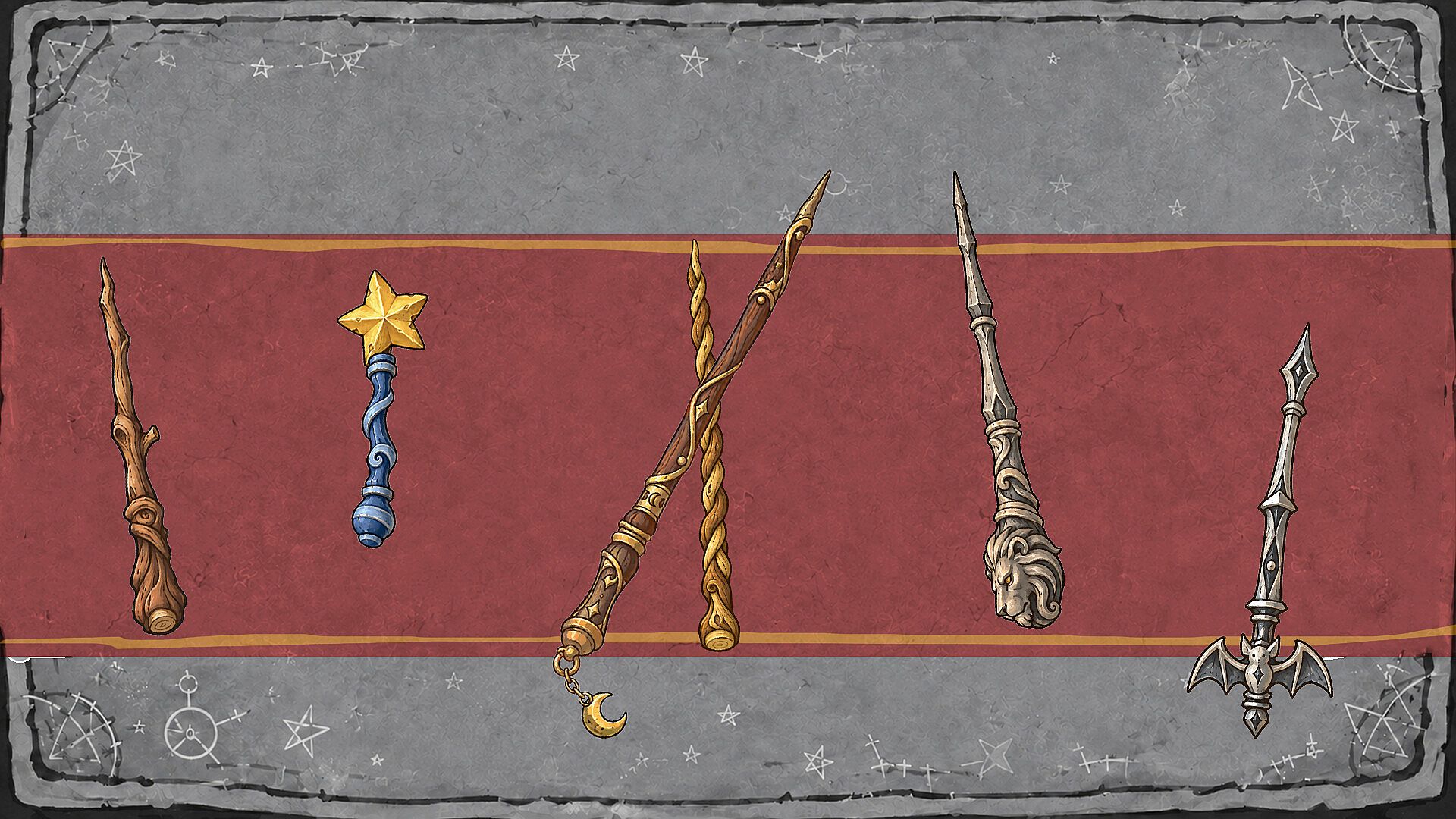
The core loop involves examining a tabletop filled with assorted items and determining the right order or placement for each one. Every object produces its own distinct sound when moved or selected, which adds a subtle layer of feedback during play. Attention to small visual details matters, because a trinket noticed in one scene can serve as a clue for puzzles that appear later. The process stays gentle and unhurried, letting players work through each arrangement without timers or pressure. Observation forms the main skill required, as hidden patterns and playful secrets sit among the everyday clutter on the table.
Game Modes
Progression takes the form of successive tabletop scenes rather than separate competitive or timed modes. Each scene functions as its own compact narrative space, where the arrangement of items gradually uncovers story elements. Players move between these scenes at their own speed, returning to earlier ones if a newly noticed detail helps solve an older puzzle. The structure emphasizes connected secrets across scenes, so completing one arrangement often informs the next. No additional rule sets or alternate formats appear beyond this steady sequence of sorting and observation challenges.
Story and Secrets
A gentle narrative emerges piece by piece as objects find their places. The witch's story does not rely on dialogue or cutscenes but on the relationships between the items themselves. One scene might introduce a particular trinket whose significance only becomes clear several puzzles later. Easter eggs and small visual surprises reward close inspection, encouraging players to linger over each table rather than rush through it. These linking details create a sense of continuity without requiring any external notes or guides.
Atmosphere and Presentation
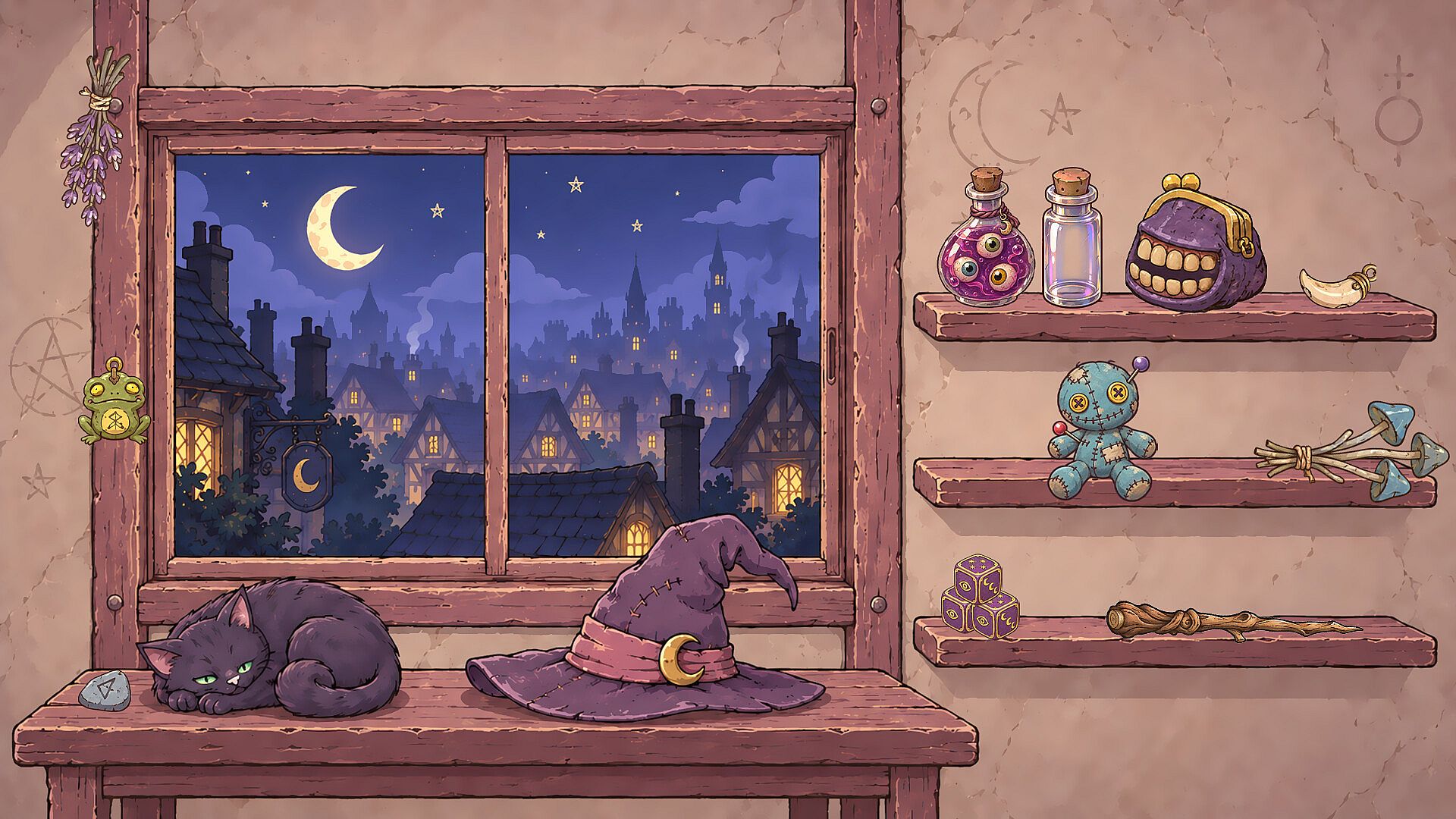
Sound design plays a central role, with every object carrying its own audio cue that contributes to the feeling of the table coming alive under careful hands. The visual style keeps focus on the tabletop itself, presenting each scene as a contained, intimate space. The overall tone stays calm and cozy, matching the simulation genre's emphasis on methodical, low-stress activity. Players who enjoy noticing small changes and building order from apparent chaos will find the presentation supportive of that style of play.
Is It Worth Playing?
Method in the Witchness suits players who prefer singleplayer experiences built around calm sorting and careful observation. The connected secrets across scenes give the puzzles a sense of progression that feels earned through attention rather than speed. Those who enjoy uncovering a story through environmental details rather than direct exposition will likely appreciate the approach. The game offers a consistent, low-pressure loop that rewards repeated looks at the same tables. If that matches the type of gameplay sought, the title provides a focused and self-contained experience on PC.