




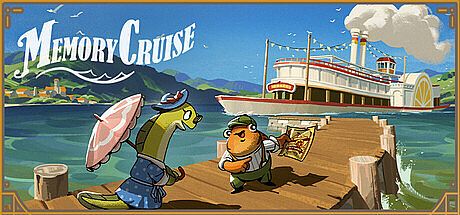


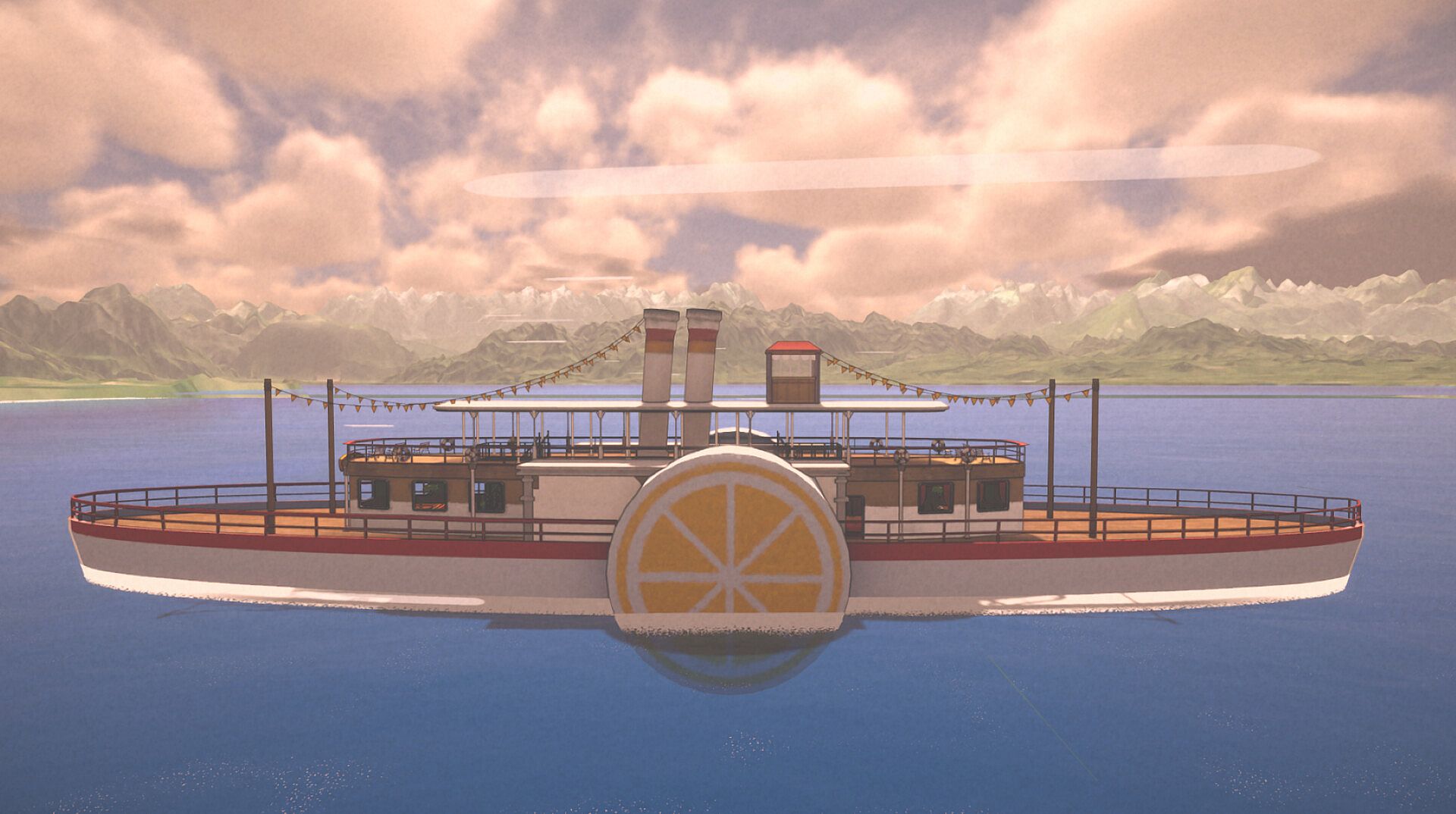
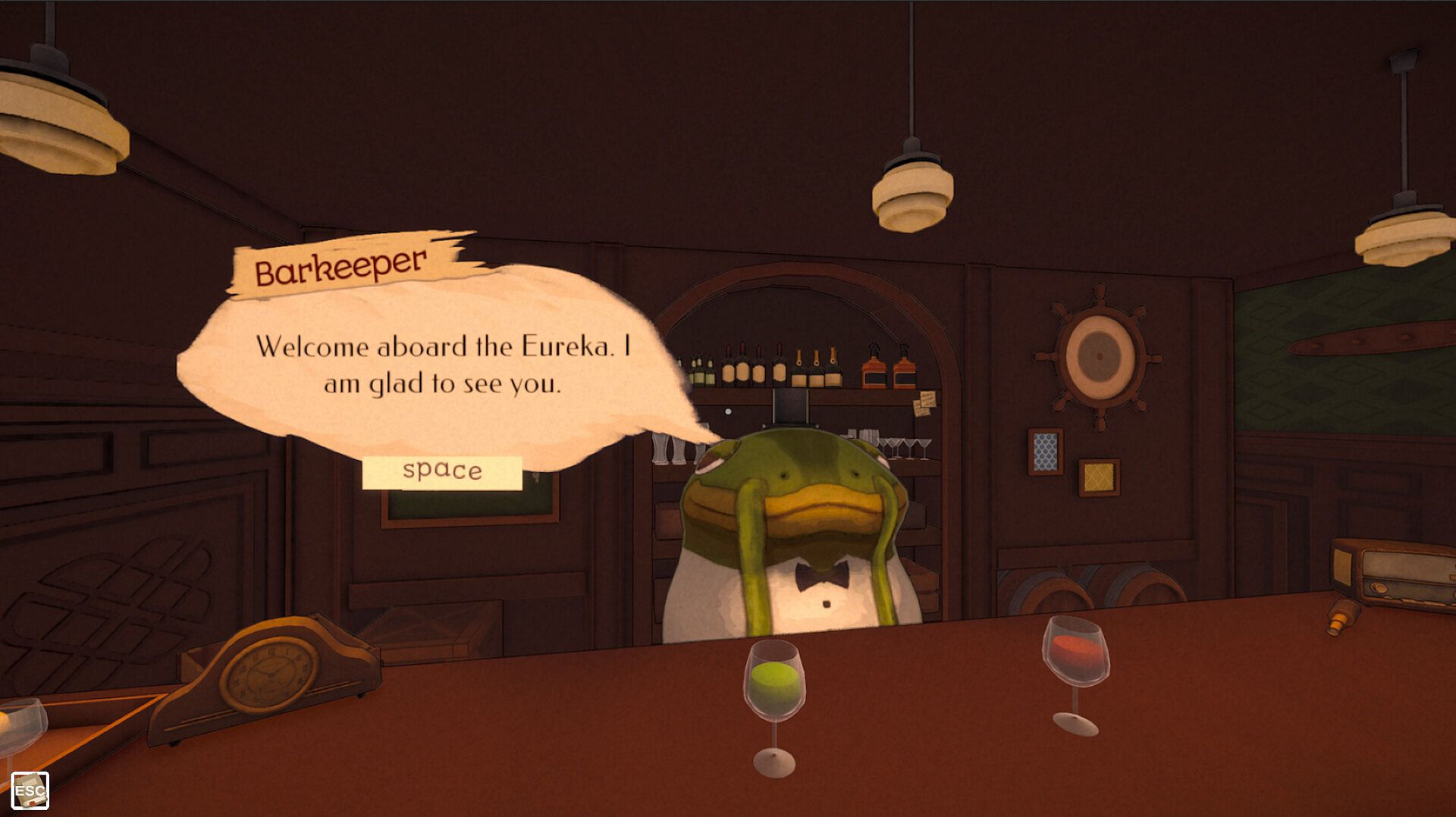
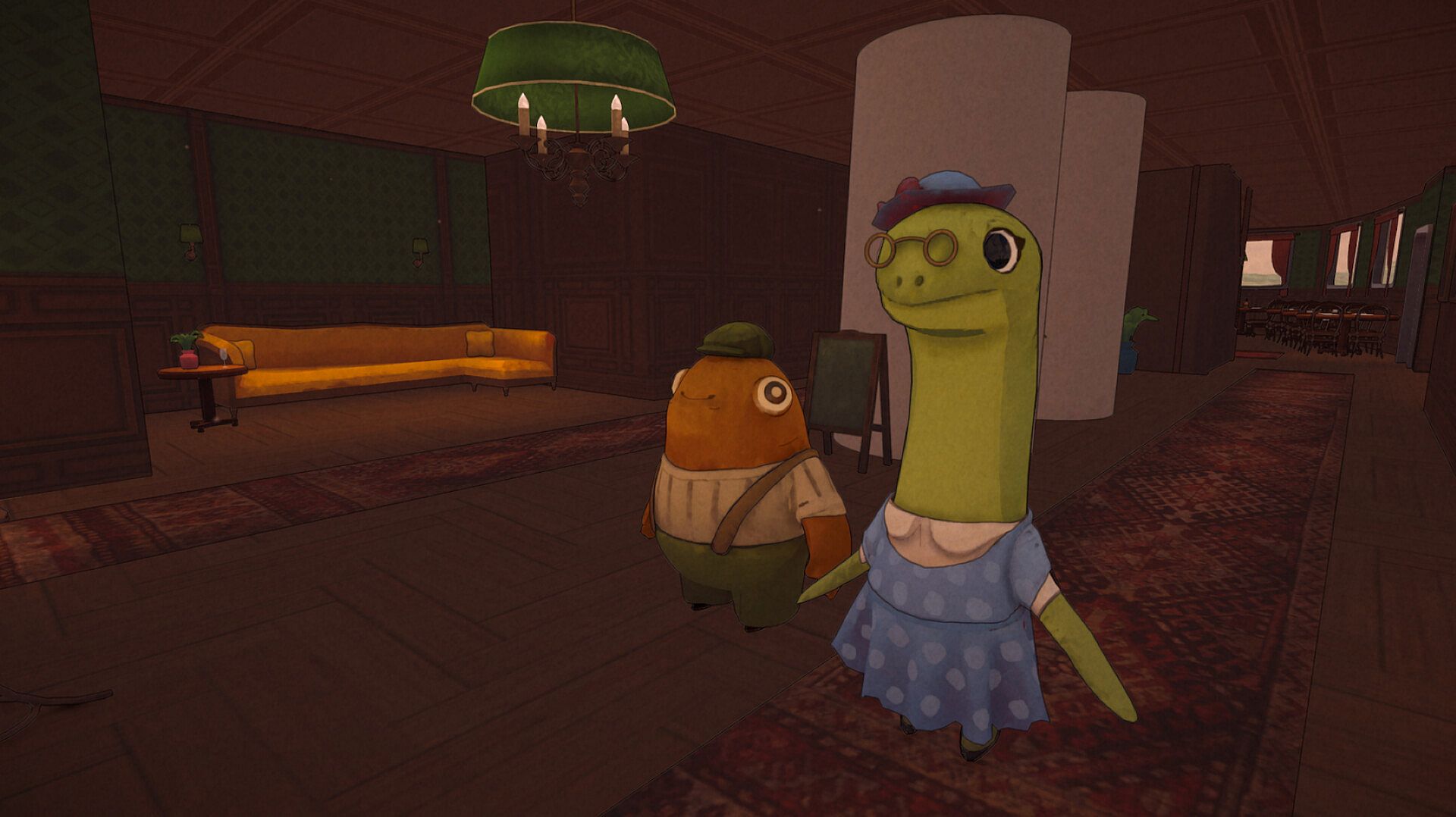
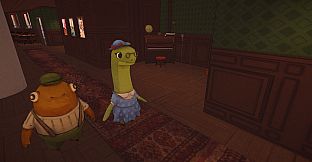
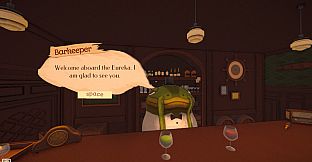
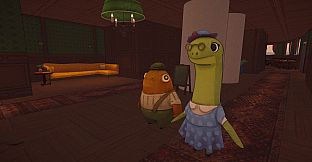
Memory Cruise is an indie casual game for PC that challenges players to test their observation skills aboard a ship. The experience centers on identifying subtle differences in familiar surroundings across multiple attempts, making it a focused exercise in memory and attention to detail.
Gameplay
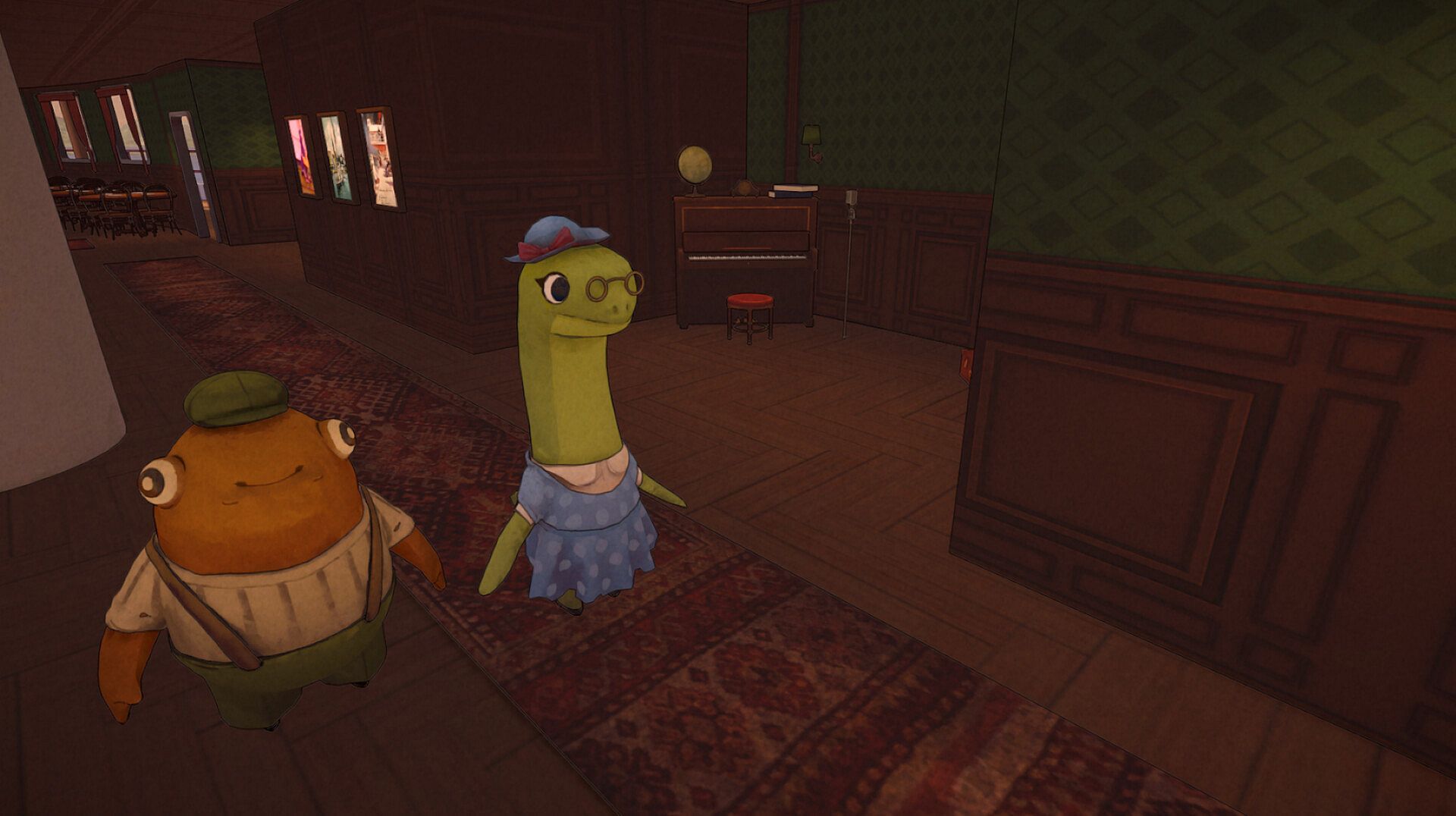
Players assume the role of one of two investigators on a tricky tour of the vessel. The core loop begins with a thorough examination of the ship in its normal state. Individuals move through the environment at their own pace, committing every detail to memory before any alterations occur.
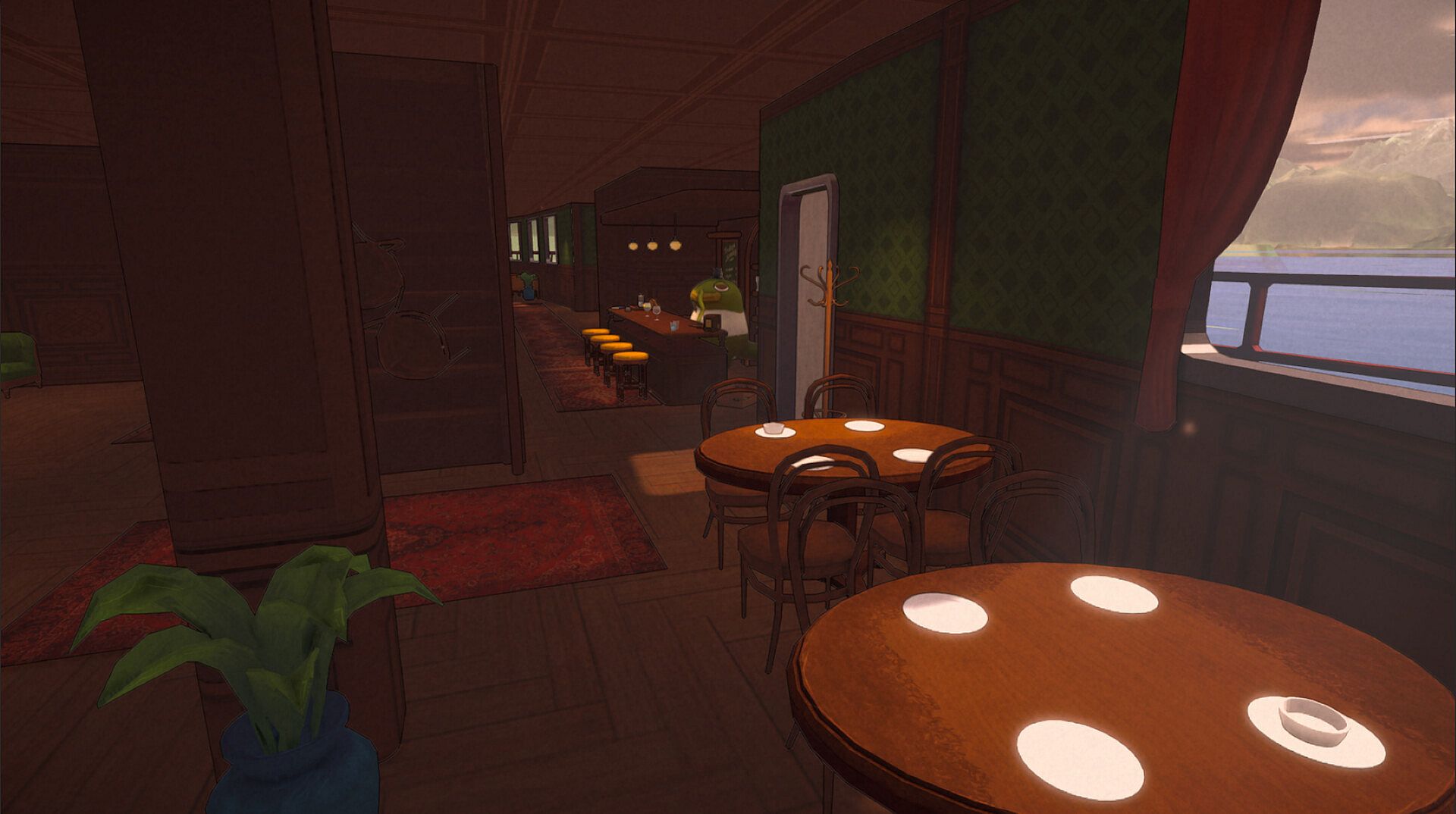
Once the initial inspection concludes, the sequence advances to Round 1. Here, the player retraces the same path while scanning for modifications. These alterations range from minor shifts, such as a missing plate or a changed color, to other environmental tweaks. Correct identification of whether a change has taken place advances the round count. A streak of ten consecutive accurate assessments completes the challenge and secures victory.
An incorrect judgment resets progress immediately back to Round 1. This structure demands consistent focus, as each new attempt requires relearning the baseline layout with renewed precision. The process repeats until the required streak is achieved, emphasizing patience and repeated observation over speed.
Game Modes
The game presents a single, unified experience built around the round-based anomaly detection system. There are no separate named modes or variations; the entire session follows the same progression of initial memorization followed by successive rounds of scrutiny.
Progression relies entirely on consecutive correct responses across ten rounds. Failure at any point restarts the count from the beginning, creating a straightforward loop that rewards sustained accuracy rather than branching paths or alternative objectives.
Core Mechanics
Memory forms the foundation of every interaction. The ship serves as a contained space where players first establish a mental reference of the unchanged layout. Subsequent rounds introduce targeted modifications that test recall without introducing new systems or external elements.
Controls remain simple to support the casual focus. Movement occurs at a deliberate pace, allowing close inspection of objects and areas. Feedback comes directly from correct or incorrect round completions, with no additional scoring layers or timers beyond the streak requirement.
The design keeps attention centered on environmental awareness. Small details matter most, training players to notice discrepancies that might otherwise go overlooked during repeated traversals of the same routes.
Who It Is For
Memory Cruise suits individuals who enjoy deliberate, low-pressure puzzle experiences that emphasize concentration and pattern recognition. Its indie casual nature makes it accessible for short sessions or longer focused attempts, particularly for those drawn to memory-based challenges set in a confined, atmospheric location like a ship.
The title appeals to players seeking a test of personal observation skills without complex controls, story branches, or competitive elements. It provides a self-contained activity centered on improving attention through repeated, structured trials.
Is It Worth Playing?
The game delivers a precise, repeatable challenge built around memorization and anomaly detection. Its structure encourages careful study and persistence, rewarding those who maintain accuracy across multiple resets. For players comfortable with casual indie titles that prioritize mental focus over action or narrative depth, the experience offers a clean test of observational ability in a ship setting. Availability on PC keeps the entry straightforward for anyone interested in this style of gameplay.