






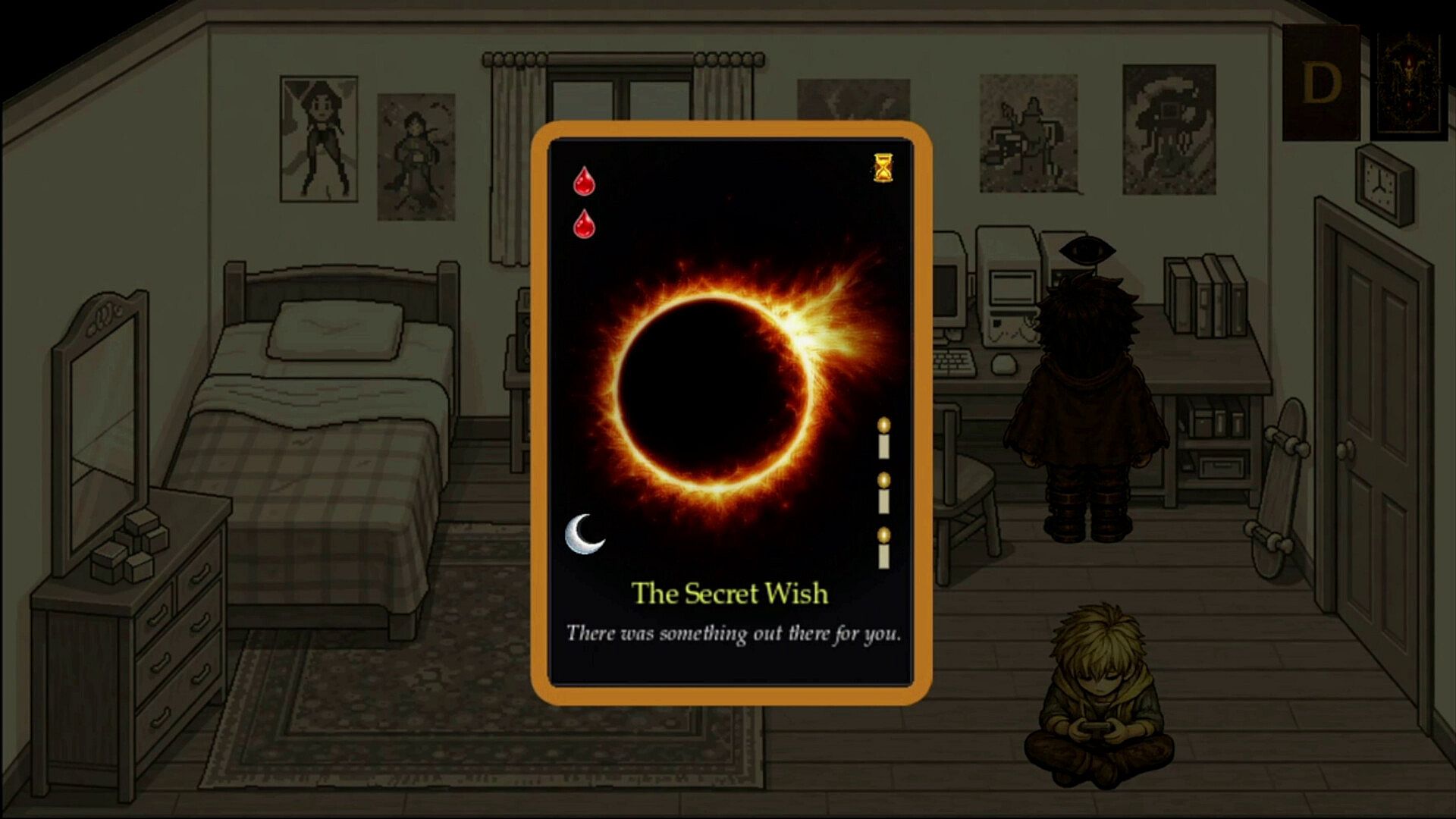
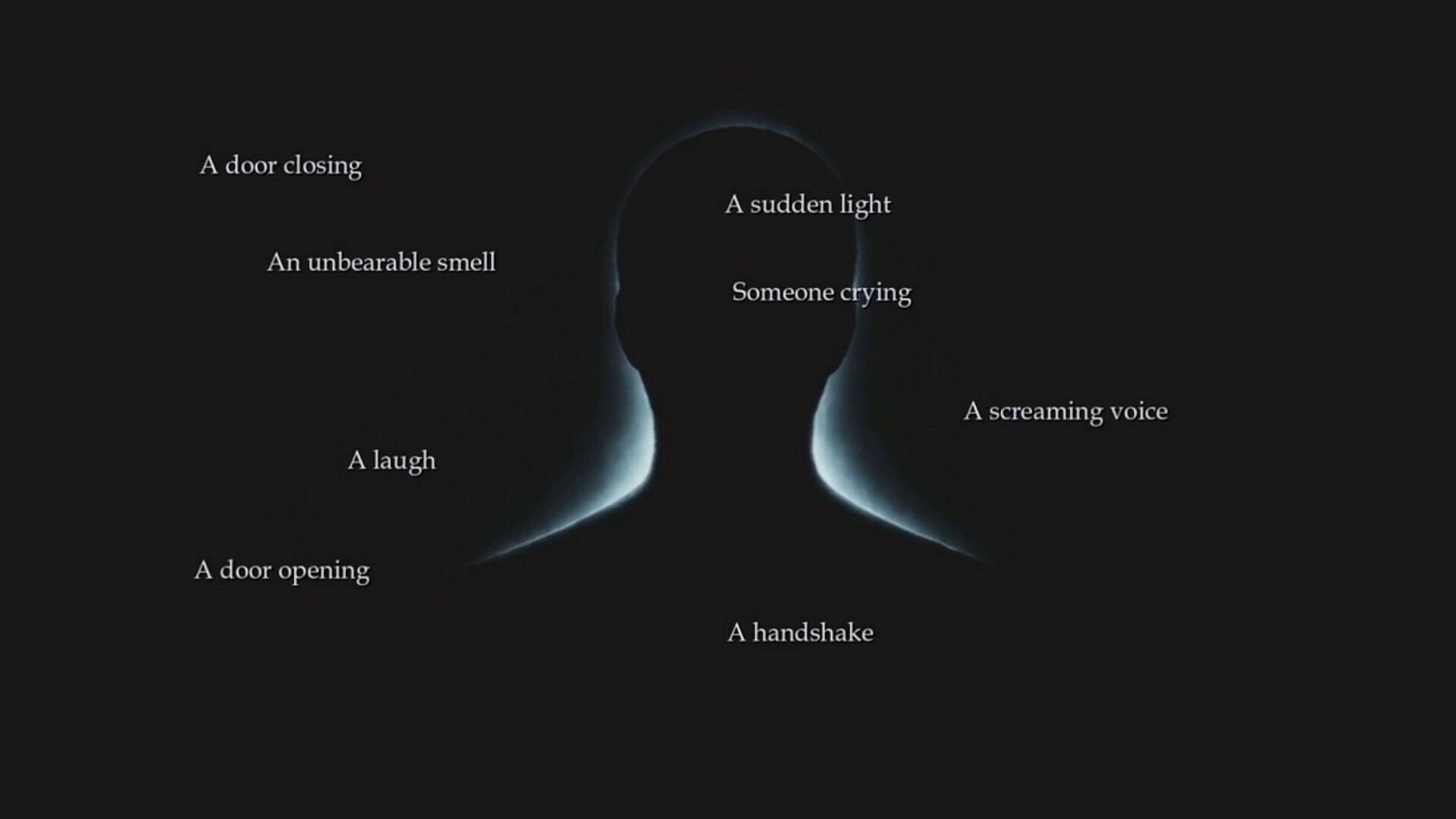
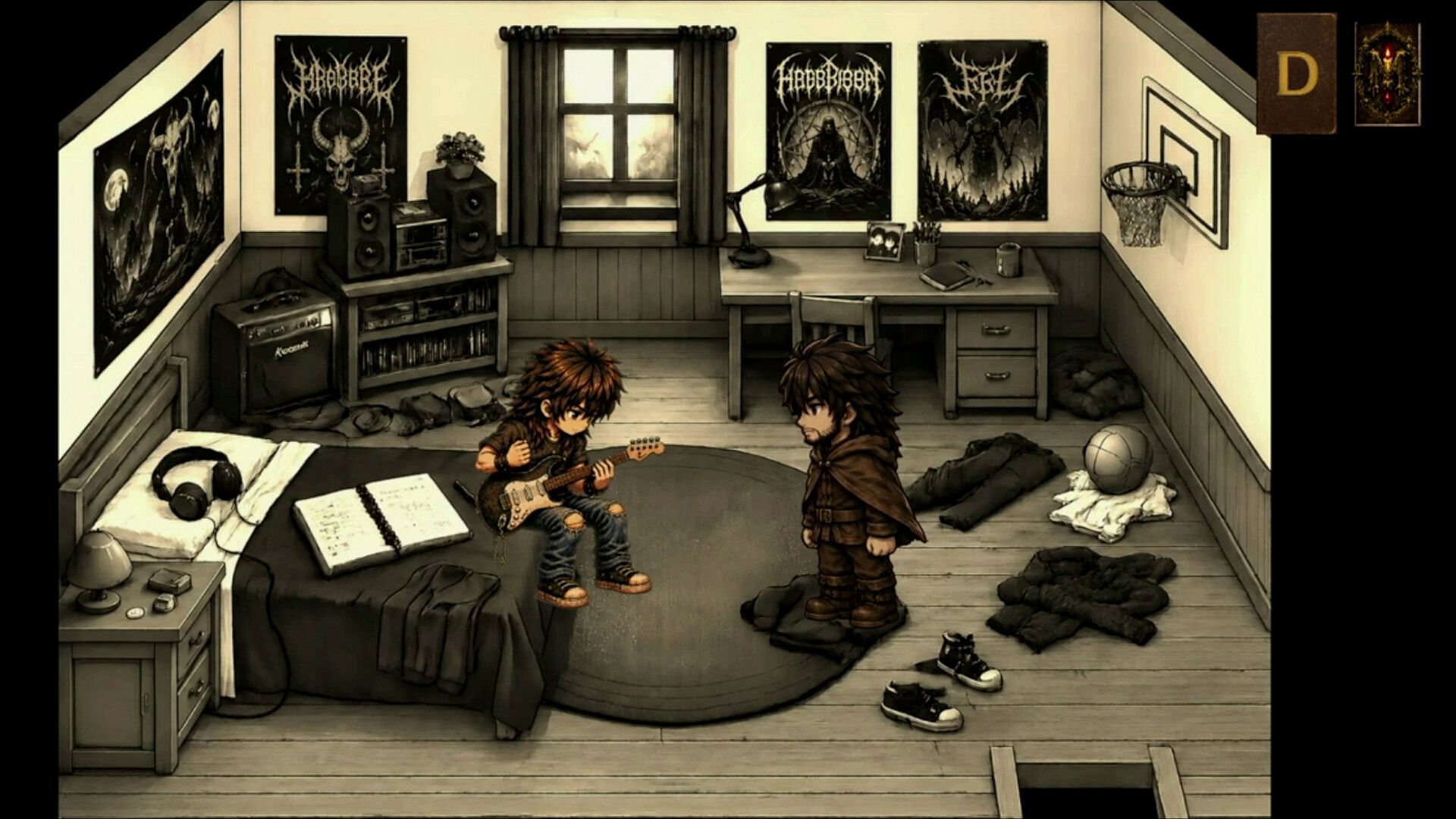
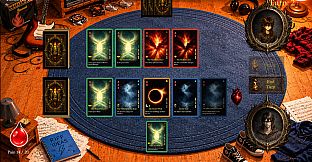

Memento: What You Forgot é um RPG de aventura indie que mistura narrativa psicológica e combates baseados em cartas no PC. O jogador assume o papel de um homem que perdeu a memória e precisa recuperar fragmentos do próprio passado para reconstruir sua identidade. Cada lembrança recuperada vira uma carta no baralho, funcionando tanto como ferramenta de combate quanto como pedaço da história pessoal que influencia o rumo da jornada.
Gameplay
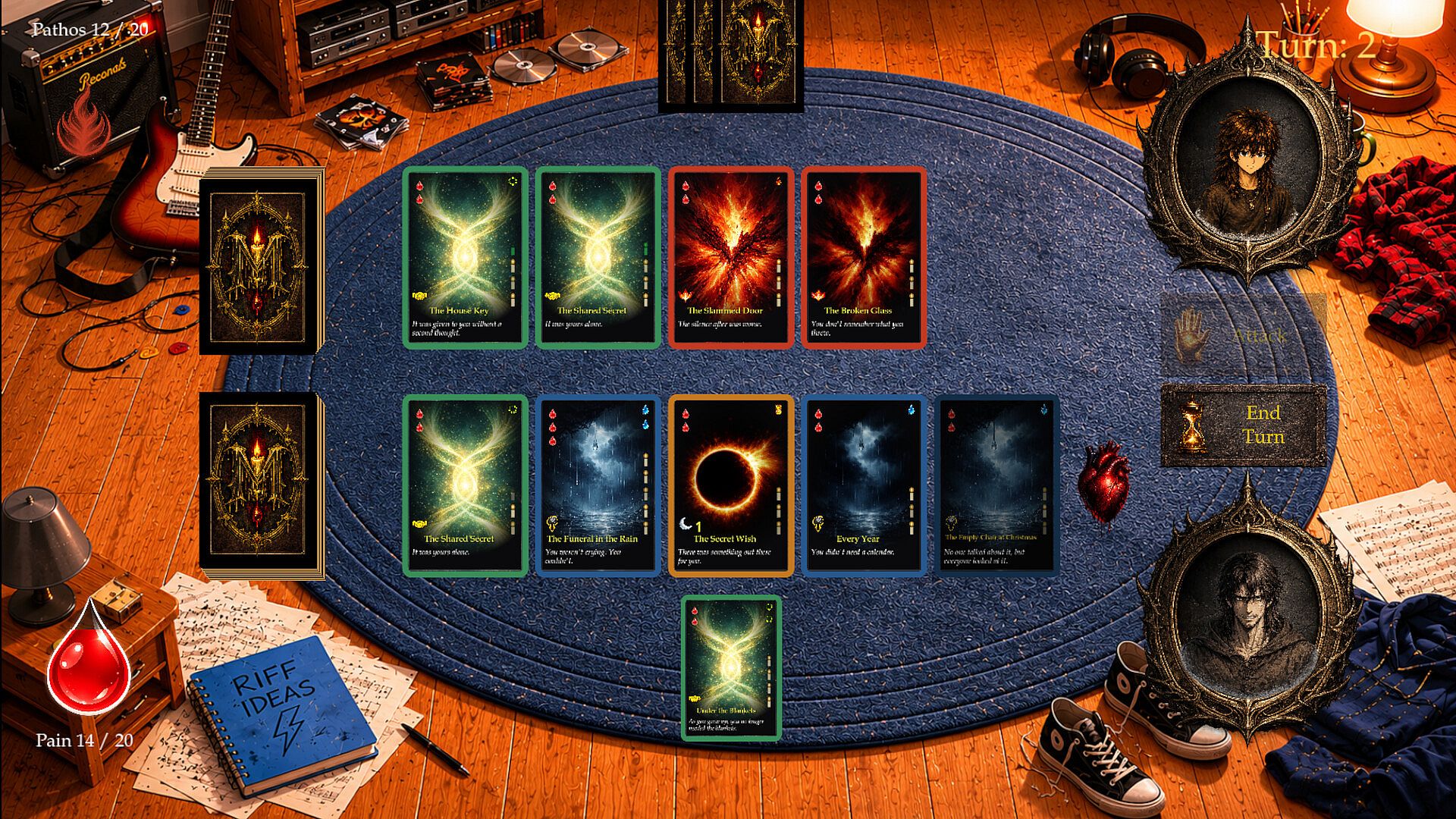
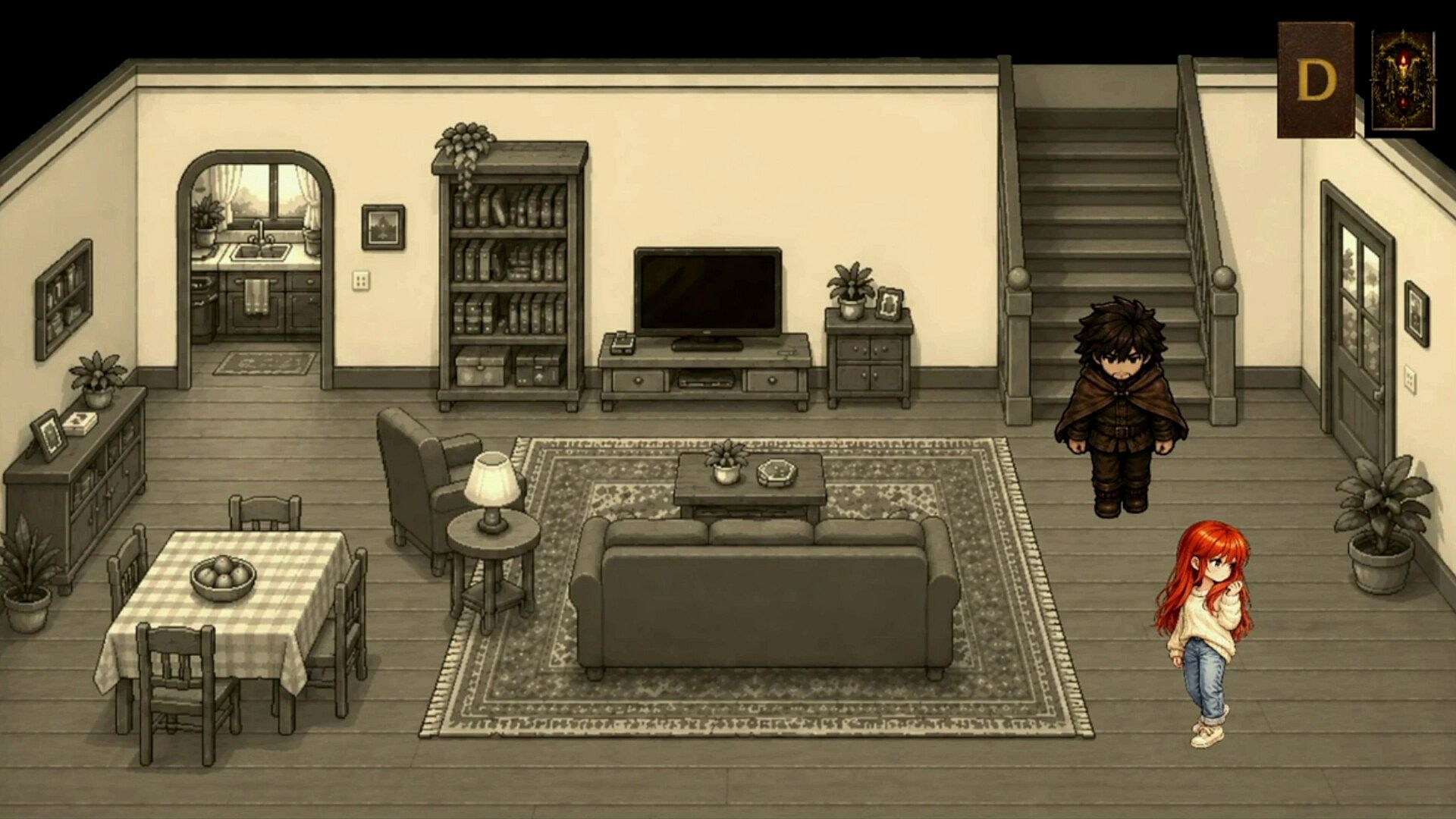
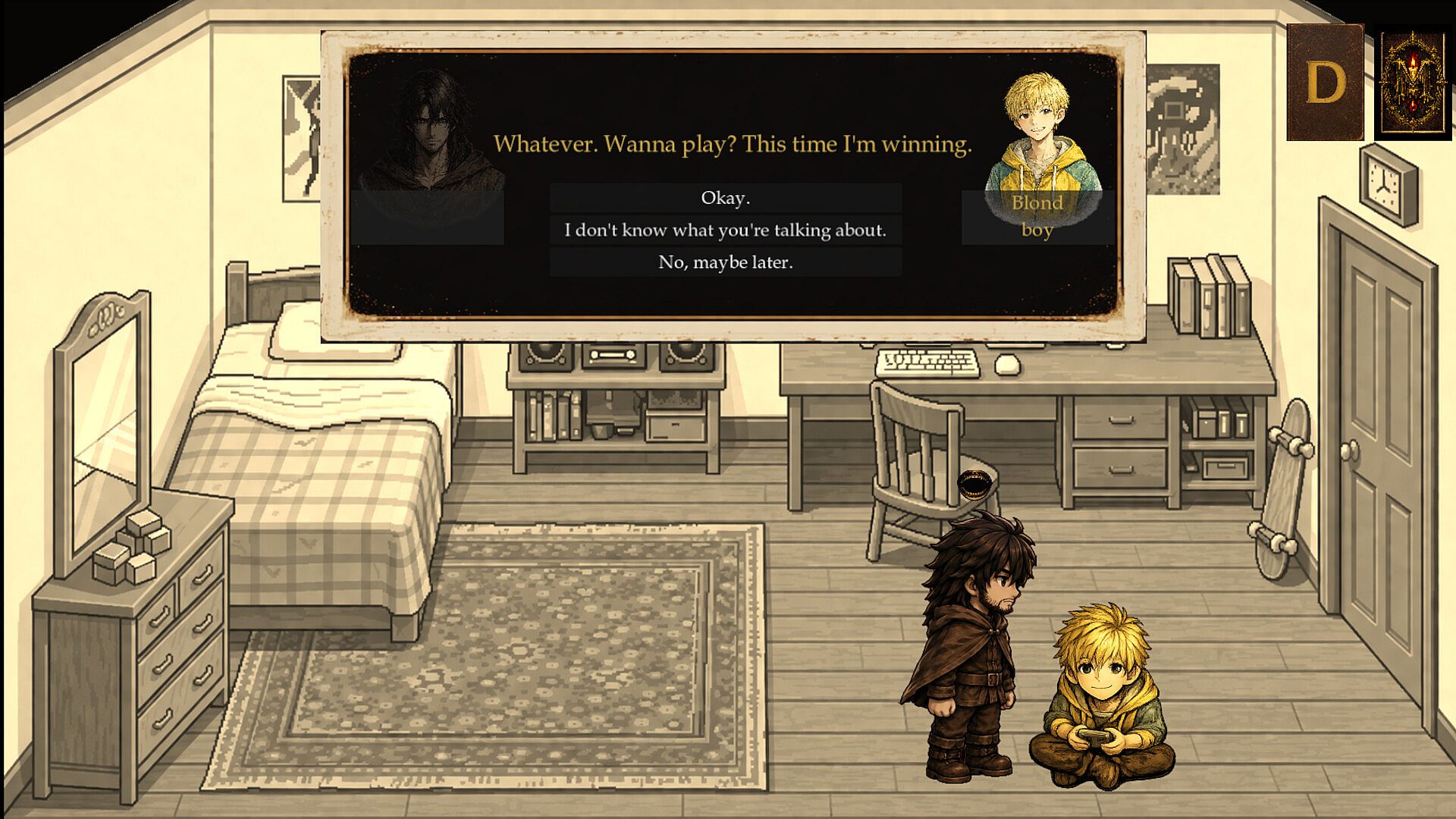
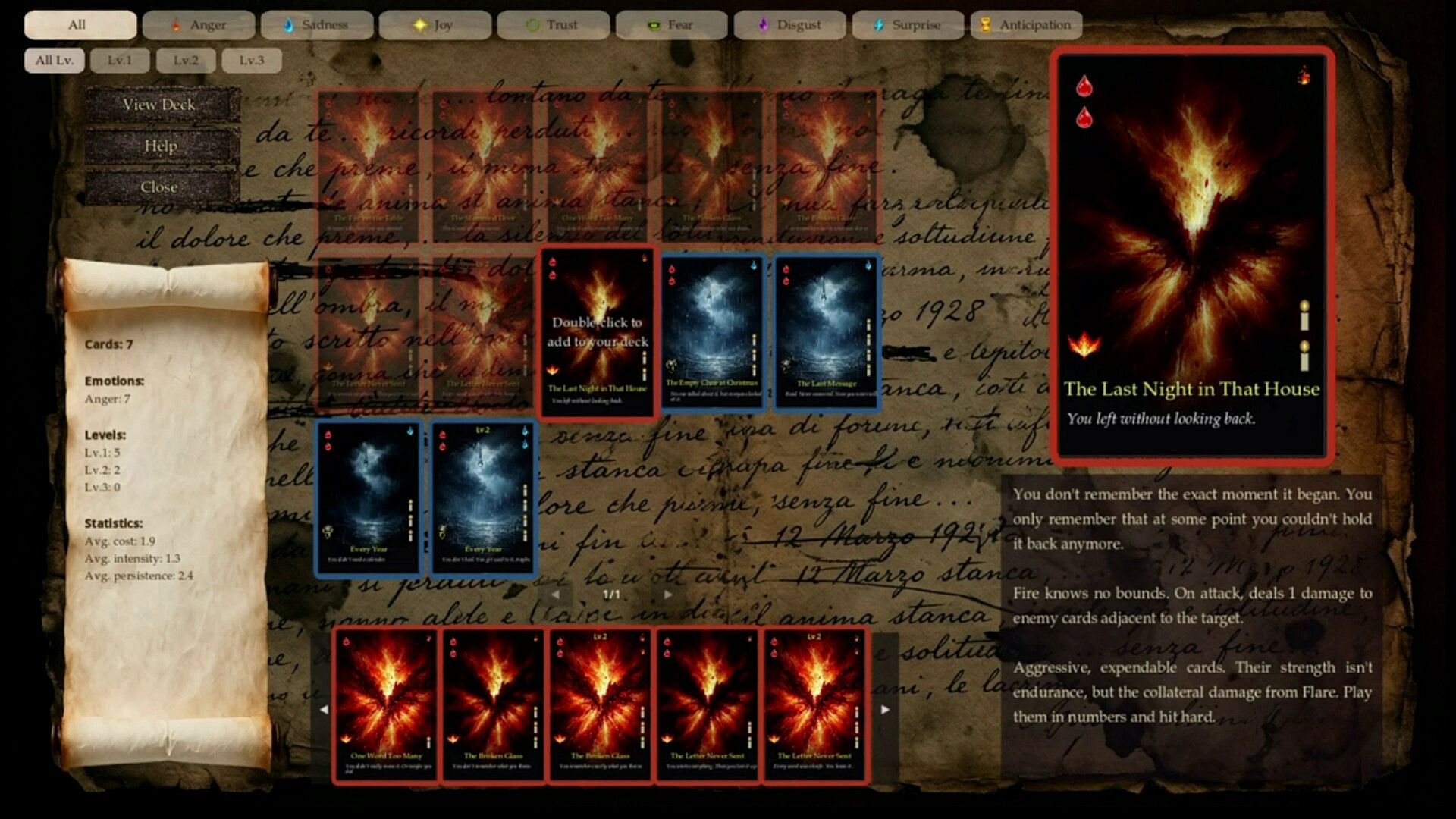
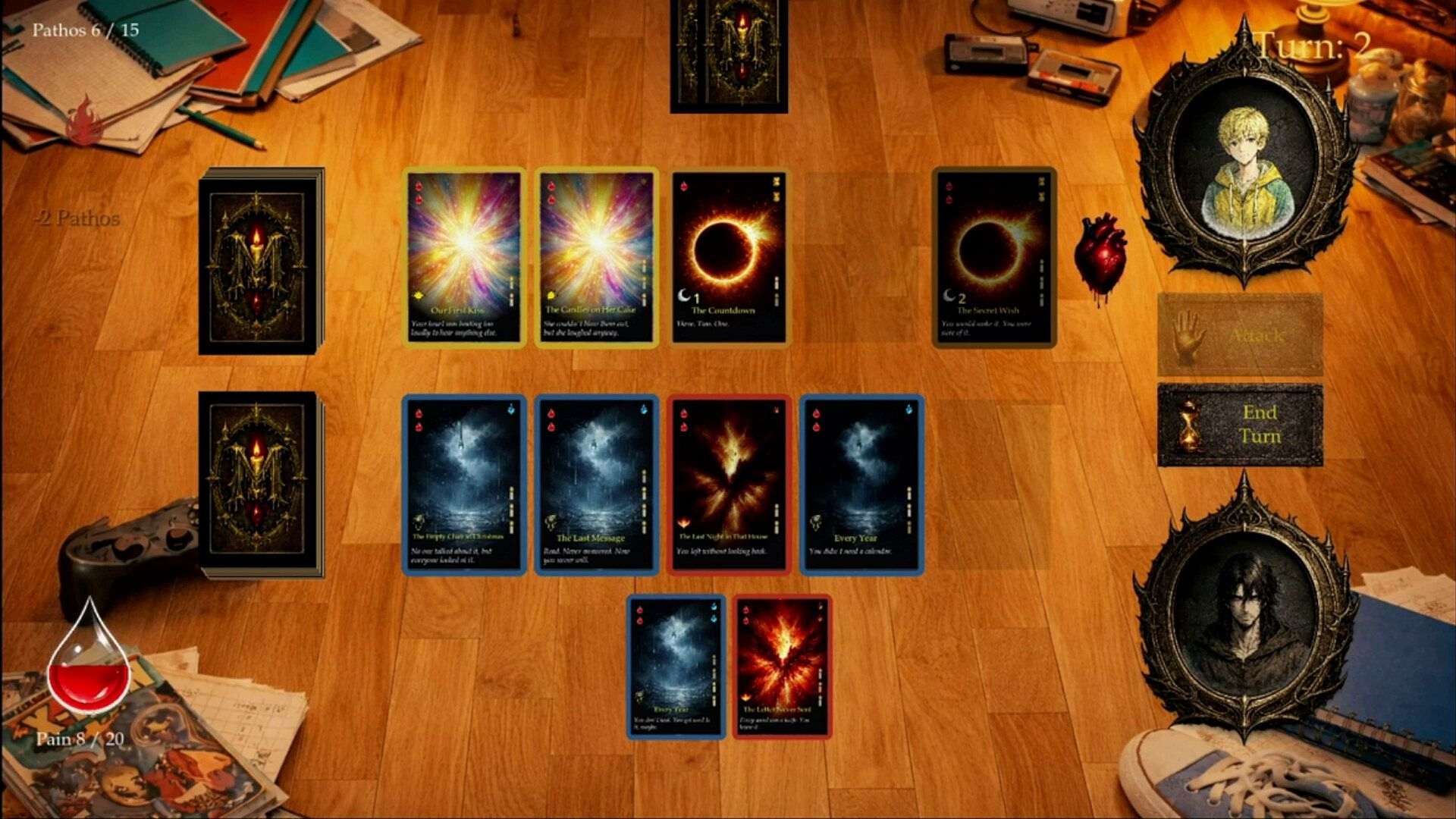
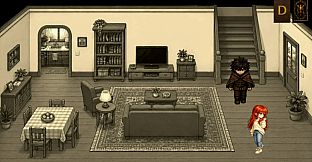
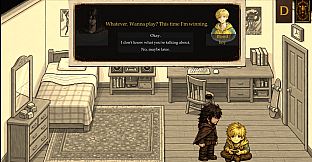
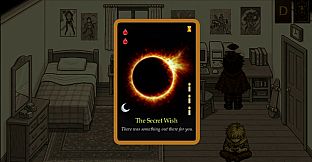
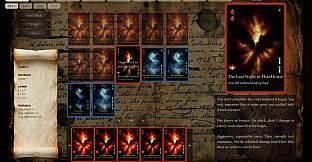
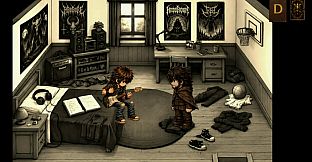
O ciclo principal gira em torno da recuperação de memórias ligadas a oito emoções principais, inspiradas em modelos psicológicos. A exploração acontece em visão isométrica, no estilo dos JRPGs clássicos, enquanto o protagonista percorre cenários do seu passado. Os jogadores conversam com os habitantes desses espaços, examinam objetos e coletam fragmentos de memória para alimentar o baralho. O combate muda para duelos de cartas contra figuras que marcaram momentos importantes da vida do protagonista. Cada carta representa uma memória específica associada a uma emoção e traz uma habilidade única, como o Fulgor da Ira ou o Peso Morto da Tristeza. Jogar uma carta significa reviver o momento que ela guarda, o que cobra um preço emocional. As cartas evoluem durante a partida, alterando seus efeitos conforme a história avança e o baralho reflete versões diferentes do próprio eu.
Game Modes
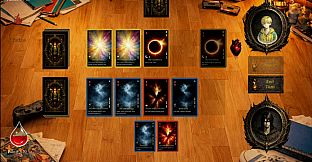
A experiência alterna entre dois modos principais, sem submodos ou variações adicionais. O modo Exploração concentra-se na movimentação por ambientes carregados de memória, diálogos, análise de objetos e coleta de fragmentos para montar o baralho. O modo Batalha envolve confrontos diretos com cartas, onde a estratégia depende dos tipos de emoção, das habilidades e da história cumulativa contada pelas cartas em jogo. Cada fase corresponde a uma era, local, estação e emoção dominante da história do protagonista, com chefes que personificam essas emoções e obrigam o jogador a decidir o que sacrificar em busca do autoconhecimento.
Narrative Structure
A história se revela pelas próprias cartas. Ler o baralho reconstrói o passado do protagonista aos poucos, transformando o gameplay em um processo de montagem da identidade. Cada emoção influencia tanto a mecânica quanto o peso temático, com encontros que trazem consequências irreversíveis. A jornada revisita lugares e rostos familiares, mas agora estranhos, destacando como a memória define quem alguém se torna. O sacrifício é um tema central: recuperar lembranças exige abrir mão de algo em troca, reforçando a profundidade psicológica da narrativa.
Deck Building and Emotional Mechanics
A construção do baralho surge naturalmente da exploração, sem sistemas separados. As cartas pertencem a uma das oito emoções e ganham ou modificam habilidades conforme as partidas avançam. O custo de cada decisão está ligado diretamente à dor emocional da memória, criando um ciclo em que escolhas estratégicas se entrelaçam com consequências narrativas. Composições diferentes de baralho levam a caminhos distintos pelos mesmos eventos do passado, mostrando como a mesma vida pode ser interpretada por múltiplas lentes emocionais.
Is It Worth Playing?
Este título é indicado para quem busca RPGs narrativos single-player que integram história e mecânicas. O combate de cartas e o sistema de recuperação de memórias recompensam o gerenciamento cuidadoso do baralho e a atenção aos temas emocionais. Quem aprecia histórias psicológicas com elementos estratégicos vai encontrar engajamento na mistura de exploração e duelos, especialmente se valoriza como a história pessoal influencia tanto o gameplay quanto o desfecho. O foco em sacrifício e identidade o torna mais adequado para fãs de experiências indie introspectivas do que para quem prefere títulos repletos de ação. Como jogo para PC recém-lançado, seu atrativo está na integração única das emoções inspiradas em Plutchik com o sistema de cartas e a progressão narrativa.