




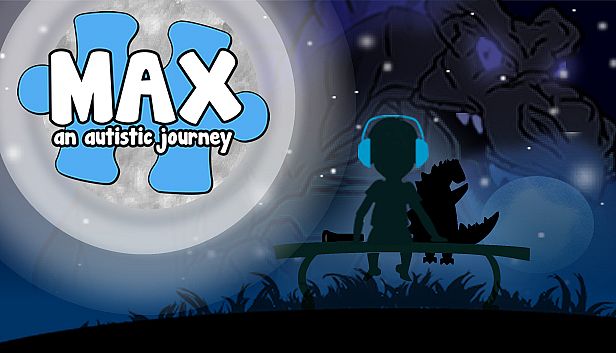











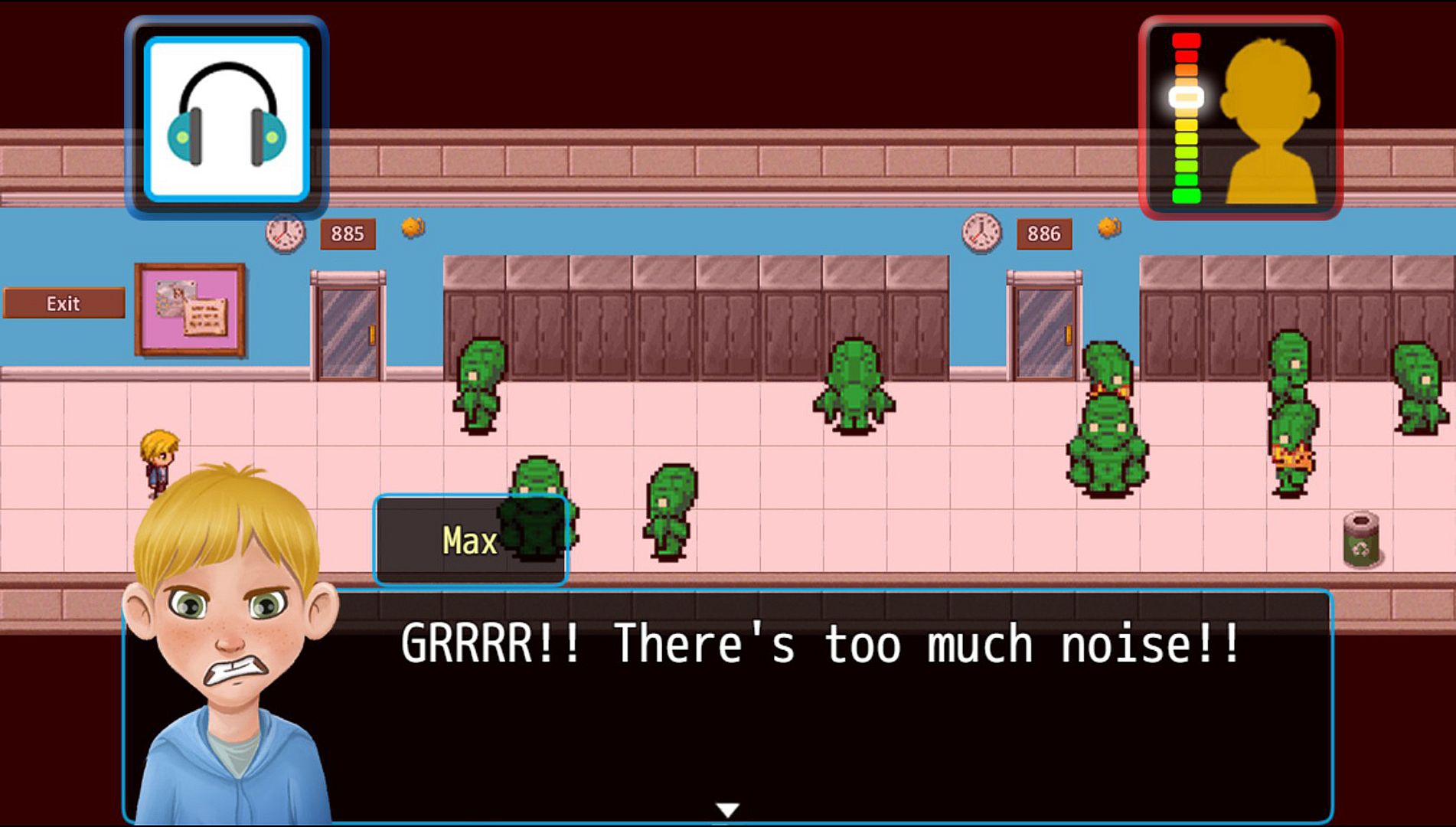
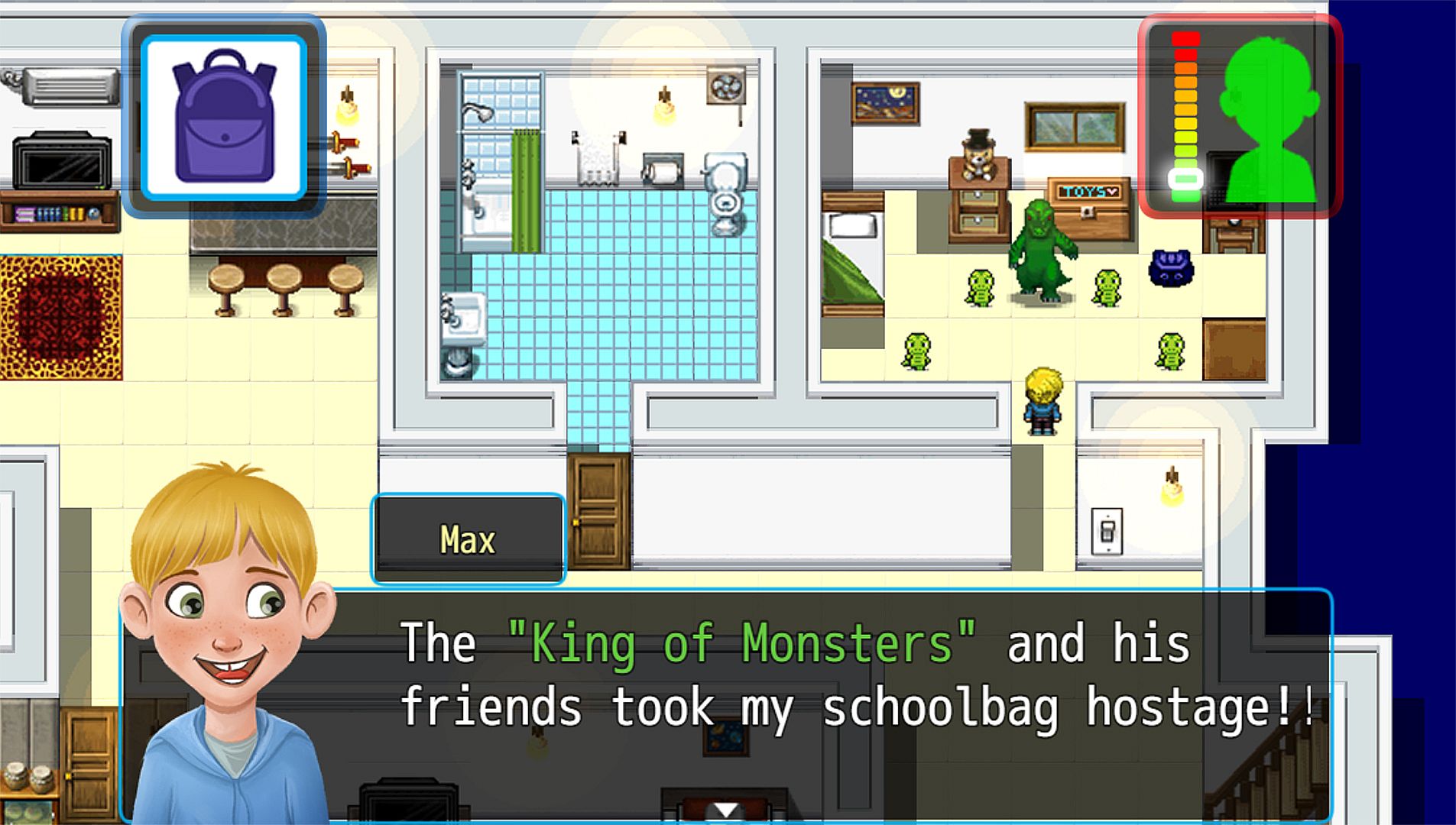
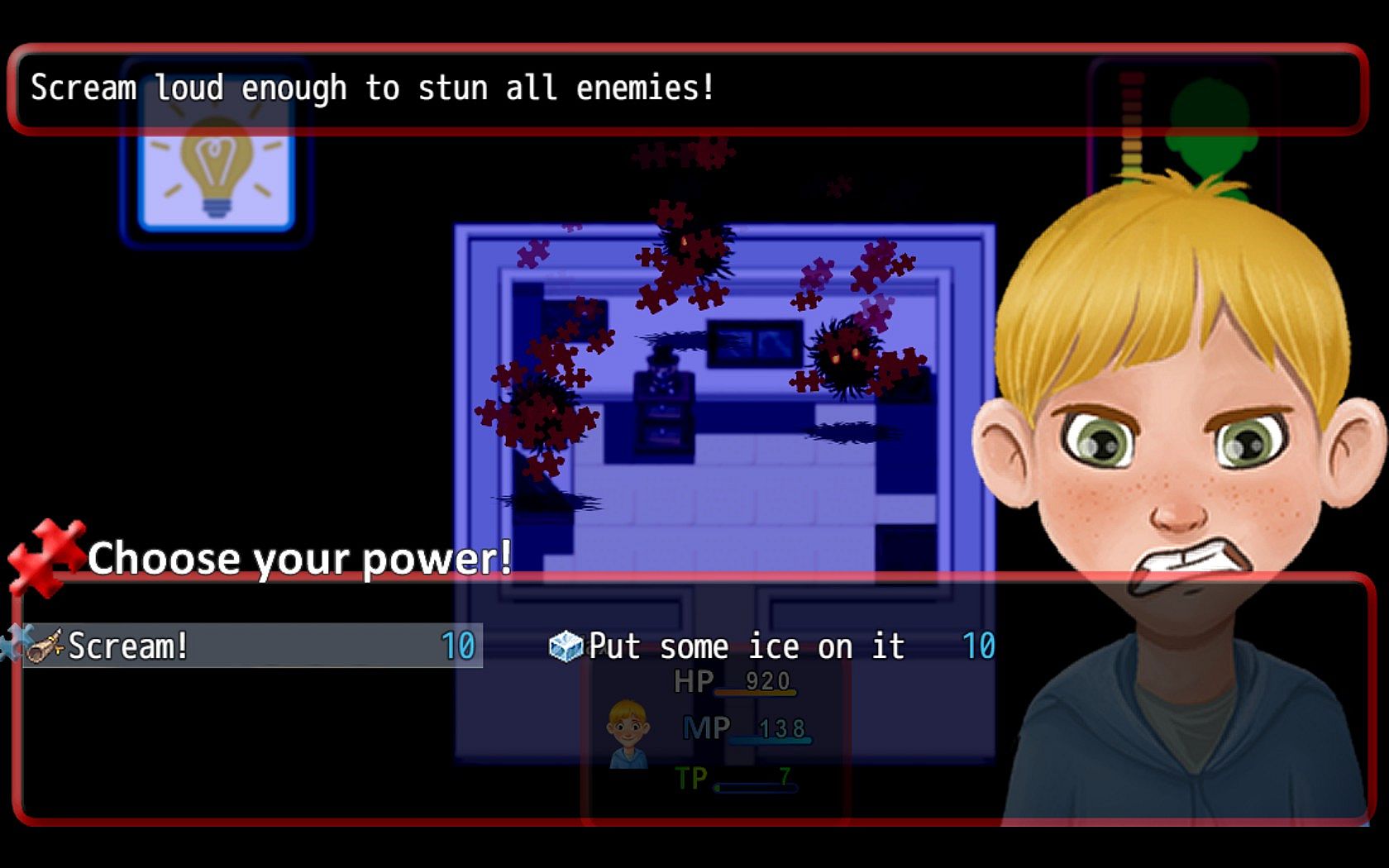
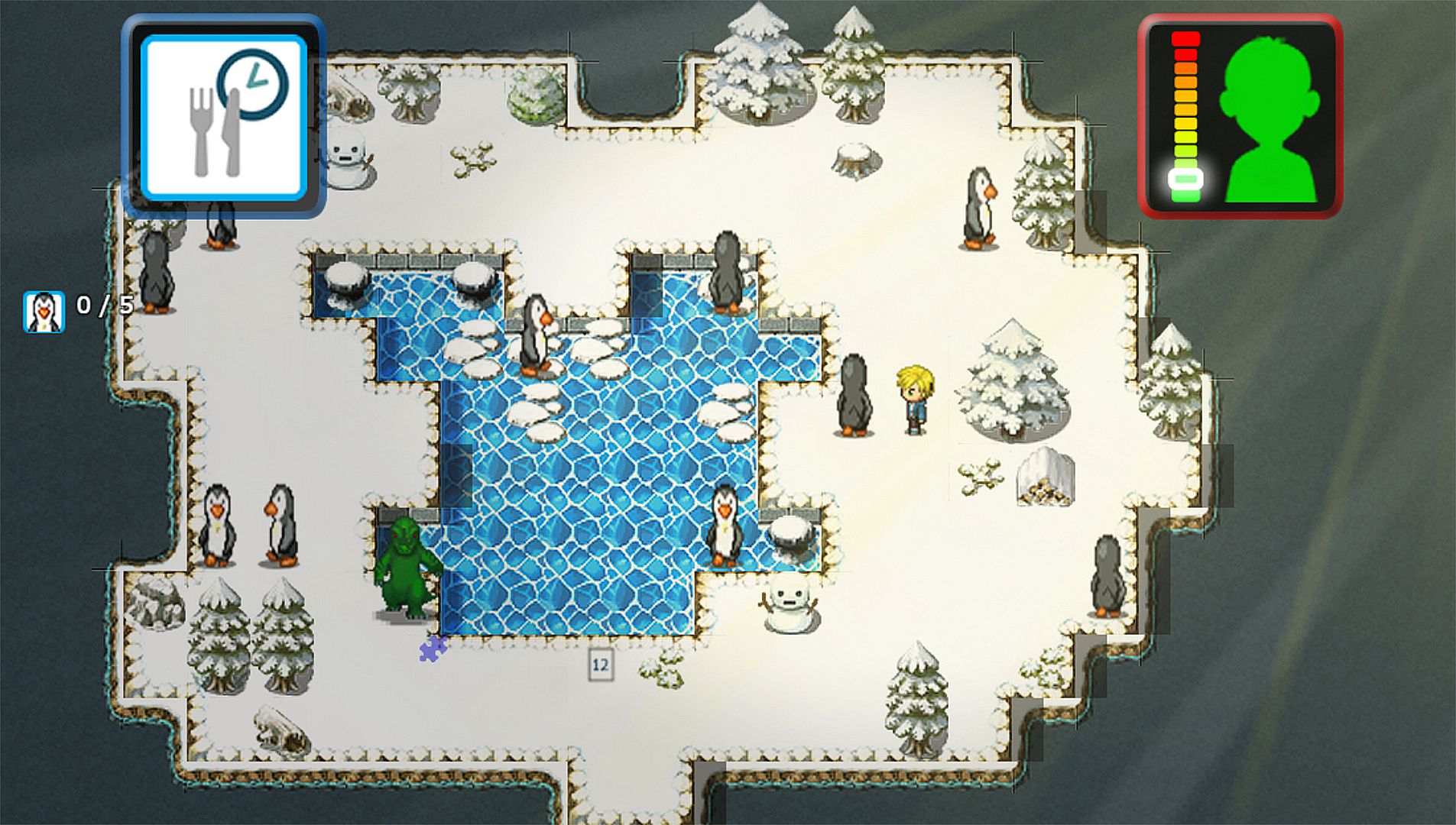
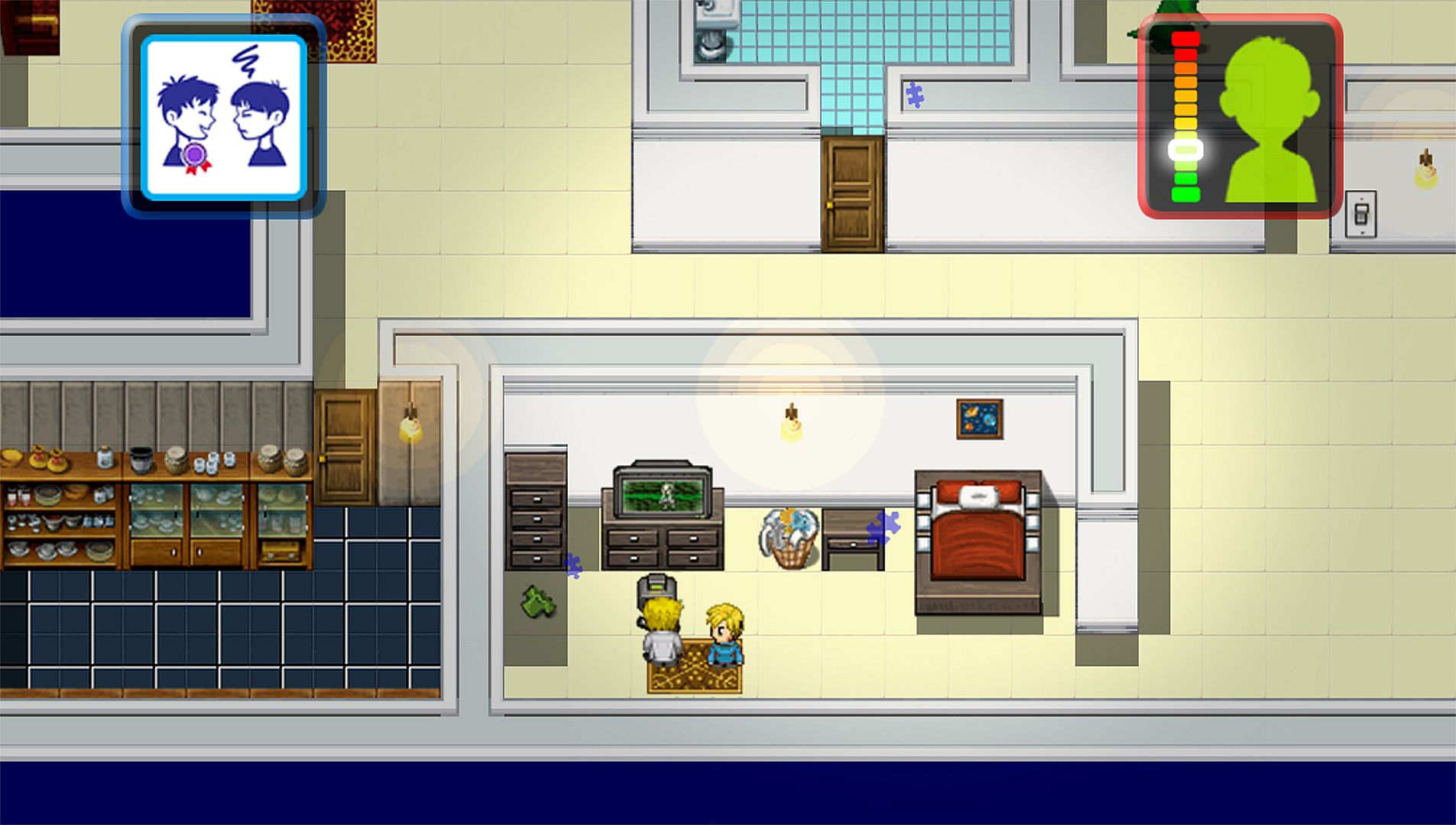
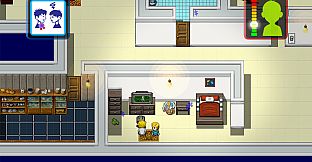
Max, an Autistic Journey é um RPG indie para PC que mistura estética retrô com uma história pessoal sobre o transtorno do espectro autista. O jogador assume o controle de Max, um menino de dez anos, e o acompanha em situações cotidianas em casa e na escola, onde os desafios aparecem representados como monstros e obstáculos. O jogo combina combate por turnos clássico com minijogos que reforçam o foco emocional ao lado dos sistemas tradicionais de RPG.
Gameplay
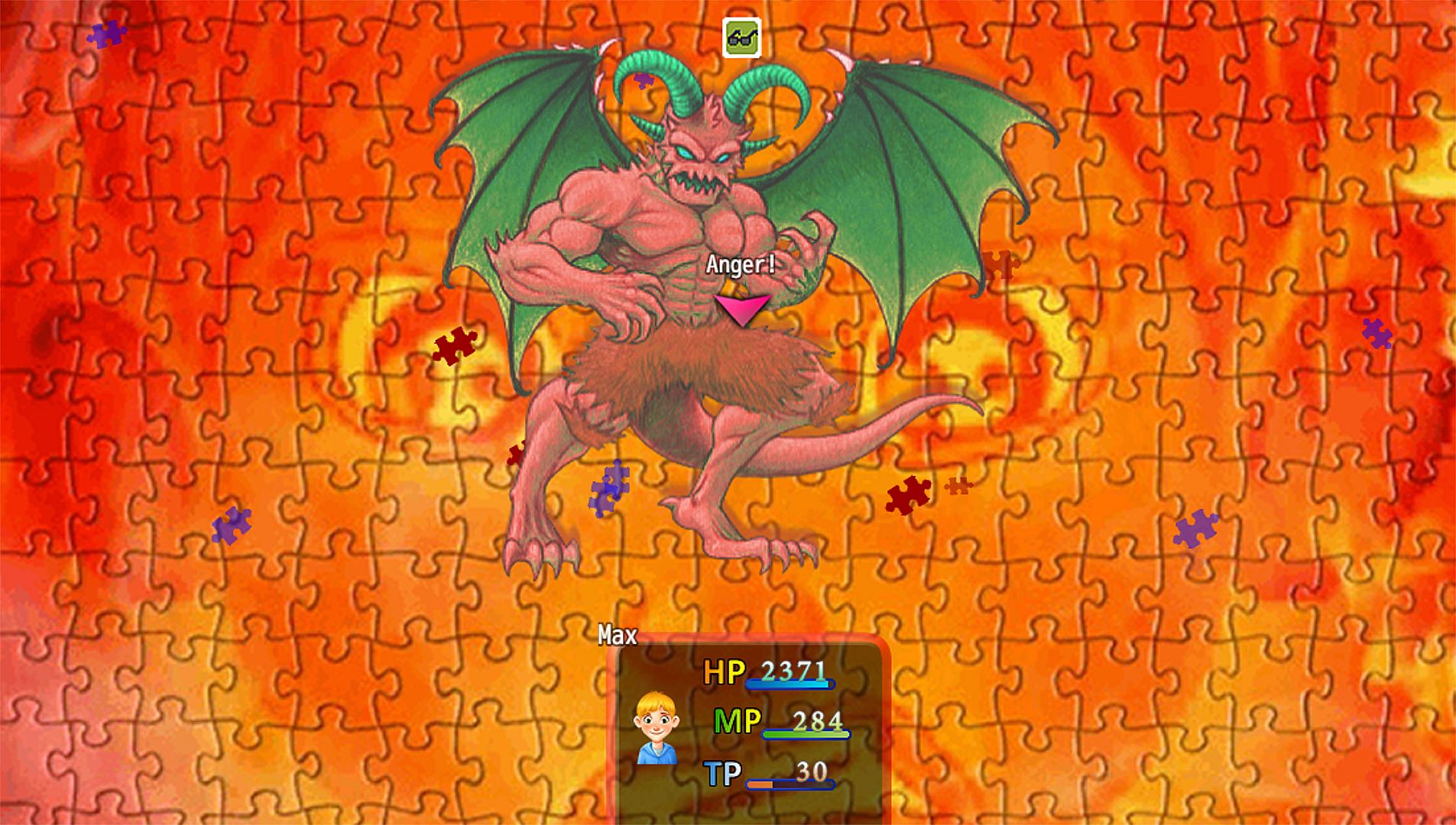
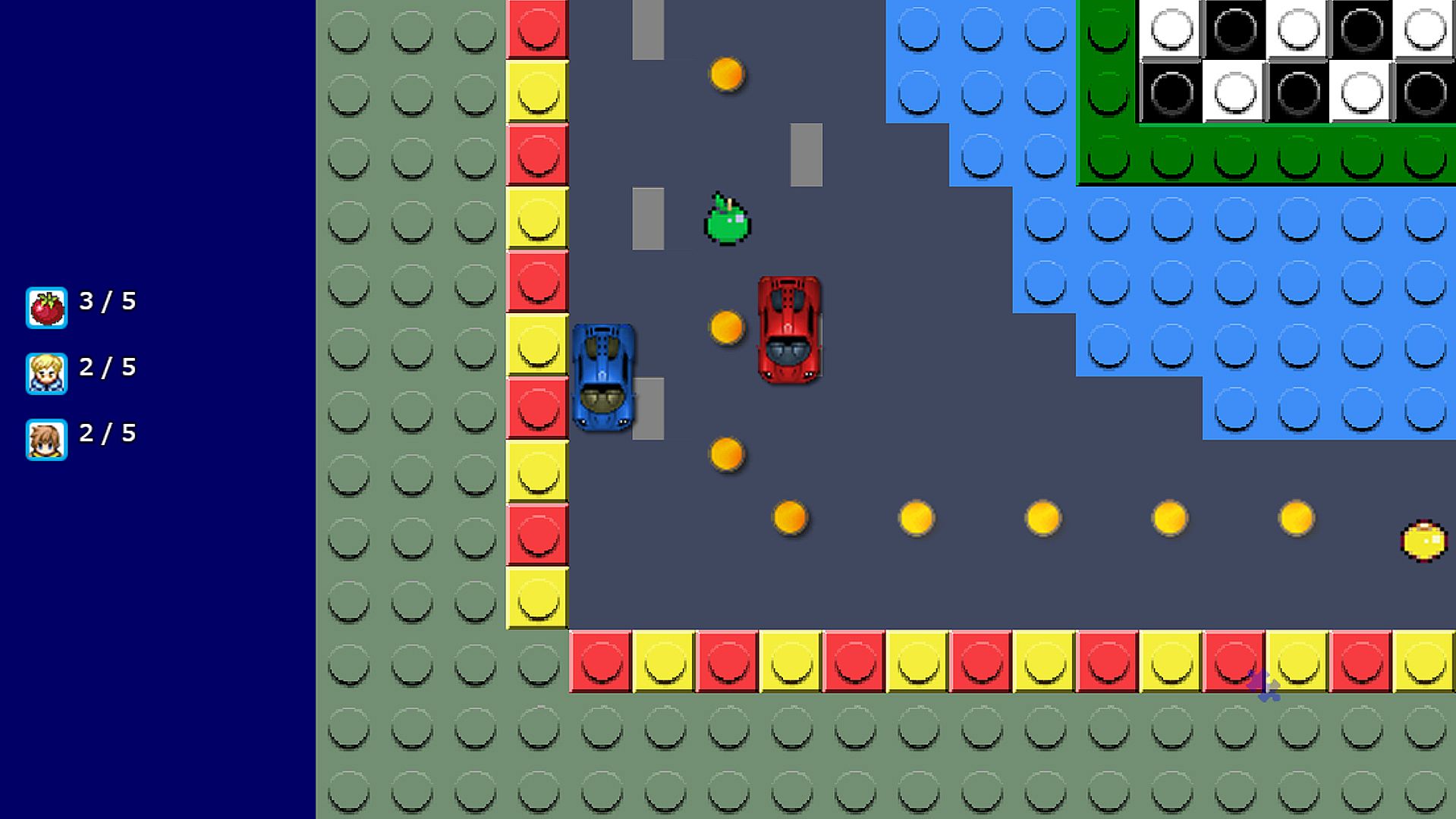
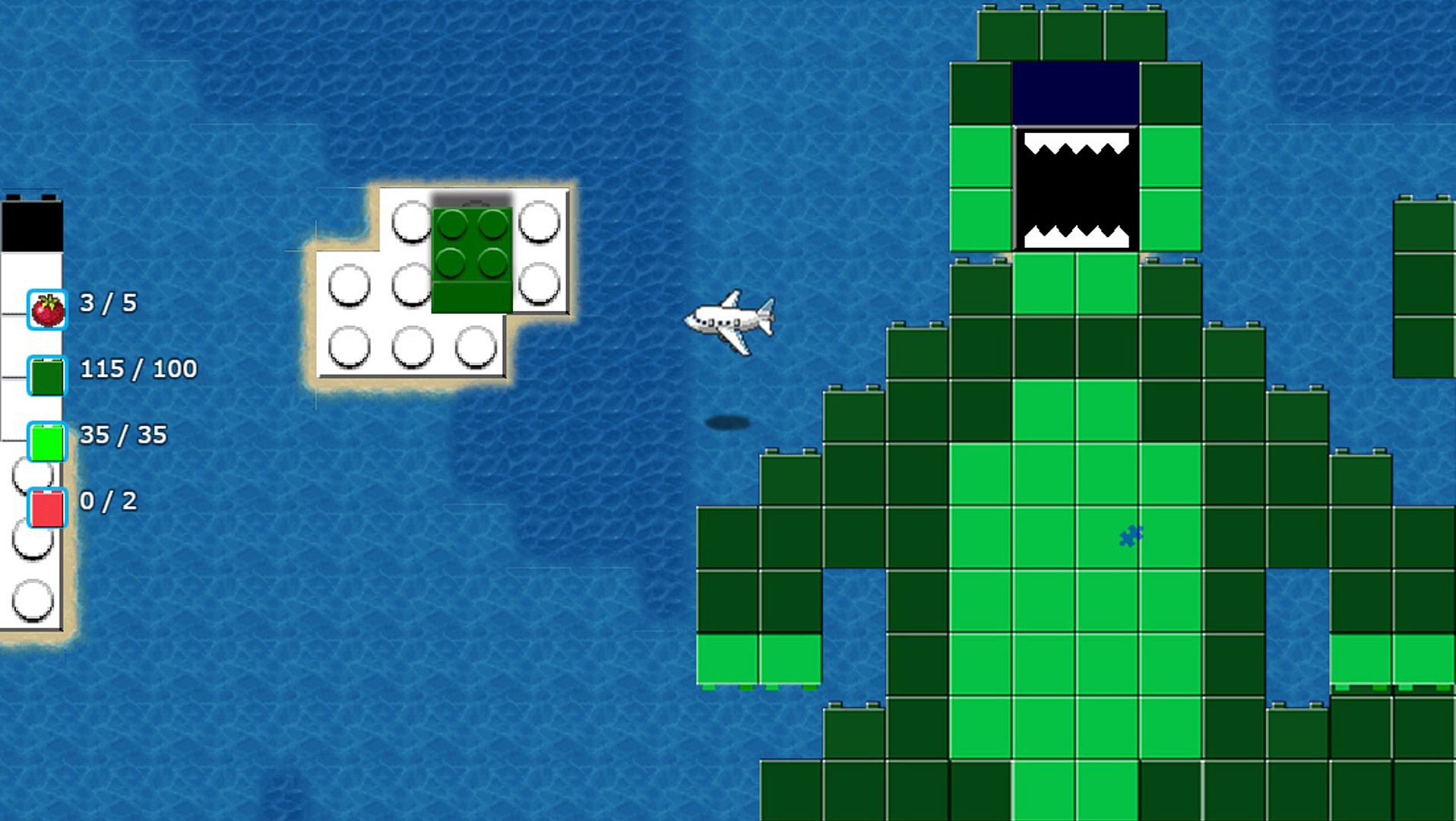
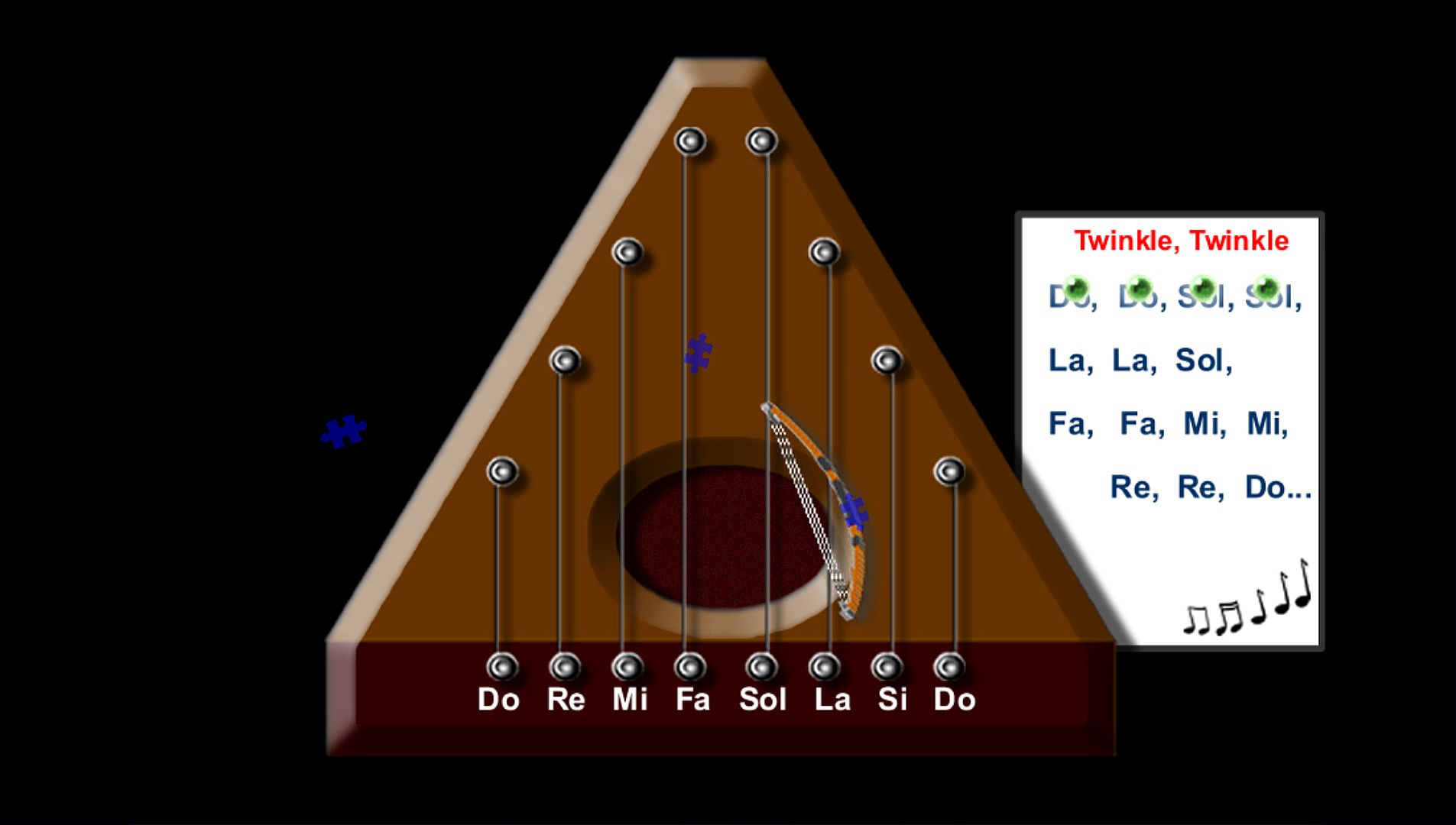
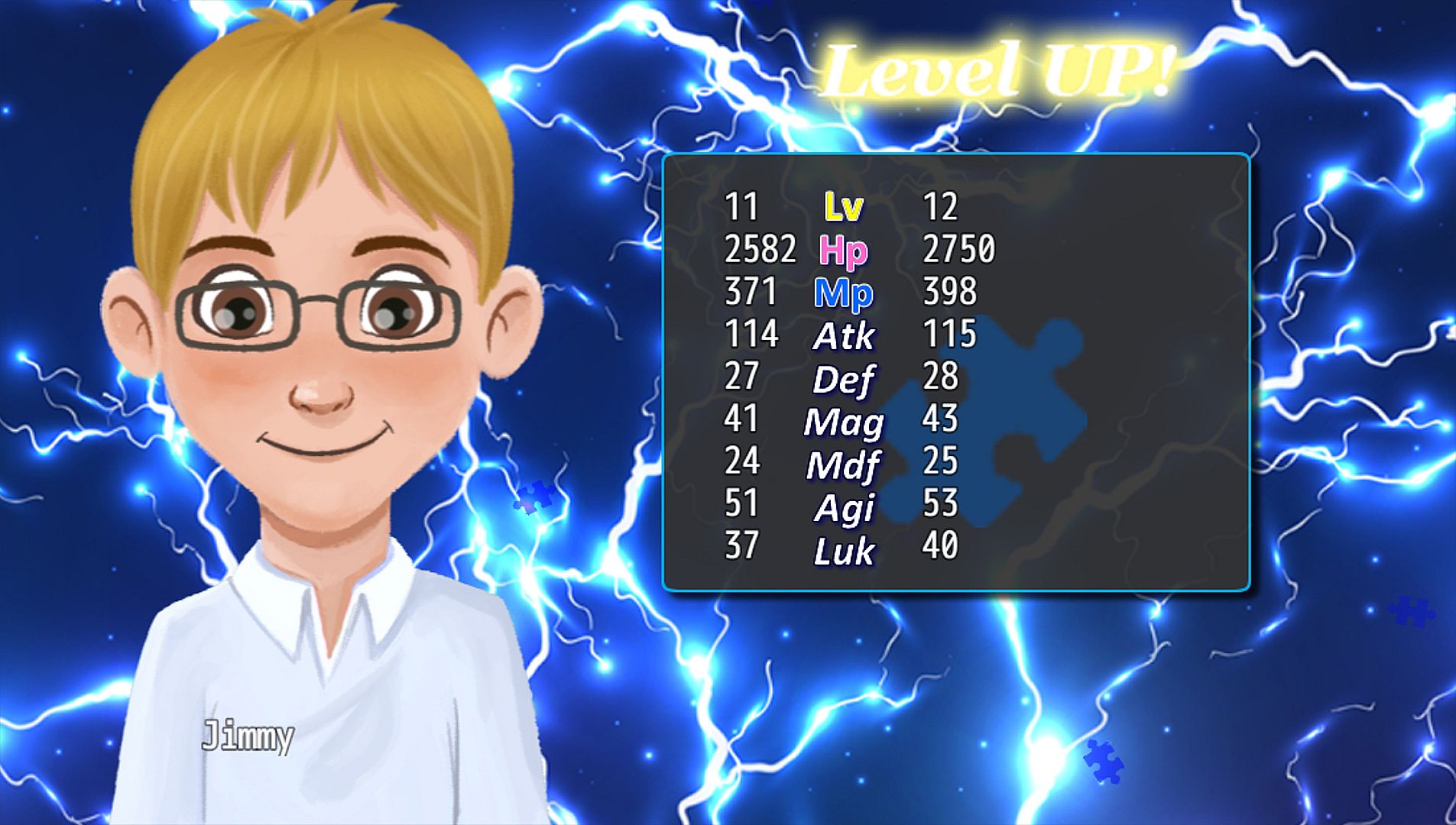
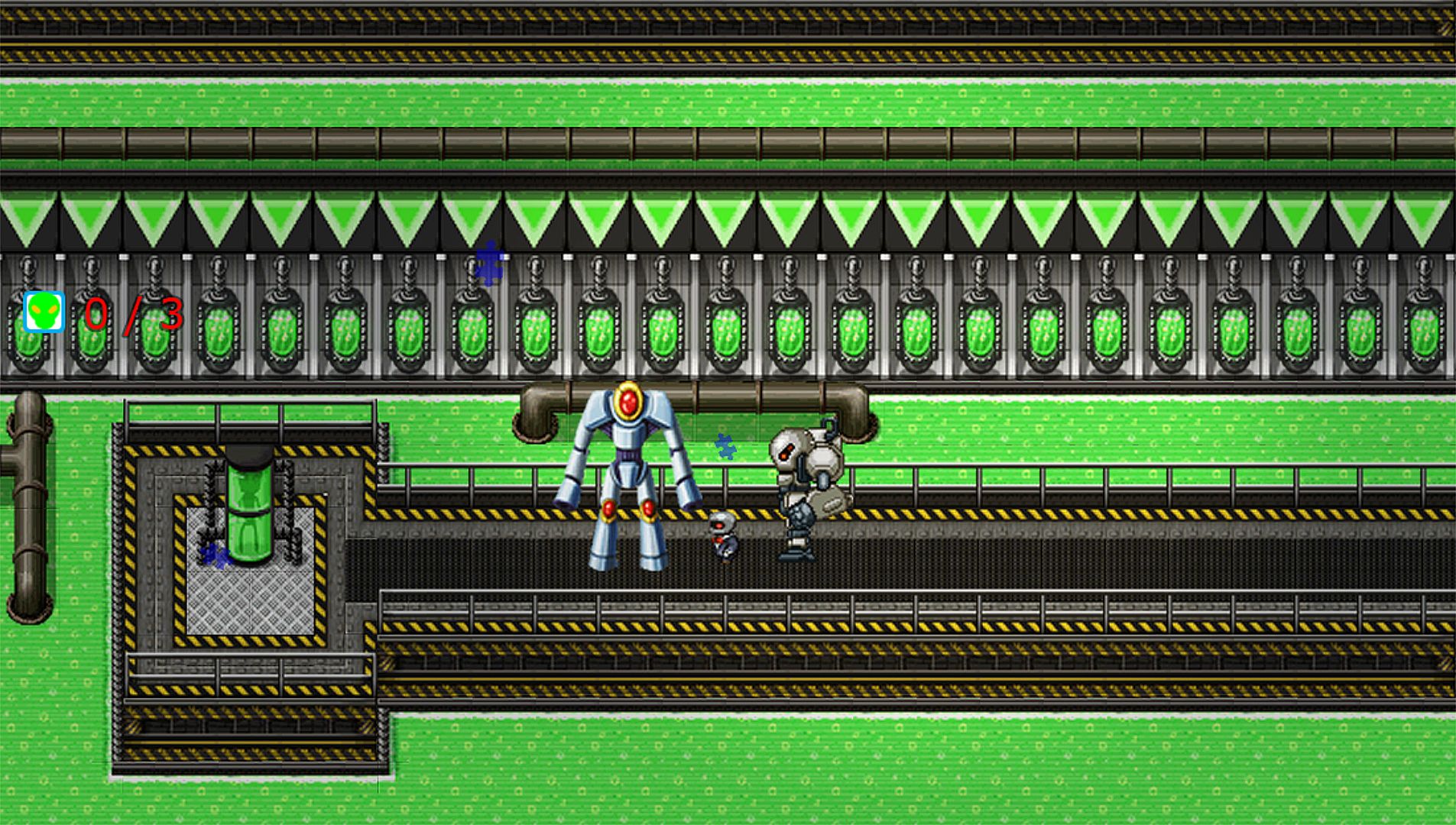
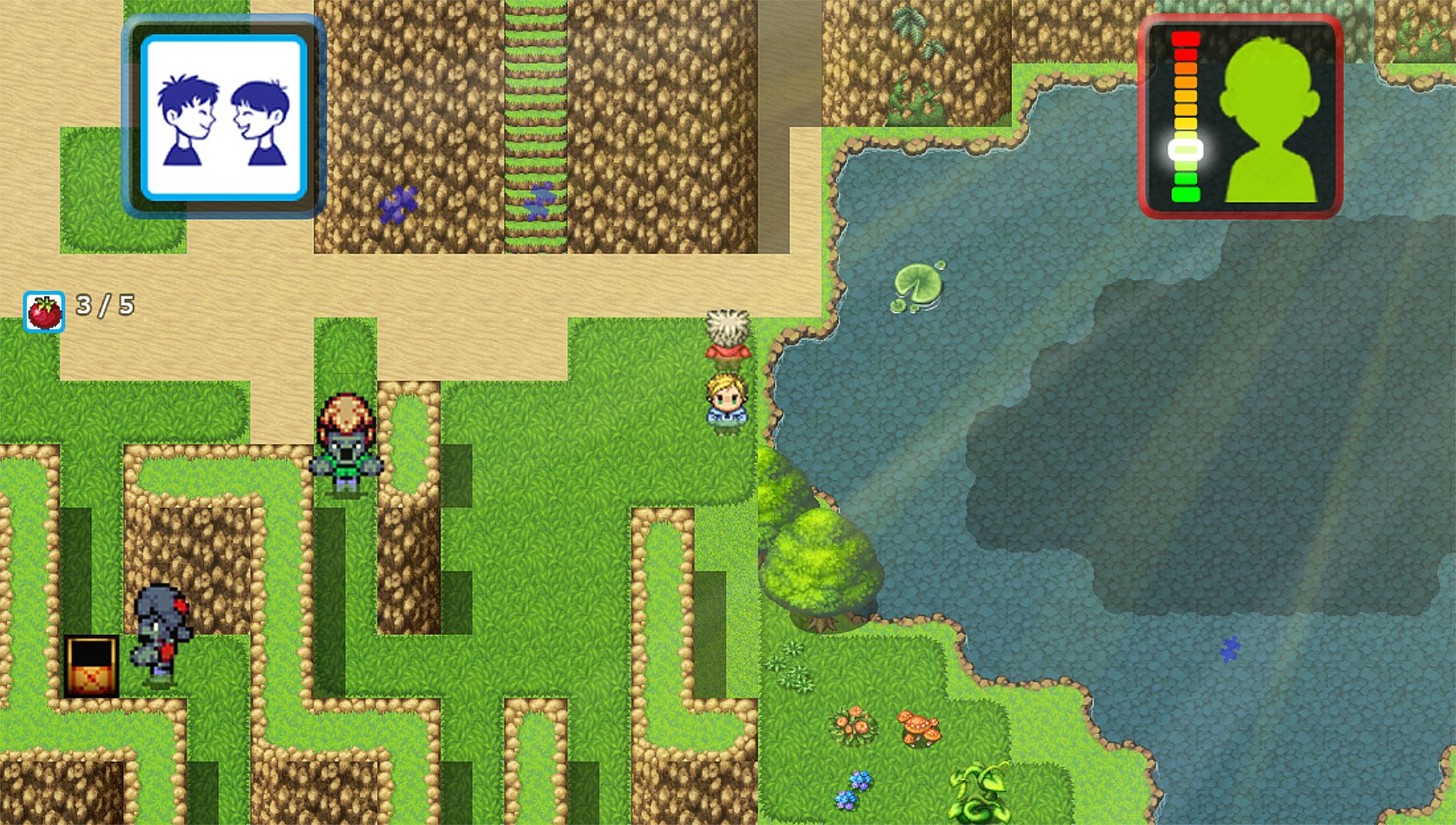
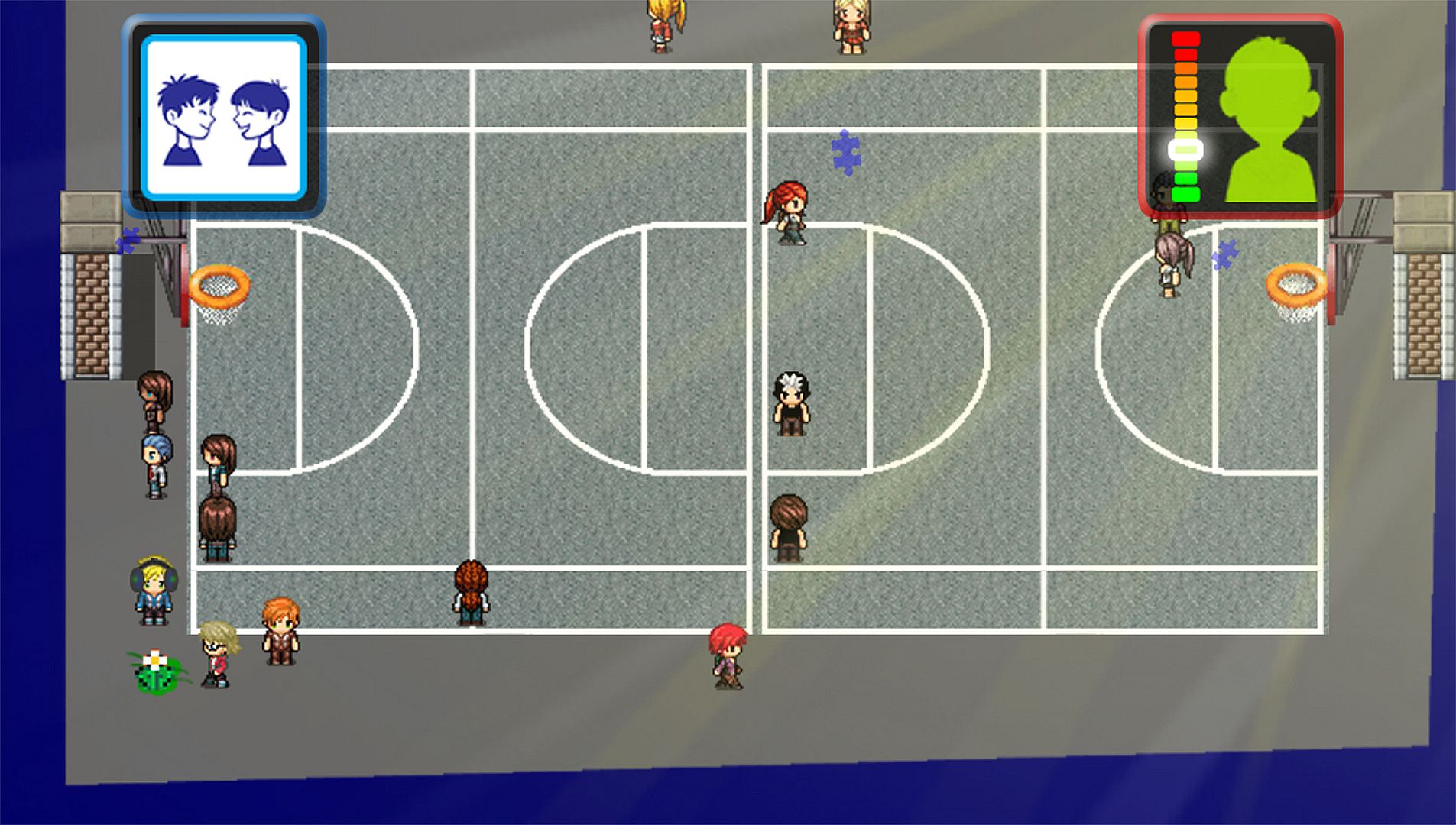
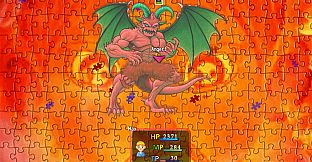
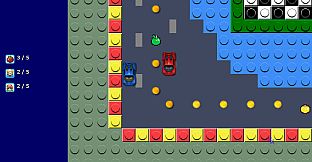
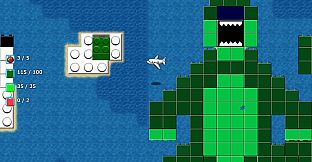
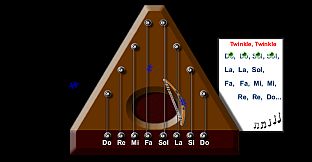
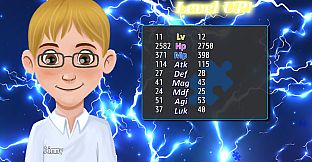
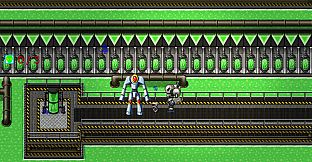
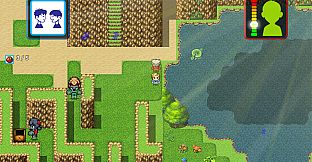
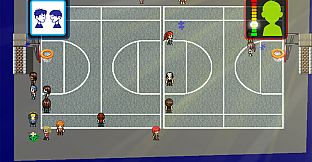
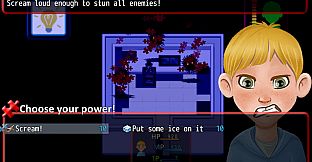
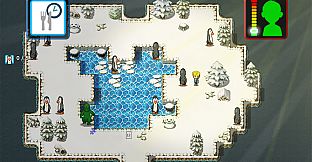
A jogabilidade gira em torno da exploração em visão superior, com encontros que levam a batalhas por turnos. Nessas lutas, o menu de comandos permite ataques, habilidades especiais e itens, todos temáticos em torno de ansiedades e manifestações emocionais. A experiência acumulada nas vitórias fortalece Max e libera novas opções para os combates seguintes. Minijogos interrompem o ritmo e incluem montar quebra-cabeças de imagens, correr com carrinhos de brinquedo e criar trilhas musicais simples. Esses segmentos costumam estar ligados a momentos da história, como lidar com sobrecarga sensorial ou cumprir tarefas diárias. Os controles aceitam mouse e teclado ou gamepad completo, mantendo a interface simples para diferentes idades e níveis de habilidade.
Modos de Jogo
O título oferece apenas uma narrativa contínua, sem multiplayer ou opções competitivas. A progressão segue Max por uma sequência de situações diárias, cada uma com combates e minijogos que avançam a trama. Não há caminhos alternativos ou finais diferentes; a estrutura é linear e destaca experiências específicas relacionadas ao autismo. O avanço acontece ao completar esses segmentos integrados, enquanto as conquistas registram o progresso na história e nas atividades.
História e Temas
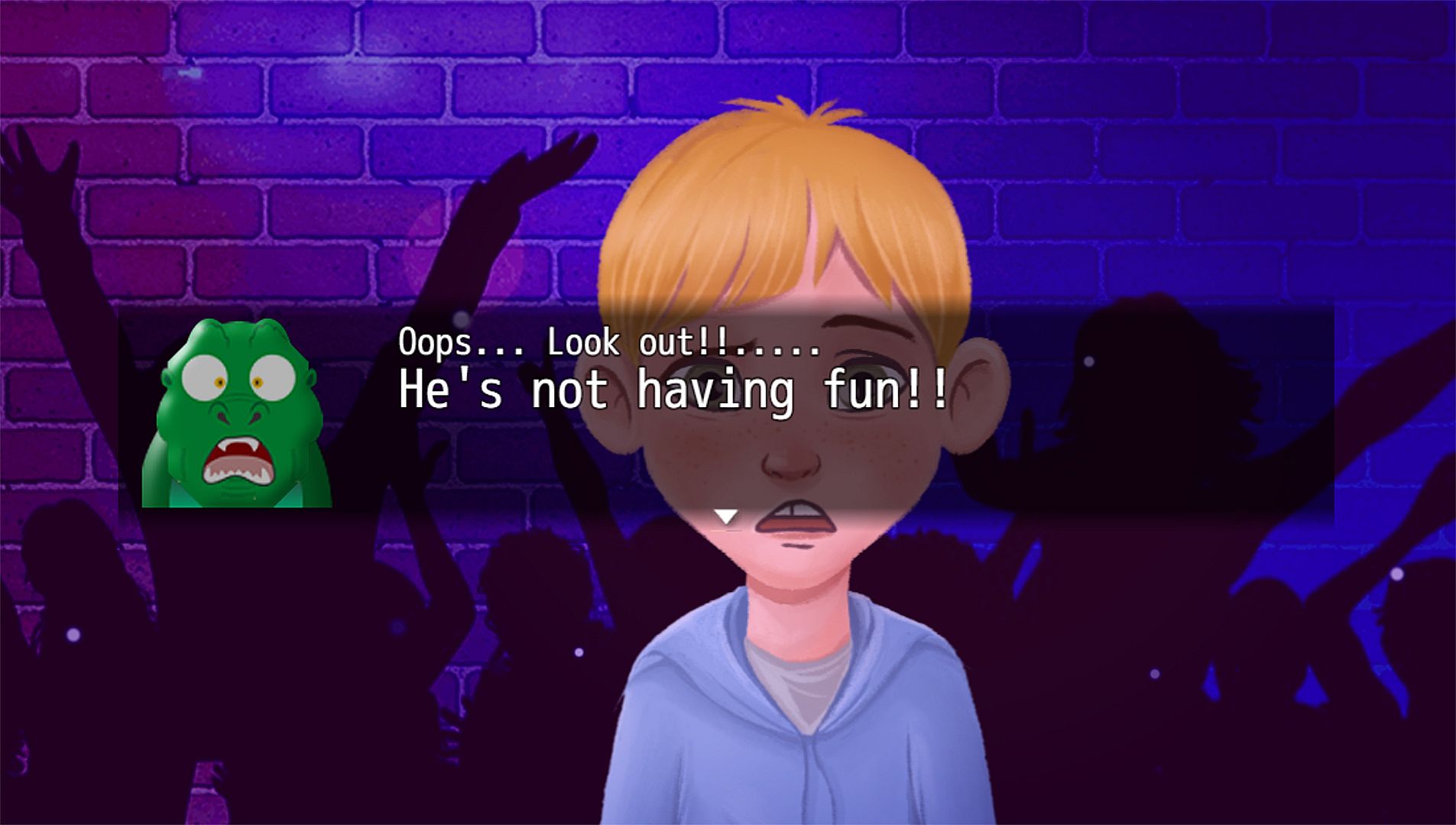
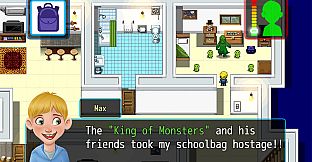
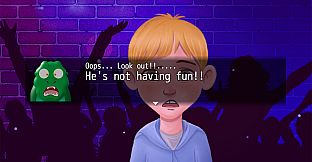
A narrativa é contada pela perspectiva de Max diante de eventos rotineiros que muitos consideram comuns. Elementos de fantasia surgem como monstros que simbolizam frustrações e medos reais, mas as situações permanecem ancoradas no dia a dia infantil. Notas informativas sobre autismo aparecem ocasionalmente para dar contexto sem pesar na experiência. O projeto foi criado em parceria com o filho do desenvolvedor, resultando em um retrato focado em uma única trajetória em vez de tentar representar todo o espectro. O destaque fica nos pequenos desafios e vitórias do dia a dia.
Detalhes Técnicos e Acessibilidade
Com visuais e som inspirados no retrô, o jogo roda em PCs comuns, oferece suporte a saves na nuvem e integração com cartões colecionáveis do Steam. As conquistas marcam marcos como concluir minijogos específicos ou alcançar determinados pontos da história. O design evita menus complexos e ação acelerada, tornando-o acessível para jogadores mais jovens ou iniciantes em RPGs. O suporte a controle amplia a acessibilidade para quem prefere esse método de entrada.
Vale a Pena Jogar?
No Steam, o jogo tem avaliação Muito Positiva com base em 66 análises, destacando o tema abordado e os combates equilibrados. É indicado para quem busca RPGs indie centrados em história com elementos educativos sobre autismo. Quem procura mecânicas profundas ou alta rejogabilidade por meio de múltiplos modos pode achar a experiência limitada, já que o foco está em uma única narrativa com sistemas diretos. Para famílias ou jogadores que desejam um título informativo e divertido, que une mecânicas clássicas de RPG com um olhar pessoal, a proposta entrega uma experiência concisa centrada em seus temas principais. Está disponível nas principais lojas digitais, sem conteúdo sazonal ou atualizações relevantes desde o lançamento.


