




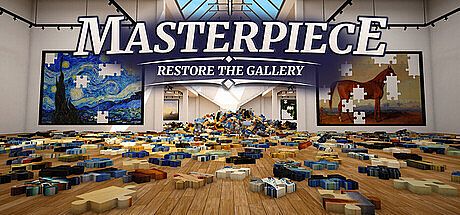


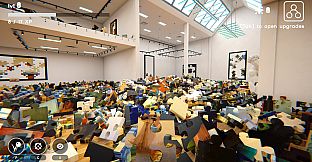
Masterpiece: Restore the Gallery é um jogo indie casual de simulação para um jogador focado na montagem de quebra-cabeças. O jogador assume o papel de curador de uma galeria de arte e precisa reconstruir pinturas históricas fragmentadas a partir de peças espalhadas. A experiência combina a resolução metódica de quebra-cabeças com elementos leves de progressão em um ambiente interno contido.
Gameplay
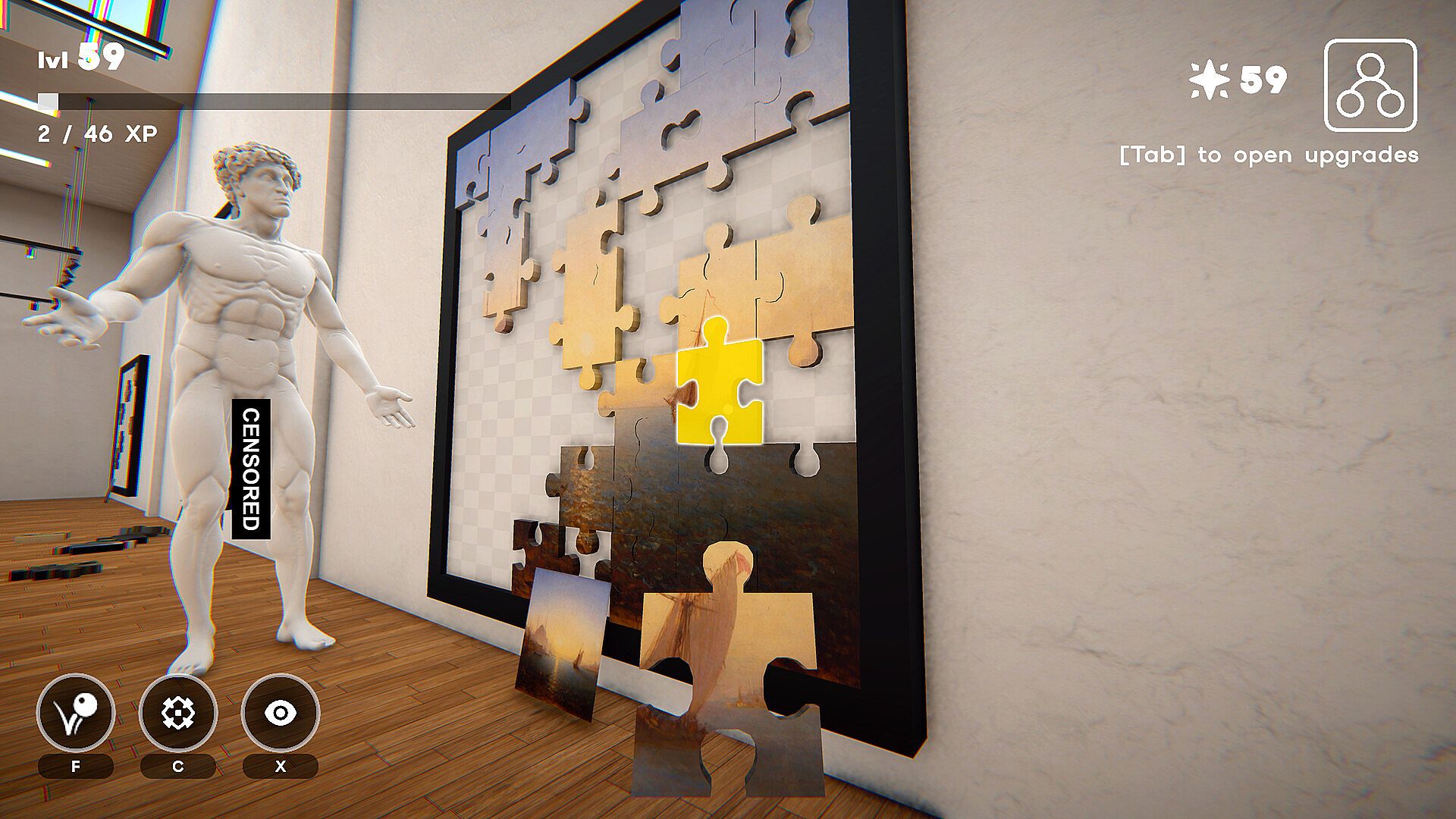
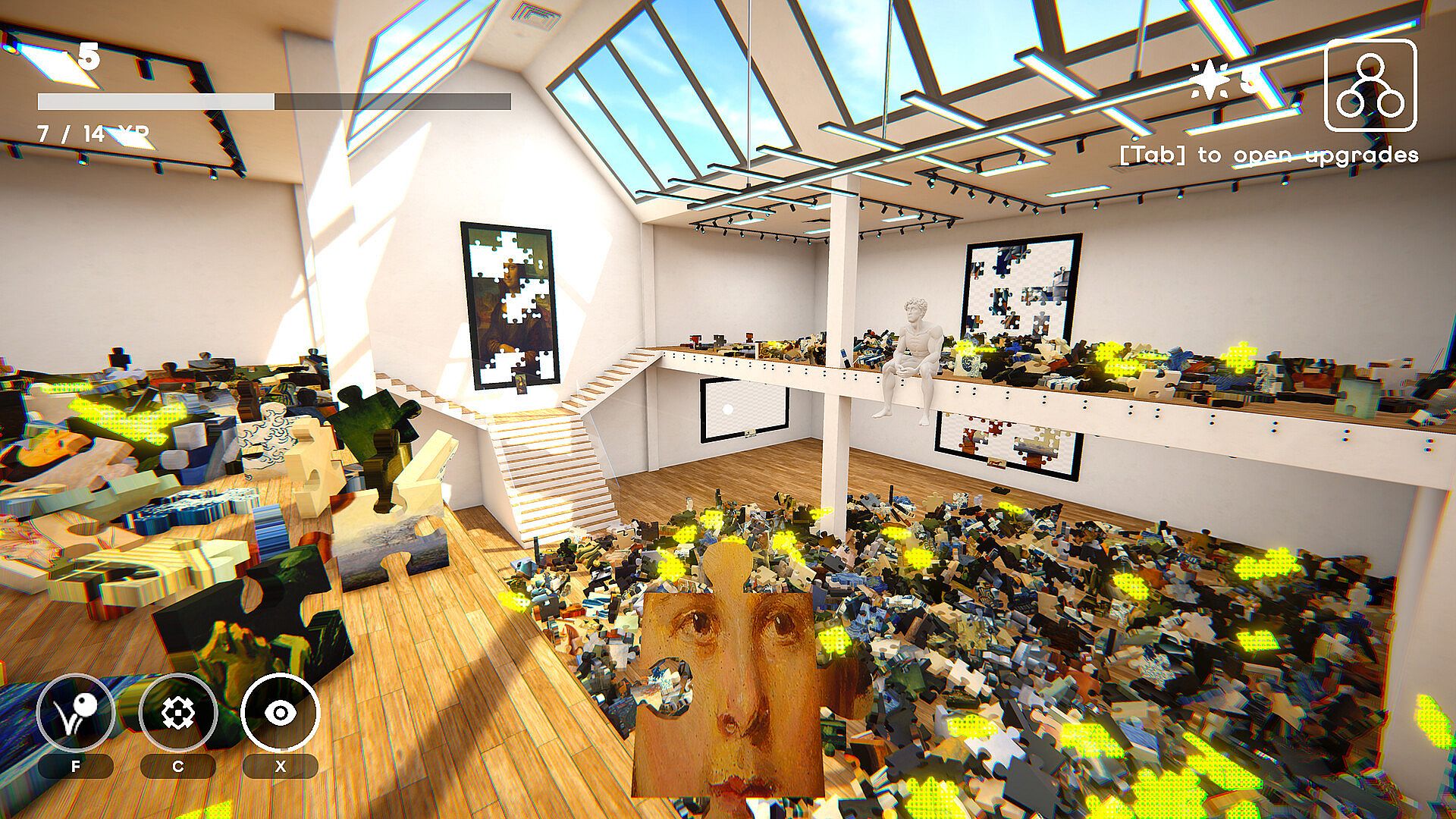
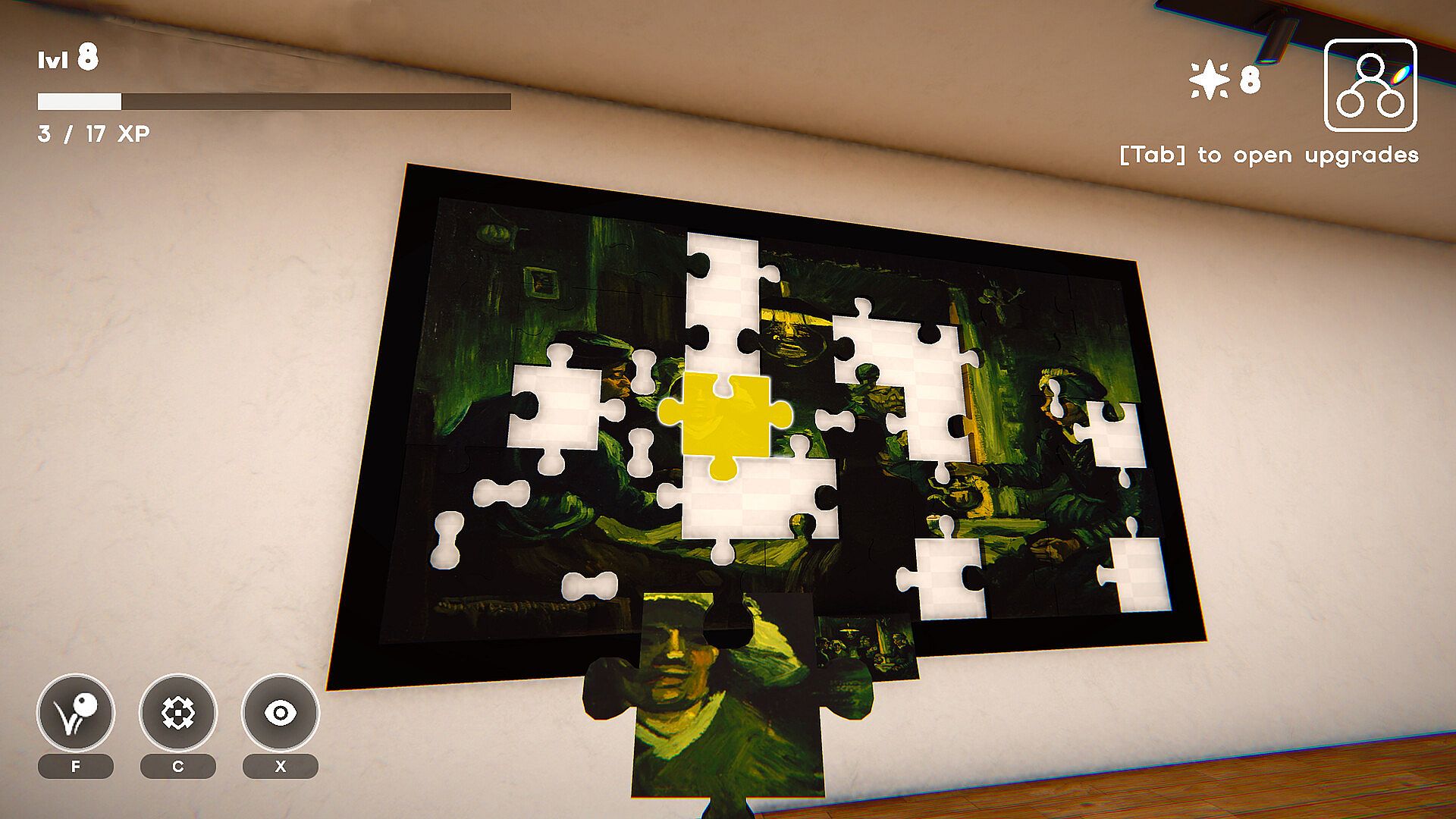
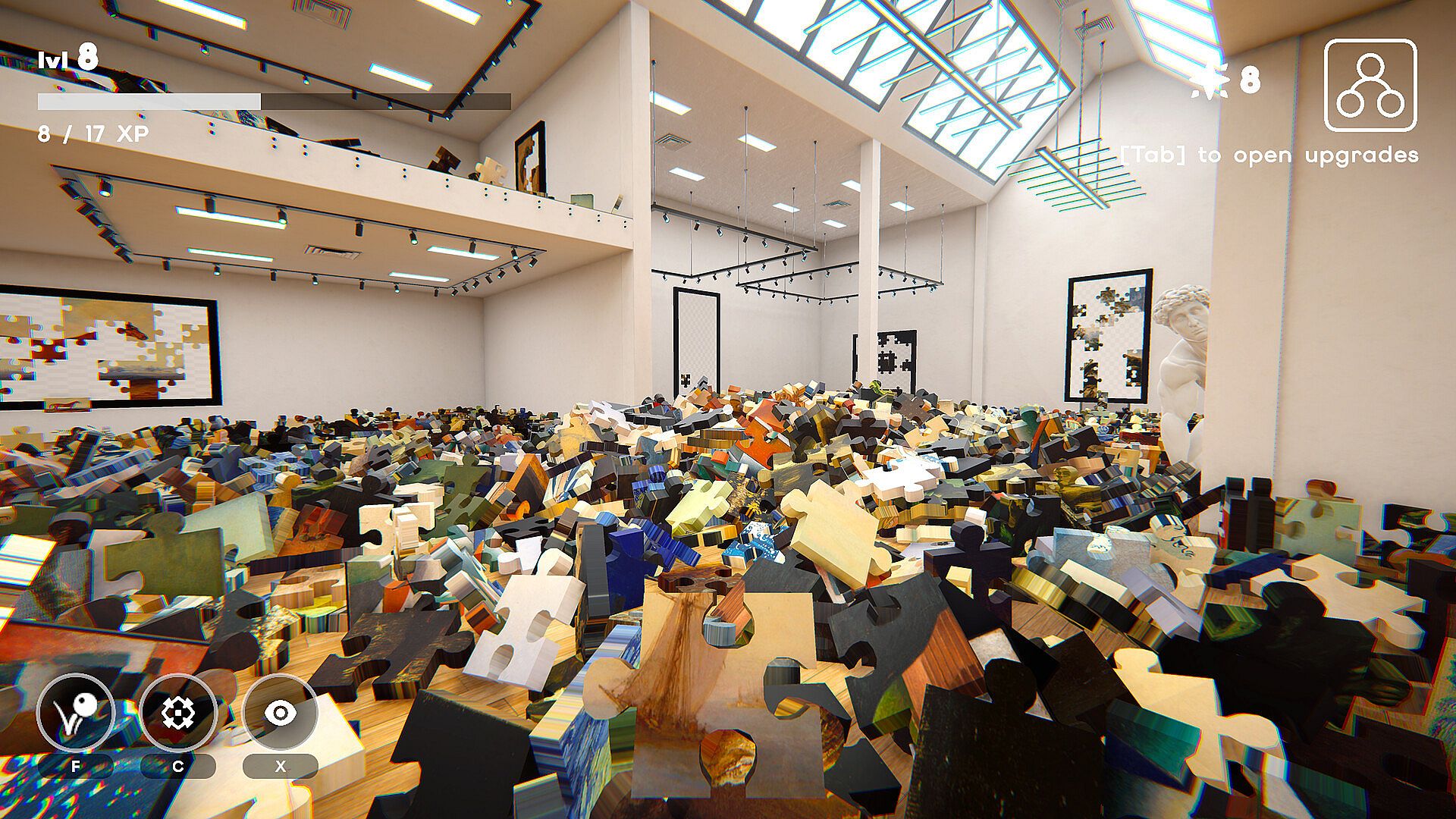
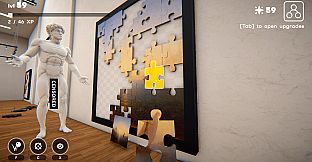
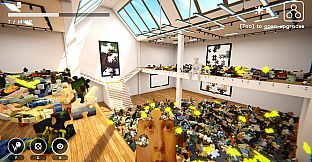
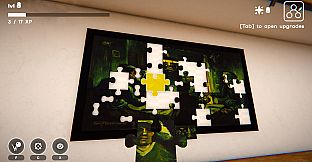
O ciclo principal consiste em localizar peças espalhadas pelo chão da galeria, associá-las à tela correta e encaixá-las para restaurar as obras completas. Cada encaixe bem-sucedido contribui para o progresso geral, enquanto o jogador circula pelo espaço em busca de novos fragmentos. O processo se repete em várias pinturas, permitindo que o jogador se familiarize com formatos e padrões de cor ao longo do tempo.
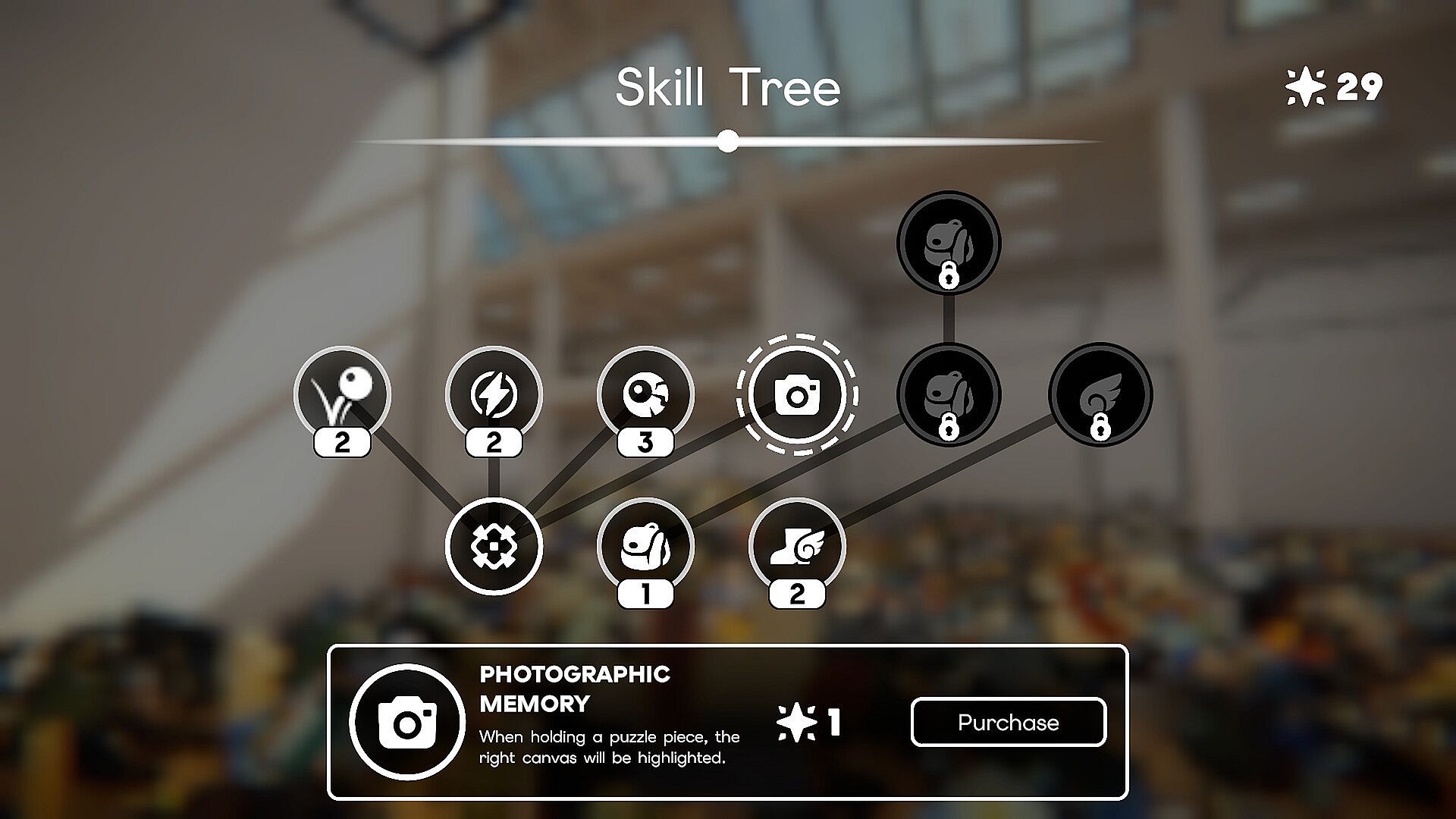
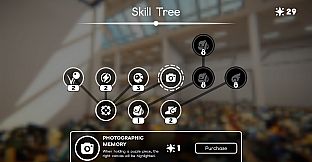
A experiência acumulada por meio das montagens libera novas habilidades. Essas melhorias incluem identificação mais rápida das peças, alcance maior de coleta e encaixes mais precisos. As atualizações incentivam o retorno a telas anteriores com maior eficiência conforme o conjunto de ferramentas se expande.
A atenção aos detalhes é essencial, pois peças de pinturas diferentes podem apresentar tons e bordas semelhantes, exigindo comparação cuidadosa antes de definir a tela correta. O ritmo constante de busca, associação e encaixe cria uma cadência meditativa adequada tanto para sessões curtas quanto prolongadas.
Modos de Jogo
O jogo é exclusivamente single-player, sem componentes multijogador ou elementos competitivos. Toda a ação ocorre em um único ambiente contínuo, onde o jogador gerencia a restauração de forma independente. A progressão é linear, avançando por pinturas sucessivas sem ramificações ou cenários alternativos.
Nesse formato solo, o foco está no desenvolvimento pessoal de habilidades em vez de desafios externos. O jogador controla totalmente o ritmo, decidindo quando priorizar obras específicas ou testar novas habilidades. Não há modos adicionais que alterem o objetivo central de restauração.
O Ambiente da Galeria
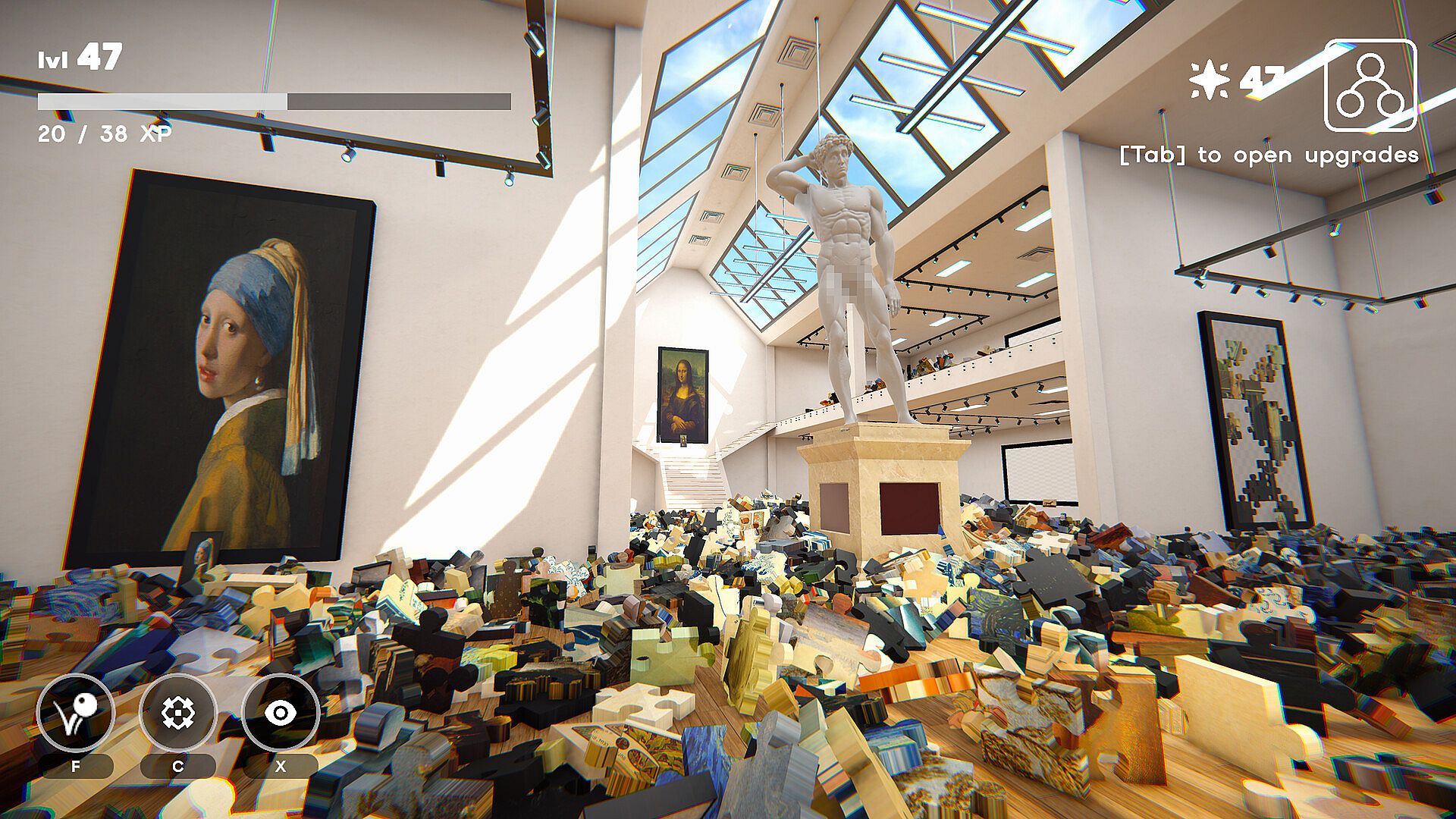
O cenário é composto por um único espaço interno com telas vazias e fragmentos espalhados. Uma presença marcante é a estátua que se movimenta pela sala, criando uma camada sutil de atenção sem interação direta. O jogador precisa equilibrar o trabalho de restauração com a consciência desse elemento em movimento ao fundo.
As pinturas históricas são o foco central, cada uma representando obras culturais significativas reduzidas a fragmentos. Restaurá-las exige reconhecer pistas visuais que diferenciam uma obra da outra em meio aos destroços misturados no chão. O espaço confinado mantém a atenção na coleta e no encaixe imediato das peças.
Progressão e Habilidades
As habilidades são desbloqueadas naturalmente conforme a experiência é acumulada com os encaixes concluídos. As primeiras melhorias podem agilizar a coleta básica, enquanto as atualizações posteriores refinam a precisão do encaixe ou destacam possíveis correspondências. O sistema recompensa o jogo consistente ao reduzir gradualmente o tempo gasto em ações repetitivas.
O jogador decide a ordem das melhorias de acordo com sua abordagem preferida, priorizando velocidade ou precisão. A progressão está diretamente ligada às ações dentro do jogo, mantendo o foco no próprio processo de montagem.
Vale a Pena Jogar?
O título é indicado para quem aprecia quebra-cabeças metódicos com temática de restauração e progressão leve. O design single-player oferece uma experiência autônoma que pode ser jogada em qualquer ritmo, tornando-a acessível tanto para sessões casuais quanto para jogatinas mais dedicadas.
Com lançamento previsto para o 3º trimestre de 2026 e sem avaliações disponíveis até o momento, os jogadores interessados podem avaliar o ciclo principal a partir da descrição disponível. Quem se sente atraído por elementos de simulação que envolvem reconhecimento de padrões e melhoria incremental encontrará mecânicas alinhadas a essa preferência. A ausência de multijogador ou modos adicionais mantém o escopo focado na atividade central de restauração.