





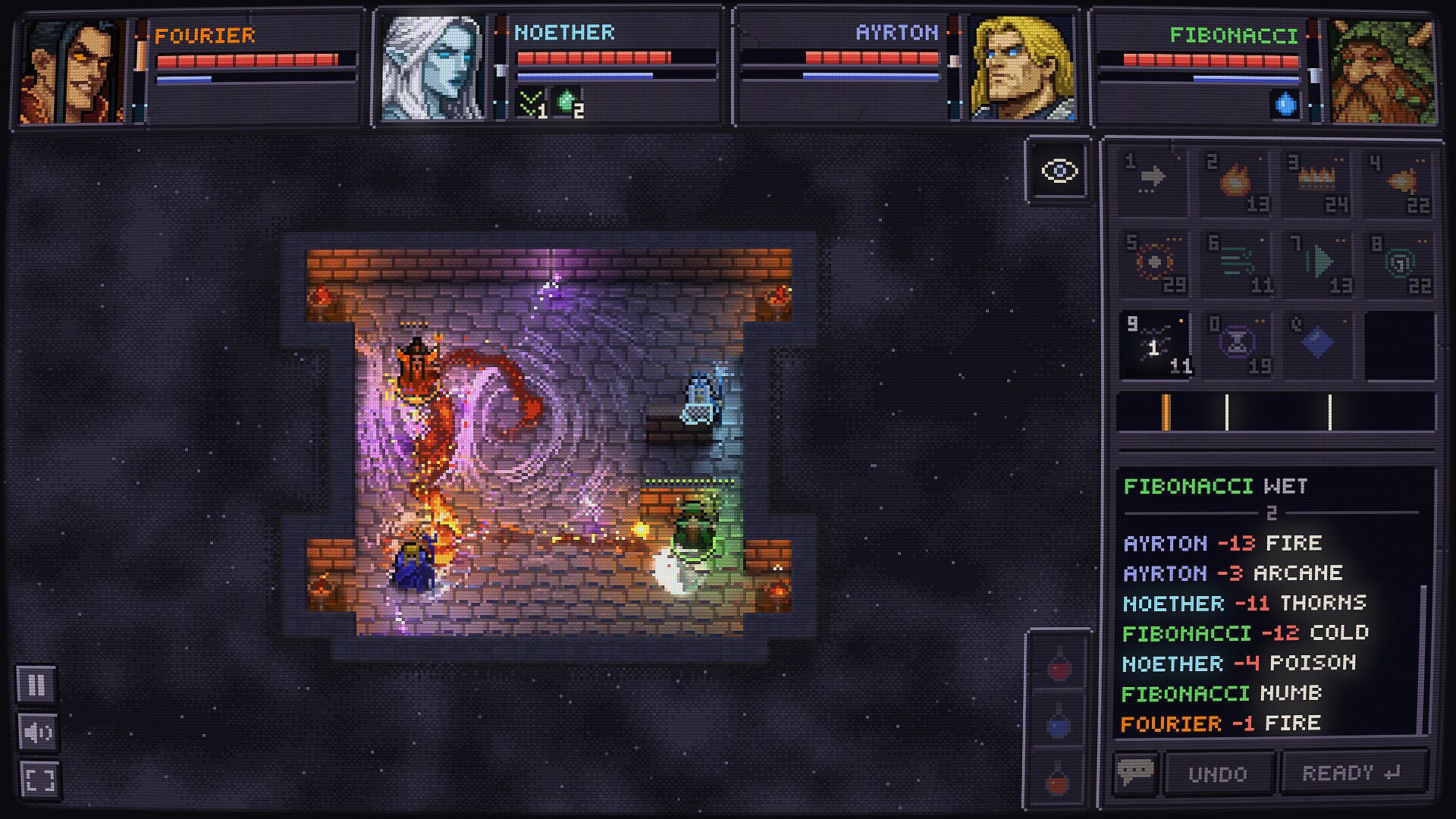
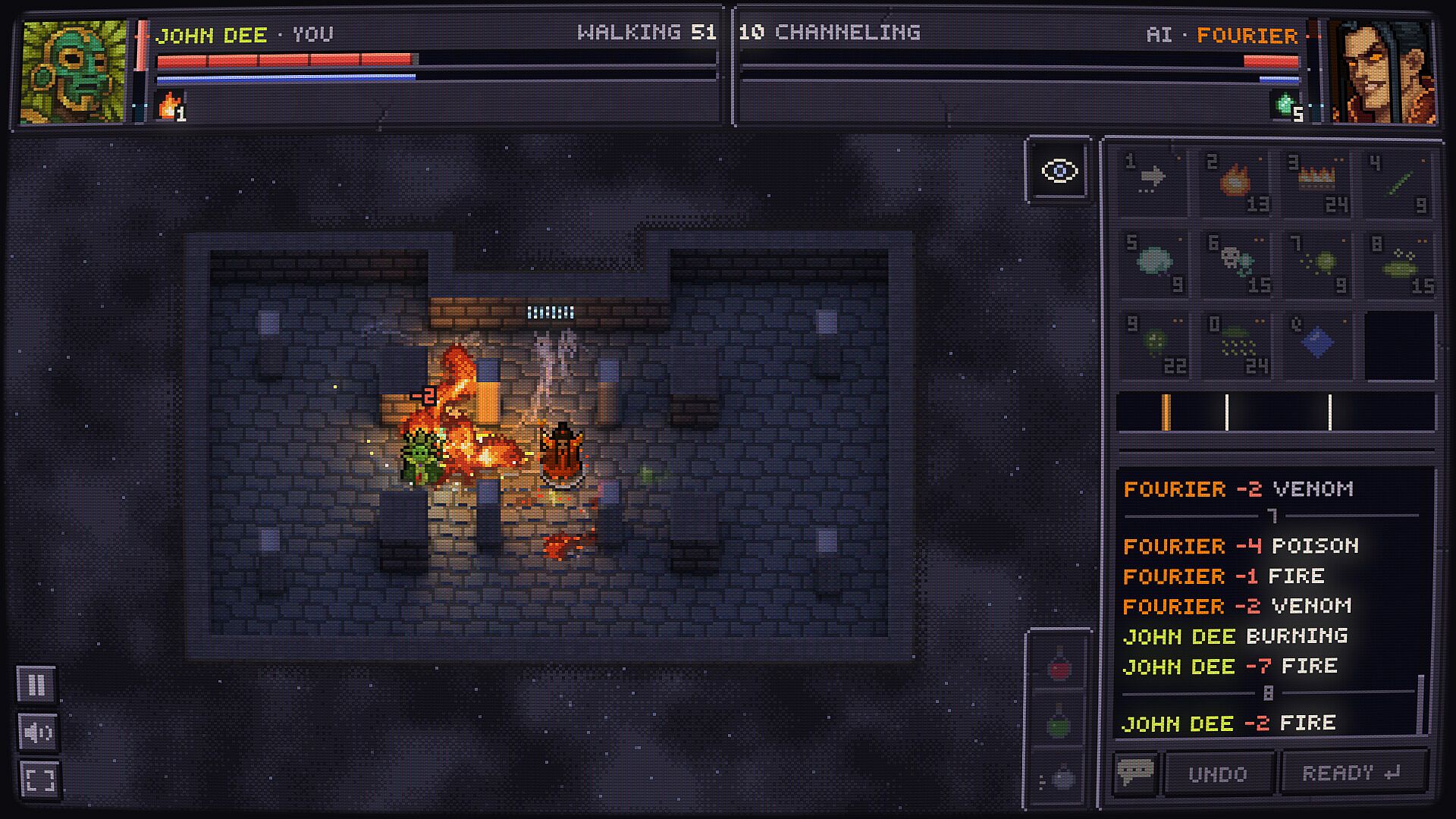
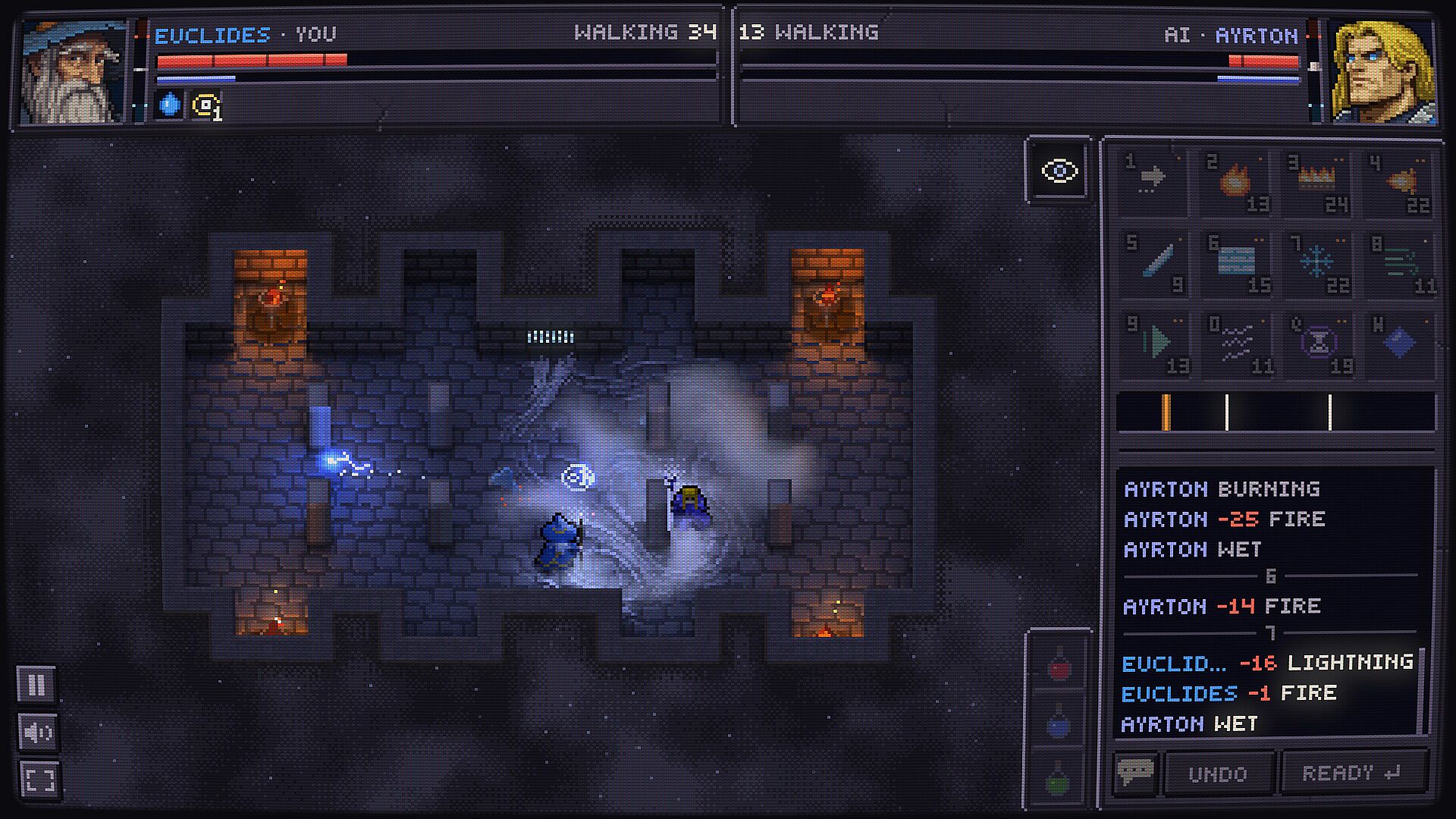
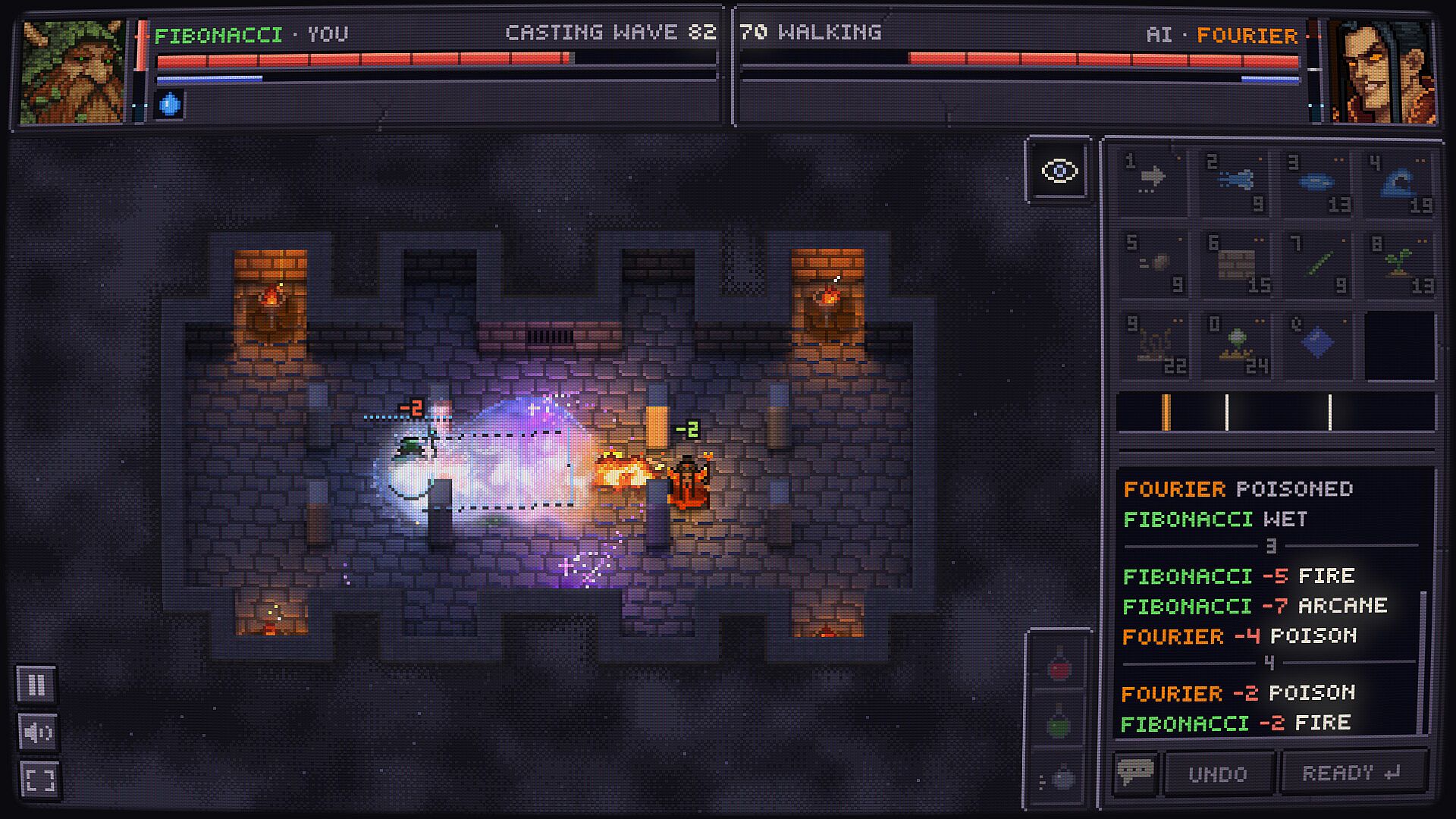
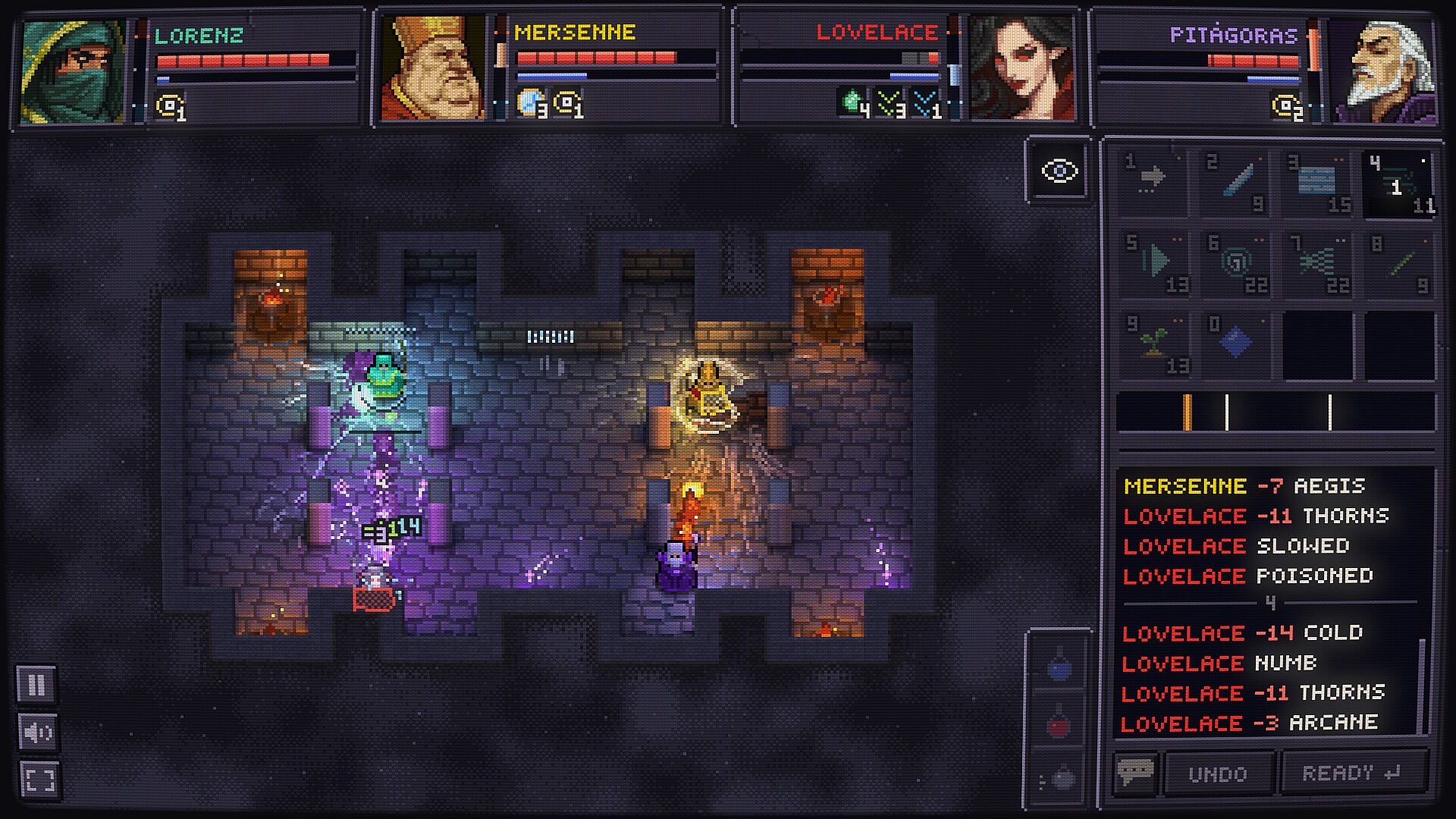
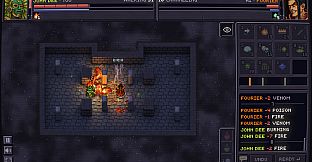
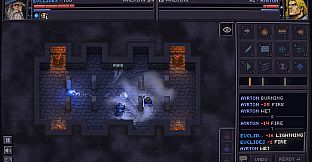
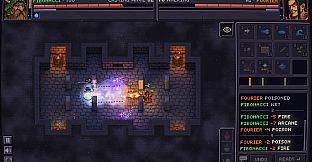
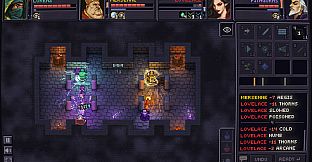
MAGOS is a strategy game centered on wizard duels where fluid simulations drive every magical interaction on the battlefield. Players command wizards in matches that emphasize prediction, adaptation, and creative spell combinations rather than direct control during combat.
Gameplay
Core gameplay revolves around a living element simulation that reacts to every spell cast. Fire spreads across surfaces, water currents shift and interact with other forces, and opposing elements collide to alter terrain and create new opportunities or hazards. These changes occur without scripts, so each duel evolves differently based on the sequence of actions taken.
Planning forms the heart of each turn. Wizards select spells in secret while opponents do the same. Once selections are locked in, all actions resolve simultaneously. Success depends on anticipating rival choices, positioning to avoid incoming effects, and setting up chains that exploit the simulation. The battlefield itself provides clues through visible flows and reactions, rewarding players who learn to read these patterns over multiple rounds.
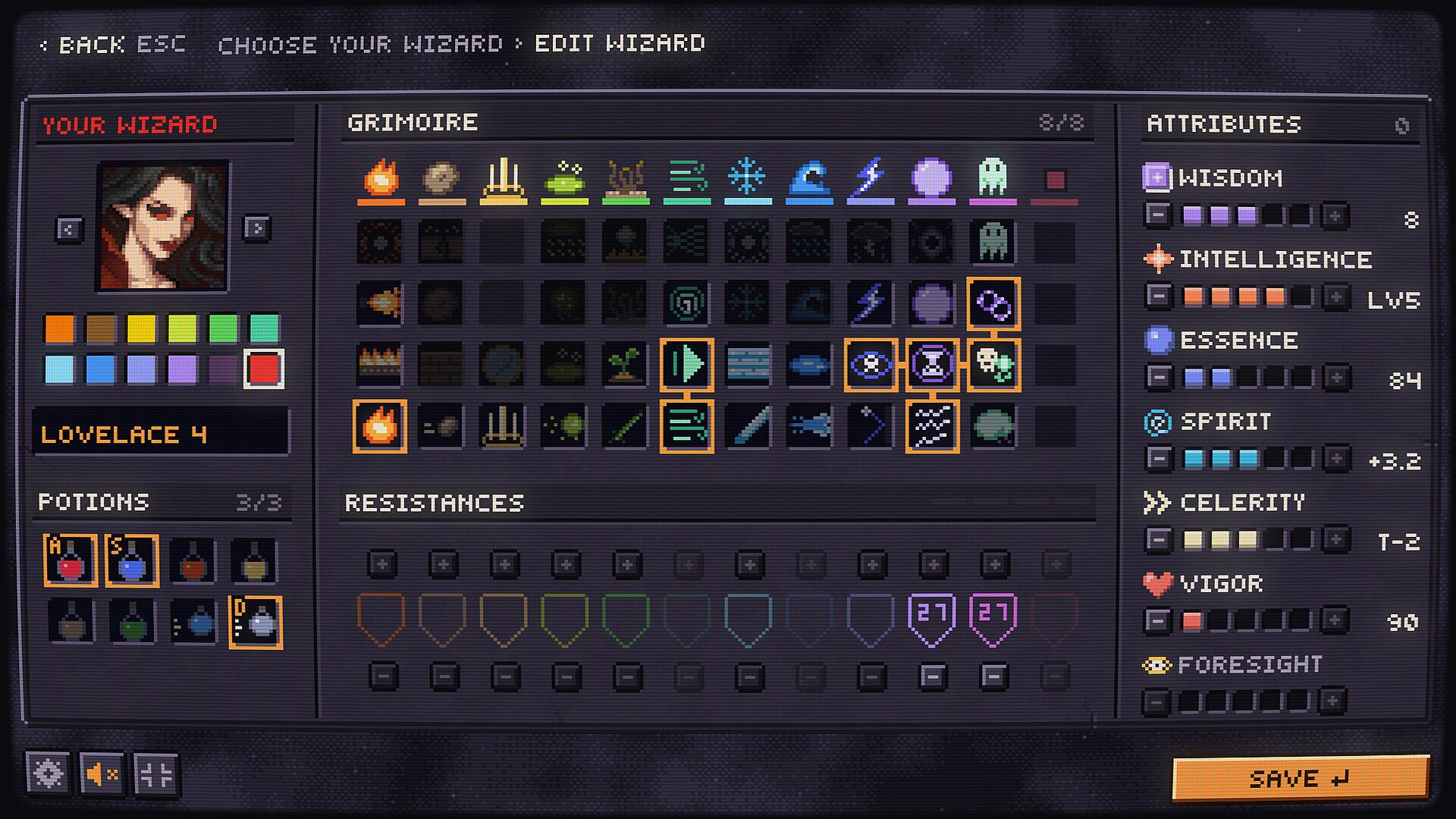
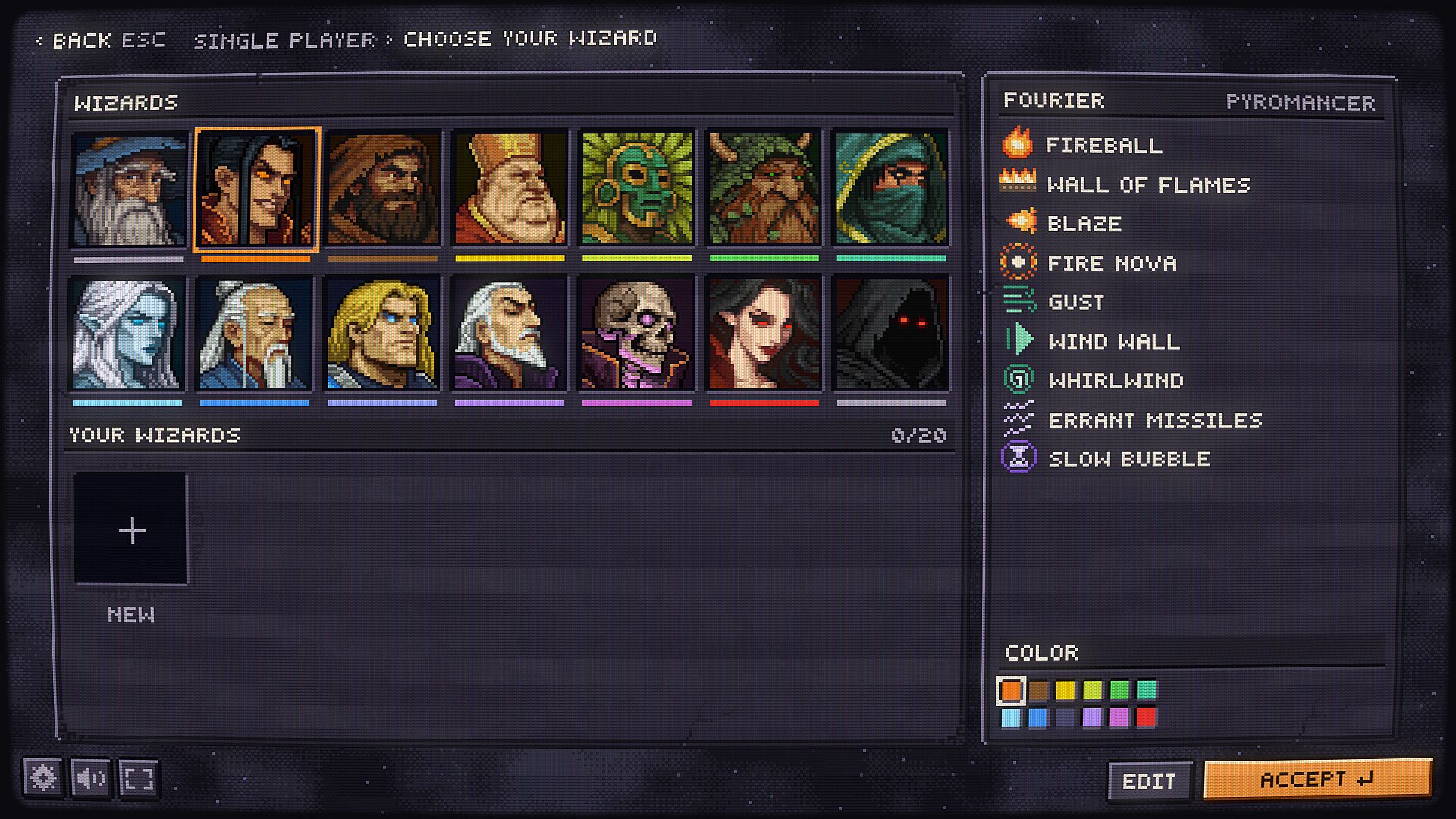
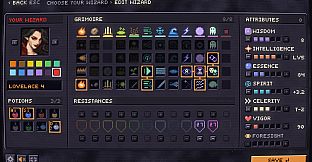
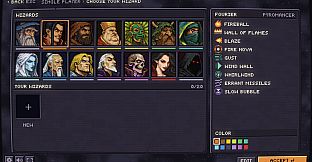
Twelve distinct schools of magic exist, each tied to a specific element and associated combat approach. Wizards are built by mixing attributes, resistances, and spells from these schools, producing varied builds that suit different strategies. Experimentation with combinations reveals synergies that can turn the simulation in a player's favor.
Game Modes
Matches take the form of free-for-all duels involving two to four wizards. These encounters support play against artificial intelligence for solo practice, local multiplayer on the same device, or online sessions with others. The simultaneous resolution system keeps every participant engaged throughout the planning and execution phases.
Replays capture the full sequence of events, including the fluid reactions and spell interactions. These recordings can be saved and shared, allowing review of particularly chaotic or inventive duels to study effective tactics or showcase memorable moments.
Wizard Creation and Progression
Building a wizard starts with selecting from the twelve schools and layering attributes along with elemental resistances. Spell choices further customize the kit, leading to numerous possible configurations. Some builds lean into direct elemental control, while others focus on defensive setups or disruptive combinations that leverage the simulation's reactive nature. The system encourages testing different approaches across repeated matches to refine what works against various opponents.
Is It Worth Playing?
MAGOS suits players who enjoy turn-based strategy with a strong emphasis on foresight and system mastery. The simultaneous planning mechanic creates tension similar to hidden-information games, while the fluid simulation adds layers of emergent outcomes that reward observation and adaptation. Those drawn to games where small decisions cascade into large battlefield shifts will find depth in learning the element interactions and build synergies.
Support for AI opponents, local play, and online duels broadens accessibility for different group sizes and skill levels. Replay functionality supports ongoing improvement by letting players analyze past matches in detail. As a strategy title focused on these specific systems, it appeals most to fans of tactical dueling and simulation-driven combat rather than fast-paced action or large-scale campaigns. Early interest appears centered on its unique blend of secret planning and reactive magic, making it a strong candidate for those seeking fresh takes on wizard confrontations.